
The Science of Heat Pump Maintenance: Why Year-Round Systems Need Different Care
Heat pumps operate year-round to both heat and cool homes, making regular maintenance critical for efficiency. Proper care can reduce energy consumption by up to 25 percent and extend the system's lifespan to two decades.
By Derya Kaplan

In short
- Heat pumps operate year-round, requiring more frequent maintenance than seasonal furnaces.
- Neglecting maintenance can increase energy consumption by up to 25 percent.
- Homeowners should change indoor filters every 1 to 3 months to ensure proper airflow.
Heat pumps have quietly become America's most popular heating appliance. In recent years, over 5 million new units were sold annually in the United States, outpacing traditional gas furnaces by 21 percent. As homeowners seek lower utility bills and reduced carbon footprints, the transition to residential electrification is accelerating rapidly.[2]
But this shift brings a hidden catch that many first-time buyers miss: heat pumps operate year-round. Unlike a gas furnace that sits idle all summer or a central air conditioner that hibernates through the winter, a heat pump handles both heating and cooling. This double duty means the system endures significantly more wear and tear than traditional seasonal appliances.[3]
Because of this continuous operation, maintenance is not just a recommendation—it is a strict requirement for reliable performance. According to the U.S. Department of Energy, the difference in energy consumption between a well-maintained heat pump and a severely neglected one ranges from 10 to 25 percent. Neglect quickly translates into higher monthly bills and premature equipment failure.
To understand why maintenance is so critical, it helps to understand the mechanism. Heat pumps do not burn fuel to generate heat; instead, they use compressed refrigerant to absorb ambient heat from the outside air and move it indoors, reversing the process in the summer to cool the house.[3]
Because they rely entirely on transferring heat from the surrounding air, unobstructed airflow is the lifeblood of the system. If the system cannot breathe, the compressor is forced to work harder to achieve the target temperature, drawing excess electricity and straining mechanical components.
The most common culprit for restricted airflow is a dirty indoor air filter. HVAC professionals note that clogged filters are responsible for roughly a third of all service calls. The Department of Energy advises homeowners to inspect and replace their filters every one to three months, depending on the filter's thickness and the presence of pets or high dust levels.[3]
The outdoor condenser unit requires equal attention. It must have at least two feet of clear space in all directions to pull in sufficient air. Homeowners should regularly trim back bushes, clear away fallen leaves, and ensure that snow does not bury the unit during the winter months.
Winter presents unique challenges for air-source heat pumps. While modern units are equipped with automatic defrost cycles to melt away light frost, heavy ice buildup indicates a problem. If a unit becomes encased in ice, it must be turned off and allowed to thaw, as running an iced-over heat pump can destroy the fan blades and the compressor.[3]
While homeowners can handle filters and exterior clearance, professional maintenance is non-negotiable. The American Society of Heating, Refrigerating and Air-Conditioning Engineers (ASHRAE) Standard 180 establishes strict industry baselines for inspecting and maintaining these complex systems.[1]
During an annual or bi-annual tune-up, technicians perform tasks that require specialized tools and training. One critical check is the refrigerant charge. Even a minor refrigerant leak will cripple the system's efficiency and can cause the indoor coil to freeze. Furthermore, handling refrigerant requires Environmental Protection Agency (EPA) certification.
Technicians also inspect the electrical terminals, lubricate moving parts, and flush the condensate drain. Because heat pumps dehumidify the air during the cooling season, the condensate drain safely removes the extracted moisture. A clogged drain can lead to water backing up into the home, causing severe water damage and mold growth.
Reliability data underscores the importance of this ongoing care. Consumer Reports surveys encompassing tens of thousands of heat pump owners reveal that while top brands score highly for reliability, the quality of the initial installation and the consistency of maintenance are equally vital predictors of a system's lifespan.[2]
Ultimately, a heat pump is a significant financial investment, often costing anywhere from several thousand to over $20,000 to install. By treating the system more like a vehicle that requires regular oil changes rather than a set-it-and-forget-it appliance, homeowners can ensure their heat pump delivers consistent comfort and energy savings for 15 to 20 years.[2][3]
Definitions
- Heat Pump
- An HVAC system that moves heat from one place to another using refrigerant, providing both heating and cooling.
- Refrigerant
- A chemical compound used in heat pumps to absorb and release heat as it cycles between liquid and gas states.
- Condensate Drain
- A pipe that removes the moisture extracted from the air during the cooling or defrosting process.
- ASHRAE Standard 180
- The industry baseline for inspecting and maintaining commercial and residential HVAC systems.
Questions & answers
How often should I change my heat pump filter?
Every 1 to 3 months, depending on the filter's thickness and whether you have pets or high dust levels in your home.
Do heat pumps need maintenance twice a year?
Yes. Because they operate year-round for both heating and cooling, HVAC professionals recommend a spring check-up for the cooling cycle and a fall check-up for the heating cycle.
Why is my outdoor unit freezing up in winter?
A light layer of frost is normal, but heavy ice buildup indicates a problem with the defrost cycle, restricted airflow, or low refrigerant levels, requiring professional service.
Analysis by camp
Energy Efficiency Advocates
Focus on the macro-level benefits of well-maintained heat pumps for the electrical grid.
Advocates and government agencies like the Department of Energy view heat pump maintenance as a critical piece of national infrastructure efficiency. Because heat pumps run on electricity, a neglected fleet of millions of inefficient heat pumps could place unnecessary strain on the power grid during peak summer and winter months. For this camp, routine maintenance is not just about individual savings, but about reducing overall carbon emissions and ensuring grid stability.
HVAC Professionals
Emphasize the technical complexity and the necessity of specialized tools.
The professional HVAC community stresses that modern inverter-driven heat pumps are highly complex pieces of machinery. While they encourage homeowners to change filters, they warn that DIY maintenance stops there. Checking refrigerant pressures, measuring electrical draw on the compressor, and calibrating smart thermostats require specialized training and adherence to ASHRAE standards. They argue that skipping annual professional tune-ups inevitably leads to catastrophic compressor failures.
Cost-Conscious Homeowners
Prioritize immediate savings and practical, do-it-yourself preventative care.
For homeowners, the primary motivation is protecting a major financial investment and keeping monthly utility bills low. This perspective focuses on the practical, everyday tasks that don't require a technician: clearing snow away from the outdoor unit, trimming bushes, and buying the right MERV-rated filters. They view professional maintenance as a necessary insurance policy, but rely on DIY vigilance to prevent the most common, easily avoidable service calls.
- HVAC Professionals
- Emphasize the technical complexity and the necessity of specialized tools.
- Energy Efficiency Advocates
- Focus on the macro-level benefits of well-maintained heat pumps for the electrical grid.
- Cost-Conscious Homeowners
- Prioritize immediate savings and practical, do-it-yourself preventative care.
Perspectives this story doesn't cover
- Renters who cannot control their building's HVAC maintenance
Sources
Source coverage
3 outlets
3 viewpoints surfaced



- [1]ASHRAEHVAC Professionals
Standard Practice for Inspection and Maintenance of HVAC Systems
Read on ASHRAE → - [2]Consumer ReportsCost-Conscious Homeowners
Heat Pump Reliability and Maintenance
Read on Consumer Reports → - [3]Factlen Editorial TeamHVAC Professionals
Synthesis by Factlen editorial team
Read on Factlen Editorial Team →

More in Home
See all →Water Chemistry
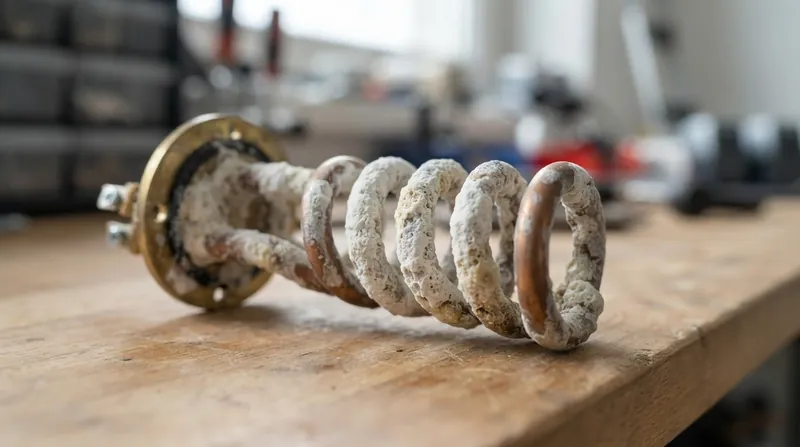
Retrograde Solubility Drives Calcium Carbonate Out of Solution as Temperatures Rise
3 sources
Fluid Dynamics
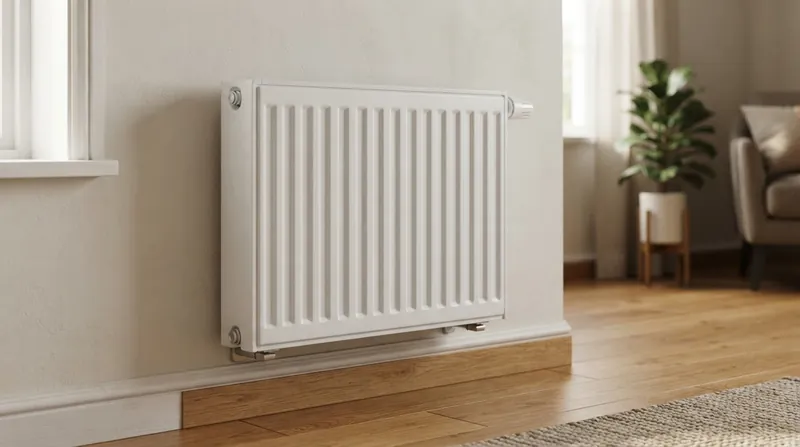
Why Radiators Stay Cold at the Bottom: How Magnetite Sludge Chokes Convection
5 sources
Window Maintenance
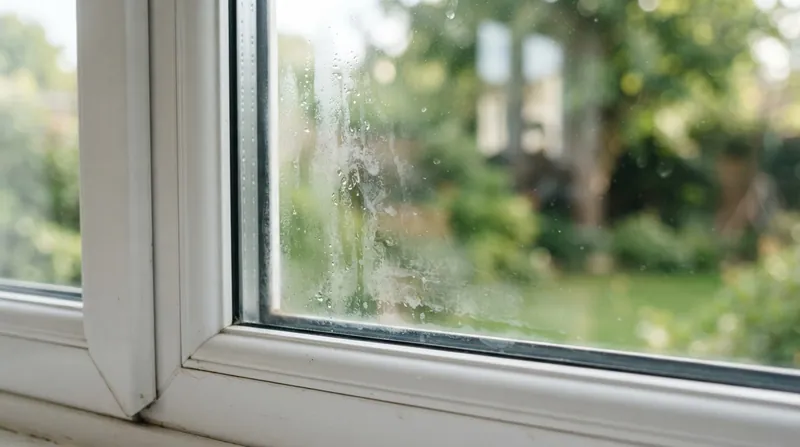
Solar Pumping Drives Moisture Past Breached Window Seals, Saturating Desiccant and Permanently Etching Double-Glazed Panes
4 sources
Plumbing Physics
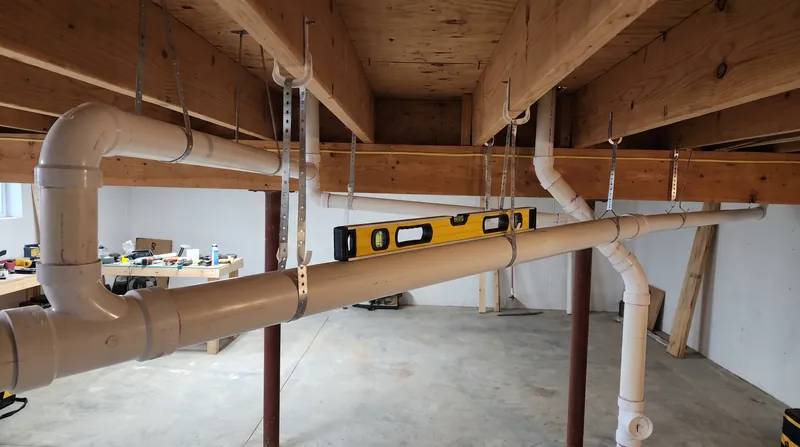
Why Drain Pipes Require a 2-Feet-Per-Second Flow to Prevent Solid Waste Blockages
10 sources
Comments
Every angle. Every day.
Get Home stories with full source coverage and perspective breakdowns, free every day.