
Cardio & Endurance
Cardio & Endurance is part of Fitness on Factlen: news, explainers and guides on the subject, gathered in one place. Aerobic training formats, step goals, and endurance protocol trade-offs. The newest report here was published on Oct 19, 2026. Recent headlines include “Exercise-Based Cardiac Rehab Cuts Heart Attacks by 28% and Hospital Admissions by 35%, Cochrane Review Finds”, “Why Low-Intensity Zone 2 Cardio Stimulates Mitochondrial Biogenesis”, “Structured Exercise Cuts Cancer Mortality by 23% and Recurrence by 17%, Systematic Review Finds”, “Walking at 90 to 100 Steps Per Minute Lowers Mortality Risk Even at Lower Daily Step Counts” and “Why High Cycling Cadences Disproportionately Compress Cardiac Diastolic Filling Time”.
Follow Cardio & Endurance in the Factlen app and get an alert when there is news. Get the app


Why Low-Intensity Zone 2 Cardio Stimulates Mitochondrial Biogenesis
4 sources · 161d ago

Structured Exercise Cuts Cancer Mortality by 23% and Recurrence by 17%, Systematic Review Finds
5 sources · 50d ago

Walking at 90 to 100 Steps Per Minute Lowers Mortality Risk Even at Lower Daily Step Counts
8 sources · 58d ago
More in Cardio & Endurance

Why High Cycling Cadences Disproportionately Compress Cardiac Diastolic Filling Time

Why Endurance Training Slows the Heart: The HCN4 Channel Remodeling Mechanism

Why Cardiac Output Caps Your VO2 Max Before Skeletal Muscle Reaches Its Limit

Why Runners Collapse at the Finish Line: The Physiology of the Skeletal Muscle Pump

Endurance Training Triggers False Anemia Diagnoses by Expanding Blood Plasma Volume

Mechanical Friction Along the Parietal Peritoneum Causes Runner's Side Stitches

The Physiology of the Talk Test: How Non-Metabolic Carbon Dioxide Restricts Speech During Exercise
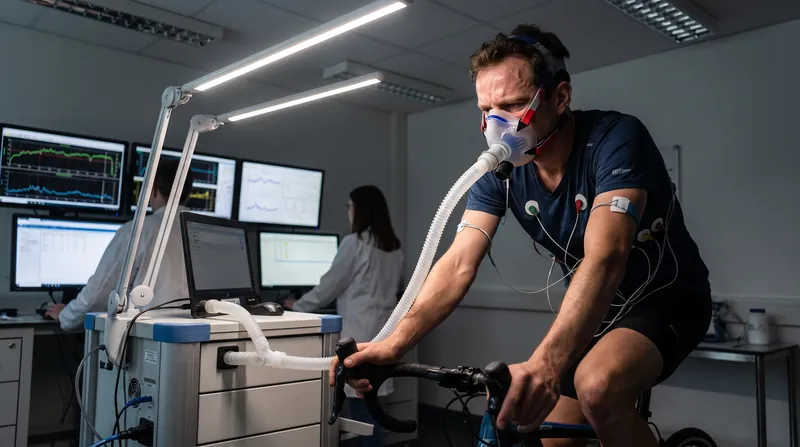
The Exponential Increase in VE/VCO2: How the Respiratory Compensation Point Defines the Highest Sustainable Endurance Pace

How Zone 2 Training Triggers Mitochondrial Biogenesis and Enhances Fat Oxidation

The 2.0 mmol/L Inflection Point: How a Single Blood Marker Defines the Boundary of Aerobic Base Training

The 4-Minute Exhaustion Window: How Maximal Aerobic Speed Defines the Optimal Duration and Intensity for VO2max Intervals

How Fluid Loss and Core Temperature Drive Cardiovascular Drift During Steady-State Running

The Physiology of Heart Rate Zones: How VO2 Max, Lactate Threshold, and FatMax Define Training Intensity

Why HIIT and MICT Trigger Entirely Different Physiological Adaptations
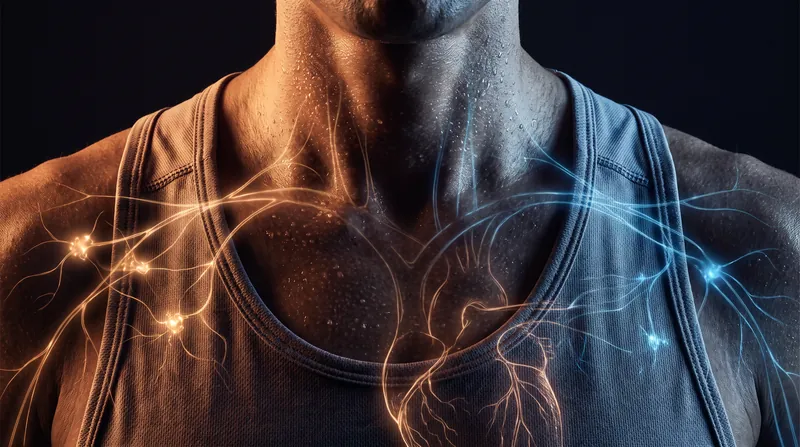
How Aerobic Exercise Rewires the Heart's Autonomic Nerve Network in a Side-Specific Way

2027 WADA Code Overhaul Finalized: Major Changes to Sanctions, TUEs, and 'Contaminated Source' Defense

FDA Approves PCSK9 Inhibitor Autoinjector, Linking LDL-C Reduction to Lower Cardiovascular Risk

Why Peak Cardiovascular Protection Requires 600 Minutes of Weekly Exercise

UCI Mandates WorldTour Teams Earn Points in Other Disciplines for 2027 License

IRONMAN Doubles Pro Draft Zone to 20 Meters in Sweeping 2026 Competition Rule Overhaul

Why Resistance Training Is Emerging as a Cardiovascular Intervention for Older Adults

Why Maximum Heart Protection Requires Up to 10 Hours of Weekly Cardio

Cape Town Confirmed as Eighth World Marathon Major, Creating the 'Eight Star' Series

NIH Consortium Maps the Molecular Effects of Exercise, Paving the Way for Precision Fitness

Scientists Discover Hard Biological Limit to Human Endurance: 2.5 Times Basal Metabolic Rate

New UK Physical Activity Guidelines Emphasize Muscle Preservation for GLP-1 Users

Landmark Wearable Study Pinpoints 7-8 A.M. Exercise Window for Lowest Cardiometabolic Risk

4 Minutes of Daily Vigorous Activity Cuts Risk of 8 Major Diseases, Including Dementia, by Up to 63%

Exercise-Induced Liver Enzyme Repairs Blood-Brain Barrier, Providing Molecular Mechanism for Alzheimer's Protection

Why 15 Minutes of Weekly Vigorous Exercise Lowers Chronic Disease Risk
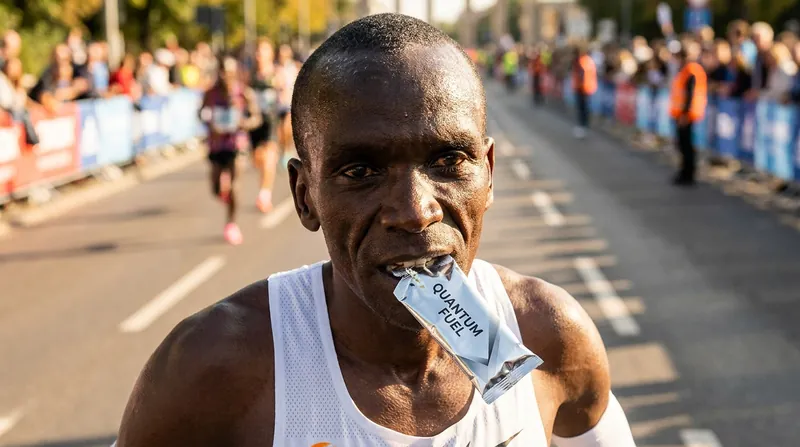
Lactate Hydrogels Bypass Carbohydrate Absorption Limits in Endurance Athletes

Heat Acclimation Expands Blood Plasma Volume to Boost Cardiovascular Fitness

Inspiratory Muscle Training Delays Systemic Fatigue by Preserving Limb Blood Flow

Curved Treadmills Burn Up to 30% More Calories by Forcing Runners to Power the Belt

Why the Most Effective Workout for Metabolic Health is Deliberately Slow

Zone 2 Cardio Maximizes Mitochondrial Function and Fat Oxidation

How Rucking Stacks Cardio and Resistance Training as a Low-Impact Running Alternative

The 80/20 Rule: Why Going Slower is the Secret to Metabolic Health and Endurance

HIIT vs. Steady-State Cardio: The Evidence on Fat Loss and Fitness
Trending in this topic
- Why High Cycling Cadences Disproportionately Compress Cardiac Diastolic Filling Time
- Why Endurance Training Slows the Heart: The HCN4 Channel Remodeling Mechanism
- Why Cardiac Output Caps Your VO2 Max Before Skeletal Muscle Reaches Its Limit
- Why Runners Collapse at the Finish Line: The Physiology of the Skeletal Muscle Pump
- Endurance Training Triggers False Anemia Diagnoses by Expanding Blood Plasma Volume
- Mechanical Friction Along the Parietal Peritoneum Causes Runner's Side Stitches