
Astronomy & Cosmology
Follow Astronomy & Cosmology in the Factlen app and get an alert when there is news. Get the app
- All Science
- Space
- Physics
- Biology & Life Sciences
- Chemistry
- Astronomy & Cosmology
- Psychology
- Neuroscience
- Engineering
- Mathematics
- Archaeology
- Scientific Discoveries
- Climate
- Climate Science
- Environment
- Research
- Academic Research
- Ecology & Environment
- Genetics & Genomics
- Public Health
- Discoveries
- Physics & Space
- Biology & Medicine
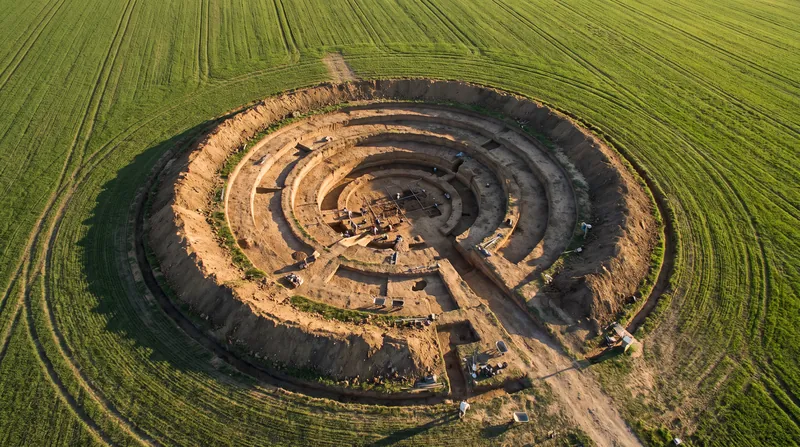
Neolithic Archaeology
6,500-Year-Old Czech Sanctuary May Track Sun and Moon, Predating Stonehenge by a Millennium
6 sources · 61d ago
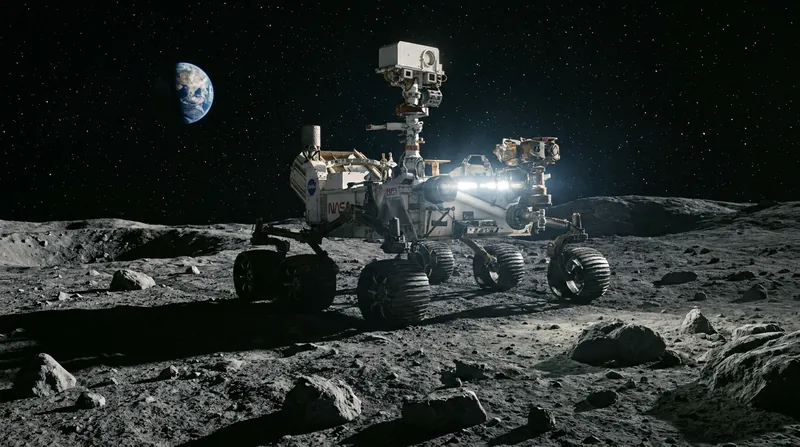
Lunar Infrastructure
NASA Greenlights Nuclear-Powered Rover to Survive Lunar Night, Awards $600M in Moon Base Contracts
4 sources · 111d ago
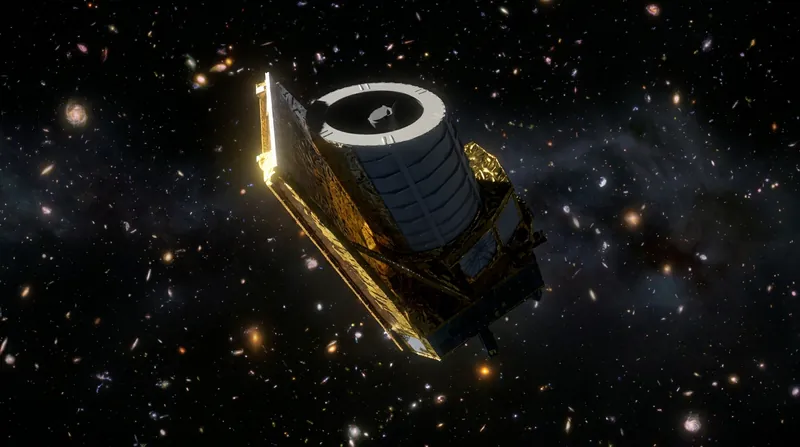
Comet Discoveries
Euclid Space Telescope Identifies Previously Unknown Comet in Deep Outer Solar System
5 sources · 3d ago
More in Astronomy & Cosmology
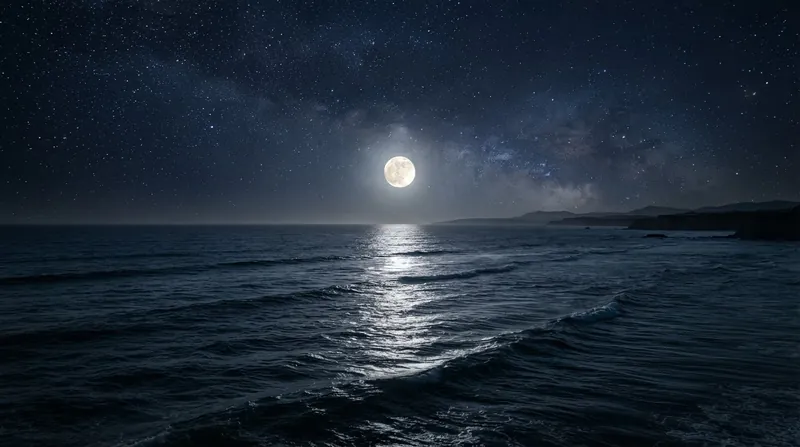
ExplainerOrbital Mechanics
How Tidal Bulges Transfer Earth's Spin Energy to Push the Moon Away
Astrophysicists 40%Geophysicists 35%Metrologists 25%
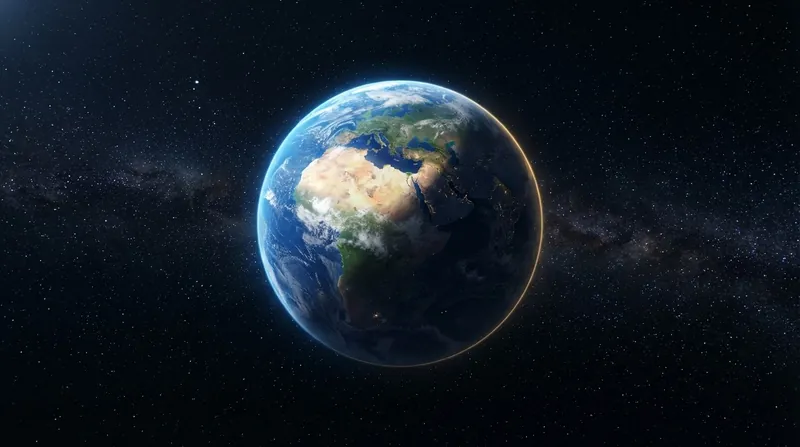
ExplainerPlanetary Mechanics
Earth's 23.5-Degree Axial Tilt Drives the Seasons by Modulating Solar Incidence Angle and Day Length
Planetary Climatologists 40%Meteorologists 35%Orbital Dynamicists 25%
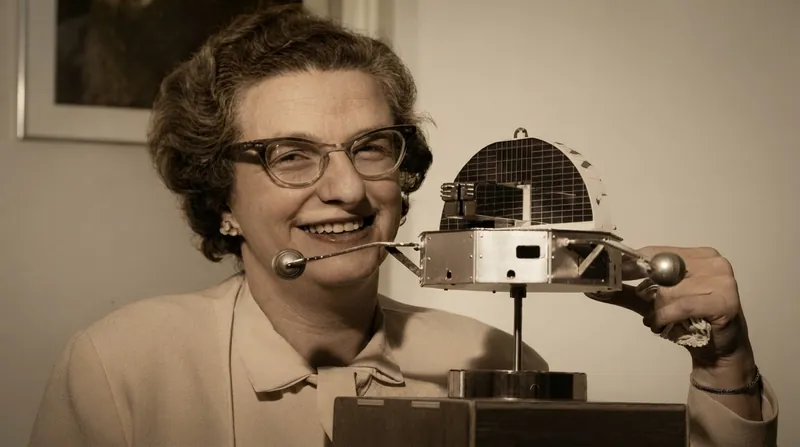
Space TelescopesNancy Grace Roman Space Telescope
Roman Space Telescope's Wide Field Camera Beats Optical Targets by 30 Percent
Mission Engineering 40%Observational Cosmology 35%Exoplanet Science 25%
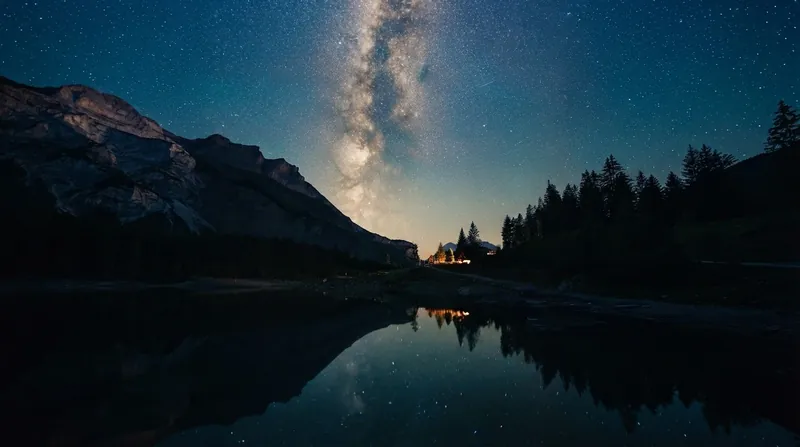
ExplainerCosmology
Why Finite Cosmic Lifespans and Metric Expansion Prevent the Night Sky From Saturated Brightness
Modern Astrophysics 50%Thermodynamics 30%Classical Cosmology 20%
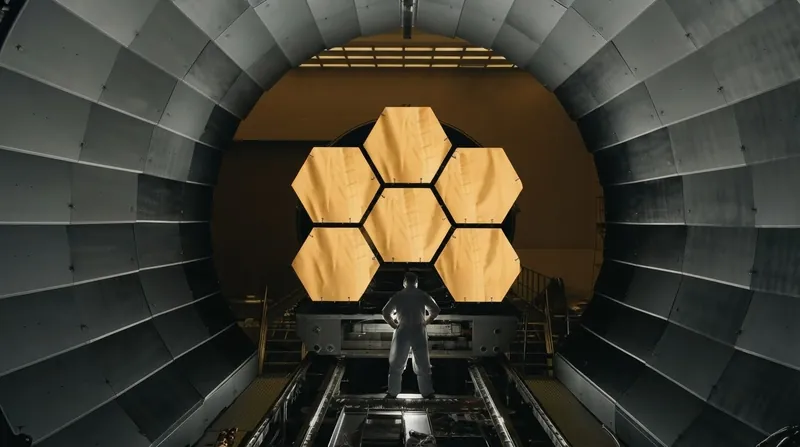
Radio AstronomyFast Radio Bursts
Astronomers Trace Record-Breaking Fast Radio Burst Across 10 Billion Years to Early Universe Dwarf Galaxy
Magnetar Proponents 40%Cosmology Researchers 40%Observational Astronomers 20%
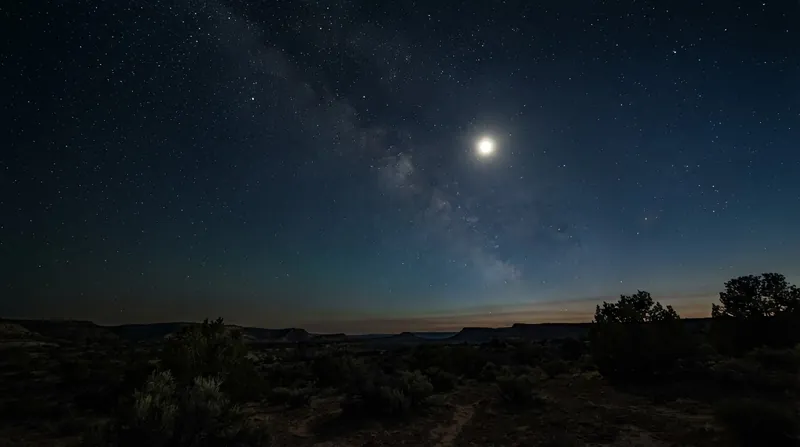
ExplainerAtmospheric Optics
The Geometry of Scintillation: Why Atmospheric Turbulence Causes Stars to Twinkle While Planets Maintain a Steady Glow
Observational Astronomers 40%Atmospheric Physicists 35%Planetary Scientists 25%
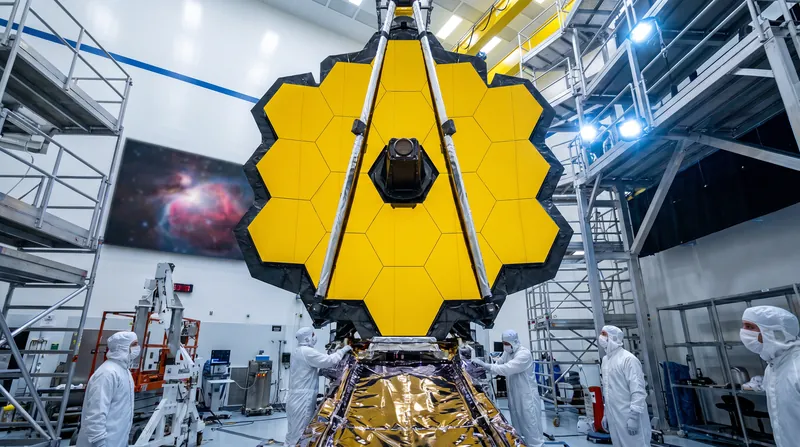
Cosmic DawnScientific Discovery
JWST Reveals Early Galaxies Were Spreading Heavy Elements 500 Million Years After Big Bang
Observational Astronomers 40%Cosmological Theorists 35%Population III Researchers 25%
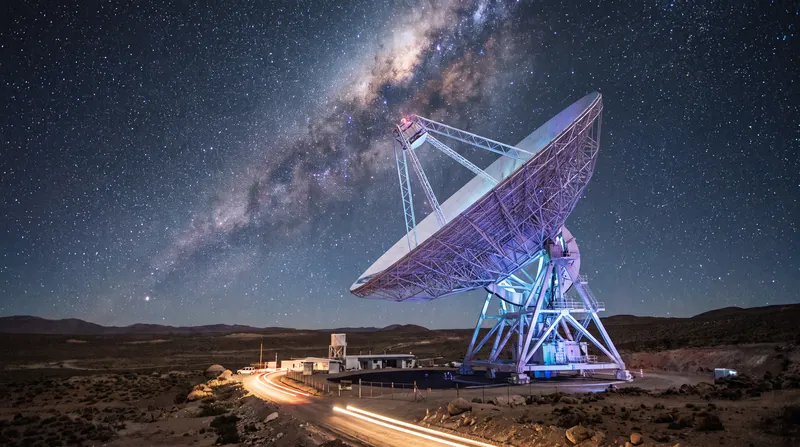
Research BriefCosmic Microwave Background
The 2.725 Kelvin Blackbody Spectrum: How the Cosmic Microwave Background Provides a Snapshot of the Early Universe
Observational Cosmologists 40%Theoretical Physicists 35%Astrophysicists 25%
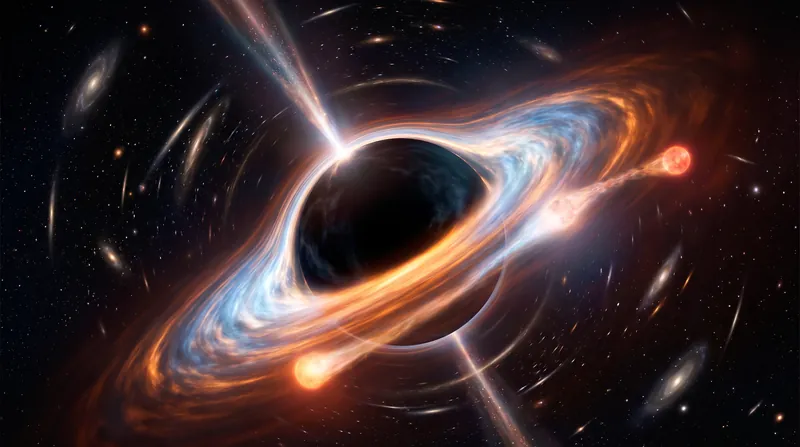
Black Hole PhysicsScientific Breakthrough
Black Holes of All Sizes Launch Jets at the Same Critical Feeding Rate
Theoretical Astrophysicists 40%Observational Astronomers 40%Galactic Evolution Researchers 20%
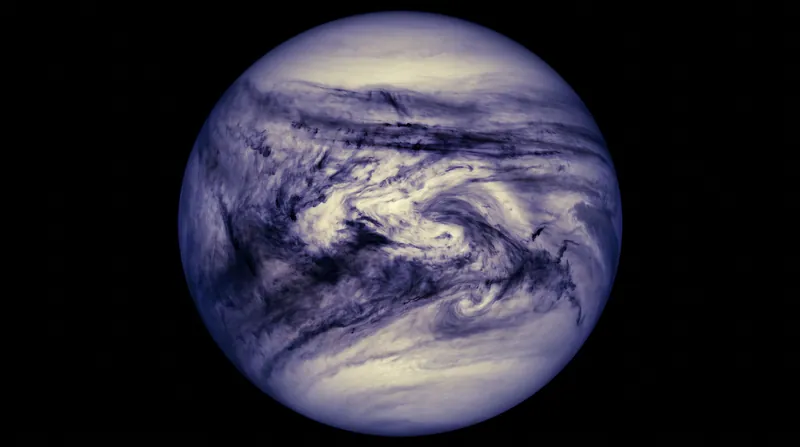
ExplainerVenusian Atmosphere
Venus's Pale Clouds Hide a Substance as Dark as Tar, New Optical Model Shows
Optical Modelers 40%Inorganic Chemists 40%Editorial Synthesis 20%
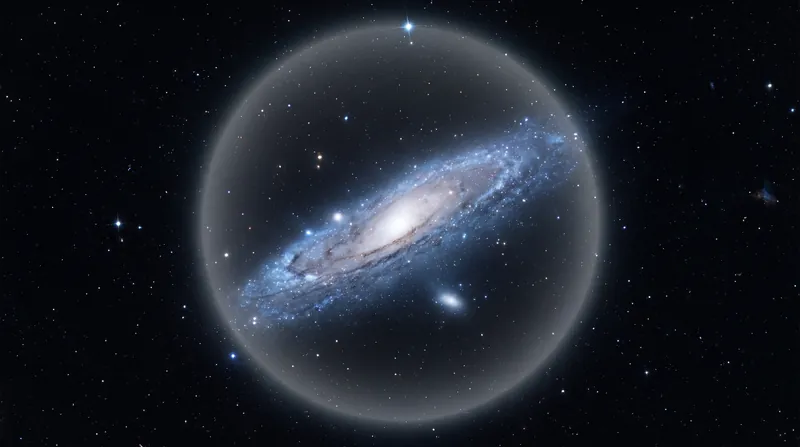
ExplainerDark Matter
The Flat Galactic Rotation Curve: How Missing Mass Explains the Speed of Stars Far From the Galactic Center
Standard Cosmological Model 75%Modified Gravity Theorists 15%Observational Astrometrists 10%
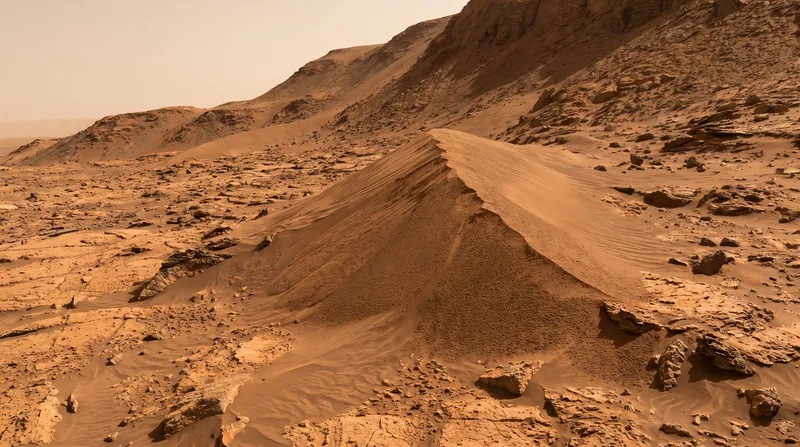
Research BriefMars Exploration
Curiosity Rover Logs 5,000th Martian Day, Crossing 1-Kilometer Elevation Mark on Mount Sharp
Planetary Geologists 45%Mission Engineers 35%Factlen Editorial Team 20%
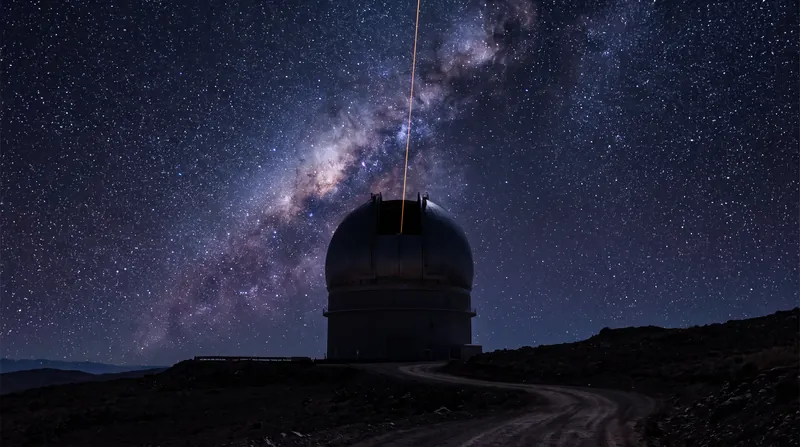
ExplainerExoplanet Detection
Why Transit, Radial Velocity, and Microlensing Each Miss a Different Kind of Exoplanet
Transit Surveyors 40%Radial Velocity Specialists 35%Microlensing Proponents 25%
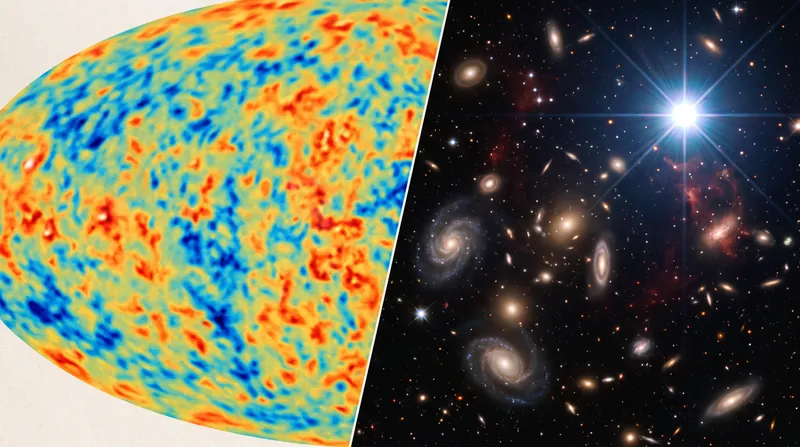
ExplainerHubble Tension
The 8.3% Discrepancy: Why Local Supernovae and Early-Universe Data Produce Different Expansion Rates
New Physics Theorists 40%Standard Model Defenders 30%Local Measurement Advocates 30%
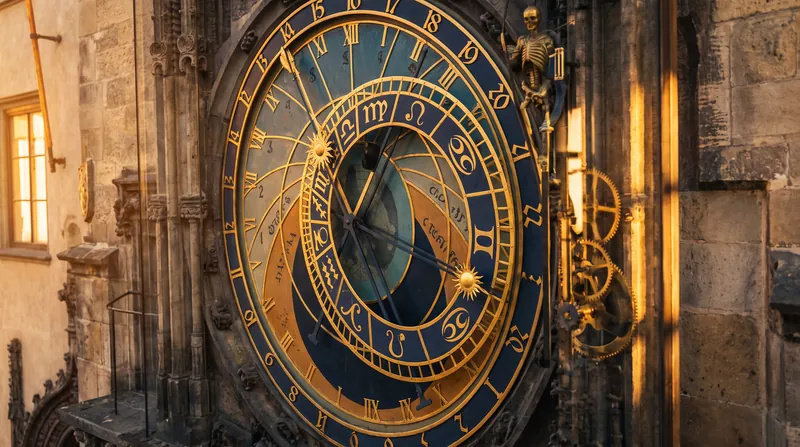
ExplainerCalendar Mechanics
Why the Calendar Still Drifts: The 11-Minute Error That Forced the 1582 Time Jump
Civil Pragmatists 60%Astronomical Precision Advocates 25%Historical Traditionalists 15%
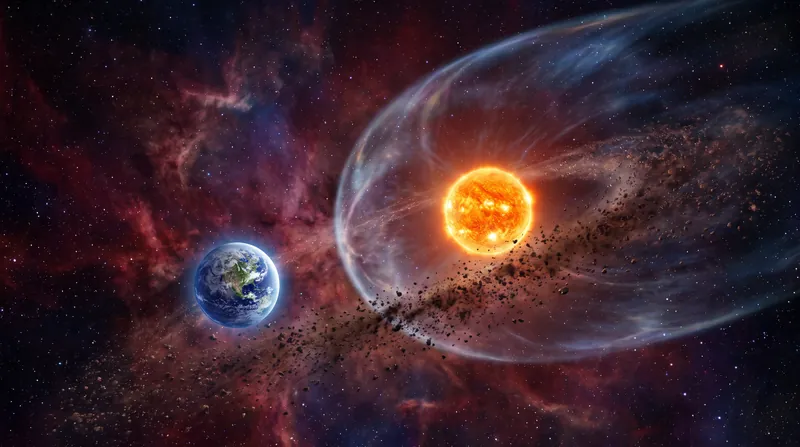
Research BriefAstrosphere Dynamics
Young Sun Superflares and Interstellar Clouds Shaped Earth's Climate History
Astrophysical Modelers 40%Paleoclimatologists 30%Prebiotic Chemists 30%

AnalysisSpace Observatory
The Roman Space Telescope Launches: Why Astrophysics is Trading Deep Stares for Wide Surveys
Survey Astronomers 45%Precision Astrophysicists 45%Mission Architects 10%
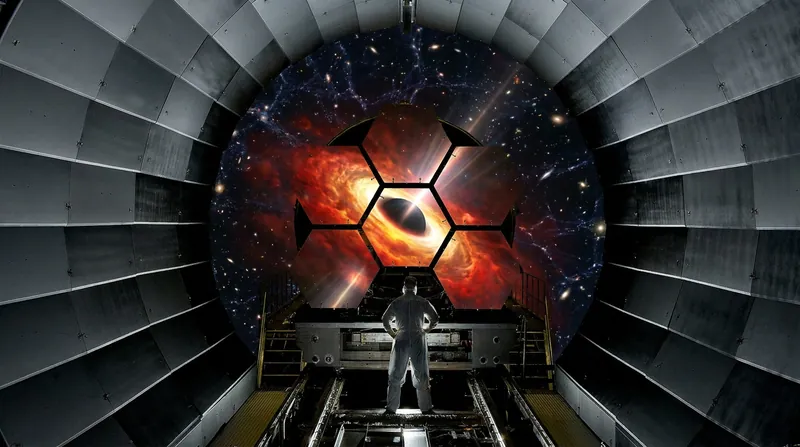
ExplainerCosmology
Three Observational Pillars of the Big Bang, From Expansion to Cosmic Afterglow
Observational Cosmologists 45%Theoretical Physicists 30%Astrophysicists 25%
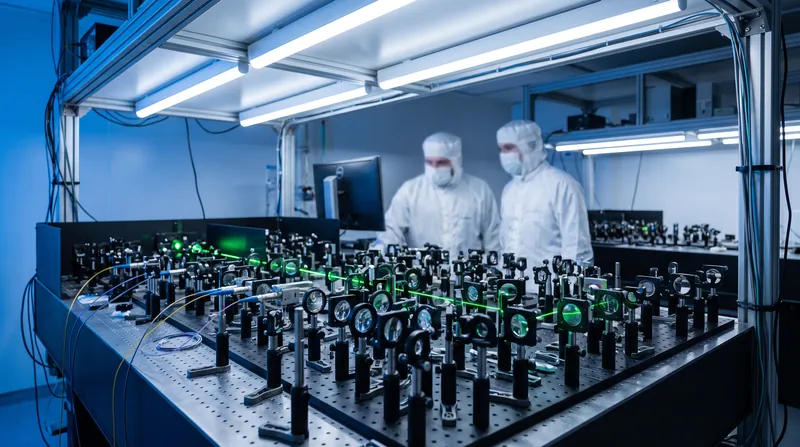
Quantum GravityEvidence Search
Breakthrough Optical Experiment Provides First Experimental Evidence for Quantum Gravity
Quantum Gravity Theorists 45%Experimental Physicists 40%Semiclassical Advocates 15%
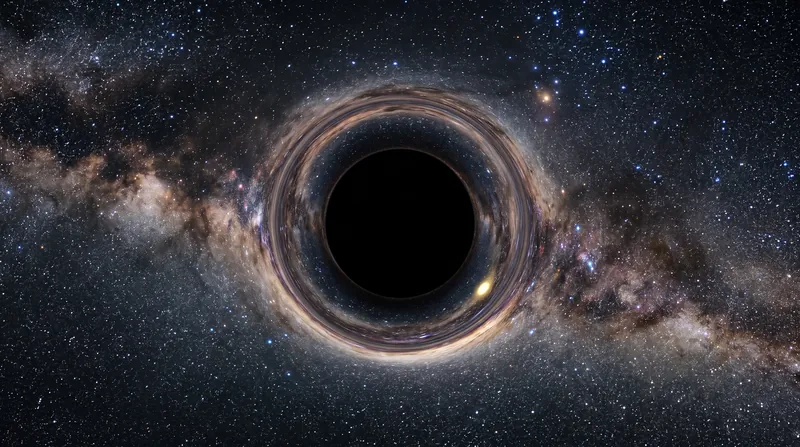
ExplainerStellar Evolution
Dormant 33-Solar-Mass Black Hole Discovered Less Than 2000 Light-Years From Earth
Observational Astronomers 40%Stellar Evolution Theorists 35%Gravitational Wave Physicists 25%
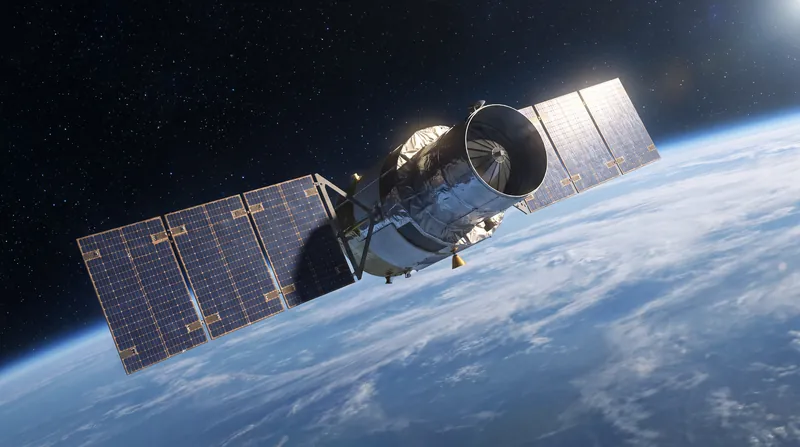
AnalysisSatellite Servicing
NASA Aborts Swift Telescope Rescue Mission, Sealing Observatory's Fiery Re-Entry
Commercial Servicing Advocates 50%Traditional Aerospace Pragmatists 50%
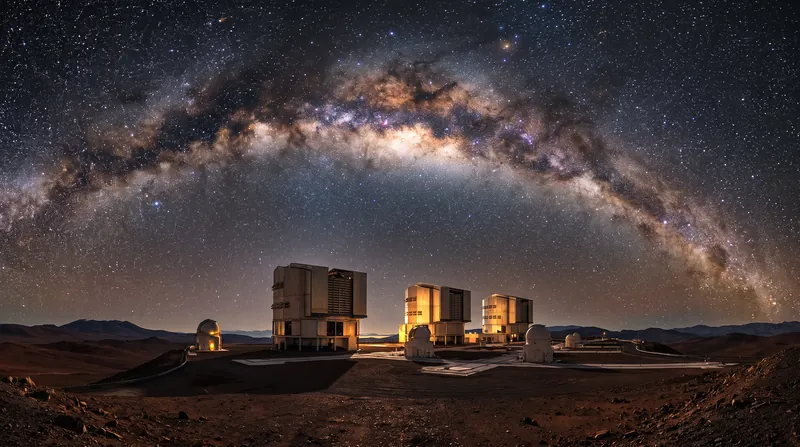
Black Hole PhysicsEvidence Pack
Newly Discovered Star Could Finally Reveal the Spin of the Milky Way's Central Black Hole
General Relativity Theorists 40%Observational Astronomers 35%Galactic Dynamicists 25%
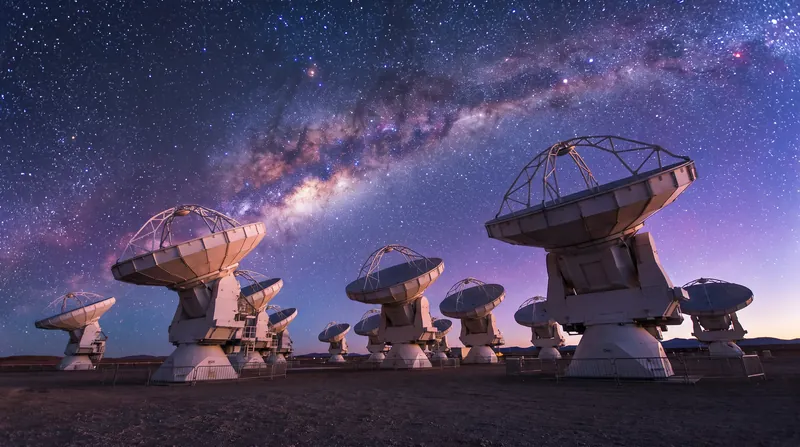
ExplainerStellar Evolution
Astronomers Observe Twisted Magnetic Fields Driving Protostar Jets, Confirming Decades-Old Theory
Observational Astronomers 40%Theoretical Astrophysicists 35%Magnetohydrodynamics Modelers 25%
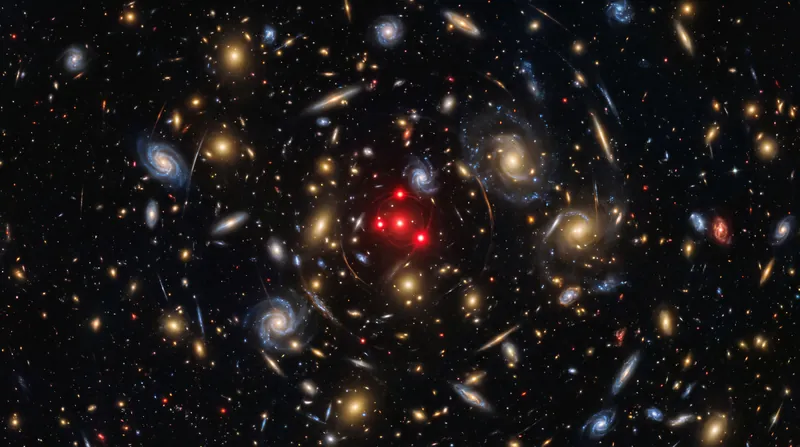
ExplainerCosmic Dawn
JWST Reveals 50-Million-Solar-Mass Black Hole Formed Before Its Galaxy, Challenging Cosmic Timeline
Direct Collapse Theorists 40%Primordial Black Hole Advocates 30%Co-evolution Traditionalists 30%
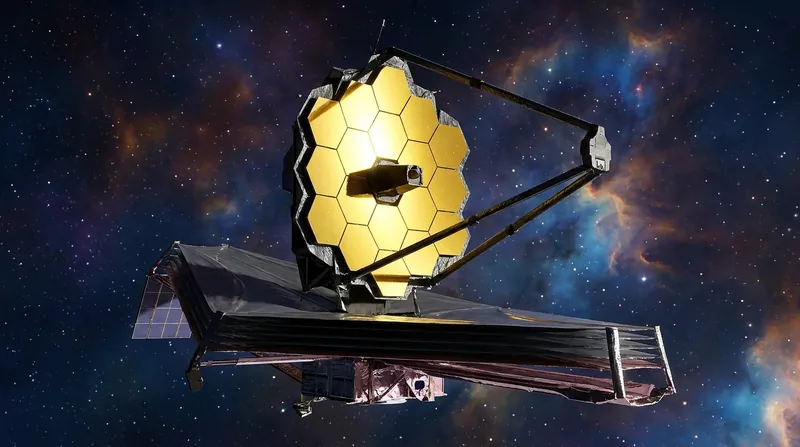
ExplainerEarly Universe
JWST and ALMA Discover Closest Pair of Supermassive Black Holes in the Early Universe
Observational Astronomers 50%Theoretical Astrophysicists 50%
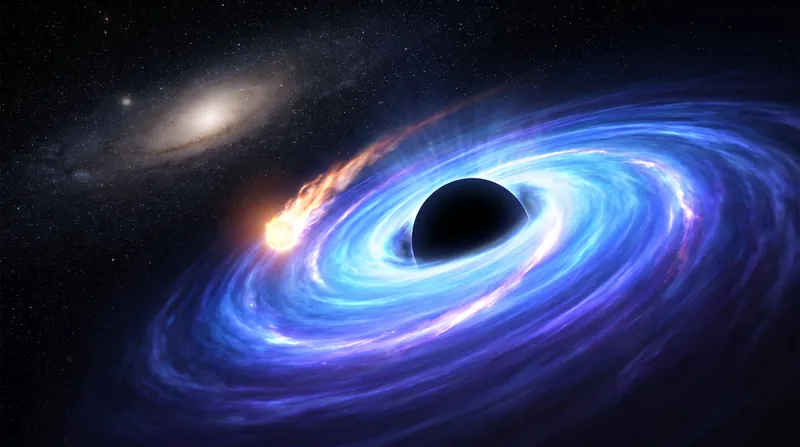
Black Hole DynamicsDiscovery Explainer
Star's Death Reveals First 'Wandering' Supermassive Black Hole Far From Galactic Center
Galactic Evolution Theorists 40%Transient Astronomers 35%Cosmological Modelers 25%
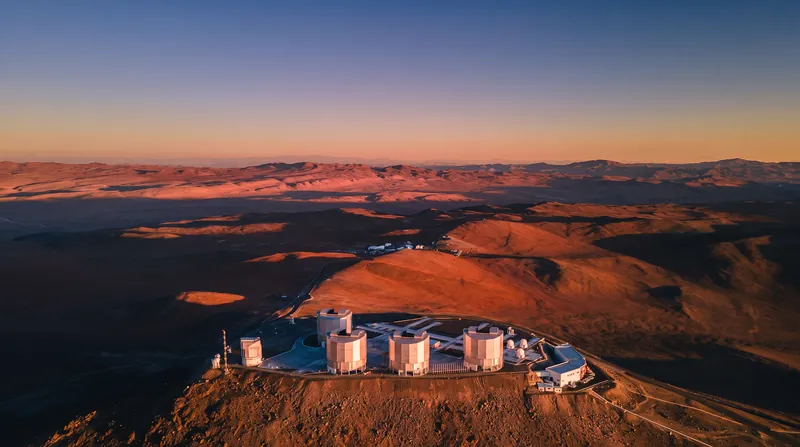
Stellar EvolutionDiscovery Explainer
Astronomers Directly Image Stellar Companion to Betelgeuse, Confirming 40-Year-Old Theory
Observational Astronomers 40%Stellar Evolution Theorists 40%Cautious Analysts 20%
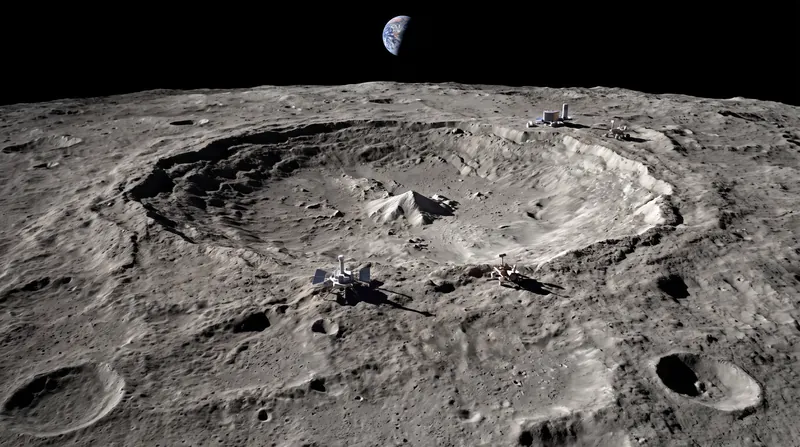
Lunar ScienceImpact Event
SpaceX Falcon 9 Rocket Debris Set to Impact the Moon in Unprecedented Event
Lunar Geologists 40%Observational Astronomers 30%Space Sustainability Advocates 30%
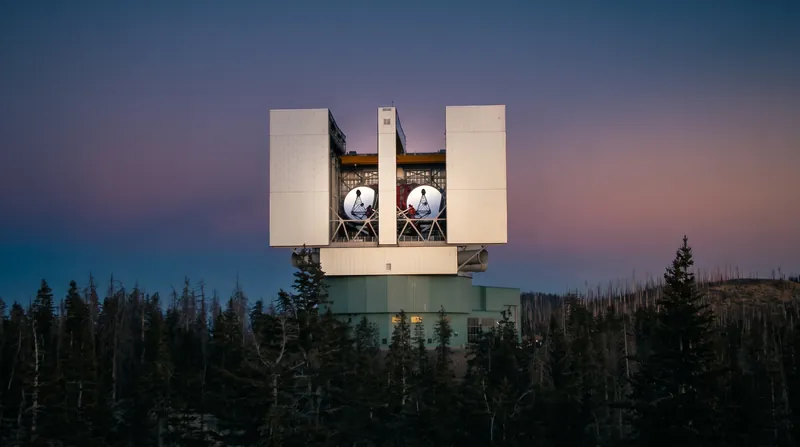
Asteroid DiscoveryEvidence Pack
Astronomers Discover First 'Three-Headed' Asteroid in Solar System, Complete With Its Own Moon
Observational Astronomers 50%Planetary Dynamicists 30%General Science Communicators 20%
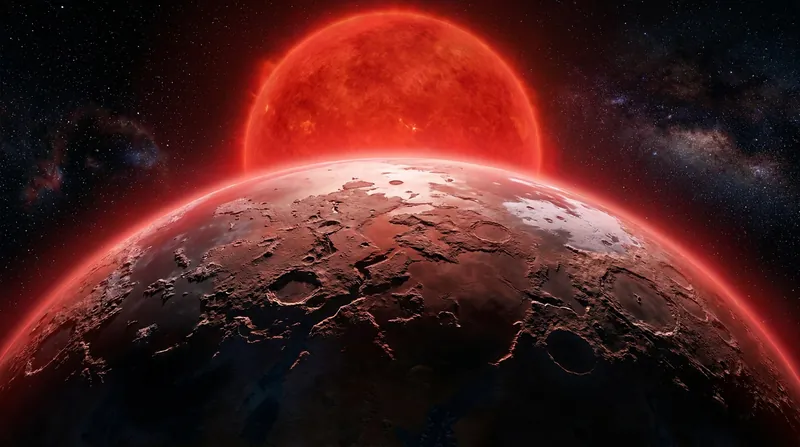
Exoplanet DiscoveryEvidence Pack
Astronomers Detect First Confirmed Atmosphere on a Rocky Exoplanet in the Habitable Zone
Astrobiology Optimists 40%Instrumental Methodologists 35%Cautious Skeptics 25%
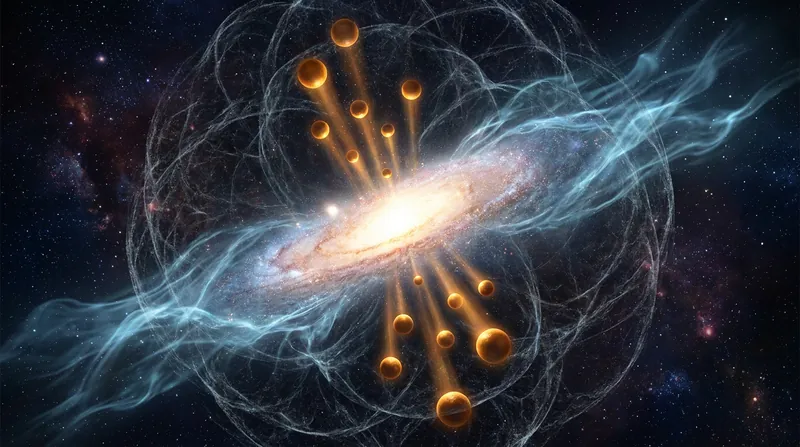
Dark MatterTheory Breakthrough
Physicists Propose Two-Component Dark Matter Model to Solve Puzzling Galaxy Observations
Theoretical Physicists 40%Observational Research Institutions 30%Science Media & Analysts 30%
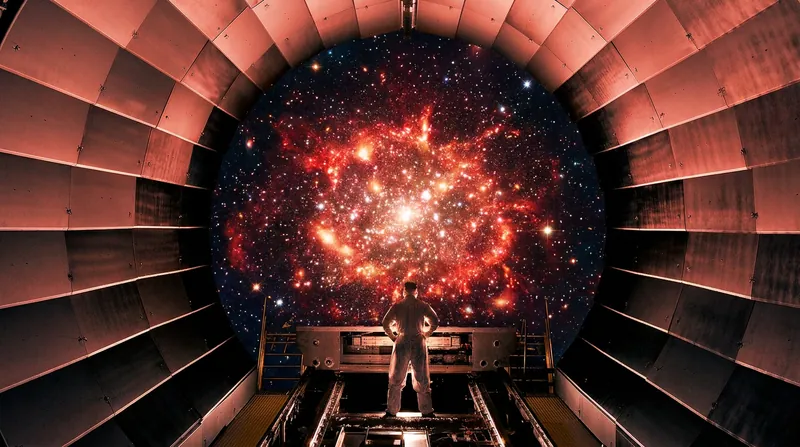
CosmologyEvidence Pack
Non-Spinning Galaxy From Early Universe Challenges Foundational Models of Cosmic Evolution
Observational Astronomers 40%Cosmological Modelers 35%Merger Dynamics Theorists 25%
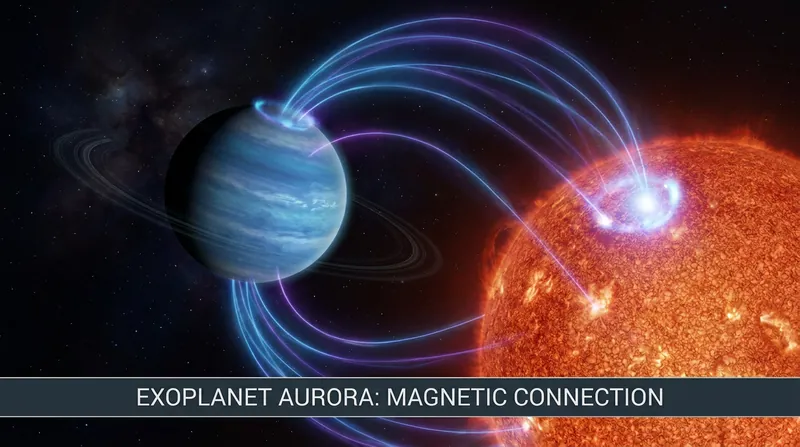
Deep DiveExoplanet Habitability
First-Ever Detection of Magnetic Field on Exoplanet Opens New Window to Habitability
Planetary Habitability Researchers 40%Stellar Astrophysicists 35%Observational Astronomers 25%
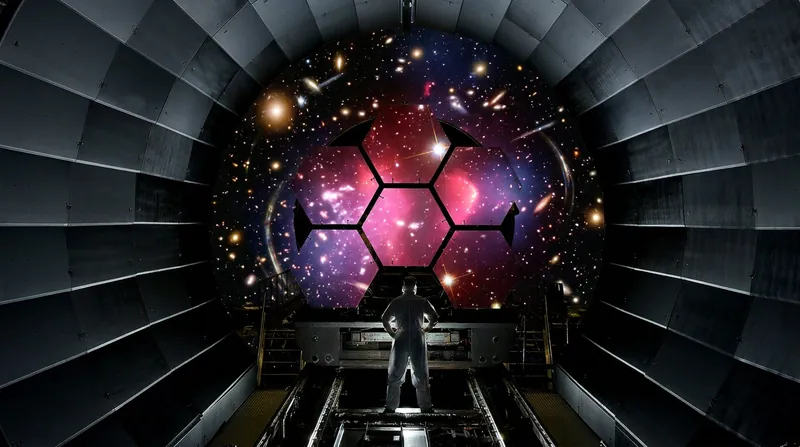
Dark Matter DebateEvidence Review
JWST Data Analysis Calls Bullet Cluster Evidence Into Question, Challenging Foundational Proof of Dark Matter
Standard Cosmologists 60%Modified Gravity Theorists 30%Observational Astronomers 10%
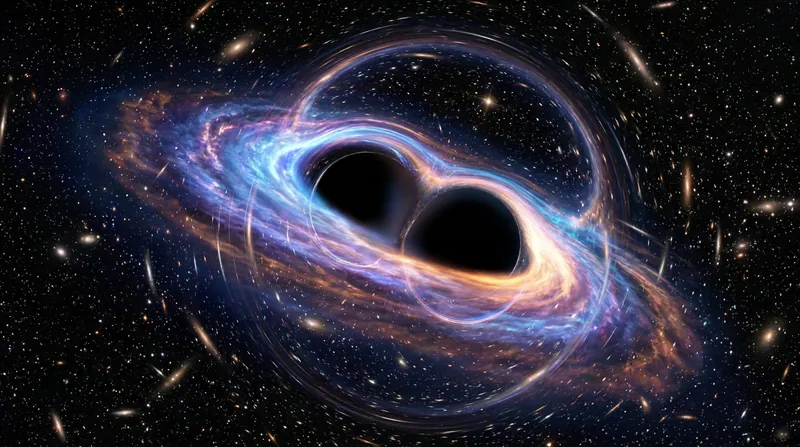
Gravitational WavesEvidence Pack
Loudest Gravitational Wave Ever Detected Reveals the Edge of a Black Hole
Observational Astrophysicists 40%General Relativity Traditionalists 35%Quantum Gravity Theorists 25%

Deep TimeEvidence Pack
Mineral Clocks Resolve Debate Over Earth's Oldest Asteroid Impact
Isotope Geochronologists 45%Stratigraphic Geologists 35%Planetary Analog Researchers 20%
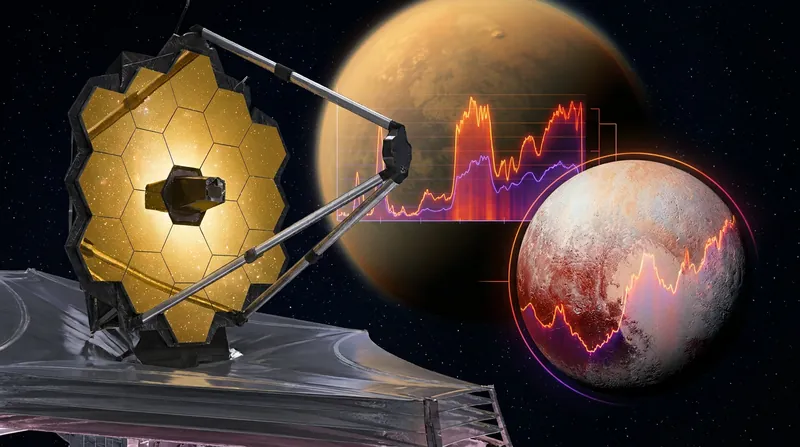
ExplainerAstrochemistry
JWST Detects an Unidentified Chemical Substance on the Surfaces of Titan and Pluto
Planetary Spectroscopists 40%Prebiotic Chemists 40%Science Communicators 20%

ExplainerMidsummer
The Magic of Midsummer: How the Nordic World Celebrates the Longest Day of the Year
Folklore & Traditions Analysts 40%Cultural Historians 30%Tourism & Heritage Boards 30%
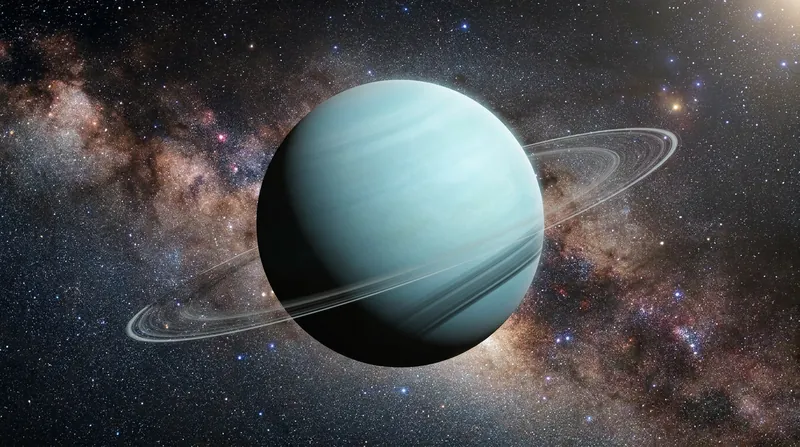
ExplainerUranus Composition
Deep Atmospheric Gas Reveals Uranus Has a True Icy Center
Planetary Formation Theorists 40%Observational Astronomers 35%Space Exploration Advocates 25%
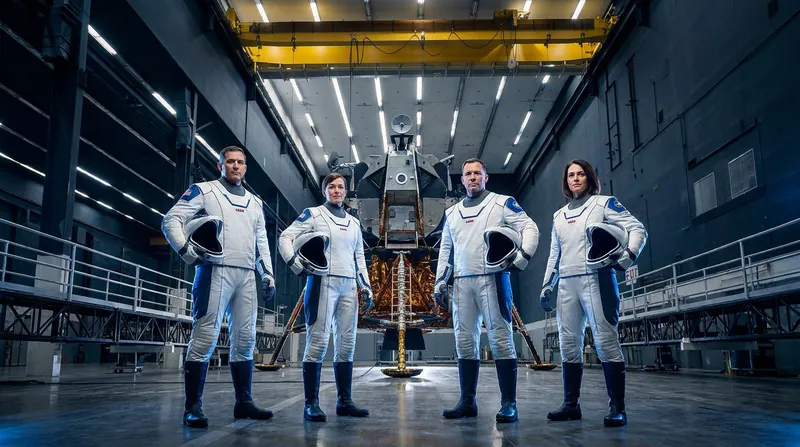
Lunar ExplorationTimeline Watch
NASA Names Artemis III Crew as Commercial Rocket Setbacks Cloud Lunar Timeline
Agency Mission Planners 40%Independent Policy Analysts 35%Commercial Aerospace Sector 25%
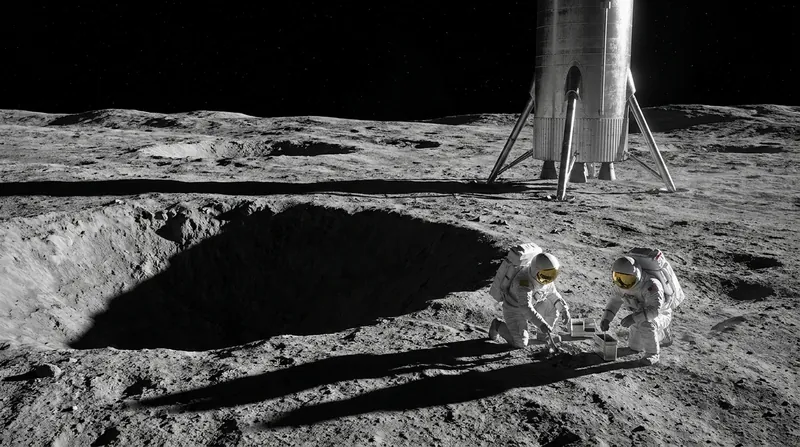
Lunar ExplorationEvidence Pack
NASA's Artemis III Architecture for Sampling Water Ice at the Lunar South Pole
Lunar Geologists & Scientists 40%Aerospace Engineers & Mission Planners 40%Commercial Space Advocates 20%
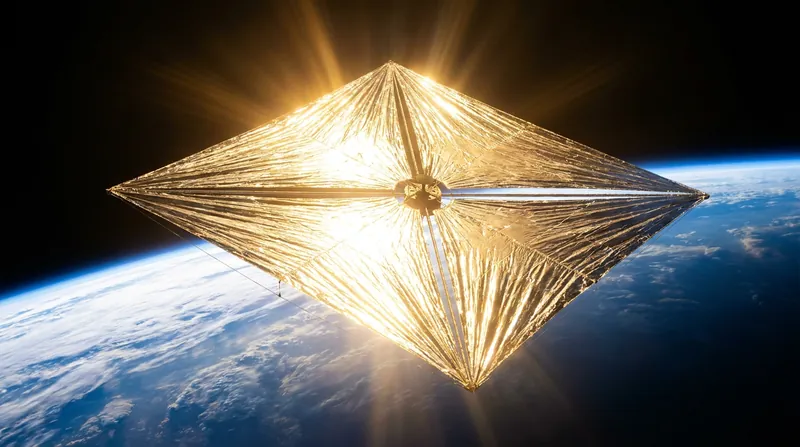
ExplainerSolar Sails
How Solar Sails Harness the Momentum of Light to Navigate Deep Space
Space Agencies & Engineers 40%Theoretical Physicists 30%Space Advocacy Groups 30%
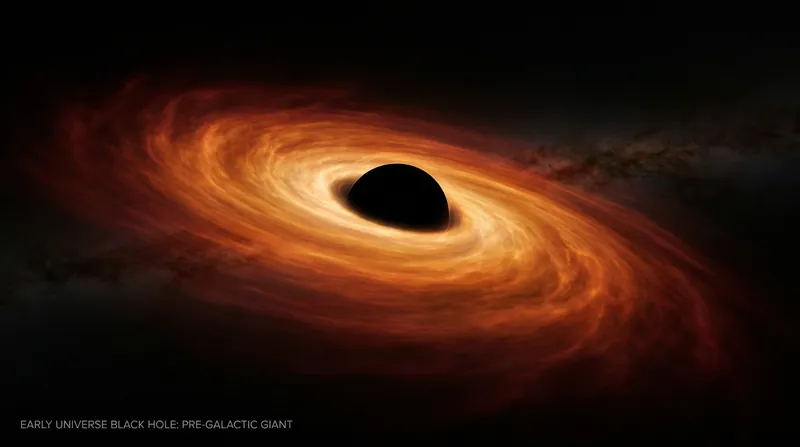
Cosmic EvolutionEvidence Pack
James Webb Space Telescope Solves Cosmology's 'Chicken or Egg' Problem
Direct Collapse Proponents 45%Observational Astronomers 35%Classical Evolution Theorists 20%
Research BriefHabitable Worlds
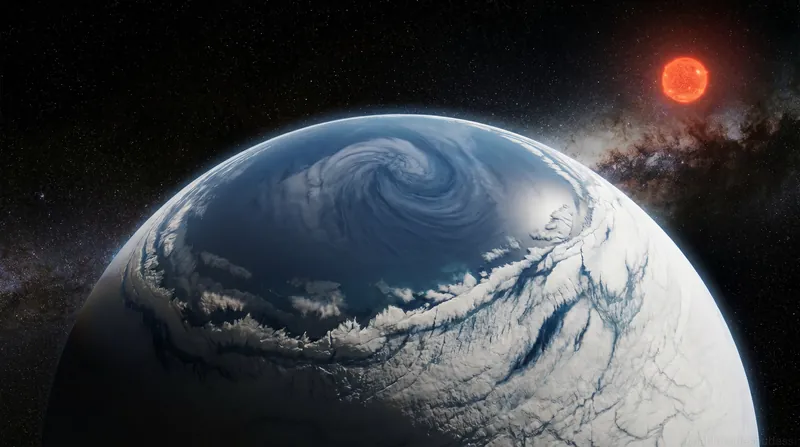
JWST Data Points to LHS 1140 b as the Strongest Candidate for an Alien Water World
Exoplanet Climatologists 40%Observational Astronomers 40%Astrobiologists 20%
Exoplanet Atmospheres
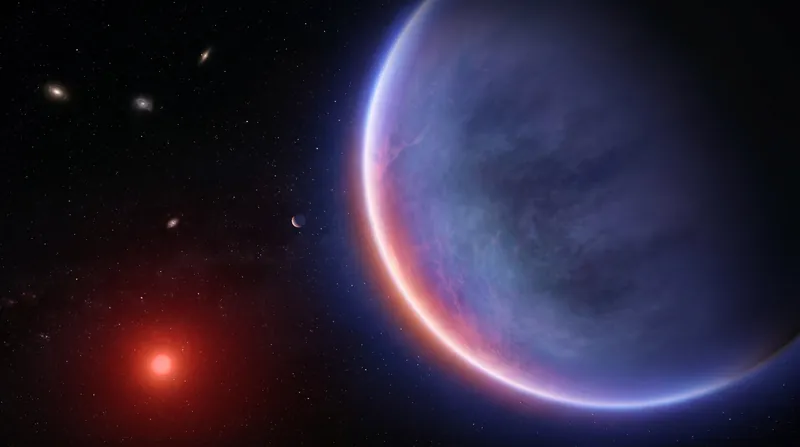
The Loudest Planet Wins: How JWST is Rewriting the Search for Alien Life
Astrobiology Optimists 35%Observational Pragmatists 35%Planetary Skeptics 30%
Vera Rubin ObservatoryEvidence Pack
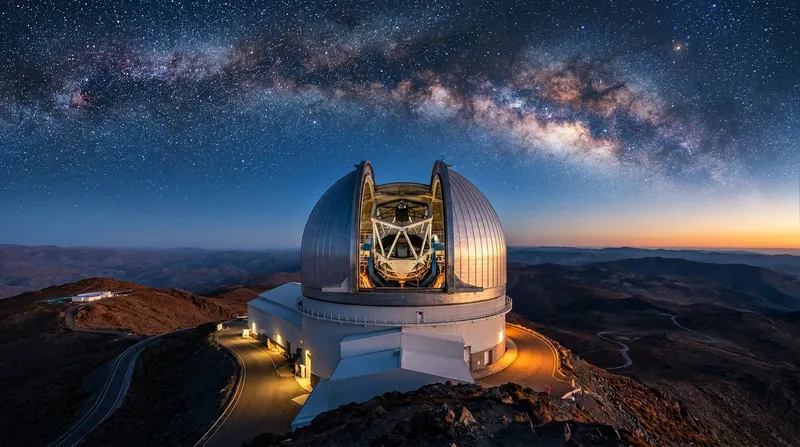
Vera C. Rubin Observatory Nears Launch of 10-Year Cosmic Survey Following Massive Early Discoveries
Time-Domain Astronomers 35%Planetary Defense Researchers 35%Cosmologists 30%
Per page