
Neuroscience
Neuroscience is part of Science on Factlen: news, explainers and guides on the subject, gathered in one place. Brain function, neurological research, and consciousness debate structured. The newest report here was published on Nov 6, 2026. Recent headlines include “Psilocybin Rewires Brain Circuits Through a Pathway Separate From Hallucinations”, “First-in-Human Trial Deploys Focused Ultrasound to Disrupt Auditory Hallucinations in Schizophrenia”, “How 10 Minutes of Super-Slow Running Changes the Brain”, “New Study Finds Specific Memory Errors Begin in Middle Age, Not Old Age” and “The Neuroscience of Clutter: How Visual Chaos Triggers Stress and Drains Cognitive Bandwidth”.
Follow Neuroscience in the Factlen app and get an alert when there is news. Get the app
- All Science
- Space
- Physics
- Biology & Life Sciences
- Chemistry
- Astronomy & Cosmology
- Psychology
- Neuroscience
- Engineering
- Mathematics
- Archaeology
- Scientific Discoveries
- Climate
- Climate Science
- Environment
- Research
- Academic Research
- Ecology & Environment
- Genetics & Genomics
- Public Health
- Discoveries
- Physics & Space
- Biology & Medicine


First-in-Human Trial Deploys Focused Ultrasound to Disrupt Auditory Hallucinations in Schizophrenia
6 sources · 5d ago

How 10 Minutes of Super-Slow Running Changes the Brain
4 sources · 57d ago

New Study Finds Specific Memory Errors Begin in Middle Age, Not Old Age
6 sources · 68d ago
More in Neuroscience

The Neuroscience of Clutter: How Visual Chaos Triggers Stress and Drains Cognitive Bandwidth
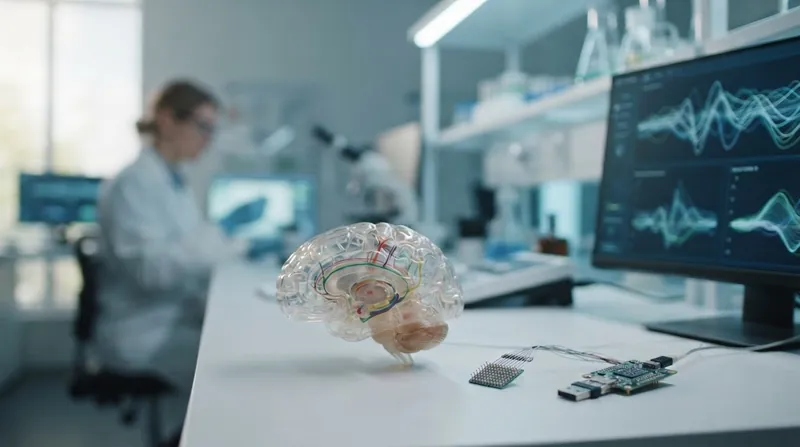
Brain-Computer Interfaces for Speech Decoding: How Neural Implants Restore Voice

Crows Process Visual Decisions Twice as Fast as Primates, Study Shows
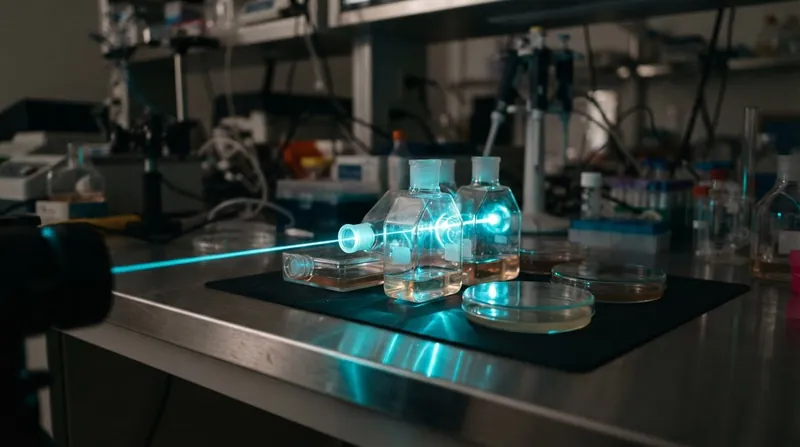
Optogenetic Tool Uses Blue Light to Selectively Deactivate Neurons and Heart Muscle Cells

How Dual-Task Interference Degrades Procedural Motor Fluency During Explicit Rule Recitation

How Variable Reinforcement Schedules Make Ghosting More Addictive Than Direct Rejection

Why Perfume Wearers Stop Smelling Their Own Fragrance Within Minutes

Flashbulb Memories Decay at the Same Rate as Everyday Recollections Despite Sustained Subjective Confidence
How Rapid Brain Growth Erases Early Childhood Memories
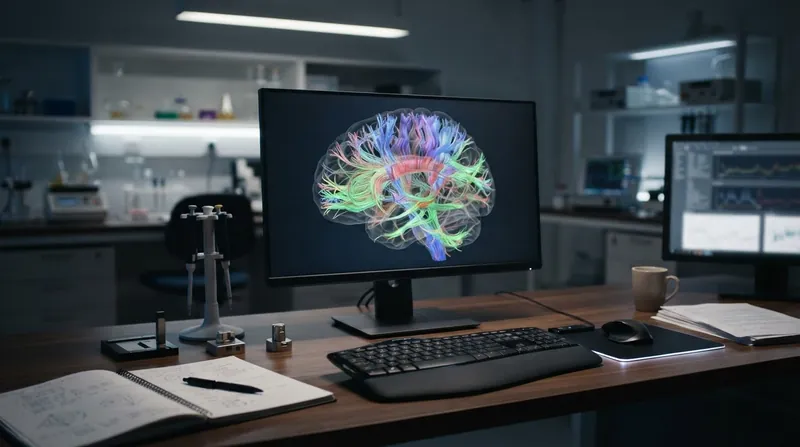
Deep Brain Stimulation Studies Identify Three Neural Circuits Driving Lasting Depression Remission

How Rectilinear Architecture Primes the Brain to Hallucinate the Müller-Lyer Illusion

The Gate Control Theory of Pain: How Tactile A-Beta Signals Block Nociceptive Transmission in the Spinal Dorsal Horn
Hyperbolic Serotonin Transporter Saturation Concentrates Most Withdrawal in the Final Milligrams of Antidepressant Deprescribing
The Illusion of Erasure: How the Brain Suppresses Rather Than Deletes Fear Memories

The Critical Period Hypothesis: Why the Adult Brain Struggles with Second Languages
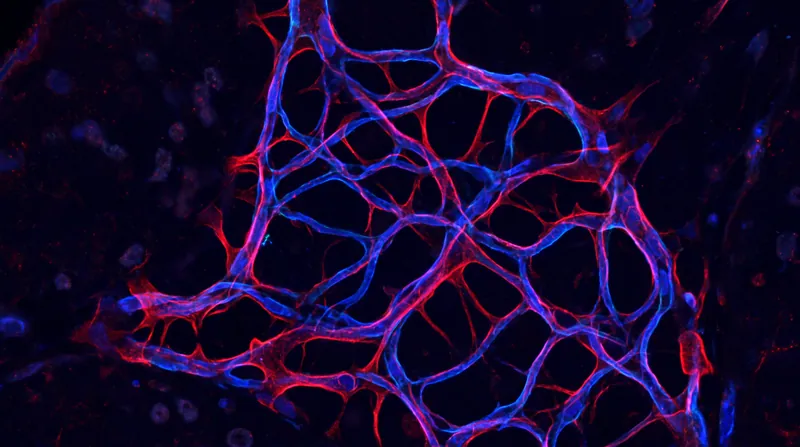
APOE4 Gene Actively Damages Brain Vessels in Alzheimer's, Mechanism Shown to Be Reversible by Blocking TGF-β Signaling

Ultra-Rapid Genomic Test Cuts Brain Tumor Diagnosis Time From Weeks to Hours
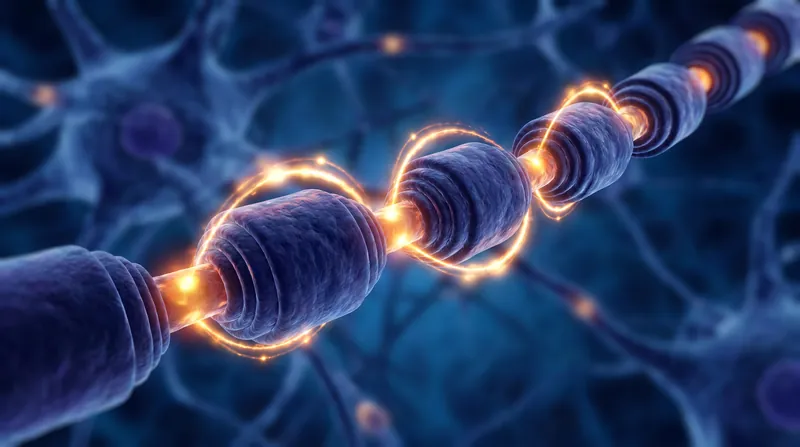
How Saltatory Conduction and Myelin Sheaths Propagate the Action Potential at 100 Times the Speed
Largest Single-Cell Molecular Atlas Maps Shared Mechanisms Across Alzheimer's, Parkinson's, and Schizophrenia
The Phonological Loop, Visuospatial Sketchpad, Episodic Buffer, and Central Executive: How Baddeley's Model Organizes Working Memory

How Electroconvulsive Therapy Uses Generalized Seizures to Trigger Neuroplasticity and Treat Severe Depression
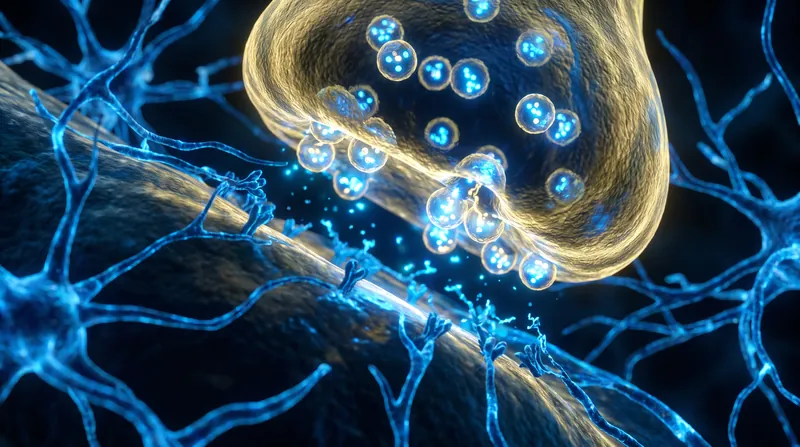
The Synaptotagmin-SNARE Complex: How a Calcium Signal Triggers Millisecond-Fast Synaptic Vesicle Fusion

The Strong vs. Weak Distinction: How the Sapir-Whorf Hypothesis Separates Linguistic Determinism from Linguistic Influence

Auditory Masking for Deep Work: How Pink and Brown Noise Frequencies Alter Cognitive Focus
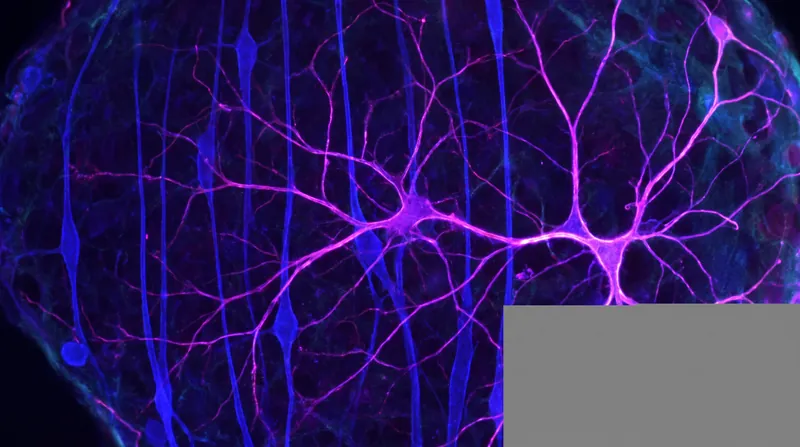
How Metabolism and Physical Touch Guide the Stem Cells That Build the Human Brain
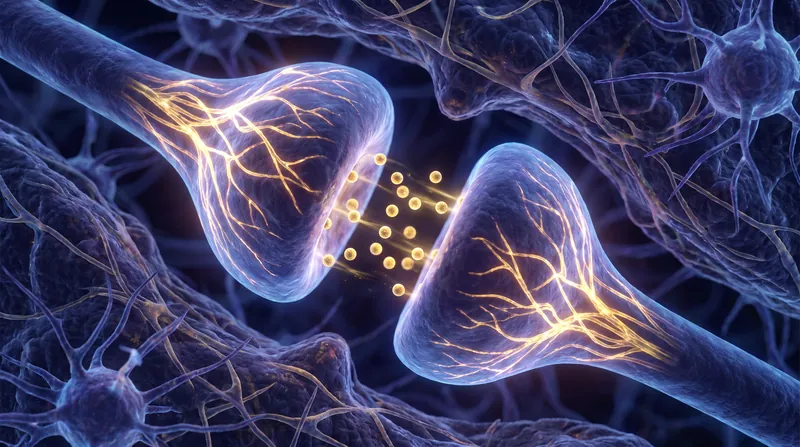
NMDA Receptor Activation and AMPA Receptor Insertion: The Synaptic Changes That Encode Memory
How Naloxone Proves the Placebo Effect Is a Measurable Biochemical Response
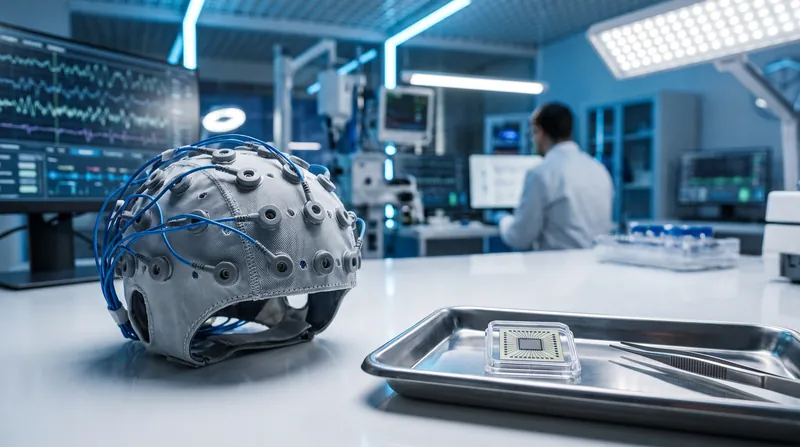
Why High-Resolution Brain-Computer Interfaces Require Invasive Surgery
Beyond the Chemical Imbalance: How Neuroplasticity is Redefining the Science of Depression

How Hobbies Reshape the Brain and the Socioeconomic Gap in Cognitive Protection

Sequencing Explicit Instruction Before Inquiry Learning Maximizes Working Memory

Closing the Open Loops: How Cognitive Offloading Restores Working Memory
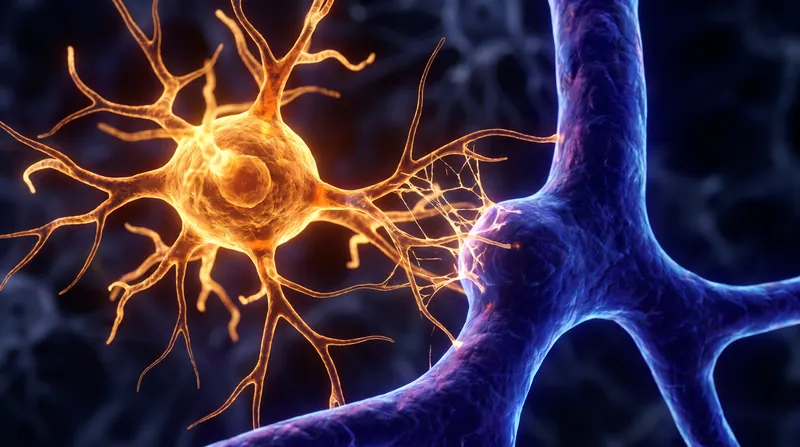
Synaptic Homeostasis: How Microglia Physically Dismantle Neural Connections During Sleep
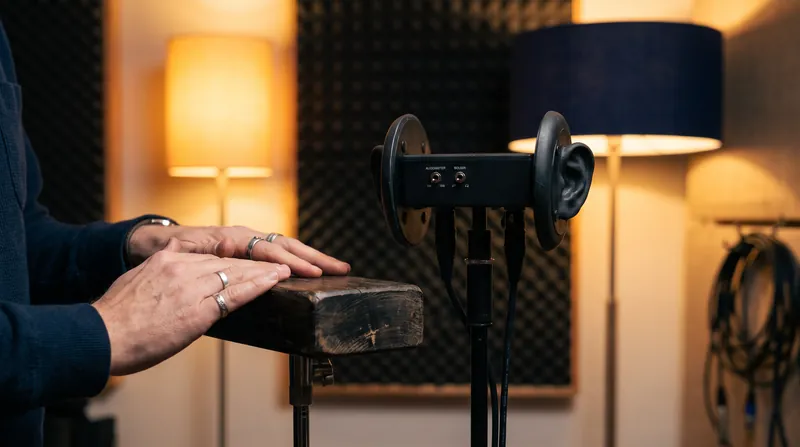
How ASMR Triggers Work: The Neurological Mechanics Behind the Viral Sensory Trend

Cleaner Air Linked to 26% Increase in Toddler Cognitive Scores in Two-Decade Study

First Complete Map of a Male Fruit Fly's Central Nervous System Details 124 Million Connections
Placebos Relieve Pain by Triggering the Brain's Endogenous Opioid System

Neurobiology of the Flow State: Transient Hypofrontality and Skill Balance
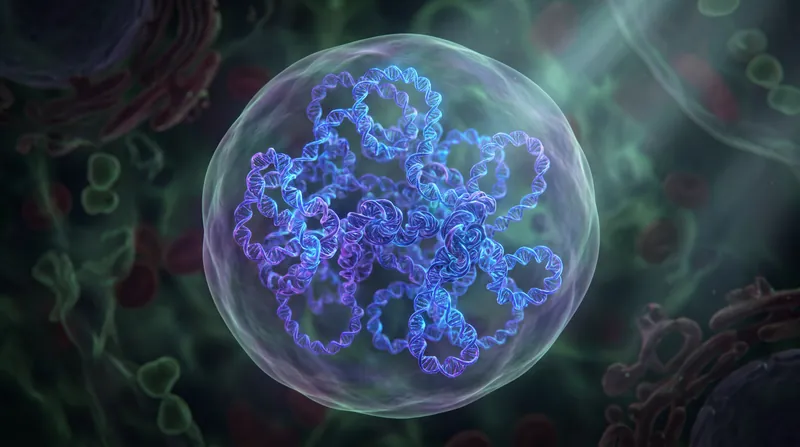
Researchers Discover Alzheimer's Disease Disrupts the 3D Architecture of DNA in Brain Cells

The Neuroscience of Yoga: How Breath and Movement Shift the Autonomic Nervous System
The Active Role of Glial Cells: How Astrocytes, Microglia, and Oligodendrocytes Drive Brain Function

Why Proximity to the Ocean Lowers Cortisol and Increases Alpha Brain Waves

Biological Limits and Targeted Training Behind 150-Millisecond Esports Reaction Times

How Aerobic Exercise Rewires the Heart's Autonomic Nerve Network in a Side-Specific Way
New Class of 'Psychoplastogen' Drugs Boosts Neuroplasticity Without Hallucinogenic Effects, Promising New Era for Depression Treatment

Common Daily Vitamin Linked to 13% Cognitive Boost in Early Dementia, Study Shows
Latest guides
Trending in this topic
- The Neuroscience of Clutter: How Visual Chaos Triggers Stress and Drains Cognitive Bandwidth
- Brain-Computer Interfaces for Speech Decoding: How Neural Implants Restore Voice
- Psilocybin Rewires Brain Circuits Through a Pathway Separate From Hallucinations
- First-in-Human Trial Deploys Focused Ultrasound to Disrupt Auditory Hallucinations in Schizophrenia
- Crows Process Visual Decisions Twice as Fast as Primates, Study Shows
- Optogenetic Tool Uses Blue Light to Selectively Deactivate Neurons and Heart Muscle Cells