full timeline
US–Iran Gulf Crisis
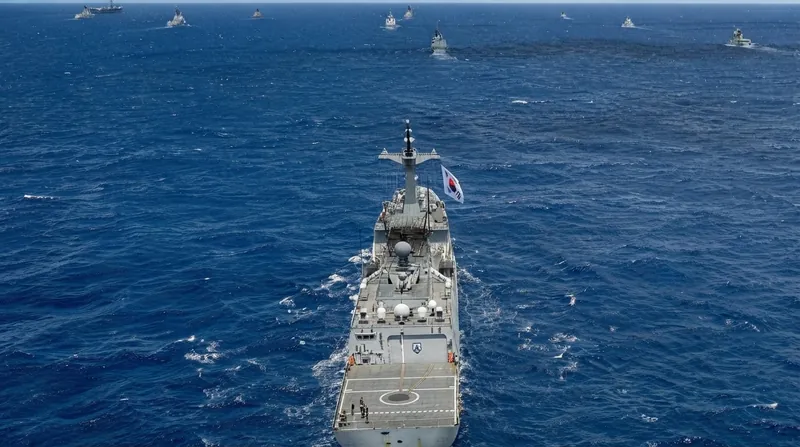
Seoul plans to deploy a maritime patrol aircraft and mine-clearing teams to waters south of Oman.
Follow US–Iran Gulf Crisis in the Factlen app and get an alert when there is news. Get the app
Share this story
Latest
On November 7, the United States offered a reward of up to $20 million and possible relocation for information regarding Iran's nuclear program. The same day, U.S. forces conducted limited airstrikes against Iranian air defense systems on Qeshm Island. Iranian authorities confirmed their air defenses intercepted and shot down at least one American drone, identified in state media as an MQ-9, during the exchange. On November 8, a U.S. military aircraft fired precision-guided munitions to disable the St. Kitts-flagged cargo vessel M/V Huda in the Gulf of Oman after it allegedly attempted to breach the U.S. naval blockade.
To expand its pressure campaign beyond maritime routes, U.S. Central Command announced the formation of Task Force Iron Gate on November 7 to disrupt the overland movement of advanced weapons and sanctioned materials across Iran's land borders and the Caspian Sea. Meanwhile, regional hostilities intensified as Saudi Arabian airstrikes on Yemen's Sanaa province killed at least 33 people on November 8. The bombardment followed a barrage of Houthi missiles fired toward Riyadh, where falling shrapnel caused limited structural damage to a Saudi Aramco administrative building.
Despite the military exchanges, U.S. President Donald Trump stated on November 9 that renewed strikes against Iran are highly unlikely if diplomatic negotiations progress. However, Secretary of State Marco Rubio dismissed Tehran's current mediation terms as unacceptable.
How the story developed
The conflict escalated significantly in early June 2026 when a fragile April ceasefire unraveled. Following the downing of an American helicopter near the Strait of Hormuz, the U.S. military struck approximately 20 air defense and radar sites in southern Iran on June 11, destroying a key water reservoir. The hostilities trapped over 500 commercial vessels and choked off 20 percent of the world's oil supply. On June 16, the United States and Iran signed a Memorandum of Understanding to end the 109-day war, reopening the Strait of Hormuz and initiating a 60-day window to negotiate a permanent nuclear agreement.
The diplomatic breakthrough was short-lived. By June 20, Iran announced the renewed closure of the Strait of Hormuz, citing Israeli military operations in Lebanon as a breach of the agreement. Following a series of attacks on commercial tankers and the collapse of the 60-day ceasefire, the U.S. revoked critical oil export waivers on July 8. On July 15, President Trump ordered a 20 percent tariff on commercial shipping through the Strait and reinstated a full U.S. naval blockade on Iran. The U.S. Treasury subsequently launched a secondary sanctions campaign, severing Iranian aviation and banking ties in the United Arab Emirates and Turkey.
The crisis subsequently expanded into a second maritime front. In August, Iran-aligned Houthi forces launched a naval blockade in the Bab el-Mandeb Strait. By September 12, Houthi rebels captured Perim Island, effectively sealing off the Red Sea's southern chokepoint, and later seized the Hanish archipelago. In response, Saudi Arabia launched a 14-nation maritime defense coalition and formalized the Mecca Alliance, a mutual defense pact with Turkey and Pakistan that later saw Ankara and Islamabad deploy rapid-response military units to the kingdom on October 6. Egypt also pledged military support to defend Saudi Arabia.
Direct military confrontations intensified through September and October. On September 13, U.S. Central Command struck five Iranian crude oil carriers after the Islamic Revolutionary Guard Corps targeted an American warship, prompting Iran to fire ballistic missiles at a U.S. military base in Jordan. Houthi forces simultaneously escalated cross-border strikes, hitting Riyadh's King Khalid International Airport on October 11 in an attack that killed 12 people and wounded over 300. The conflict also reached Europe, with the Pentagon withdrawing all B-1 bombers from RAF Fairford in early October after British police arrested suspects tied to an Iranian intelligence plot against the base.
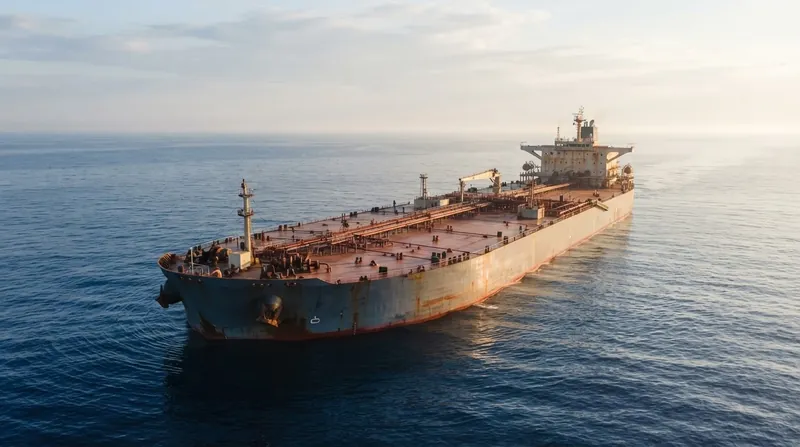
The sustained conflict severely disrupted global energy markets and depleted U.S. precision munitions stockpiles. Brent crude prices surged past $116 a barrel, and the cost to charter a supertanker from the U.S. to China reached nearly $60 million. The Pentagon estimated by late October that the military campaign had cost taxpayers $47.1 billion.
Diplomatic efforts to avert a broader regional war faced repeated deadlocks. The U.S. rejected an Iranian proposal to reopen the Strait of Hormuz in exchange for sanctions relief, and a mediation attempt by Pakistan's military chief concluded on October 21 with Iranian officials explicitly refusing U.S. demands to export Tehran's enriched uranium. Following the U.S. midterm elections in early November, which Vice President JD Vance blamed on voter opposition to the financial burden of the war, President Trump announced he had no immediate plans for further major military strikes, though limited tactical engagements and indirect negotiations via Qatari mediators continue.
What to watch
- The USS Theodore Roosevelt Carrier Strike Group is expected to arrive in the Middle East by mid-November following a logistics stopover in Singapore.
- The International Energy Agency governing board will assess whether supplemental emergency fuel interventions are necessary to counter a projected global liquefied natural gas shortage this winter.
- South Korea's parliament will vote on a motion to deploy a maritime patrol aircraft and mine-clearing teams to waters south of Oman through December 2027.
- Incoming Democratic congressional majorities are expected to challenge further military appropriations when current U.S. funding expires in February 2027.
- President Trump has floated a potential trilateral summit involving China and Russia to help mediate a settlement to the conflict.
Where things stand
Trump Downplays Iran Strikes as Rubio Rejects Demands and CENTCOM Launches Task Force
Key point: President Trump indicated that further military strikes on Iran are unlikely if negotiations progress, even as the U.S. expanded its pressure campaign by launching a task force to disrupt Iranian ground supply routes.
AIThe administration has warned that further Iranian aggression will be met with reciprocal military force.From: Iran Launches Drone Attack on Bahrain Targeting US Military After Retaliatory US Strikes President Donald Trump stated that renewed U.S. military strikes against Iran are "highly unlikely" if diplomatic negotiations progress, even as Secretary of State Marco Rubio dismissed Tehran's mediation terms and U.S. Central Command launched a new task force to choke off Iranian supply routes.
During a Sunday interview, Trump indicated that further military action would be unnecessary if Iran agrees to a strong deal regarding its nuclear program and the reopening of the Strait of Hormuz. However, Rubio dampened expectations for an imminent breakthrough, telling reporters that Iran's current demands are "unacceptable" and "unrealistic."
Meanwhile, CENTCOM announced the formation of Task Force Iron Gate, a dedicated unit based in Tampa, Florida. The task force is designed to monitor and disrupt the overland movement of advanced weapons, dual-use technologies, and sanctioned materials across Iran's land borders and the Caspian Sea.
The new task force expands Washington's pressure campaign beyond its existing naval blockade, which has already severely restricted Iranian crude oil exports. By targeting ground transit routes, the U.S. military aims to close alternative supply channels and further constrain Tehran's ability to finance militant activities or replenish its military capabilities.
The diplomatic maneuvering follows the recent U.S. midterm elections, which have increased domestic pressure on the administration to find a resolution to the unpopular eight-month war. As part of the broader effort to broker an end to the conflict, Trump has also floated the possibility of a trilateral summit involving China and Russia to help mediate a settlement.
Indian Oil Corp Plans to Buy Crude and LPG Tankers to Mitigate Hormuz Shipping Risks
Key point: Indian Oil Corporation is acquiring its own crude oil and LPG vessels to reduce its reliance on chartered ships and mitigate soaring freight costs caused by disruptions in the Strait of Hormuz.
AIThe US military launched airstrikes against Iranian targets following a drone attack on a commercial vessel in the Strait of Hormuz.From: US Strikes Iranian Missile Sites Following Drone Attack on Cargo Ship, Testing Fragile Ceasefire State-owned Indian Oil Corporation (IOC) plans to acquire its own crude oil and liquefied petroleum gas (LPG) vessels to strengthen control over its energy supply chain amid ongoing disruptions around the Strait of Hormuz. The company's board has approved the purchase of several vessels, with tenders issued several months ago. IOC is also exploring the possibility of building ships domestically under the government's Make in India initiative.
During the company's second-quarter earnings call, IOC Director of Finance Anuj Jain confirmed the board's approval and emphasized that oil sector companies must focus more on shipping. The move marks a shift from IOC's traditional reliance on time-chartered and voyage-chartered vessels. The company is now evaluating a three-pronged approach: optimizing existing charter arrangements, purchasing its own ships, and supporting domestic shipbuilding.
The push for vessel ownership comes as geopolitical tensions in West Asia drive up freight rates and war-risk insurance costs. While IOC's current fleet of three crude oil vessels and nine LPG vessels on time charter has provided cost savings, the gap between chartered and spot-market rates has widened significantly. IOC pays about $2 to $2.50 per barrel for its time-chartered crude carriers, whereas spot-market rates have surged to $8 to $10 per barrel.
The shipping strategy is part of a broader effort by India's largest refiner to diversify crude procurement and protect its margins. IOC sourced 55% of its crude requirements from Russia during the first half of the financial year, but soaring freight costs have eroded the benefits of discounted crude imports. IOC Chairman A.S. Sahney recently warned that freight has become a "killing factor" for refiners, urging India to expand its national tanker fleet and storage capacity to ensure energy security.
Saudi Aramco Tower in Riyadh Damaged by Falling Debris After Missile Attack
Key point: A Saudi Aramco administrative building in Riyadh's financial district sustained limited damage from falling shrapnel after the Saudi-led coalition intercepted Houthi missiles targeting the capital.
An administrative building belonging to state oil giant Saudi Aramco in Riyadh's King Abdullah Financial District was damaged on Sunday following an attempted missile attack. The Saudi Energy Ministry confirmed that falling shrapnel caused limited structural damage to the tower, with no injuries or fatalities reported.
Witnesses reported seeing blown-out windows and shattered glass across several floors of the prominent Aramco skyscraper, noting that ambulances were seen heading toward the area. The incident occurred as the Saudi-led coalition announced it had intercepted and destroyed two ballistic missiles and two cruise missiles fired toward the capital by Yemen's Houthi movement. Saudi Civil Defense had issued early-warning alerts across Riyadh before loud explosions were heard echoing through the city, though authorities later announced the danger had passed.
The strike on the King Abdullah Financial District marks a significant escalation, bringing the violence directly into the heart of the Saudi capital's business hub and threatening a highly populated area with heavy commuter traffic. It follows a recent surge in cross-border attacks, including a ballistic missile interception over the oil-rich Eastern Province earlier on Sunday. The Eastern Province, which holds most of the kingdom's oil and gas reserves, previously saw an October strike that heavily damaged Aramco's headquarters in Dhahran.
The renewed hostilities come after a 2022 UN-brokered truce collapsed, reigniting the long-running war between the Saudi-led coalition and the Iran-aligned Houthis. The Houthis have increasingly targeted Saudi airports, energy infrastructure, and military sites in recent months, prompting retaliatory coalition airstrikes across Yemen as the regional conflict continues to broaden.
Saudi Airstrikes Kill 33 Near Sanaa After Houthi Missiles Hit Riyadh
Key point: At least 33 people were killed in Saudi airstrikes on Yemen's Sanaa province following a Houthi missile attack that damaged a building in Riyadh.
Saudi Arabian airstrikes on Yemen's Sanaa province have killed at least 33 people and wounded dozens more. The deadly bombardment followed a barrage of missiles fired by Houthi forces toward the Saudi capital of Riyadh.
Houthi officials reported that the coalition strikes left 39 people wounded alongside the 33 fatalities. In Riyadh, early warning alerts preceded loud explosions, and witnesses reported that a projectile damaged a tower in the city.
The exchange of fire represents a sharp escalation in direct hostilities between the Saudi coalition and Houthi forces. Striking the respective capitals underscores a breakdown in recent de-escalation efforts and threatens to broaden the regional conflict.
The Houthi movement has frequently targeted Saudi infrastructure with drones and missiles in retaliation for the coalition's military intervention in Yemen. These latest strikes occur amid heightened volatility across the Middle East, complicating international diplomatic efforts to secure a lasting ceasefire.
US Forces Disable Cargo Ship in Gulf of Oman as Pentagon Unveils New Task Force
Key point: The US military disabled a commercial cargo ship in the Gulf of Oman for attempting to breach its naval blockade, while simultaneously launching a new task force to target Iranian supply lines across land borders.
US forces disabled a commercial cargo vessel, the St. Kitts-flagged M/V Huda, in the Gulf of Oman on November 7 after it allegedly attempted to breach the US naval blockade against Iran. In a concurrent move, the Pentagon unveiled a new task force aimed at disrupting Iranian supply lines across land borders and the Caspian Sea.
US Central Command stated that a military aircraft fired precision-guided munitions at the stern of the M/V Huda after its civilian crew ignored repeated warnings to leave the targeted areas. The bulk carrier had visited an Iranian port and was attempting to depart regional waters when it was struck. Following the strike, which caused an explosion and fire on the vessel, the United Arab Emirates rescued 22 crew members from the burning ship.
The incident marks the first time in nearly a month that the US military has fired on and disabled a cargo ship attempting to evade the blockade, following a similar strike on the Ocean Molica on October 10. The newly established Task Force Iron Gate, a 20-person unit based in Tampa, Florida, significantly expands the US enforcement campaign beyond maritime routes. The task force will coordinate with interagency partners to target the movement of advanced weapons, dual-use technologies, and sanctioned materials across Iran's land borders.
The US resumed its naval blockade of Iranian ports in July to restrict Iran's maritime trade and oil exports, a campaign that Central Command estimates has prevented the export of more than $25 billion in crude oil. The strict enforcement has led to the redirection of over 140 commercial vessels and the disabling of several ships that refused to comply with US orders, amid heightened regional tensions and ongoing conflict.
Show earlier updates (7)Hide earlier updates
Saudi Airstrikes Kill 27 Near Sanaa Following Houthi Drone Salvos on Riyadh
Key point: Saudi-led airstrikes killed at least 27 people near Sanaa following a series of Houthi missile and drone attacks targeting Saudi infrastructure.
The combined deployment pushes the total United States naval presence in the region past 20,000 personnel.From: Pentagon Deploys USS Theodore Roosevelt and 9,000 Troops to Middle East Saudi-led airstrikes killed at least 27 people and wounded 36 others in the village of Al-Shariya near Yemen's capital, Sanaa, on Saturday. The Houthi-run health ministry stated that the casualties were predominantly women and children, and that rescue operations were ongoing to recover victims still buried under the rubble. Local media reported that the death toll could rise, as subsequent strikes allegedly targeted emergency workers attempting to pull survivors from the wreckage.
The airstrikes followed claims by Houthi military spokesperson Yahya Saree that the group launched six coordinated missile and drone operations against Saudi Arabia. The targets reportedly included Aramco oil facilities, King Khalid International Airport in Riyadh, and military camps in the southern region of Najran. The Houthis framed the salvos as retaliation for recent coalition attacks, while the Saudi-led coalition announced it had successfully intercepted and destroyed a Houthi missile fired toward Riyadh province.
The weekend violence marks a sharp escalation in the revived civil war, coming just a day after a devastating attack on a market in Taiz province killed 30 people. Saudi Arabia and the Houthis traded blame for the Friday market strike, with the Houthis accusing Saudi jets taking off from King Khalid Air Base. Conversely, the Saudi-backed Yemeni government forces claimed that Houthi rebels had fired a ballistic missile at the site.
The renewed hostilities in Yemen open a new front in the broader Middle East conflict, following the collapse of a years-long truce in July. The United Nations estimates that more than 1,600 people have been killed and over 300,000 displaced since the fighting resumed between the Iran-backed Houthis and the Saudi-backed government. Separately, Yemeni government forces announced they had struck hundreds of Houthi sites in a new offensive aimed at retaking Houthi-held territory, including Sanaa.
US Forms Task Force to Disrupt Iranian Ground Trade and Weapons Transit
Key point: The U.S. military is launching Task Force Iron Gate to disrupt Iran's movement of weapons and sanctioned materials across its land borders and the Caspian Sea, complementing the ongoing naval blockade.
The U.S. military is establishing a new task force to restrict Iran's movement of advanced weapons, dual-use technologies, and sanctioned materials across its land borders and the Caspian Sea. The initiative, dubbed Task Force Iron Gate, is designed to complement the ongoing American naval blockade of Iranian ports.
U.S. Central Command stated that Admiral Brad Cooper directed the formation of the Tampa-based task force, which will consist of approximately 20 civilian and military personnel. Cooper noted that strengthening collaboration with other U.S. government agencies will further constrain Tehran's ability to finance terrorism, rebuild weapons factories, and replenish its military forces.
The ground interdiction effort expands the scope of Washington's economic and military pressure campaign beyond the maritime domain. By targeting land routes and the Caspian Sea, the United States aims to choke off alternative avenues for illegal revenue streams and military resupply that Tehran might exploit to bypass strict enforcement at sea.
The new task force builds upon a months-long naval blockade that CENTCOM estimates has already prevented Iran from exporting more than $25 billion in crude oil. The expanded interdiction strategy arrives as both nations navigate ongoing mediation efforts to end the broader conflict.
US Strikes Iranian Air Defenses as Iran Downs American Drones Over Qeshm Island
Key point: Iranian air defenses shot down at least one American drone over Qeshm Island as the United States carried out targeted strikes against anti-aircraft systems in the area.
Iranian forces shot down at least one American drone over Qeshm Island as the United States military carried out fresh targeted strikes against Iranian air defenses. The exchange of fire marks a direct military confrontation in the strategic Strait of Hormuz region, highlighting the volatile security environment.
U.S. President Donald Trump publicly acknowledged the operation, describing the American military action as 'minor strikes' specifically aimed at 'a little bit of an anti-aircraft device.' Following reports of explosions and aircraft activity in the area, Iranian authorities confirmed their air defense systems successfully intercepted and downed U.S. unmanned aerial vehicles. State media reports identified at least one of the destroyed aircraft as an American MQ-9 drone, while other reports suggested two drones were downed.
The destruction of the American drones and the U.S. strikes represent a sharp tactical escalation on the ground, complicating the broader geopolitical standoff. However, diplomatic channels appear to remain active despite the kinetic exchange. President Trump claimed that there was ongoing progress in negotiations with Tehran, noting that Iranian leadership is currently weighing proposals presented by international mediators.
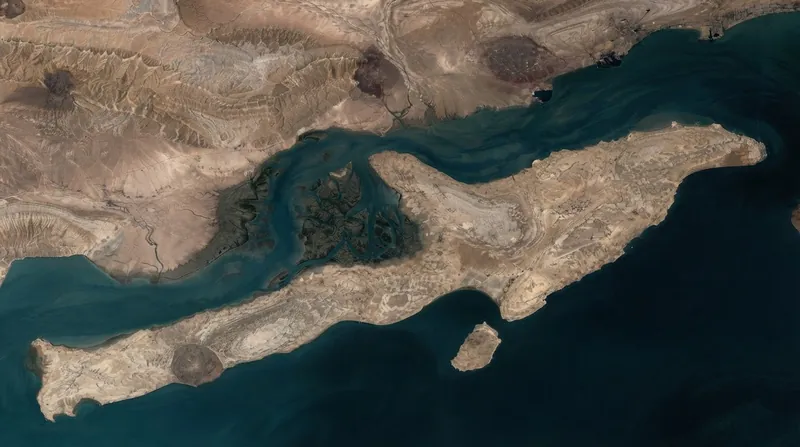
Qeshm Island is the largest island in the Persian Gulf and sits adjacent to the critical Strait of Hormuz, a vital chokepoint for global energy supplies. The latest clash follows a series of recent U.S. airstrikes on Iranian air defense networks and coincides with the deployment of the USS Theodore Roosevelt carrier strike group toward the Middle East, as international energy agencies warn of severe market disruptions if the strait is compromised.
IEA Warns of Severe Winter LNG Squeeze Linked to Strait of Hormuz Disruption
Key point: The International Energy Agency has warned that the ongoing disruption in the Strait of Hormuz will trigger a severe global liquefied natural gas shortage this winter.
The International Energy Agency has issued a stark warning that global gas supplies will tighten significantly this winter due to an unprecedented supply shock in the Strait of Hormuz. The agency cautioned that the ongoing crisis in the critical maritime chokepoint is severely disrupting the flow of liquefied natural gas worldwide.
According to the IEA, the global gas crunch could extend well into 2027, with the market experiencing a record 3% contraction in LNG availability. This contraction has shifted winter pricing power entirely to flexible cargoes, leaving import-dependent nations scrambling to secure adequate energy reserves.
The supply squeeze threatens to dramatically escalate energy costs across the globe, compounding the economic fallout from the recent military clashes between the United States and Iran. In Europe, natural gas storage has plummeted to its lowest levels since 2013, while developing economies like India brace for surging power bills and domestic gas shortages.
This energy crisis follows a sharp deterioration of security in the Middle East, marked by fresh U.S. airstrikes on Iranian air defenses and heightened intelligence operations targeting Tehran's nuclear program. The Strait of Hormuz, a vital artery for global energy shipments, has become a focal point of the conflict, effectively choking off a substantial portion of the world's LNG supply.
USS Theodore Roosevelt Docks in Singapore En Route to Middle East
Key point: The USS Theodore Roosevelt has paused its Middle East deployment for a logistics stop in Singapore, delaying its arrival in the region until mid-November.
The USS Theodore Roosevelt Carrier Strike Group arrived at Changi Naval Base in Singapore on Friday for a scheduled logistics stopover. The port visit temporarily delays the strike group's transit to the Middle East, where it is expected to arrive by mid-November.
The strike group, which includes the guided-missile cruiser USS Chosin and the destroyers USS Paul Hamilton and USS Decatur, is expected to spend several days in Singapore before sailing through the Strait of Malacca. A U.S. official confirmed the revised schedule, noting the journey to the U.S. Central Command area of operations will take at least another two weeks.
Once it reaches the region, the Theodore Roosevelt will join the USS George Washington and USS George H.W. Bush carrier strike groups already operating in the Arabian Sea. The deployment marks a significant buildup of American naval firepower in the Middle East.
The carrier's movement comes amid heightened geopolitical tensions and uncertainty regarding the Trump administration's military plans following the recent U.S. midterm elections. The naval concentration ensures sufficient forces are in place should the administration order renewed strikes or major combat operations against Iran.
U.S. Forces Conduct Fresh Airstrikes on Iranian Air Defenses Amid Mediation Efforts
Key point: The U.S. military carried out new airstrikes against Iranian air defenses on Qeshm Island, continuing a series of recent attacks despite ongoing diplomatic mediation.
The United States military carried out fresh, limited airstrikes targeting an Iranian air defense system on Friday. The operation occurred amid ongoing regional mediation efforts aimed at de-escalating the broader conflict and paving the way for future negotiations.
President Donald Trump confirmed the strikes and characterized the military action as "minor" during an exchange with reporters. On the ground, Iranian state media reported hearing the sound of two explosions in the Suza area of Qeshm Island, a strategic territory located at the northern entrance of the crucial Strait of Hormuz waterway.
Friday's operation marks the first U.S. military action since the American midterm elections and escalates a pattern of undisclosed strikes conducted earlier in the week. On Monday, American forces launched assaults on Qeshm Island targeting Iranian surface-to-air missile launchers and a newly constructed anti-aircraft facility. U.S. officials described those earlier operations as defensive measures intended to protect American troops and aircraft from Iranian fire.
The latest military action coincides with a diplomatic push by Qatari mediators, who recently presented a proposal for two days of trust-building measures to help facilitate talks regarding Tehran's nuclear program. The broader conflict, which began with U.S. and Israeli attacks in late February, has led to a prolonged deadlock. In response to the ongoing hostilities, Iranian military officials asserted on Saturday that their armed forces have grown stronger since the war's outset, with an army spokesman warning that Iran will not allow U.S. military bases in the region to be rebuilt.
US Offers $20 Million Reward and Relocation for Intelligence on Iran's Nuclear Program
Key point: The US is offering up to $20 million and possible relocation for information on Iran's nuclear program, including its facilities, equipment, and personnel.
The United States has announced a reward of up to $20 million, along with possible relocation, for information regarding Iran's nuclear program. The offer was issued through the State Department's Rewards for Justice program and amplified by US Central Command (CENTCOM) in a statement on X on Friday.
The campaign seeks precise details about Iran's nuclear activities, including its physical infrastructure, equipment, and associated personnel, such as those in the scientific community. The State Department noted that Iran's lack of compliance with International Atomic Energy Agency (IAEA) safeguards has led to a loss of "continuity of knowledge" regarding the production and inventory of key components like centrifuges.
The multi-million-dollar bounty represents a distinct push by American authorities to incentivize insiders, researchers, and technical staff to step forward. However, the State Department did not specify the exact parameters of what information would yield the maximum $20 million reward. The Rewards for Justice program was established in 1984 to offer financial incentives for information that protects American lives and interests.
The announcement comes as US President Donald Trump reiterated that Tehran is eager to reach an agreement to end the ongoing conflict, while also confirming that the US military carried out fresh, limited strikes on Iranian air defense systems on Friday. Despite Trump's repeated claims that US forces have effectively obliterated Iran's nuclear program, the new reward offer highlights continued efforts to map and neutralize Tehran's strategic assets. Meanwhile, diplomatic efforts by mediators, including Qatar, have continued to prevent a resumption of fighting. Iranian officials are reportedly reviewing proposals to address differences with Washington, though Tehran insists on several concessions before entering nuclear talks.
Earlier updates
1 update
Iran Transmits Nuclear Proposal to US via Qatar Amid Standoff Over Demands
Key point: Iran has forwarded a nuclear framework proposal to Washington through Qatari mediators, though Tehran insists the US must meet seven preconditions before any negotiations can begin.
AIQatari diplomats are serving as the primary intermediaries for the seven-point framework transmitted from Tehran to Washington.From: Iran Submits Seven Conditions to US via Qatar to End Conflict Iran has transmitted a proposal regarding its nuclear program to the United States through Qatari intermediaries, according to a senior Iranian official. The official stated that Washington is currently reviewing the document, which follows recent reports that Tehran was evaluating concrete frameworks presented by international mediators.
The unnamed senior official told Reuters on Thursday that Iran will only discuss the nuclear proposal after the US meets seven preconditions. Iran's top security official, Mohsen Rezaei, confirmed during a visit to Russia that Tehran had outlined seven conditions to the Americans, including the lifting of US sanctions, the release of frozen Iranian assets, and war reparations. Rezaei emphasized that without these conditions being met, Iran would neither negotiate nor reopen the Strait of Hormuz.
The transmission of the proposal marks a potential diplomatic opening, though the strict preconditions highlight the significant hurdles remaining. Washington has maintained that nuclear issues must be addressed at the outset of any initial negotiations, contrasting with Tehran's demand that its conditions be fulfilled first. Meanwhile, US President Donald Trump warned that American forces remain "locked and loaded" and ready to resume military strikes if necessary.
The diplomatic maneuvering occurs amid intensified efforts by international mediators to prevent a resurgence of the conflict between the US and Iran following the US midterm elections. The two nations engaged in direct hostilities earlier in the year, with the US and Israel attacking Iran in late February, prompting Iranian retaliatory strikes. The conflict has since rippled across the region, involving Iran-backed groups in Lebanon and Yemen.
7 updates
Donald Trump Jr. Backs JD Vance in Blaming Iran War for GOP Midterm Losses
Key point: Donald Trump Jr. has endorsed Vice President JD Vance's assessment that the ongoing war with Iran is the primary reason Republicans lost control of Congress in the midterm elections.
Donald Trump Jr. has publicly aligned himself with Vice President JD Vance in attributing the Republican Party's massive midterm election losses to the ongoing war with Iran. On Wednesday, Trump Jr. reposted Vance's lengthy social media statement that blamed the electoral defeat on the administration's foreign policy and the economic fallout of the conflict. The President's eldest son added "Every word of this is 💯" to signal his full agreement with the Vice President's blunt assessment.
In his original post, Vance argued that voters who supported the Trump-Vance ticket in 2024 had abandoned the party due to four main concerns: ending the war, the rising cost of living and inflation, a desire to put "America First," and the need to change the U.S. relationship with Israel. Vance stated unequivocally that "the reason we lost is the war" and challenged proponents of the conflict to argue that losing control of the Senate for the next six years was a worthwhile cost to pay.
The coordinated messaging from the Vice President and the President's eldest son exposes a significant and public rift within the administration over its military agenda. While Vance and Trump Jr. are pointing to the Iran conflict as the primary catalyst for the "blue tsunami" that swept Democrats into control of both chambers of Congress, President Donald Trump has defended his decisions. The President acknowledged the war's short-term impact on gas prices but maintained that the military action against Iran was necessary and must continue.
The midterm results have severely limited the Republican Party's legislative power in Washington for the remainder of Trump's second term, prompting widespread infighting over the administration's future direction. The global implications of the U.S. election shift are already being felt across international markets. Foreign governments and financial policymakers, including those in South Korea, are now closely monitoring the political fallout and preparing for potential shifts in American trade and foreign policies under a divided government.
South Korea Expands Naval Mission Closer to Strait of Hormuz
Key point: South Korea is expanding its naval presence and deploying additional military assets near the Strait of Hormuz to protect its shipping interests without directly entering the U.S.-Iran war.
South Korea's Defense Ministry announced plans on Thursday to expand the operational area of its Cheonghae anti-piracy naval unit closer to the Strait of Hormuz and deploy additional military assets. The government will submit a motion to parliament to extend the unit's deployment and broaden its mission to include waters near the port of Duqm in Oman, approximately 650 kilometers from the vital waterway.
Under the proposal, the unit's personnel ceiling will increase from 320 to 395 to accommodate a P-8A maritime patrol aircraft, a 30-member explosive ordnance disposal team, and unmanned mine-clearing equipment. A defense ministry official emphasized that the reinforcement is strictly for non-combat purposes to protect South Korean citizens and economic interests. The official added that the unit will operate independently of allied forces and the patrol aircraft will be prohibited from monitoring Iranian territory or the interior of the strait.
The expansion marks a significant increase in South Korea's military footprint and capabilities in the region, introducing advanced mine-clearing and surveillance assets for the first time. The move is widely seen as a calculated response to pressure from U.S. President Donald Trump to support the ongoing war in Iran, while carefully avoiding direct military intervention in the conflict.
The U.S.-Iran war, which began in February, has severely disrupted commercial shipping through the Strait of Hormuz, a critical chokepoint that normally handles a fifth of the world's oil. South Korea is highly vulnerable to these disruptions, having sourced 70 percent of its oil imports from the Middle East in 2025. President Lee Jae Myung has previously maintained that Seoul would not deploy troops in a manner that could draw the country into the conflict, a stance that prompted Trump to scale back joint military drills over the summer.
Trump Concedes Iran War Caused Midterm Losses but Defends Conflict
Key point: President Donald Trump acknowledged that the US war with Iran and resulting high gas prices drove the Republican midterm defeats, while maintaining the conflict was necessary.
President Donald Trump has conceded that the ongoing US war with Iran angered voters and triggered the Republican Party's sweeping losses in the midterm elections. Despite acknowledging the political damage, Trump defended the conflict as a necessary action.
Addressing the election results, Trump admitted that the war's fallout, including soaring gas prices, hurt Republican candidates at the ballot box. He described the assessment of the war's negative impact on the polls as 'largely true,' but insisted that the military engagement was something he 'had to do.'
Trump's concession aligns his public stance with that of Vice President JD Vance, who recently pointed to the conflict as the primary driver of the GOP's electoral defeats. Vance had previously stated that the war on Iran was the 'real reason' Republicans lost the midterms.
The midterm elections resulted in a Democratic landslide, fueled by widespread voter dissatisfaction over the economic and geopolitical consequences of the ongoing military engagement. Having won control of both the Senate and the House of Representatives, Democrats reportedly intend to curb the Trump administration's war and spending powers.
US Sanctions Indian and Turkish Entities for Aiding Iran's Shadow Oil Fleet
Key point: The US has sanctioned an Indian maritime fraud network and a Turkish aviation firm for allegedly helping Iran evade international restrictions on its oil exports and airlines.
The US Treasury Department has imposed sanctions on an Indian couple and several associated companies for allegedly running a vast maritime fraud network that enabled Iran's shadow fleet to evade international oil restrictions. The sweeping measures also target a Turkish aviation services firm, Fugo Ground Services Inc., which is accused of providing ground handling and logistical support to sanctioned Iranian airlines.
According to the Treasury, Chandigarh-based Suniel Kumar Sharma and his wife, Jaspreet Preeti Shahid, provided false flags and fraudulent maritime certifications to vessels transporting Iranian petroleum. The couple allegedly impersonated maritime authorities from countries including Guyana, Eswatini, Dominica, and Laos. By creating fake websites, they offered ship registration, seafarer training, and vessel classification without any government authorization.
The operation, which reportedly dates back to 2014, allowed sanctioned tankers—including those operating for the Iranian military and its proxies—to conceal their identities and bypass international safety regulations. In 2023, Sharma established a Singapore-based entity that continued to provide flagging services despite being publicly disavowed by Eswatini authorities. Sharma recently denied current involvement, telling Lloyd's List that he had exited the ship-registration business months ago.
The latest sanctions expand Washington's "Operation Economic Outcast," a broader campaign aimed at severing Iran's oil revenues and restricting its ability to finance military activities. US Treasury Secretary Scott Bessent issued a stark warning to individuals and businesses accused of supporting Tehran, stating that the administration will continue to pursue and penalize violators across all domains.
Multiple Tankers and Tugboat Catch Fire in Strait of Hormuz
Key point: Several oil tankers and a tugboat caught fire in the Strait of Hormuz and near Qatar amid escalating maritime attacks and naval mine strikes.
Two oil tankers and a tugboat caught fire in separate incidents in the Strait of Hormuz, while another tanker was struck by projectiles north of Qatar. Iran's Islamic Revolutionary Guard Corps attributed the strait incidents to vessels attempting to use unauthorized routes.
According to the IRGC, one tanker hit a naval mine south of the strait, and a second supertanker caught fire while exiting the eastern waterway. A tugboat that approached to extinguish the flames also caught fire. Separately, the United Kingdom Maritime Trade Operations reported that a tanker was hit by two unidentified projectiles about 50 nautical miles north of Qatar late on November 4.
The fires represent a continued escalation of maritime threats in the vital shipping lane, following an IRGC claim that four other oil tankers were destroyed by mines in a prohibited area on Wednesday. The growing number of attacks has further depressed crude oil flows from the Middle East, forcing vessels to switch off tracking systems to avoid detection.
Tehran has severely restricted traffic through the Strait of Hormuz—which normally handles a fifth of global oil consumption—since the outbreak of the war with the United States and Israel in late February. In response to Iran declaring the waterway closed to uncoordinated traffic, the U.S. has maintained a blockade on Iranian ports while providing military escorts for commercial tankers.
US Sanctions Indian and Turkish Networks for Aiding Iranian Shipping and Aviation
Key point: The United States sanctioned 13 individuals and entities, including an Indian maritime fraud network and a Turkish aviation firm, for aiding Iran's shadow fleet and airlines.
The United States imposed sanctions on Wednesday against a maritime fraud network based in India and a Turkish aviation support company for allegedly aiding Iran. The Treasury Department targeted 13 individuals and entities as part of a broader campaign to disrupt the Iranian regime's revenue streams and shadow fleet operations.
The maritime sanctions focus on Indian nationals Suniel Kumar Sharma and Jaspreet Preeti Shahid, who operate a large-scale network from Chandigarh. U.S. officials stated the couple ran companies posing as flag registries for nations such as Guyana, Eswatini, and Laos. These entities allegedly sold fraudulent registrations and maritime certificates to Iranian vessels carrying illicit oil, allowing them to evade international restrictions.
In addition to the maritime network, the United States sanctioned Fugo Ground Services Inc., a company based in Turkey. The firm is accused of providing ground services to sanctioned Iranian airlines, which the U.S. has actively sought to shut down as part of its restrictions on Iran's aviation sector.
The measures fall under Operation Economic Outcast, an initiative by the Trump administration intended to economically isolate Iran and cut off funding for its proxies and weapons proliferation. Treasury Secretary Scott Bessent warned that the U.S. will penalize any entity supporting the Iranian regime by land, sea, or air, regardless of its relationship with Washington.
These sanctions are part of a tightening web of U.S. economic restrictions against Iran that have escalated since August, when Washington announced it would seek the economic asphyxiation of the country. The actions follow the outbreak of a war between the U.S., Israel, and Iran in late February, which has severely disrupted the Middle East and vital energy trade routes.
Saudi Air Defenses Intercept Houthi Ballistic Missile Aimed at Medina
Key point: The Saudi-led coalition intercepted a Houthi ballistic missile targeting the Medina region, though the rebel group denied aiming at the holy city.
Commercial shipping through the Strait of Hormuz has plummeted by 75 percent amid escalating regional maritime threats.From: Saudi-Led Coalition Destroys 136 Houthi Military Targets in Retaliatory Yemen Offensive The Saudi-led coalition announced on Thursday that its air defenses intercepted and destroyed a ballistic missile fired by Yemen's Houthi rebels toward the Medina region. The interception occurred as the kingdom's civil defense agency issued emergency alerts warning of potential danger near the strategic Red Sea port of Yanbu.
Coalition spokesman Turki al-Malki confirmed the destruction of the missile in a statement, while also reporting the separate interception of a drone in the oil-rich Eastern Province. The Houthis strongly denied targeting Medina, which houses one of Islam's holiest sites, calling the coalition's accusations a blatant and grave falsehood. The rebel group maintained that its military operations are strictly limited to striking Saudi oil facilities and military bases.
The missile interception coincides with heightened regional tensions and a broader pattern of Houthi strikes against Saudi infrastructure. While it remains unclear if the missile was directly connected to the emergency warnings in Yanbu, the port city serves as a critical oil export hub and the terminus of the East-West Pipeline. This pipeline is strategically vital for the kingdom, as it allows Saudi oil shipments to bypass the Strait of Hormuz.
The Houthis have previously launched numerous drone and missile attacks against Saudi airports, military installations, and energy sites, though they have consistently stated they would not target the holy cities of Mecca and Medina. The latest incident follows recent reports of Houthi strikes on Riyadh's international airport and ongoing clashes near the Yemeni border. Saudi civil defense authorities have also issued emergency alerts for the southeastern area of Sharurah, indicating a widening scope of cross-border threats.
4 updates
Iran Says Four Oil Tankers Hit Mines in Strait of Hormuz Following US Strikes
Key point: Iran claims four oil tankers were destroyed by naval mines in the Strait of Hormuz shortly after the US launched limited strikes on Qeshm Island.
Iran's Islamic Revolutionary Guard Corps announced that four oil tankers caught fire after striking naval mines in the Strait of Hormuz. The IRGC claimed the vessels were destroyed while attempting to navigate a prohibited route south of the strategic waterway. Two additional vessels were reportedly detained by Iranian forces during the same operation.
In statements carried by state media, the IRGC described the tankers as non-compliant and accused them of traveling through an unauthorized passage with their navigation systems turned off. Iranian forces also claimed to have shot down a US-made MQ-9 drone over the strait early Wednesday morning. The identities of the tankers, their owners, and the crew nationalities were not immediately disclosed by authorities.
The maritime incidents follow limited US military strikes on Iran's Qeshm Island late Monday, which Washington described as defensive actions targeting surface-to-air missile batteries. The exchange marks a continued escalation in the region, threatening global energy supplies as Tehran seeks to assert control over the critical shipping lane. Iranian officials warned that any miscalculation by the US would lead to an unpredictable response.
Tensions have remained high since large-scale US and Israeli strikes against Iran earlier in the year, leading to a de facto blockade of the strait. Despite the military friction, indirect diplomatic contacts continue through regional mediators like Qatar. US Vice President JD Vance recently expressed optimism about reaching a deal to end the conflict, though Iranian negotiators maintain that Washington must first lift economic sanctions.
Vice President Vance Concedes War With Iran Caused Decisive Midterm Defeat
Key point: Vice President JD Vance publicly blamed the ongoing war with Iran for the Republican Party's sweeping midterm election losses, distancing himself from President Trump's foreign policy.
Vice President JD Vance stated on Wednesday that the ongoing war with Iran was the primary reason Republicans suffered a sweeping defeat in the midterm elections. In a lengthy post on social media, Vance broke with the administration's messaging, declaring that "everyone knows why we lost" and pointing directly to the conflict.
Vance wrote that voters who supported the Trump-Vance ticket in 2024 flipped to Democrats in 2026 primarily to end the war, address the cost of living, put America first, and change the U.S. relationship with Israel. He challenged defenders of the conflict to argue that "losing the Senate for the next 6 years was worth it," while noting that President Donald Trump had also acknowledged the war's role in the defeat.
The vice president's blunt assessment marks a rare and public divergence from Trump, who maintained on Tuesday that launching the war was the right decision. Vance's remarks signal an effort to distance himself from the unpopular foreign policy as the Republican Party grapples with the loss of both chambers of Congress and looks ahead to the 2028 presidential cycle.
The midterm elections delivered a historic "blue wave," with Democrats capitalizing on voter anger over the conflict, soaring inflation, and the administration's broader foreign policy. The results have handed Democrats full control of Congress, effectively stalling the administration's agenda for the remainder of Trump's term.
Trump Declares No Immediate Plans for Further Iran Strikes Following Electoral Rout
Key point: President Donald Trump announced he has no immediate plans for further military strikes on Iran following a midterm election defeat that he acknowledged was partly driven by voter opposition to the war.
President Donald Trump has declared that he has no immediate plans to order further military strikes on Iran, despite previously keeping the option open ahead of the U.S. midterm elections. Speaking to the Financial Times on Tuesday evening, Trump stated that U.S. forces remain "locked and loaded" but suggested there may be no reason for an imminent attack.
Trump described the current situation in the Persian Gulf as "brilliant," noting that oil continues to reach global markets under U.S. military escort through the Strait of Hormuz. However, he acknowledged that the ongoing conflict with Iran played a significant role in the Republican Party's bruising losses in the midterm elections. Despite losing control of Congress, the president maintained that the war has been worth it and stated he would have made the same decision again.
The decision to hold off on further strikes marks a shift in tone following the electoral rout, which saw Democrats flip control of Congress and achieve historic victories nationwide. With Democrats preparing to take power and having previously voted to restore war powers to Congress, the incoming legislative majority is expected to pursue de-escalation in the conflict.
The midterm results have been widely interpreted as a voter rebuke of the administration's handling of the Iran war, which has driven up global oil prices and consumer costs. Vice President JD Vance explicitly blamed the conflict for the GOP's defeat, noting that voters wanted to end the war and focus on domestic inflation. Meanwhile, Senate Minority Leader Chuck Schumer heralded the Democratic victory as a clear mandate from voters to deliver on their priorities and change the nation's course.
Iran Claims Four Commercial Tankers Destroyed by Naval Mines in Strait of Hormuz
Key point: Iran's Revolutionary Guard Corps claims four commercial oil tankers were destroyed by naval mines in the Strait of Hormuz after attempting to navigate a prohibited passage.
AISenator JD Vance addresses reporters in Washington, blaming the Republican midterm defeats on the party's foreign policy.From: JD Vance Blames US Conflict With Iran for Republican Midterm Election Defeats Four commercial oil tankers caught fire and were destroyed after striking naval mines in the Strait of Hormuz on Wednesday, according to Iran's Islamic Revolutionary Guard Corps. The paramilitary group stated that the vessels were attempting to navigate a prohibited passage south of the strategic waterway when they hit the explosives. Two additional non-compliant ships were also reportedly intercepted and halted by Iranian forces.
The Iranian military did not identify the destroyed vessels by name or flag, nor did it provide casualty figures for the crews involved. In a statement broadcast on state television, the IRGC claimed the ships had violated regulations by taking unauthorized routes. The group also announced it had shot down a United States MQ-9 Reaper drone over the strait early Wednesday morning.
The destruction of the tankers threatens to reignite direct military confrontation just as the conflict appeared to be cooling. Despite earlier indications that Washington might pause its offensive operations, United States President Donald Trump warned on Wednesday that American forces could still deliver a heavy hit. Iranian officials responded by asserting that American voters had rejected the war at the ballot box, though Tehran remains ready for battle.
The Strait of Hormuz remains a critical chokepoint for global energy supplies, though commercial traffic has dropped significantly since the conflict began. The region has seen a surge in maritime attacks in recent days, including a projectile strike on a tanker near Oman and an attack that killed an Indian seafarer on Monday. Indirect negotiations between Washington and Tehran remain stalled, with Iran demanding an end to American naval blockades and oil sanctions.
Charts, maps and images
Timeline
November 2026
Trump Downplays Iran Strikes as Rubio Rejects Demands and CENTCOM Launches Task Force
- Trump Downplays Iran Strikes as Rubio Rejects Demands and CENTCOM Launches Task ForceKey point: President Trump indicated that further military strikes on Iran are unlikely if negotiations progress, even as the U.S. expanded its pressure campaign by launching a task force to disrupt Iranian ground supply routes.
US Forces Disable Cargo Ship in Gulf of Oman as Pentagon Unveils New Task Force
- US Forces Disable Cargo Ship in Gulf of Oman as Pentagon Unveils New Task ForceKey point: The US military disabled a commercial cargo ship in the Gulf of Oman for attempting to breach its naval blockade, while simultaneously launching a new task force to target Iranian supply lines across land borders.
- Saudi Airstrikes Kill 33 Near Sanaa After Houthi Missiles Hit RiyadhKey point: At least 33 people were killed in Saudi airstrikes on Yemen's Sanaa province following a Houthi missile attack that damaged a building in Riyadh.
- Saudi Aramco Tower in Riyadh Damaged by Falling Debris After Missile AttackKey point: A Saudi Aramco administrative building in Riyadh's financial district sustained limited damage from falling shrapnel after the Saudi-led coalition intercepted Houthi missiles targeting the capital.
- Indian Oil Corp Plans to Buy Crude and LPG Tankers to Mitigate Hormuz Shipping RisksKey point: Indian Oil Corporation is acquiring its own crude oil and LPG vessels to reduce its reliance on chartered ships and mitigate soaring freight costs caused by disruptions in the Strait of Hormuz.
US Offers $20 Million Reward and Relocation for Intelligence on Iran's Nuclear Program
- US Offers $20 Million Reward and Relocation for Intelligence on Iran's Nuclear ProgramKey point: The US is offering up to $20 million and possible relocation for information on Iran's nuclear program, including its facilities, equipment, and personnel.
- U.S. Forces Conduct Fresh Airstrikes on Iranian Air Defenses Amid Mediation EffortsKey point: The U.S. military carried out new airstrikes against Iranian air defenses on Qeshm Island, continuing a series of recent attacks despite ongoing diplomatic mediation.
- USS Theodore Roosevelt Docks in Singapore En Route to Middle EastKey point: The USS Theodore Roosevelt has paused its Middle East deployment for a logistics stop in Singapore, delaying its arrival in the region until mid-November.
- IEA Warns of Severe Winter LNG Squeeze Linked to Strait of Hormuz DisruptionKey point: The International Energy Agency has warned that the ongoing disruption in the Strait of Hormuz will trigger a severe global liquefied natural gas shortage this winter.
- US Strikes Iranian Air Defenses as Iran Downs American Drones Over Qeshm IslandKey point: Iranian air defenses shot down at least one American drone over Qeshm Island as the United States carried out targeted strikes against anti-aircraft systems in the area.
- US Forms Task Force to Disrupt Iranian Ground Trade and Weapons TransitKey point: The U.S. military is launching Task Force Iron Gate to disrupt Iran's movement of weapons and sanctioned materials across its land borders and the Caspian Sea, complementing the ongoing naval blockade.
- Saudi Airstrikes Kill 27 Near Sanaa Following Houthi Drone Salvos on RiyadhKey point: Saudi-led airstrikes killed at least 27 people near Sanaa following a series of Houthi missile and drone attacks targeting Saudi infrastructure.
Iran Transmits Nuclear Proposal to US via Qatar Amid Standoff Over Demands
- Iran Transmits Nuclear Proposal to US via Qatar Amid Standoff Over DemandsKey point: Iran has forwarded a nuclear framework proposal to Washington through Qatari mediators, though Tehran insists the US must meet seven preconditions before any negotiations can begin.
South Korea Seeks Anti-Piracy Patrol Expansion Near Hormuz Strait Amid Regional Tensions
AI- Donald Trump Jr. Backs JD Vance in Blaming Iran War for GOP Midterm LossesKey point: Donald Trump Jr. has endorsed Vice President JD Vance's assessment that the ongoing war with Iran is the primary reason Republicans lost control of Congress in the midterm elections.
- South Korea Expands Naval Mission Closer to Strait of HormuzKey point: South Korea is expanding its naval presence and deploying additional military assets near the Strait of Hormuz to protect its shipping interests without directly entering the U.S.-Iran war.
- Trump Concedes Iran War Caused Midterm Losses but Defends ConflictKey point: President Donald Trump acknowledged that the US war with Iran and resulting high gas prices drove the Republican midterm defeats, while maintaining the conflict was necessary.
- US Sanctions Indian and Turkish Entities for Aiding Iran's Shadow Oil FleetKey point: The US has sanctioned an Indian maritime fraud network and a Turkish aviation firm for allegedly helping Iran evade international restrictions on its oil exports and airlines.
- Multiple Tankers and Tugboat Catch Fire in Strait of HormuzKey point: Several oil tankers and a tugboat caught fire in the Strait of Hormuz and near Qatar amid escalating maritime attacks and naval mine strikes.
- US Sanctions Indian and Turkish Networks for Aiding Iranian Shipping and AviationKey point: The United States sanctioned 13 individuals and entities, including an Indian maritime fraud network and a Turkish aviation firm, for aiding Iran's shadow fleet and airlines.
- Saudi Air Defenses Intercept Houthi Ballistic Missile Aimed at MedinaKey point: The Saudi-led coalition intercepted a Houthi ballistic missile targeting the Medina region, though the rebel group denied aiming at the holy city.
Tensions between the United States and Iran have escalated into direct military strikes following the breakdown of diplomatic negotiations.
AIAI- Iran Says Four Oil Tankers Hit Mines in Strait of Hormuz Following US StrikesKey point: Iran claims four oil tankers were destroyed by naval mines in the Strait of Hormuz shortly after the US launched limited strikes on Qeshm Island.
- Vice President Vance Concedes War With Iran Caused Decisive Midterm DefeatKey point: Vice President JD Vance publicly blamed the ongoing war with Iran for the Republican Party's sweeping midterm election losses, distancing himself from President Trump's foreign policy.
- Trump Declares No Immediate Plans for Further Iran Strikes Following Electoral RoutKey point: President Donald Trump announced he has no immediate plans for further military strikes on Iran following a midterm election defeat that he acknowledged was partly driven by voter opposition to the war.
- Iran Claims Four Commercial Tankers Destroyed by Naval Mines in Strait of HormuzKey point: Iran's Revolutionary Guard Corps claims four commercial oil tankers were destroyed by naval mines in the Strait of Hormuz after attempting to navigate a prohibited passage.
Yemen Reshuffles Cabinet as Houthi Forces Advance Within 80 Kilometers of Aden
AI- US Strikes Iran's Qeshm Island Amid Push for Seven-Step Hormuz Peace PlanKey point: The US launched limited defensive strikes on Iran's Qeshm Island even as mediators work to finalize a seven-step peace agreement to reopen the Strait of Hormuz.
- Yemen Reshuffles Cabinet as Houthi Forces Advance Toward AdenKey point: Yemen's internationally recognized government has reshuffled its cabinet as Houthi forces advance to within 80 kilometers of the de facto capital of Aden.
Global Crude Slides 4% as Renewed Diplomatic Push Rekindles Hopes for Iran War Ceasefire
AI- Iran Warns of Prolonged Conflict Following Fresh Trump Military Strike ThreatsKey point: Iran warned that any new conflict with the U.S. would be prolonged and geographically unrestricted, following President Donald Trump's threats to strike remaining Iranian targets.
- Iranian Envoys Arrive in Doha for Peace Talks as Trump Warns Targets RemainKey point: Iranian negotiators have arrived in Doha for Qatar-mediated talks to end the war, even as Donald Trump warns that military targets in Iran remain.
- Iran Proposes Two-Day Plan to Reopen Strait of Hormuz Amid US Strike ThreatsKey point: Iran has offered to reopen the Strait of Hormuz in two days if its demands are met, even as the U.S. considers further military strikes.
- Iran Warns of Prolonged War as Trump Threatens Strikes and Draft Deal CirculatesKey point: Iran cautioned that a renewed conflict with the US would be prolonged, even as a draft peace agreement circulates amid Donald Trump's threats of further military strikes.
- Yemen's Houthis Advance Within 80 Kilometres of Aden in Deepest Push Since 2015Key point: Houthi forces have seized the Al-Maqatirah district and advanced to within 80 kilometres of Aden, marking their deepest push toward the government stronghold since 2015.
- Crude Oil Plunges Over 7% as US and Iran Signal Room for DiplomacyKey point: Crude oil prices fell more than 7% as the United States and Iran indicated a willingness to pursue diplomatic negotiations, easing market fears of further supply disruptions.


October 2026
Pentagon Estimates U.S. Spending on Iran Conflict Has Exceeded $47 Billion
AI- Pentagon Tally Puts Direct Cost of Military Campaign Against Iran Above $47 BillionKey point: A new Pentagon estimate reveals the U.S. military has spent over $47 billion on the war with Iran, largely to replace expended munitions and equipment.
- Russian Satellites Linked to Precision Houthi and Iraqi Militia Strikes in Saudi ArabiaKey point: Geospatial analysis and official accounts indicate that Russian reconnaissance satellites are providing intelligence to Iranian-backed militias for precision strikes in Saudi Arabia.
- World Bank Forecasts 23% Surge in Global Commodity Prices in 2026Key point: The World Bank anticipates a 23% increase in global commodity prices in 2026 as the Middle East conflict and other shocks drive up energy and food costs.
- UK Charges Two Men Over Suspected Iranian Plot Near RAF BaseKey point: Two British men have been charged under the National Security Act for allegedly assisting an Iranian intelligence operation targeting a military base used by U.S. forces.
- Houthis Strike Saudi Arabia's Largest Oil Refinery and Aden AirportKey point: Yemen's Houthi rebels have escalated their offensive by launching ballistic missiles at Saudi Arabia's largest oil refinery and striking the Aden airport.
Houthis Declare Egyptian Military Support for Saudi Arabia an Act of War
- Houthis Declare Egyptian Military Support for Saudi Arabia an Act of WarKey point: A senior Houthi official warned that Egypt's decision to provide defensive military assistance to Saudi Arabia amounts to a declaration of war against Yemen.
- Saudi Arabia Extinguishes Fire at Ras Tanura Export Terminal After AttackKey point: Saudi Aramco has successfully contained a fire near its Ras Tanura oil export terminal following a drone and missile assault by Houthi forces.
- Mecca Pact Envoys Conclude De-Escalation Discussions in TehranKey point: Representatives from the Mecca Defence Alliance and Iran agreed to continue discussions on regional security following their first high-level talks in Tehran.
- Houthis Claim Ballistic Missile Strikes on Saudi Defense Ministry and Ras Tanura RefineryKey point: Yemen's Houthi rebels claimed to have launched ballistic missile strikes on the Saudi Defense Ministry and the kingdom's largest oil refinery.
- Houthi Missile Strike Damages Saudi Arabia's Ras Tanura Oil RefineryKey point: A Houthi ballistic missile strike caused a fire at Saudi Arabia's Ras Tanura oil refinery, which authorities say has been contained.
Global Crude Eases to $115 After Multi-Month Peak as Middle East Strains Persist
AIAI- Crude Pulls Back Below $116 as Middle East Tensions Keep Energy Markets on EdgeKey point: Oil prices retreated from near six-month highs on Monday, though ongoing Middle East tensions and threats to energy infrastructure continue to support elevated crude levels.
- Mecca Pact Nations and Iran Convene in Tehran for Security TalksKey point: Officials from the Mecca Pact nations, including a Saudi delegation, are meeting with Iranian leaders in Tehran to discuss regional security and a potential US-Iran peace agreement.
- Saudi Coalition Strikes Houthi Missile Depots Following Attacks on Riyadh AirportKey point: The Saudi-led coalition destroyed Houthi missile facilities in Yemen following a series of attacks by the Iran-backed group on Riyadh's airport and Saudi oil infrastructure.
- Bank of America Forecasts $120 Oil if Iran Resumes Energy Infrastructure StrikesKey point: Bank of America projects that crude oil could average $120 a barrel if the ongoing conflict leads to renewed Iranian strikes on Middle Eastern energy infrastructure.
- Egyptian Parliament Approves Military Support for Saudi Arabia Against Houthi AttacksKey point: Egyptian lawmakers have authorized the military to provide defensive support to Saudi Arabia to counter escalating Houthi attacks, deepening Cairo's role in the regional conflict.
Surging Crude Near $120 Escalates Inflationary Strains and Threatens Global Growth
AIAI- Saudi Air Defenses Intercept Houthi Missiles Over Riyadh, Taif, and YanbuKey point: Saudi forces successfully intercepted a barrage of Houthi ballistic missiles targeting Riyadh, Taif, and Yanbu, triggering temporary emergency alerts across western Saudi Arabia.
- Houthi Strikes Disrupt Riyadh Airport as Saudi Forces Intercept MissilesKey point: Saudi forces intercepted multiple Houthi missiles and drones on Sunday as the rebel group threatened Riyadh's international airport during its attempted reopening.
- Saudi Arabia Reopens Riyadh Airport Amid Fresh Wave of Houthi AttacksKey point: Saudi Arabia has reopened Riyadh's main airport for domestic and international flights, even as Houthi rebels threaten further attacks and launch fresh missile strikes against the kingdom.
Tensions between the United States and Iran have escalated amid mutual security threats and the prospect of direct military confrontation.
AI- US hints at fresh Iran strikes as Tehran threatens Gulf undersea cablesKey point: US President Donald Trump suggested a new military operation against Iran may be imminent, prompting Tehran to threaten the destruction of undersea telecommunications cables in the Gulf if attacked.
- Houthis Target Saudi Energy Sites and Aden as Conflict EscalatesKey point: Yemen's Houthi rebels launched a wave of attacks on Saudi oil facilities and military sites in Aden, shattering a 2022 truce following deadly Saudi airstrikes.
- US Intelligence Warns Iranian Plots Against Americans Have Reached Advanced StagesKey point: The U.S. intelligence community has warned that Iranian efforts to kill American personnel abroad have reached advanced stages, prompting security reviews at embassies across the Middle East.
- Ras Al Khaimah Closes All Public Beaches Following Offshore Tanker SpillKey point: Ras Al Khaimah has indefinitely closed its public beaches as UAE authorities work to contain an offshore tanker spill that has already affected neighboring emirates.
US-to-China Tanker Charters Surge Past $60 Million as Mideast Conflict Disrupts Routes
AI- US-China Crude Shipping Rates Surge to $60 Million per TankerKey point: The cost to ship crude oil from the US to China has reached nearly $60 million per tanker, driving Asian demand for US crude to a potential seven-year low.
- US-China Crude Tanker Charters Reach $60 Million as Mideast Conflict EscalatesKey point: The cost to lease a crude tanker for the U.S.-China route has surged to nearly $60 million, driving Asian demand for American oil to multiyear lows.
- Crude Oil Prices Climb Above $113 Amid Escalating US-Iran TensionsKey point: Crude oil prices have exceeded $113 per barrel as escalating conflicts between the US and Iran heighten fears of global supply disruptions.
- Iran Formulates Plans to Target Gulf Undersea Cables if Conflict WidensKey point: Iranian security officials have drafted detailed plans to attack and obstruct repairs to undersea communications cables in the Persian Gulf if the United States and Israel launch renewed military strikes.
Oil Climbs Past $110 and Rupee Drops as US Orders Diplomat Evacuation From Saudi Arabia
AI- One Killed and Eight Injured in Strike on Saudi Arabia's King Fahd AirportKey point: One person was killed and eight others were injured in a strike on King Fahd International Airport in Dammam, prompting the U.S. to order non-emergency personnel to leave Saudi Arabia.
- Death Toll in Dammam Airport Strike Rises to Two as US Orders Embassy EvacuationsKey point: A second victim has died following the strike on Dammam's airport, prompting the US to order the evacuation of non-essential diplomatic staff from Saudi Arabia.
- Crude Tops $110 After Houthi Strikes on Saudi Energy InfrastructureKey point: Oil prices have surpassed $110 a barrel as fresh drone strikes on Saudi Arabian infrastructure reignite fears of supply disruptions in the Middle East.
- Iran Claims IRGC Naval Strikes Disabled Seven Tankers in Strait of HormuzKey point: Iran's Revolutionary Guard Corps claimed it disabled seven oil tankers in a single night, threatening to attack U.S. bases if American naval escorts continue.
- Crude Spikes as US Evacuates Diplomats from Saudi Arabia Amid Houthi AttacksKey point: Oil prices surged past $110 a barrel after the US ordered non-essential diplomatic staff to leave Saudi Arabia in response to intensifying Houthi attacks on the kingdom's infrastructure.