
US Issues Sweeping Iran Oil Sanctions Waivers, Reshaping Global Energy Markets
The United States has rolled back secondary oil sanctions on Iran as part of a historic peace deal, unlocking billions in revenue for Tehran and stabilizing global crude prices.

How this story has developed
This report is part of a developing story — read the earlier chapters below.
- The End of Global Oil Security: How the Strait of Hormuz Conflict Rewrites the Rules of Energy Geopolitics
- U.S. and Iran Weigh Potential Peace Deal to Reopen Strait of Hormuz Amid Conflicting Claims
- US-Iran Ceasefire Falters as Regional Strikes Resume and US House Weighs War Powers Resolution
- One Dead, Dozens Injured After Drone Strike Hits Kuwait International Airport Amid US-Iran Escalation
- US and Iran Exchange Direct Strikes in the Gulf, Shattering Ceasefire Hopes
- U.S. Launches Strikes on Iranian Military Targets Following Downing of Army Helicopter
- Military Strikes Destroy Iranian Water Facilities Near Strait of Hormuz, Prompting War Crime Warnings
- The Stakes of Kharg Island: Why the U.S. is Threatening Iran's Oil Fortress
- Trump Halts Planned Strikes on Iran, Claims Peace Deal is Imminent Despite Tehran's Caution
- Risk the Strait or Wait: The Costly Dilemma Trapping 500 Ships in the Persian Gulf
- Trump Rejects Leaked Iran Ceasefire Terms as 'Fake News' Amid Fragile Negotiations
- US and Iran Reach Final Text for Peace Agreement Following Pakistani Mediation
- Israel Strikes Beirut Suburbs Following Ceasefire Violation as U.S.-Iran Peace Deal Hangs in Balance
- Hegseth Clashes With CBS Over U.S. Munitions Crisis as Iran War Drains Stockpiles
- US and Iran Reach Deal to Reopen Strait of Hormuz, Ending Four-Month Global Trade Blockade
- Economic Rebound in Focus as U.S.-Iran Conflict Winds Down
- US and Iran Sign Preliminary Deal to End 109-Day War: What the MoU Actually Says
- US and Iran Reach Historic Truce to End 2026 War, but Regional Tensions Persist
- Senate Blocks Bid to Limit Trump's War Powers as US-Iran Peace Deal Nears
- Trump Rebukes Netanyahu Over Lebanon Offensive as US-Iran Peace Deal Advances
- From Supply Shock to Oil Glut: How the Iran War is Destroying Global Energy Demand
- U.S. and Iran Agree to 60-Day Ceasefire MOU Featuring Immediate Oil Waivers and $300 Billion Investment Framework
- Vance Rebukes Israeli Critics of U.S.-Iran Peace Agreement, Warning Against Alienating 'Only Powerful Ally'
- Vance Postpones Switzerland Trip for Iran Nuclear Talks Amid Friction with Israel and EU Sanctions Stance
- Vance Delays Switzerland Trip for Iran Talks, Rebukes Israeli Critics of Peace Deal
- Public Support Wanes as Congress Questions the Mounting Costs of the US-Iran Conflict
- Trump's $1.5 Trillion Military Budget Stalls as Congress Balks at Iran War Costs
- U.S. and Iran Postpone High-Stakes Nuclear Talks in Switzerland Amid Regional Tensions
- Iran Closes Strait of Hormuz, Shattering Three-Day-Old Ceasefire Over Lebanon Strikes
- Iran Halts Strait of Hormuz Traffic as Regional Tensions Escalate Over US-Brokered Deal
- Iran Declares Strait of Hormuz Closed Over Lebanon Strikes; U.S. Military Denies Blockade
- US and Iran Open Nuclear Talks in Switzerland Amid Dispute Over Strait of Hormuz
- U.S. and Iran Launch 60-Day Push for New Nuclear and Security Agreement in Switzerland
- US and Iran Claim Progress in Peace Talks as Trump Threats Complicate Vance's Diplomacy
- US Eases Iran Oil Sanctions as Tehran Agrees to Resume Nuclear Inspections
- US and Iran Agree to Lebanon 'De-Confliction Cell' to Salvage Regional Peace Talks
- US Waives Iranian Oil Sanctions and Releases $12 Billion in Exchange for Nuclear Inspections
- US Issues Sweeping Iran Oil Sanctions Waivers, Reshaping Global Energy Markets (this article)
- Iran and Oman Advance Plans to Toll the Strait of Hormuz: What It Means for Global Trade
- US-Iran Crisis and Peace Push: Strait of Hormuz Tolls, Nuclear Inspections, and the Senate Vote Explained
- Senate Passes Historic War Powers Resolution on Iran as NATO Praises Ceasefire Deal
- US-Iran Ceasefire Reopens Strait of Hormuz, Easing Global Shipping and Oil Prices
- UN Nuclear Chief Says Inspectors Will Visit Iran Sites Under Fragile War Deal
- Trump Rebukes NATO Over Iran War as White House Seeks $87.6 Billion to Replenish Military
- Iran Strikes Commercial Ship in Strait of Hormuz, Halting UN Evacuation Route
- US Strikes Iranian Missile Sites Following Drone Attack on Cargo Ship, Testing Fragile Ceasefire
- Iran Launches Drone Attack on Bahrain Targeting US Military After Retaliatory US Strikes
- FACT CHECK: Did Iran Request a Meeting With the U.S. in Doha?
- US Warned Iran of Alleged Israeli Plot to Assassinate Negotiators During Ceasefire Talks
- Trump Signs New Iran Executive Orders, Threatens to Decimate Infrastructure by Tomorrow Night
- U.S. Launches Retaliatory Strikes on Iran and Revokes Oil Waivers Following Strait of Hormuz Attacks
- The New Middle East Order: How China Brokered a Ceasefire After U.S. and Israeli Strikes on Iran
- The Collapse of the Islamabad Memorandum: Analyzing the Return to US-Iran Hostilities and the Global Economic Fallout
- Trump Suggests Standing Order to Attack Iran if Assassinated, Leaving Execution to VP Vance
- U.S. Imposes 20% Tariff on Strait of Hormuz Cargo, Reinstates Naval Blockade on Iran
- Senate Democrats Block Must-Pass Defense Bill Over Iran War and Israel Integration
- The Evidence Pack: Analyzing the Resumption of US-Iran Strikes and Competing Radar Claims
- Global Real Estate Investment Volumes Slip as Iran Conflict Triggers 'State-Altering Shock' and Capital Pullback
- Iran Rejects U.S. Ceasefire Proposal and Threatens Tel Aviv as Trump Weighs 'Massive Attack'
- U.S. General Warns Pentagon of Insufficient Naval Forces to Protect Israel from Iranian Missiles
- Is the Strait of Hormuz Closure a Supply Shock That Has Rendered Central Bank Policy Obsolete?
- US-Iran War Escalates to Second Maritime Front as Houthis Blockade Bab el-Mandeb Strait
- How the Strait of Hormuz Crisis Turned Global Food Security into a Geopolitical Weapon
- $75M Esports World Cup Relocates to Paris Amid Middle East Security Concerns
- Esports Nations Cup Postponed to 2027 Citing 'Regional Uncertainty,' Following EWC Relocation
- AG.AL Wins $7 Million Esports World Cup Club Championship, Denying Team Falcons Third Title
- Esports World Cup 2026 Viewership Jumps 37%, Driven by Kick and 300% Growth in Hindi Broadcasts
- Global Energy Consumers
- Views the waivers as a necessary pragmatic step to lower global inflation and stabilize volatile crude markets.
- Iranian Economic Planners
- Sees the sanctions relief as a critical victory that rescues the domestic economy from collapse and funds infrastructure.
- Israeli Financial Markets
- Fears the influx of capital to Tehran fundamentally weakens Israel's strategic position, prompting a massive selloff of domestic assets.
- US Diplomatic Strategists
- Frames the waivers as highly conditional leverage designed to enforce the broader peace framework via the threat of snapback sanctions.
Perspectives this story doesn't cover
- Environmental groups concerned about increased global fossil fuel output
- US domestic political opposition to the waiver
The United States has officially issued a sweeping rollback of secondary oil sanctions against Iran, fundamentally altering the global energy landscape and unlocking billions of dollars in previously frozen revenue for Tehran. The waivers, announced as a cornerstone of the historic US-Iran peace negotiations, represent the most significant shift in Middle Eastern economic policy in over a decade. By lifting the financial blockades that have crippled the Iranian economy, the US administration aims to cement a fragile diplomatic truce while simultaneously injecting much-needed crude supply into a tight global market.[1][3]
To understand the magnitude of this shift, one must examine the specific mechanics of the relief. The US Treasury Department has issued a series of broad general licenses that effectively pause the "maximum pressure" architecture. These licenses permit Tehran to resume large-scale crude exports to international buyers without triggering secondary penalties on the global banks, insurers, and shipping firms that facilitate the trade. Previously, any foreign entity engaging with Iran's energy sector risked being entirely cut off from the US financial system, a threat that kept millions of barrels of Iranian oil off the legitimate market.[1][4]
However, these licenses are not permanent treaties; they are highly conditional waivers tied directly to Tehran's continued compliance with the broader peace framework. Legal experts and energy analysts note that the waivers include a strict "snapback" mechanism. If international monitors determine that Iran has violated the terms of the truce, the financial blockades would instantly be reinstated. Despite this built-in fragility, commodity traders are already moving aggressively to price in the new supply, betting that the immediate economic benefits for both sides will outweigh the political risks of a collapse.[1][3]
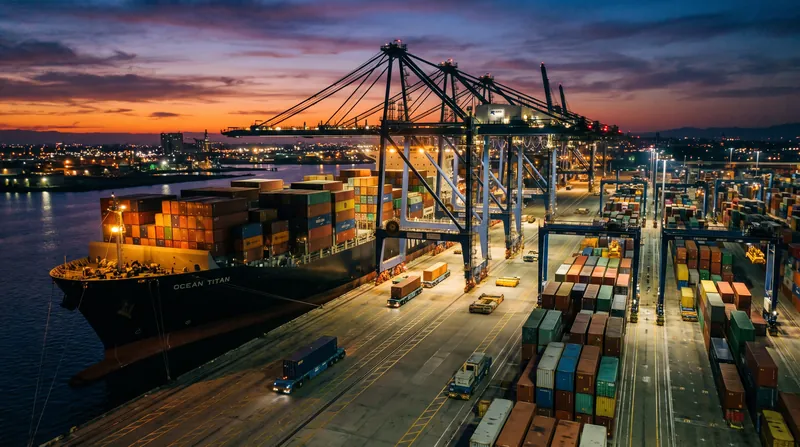
The most visible and immediate economic barometer of this diplomatic breakthrough is the Strait of Hormuz, the world's most critical maritime chokepoint for global energy supplies. Following the waiver announcement, maritime traffic through the narrow waterway has surged dramatically. Commercial tankers, which previously navigated the region with extreme caution, are increasingly crossing with open navigation signals. This marks a stark contrast to the "dark fleet" operations—where ships disable their transponders to avoid detection—that characterized the peak of the geopolitical conflict over the past several years.[2][4]
Shipowners and commodity traders are demonstrating a renewed sense of confidence, which is rapidly translating into lower operational costs. Maritime insurance premiums, which had previously spiked to historic highs due to the persistent threat of vessel seizure or asymmetric attacks in the Persian Gulf, are beginning to normalize. The reduction in these transit costs, combined with the influx of legitimate Iranian crude, has immediately stabilized global energy benchmarks. Both Brent crude and West Texas Intermediate have pared back their earlier war-premium surges, settling into a more predictable and lower trading band.[2][3][4]
Shipowners and commodity traders are demonstrating a renewed sense of confidence, which is rapidly translating into lower operational costs.
The downstream macroeconomic effects of cheaper, more reliable energy are already rippling through major Western economies, providing a crucial buffer against persistent inflation. In Europe, where the industrial base is highly sensitive to energy shocks, business activity indices for June showed unexpected resilience. The Euro-zone economy shrank far less than anticipated, feeding optimism among central bankers and corporate leaders. Economists attribute this resilience directly to the fading specter of an Iran-driven energy crisis, which has bolstered corporate confidence and eased supply chain anxieties across the continent.[6]
Regionally, the economic realignment is creating distinct winners and losers, fundamentally rewriting the balance of financial power in the Middle East. For Tehran, the waivers represent a vital economic lifeline. The unlocking of billions in oil revenue allows the Iranian government to stabilize its battered currency, fund long-delayed domestic infrastructure projects, and ease the severe austerity measures that have fueled domestic unrest. The influx of capital is expected to rapidly accelerate Iran's reintegration into the regional economy, shifting its status from an isolated pariah state to a major commercial player.[1]
Neighboring countries are moving swiftly to capitalize on the newly opened market, eager to secure lucrative trade deals and energy partnerships. Iranian President Masoud Pezeshkian has already scheduled a high-profile state visit to Islamabad to formalize new bilateral agreements. Pakistan, which played a crucial role in mediating the US-Iran truce, is expected to sign sweeping pacts covering border security, cross-border energy pipelines, and expanded bilateral trade. This diplomatic pivot underscores how quickly the lifting of sanctions is reshaping traditional alliances and trade corridors in South Asia.[7]
Conversely, the geopolitical pivot has triggered a severe repricing of risk in Israel, where financial markets are reacting with deep apprehension to the shifting balance of power. Israeli financial assets, including the shekel and major equity indices on the Tel Aviv Stock Exchange, have plunged, becoming some of the world's worst-performing assets this month. Investors are rapidly unwinding the "war rally" that had previously buoyed Israeli defense contractors and cybersecurity firms during the height of the regional tensions.[5][8]
The market selloff in Israel reflects a broader strategic anxiety among investors and policymakers. There is growing concern that a financially resurgent Iran, flush with new oil revenue and freed from the constraints of maximum pressure, leaves Israel in a weakened strategic position. Financial analysts note that the peace agreement, while stabilizing global energy markets, forces Israel to navigate a newly empowered adversary without the guarantee of unconditional economic isolation backed by the United States. This reality has prompted a swift capital flight from Israeli risk assets.[5][8]
Ultimately, the stability of the global economy is now inextricably tethered to the durability of this diplomatic breakthrough. While the immediate threat of a regional energy crisis has evaporated, the structural reliance on conditional waivers means that billions of dollars in global trade remain contingent on fragile political agreements holding firm. Energy markets, European industrial planners, and Middle Eastern financial hubs must now navigate a new paradigm where the flow of global commerce depends entirely on the continued success of the US-Iran peace framework.[3][4][5][6]
For central bankers in Washington and Frankfurt, the sanctions relief provides an unexpected tailwind in the fight against sticky inflation. European Central Bank officials, who recently warned that inflation might hover above their 2% target for an extended period, are now recalibrating their models to account for sustained lower energy inputs. If the Iranian crude continues to flow unimpeded, the resulting drop in headline inflation could give both the ECB and the US Federal Reserve the necessary breathing room to consider interest rate cuts later in the year, proving that the economic dividends of the peace deal extend far beyond the borders of the Middle East.[3][6]
The stakes
The lifting of sanctions injects massive new crude supply into the global market, lowering energy costs that drive inflation while fundamentally realigning the financial balance of power in the Middle East.
The essentials
- The US has issued sweeping waivers on Iranian oil sanctions as part of a historic peace framework.
- The relief allows foreign banks and shippers to trade Iranian crude without facing US penalties.
- Global oil prices have stabilized and shipping through the Strait of Hormuz has rapidly normalized.
- Israeli financial assets have plunged as investors reprice the geopolitical risks of a wealthier Iran.
Perspectives explored
Global Energy Consumers
Western economies and central banks view the waivers as a vital tool for macroeconomic stability.
For European industrial planners and central bankers fighting sticky inflation, the geopolitical nuances of the peace deal are secondary to the immediate macroeconomic relief it provides. By allowing millions of barrels of Iranian crude back onto the legitimate market, the waivers act as a massive deflationary force. This influx of supply lowers the baseline cost of manufacturing and transportation globally, providing the European Central Bank and the US Federal Reserve with the necessary economic breathing room to potentially lower interest rates.
Iranian Economic Planners
Tehran views the sanctions relief as a rescue mechanism for a domestic economy pushed to the brink.
Years of 'maximum pressure' sanctions had severely degraded Iran's currency, fueled hyperinflation, and led to widespread domestic unrest over austerity measures. For Iranian leadership, the waivers are not just a diplomatic victory but an existential economic lifeline. The unlocking of billions in frozen overseas revenue and the resumption of open-market oil sales allow the state to fund critical infrastructure, stabilize the rial, and rapidly reintegrate into the broader Asian and Middle Eastern trade corridors, as evidenced by immediate bilateral outreach to Pakistan.
Israeli Financial Markets
Investors in Israel are aggressively pricing in the strategic risks of a financially empowered adversary.
The sharp plunge in the shekel and the Tel Aviv Stock Exchange reflects a profound strategic anxiety. During the peak of regional tensions, Israeli defense and cybersecurity stocks enjoyed a 'war rally' driven by the assumption of sustained conflict and unconditional US backing for Iran's economic isolation. The peace deal shatters that paradigm. Financial analysts note that a wealthier Iran, freed from crippling sanctions, fundamentally alters the regional balance of power, forcing investors to rapidly pull capital out of Israeli risk assets to account for the new geopolitical reality.
- Billions
- Estimated frozen revenue unlocked for Tehran
- 3%
- Drop in oil prices in previous trading sessions
Sources
Source coverage
8 outlets
4 viewpoints surfaced





- [1]CNBCUS Diplomatic Strategists
U.S. issues sweeping Iran oil sanctions waivers, unlocking billions in revenue for Tehran
Read on CNBC → - [2]BloombergIsraeli Financial Markets
Hormuz Traffic Picks Up as More Tankers Cross With Open Signals
Read on Bloomberg → - [3]ReutersGlobal Energy Consumers
Oil prices stabilize as US grants Iran sanctions relief amid peace talks
Read on Reuters → - [4]Financial TimesGlobal Energy Consumers
Global shipping routes normalize through Strait of Hormuz after US-Iran truce
Read on Financial Times → - [5]BloombergIsraeli Financial Markets
Israel Assets Plunge on Peace Talks After Years-Long War Rally
Read on Bloomberg → - [6]BloombergIsraeli Financial Markets
Euro-Zone Business Activity Shows Resilience to Iran War Fallout
Read on Bloomberg → - [7]BloombergIsraeli Financial Markets
Iran President to Visit Pakistan Following Historic Deal With US
Read on Bloomberg → - [8]The Wall Street JournalIsraeli Financial Markets
Israel markets reel as US-Iran peace deal reshapes Middle East economy
Read on The Wall Street Journal →
Comments

More in Business
See all →Trade Theory
Opportunity Cost Ratios: Why Absolute Advantage Fails to Predict Global Trade Flows
10 sources
Workplace Culture
Why Startups Are Abandoning Fear-Based Leadership for Psychological Safety
5 sources

Payment Processing
Demystifying the Swipe: How Interchange, Assessment, and Markup Drive Credit Card Processing Fees
9 sources

Game Theory
Why Rational Self-Interest Leads to Sub-Optimal Outcomes: The Prisoner's Dilemma in Pricing and Capacity Wars
6 sources

Every angle. Every day.
Get Business stories with full source coverage and perspective breakdowns delivered to your inbox.