
Cooking
Follow Cooking in the Factlen app and get an alert when there is news. Get the app
- All Lifestyle
- Work & Career
- Productivity
- Mindset & Wellbeing
- Relationships
- Parenting
- Dating
- Food & Drink
- Cooking
- Recipes & Meal Planning
- Coffee
- Dining & Restaurants
- Travel Planning
- Luxury & Premium Living
- Minimalism
- Fashion & Style
- Beauty & Grooming
- Men's Grooming
- Home & Living
- Interior Design
- Culture & Entertainment
- Etiquette & Social Norms
- Hobbies & Interests
- Social & Living
- Self-Improvement
Grilling Science
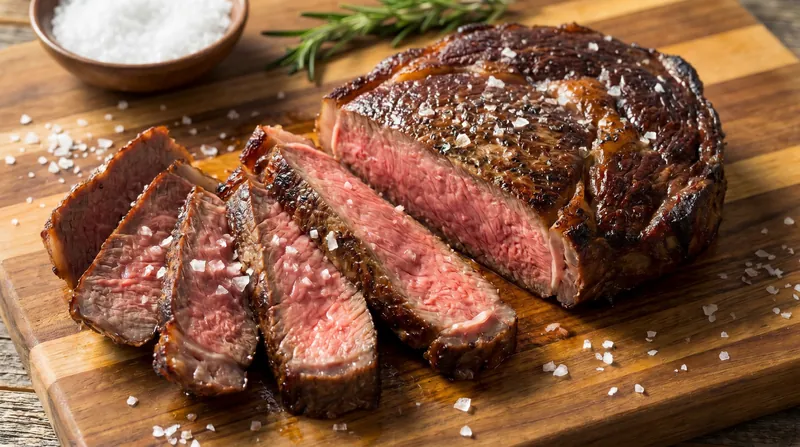
Why Reverse Searing Meat at Low Heat Eliminates Gray Bands and Retains Moisture
2 sources · 162d ago
Food Safety Tech
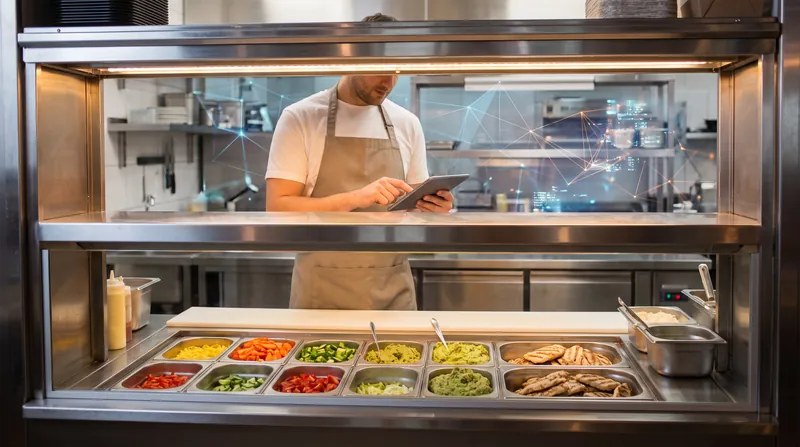
Chipotle Pilots Palantir AI Platform to Predict Food Safety Risk at Individual Restaurants
4 sources · 53d ago
UPF Regulation
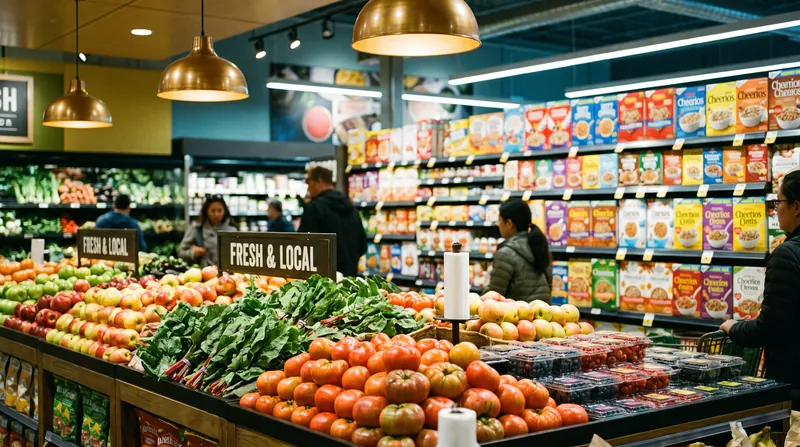
Federal Government Submits First Official Definition of 'Ultra-Processed Foods' for Final Review
8 sources · 92d ago
More in Cooking
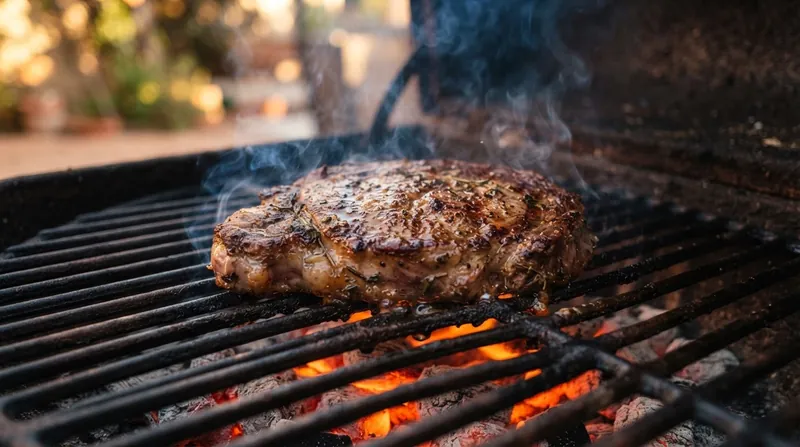
Deep DiveGrilling Science
The Science of the Maillard Reaction in Grilling and Barbecue
Culinary Scientists 40%Traditional Pitmasters 35%Home Cooking Educators 25%
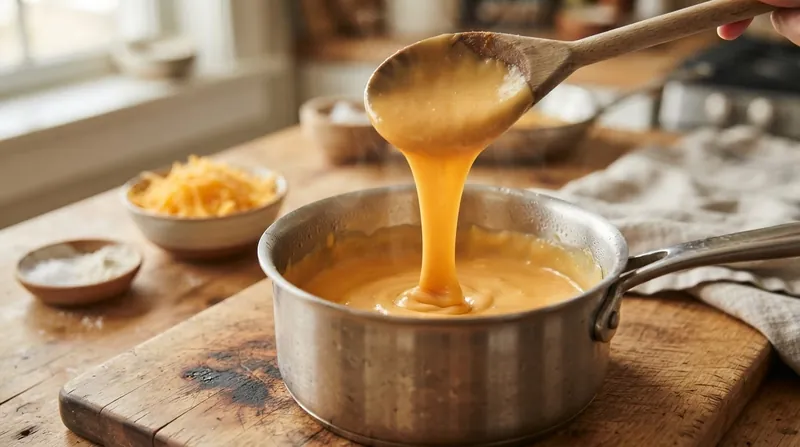
ExplainerFood Chemistry
The Emulsification Limits of Sodium Citrate: Why Excess Melting Salt Turns Processed Cheese Mealy
Food Scientists 40%Modernist Culinary Technicians 35%Traditional Cheesemakers 25%
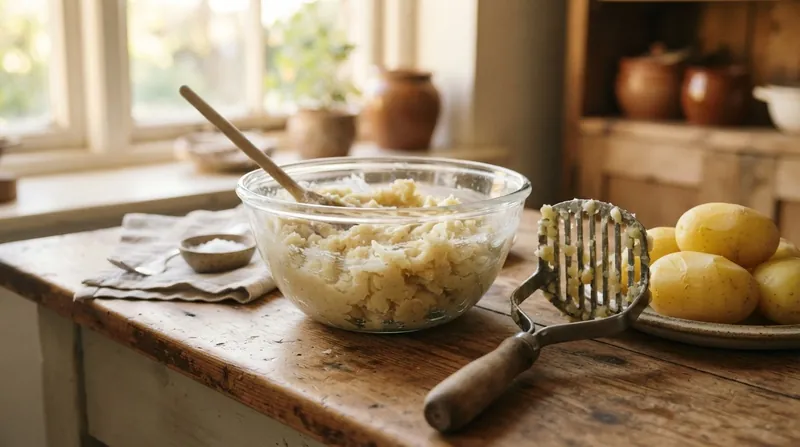
ExplainerFood Science
High-Speed Food Processor Blades Rupture Cooked Potato Cells, Turning Mashed Potatoes Into Glue
Food Scientists 40%Culinary Professionals 35%Home Cooks 25%
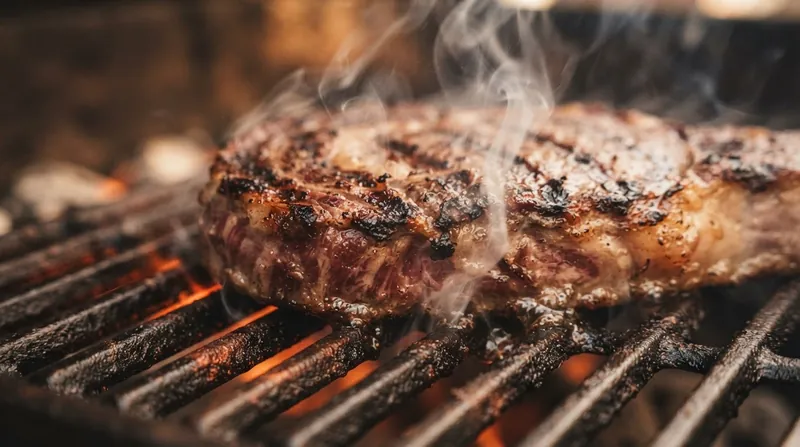
ExplainerGrilling Chemistry
Why Meat Sticks to Grill Grates Until Surface Water Evaporates
Food Chemists 40%Culinary Instructors 35%Cookware Manufacturers 25%
ExplainerCulinary Science
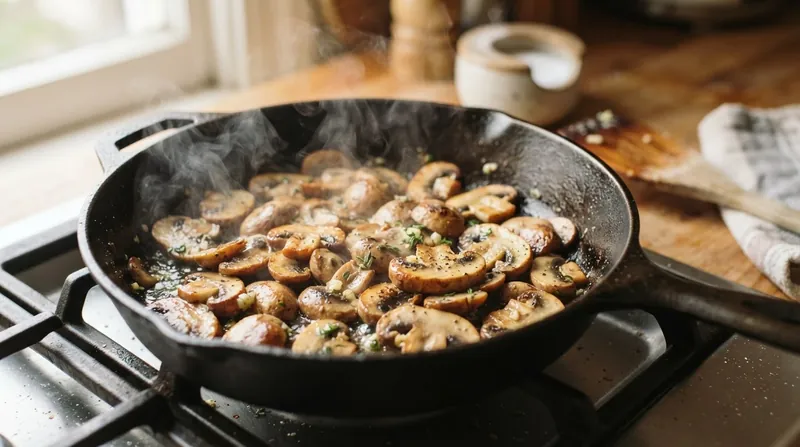
Chitin Cell Walls Resist Thermal Degradation: Why Mushrooms Never Turn Mushy No Matter How Long They Cook
Culinary Scientists 40%Home Cooks 40%Mycologists 20%
ExplainerFood Chemistry
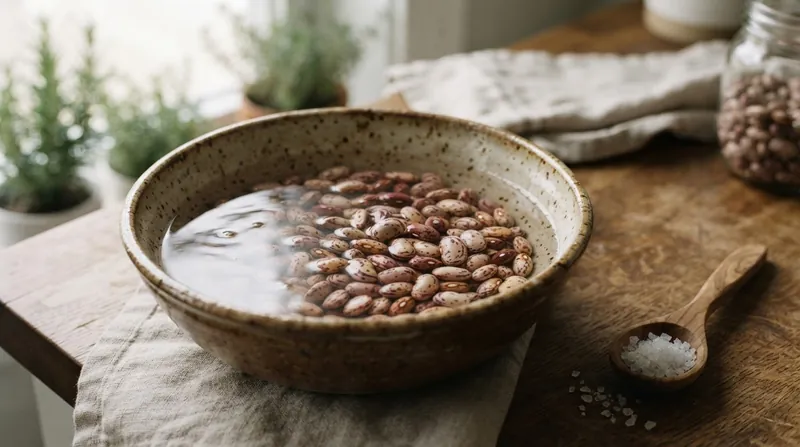
Sodium Ions Displace Divalent Minerals in Pectin: Why Salting Dried Beans Early Tenderizes Skins
Food Scientists 40%Test Kitchen Developers 40%Culinary Historians 20%
Deep DiveFood Safety
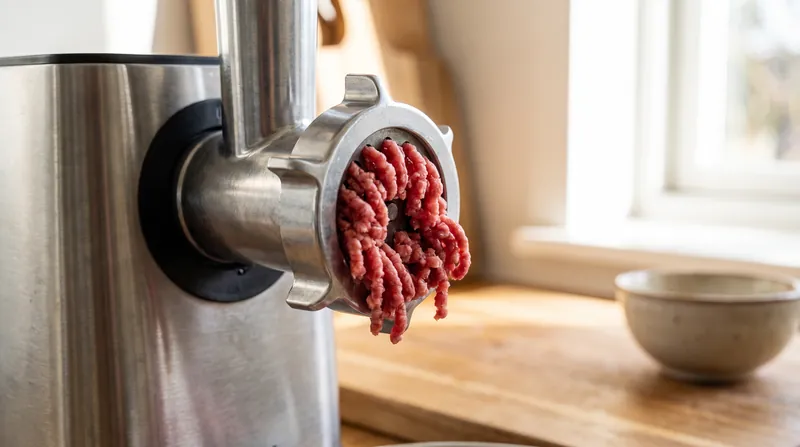
The 71°C vs. 63°C Trade-Off: How Grinding Meat Increases the Minimum Safe Internal Cooking Temperature by 8°C
Public Health Agencies 50%Food Microbiologists 30%Culinary Analysts 20%
ExplainerFood Science
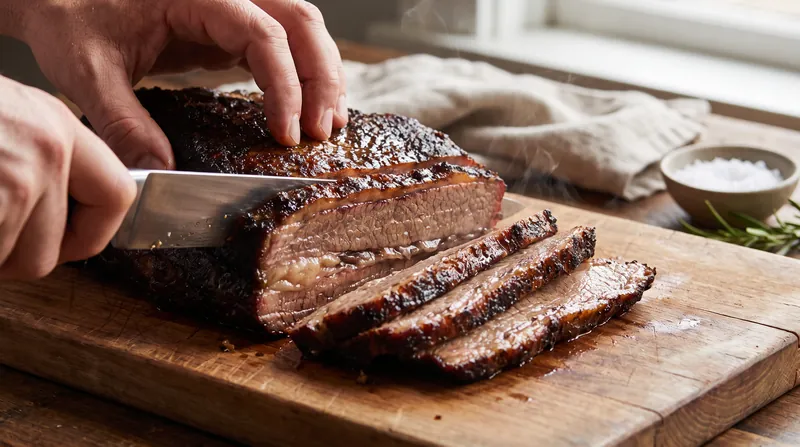
160°F to 180°F: How Time and Temperature Trade Off to Convert Collagen into Gelatin in Tough Meat Cuts
Traditional Low-and-Slow 40%Modernist Precision 35%Scientific Analysis 25%

ExplainerFood Science
The 3-Millimeter Myth: Why Your 24-Hour Marinade Isn't Penetrating the Meat
Food Scientists & Modern Chefs 45%Traditional Home Cooks 40%Commercial Meat Processors 15%
ExplainerCulinary Science
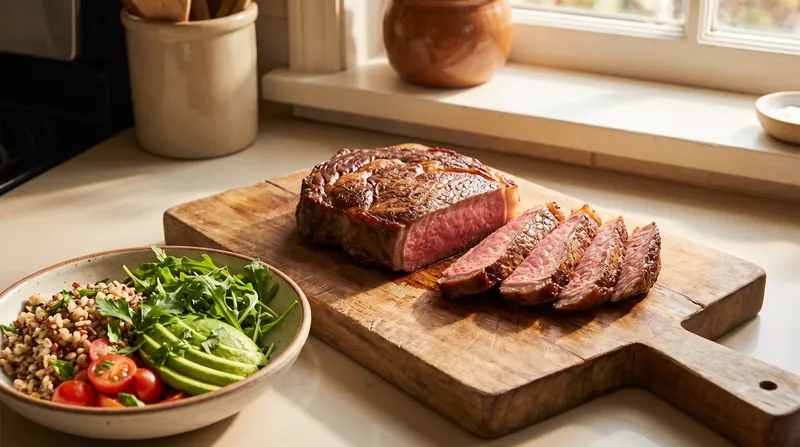
The 110-Gram Daily Target: How the 'Proteinmaxxing' Trend is Changing Home Cooking
Nutritional Advocates 35%Food Scientists 35%Culinary Traditionalists 30%
ExplainerFood Chemistry
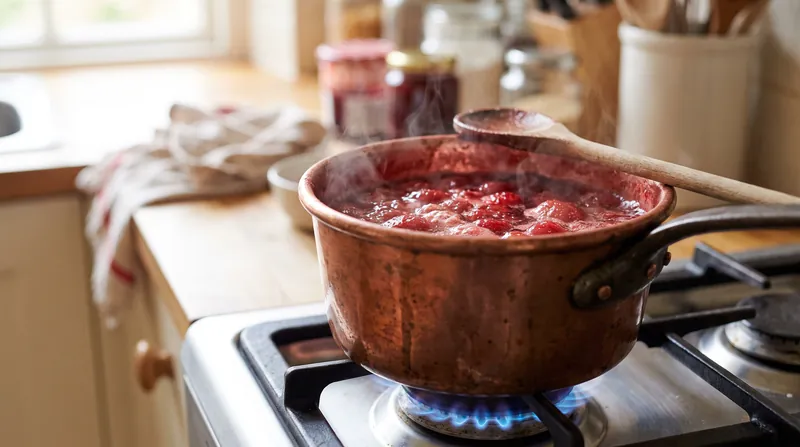
The pH 3.2 Threshold and 60% Sugar Concentration That Allow Pectin to Form a Gel
Commercial Manufacturers 35%Culinary Educators 35%Academic Food Scientists 30%
ExplainerFood Chemistry
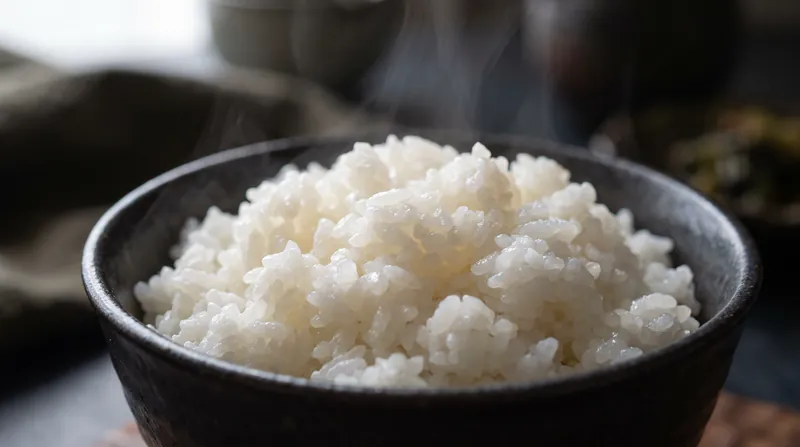
The 140°F to 165°F Range: How Gelatinization and Retrogradation Control the Texture of Cooked Pasta and Rice
Food Scientists 40%Clinical Nutritionists 40%Factlen Analysis 20%

ExplainerCulinary Science
How a 9,000-Year-Old Mold Became the Most Powerful Flavor Tool in Modern Kitchens
Culinary Innovators 40%Industrial Microbiologists 35%Traditional Fermenters 25%
ExplainerCulinary Science
Salt Crystal Structures Dictate Why Table, Kosher, and Sea Salts Measure Differently
Culinary Professionals 40%Public Health Advocates 30%Sensory Scientists 30%
ExplainerFood Safety
Heavy Metals in Baby Food: Soil Absorption and the FDA's Closer to Zero Rules
Regulatory Scientists 40%Environmental Health Advocates 40%Consumer Safety Analysts 20%

ExplainerMicrobiome Science
How Gut Health is Reshaping the Architecture of Functional Foods
Food Scientists & Formulators 35%Gastroenterologists 35%Consumer Wellness Advocates 30%
Ingredient Safety
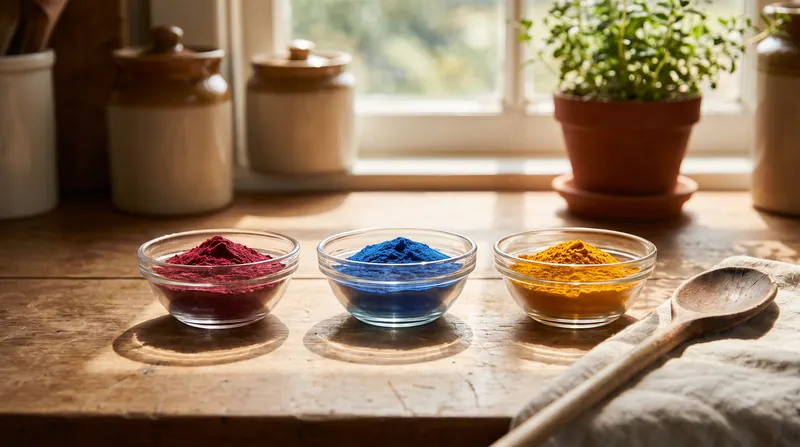
FDA Prioritizes Phase-Out of Petroleum-Based Food Dyes, Pushing Industry to Natural Alternatives
Public Health Advocates 45%Food Manufacturers & Confectioners 30%Culinary & Food Science Experts 25%
Longevity Science
Landmark Review of 350 Studies Finds Eating Less Protein May Be Key to Longevity and Healthier Aging
Longevity & Metabolic Researchers 40%Clinical Nutrition Skeptics 30%Fitness & Muscle Health Advocates 30%

Coffee Market
Global Coffee Prices Surge 147% as Climate Crisis and EU Rules Push Supply to 13-Year High
Multinational Roasters 35%Agricultural Economists 35%Independent Cafe Owners 30%
Food TechPolicy Explainer
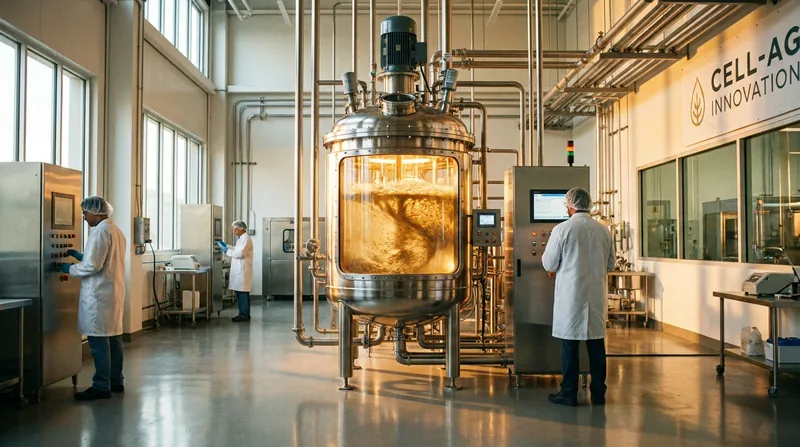
The Great Meat Divide: States Move to Ban Federally Approved Cultivated Meat as First Commercial Plants Open
Traditional Agriculture Advocates 35%Cellular Agriculture Industry 35%Legal & Regulatory Analysts 30%
Nutrition Policy
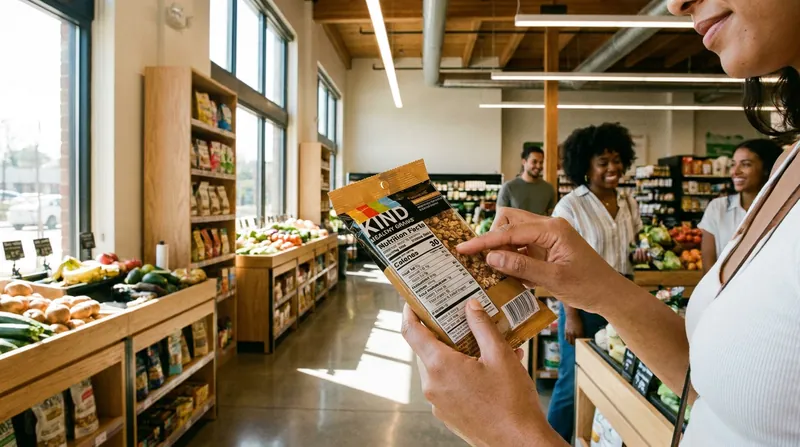
The UPF Reckoning: How the Federal Government's New Definition of Ultra-Processed Food Will Reshape the Grocery Aisle
Public Health Advocates 40%Food and Beverage Industry 40%Food-Tech Innovators 20%
ExplainerCulinary Science
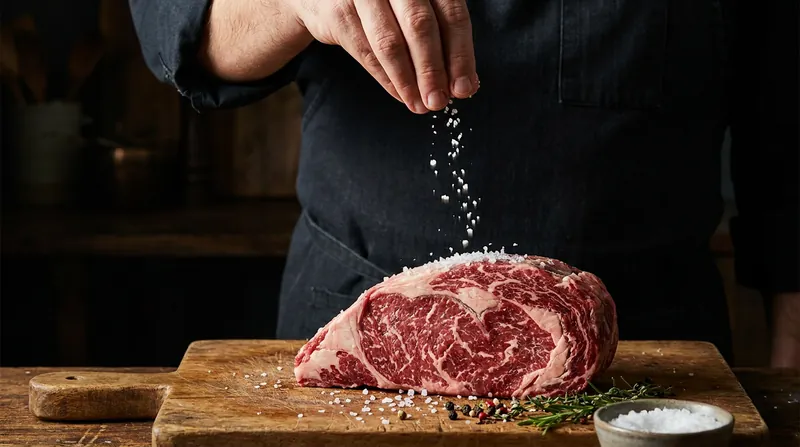
Dry Brining Outperforms Wet Brines Through Osmosis and Protein Denaturation
Culinary Scientists 50%Plant-Based Chefs 30%Traditional Cooks 20%

ExplainerFood Science
Aspergillus Oryzae: How Koji Mold Uses Enzymes to Tenderize Meat and Add Umami
Modern Culinary Innovators 40%Traditional Fermentation Artisans 35%Nutritional Scientists 25%

ExplainerMolecular Gastronomy
Why Shared Volatile Compounds Connect Unlikely Foods in Flavor Pairing Theory
Molecular Gastronomists 35%Network Scientists 35%Culinary Traditionalists 30%

ExplainerMixology Science
Fat-Washing Uses Alcohol as a Chemical Solvent to Infuse Spirits With Savory Fats
Culinary Mixologists 40%Food Scientists 30%Home Enthusiasts 30%
ExplainerFood Science
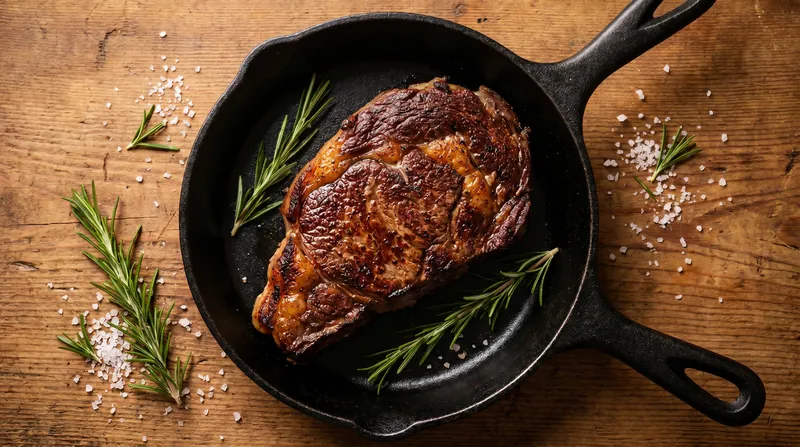
The Maillard Reaction: How Heat, Amino Acids, and Sugars Create Browned Flavors
Culinary Scientists 40%Practical Recipe Developers 40%Food Historians & Chemists 20%

ExplainerCulinary Science
Chemical Emulsifiers and Mechanical Agitation: Binding Oil and Water in Sauces
Culinary Scientists 40%Practical Home Cooks 35%Professional Chefs 25%
Agricultural Tech
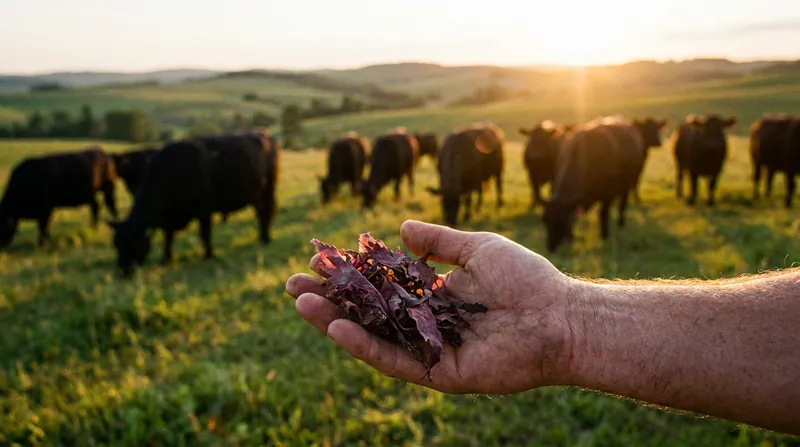
The 90% Solution: How Scaling Seaweed Feed Additives Could Decarbonize the Global Beef Industry
Climate Scientists 35%Agricultural Producers 35%Aquaculture Industry 30%

Resilient Crops
How Climate-Resilient Crops Are Rewriting the Global Menu Amid Projected Staple Declines
Climate Impact Researchers 35%Culinary Innovators 35%Agricultural Technologists 29%