
Beauty & Grooming
Follow Beauty & Grooming in the Factlen app and get an alert when there is news. Get the app
- All Lifestyle
- Work & Career
- Productivity
- Mindset & Wellbeing
- Relationships
- Parenting
- Dating
- Food & Drink
- Cooking
- Recipes & Meal Planning
- Coffee
- Dining & Restaurants
- Travel Planning
- Luxury & Premium Living
- Minimalism
- Fashion & Style
- Beauty & Grooming
- Men's Grooming
- Home & Living
- Interior Design
- Culture & Entertainment
- Etiquette & Social Norms
- Hobbies & Interests
- Social & Living
- Self-Improvement
Azelaic Acid
Azelaic Acid Shortage Hits Skincare Market as Viral Demand Outstrips Prescription Supply
4 sources · 28d ago

Aesthetic Medicine
The 'Quick Fix' is Dead: Why Aesthetic Patients Are Shifting to Layered, Long-Term Treatment Plans
3 sources · 47d ago

Cosmetics Safety
Study Finds 85% of Personal Care Products Contain Unlabeled Chemicals, Challenging 'Clean Beauty' Claims
5 sources · 57d ago
More in Beauty & Grooming
ExplainerSebum Oxidation
Why Unwashed Scalps Turn Squalene Into Malodorous Nonenal Compounds
Cosmetic Chemists 35%Dermatologists 35%Clinical Researchers 30%
ExplainerHair Chemistry
Alkaline Hair Dyes Swell Keratin Chains at pH 9 to Deposit Pigment Deep in the Cortex
Cosmetic Chemists 40%Dermatologists & Trichologists 30%Salon Professionals 30%
ExplainerSun Protection
Sunscreen Filters Absorb UV Instantly, but Carrier Evaporation Takes 15 Minutes to Form a Shield
Formulation Chemists 40%Dermatologists 40%Regulatory Agencies 20%
ExplainerSkin Physiology
Accelerated Follicular Turnover Forces Microcomedones to Erupt During Initial Retinoid Use
Clinical Dermatologists 40%Cosmetic Chemists 30%Skin Barrier Advocates 30%
ExplainerSkincare Science
Below 70 Percent Ambient Humidity, Hyaluronic Acid Siphons Water From the Dermis Unless Sealed With an Occlusive
Dermatological Consensus 70%Cosmetic Chemistry 30%
ExplainerDermatology
Follicular Openings Lack Muscular Tissue: Why Steam and Cold Water Cannot Open or Close Pores
Clinical Dermatology 50%Consumer Skincare 30%Anatomical Science 20%
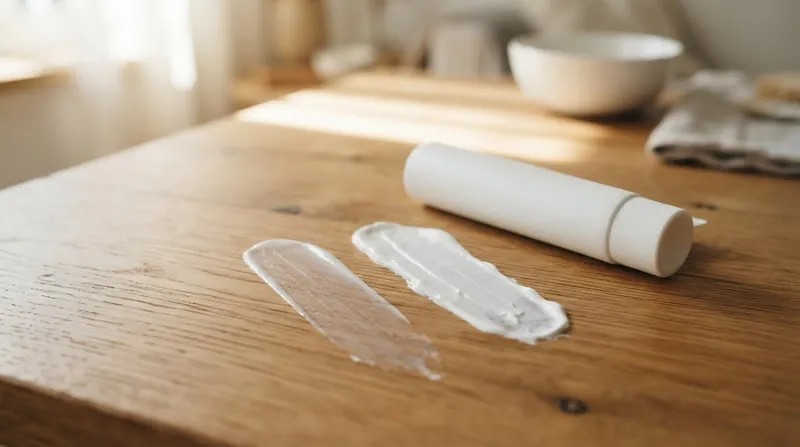
ExplainerUV Attenuation
The Square Root Effect: Why Applying Half the Sunscreen Drops SPF 50 to SPF 7
Regulatory Consensus 40%Clinical Dermatology 35%Photobiology Researchers 25%
ExplainerRetinoid Metabolism
The Three-Step Oxidation: How Retinyl Esters Convert to Retinoic Acid and Determine Skincare Efficacy
Clinical Dermatologists 40%Cosmetic Formulators 30%Biochemical Researchers 30%
ExplainerSkincare Science
The 3.5 pH Threshold: Why L-Ascorbic Acid Serums Require High Acidity to Penetrate the Skin Barrier
Formulation Purists 45%Barrier-First Dermatologists 35%Stability Innovators 20%

ExplainerSkin Barrier Science
Why a pH 5.5 Cleanser Is Critical to Ceramide Synthesis and Moisture Retention
Dermatological Researchers 40%Cosmetic Chemists 30%Clinical Practitioners 30%

ExplainerStudy Environment
The Digital Study Desk: How Specific Tech Upgrades Measurably Improve Focus and Retention
Ergonomics Experts 35%Cognitive Psychologists 35%Chronobiologists 30%
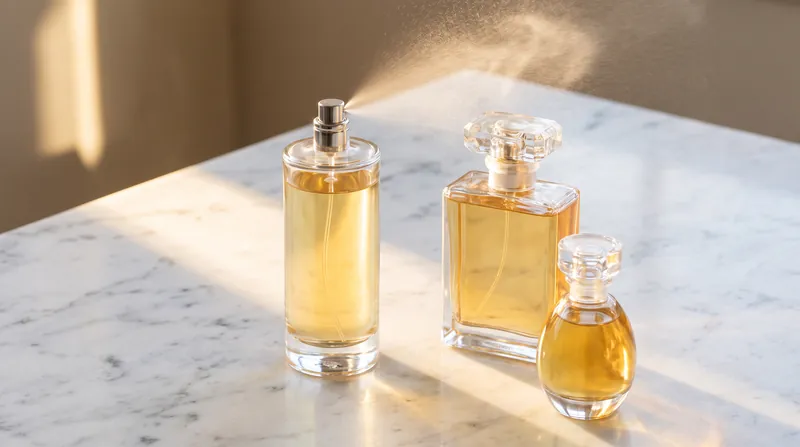
ExplainerFragrance Chemistry
5% to 30% Aromatic Compounds: How Fragrance Concentration Dictates Sillage, Longevity, and Cost
Eau de Parfum (EDP) 34%Eau de Toilette (EDT) 33%Extrait de Parfum 33%
ExplainerUV Protection
Chemical and Mineral Sunscreens: How UV Filters Absorb, Reflect, and Degrade
Medical Dermatology 40%Cosmetic Chemistry 35%Consumer Safety Advocates 25%

ExplainerMuscle Hypertrophy
Lifting Light Weights to Failure Stimulates the Same Muscle Growth as Heavy Loads
Evidence-Based Practitioners 40%Heavy-Load Traditionalists 30%Rehabilitation Specialists 30%
ExplainerCosmetics Regulation
The FDA's New Cosmetics Report: What 'Insufficient Data' on PFAS Actually Means for Your Makeup Routine
Regulatory and Scientific Consensus 40%Consumer Advocacy 30%Industry and Market Reality 30%
Cosmetic Safety
Illinois Becomes Latest State to Ban EU-Prohibited Cosmetic Ingredients, Forcing Major Brand Reformulations
Consumer Safety Advocates 45%Global Beauty Conglomerates 35%Regulatory & Legal Analysts 20%
ExplainerCosmetics Regulation
Inside the FDA's Crackdown on Formaldehyde and Fragrance Allergens in Beauty Products
Consumer Safety Advocates 40%Salon Professionals 30%Independent Beauty Founders 30%

ExplainerTissue Regeneration
AI-Designed Enzyme Reverses Decades of Skin Aging Damage in Human Tissue
Longevity Researchers 40%Dermatologists & Aestheticians 35%Cautious Biologists 25%
Product Safety
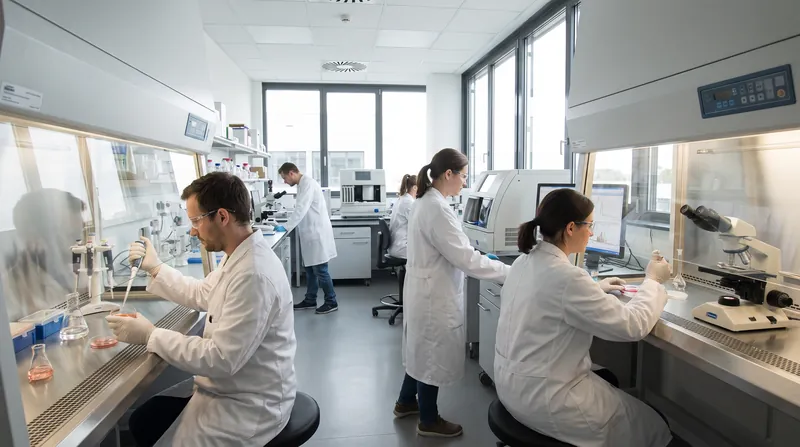
Texas Launches Industry-Wide Investigation Into Chemicals in Popular Cosmetics and Feminine Care Products
Consumer Protection Regulators 40%Public Health Researchers 35%Industry Observers 25%
Skincare Science
New Research: Bakuchiol Ferulate Emerges as Gentler, Cellular-Level Alternative to Retinol
Dermatological Researchers 40%Clean Beauty Advocates 30%Clinical Estheticians 30%

ExplainerSkincare Tech
Major Beauty Conglomerate Unveils 20nm Nano-Carrier, Revolutionizing Skincare Efficacy
Cosmetic Chemists 39%Dermatologists 39%Safety Regulators 22%
ExplainerAesthetic Trends
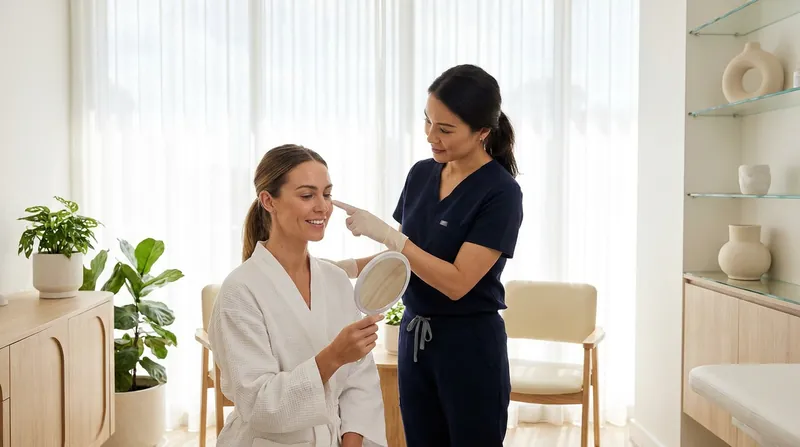
Global Aesthetic Shift: Eyelid Surgery Replaces Liposuction as World's Most Common Cosmetic Surgery
Global Aesthetic Surgeons 40%Market & Industry Analysts 35%Societal Trend Observers 25%

ExplainerAutoimmune Care
FDA Approves Groundbreaking Oral Drug for Severe Alopecia Areata, Expanding Systemic Treatments
Clinical Researchers 35%Patient Advocates 35%Healthcare Providers 30%
Cosmetic ChemistryRegulatory Shift
The EU's New Cosmetic Laws Are Forcing a Global Beauty Reformulation
Consumer Safety Advocates 40%Clean Beauty Brands 30%Global Cosmetic Manufacturers 30%
ExplainerCosmetic Safety
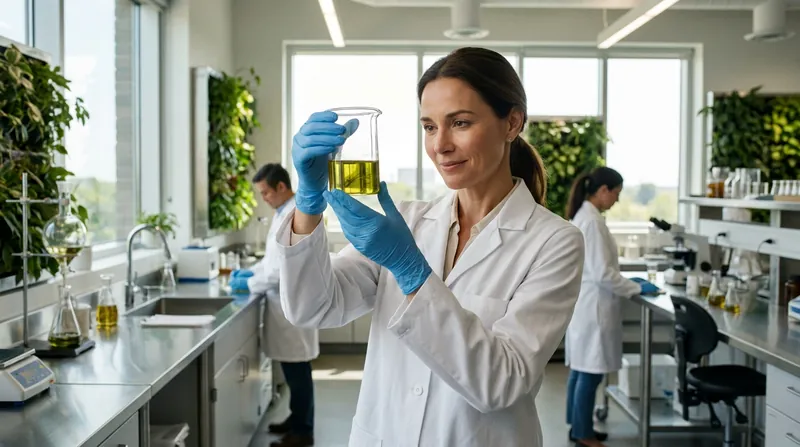
The New Beauty Mandate: FDA's MoCRA Law Forces All Cosmetic Brands to Prove Product Safety
Consumer Safety Advocates 40%Independent Beauty Brands 30%Regulatory & Legal Experts 30%
Skin LongevityMedical Explainer
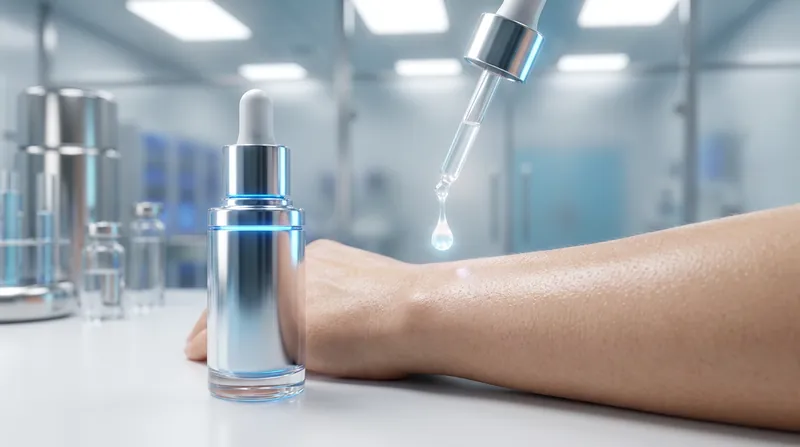
The Cellular Reset: New Topical Senolytic Drugs Reverse Skin Aging by Targeting Senescent Cells
Longevity Biotech Industry 40%Clinical Dermatologists 40%Anti-Aging Researchers 20%
ExplainerOlfactory Tech
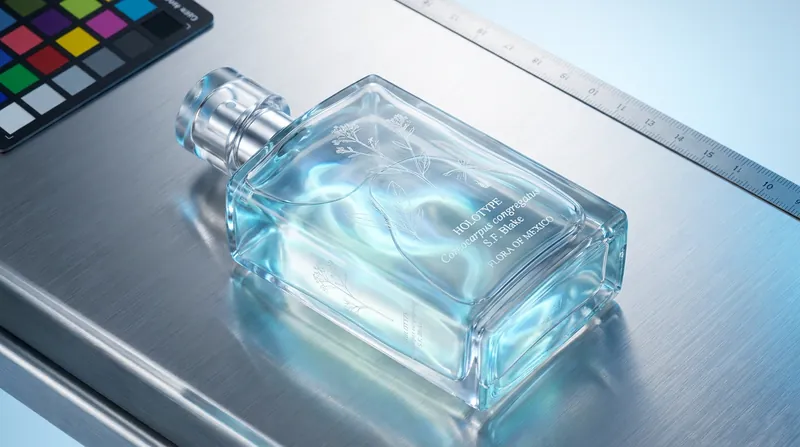
Precision Fermentation and AI Are Replacing Petrochemicals in Luxury Perfume
Biotech Innovators 38%Traditional Perfumers 31%Neuroscience Researchers 31%
ExplainerMicrobiome Science
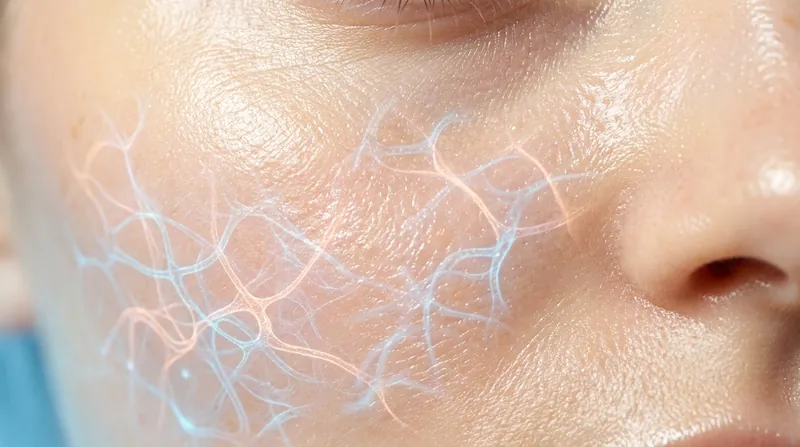
Microbiome Skincare: How Biotics Repair and Support the Skin Barrier
Clinical Dermatology 40%Cosmetic Chemistry 35%Microbiome Research 25%

ExplainerBiotech Beauty
How Precision Fermentation Brews Sustainable Lab-Grown Skincare Ingredients
Biotech Innovators 45%Sustainability Advocates 40%Clinical Dermatologists 15%