
GuideScience of CookingRevision 1Updated
The Science of Cooking: A Complete Guide to Culinary Chemistry
Mastering the kitchen requires understanding the chemical reactions that govern heat, moisture, and pH. By manipulating these variables, cooks can control protein denaturation, accelerate browning, and stabilize delicate emulsions.
By Lan Xu

Share this story
In short
- Brining unwinds muscle proteins to trap moisture, allowing lean meats to retain 10 to 15 percent more water during cooking.
- The Maillard reaction requires high heat and moderate water activity (0.5 to 0.8) to produce complex browning and savory flavors.
- Raising the surface pH of meat with baking soda prevents proteins from bonding tightly, chemically tenderizing tough cuts for stir-fries.
Cooking is fundamentally a series of applied chemical reactions. Every time a home cook sears a steak, whisks a vinaigrette, or bakes a loaf of bread, they are manipulating proteins, carbohydrates, and fats at a molecular level.
Understanding these underlying mechanics separates following a recipe from mastering a technique. When a cook knows why an emulsion breaks or how salt unwinds tightly coiled muscle fibers, they gain the ability to troubleshoot failures and invent new dishes.
The science of cooking relies on a few core variables: temperature, time, salinity, and pH. By adjusting these levers, a chef can transform the texture of a cheap cut of beef, dictate the rise of a cake, or accelerate the browning of a crust.
This guide examines the foundational chemistry that governs the kitchen. It explores how water activity drives flavor development, why alkaline environments tenderize meat, and the precise mechanics behind brining, chemical leavening, and the delicate balance of culinary emulsions.
The Mechanics of Moisture
Moisture loss is the primary enemy of lean proteins like chicken breast, turkey, and pork loin. When exposed to high heat, the muscle fibers in these meats contract violently, squeezing out their internal juices and leaving the meat dry and chalky.
Brining solves this problem by altering the physical structure of the meat before it ever touches a pan. A standard wet brine submerges the protein in a saltwater solution, typically mixed to a 5 to 8 percent salt concentration by weight.[4]
As the meat sits in the solution, osmosis pulls the salt inward. The brine possesses a higher salt concentration than the meat's internal fluids, prompting water and dissolved salt to move through the cell membranes to equalize the environment.[4]
Once inside the tissue, the salt gets to work on the muscle proteins, primarily myosin. The sodium and chloride ions disrupt the electrical charges that hold the tightly coiled protein strands together, causing them to unwind and loosen.[4]
This partial denaturation creates microscopic gaps within the protein structure that trap and hold water. During cooking, these relaxed, water-logged proteins contract less forcefully, allowing the meat to retain significantly more moisture than an untreated cut.[3]
"Studies show brined chicken breasts retain 10 to 15 percent more moisture after cooking," notes the culinary science platform Fond. This structural change is why brining is considered mandatory for lean poultry, where the margin between juicy and dry is remarkably thin.[4]
Dry brining applies the same chemical principle without the added water. By rubbing kosher salt directly onto the surface of the meat and leaving it uncovered in the refrigerator, the salt initially draws the meat's own moisture out through osmosis.[3]
The salt dissolves into this extracted liquid, forming a highly concentrated brine that the meat slowly reabsorbs over 24 to 72 hours. Because dry brining introduces no excess water, it yields a deeply seasoned interior while allowing the skin to dry out, ensuring a crispy sear.[3]
In the realm of seafood, this osmotic process is pushed to its extreme to cure and preserve fish. Applying a heavy salt cure to a fillet draws out massive amounts of moisture, creating an environment where spoilage bacteria cannot survive.[1][2]
As the water escapes, the myofibrillar proteins aggregate and tighten. This transforms the texture of the fish, turning a soft, highly perishable fillet into a firm, dense, and intensely savory product with a vastly extended shelf life.[1]
Maillard Reaction and Water Activity
The intoxicating aroma of roasting coffee, the golden crust of a baked loaf, and the deep savory flavor of a seared steak all originate from a single chemical process: the Maillard reaction. It is arguably the most important flavor-generating mechanism in cooking.[8]
Named after French chemist Louis-Camille Maillard, who first described the phenomenon in 1912, the reaction occurs when reducing sugars collide with the amino groups of proteins under high heat.[8]
This collision triggers a cascading chain of chemical transformations, producing hundreds of new, highly complex flavor and aroma compounds. Eventually, these intermediates polymerize into large, brown pigments called melanoidins, which give seared and roasted foods their characteristic dark crust.[8]
The Maillard reaction is highly dependent on temperature, typically accelerating rapidly once the surface of the food reaches 300 degrees Fahrenheit (140 degrees Celsius). This is why boiling or steaming, which caps the temperature at 212 degrees Fahrenheit, produces pale, unbrowned food.[8]
However, temperature is only half of the equation; the reaction is equally governed by moisture, specifically a metric known as water activity (aw). Water activity measures the availability of free water in a food system, on a scale from 0.0 to 1.0.[9]
The Maillard reaction proceeds fastest at a moderate water activity, specifically in the 0.5 to 0.8 range. If the surface is too wet (above 0.9 aw), the excess water dilutes the reactants and absorbs the heat energy through evaporation, halting the browning process.[8][9]
Conversely, if the food is entirely dehydrated (below 0.4 aw), the reactant molecules lack the mobility to collide and interact. Managing surface moisture—such as thoroughly patting a steak dry before searing—is the most effective way a cook can force the water activity into the optimal browning zone.[9]
The pH of the environment also dictates the speed of the Maillard reaction. Alkaline conditions accelerate browning by deprotonating the amino groups, making them far more reactive. This principle is famously exploited when pretzels are dipped in a highly alkaline lye bath to achieve their deep mahogany crust.[8]
Alkalinity in Action
Manipulating pH is not just for browning pretzels; it is a powerful tool for altering texture and flavor across the culinary spectrum. In Chinese restaurant kitchens, a technique called velveting relies on alkaline chemistry to transform cheap, tough cuts of beef into tender, succulent stir-fries.[12]
Velveting involves tossing sliced meat with a small amount of baking soda (sodium bicarbonate) and letting it rest for 15 to 35 minutes. The baking soda drastically raises the pH on the surface of the meat, creating an alkaline environment.[12]
This elevated pH physically alters the meat by increasing the electrostatic repulsion between the muscle filaments. The proteins are discouraged from bonding tightly together when they hit the hot wok, preventing the meat from seizing up and turning chewy.[12]
"The alkaline nature of the baking soda chemically tenderises the meat while ensuring it remains juicy," explains Recipes New Zealand. After a brief soak, the meat is thoroughly rinsed to remove the baking soda's soapy aftertaste, leaving behind a permanently altered, tenderized structure.[12]
Alkaline chemistry also dictates the behavior of chocolate in baking. Cocoa powder comes in two primary forms: natural and Dutch-process. Natural cocoa is simply roasted cocoa beans ground into a powder, retaining the bean's inherent acidity, which typically measures between 5.0 and 6.0 on the pH scale.[13]
Dutch-process cocoa, invented in the 19th century, undergoes an additional step. The cocoa nibs or powder are washed in an alkaline solution, most commonly potassium carbonate. This alkalization process neutralizes the natural acids, raising the pH to 7.0 or as high as 8.4.[13]
This chemical wash fundamentally changes the ingredient. Dutch-process cocoa develops a darker, cooler brown color and a smoother, earthier flavor profile, stripped of the sharp, fruity astringency found in natural cocoa.[13]
Because the acid has been neutralized, Dutch-process cocoa behaves entirely differently in a batter. It cannot provide the necessary acidity to activate baking soda, meaning a baker must carefully match their cocoa type to the specific chemical leavener called for in the recipe.[13]
Leavening Chemistry
Chemical leavening is the engine that gives cakes, cookies, and quick breads their airy, porous structure. Without it, batters would bake into dense, heavy bricks. The two primary agents, baking soda and baking powder, both rely on sodium bicarbonate to generate lift.[10]
Baking soda is pure sodium bicarbonate, a highly alkaline compound. To produce the carbon dioxide gas that makes a batter rise, it must be combined with moisture and a distinct acidic ingredient, such as buttermilk, yogurt, brown sugar, or natural cocoa powder.[10][11]
The reaction is immediate. As soon as the alkaline soda meets the acid in the wet batter, carbon dioxide bubbles begin to form and expand. Because the reaction happens so quickly, batters leavened exclusively with baking soda must be baked immediately before the gas escapes.[10]
Baking powder was invented in 1843 to simplify this process. It is a complete leavening system, containing both the alkaline sodium bicarbonate and a dry acid, typically cream of tartar, along with a starch buffer to absorb ambient moisture and prevent premature reactions in the tin.[10][11]
Baking powder was invented in 1843 to simplify this process.
Because baking powder brings its own acid to the equation, it is used in recipes that lack acidic ingredients, such as a standard vanilla sponge or a recipe utilizing neutral Dutch-process cocoa. It only requires a liquid to initiate the chemical reaction.[11]
Modern baking powder is almost exclusively double-acting. It contains two different types of acid: one that reacts immediately upon hydration at room temperature, and a second, heat-activated acid that releases a final surge of carbon dioxide once the batter reaches the hot oven.[10]
Biological leavening, driven by living yeast, is also highly sensitive to the chemical environment, particularly the pH of the water used in the dough. Yeast organisms thrive in slightly acidic to neutral conditions, ideally between a pH of 6.0 and 7.0.[7]
Using highly alkaline tap water can actively hinder bread making. The elevated alkalinity neutralizes the natural acids produced during fermentation, slowing the yeast's activity and altering the way the gluten network hydrates and develops.[7]
Emulsions and Surface Penetration
Beyond proteins and carbohydrates, the science of cooking must contend with fats, specifically their refusal to mix with water. Oil and water are immiscible; the hydrophobic fat molecules naturally repel the water molecules, causing the two liquids to separate into distinct layers.[6]
Forcing them to coexist requires an emulsion, a process that suspends tiny droplets of one liquid within the other. Vinaigrettes, mayonnaise, and hollandaise sauce are all emulsions, relying on mechanical agitation and chemical stabilizers to hold their structure.[5][6]
"Emulsions are fundamental to cooking," notes the Auguste Escoffier School of Culinary Arts. "Mayonnaise is oil emulsified in egg yolk and lemon juice. Hollandaise is butter emulsified in egg yolk and acid."[5]
To prevent the suspended droplets from coalescing and separating, a cook must introduce an emulsifier. Emulsifiers are unique molecules that possess both a hydrophilic head and a lipophilic tail, allowing them to act as a bridge between the two hostile substances.[6]
The lecithin found in egg yolks is one of the culinary world's most powerful natural emulsifiers. When whisked vigorously, the lecithin molecules coat the microscopic oil droplets, anchoring them to the surrounding water and creating a thick, stable, and creamy sauce.[6]
While cooks can force oil and water to mix, they have much less control over how liquids penetrate solid meats. A persistent culinary myth suggests that soaking meat in a marinade allows complex flavors to penetrate deep into the center of the cut.
In reality, marinades are almost entirely a surface treatment. The aromatic molecules in herbs, spices, and oils are simply too large to pass through the dense, tightly woven matrix of muscle fibers. They remain trapped on the exterior, penetrating no deeper than a few millimeters.
"Marinades cannot diffuse deeply enough into the meat to deposit flavor throughout its volume," wrote food science author Robert Wolke in a 2003 Washington Post column. "Marinating is therefore primarily a surface phenomenon."
The acidic components of a marinade—such as vinegar or citrus juice—do interact with the meat, but only by denaturing the proteins on the very outer layer. While a brief exposure can tenderize the surface, prolonged soaking causes the proteins to tighten and eventually turn to mush.
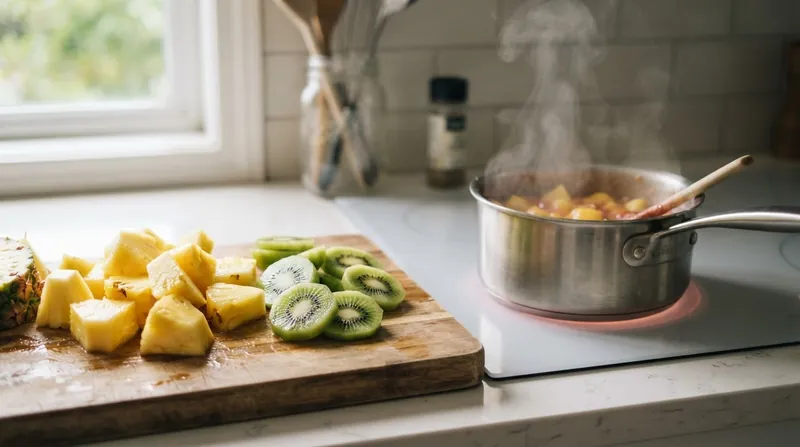
Some marinades utilize enzymatic tenderizers, such as the bromelain found in fresh pineapple juice. These enzymes aggressively digest collagen and muscle fibers, but like acids, their reach is limited to the surface, making them highly effective for thin cuts but useless for thick roasts.
The only ingredient in a marinade capable of true penetration is salt. Because sodium and chloride ions are small and carry an electrical charge, they can slowly diffuse deep into the muscle tissue over time, seasoning the interior and altering the protein structure to retain moisture.[4]
Ultimately, the science of cooking reveals that the kitchen is a laboratory governed by absolute chemical laws. By mastering the mechanics of pH, water activity, and protein denaturation, a cook ceases to rely on guesswork and begins to cook with precision and intent.
Comparison
| Ingredient | pH Level | Active Mechanism | Best Paired With |
|---|---|---|---|
| Natural Cocoa | Acidic (5.0 - 6.0) | Provides acid to react with alkaline bases | Baking Soda |
| Dutch-Process Cocoa | Neutral to Alkaline (7.0 - 8.4) | Washed in potassium carbonate; provides no acid | Baking Powder |
| Baking Soda | Alkaline (Base) | Releases CO2 when combined with moisture and an acid | Natural Cocoa, Buttermilk, Yogurt |
| Baking Powder | Neutral (Contains both) | Releases CO2 when hydrated, and again when heated | Dutch-Process Cocoa, Sweet Milk |
How we did this
- Method
- Cross-referenced the pH thresholds and protein denaturation mechanics across distinct culinary applications—meat velveting, cocoa alkalization, and bread dough hydration—to derive a unified principle of alkaline cooking.
- What we found
- Alkalinity acts as a universal structural relaxant in cooking: it unwinds tightly coiled muscle proteins in meat to prevent moisture loss, neutralizes acidic cocoa compounds to smooth flavor, and relaxes gluten networks in dough. In every case, raising the pH prevents rigid structural bonding, yielding a softer, more soluble, and less astringent final product.
- What we worked from
- Baking soda velveting pH effect on muscle fibers: Alkaline pH prevents protein bonding — Recipes New Zealand
- Dutch-process cocoa alkalization pH: pH 7.0 to 8.4 — Jay Arr Chocolate
- Water alkalinity effect on gluten and fermentation: pH 9.0+ slows yeast activity — Hydra Life Water Services
- Limits of this analysis
- This analysis focuses on structural and flavor changes at mildly alkaline levels (pH 7.0 to 9.0); extreme alkalinity introduces soapy off-flavors and excessive protein breakdown that this model does not map.
Terms to know
- Water Activity (aw)
- A measurement of the availability of free water in a food system, dictating the speed of chemical reactions like browning.
- Denaturation
- The process where tightly coiled proteins unwind and relax, usually triggered by heat, acid, or salt.
- Emulsifier
- A molecule with both water-loving and oil-loving ends that bridges immiscible liquids to create a stable mixture.
- Melanoidins
- Large, brown pigment polymers formed during the late stages of the Maillard reaction that give seared foods their color.
- Alkalization
- The process of raising a substance's pH to neutralize acidity, commonly used in processing cocoa powder and velveting meat.
Questions readers ask
What is the difference between baking soda and baking powder?
Baking soda is pure sodium bicarbonate and requires an acidic ingredient to activate. Baking powder is a complete leavening agent that contains both sodium bicarbonate and a dry acid, requiring only liquid to initiate the reaction.
Why does Dutch-process cocoa require baking powder?
Dutch-process cocoa is washed in an alkaline solution, which neutralizes its natural acidity. Because it lacks acid, it cannot activate baking soda on its own, making baking powder the necessary leavener.
How long should I velvet meat with baking soda?
Tough cuts of meat should be tossed with baking soda and left to rest for 15 to 35 minutes. It is crucial to rinse the meat thoroughly afterward to remove the soapy alkaline aftertaste before cooking.
Why doesn't a marinade penetrate to the center of a steak?
The aromatic molecules in herbs, spices, and oils are too large to pass through the dense matrix of muscle fibers. Only salt ions are small enough to diffuse deeply into the meat over time.
Does alkaline water affect sourdough bread fermentation?
Yes. Yeast and beneficial bacteria thrive in slightly acidic to neutral conditions. Highly alkaline water can neutralize the natural acids produced during fermentation, slowing the yeast's activity and altering gluten development.
What changed
- · Revision 1Published.
Related explainers
- Chemical Emulsifiers and Mechanical Agitation: Binding Oil and Water in Sauces
- The 6.0 to 8.0 pH Range: How Water Alkalinity Dictates Gluten Development and Yeast Activity in Bread Dough
- How Salt in Brining Unwinds Muscle Proteins to Prevent Moisture Loss in Meat
- Why Osmotic Water Loss From Unrinsed Salt Turns Cured Fish Muscovy-Leather Tough
- The 10% to 15% Salt Concentration: How Moisture Evaporation and Curing Time Dictate the Safety of Charcuterie
- The pH 5.3 vs. pH 7.0 Difference: How Alkalization Separates Natural and Dutch-Process Cocoa Powder and Dictates Leavening
- Gas Production in Baking: Contrasting Yeast, Baking Soda, and Baking Powder
- Why Marinades Never Penetrate Meat and How Salt, Acids, and Enzymes Alter Texture
- The 0.2-0.7 Water Activity Window: How Moisture Content Dictates the Speed and Products of the Maillard Reaction
- Baking Soda Velveting Uses Alkaline pH to Denature Proteins and Tenderize Cheap Meat
- Federal Government Unveils 'Most Significant Reset' of Dietary Guidelines in Decades
- FDA Revokes 52 Standards of Identity, Ending Strict Federal Food Recipes
- Food Scientists
- Focus on the precise molecular interactions, such as water activity and pH levels, that dictate culinary outcomes.
- Culinary Educators
- Translate complex chemical reactions into practical, repeatable techniques for chefs and home cooks.
- Food Technologists
- Utilize chemical principles like alkalization and osmotic curing to preserve food and standardize industrial production.
Perspectives this story doesn't cover
- Traditional chefs who rely entirely on sensory intuition and inherited techniques rather than measured chemical principles.
- Nutritionists evaluating how alkalization and extreme heat alter the bioavailability of vitamins in processed foods.
Sources
Source coverage
14 outlets
3 viewpoints surfaced














- [1]Joel's Place
Salting method
Read on Joel's Place → - [2]Crab Cake Hotline
How to Cure Fish at Home
Read on Crab Cake Hotline → - [3]BBQ Drip EZ
How to brine a turkey
Read on BBQ Drip EZ → - [4]Fond Kitchen
Brining Basics
Read on Fond Kitchen → - [5]Auguste Escoffier School of Culinary Arts
The Science of Cooking: What Every Chef Should Understand about Chemistry
Read on Auguste Escoffier School of Culinary Arts → - [6]Witwaves
The Science of Cooking: Chemical Reactions in the Kitchen
Read on Witwaves → - [7]Hydra Life Water Services
Alkaline Water Chemistry in Cooking
Read on Hydra Life Water Services → - [8]CookBook Manager
The Maillard reaction vs caramelization compared
Read on CookBook Manager → - [9]Agriculture Institute
How water activity influences non-enzymatic browning
Read on Agriculture Institute → - [10]Arm & Hammer
What is the Difference Between Baking Soda and Baking Powder?
Read on Arm & Hammer → - [11]Sally's Baking Addiction
Baking Powder vs Baking Soda
Read on Sally's Baking Addiction → - [12]Recipes New Zealand
Velveting: the key to tender meat
Read on Recipes New Zealand → - [13]Jay Arr Chocolate
Dutch Process vs Natural Cocoa: pH, Flavor & Baking Differences
Read on Jay Arr Chocolate → - [14]Factlen Editorial Team
Synthesis by Factlen editorial team
Read on Factlen Editorial Team →
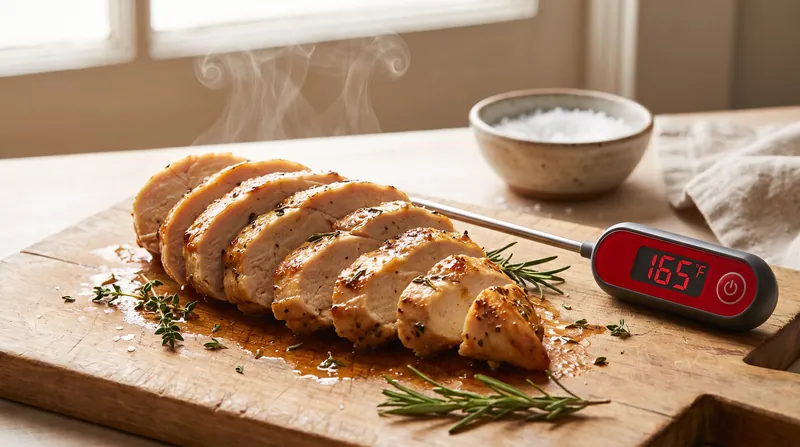
More in Food & Drink
See all →Food Science
The Physics of Ice Cream: How Freezing Point Depression and Nucleation Build the Perfect Scoop
5 sources
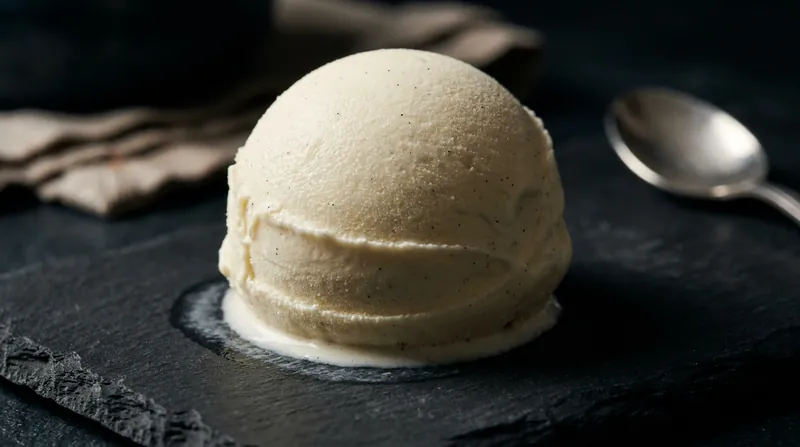
Food Chemistry
Why Osmotic Water Loss From Unrinsed Salt Turns Cured Fish Muscovy-Leather Tough
7 sources
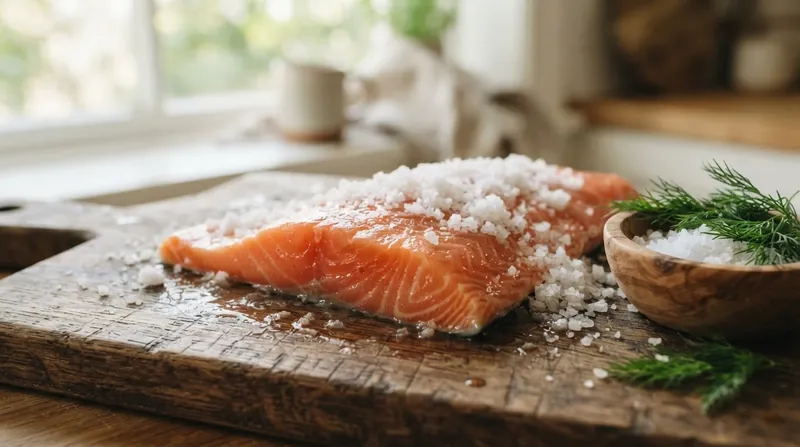
Food Chemistry
How Acidic Ingredients Permanently Lock the Cellular Structure of Simmering Beans
3 sources
Food Chemistry
Heating Pineapple and Kiwi Above 80°C Denatures Proteases to Let Gelatin Set
3 sources
Comments
Every angle. Every day.
Get Food & Drink stories with full source coverage and perspective breakdowns, free every day.