
The 110-Gram Daily Target: How the 'Proteinmaxxing' Trend is Changing Home Cooking
With federal guidelines raising the recommended daily protein intake and a viral "proteinmaxxing" trend sweeping restaurants, home cooks are adopting culinary science techniques like dry brining and reverse searing to prepare large volumes of meat without sacrificing texture.
By Kabir Mehra

Share this story
In short
- The "proteinmaxxing" trend and updated federal guidelines are pushing daily protein targets to between 80 and 110 grams.
- Cooking large volumes of lean protein often results in dry, tough meat if traditional methods are used.
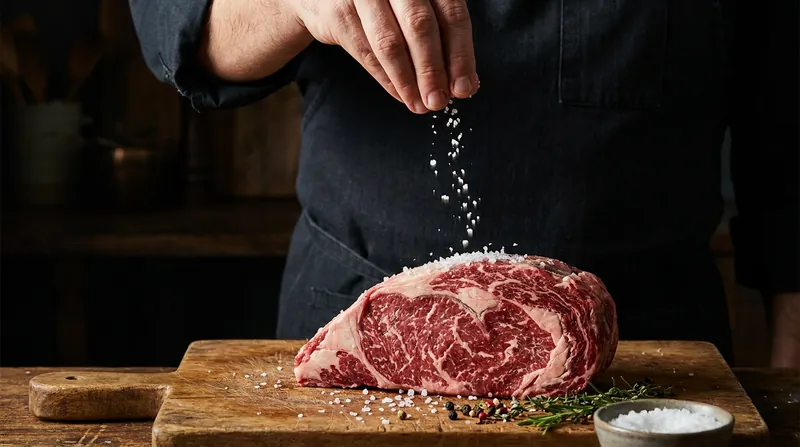
- Dry brining uses osmosis to draw out moisture, dissolve salt, and reabsorb the concentrated brine deep into the muscle fibers.
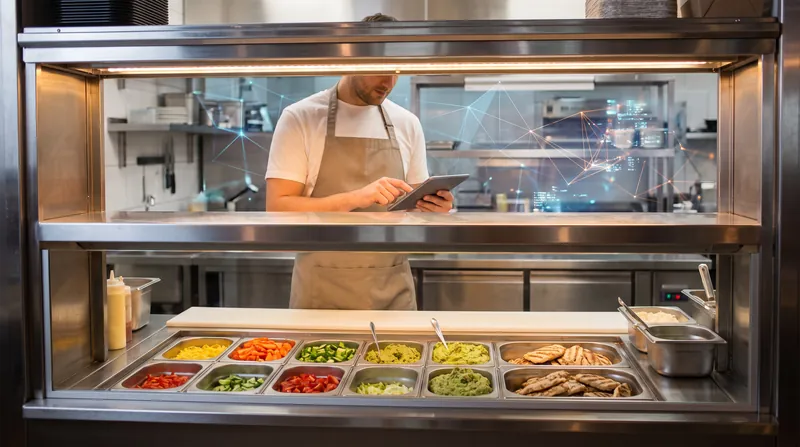
It is lunchtime at Fountain Grains & Greens in East Hollywood, and customers are increasingly ordering their rice and vegetable bowls piled high with double portions of chicken or steak. This is the visible edge of "proteinmaxxing," a viral health trend that prioritizes maximizing daily protein intake to support muscle growth and satiety.
The movement continues to gain federal validation; on September 8, 2026, the Department of Health and Human Services released a new episode of 'The Real Food Show' specifically focused on affordable, high-protein meals, following the administration's recent push to raise the recommended daily allowance for protein to between 80 and 110 grams for a 150-pound adult.[1][2]
As diners chase these new targets, demand for protein add-ons has surged at local restaurants, and home cooks are recalibrating their own meal prep. But the shift exposes a fundamental culinary challenge: cooking large volumes of lean protein, such as thick chicken breasts or two-inch steaks, often results in dry, tough, and unappetizing meat. When the goal is to consume upwards of 100 grams of protein daily, the palatability of that food becomes the deciding factor in whether the diet is actually sustainable.[2]
To bridge the gap between nutritional goals and culinary enjoyment, food scientists and chefs are pointing home cooks toward a set of techniques rooted in thermodynamics and chemistry. By abandoning the traditional method of simply throwing a cold, wet steak into a hot pan, cooks can manipulate moisture and heat transfer to guarantee tender, juicy results every time. The foundation of this approach begins long before the meat touches the heat, relying on a process known as dry brining.[10]
Dry brining is the application of kosher salt to the exterior of the meat, which is then left to rest uncovered in the refrigerator. Unlike a traditional wet brine, which submerges the protein in a saltwater solution and can waterlog the meat while diluting its natural flavor, a dry brine uses the meat's own juices.
When salt is first applied, it draws moisture to the surface through osmosis. Within a few minutes, the surface becomes visibly wet and glistening as the salt dissolves into this extruded liquid, creating a highly concentrated brine.[8][9]
The critical phase occurs next. Over the course of at least 45 minutes—and ideally up to 24 hours—this salty liquid is reabsorbed deep into the muscle fibers. The salt alters the structure of the proteins, causing them to loosen and form a gel that traps moisture during the cooking process. Simultaneously, the uncovered resting period allows the surface of the meat to dry out completely, which is a structural prerequisite for achieving a proper crust later on.[8][9]
With the meat properly seasoned and dried, the cooking process itself must be managed to prevent the exterior from burning before the interior reaches a safe and palatable temperature. For cuts thicker than an inch and a half, the traditional method of searing first and finishing in the oven often creates a thick gray band of overcooked meat just beneath the crust. The modern culinary consensus flips this sequence entirely, utilizing a technique called the reverse sear.[7]
The reverse sear begins by placing the dry-brined meat into a low-temperature oven, typically between 200°F and 250°F. This gentle, ambient heat cooks the protein slowly and evenly from edge to edge. Because the temperature differential between the oven and the center of the meat is relatively small, the muscle fibers contract less violently, squeezing out far less moisture than they would under the intense heat of a grill or a screaming-hot skillet.[7]
The meat is left in the low oven until its internal temperature reaches 10°F to 15°F below the final target doneness—for a medium-rare steak, this means pulling it at roughly 115°F. At this stage, the meat is fully cooked internally but looks pale and unappetizing on the outside. The final step is a rapid, high-heat sear in a cast-iron skillet or over a hot grill, lasting just 45 to 90 seconds per side.[7]
This rapid searing triggers the Maillard reaction, a complex chemical cascade between amino acids and reducing sugars that occurs rapidly between 280°F and 330°F. The Maillard reaction is responsible for the hundreds of flavor compounds and the deep brown color that characterize roasted coffee, baked bread, and seared meats. Because the reverse sear and the dry brine have already eliminated surface moisture, the skillet's heat energy goes directly into triggering this reaction, rather than being wasted on boiling away surface water.[4]
The final variable in the protein-cooking equation is the phenomenon of carryover cooking. The laws of thermodynamics dictate that heat will continually move from a hotter area to a cooler one until equilibrium is reached. When a piece of meat is removed from a heat source, the exterior layers are significantly hotter than the center. Even as the meat rests on a cutting board, that exterior thermal energy continues to travel inward.[5][6]
This inward migration of heat means that the internal temperature of a thick steak or roast will continue to rise by 5°F to 15°F after it has been taken off the stove. Failing to account for carryover cooking is the primary reason home cooks accidentally overcook their meals. By pulling the meat from the heat source before it reaches the target temperature, the cook allows the laws of physics to gently finish the job during the resting phase.[5][6]
While the broader shift toward higher protein intake is reshaping the American dinner plate, nutritionists caution against taking the trend to extremes. "The goal isn't to eat the most protein or fiber; it's to eat the right amount for your unique needs based on your age, gender, physical activity, medical history, labs, etc," Michelle Routhenstein, a preventive cardiology dietitian, told Healthline in August 2026.
For those who do need to increase their intake, applying the principles of dry brining, reverse searing, and carryover cooking ensures that meeting those nutritional benchmarks yields meals that rival steakhouse quality. The science of cooking guarantees that eating for health no longer requires chewing through dry, overcooked meat.[3]
Terms to know
- Proteinmaxxing
- A dietary trend focused on consciously maximizing daily protein intake to support muscle growth, recovery, and satiety.
- Dry brining
- The process of salting meat in advance of cooking and letting it rest, allowing the salt to penetrate the muscle fibers and dry the exterior.
- Reverse sear
- A cooking method where meat is first cooked slowly at a low temperature until nearly done, then finished with a brief, high-heat sear to form a crust.
- Maillard reaction
- A chemical reaction between amino acids and reducing sugars at high heat that gives browned food its distinctive color and complex flavor.
- Carryover cooking
- The phenomenon where the internal temperature of food continues to rise after being removed from the heat source, driven by thermal energy transferring from the hotter exterior to the cooler center.
Questions readers ask
What is the difference between a wet brine and a dry brine?
A wet brine submerges meat in a saltwater solution, which can waterlog the protein and dilute its flavor. A dry brine uses only salt applied directly to the meat's surface, drawing out natural juices that dissolve the salt before being reabsorbed, resulting in a more concentrated flavor and a drier surface for searing.
Why do I need to let meat rest after cooking?
Resting allows carryover cooking to finish gently bringing the center to the target temperature. It also gives the muscle fibers time to relax and reabsorb their juices, preventing the liquid from spilling out onto the cutting board when the meat is sliced.
Can I reverse sear thin cuts of meat?
The reverse sear is generally not recommended for steaks or chops thinner than an inch and a half. Thin cuts cook through so quickly that the final high-heat sear will easily overcook the center, making the traditional direct-heat method more appropriate.
Is proteinmaxxing safe for everyone?
While protein is essential, nutritionists warn that extreme protein intake without adequate fiber can cause digestive issues. Individual protein needs vary based on age, activity level, and medical history, so it is best to consult a healthcare provider before drastically changing your diet.
Different angles
Nutritional Advocates
Focus on the metabolic and satiating benefits of high protein intake.
Proponents of the proteinmaxxing trend argue that higher protein consumption is essential for preserving lean muscle mass, especially as GLP-1 weight-loss medications become more common. They point to the updated federal guidelines as validation that historical protein targets were too low for optimal metabolic health and physical performance.
Culinary Traditionalists
Favor classic high-heat cooking methods over modern, time-intensive techniques.
Many classically trained chefs and home cooks still prefer the traditional method of searing a steak over screaming-hot coals before finishing it in the oven. They argue that the reverse sear, while precise, takes too long for a standard weeknight dinner and fails to produce the exact same depth of crust that a purely direct-heat approach achieves.
Food Scientists
Advocate for precision temperature control and chemical manipulation in the kitchen.
Culinary scientists view cooking as an exercise in applied thermodynamics. They argue that relying on intuition or traditional timing often leads to inconsistent results, whereas techniques like dry brining and reverse searing leverage the predictable laws of osmosis and heat transfer to guarantee a tender, juicy product regardless of the cook's experience level.
- Nutritional Advocates
- Focus on the metabolic and satiating benefits of high protein intake.
- Food Scientists
- Advocate for precision temperature control and chemical manipulation in the kitchen.
- Culinary Traditionalists
- Favor classic high-heat cooking methods over modern, time-intensive techniques.
Perspectives this story doesn't cover
- Vegetarian and vegan cooks adapting these culinary techniques for plant-based proteins like tofu and seitan.
- Agricultural economists tracking the supply chain impact of surging consumer demand for high-protein meats.
Sources
Source coverage
10 outlets
3 viewpoints surfaced









- [1]Goldrush CamNutritional Advocates
U.S. Department of Health and Human Services Secretary Robert F. Kennedy, Jr. Releases Third Episode of The Real Food Show
Read on Goldrush Cam → - [2]Los Angeles TimesNutritional Advocates
A viral “proteinmaxxing” trend is reshaping how some Angelenos eat
Read on Los Angeles Times → - [3]HealthlineNutritional Advocates
Proteinmaxxing and fibermaxxing: Can you get too much?
Read on Healthline → - [4]WikipediaFood Scientists
Maillard reaction
Read on Wikipedia → - [5]WikipediaFood Scientists
Carryover cooking
Read on Wikipedia → - [6]ThermoWorksFood Scientists
Carryover cooking
Read on ThermoWorks → - [7]What's in the PanFood Scientists
My Step-by-Step Reverse Sear Game Plan
Read on What's in the Pan → - [8]Fogo CharcoalFood Scientists
Can Dry Brining Steak Make It Better?
Read on Fogo Charcoal → - [9]SubstackFood Scientists
The art and science of the dry brine
Read on Substack → - [10]Factlen Editorial Team
Synthesis by Factlen editorial team
Read on Factlen Editorial Team →
More in Lifestyle
See all →Culinary Science
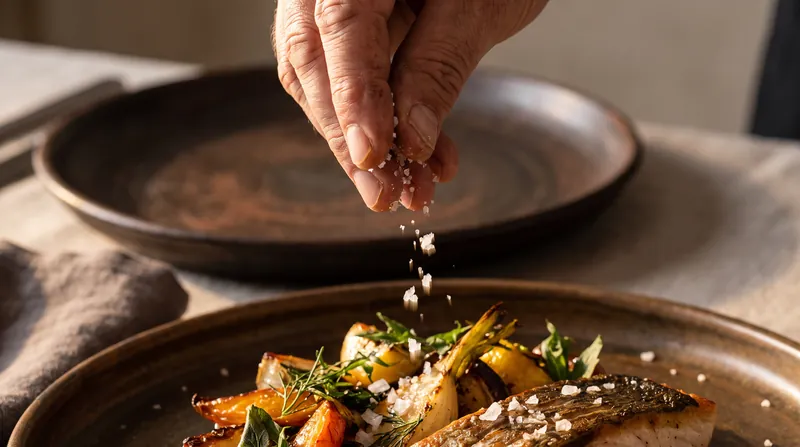
Dry Brining Outperforms Wet Brines Through Osmosis and Protein Denaturation
4 sources
Food Chemistry
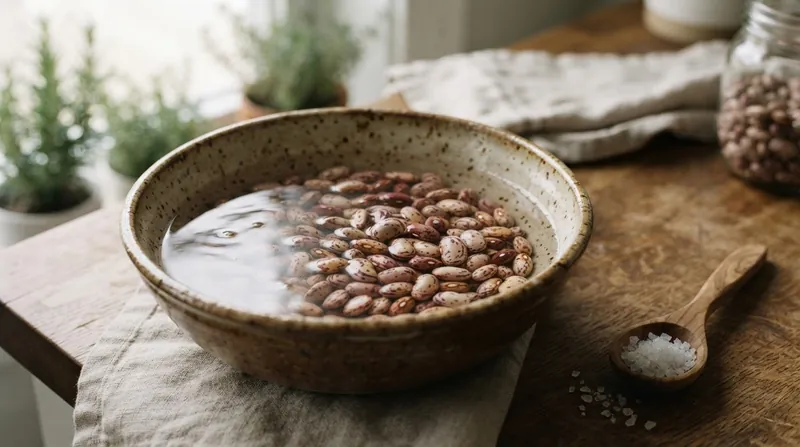
Sodium Ions Displace Divalent Minerals in Pectin: Why Salting Dried Beans Early Tenderizes Skins
4 sources
Food Safety
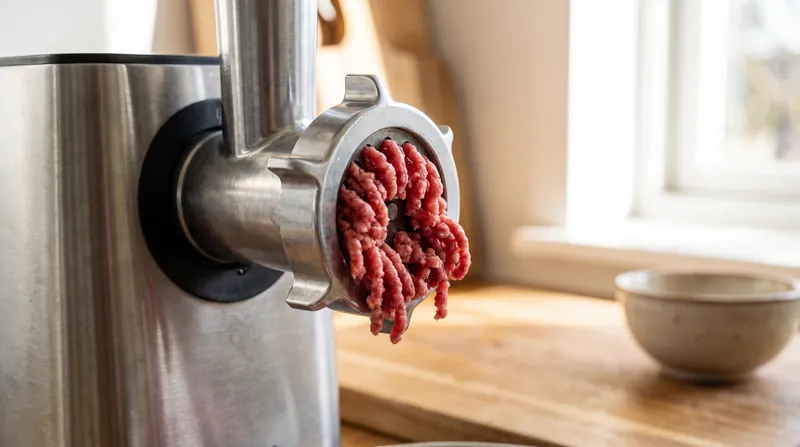
The 71°C vs. 63°C Trade-Off: How Grinding Meat Increases the Minimum Safe Internal Cooking Temperature by 8°C
7 sources
Food Safety Tech
Chipotle Pilots Palantir AI Platform to Predict Food Safety Risk at Individual Restaurants
4 sources
Comments
Every angle. Every day.
Get Lifestyle stories with full source coverage and perspective breakdowns, free every day.