
The Science of Dry Brining: How Osmosis and Protein Denaturation Transform Home Cooking
By leveraging the physics of osmosis and the chemistry of protein denaturation, dry brining has replaced traditional wet brines as the scientifically backed method for juicier, better-seared food.
By Kabir Mehra

In short
- Dry brining uses the food's own moisture to create a concentrated brine, avoiding the diluted flavor of wet brining.
- Salt draws water out via osmosis, dissolves, and then diffuses back into the muscle tissue.
- Chloride ions bind to myosin proteins, causing them to unwind and trap moisture during cooking.
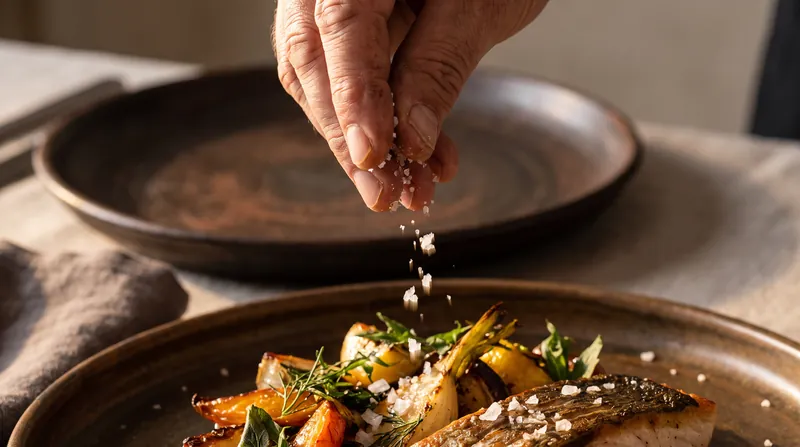
For decades, the standard advice for preparing a holiday turkey or a thick cut of pork involved submerging the meat in a bucket of heavily salted water. This wet-brining method promised juicier results, and mechanically, it delivered. However, modern culinary science has largely abandoned the wet brine in favor of a simpler, more effective technique: dry brining. By applying salt directly to the surface of the food well in advance of cooking, chefs trigger a complex cascade of physics and chemistry that fundamentally alters the cellular structure of the ingredient.[3]
The primary flaw of the traditional wet brine lies in the very water it uses to carry the salt. While a wet brine does force moisture into the muscle fibers, that added liquid is essentially tap water. It dilutes the natural flavor of the meat, resulting in a roast that is undeniably juicy but gastronomically hollow. Furthermore, the waterlogged surface of wet-brined meat actively works against the creation of a crisp, browned crust during the cooking process.[1]
Dry brining, often referred to simply as pre-salting, eliminates the water bath entirely. It relies on the food's own internal moisture to create a concentrated brine. While the physical action is as simple as sprinkling salt on a steak and leaving it in the refrigerator, the microscopic mechanisms at play involve osmosis, diffusion, and the targeted denaturation of specific proteins.[4]
The process begins the moment salt crystals make contact with the surface of the food. This creates a hypertonic environment—a state where the concentration of solutes on the outside of the cell is vastly higher than on the inside. To achieve equilibrium, nature relies on osmosis. Water is rapidly drawn out of the muscle cells and pools on the surface of the meat, dissolving the salt crystals in the process.[1]
This initial osmotic phase creates a critical window of vulnerability. If a cook were to place the meat in a hot pan during this first 30 to 45 minutes, the results would be disastrous. The surface would be covered in a layer of liquid water, which would immediately turn to steam, preventing the meat from searing and leaving the interior dry due to the moisture that was just pulled out.[3]
However, patience unlocks the second phase: diffusion. Once the salt has completely dissolved in the extracted juices, it forms a highly concentrated liquid brine right on the surface of the food. Because the concentration of salt is now higher in this surface liquid than it is inside the meat, the laws of diffusion take over. The salty liquid begins to slowly absorb back into the muscle tissue, traveling down the concentration gradient.[1][4]
As this concentrated brine penetrates the interior, it initiates the third and most crucial phase of the process: protein denaturation. Meat is primarily composed of water and a complex matrix of proteins, the most significant being myosin and actin. In their raw state, these proteins are tightly bundled. When exposed to heat during cooking, these bundles contract violently, squeezing out the water trapped between them like a wrung-out sponge.[1][2]
This is where the chemistry of the salt ions becomes transformative. As the sodium and chloride ions from the dissolved salt penetrate the muscle fibers, the chloride ions bind directly to the myosin filaments. Because these ions carry a negative charge, they cause the protein strands to repel one another. This electrostatic repulsion forces the tightly wound protein matrix to loosen and unwind, a process known as denaturation.[2]
This loosened, denatured protein structure behaves entirely differently when exposed to heat. Because the myosin filaments have been chemically relaxed by the chloride ions, they cannot contract as tightly during the cooking process. The "sponge" is prevented from squeezing itself dry. As a result, dry-brined meat can retain up to 15 percent more of its natural moisture after cooking compared to unbrined meat.[2]
Crucially, because this moisture retention is achieved using the meat's own natural juices rather than added tap water, the flavor is intensified rather than diluted. The salt seasons the meat deeply and evenly throughout, rather than just sitting on the surface, fundamentally enhancing the savory characteristics of the protein.[3][4]
Beyond moisture retention, dry brining offers a massive advantage for texture, specifically regarding the Maillard reaction. This complex chemical reaction between amino acids and reducing sugars is responsible for the deep brown crust and savory flavor of roasted and seared foods. However, the Maillard reaction requires high heat—typically above 300 degrees Fahrenheit (150 degrees Celsius)—to occur rapidly.[1]
Water boils at 212 degrees Fahrenheit (100 degrees Celsius). Therefore, any liquid water on the surface of the meat must completely evaporate before the surface temperature can rise high enough to trigger the Maillard reaction. Because dry brining involves the meat reabsorbing its surface liquid, and because it is typically done uncovered in the dry environment of a refrigerator, the surface of the meat becomes incredibly desiccated.[1]
This dry surface, known as a pellicle, is the holy grail for a perfect sear. When a dry-brined steak hits a hot cast-iron pan, there is virtually no surface moisture to boil off. The Maillard reaction begins almost instantly, allowing the cook to develop a thick, flavorful crust in a fraction of the time, which prevents the interior of the meat from overcooking.[3]
The science of dry brining extends far beyond animal proteins. Plant-based chefs and home cooks utilize the exact same osmotic principles to transform vegetables. When salt is applied to water-dense vegetables like eggplant, zucchini, or cabbage, it rapidly draws out moisture and collapses the spongy, air-filled cellular structure.[4]
In vegetables, salt also interacts with pectin, the structural carbohydrate that holds plant cell walls together. By drawing out water and softening the pectin, dry brining alters the turgor pressure of the plant cells. This is why salted eggplant absorbs significantly less oil when fried; the collapsed cellular structure leaves no room for the oil to penetrate.[1]
Executing a dry brine requires an understanding of salt geometry. Not all salt is created equal in the kitchen. Standard table salt consists of dense, uniform cubes, while kosher salt is manufactured to have a flaky, hollow, or pyramidal structure. Because of this difference in density, a tablespoon of table salt contains roughly twice as much sodium chloride as a tablespoon of Diamond Crystal kosher salt.[3]
To achieve consistent results and avoid over-salting, culinary scientists recommend measuring salt by weight rather than volume. The scientifically established sweet spot for dry brining is between 1 percent and 1.5 percent of the ingredient's total weight in salt. This precise ratio ensures enough chloride ions are present to denature the proteins without rendering the final dish unpalatable.[3][4]
Time is the final, non-negotiable variable. While a thin steak might benefit from a 45-minute dry brine, larger roasts require significantly more time for diffusion to occur. A whole chicken needs at least 24 hours, while a thick prime rib can benefit from up to 72 hours of dry brining. The salt needs this time to travel from the surface to the center of the mass.[4]
However, there are limits to the technique. If meat is left in a dry brine for too long—stretching into five or six days—the process crosses the line from tenderization into curing. The proteins become so tightly bound by the salt that the texture changes entirely, taking on the dense, firm characteristic of ham or deli meat rather than a tender roast.[2]
Ultimately, the widespread adoption of dry brining represents a broader shift in how we approach home cooking. It moves away from inherited kitchen myths and embraces a foundational understanding of food science. By manipulating osmosis and protein structure, cooks can achieve professional-level results with nothing more than salt, time, and a basic grasp of chemistry.[4]
Key terms
- Osmosis
- The movement of water across a semipermeable membrane from an area of low solute concentration to an area of high solute concentration.
- Denaturation
- The process by which proteins lose their natural, tightly wound structure due to external stress, such as heat, acid, or salt.
- Myosin
- A motor protein found in muscle tissue that contracts during cooking, squeezing out moisture unless relaxed by salt ions.
- Maillard Reaction
- A chemical reaction between amino acids and reducing sugars that gives browned food its distinctive flavor, requiring temperatures above 300°F.
- Pellicle
- A thin, dry skin that forms on the surface of meat or fish when exposed to air, crucial for achieving a crisp sear.
- Turgor Pressure
- The force within plant cells that pushes the plasma membrane against the cell wall, keeping vegetables crisp.
Frequently asked
Do I need to rinse the salt off before cooking?
No. If you measured the salt correctly (around 1% to 1.5% by weight), the salt has absorbed into the meat to season it perfectly. Rinsing will only re-wet the surface, ruining the crust.
Can I use regular iodized table salt for dry brining?
Yes, but you must use significantly less by volume. Table salt is much denser than kosher salt, so using the same volumetric measurement will result in food that is far too salty. Measuring by weight solves this.
Does dry brining work on fish?
Yes, but the timeframe is drastically shorter. Because fish muscle fibers are delicate and loosely bound, a dry brine only needs 15 to 30 minutes to be effective. Any longer will cure the fish.
Should I cover the meat while it dry brines in the fridge?
For the best crust, leave it uncovered. The circulating air in the refrigerator helps desiccate the surface of the meat, which accelerates the Maillard reaction when you cook it.
Viewpoints in depth
Culinary Scientists
Advocate for dry brining based on the measurable physics of moisture retention and protein chemistry.
For food scientists, cooking is an exercise in applied chemistry. They view the traditional wet brine as a flawed mechanism that solves one problem (dryness) by introducing two others (diluted flavor and a soggy exterior). By analyzing the behavior of myofibrillar proteins under a microscope, researchers have proven that chloride ions are uniquely capable of relaxing the myosin matrix. This camp insists that dry brining is not a stylistic preference, but an objective improvement in thermal moisture management, provided the cook understands the variables of time and salt concentration.
Traditional Cooks
Maintain that wet brining offers unique benefits for flavor infusion that dry brining cannot match.
While conceding the scientific advantages of dry brining for searing and texture, traditionalists argue that wet brines still hold value as a delivery system for water-soluble flavor compounds. By boiling aromatics—such as peppercorns, bay leaves, garlic, and citrus peels—in the brine water, cooks can infuse these flavors deep into the muscle tissue of poultry or pork. They argue that a dry brine, while excellent for salt penetration, leaves these larger aromatic molecules stranded on the surface of the meat.
Plant-Based Chefs
Focus on how osmotic salting transforms the cellular structure of vegetables to improve texture and cooking dynamics.
In the realm of plant-based cooking, dry brining is less about protein denaturation and entirely about cellular turgor and pectin breakdown. Chefs rely on heavy pre-salting to collapse the spongy, air-filled cells of eggplants and zucchinis. This osmotic purge draws out bitter liquids and fundamentally changes the vegetable's architecture, preventing it from acting like a sponge when introduced to cooking oil. For this camp, salt is a structural tool used to manipulate the physical properties of plants before heat is ever applied.
- Culinary Scientists
- Focus on the chemical breakdown of myosin and the physics of moisture retention to achieve objective consistency.
- Plant-Based Chefs
- Utilize osmotic salting primarily to alter cellular turgor and break down pectin in vegetables for better texture.
- Traditional Cooks
- Value the wet-brining method for its ability to infuse water-soluble aromatics like herbs and spices deep into the meat.
Perspectives this story doesn't cover
- Dietary sodium researchers
- Commercial meat processors
Sources
Source coverage
4 outlets
3 viewpoints surfaced




- [1]On Food and CookingCulinary Scientists
On Food and Cooking: The Science and Lore of the Kitchen
Read on On Food and Cooking → - [2]Meat Science JournalCulinary Scientists
Effects of sodium chloride on the denaturation of myofibrillar proteins
Read on Meat Science Journal → - [3]Serious EatsPlant-Based Chefs
How to Dry Brine Meat, Poultry, and More
Read on Serious Eats → - [4]Factlen Editorial Team
Synthesis by Factlen editorial team
Read on Factlen Editorial Team →
More in Lifestyle
See all →Coffee Market
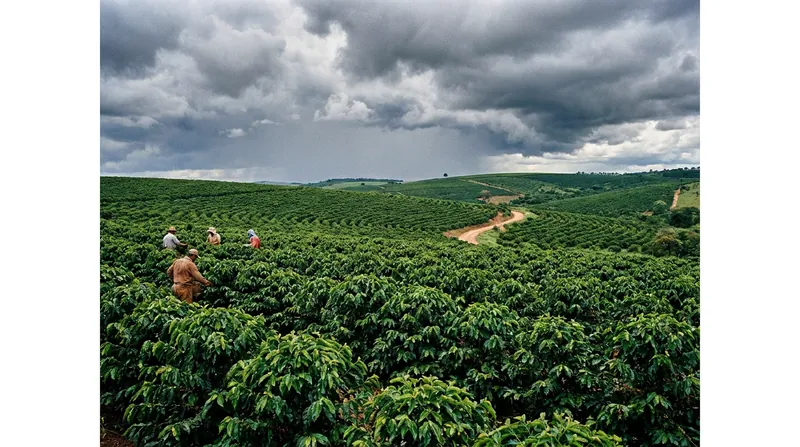
Global Coffee Prices Surge 147% as Climate Crisis and EU Rules Push Supply to 13-Year High
3 sources
Food Tech
The Great Meat Divide: States Move to Ban Federally Approved Cultivated Meat as First Commercial Plants Open
4 sources

Nutrition Policy
The UPF Reckoning: How the Federal Government's New Definition of Ultra-Processed Food Will Reshape the Grocery Aisle
3 sources

Food Science
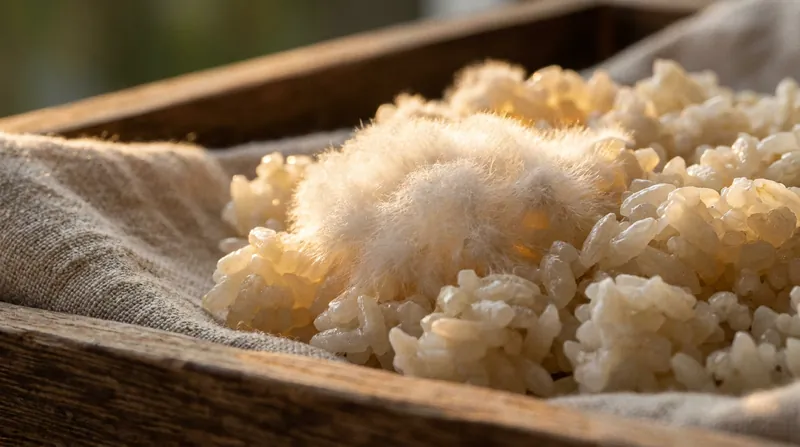
The Science of Koji: How a Microscopic Mold Transforms Flavor and Texture
3 sources
Comments
Every angle. Every day.
Get Lifestyle stories with full source coverage and perspective breakdowns, free every day.