
Explained
Follow Explained in the Factlen app and get an alert when there is news. Get the app
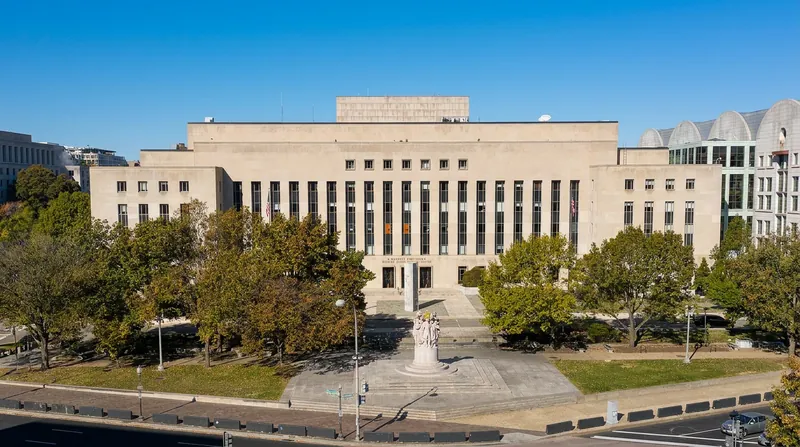

Climate Liability
How a New Economic Framework Assigns Trillion-Dollar Climate Liabilities to Historical Emitters
7 sources · 76d ago

Immigration Policy
USCIS Restores Officer Discretion to Deny Incomplete Applications Without an RFE
8 sources · 67d ago

Platform Liability
The End of Platform Immunity: How the 'Big Tobacco' Verdict Rewrites Social Media's Legal Liability
2 sources · 107d ago
More in Explained

ExplainerCardiac Electrophysiology
Why Pacemaker Crosstalk Shortens Ventricular Intervals Without Hardware Deficits
Device Engineers 40%Clinical Electrophysiologists 40%Factlen Editorial 20%

ExplainerVascular Biology
High-Velocity Fluid Shearing Across Damaged Endothelium Drives Von Willebrand Factor Binding
Hematological Consensus 40%Biophysical Researchers 35%Critical Care Clinicians 25%

ExplainerData Compression
Precomputed State Transitions Unlock Fractional-Bit Compression in Zstandard Without Division Latency
Systems Engineers 40%Information Theorists 35%Hardware Architects 25%

ExplainerDistributed Storage
How Meta's f4 Architecture Cuts Warm Storage Replication Overhead to 2.1x
Distributed Systems Engineers 40%Infrastructure Analysts 35%Architecture Reviewers 25%

ExplainerMarketing Mix Modeling
How DECOMP.RSSD Penalizes Spend-to-Effect Discrepancies Across Nevergrad Pareto Fronts
Meta Marketing Science 35%Independent Econometricians 35%Experimental Calibrators 30%

ExplainerAd Measurement
Activity Bias Inflates Ad Metrics: Why Meta Uses Intent-to-Treat Holdouts for Incrementality
Marketing Science Analysts 40%Media Buyers & Agencies 35%Ad Platform Engineers 25%

ExplainerMedical Metrology
Calibrating Discordant Clotting Times Into a Universal INR via the WHO Standard
Metrology Standardizers 40%Clinical Hematologists 35%Laboratory Technicians 25%

ExplainerBehavioral Economics
Why the S-Shaped Value Function Drives Risk Aversion for Gains and Risk-Seeking for Losses
Behavioral Economists 40%Classical Utility Theorists 30%Quantitative Analysts 30%

ExplainerPayment Infrastructure
Credit Card Authorization: The Four-Party Model and Six-Step Routing Sequence
Issuing Banks 40%Merchants 35%Payment Networks 25%

ExplainerIdentity Architecture
OAuth 2.0 Authorization Code Flow Isolates Passwords from Third-Party Applications
Commercial Identity Providers 40%Protocol Purists 30%Enterprise Security Architects 30%
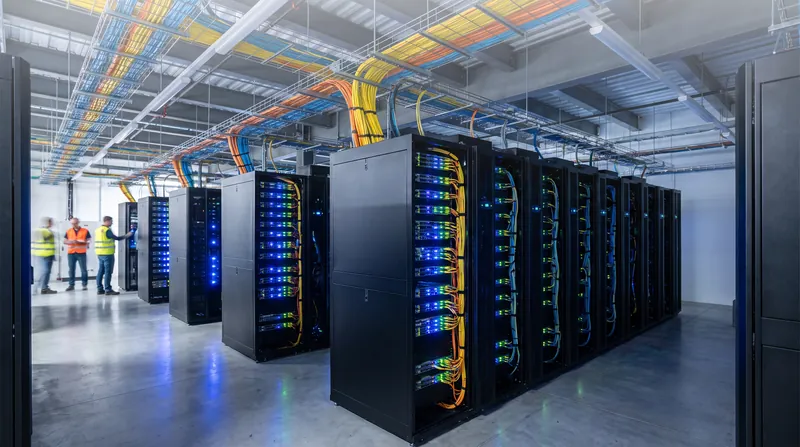
ExplainerLlama 3.1
How Meta's Llama 3.1 405B Architecture Actually Works
Enterprise AI Adopters 40%Open-Source Advocates 30%AI Safety Researchers 30%

ExplainerCausal AI
How Directed Acyclic Graphs Separate Causation from Correlation in Observational Data
Structural Traditionalists 50%Causal AI Optimists 30%Experimental Purists 20%

ExplainerCryptographic Privacy
Zero-Knowledge Proofs Verify Truth Without Data but Face Computational Bottlenecks
Cryptographic Purists 35%Enterprise Pragmatists 35%Privacy Advocates 29%
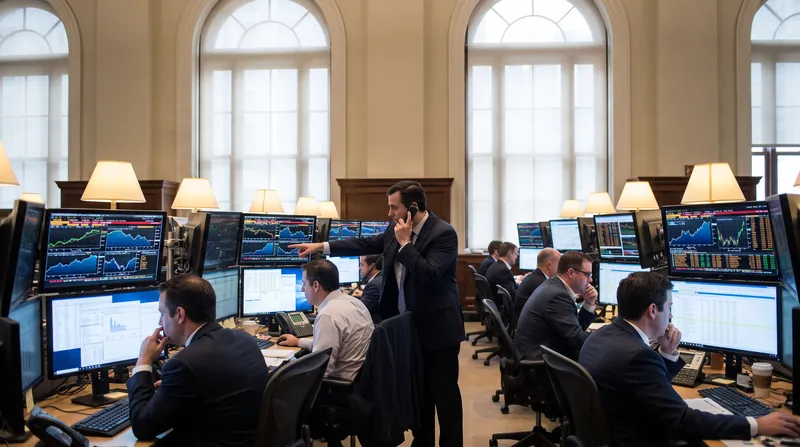
ExplainerMonetary Mechanics
Open Market Operations: How Fed Bond Trades Steer Bank Reserves and Interest Rates
Market Plumbing Analysts 40%Traditional Monetarists 30%Commercial Bank Treasurers 30%

ExplainerSystemic Risk
How Financial Regulators' New Oversight of Critical Tech Vendors Rewrites the Rules of Big Tech Liability and Systemic Risk
Financial Regulators 40%Technology Vendors 30%Industry Analysts 30%

ExplainerUniversal Constants
Universal Constants Set the Precise Liquid Viscosity Needed for Cellular Life
Theoretical Physicists 40%Biophysicists 35%Cosmological Skeptics 25%

ExplainerCrypto Policy
US Strategic Bitcoin Reserve Relies on Seized Assets Rather Than Direct Purchases
Sovereign Reserve Advocates 40%Traditional Economists 35%Legal & Regulatory Analysts 25%
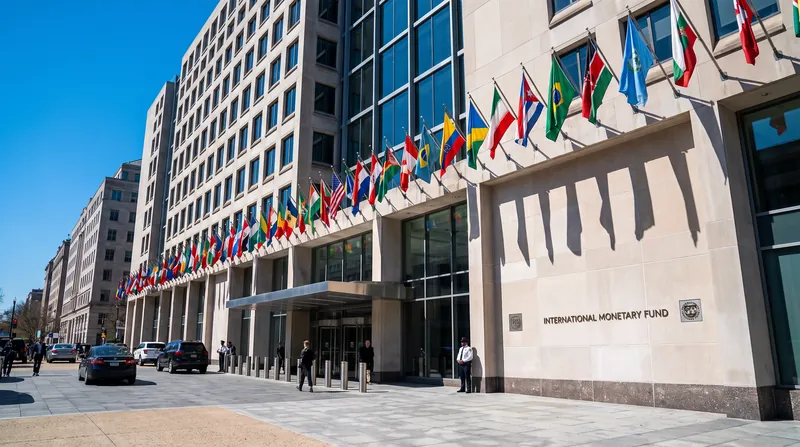
ExplainerClimate Finance
The Bridgetown Initiative's Plan to Break the Climate-Debt Trap at the IMF and World Bank
Climate-Vulnerable Nations 35%Institutional Leadership 35%Market & Policy Analysts 30%

ExplainerTech Governance
The End of AI Laissez-Faire: How Colorado's New Automated Decision-Making Law Rewrites U.S. Tech Governance
Enterprise Deployers 38%AI Developers 31%State Regulators 31%

ExplainerLabor Market
The End of the Non-Compete: How the FTC's Pivot and State Laws Rewired the US Labor Market
Labor Advocates 35%Corporate Employers 35%Antitrust Regulators 30%

ExplainerHigh Seas Treaty
The High Seas Treaty is Now Law: How the UN's New Agreement Will Govern Two-Thirds of the World's Oceans
Marine Conservationists 41%Developing Nations & Equity Advocates 35%Maritime Industries 24%

Energy Infrastructure
The Grid, Not the GPU: How AI's Unprecedented Power Demand Is Forcing a Global Energy Infrastructure Reckoning
Hyperscale Cloud Providers 40%Energy Market Analysts 35%Public Grid Operators 25%

ExplainerAI Architecture
How Large Language Models Actually Work: The Explainer
Academic & Open-Science Researchers 40%Public Knowledge Curators 30%Industry Analysts & Synthesizers 30%

ExplainerOpen-Source AI
How Meta's Llama 4 Works: Inside the Architecture Powering 2026's Open-Source AI Boom
Open-Source Advocates 40%Enterprise Adopters 35%AI Safety Researchers 25%

ExplainerAI Architecture
How Retrieval-Augmented Generation (RAG) Solved AI's Hallucination Problem
Enterprise AI Architects 40%Infrastructure Providers 30%Applied AI Practitioners 30%

ExplainerGymnastics Scoring
Decoding the Code of Points: How Modern Gymnastics Scoring Works
Difficulty Innovators 40%Artistry Purists 30%Technical Evaluators 30%

ExplainerTactical Evolution
The Tactical Evolution of the Inverted Fullback and the Box Midfield
Tactical Innovators 45%Defensive Pragmatists 35%Traditionalists 20%