
Wildlife
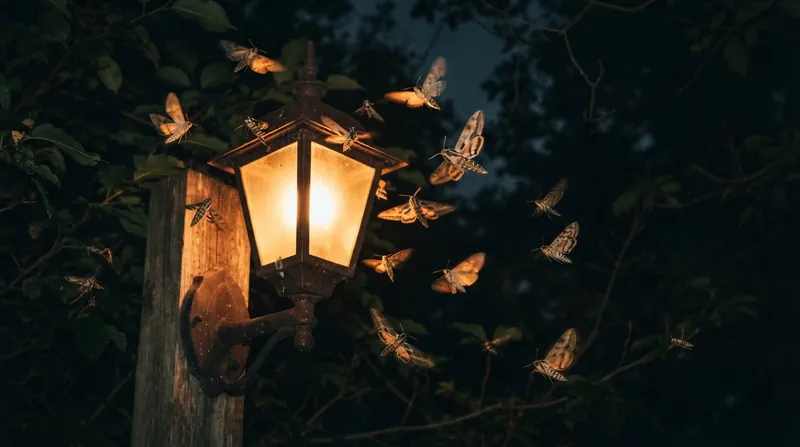
Wildlife is part of Environment on Factlen: news, explainers and guides on the subject, gathered in one place. Wildlife populations, endangered species, coexistence, migration, and ecosystem health. The newest report here was published on Nov 6, 2026. Recent headlines include “Artificial Lights Trap Flying Insects by Scrambling Inherent Dorsal Attitude Control Rather Than Attracting Them”, “High Seas Treaty Reaches 100 Ratifications, Cementing Global Momentum for Ocean Protection”, “Flesh-Eating Screwworm Parasite Detected in US Wildlife for First Time in 60 Years”, “Global Study Links Ecosystem Fragmentation to Increased Vector-Borne Disease Risk, Challenging Universal Outbreak Models” and “AI and Bioacoustics in Wildlife Conservation”.
Follow Wildlife in the Factlen app and get an alert when there is news. Get the app
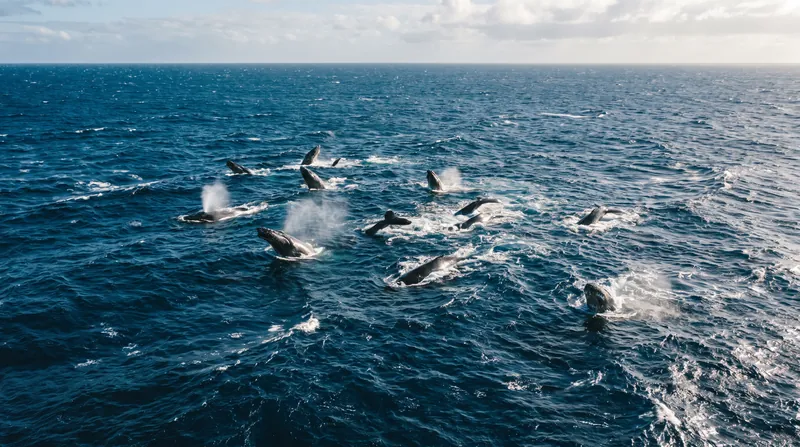
High Seas Treaty Reaches 100 Ratifications, Cementing Global Momentum for Ocean Protection
4 sources · 51d ago
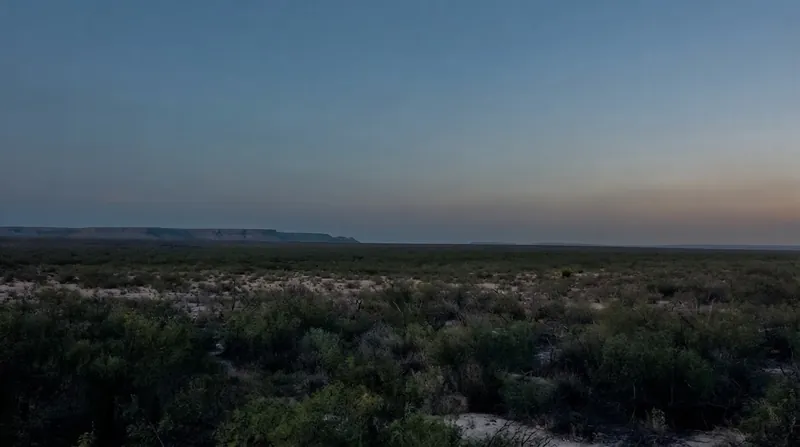
Flesh-Eating Screwworm Parasite Detected in US Wildlife for First Time in 60 Years
8 sources · 25d ago
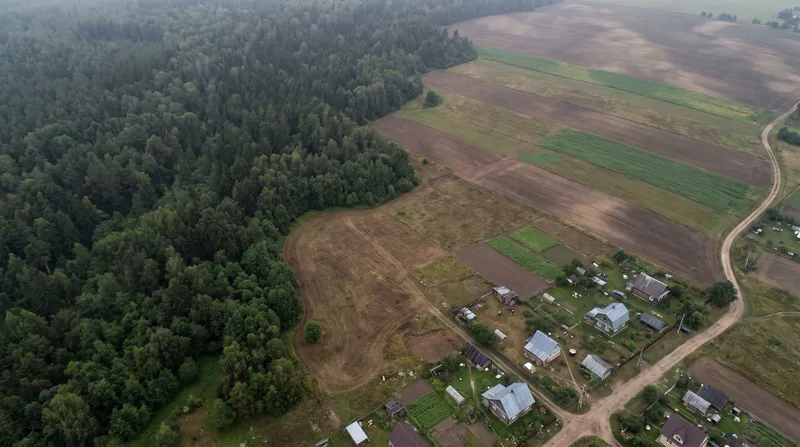
Global Study Links Ecosystem Fragmentation to Increased Vector-Borne Disease Risk, Challenging Universal Outbreak Models
4 sources · 48d ago
More in Wildlife
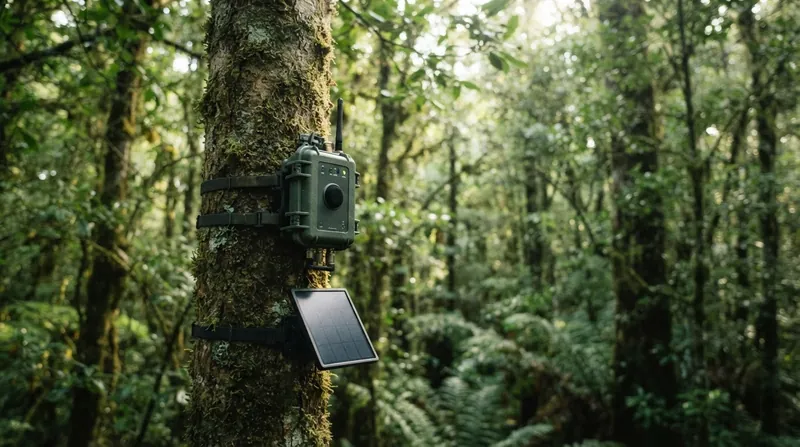
AI and Bioacoustics in Wildlife Conservation
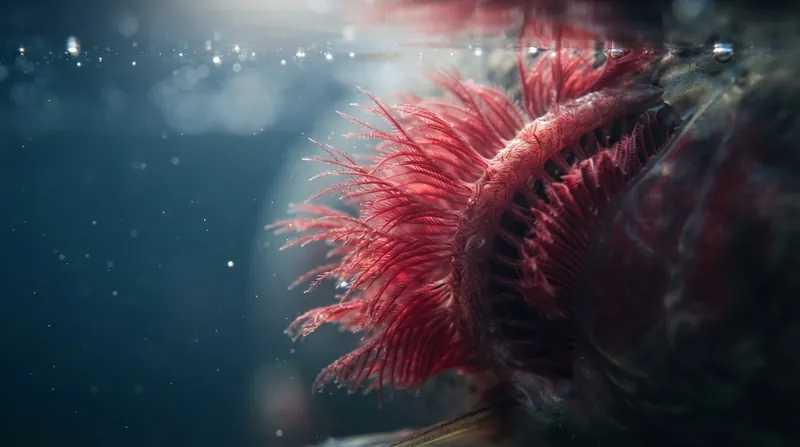
Countercurrent Gill Architecture Maintains Oxygen Extraction Efficiency Across Aquatic Species
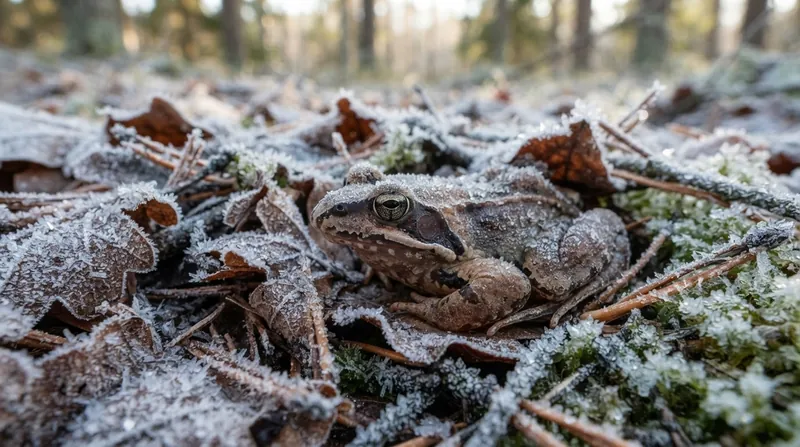
Extracellular Ice Nucleators Allow Wood Frogs to Survive Winter Freezes Without Cell Lysis
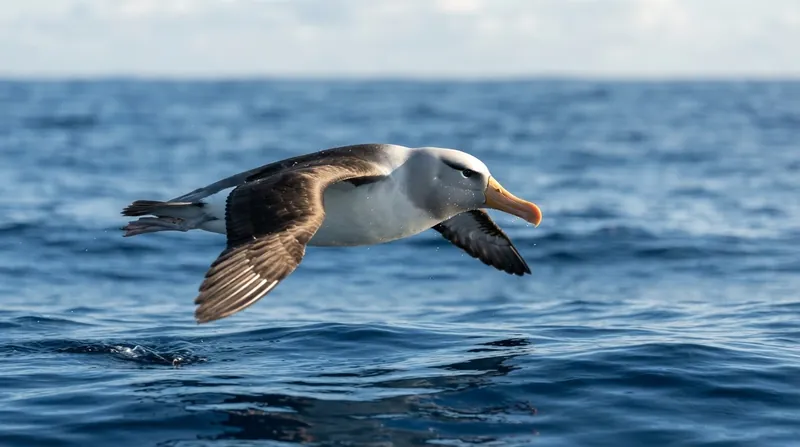
How Pelagic Birds Use Supraorbital Glands to Drink Seawater and Survive the Open Ocean
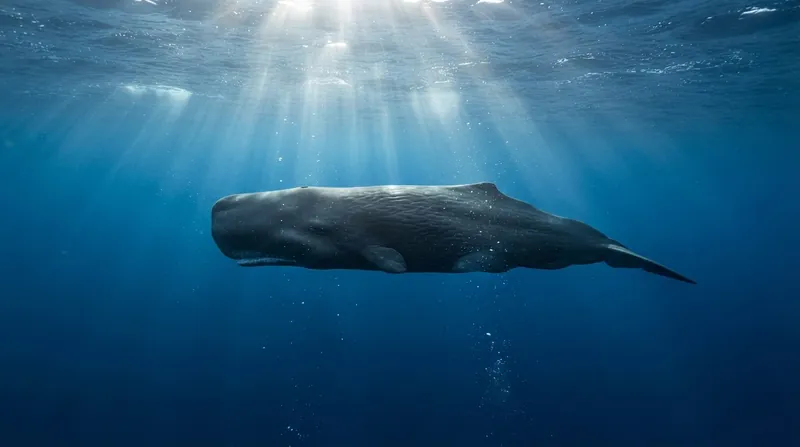
How Deep-Diving Whales Avoid Decompression Sickness
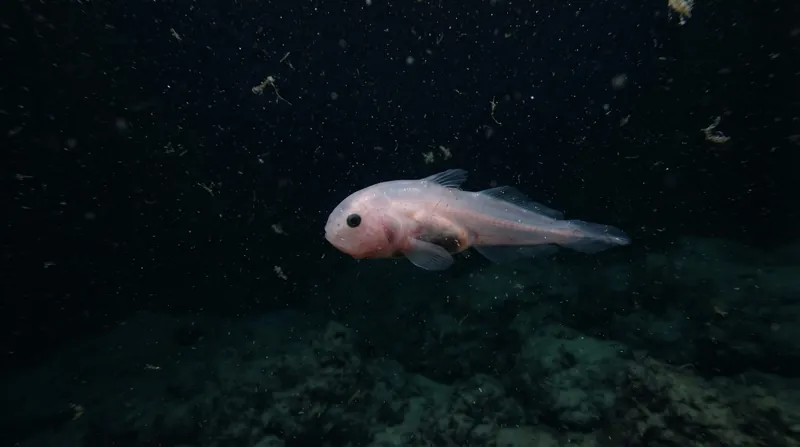
Osmotic Saturation From Pressure-Stabilizing TMAO Caps Hadal Fish Survival at 8,200 Meters

The R-Factor, K-Factor, and LS-Factor: How the Universal Soil Loss Equation Predicts Erosion Rates from Rainfall, Soil Type, and Topography
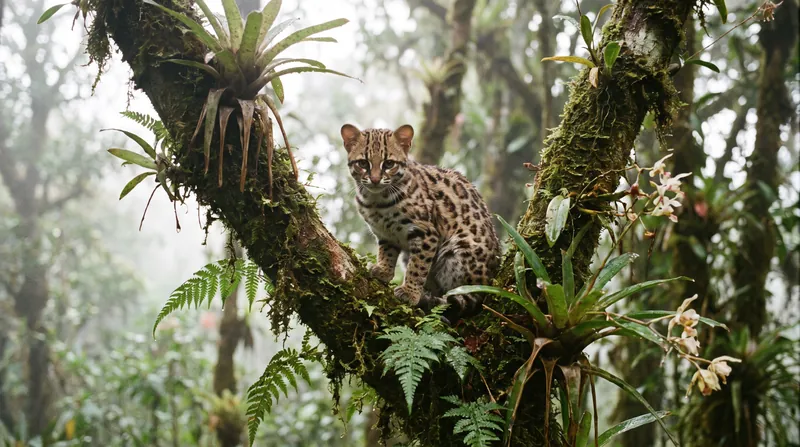
Scientists Name First New Wild Cat Species in Over a Century in Bolivia
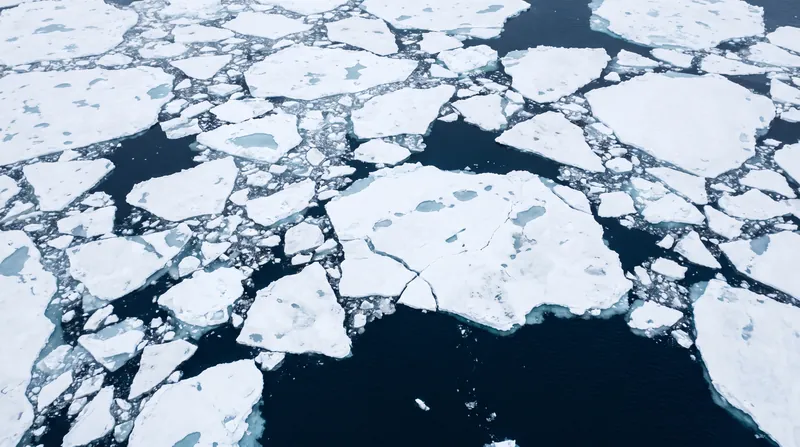
The 0.6 to 0.8 Albedo Shift: How Melting Ice Decreases Earth's Reflectivity and Amplifies Warming
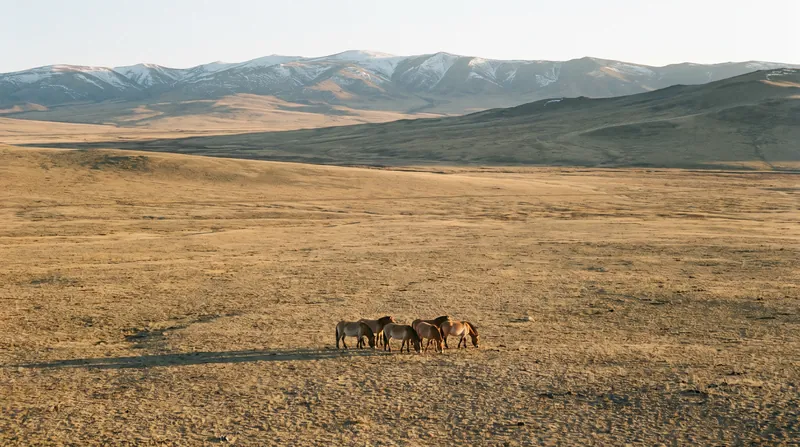
The 50/500 Rule: How Population Genetics Defines the Minimum Viable Population for Conservation
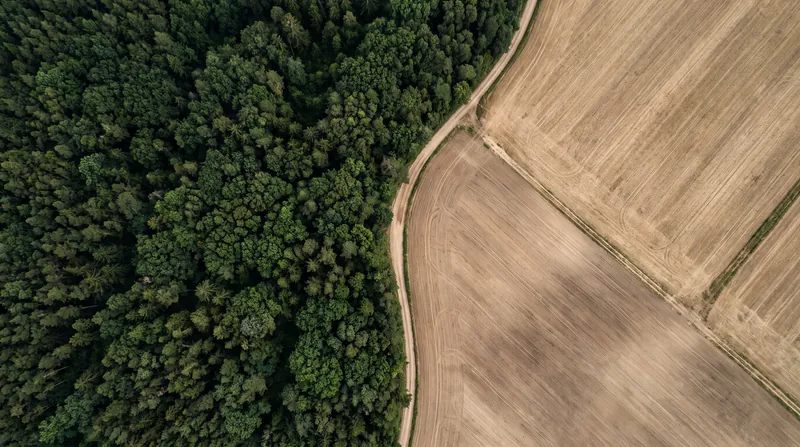
The 0.25 Exponent: How the Species-Area Relationship Predicts Extinction Rates from Habitat Loss
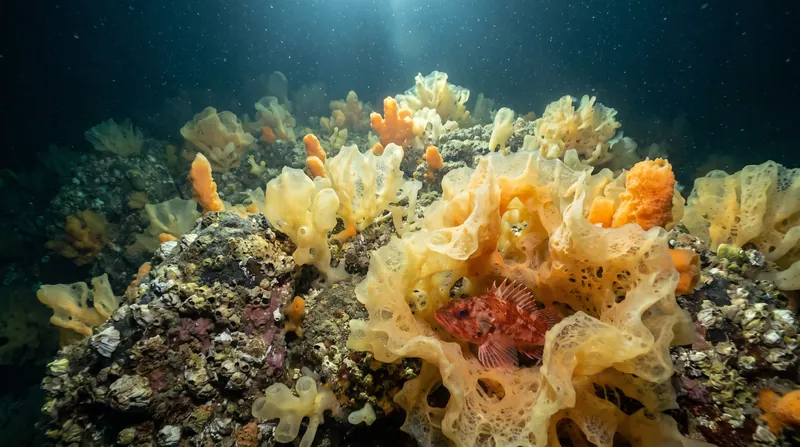
NOAA Discovers Nine New Deep-Sea Sponge Species Off the Alaskan Coast
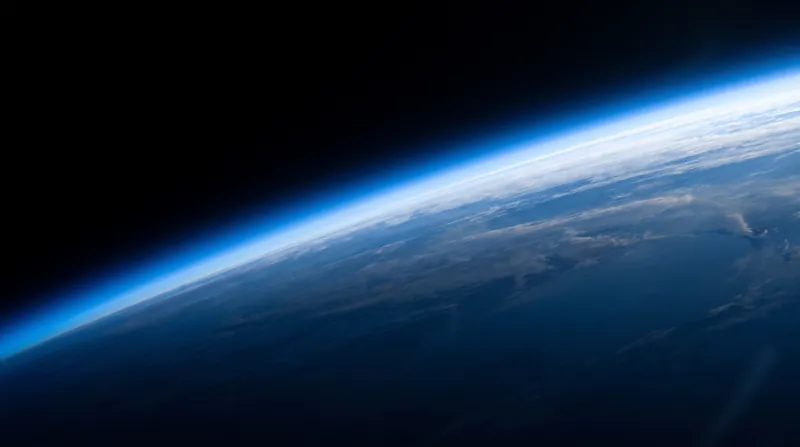
The Nine Quantitative Limits: How the Planetary Boundaries Framework Defines a Safe Operating Space for Humanity

Why Thermodynamics and the 10 Percent Rule Limit Food Chain Lengths

Haber-Bosch Nitrogen Synthesis Feeds Half the World While Overwhelming Global Ecosystems
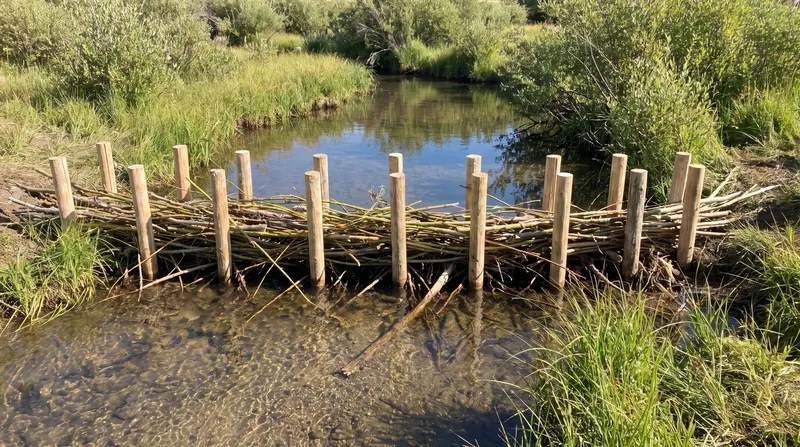
How Process-Based Restoration and Beaver Dam Analogs Create Wildfire Refugia

Why Carbon Dioxide Demands Net-Zero While Flow Pollutants Allow for Optimal Abatement
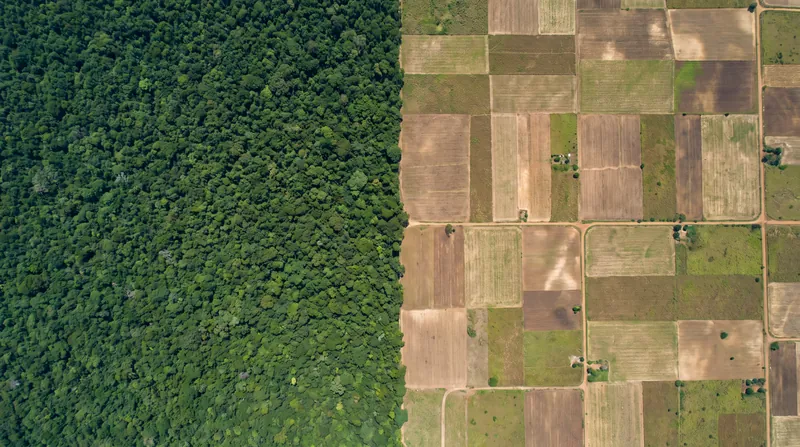
Why Land and Sea Conversion Remains the Primary Driver of Global Biodiversity Loss
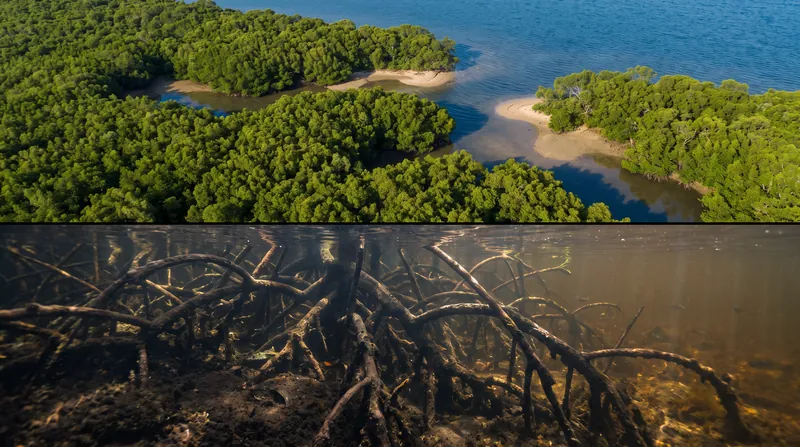
Why Mangroves and Seagrass Store Carbon Five Times Faster Than Mature Forests

CITES Uses Three Regulatory Appendices to Control the Global Wildlife Trade
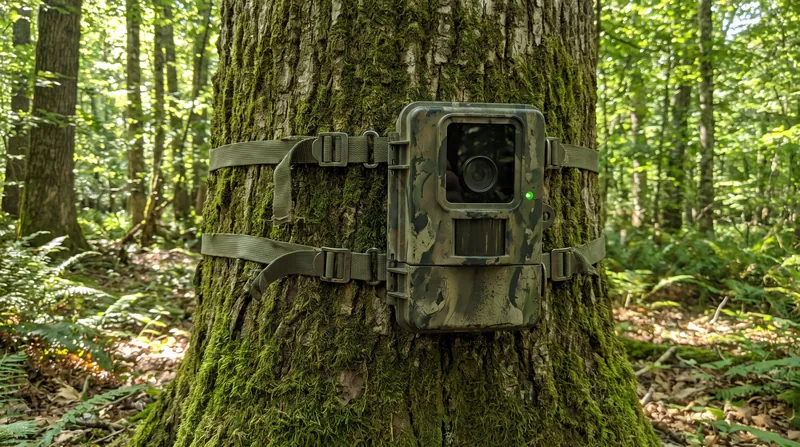
How Edge AI and Bioacoustics Are Eliminating the Wildlife Data Bottleneck
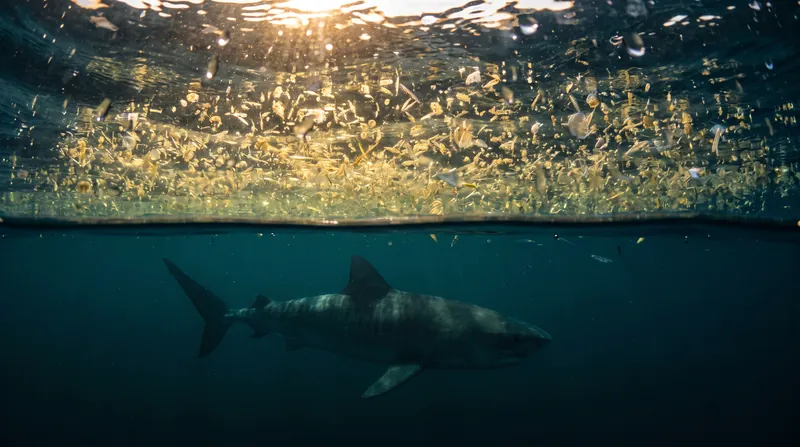
Bioaccumulation and Biomagnification: Why Apex Predators Amass Fat-Soluble Toxins
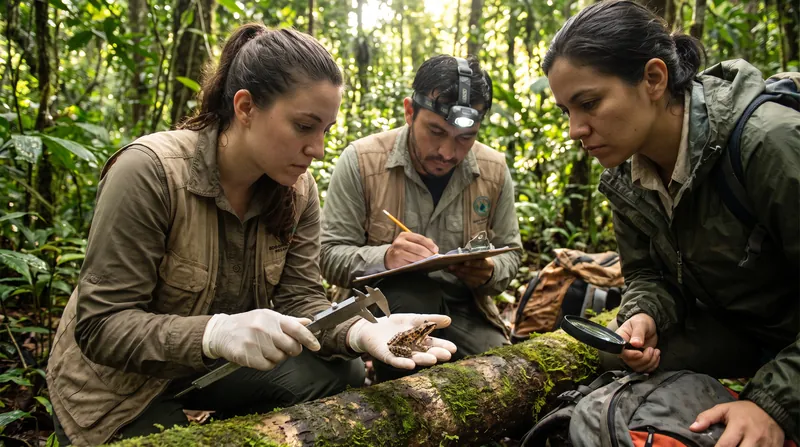
Five Quantitative Criteria the IUCN Red List Uses to Determine Extinction Risk
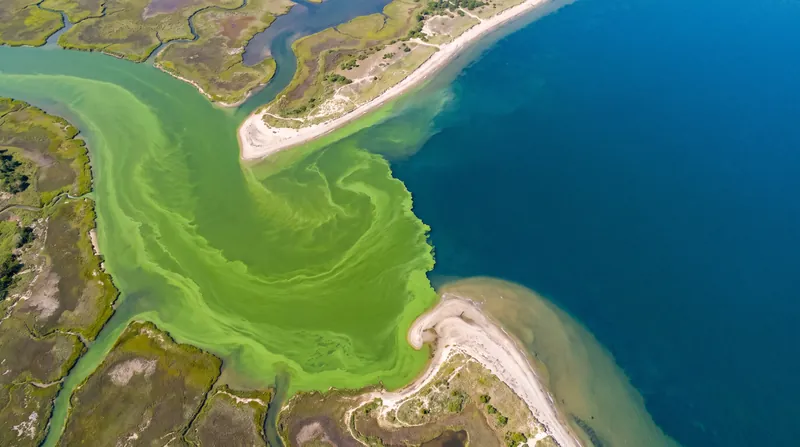
Why Agricultural Runoff Drives Eutrophication and Creates Hypoxic Dead Zones
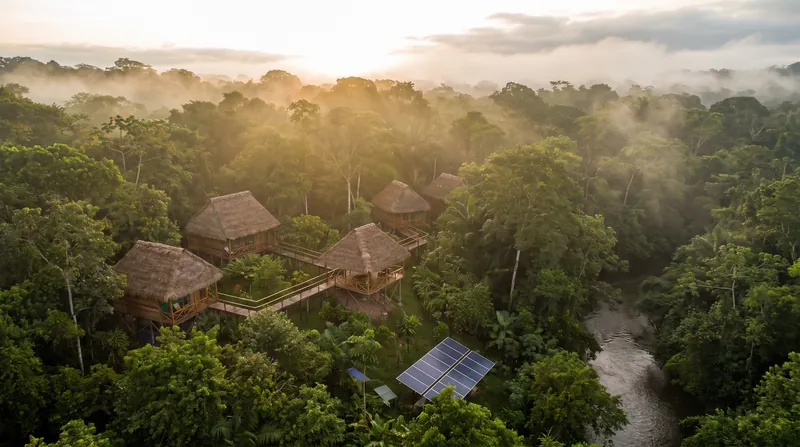
Community-Managed Ecotourism: Preventing Economic Leakage to Protect Biodiversity
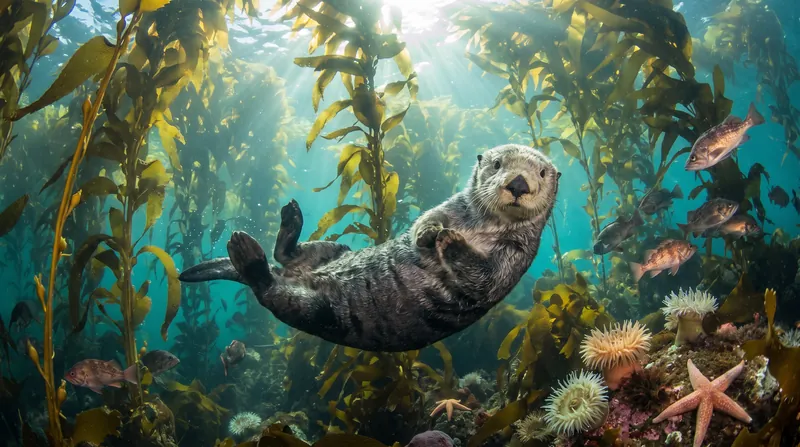
Why Apex Predators Govern Ecosystem Health Through Top-Down Trophic Cascades
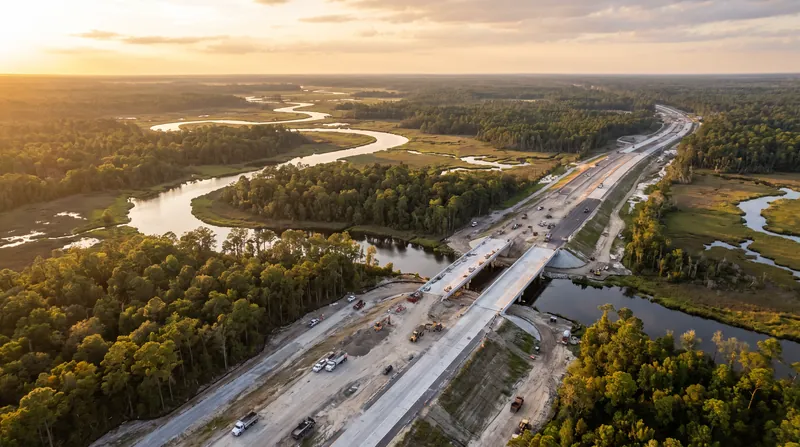
FWS Finalizes Major ESA Revisions, Requiring Economic Review for Critical Habitat and Repealing the 'Blanket Rule'

Why the UN Global Plastics Treaty Remains Deadlocked After Six Rounds
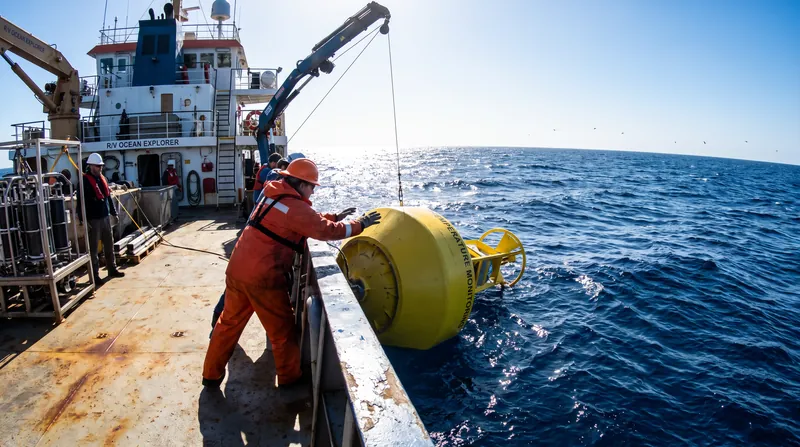
Explainer: The Science Behind the Ocean's 21.1°C Record and How Marine Ecosystems Adapt

Landmark French Court Ruling Forces TotalEnergies to Account for Scope 3 Emissions
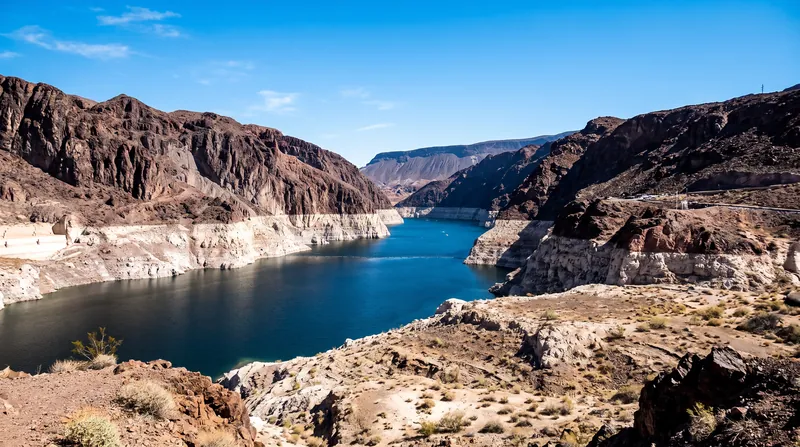
How 'Carbon Majors' Drove Half of the Western US Water Loss Over the Last Decade
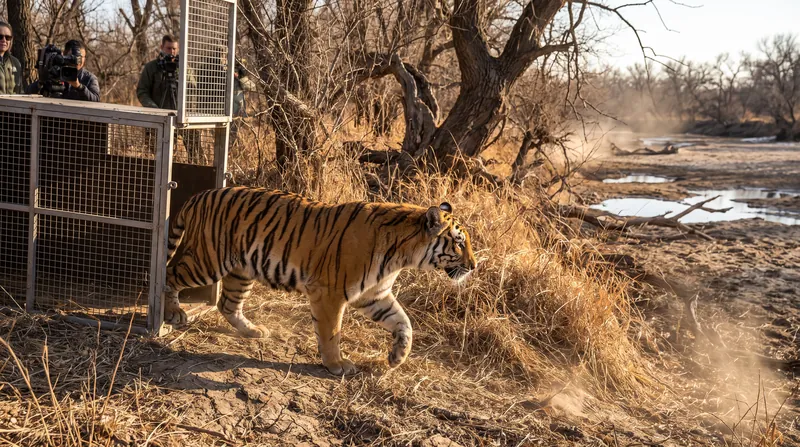
Caspian Tiger Reintroduction Begins in Kazakhstan 70 Years After Species Declared Extinct
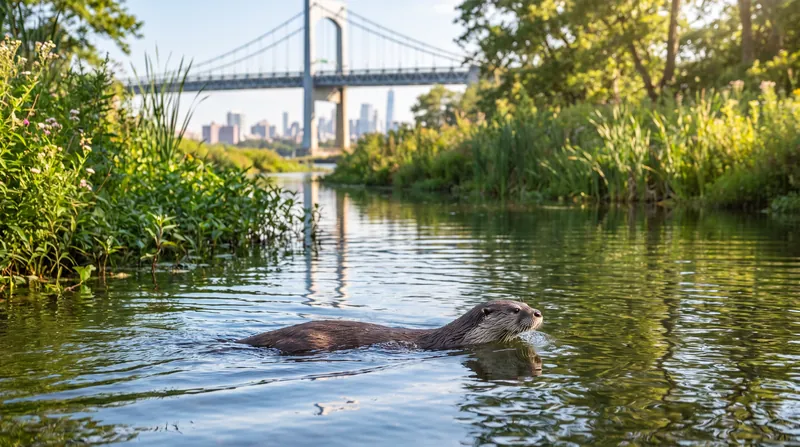
North American River Otter Spotted in Bronx River for First Time in 100 Years
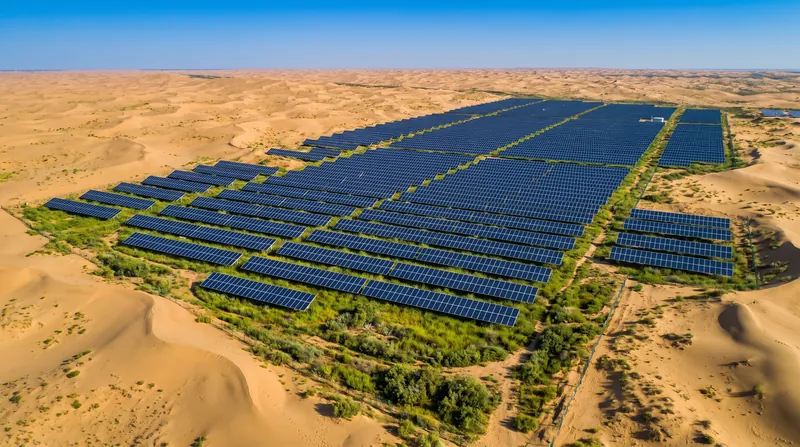
How Solar Infrastructure Is Restoring Desert Ecosystems in China and India
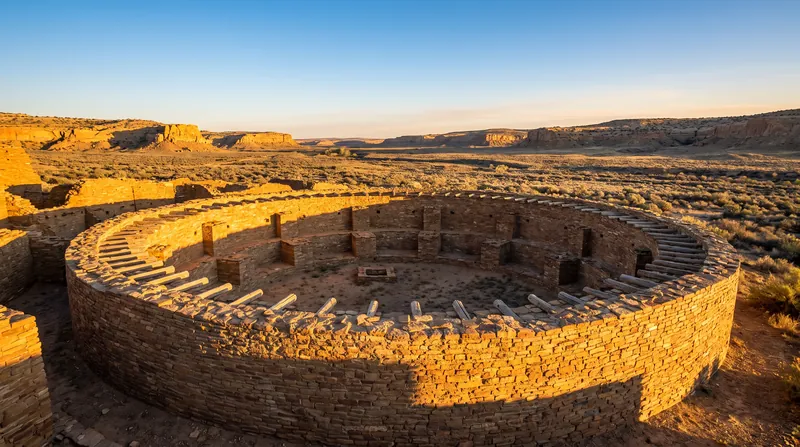
Explainer: What the Proposed Removal of the Chaco Canyon Buffer Zone Means for the Landscape
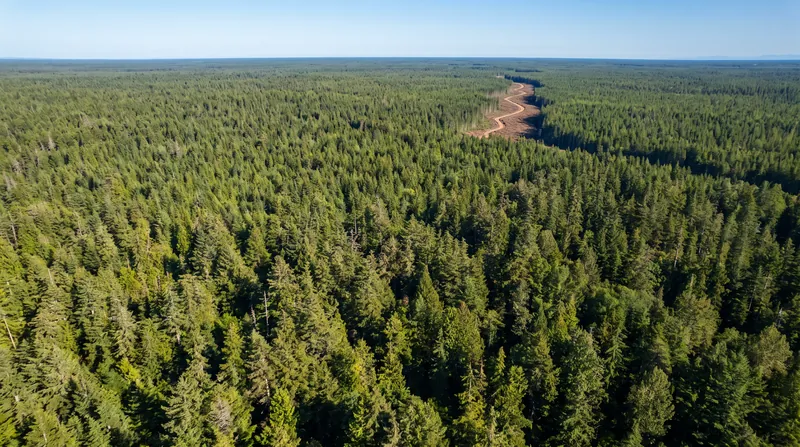
Explainer: What the USDA's Move to Rescind the Roadless Rule Means for National Forests
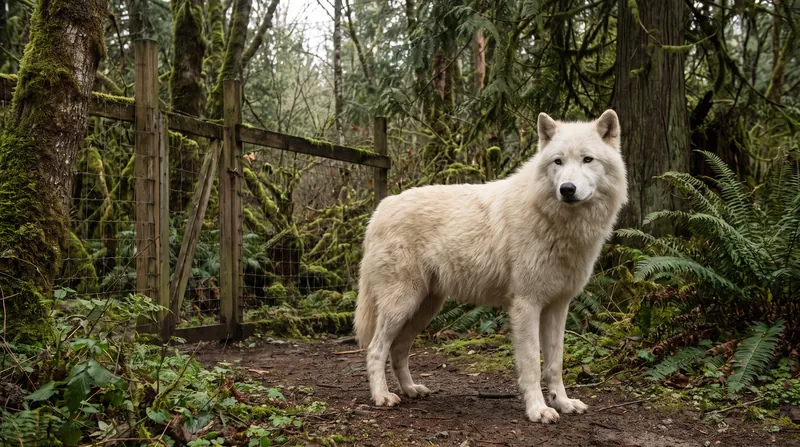
Colossal Biosciences Recreated Dire Wolves by Editing Modern Gray Wolf Genomes
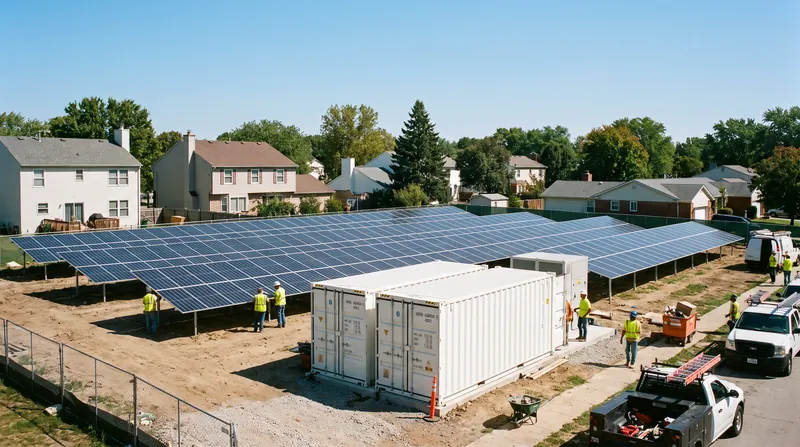
Appeals Court Rules EPA Cannot Block $20 Billion in Frozen Climate Grants

The 'God Squad': How the Endangered Species Committee Works and the 2026 Gulf Exemption

UN Analysis Quantifies North American Wildfire Smoke Exposure at 106 Million Person-Days
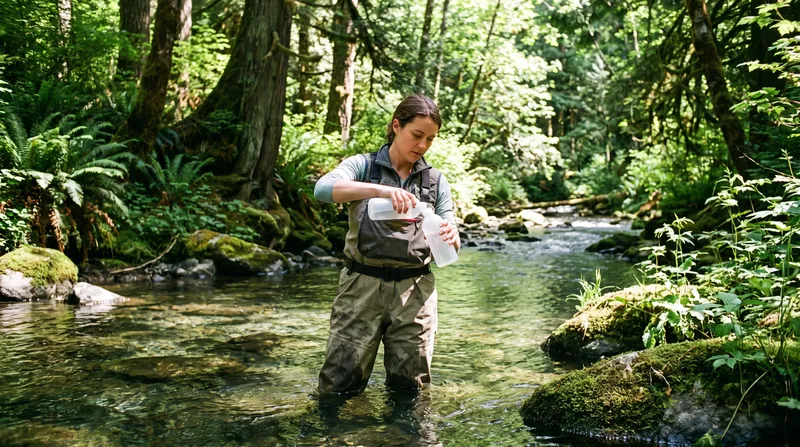
How Environmental DNA (eDNA) is Revolutionizing Wildlife Tracking
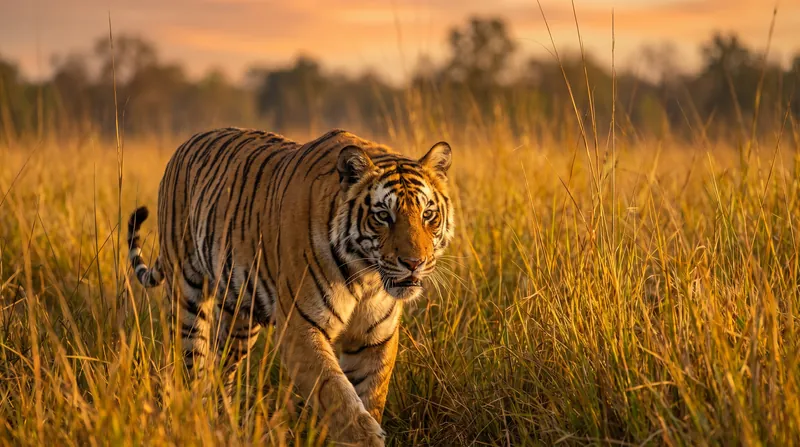
How Nepal Tripled Its Wild Tiger Population
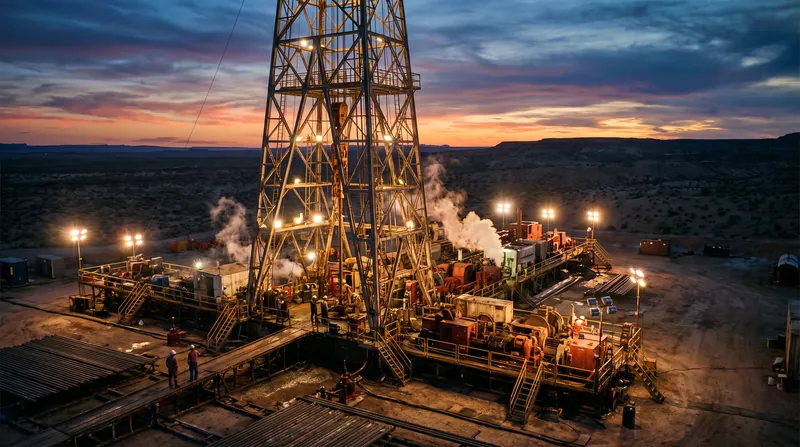
How Export Credit Guarantees Shape Global Energy Infrastructure
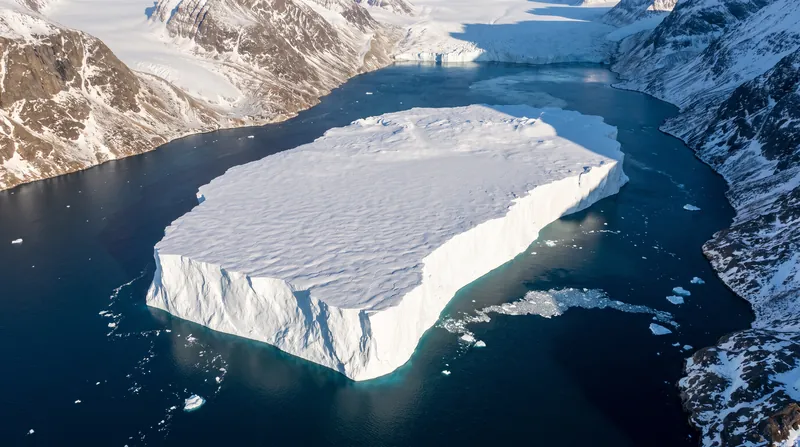
Greenland's Petermann Glacier Loses Manhattan-Sized Ice Island in Largest Arctic Calving Since 2020

How the Paris Agreement's 2035 Climate Targets Will Shape the Next Decade of Global Energy
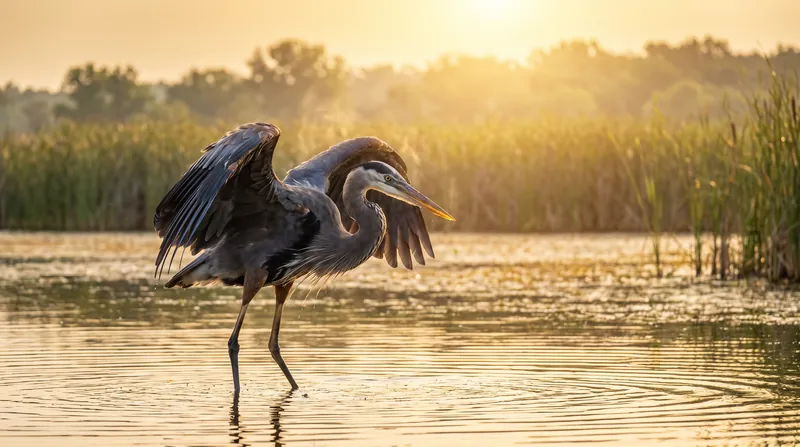
As a Third Heat Dome Traps 70 Million Americans, How Wildlife Survives the Extreme Heat
Latest guides
Active storylines
Trending in this topic
- AI and Bioacoustics in Wildlife Conservation
- Flesh-Eating Screwworm Parasite Detected in US Wildlife for First Time in 60 Years
- Countercurrent Gill Architecture Maintains Oxygen Extraction Efficiency Across Aquatic Species
- Extracellular Ice Nucleators Allow Wood Frogs to Survive Winter Freezes Without Cell Lysis
- How Pelagic Birds Use Supraorbital Glands to Drink Seawater and Survive the Open Ocean
- Artificial Lights Trap Flying Insects by Scrambling Inherent Dorsal Attitude Control Rather Than Attracting Them