
Oil & Gas
Follow Oil & Gas in the Factlen app and get an alert when there is news. Get the app

Venezuela Rebuilding
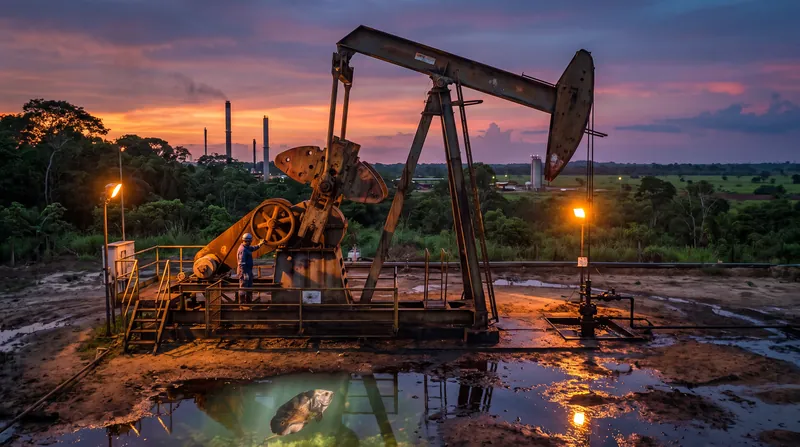
US Oil Giants Sign First Deals in Two Decades to Re-Enter Venezuela Following Maduro's Capture
5 sources · 60d ago
Pipeline Permitting
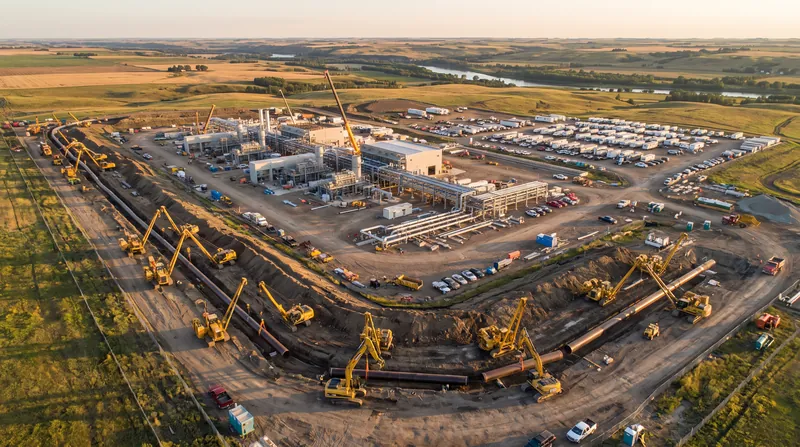
FERC Fast-Tracks Three Major Gas Pipelines to Boost LNG Export and Power Capacity
1 sources · 58d ago
Advanced Nuclear
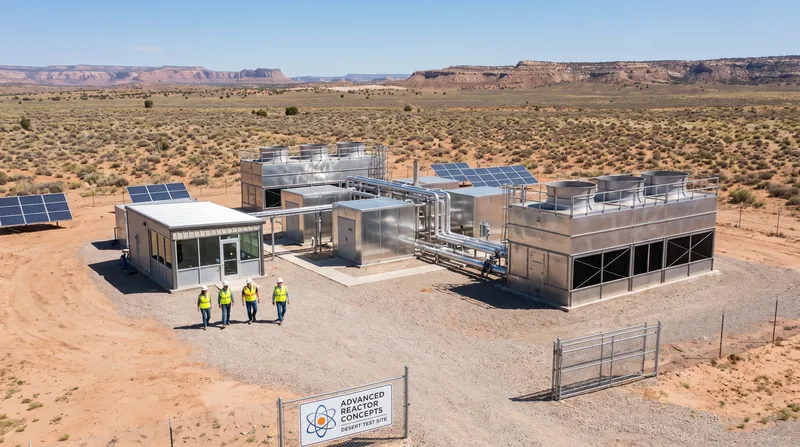
Four Advanced US Reactors Achieve Criticality, Marking First New Non-Light-Water Designs in 40 Years
6 sources · 56d ago
More in Oil & Gas
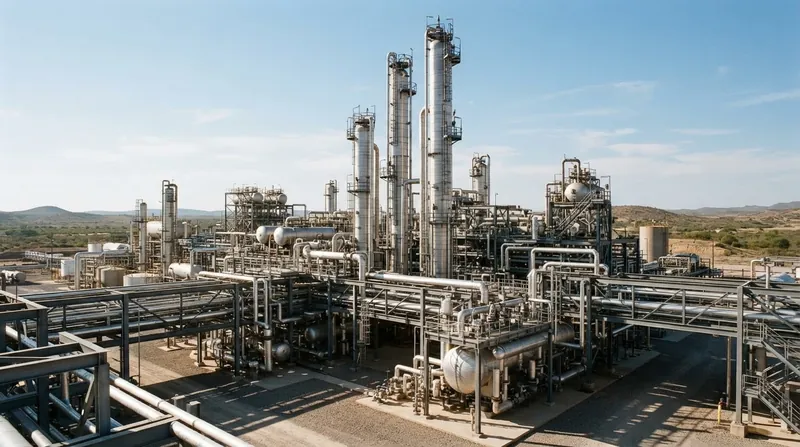
ExplainerGas Processing
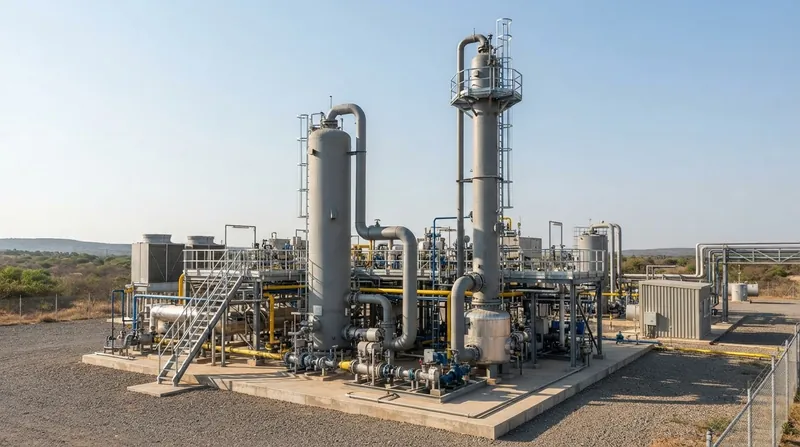
Amine Units Strip Hydrogen Sulfide and Carbon Dioxide Through Reversible Exothermic Absorption
Process Engineers 35%Energy Managers 35%Reliability Teams 30%
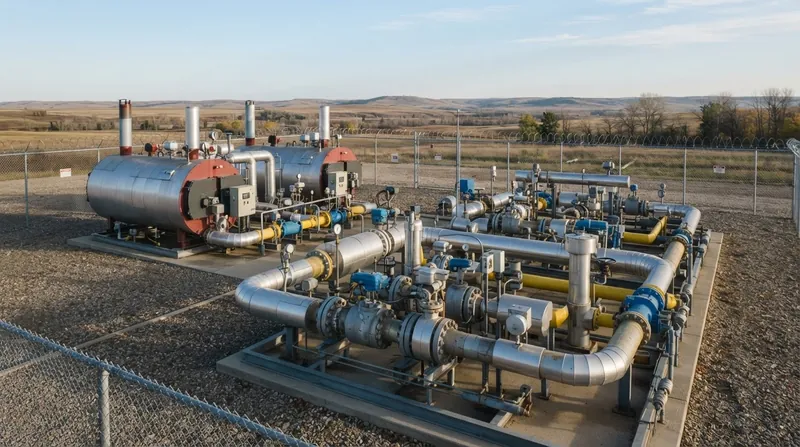
ExplainerGas Processing
Glycol Dehydration Columns Strip Dissolved Reservoir Water to Stop Gas Pipeline Hydrate Plugs
Flow Assurance Engineers 40%Environmental Regulators 35%Plant Operators 25%
ExplainerPipeline Engineering
Joule-Thomson Throttling Drops Natural Gas Temperatures 0.5°C per Bar, Forcing City Gate Stations to Pre-Heat Pipelines
Pipeline Engineers 40%Energy Efficiency Researchers 35%Thermodynamics Physicists 25%

ExplainerEnhanced Oil Recovery
Capillary Forces Lock Two-Thirds of Reservoir Crude in Micron Pores Because Waterfloods Cannot Overcome Interfacial Tension
Petroleum Engineers 40%Environmental Scientists 30%Energy Economists 30%
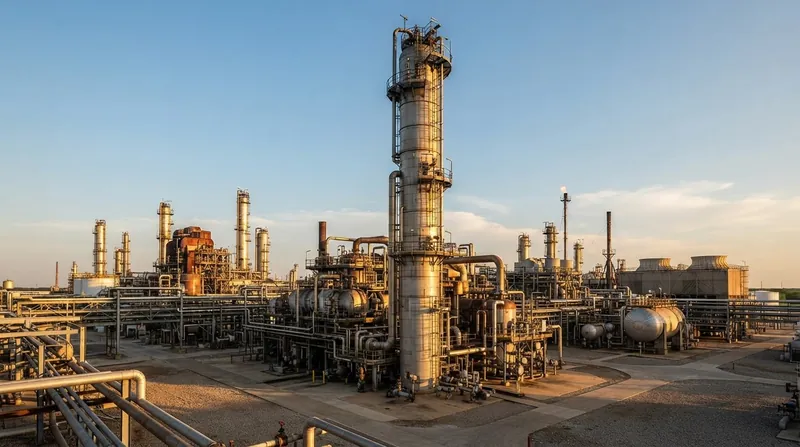
ExplainerRefining Physics
Why Refineries Operate Below 40 Torr to Avert Thermal Cracking in Heavy Crude
Process Engineers 40%Refinery Economists 35%Environmental Analysts 25%
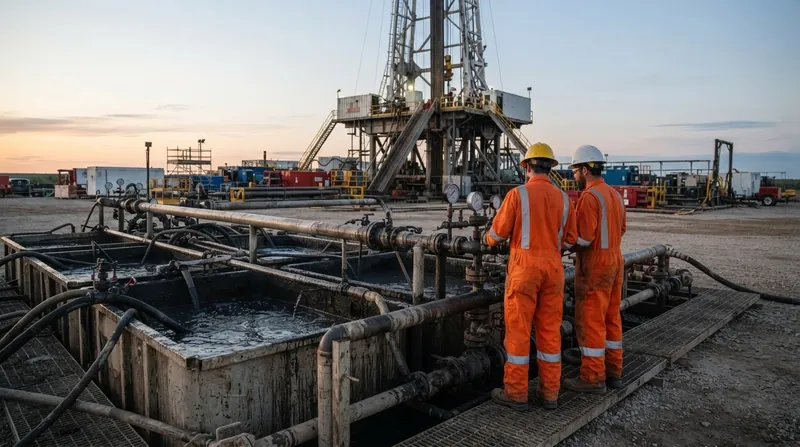
ExplainerWellbore Stability
Drilling Mud Density Must Stay Between Formation Pore Pressure and Rock Fracture Limits to Avert Deep Well Blowouts
Drilling Engineers 40%Geomechanical Analysts 30%Well Control Specialists 30%

ExplainerThermodynamics
Latent Heat of Boil-Off Vaporization Maintains Minus 162°C: Why LNG Tankers Transport Liquid Methane Without Active Chillers
Naval Architects and Shipbuilders 40%Fleet Operators and Charterers 35%Environmental Regulators 25%

ExplainerGrid Economics
The Merit Order Effect That Determines Which Power Plants Run First
Grid Operators 38%Renewable Developers 31%Thermal Generators 31%
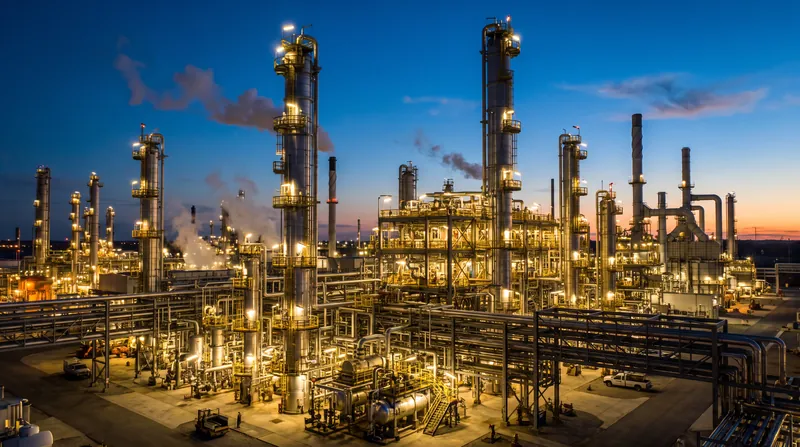
ExplainerRefining Economics
The 45 Gallons of Finished Product and Processing Gain That Come From a 42-Gallon Barrel of Crude Oil
Energy Market Analysts 40%Refinery Operators 40%Environmental Economists 20%
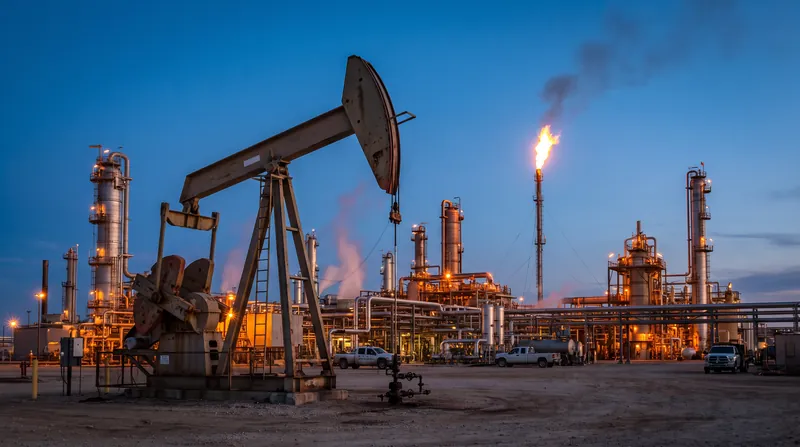
ExplainerEnergy Metrics
The 6,000 Cubic Feet of Natural Gas That Defines a Barrel of Oil Equivalent (BOE)
Thermal Equivalence Advocates 40%Financial Valuation Analysts 40%Regulatory Bodies 20%
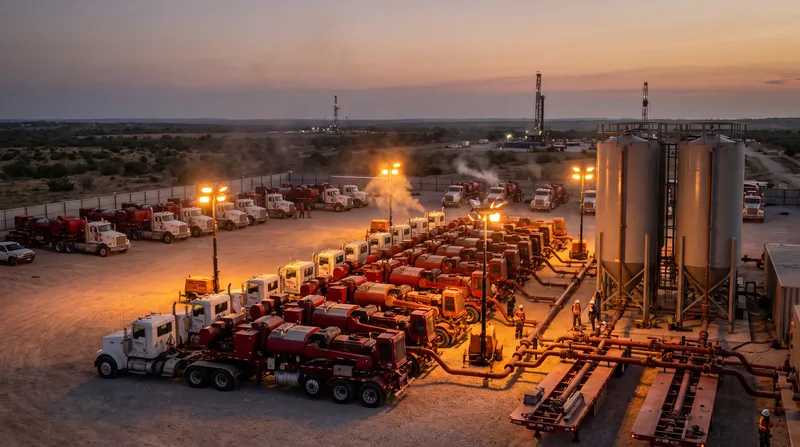
ExplainerRock Mechanics
The Mohr-Coulomb Failure Criterion That Dictates Rock Fracture in Hydraulic Fracturing
Classical Geomechanicists 40%Deep Shale Engineers 40%Computational Modelers 20%

Deep DiveFlow Assurance
The Phase Diagram and Inhibitors That Prevent Methane Hydrate Formation in Subsea Pipelines
Thermodynamic Inhibitor Proponents 35%Low-Dosage Chemical Advocates 35%Flow Assurance Engineers 30%
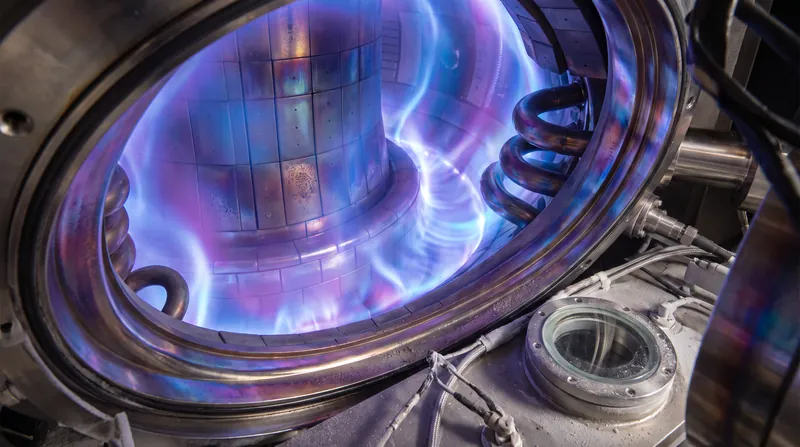
ExplainerNuclear Physics
The Iron-56 Peak and the Binding Energy Curve That Dictate Nuclear Yields
Fission Engineering Advocates 40%Fusion Research Community 40%Theoretical Physicists 20%

ExplainerGrid Economics
The Security-Constrained Economic Dispatch Algorithm That Sets the Real-Time Wholesale Electricity Price
Deterministic Reliability Advocates 40%Stochastic Efficiency Proponents 30%Risk-Sensitive Modelers 30%
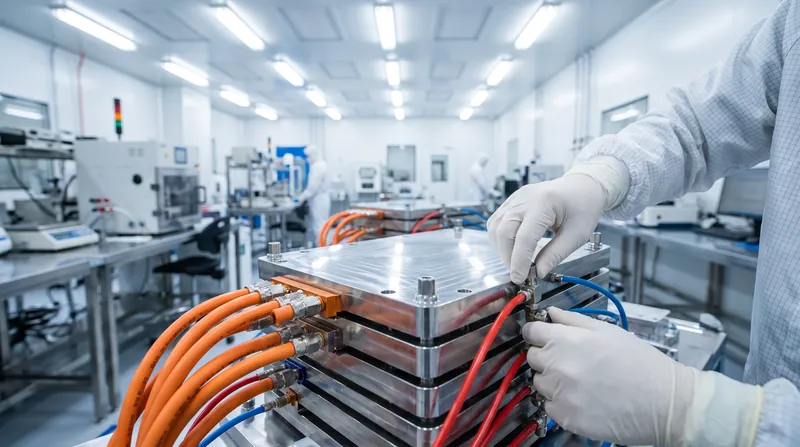
Deep DiveFuel Cell Physics
The Nernst Equation and the Proton Exchange Membrane That Dictate Fuel Cell Voltage and Efficiency
Commercial Integrators 40%Thermodynamic Purists 30%Materials Scientists 30%

ExplainerHenry Hub Pricing
The 1,020 BTU Per Standard Cubic Foot That Defines the Henry Hub Natural Gas Price
Financial Traders & Exchanges 35%Pipeline Operators 35%Physical Gas Suppliers & Analysts 30%
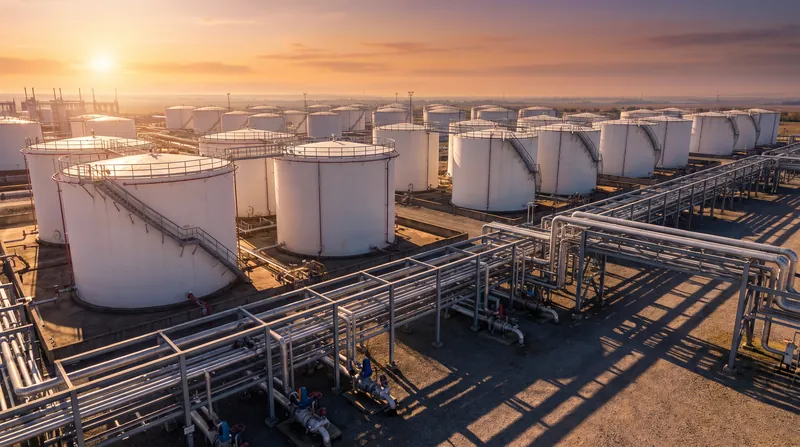
ExplainerBenchmark Economics
Evaluating Brent and WTI Crude Benchmarks: Physical Properties Versus Financial Premiums
Physical Refiners 35%Financial Speculators 35%Global Exporters 30%

ExplainerPetroleum Geology
How Source, Reservoir, and Seal Rocks Dictate the Viability of Conventional Hydrocarbon Systems
Basin Modelers 35%Reservoir Engineers 35%Exploration Geophysicists 30%
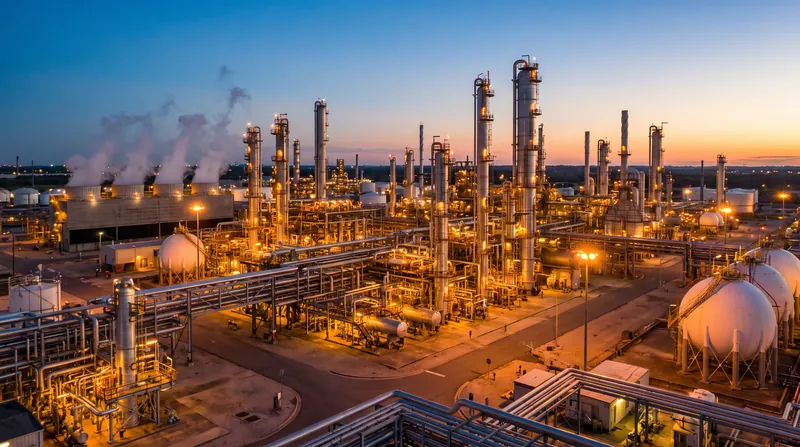
ExplainerRefining Margins
The 3:2:1 Ratio and the Futures Contracts That Define the Refinery Crack Spread
Commercial Refiners 40%Energy Speculators 35%Market Analysts 25%
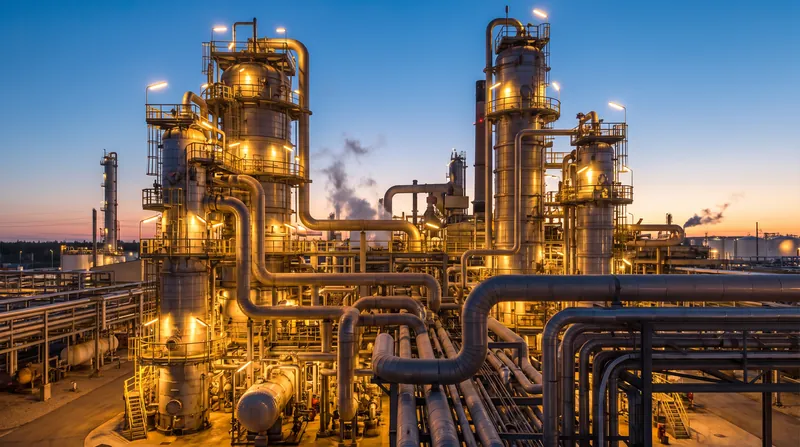
ExplainerRefining Tech
The Zeolite Catalyst and 500°C Temperature That Dictate a Refinery's Gasoline-to-Fuel Oil Ratio
Transport Fuel Maximizers 60%Petrochemical Integrators 40%

Deep DiveReservoir Engineering
How Arps' Decline Curve Equations Forecast Oil Production and Where They Fail in Shale Reservoirs
Traditional Reservoir Engineers 40%Unconventional Modelers 35%Machine Learning Forecasters 25%
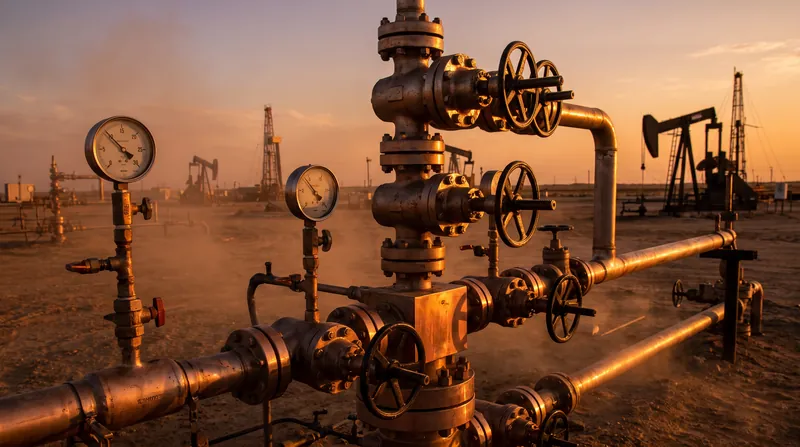
Deep DiveEnhanced Oil Recovery
Evaluating CO2 Miscible Flooding Versus Steam Injection for Enhanced Oil Recovery
Thermal Recovery Engineers 50%Miscible Gas Specialists 50%
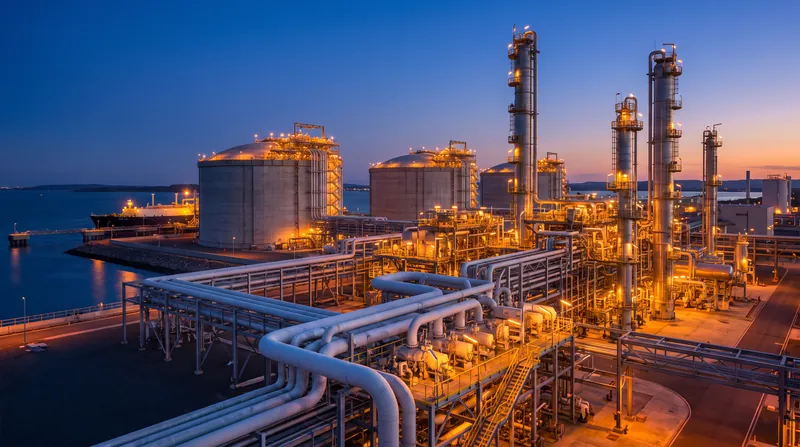
Deep DiveLNG Engineering
How Cascade, Mixed Refrigerant, and SMR Liquefaction Cycles Dictate LNG Plant Efficiency and Capital Costs
Thermodynamic Maximizers 40%Capital & Spatial Pragmatists 35%Standardization Advocates 25%

ExplainerPetroleum Economics
Allocating Petroleum Risk: How Concessions, Production Sharing, and Service Contracts Distribute Revenue
Host Governments 40%International Oil Companies 40%Industry Analysts 20%
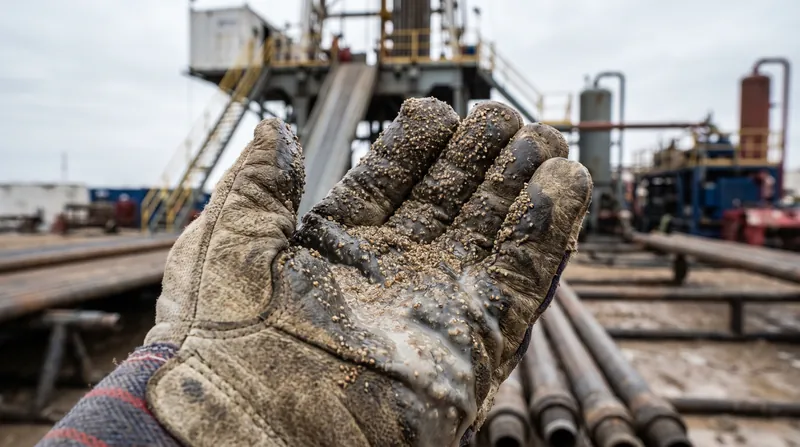
Deep DiveWell Economics
How Proppant Conductivity and Fluid Viscosity Determine the Economic Viability of a Shale Well
Shale Operators 50%Completion Engineers 30%Proppant Manufacturers 20%
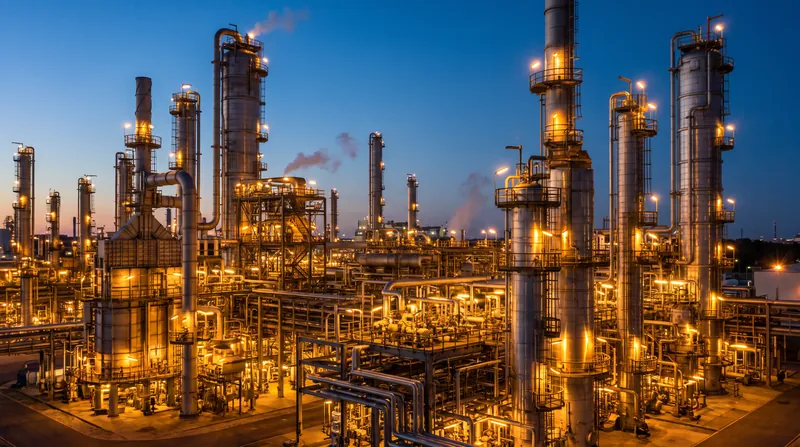
Deep DiveCrude Oil Grades
API Gravity and Sulfur Content Dictate Crude Oil Pricing and Refining Complexity
Simple Refinery Operators 35%Complex Refinery Operators 35%Commodity Analysts 30%

ExplainerDeepwater Infrastructure
Why Deepwater Oil Operators Choose Between Billion-Dollar FPSOs and Subsea Tie-Backs
Standalone Development Advocates 50%Infrastructure-Led Exploration (ILX) 50%
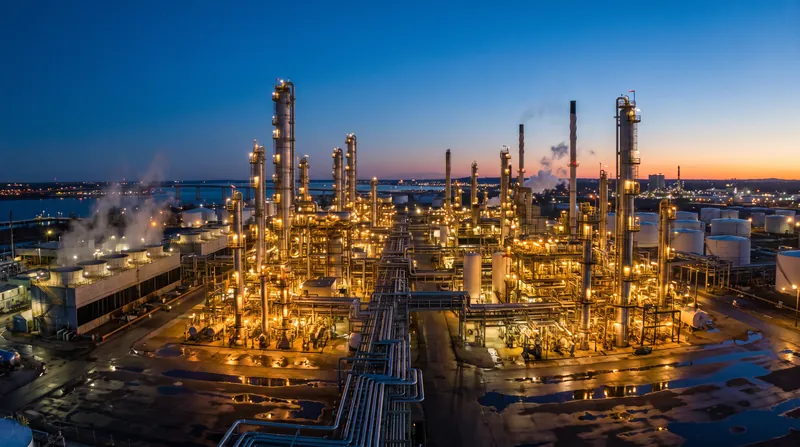
Deep DiveRefinery Tech
How Distillation, Cracking, and Coking Turn Crude Oil Into Usable Fuel
Refinery Operators 40%Energy Economists 35%Occupational & Environmental Analysts 25%
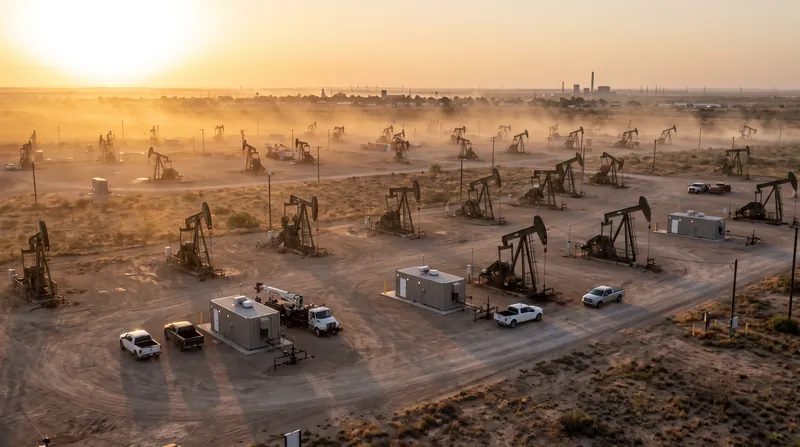
ExplainerArtificial Lift
How ESPs, Rod Pumps, and Gas Lift Keep Wells Flowing as Reservoir Pressure Drops
High-Volume Drawdown Advocates 40%OPEX Minimization Strategists 35%Infrastructure-Leveraged Operators 25%
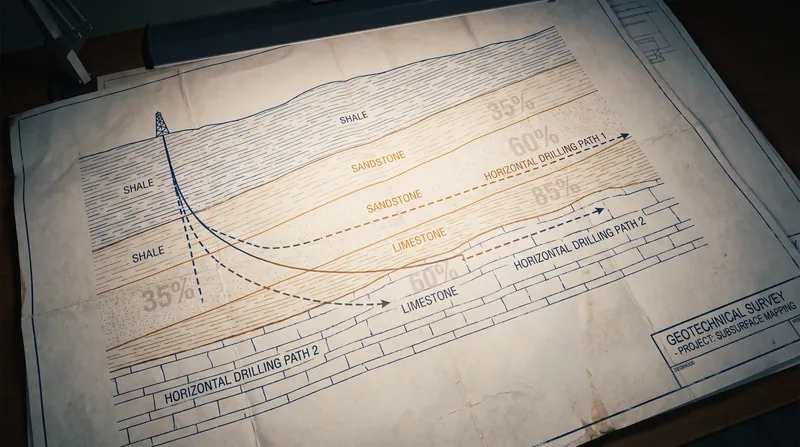
ExplainerReserve Accounting
How 1P, 2P, and 3P Reserve Rules Translate Geological Data Into Energy Valuations
Regulatory Compliance 40%Engineering & Operations 40%Financial Valuation 20%
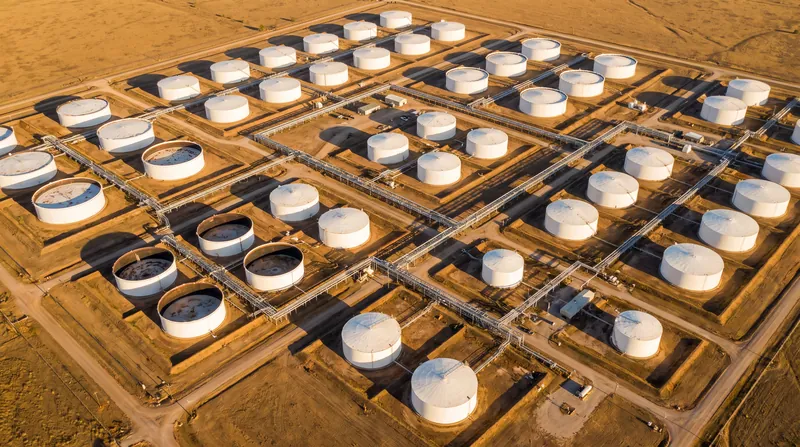
Deep DiveOil Benchmarks
Physical Supply Chains and Bottlenecks Drive Brent and WTI Crude Price Spreads
Physical Market Traders 40%Financial Speculators 35%Upstream Producers 25%
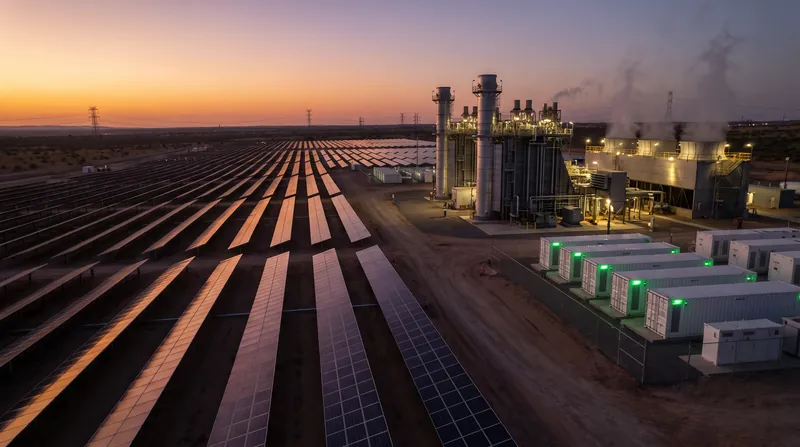
ExplainerGrid Economics
Why the Levelized Cost of Energy Overlooks Grid Integration and Dispatchability
Grid Operators and Reliability Planners 65%Traditional Energy Economists 35%
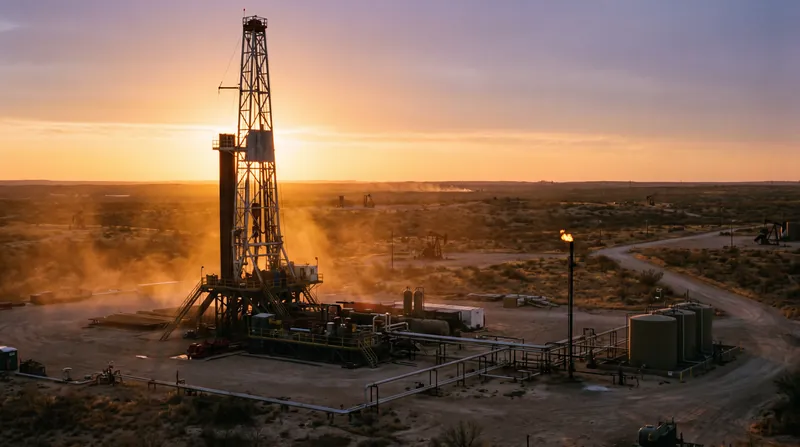
AnalysisBasin Economics
Permian Basin Set to Surpass Marcellus as Largest US Natural Gas-Producing Region by 2028
Associated Gas Producers 40%Dry Gas Producers 35%Energy Market Analysts 25%
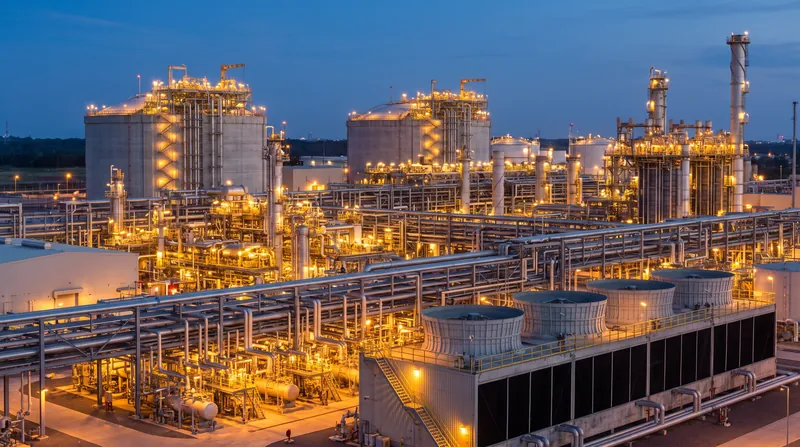
ExplainerCorporate Strategy
Woodside Energy Abandons $5 Billion Clean Energy Target to Double Down on LNG
Traditional Energy Investors 40%Climate Advocates 30%Market Analysts 30%
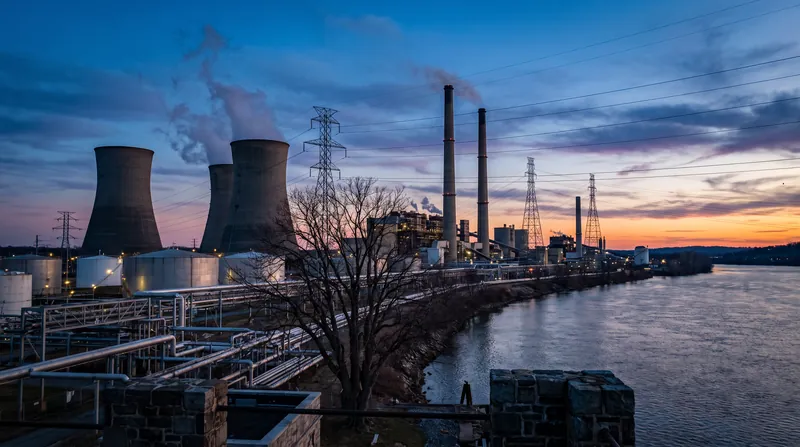
ExplainerGrid Reliability
The Trade-Offs of Emergency Grid Orders: Keeping Pennsylvania's Eddystone Plant Online
Federal Reliability Advocates 40%Market & Environmental Critics 40%Grid Operators & Utilities 20%

OPEC+ QuotasTrade-Off Analysis
OPEC+ Agrees to Fully Unwind Voluntary Production Cuts, Boosting September Oil Supply by 188,000 BPD
Price Floor Defenders 55%Volume Restoration Advocates 45%

Vaca Muerta LNGTrade-Off Analysis
$51 Billion Argentina LNG Mega-Project Takes Key Step Toward FID, Unlocking Vaca Muerta Gas
Project Developers 40%Economic Planners 35%Infrastructure Analysts 25%
AnalysisPermian Basin
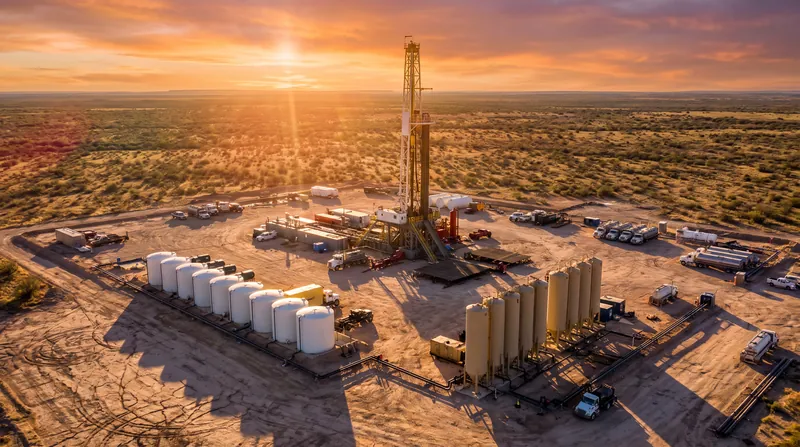
Permian Super-Lateral Wells Exceeding 15,000 Feet Drive 284% Production Surge Since 2015
Energy Data Analysts 50%Efficiency-Focused Operators 30%Infrastructure Monitors 20%

Rovuma LNGTrade-Off Analysis
ExxonMobil Awards $1.1 Billion in Advance Contracts to Propel $30 Billion Mozambique LNG Mega-Project
Global Energy Security Advocates 40%Economic Development Proponents 35%Risk and Stability Analysts 25%
Refining MarginsTrade-Off Analysis
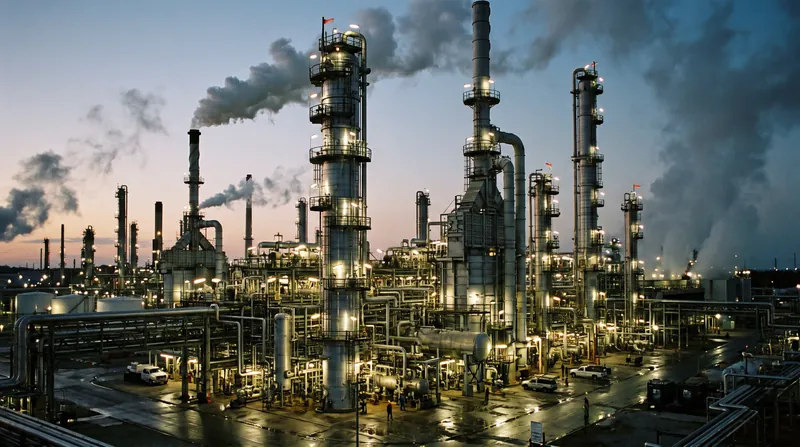
Why Releasing Crude Oil Cannot Solve a Refining Bottleneck: The Mechanics of the Diesel Crack Spread
Downstream Analysts 40%Upstream Analysts 30%Industrial Consumers 30%

Equatorial Margin DrillingTrade-Off Analysis
Petrobras Confirms Major Oil Find Near Amazon Mouth as Lula Calls It a 'Passport to Brazil's Future'
Economic & Energy Security Advocates 45%Environmental & Climate Defenders 35%General News & Political Observers 20%

Regulatory PolicyTrade-Off Analysis
South Africa's High Court Sets Aside Shell's Wild Coast Exploration Permit After Five-Year Legal Battle
Environmental & Community Advocates 50%Energy Industry & Investment Proponents 30%Legal & Administrative Observers 20%
ExplainerCarbon Capture
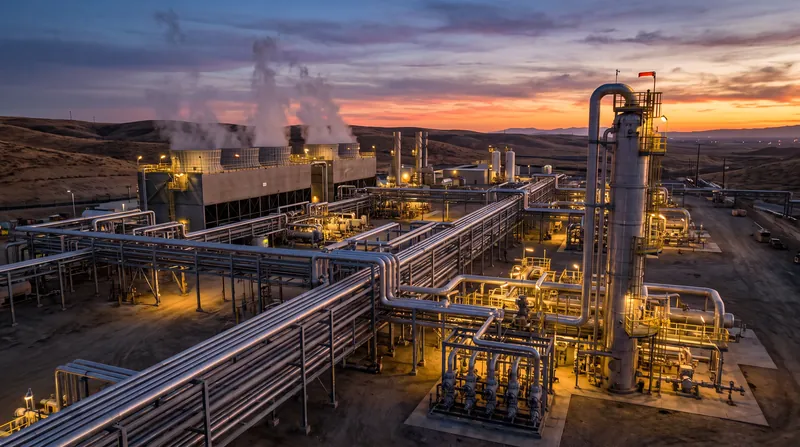
The $30 Billion Question: Who Pays for Carbon Capture Leak Liability?
Taxpayer & Environmental Advocates 40%CCS Developers & Financiers 40%Legal & Regulatory Analysts 20%
Deep DiveCapital Allocation
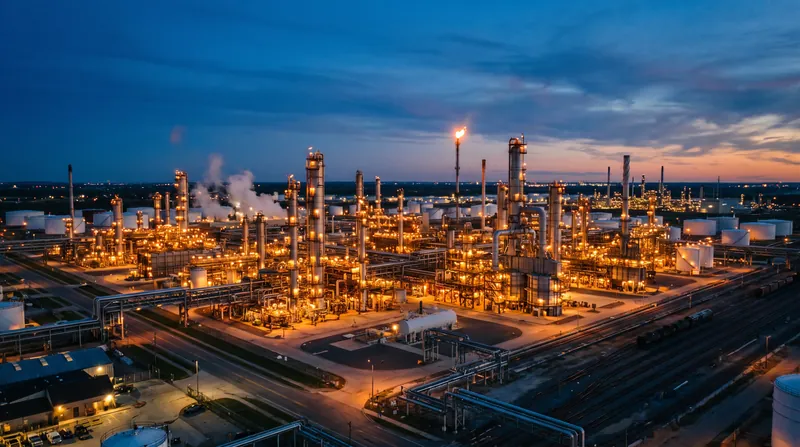
How Big Oil is Quietly Engineering Balance Sheets to Survive $50 Crude
Balance Sheet Conservatives 45%Yield-Seeking Shareholders 35%Growth & Transition Advocates 20%

Grid InfrastructureStrategy Compare
US Government Spends $3.9 Billion to Cancel Offshore Wind Leases, Redirecting Investment to Fossil Fuels
Energy Pragmatists & Fossil Fuel Advocates 40%Environmental Advocates & State Governments 40%Market & Infrastructure Analysts 20%

Supply Chain ResiliencyPolicy Decision
US Imposes 15% Tariff and Price Floors on Polysilicon for Solar Panels and Microchips
Domestic Manufacturers 50%Renewable Developers 30%International Trade Partners 20%
Per page