
International Cuisine
Follow International Cuisine in the Factlen app and get an alert when there is news. Get the app
Menu Adaptation
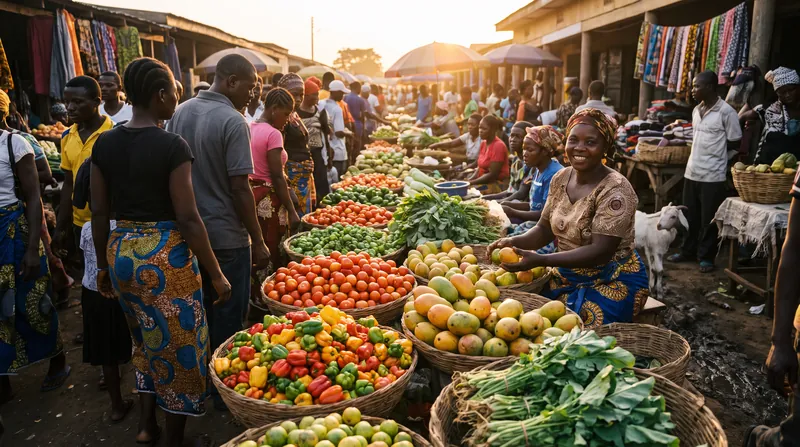
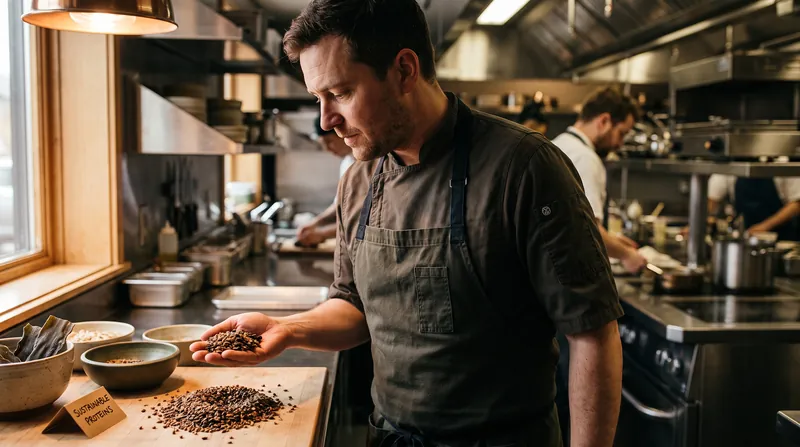
Record-Breaking El Niño Forces Top International Chefs to Rewrite Menus Amid Global Ingredient Shortages
5 sources · 25d ago
Food Trade
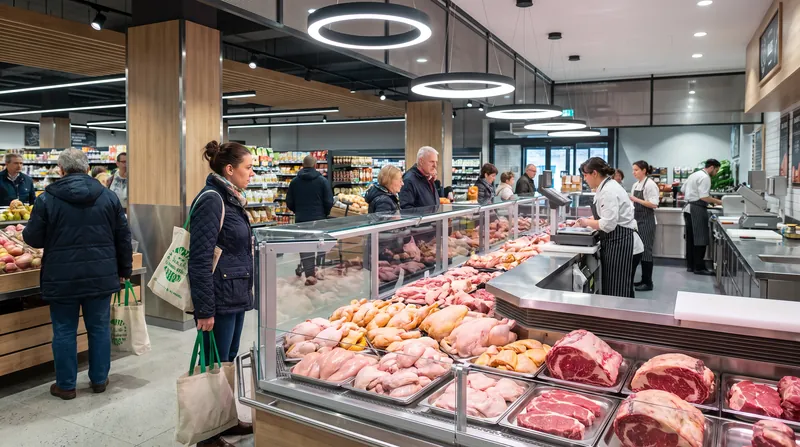
EU Ban on Brazilian Beef, Poultry, and Honey Exports Imminent Over Antimicrobial Rules
7 sources · 57d ago
Global Food Trade
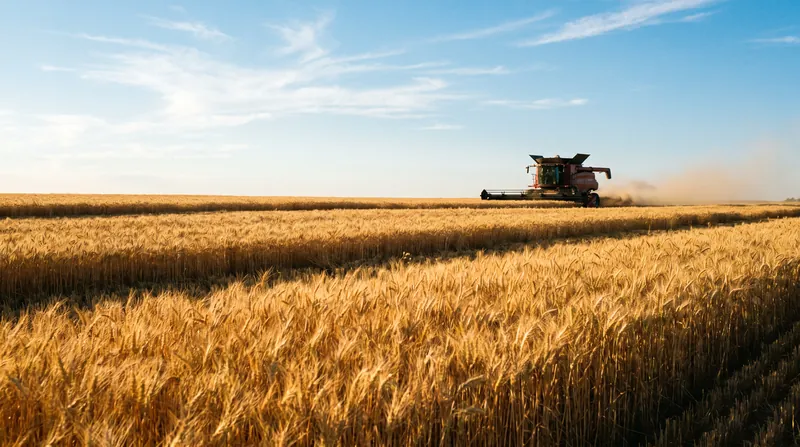
WTO Dispute Escalates as US and Allies Challenge India's $60 Billion Rice and Wheat Subsidies
6 sources · 63d ago
More in International Cuisine
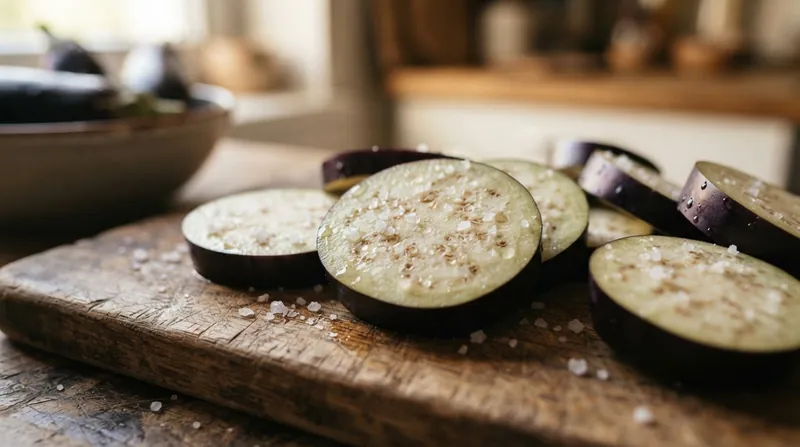
ExplainerCulinary Science
Why Salting Eggplant Squeezes Out Collapsed Air Pockets Rather Than Bitter Juices
Food Scientists 40%Traditional Cooks 30%Modern Recipe Developers 30%
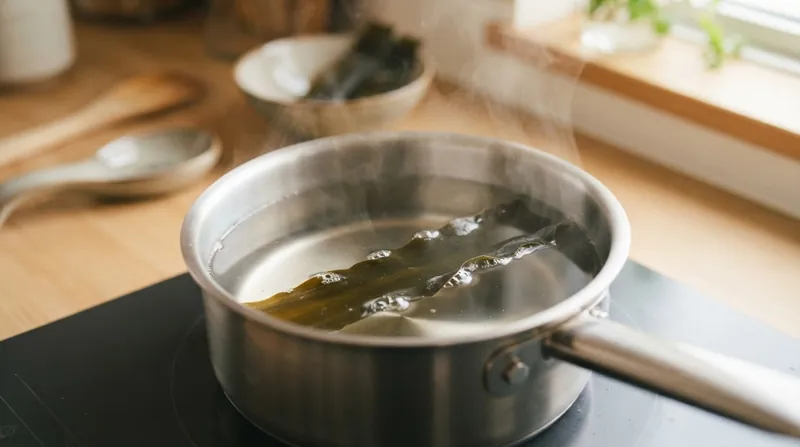
ExplainerCulinary Science
Why Removing Kombu Below 80°C Prevents Bitter Dashi
Culinary Scientists 40%Traditional Washoku Chefs 35%Home Cooks 25%
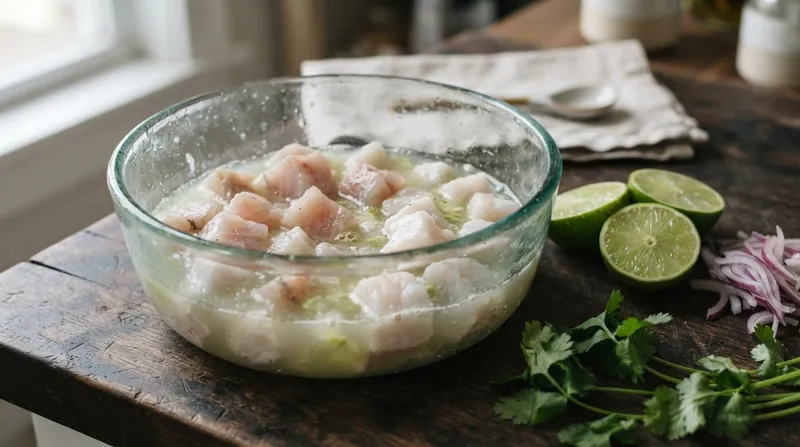
ExplainerFood Safety
Why Citrus Acid 'Cooks' Ceviche but Cannot Destroy Foodborne Parasites
Public Health Regulators 45%Food Safety Researchers 35%Culinary Traditionalists 20%
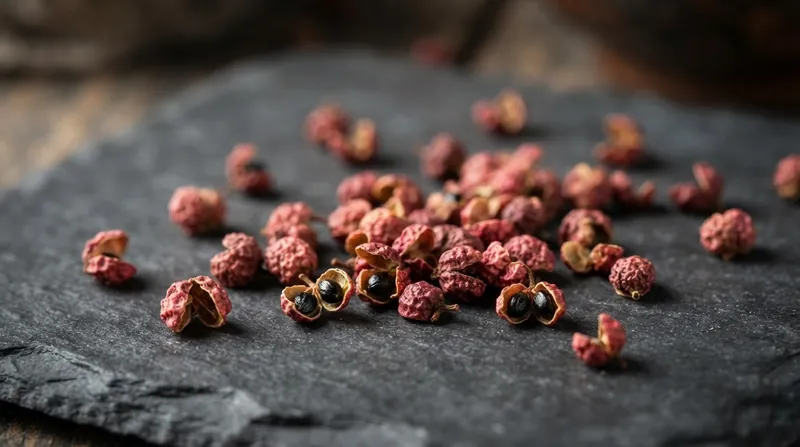
ExplainerFood Science
How Sichuan Pepper Blocks Potassium Channels to Vibrate Tactile Nerves at 50 Hertz
Sensory Neuroscientists 40%Culinary Scientists 40%Factlen Editorial 20%
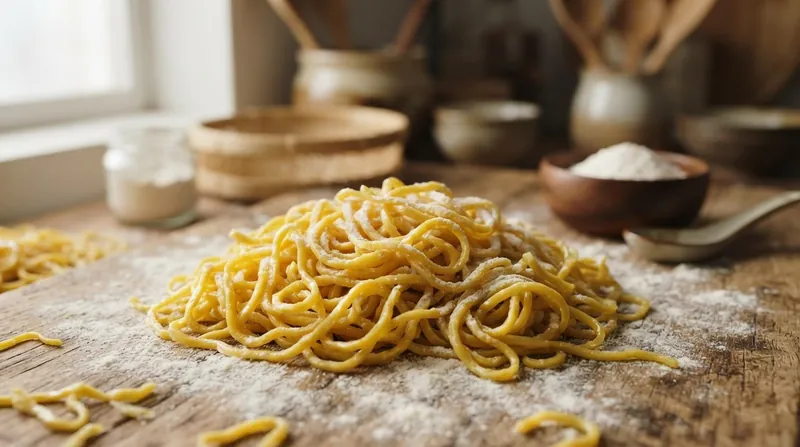
ExplainerFood Chemistry
The pH 9 Reaction: How Alkaline Salts Give Eggless Ramen Its Yellow Hue and Snap
Food Chemists 40%Culinary Traditionalists 35%Industrial Manufacturers 25%
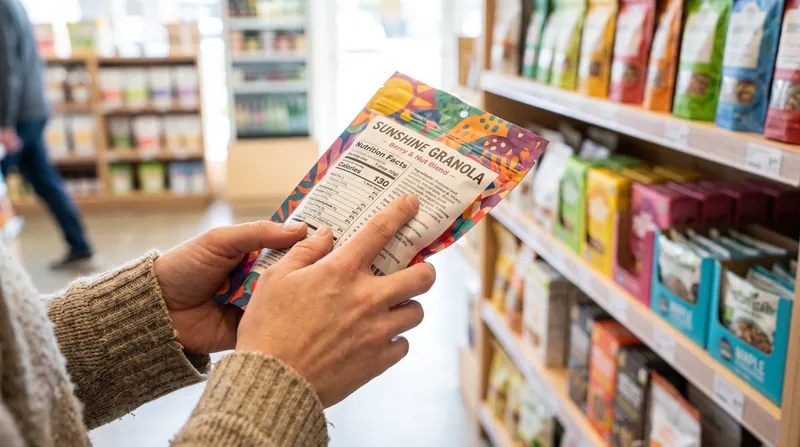
ExplainerFood Labeling
The 20% to 40% Variation: How Different Countries Define a 'Serving Size' for Packaged Food
Public Health Regulators 40%Behavioral Nutritionists 35%Food Industry Manufacturers 25%
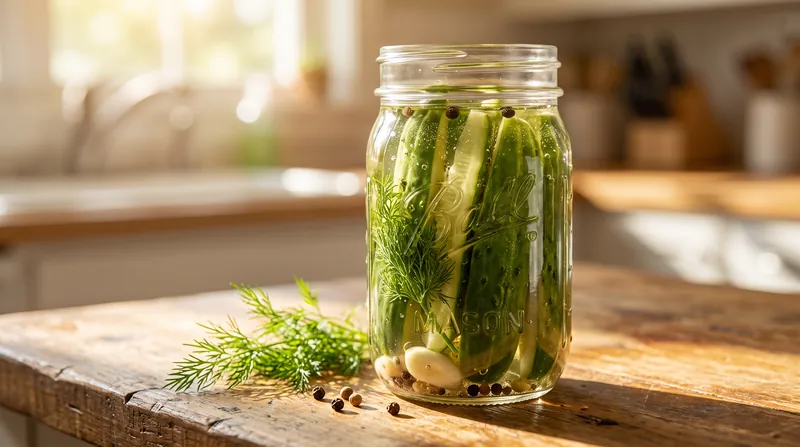
ExplainerFood Chemistry
The 4.6 pH Safety Line: How Acetic Acid Concentration Dictates the Microbial Stability of Vinegar-Based Pickles
Food Safety Regulators 40%Food Scientists 35%Home Preservationists 25%
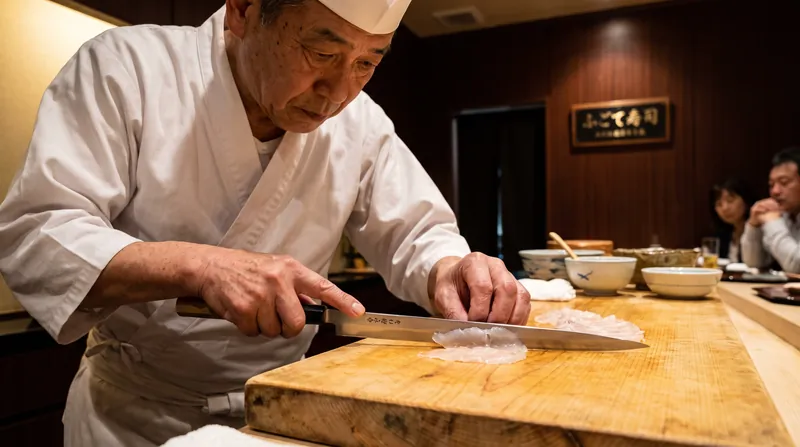
ExplainerFood Toxicology
The 8 Nanogram Per Kilogram Lethal Dose: How Tetrodotoxin Blocks Voltage-Gated Sodium Channels to Make Fugu the World's Most Dangerous Delicacy
Traditional Fugu Chefs 40%Marine Toxicologists 35%Public Health Regulators 25%
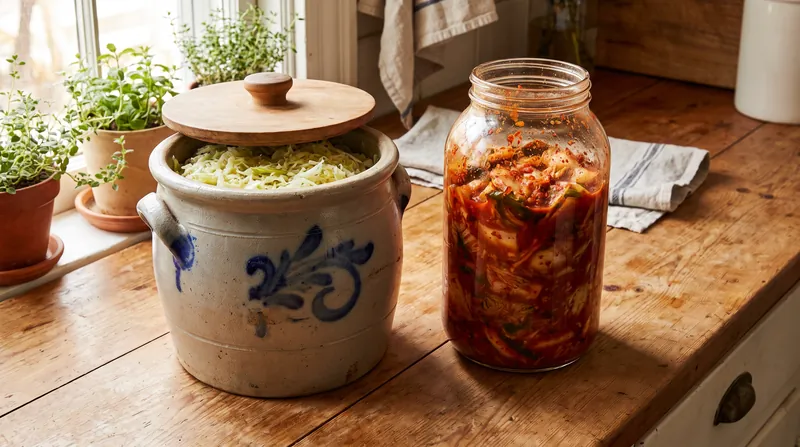
ExplainerFermentation Science
The 1.0 to 1.5 pH Drop: How Lactic Acid Bacteria Convert Sugars to Acid to Define the Texture and Safety of Sauerkraut and Kimchi
Microbial Ecologists 40%Food Safety Experts 30%Culinary Scientists 30%

ExplainerAltitude Cooking
The 1°C Drop Per 1,000 Feet: How Barometric Pressure Dictates Boiling Point and Recipe Adjustment
High-Altitude Bakers 35%Food Preservation Authorities 35%Culinary Physicists 30%
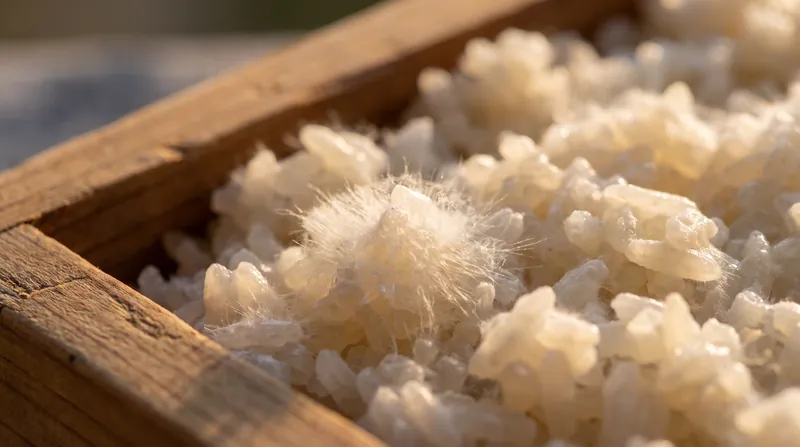
ExplainerKoji Fermentation
The 5°C Enzyme Shift: How Koji Temperature Controls the Amylase-Protease Balance for Sake vs. Soy Sauce
Traditional Fermenters 40%Industrial Microbiologists 35%Modern Gastronomy Chefs 25%
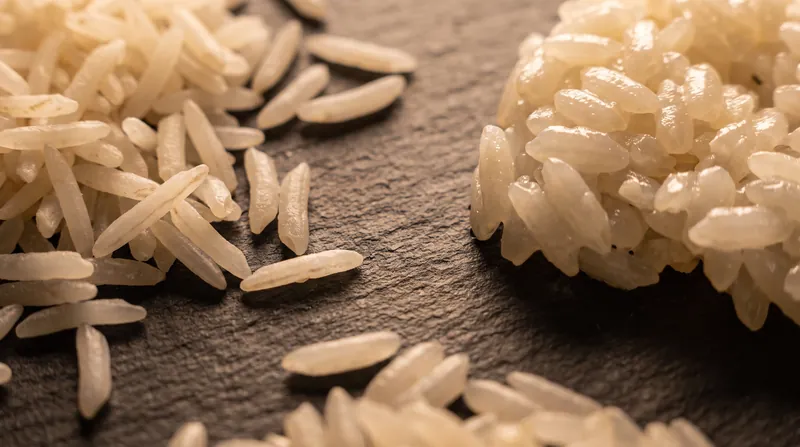
ExplainerStarch Chemistry
The Amylose-Amylopectin Ratio: How Starch Composition Dictates the Texture of Global Rice Varieties
Culinary Science 40%Agricultural Genetics 30%Nutritional Biochemistry 30%
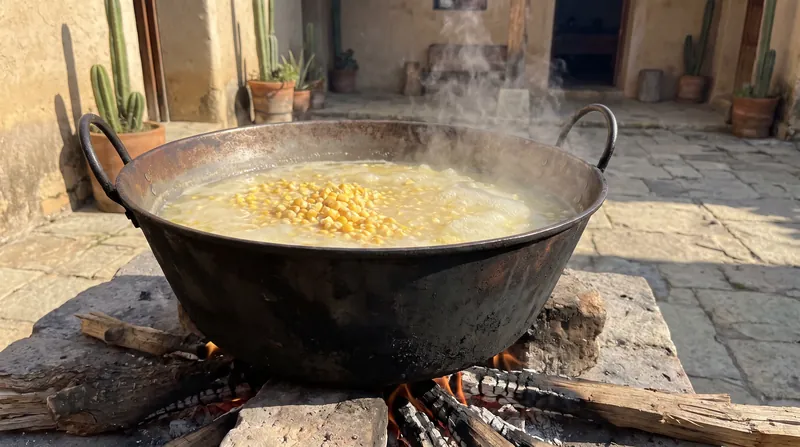
ExplainerFood Chemistry
How an Alkaline Steep of Calcium Hydroxide Unlocks Niacin and Gelatinizes Starch in Raw Maize
Food Scientists & Nutritionists 40%Traditional Culinary Preservationists 35%Industrial Masa Producers 25%
ExplainerCulinary Science
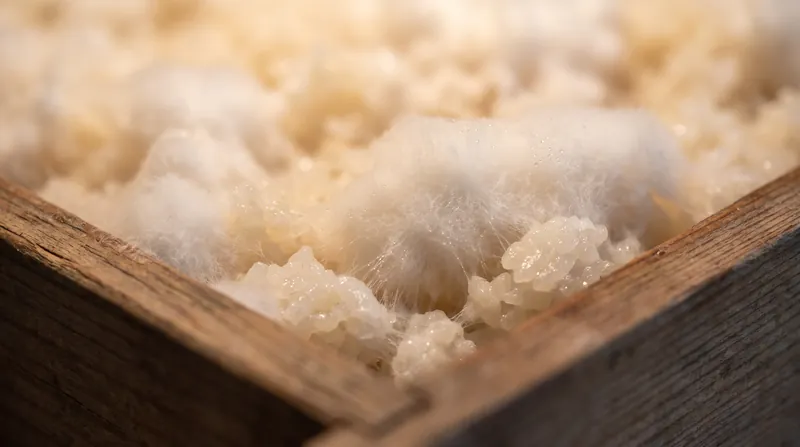
How a 9,000-Year-Old Mold Became the Most Powerful Flavor Tool in Modern Kitchens
Culinary Innovators 40%Industrial Microbiologists 35%Traditional Fermenters 25%
ExplainerFermentation Science
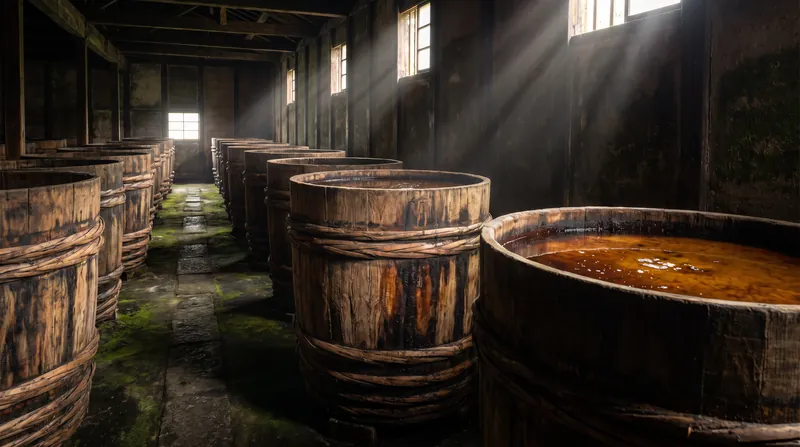
Why Wheat Content and Fermentation Separate Soy Sauce, Tamari, and Shoyu in Cooking
Traditional Artisans 40%Food Chemists 35%Culinary Practitioners 25%
ExplainerFlavor Chemistry
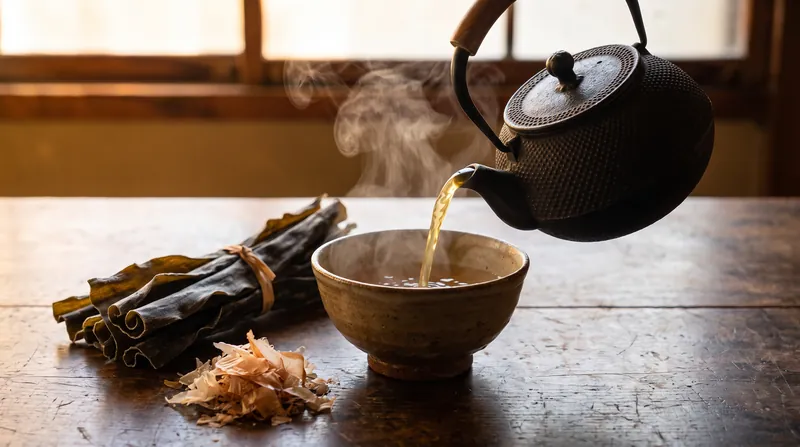
Why Inosinate and Guanylate Exponentially Amplify Glutamate in Umami Taste
Culinary Traditionalists 35%Food Scientists 35%Public Health Nutritionists 30%
ExplainerCocoa Supply Chain
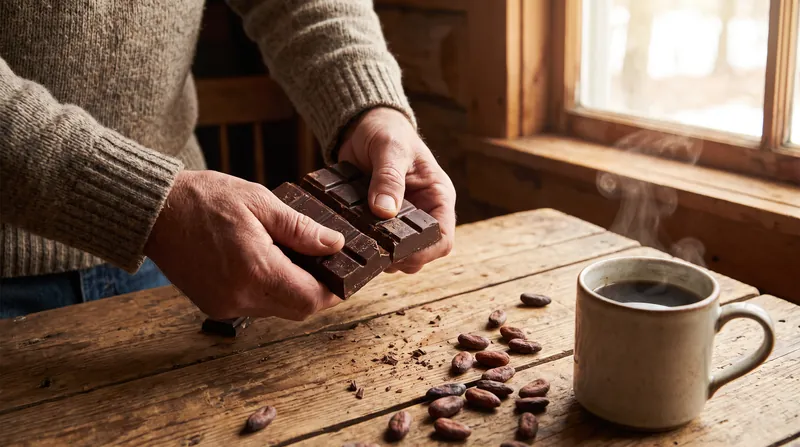
Why Brazil Suspended Ivory Coast Cocoa Imports and Mandated 35% Cocoa Solids
Domestic Cocoa Producers 35%Food Standards Regulators 35%Global Supply Chain Analysts 30%
ExplainerCulinary Science
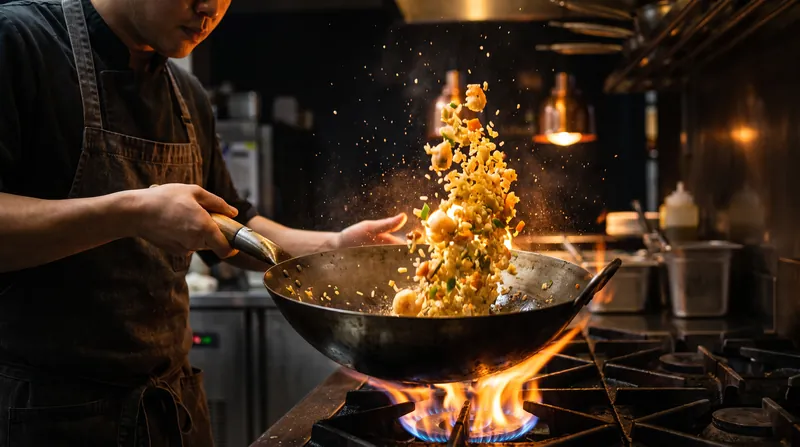
Why Cantonese Wok Hei Requires Rapid Kinematics to Manage Extreme Heat
Food Chemists 40%Biomechanists 35%Culinary Analysts 25%
Food SafetyRegulatory Shift
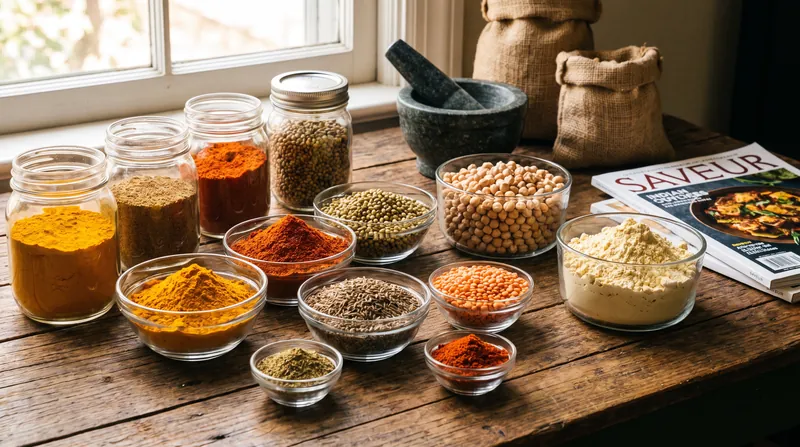
India's FSSAI Finalizes Stricter Contaminant Rules for Pulses, Seafood, and Oils, Forcing Global Supply Chain Overhaul
Public Health Advocates 40%Global Importers 30%Food Manufacturers 30%
ExplainerCulinary Science
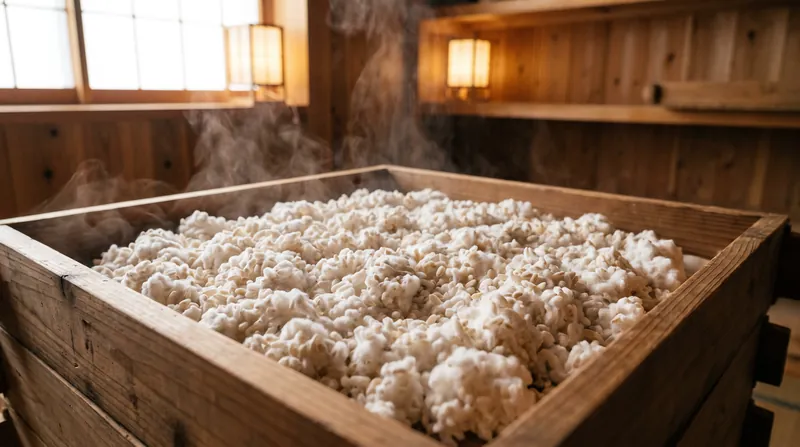
Koji Mold Uses Amylase and Protease to Power Soy Sauce, Miso, and Sake
Traditional Fermentation Artisans 40%Modern Culinary Innovators 35%Food Scientists 25%
ExplainerAlternative Proteins
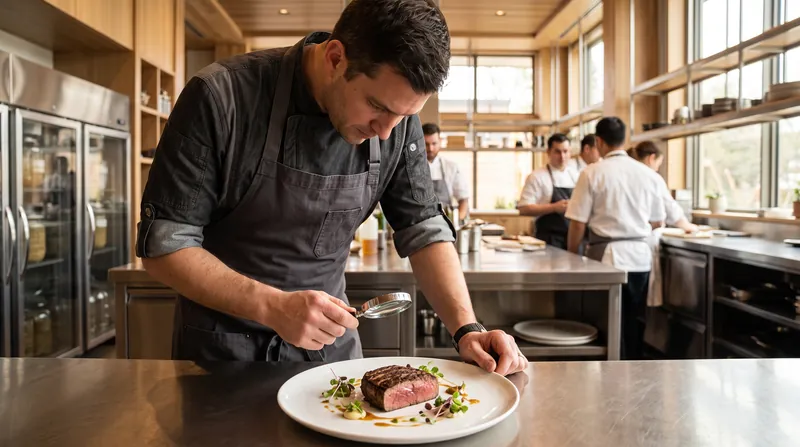
The $2.5 Billion Public Push: How 33 Nations Are Regulating and Funding Alternative Proteins
Food Security & Policy Advocates 41%Industry & Scale Innovators 35%Consumer & Sensory Researchers 24%
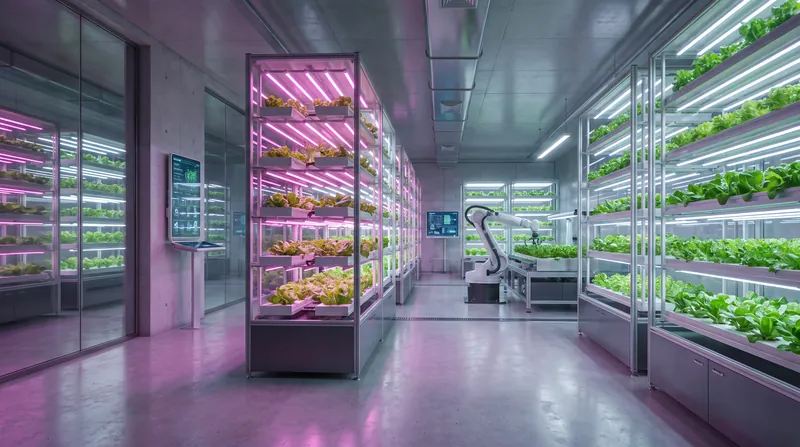
ExplainerAgri-Econ
How China's Push for Food Independence is Reshaping Global Agriculture
Beijing's Policymakers 40%Global Agricultural Exporters 40%Agritech Innovators 20%
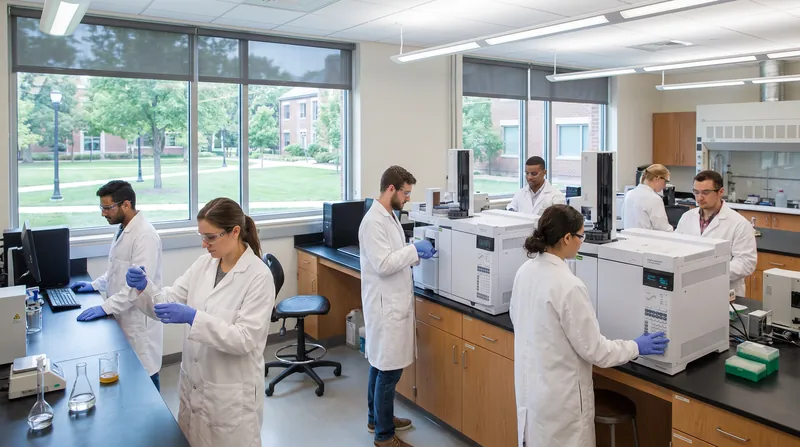
ExplainerFood Safety
New EU Listeria Rule Forces Global Food Industry to Prove Safety Throughout Entire Shelf Life
Public Health & Regulatory Authorities 39%Food Manufacturers & Exporters 33%Diagnostic & Testing Innovators 28%

Agri-Tech Shift
China's Decades-Long Role as Global Food Demand Engine Ends, Reshaping Soy and Beef Markets
Agricultural Exporters 35%Chinese Policymakers 35%Alternative Protein Innovators 30%
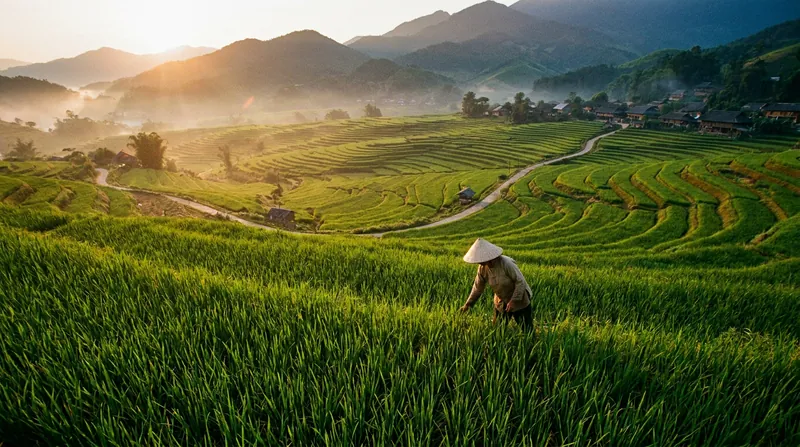
ExplainerCommodity Markets
Global Rice Benchmark Surges 20% in Largest Spike Since 2008: What It Means for the Food Supply
Import-Reliant Nations 35%Agricultural Economists 35%Rice Producers 30%
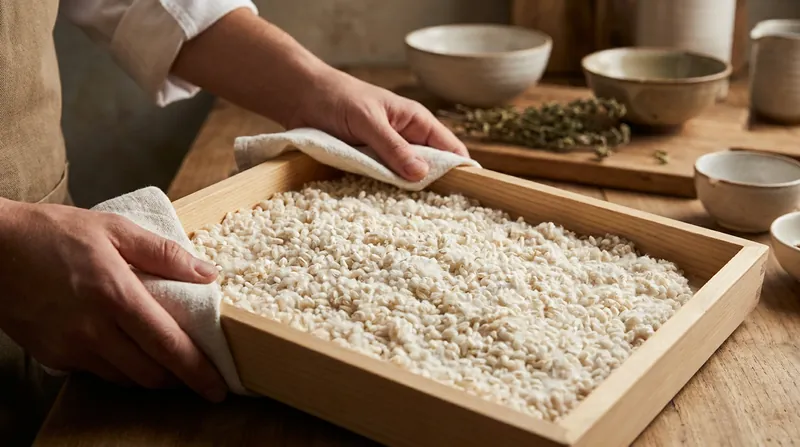
ExplainerKoji Fermentation
How an Ancient Japanese Mold is Rewriting the Rules of Global Cuisine
Fine Dining Innovators 35%Plant-Based Advocates 35%Food Tech Scientists 30%
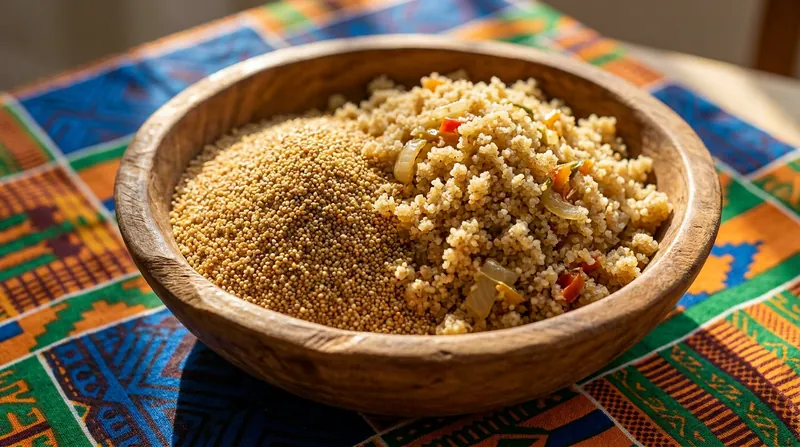
ExplainerFonio Grain
How Fonio, an Ancient West African Grain, is Becoming a Global Climate-Resilient Staple
Ethical Food Entrepreneurs 38%Agricultural Scientists 31%Global Health Advocates 31%
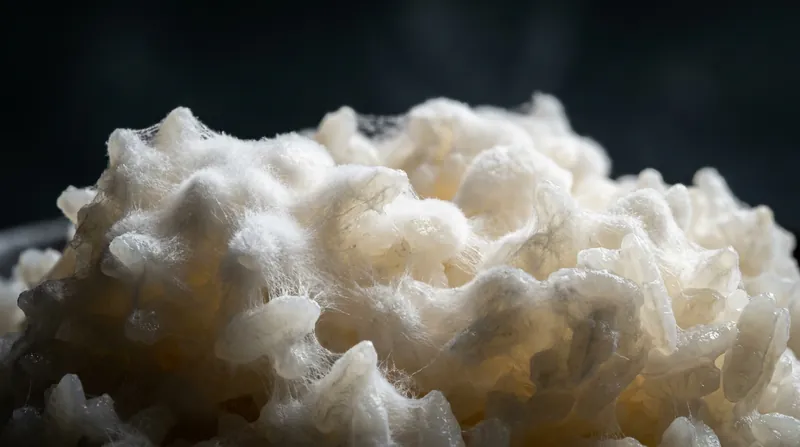
ExplainerCulinary Science
Why Global Chefs Are Using Aspergillus Oryzae to Transform Modern Gastronomy
Culinary Innovators 44%Traditional Brewers 31%Microbiologists & Geneticists 25%

Global Agriculture
How Global Food Networks Are Absorbing the 2026 Cereal Output Drop
Market Optimists 45%Supply Chain Realists 35%Vulnerability Advocates 20%
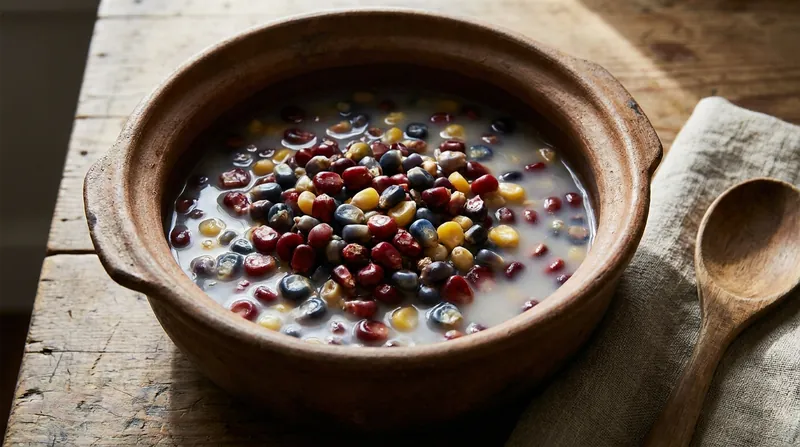
ExplainerFood Science
The 3,500-Year-Old Chemistry Secret Reshaping Modern Fine Dining
Indigenous Culinary Historians 35%Nutritional Scientists 35%Modern Gastronomy Chefs 30%
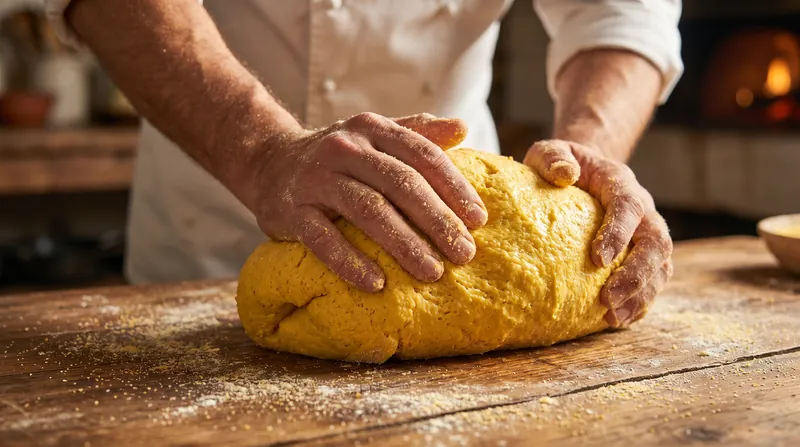
ExplainerCulinary Science
The Ancient Chemistry That Makes Corn Digestible, Nutritious, and Delicious
Culinary Historians 41%Nutritional Scientists 35%Modern Heirloom Chefs 24%