
Wine
Follow Wine in the Factlen app and get an alert when there is news. Get the app
Viticulture Science
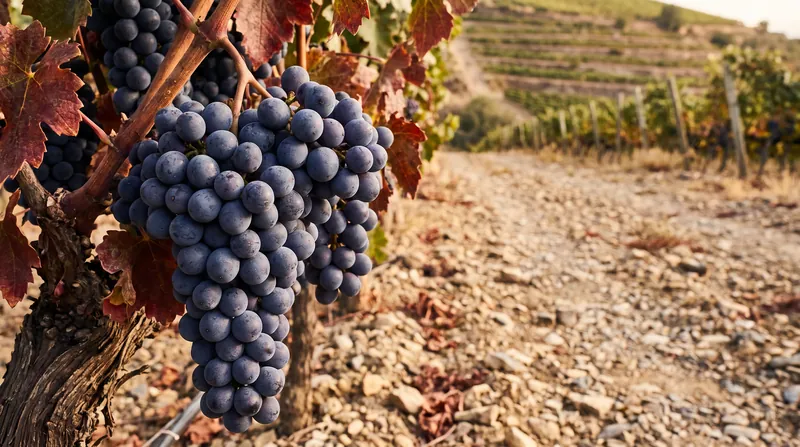
Soil, Climate, and Vineyard Aspect Shape Grape Composition and Wine Flavor
10 sources · 50d ago
Harvest Yields
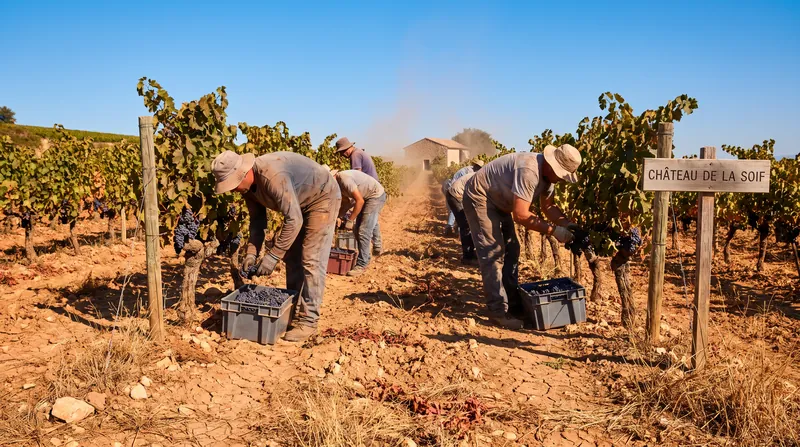
France's 2026 Wine Output Projected to Hit 70-Year Low Amid Climate-Driven Harvest Extremes
4 sources · 26d ago
Wine Chemistry
Why Sulfites in Wine Do Not Cause Headaches and How Winemakers Use Them
9 sources · 53d ago
More in Wine
ExplainerFood Chemistry
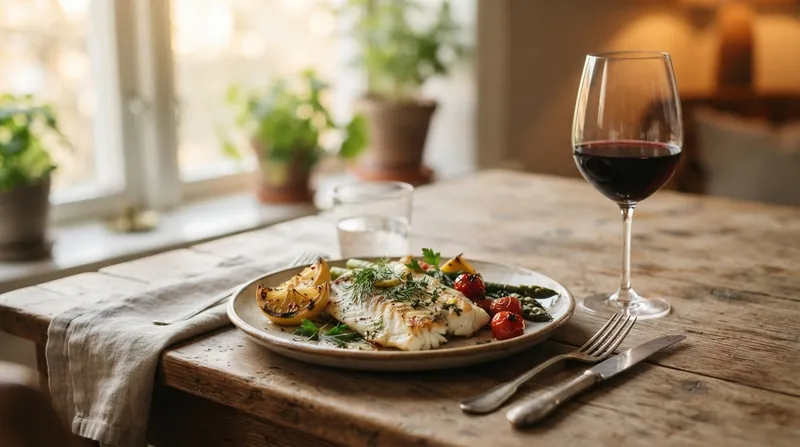
How Ferrous Iron in Red Wine Oxidizes Seafood Fats to Create a Fishy Aftertaste
Food Chemists 40%Traditional Sommeliers 30%Progressive Chefs 30%
ExplainerWine Chemistry
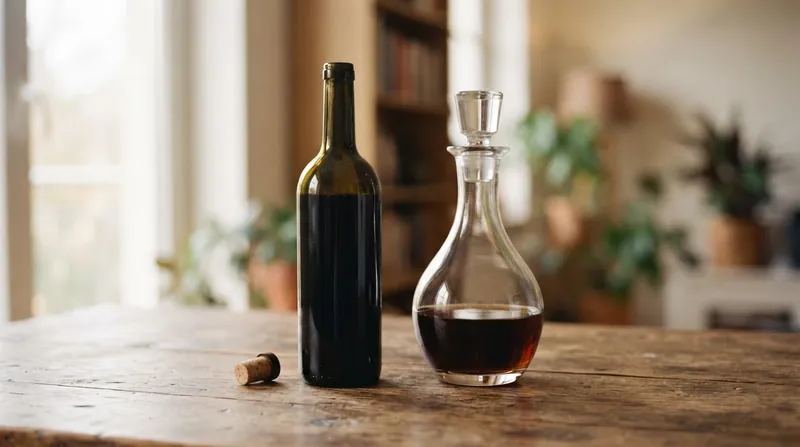
Why Uncorking a Wine Bottle to Let It Breathe Fails to Aerate the Wine Inside
Scientific Consensus 60%Traditional Hospitality 20%Practical Oenology 20%
ExplainerWine Chemistry
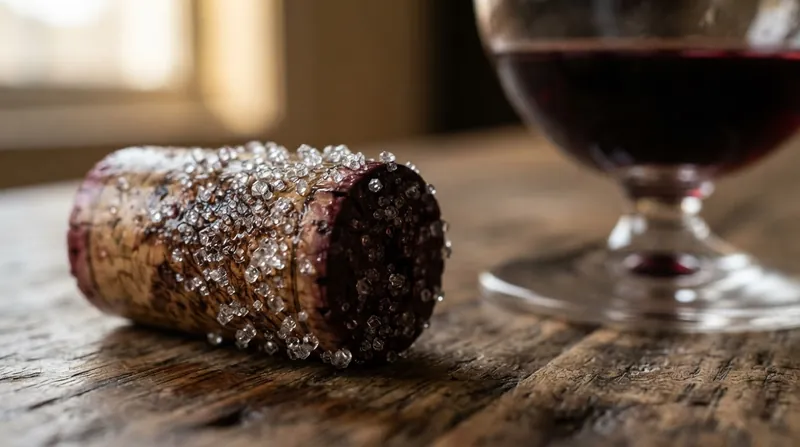
Why Chilling Wine Precipitates the Harmless Potassium Bitartrate Crystals Mistaken for Broken Glass
Low-Intervention Advocates 40%Commercial Producers 40%Food Safety Regulators 20%
ExplainerMetabolic Science
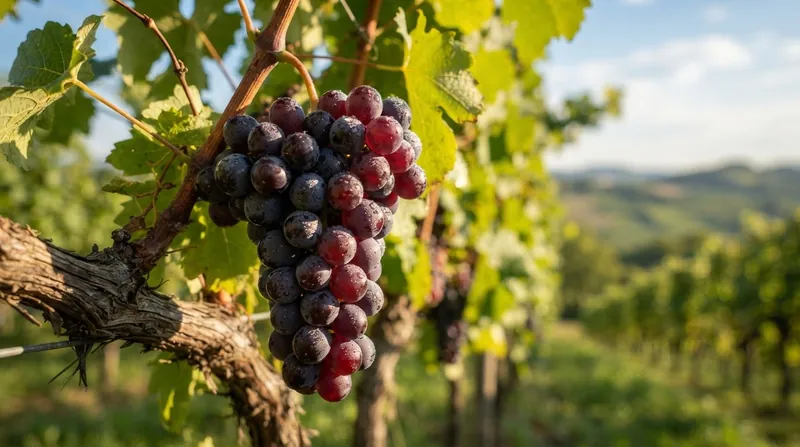
Quercetin Glucuronide Blocks Aldehyde Dehydrogenase: Why Red Wine Triggers Rapid Headaches
Medical Researchers 50%Viticulturists & Wine Experts 50%
ExplainerWine Science
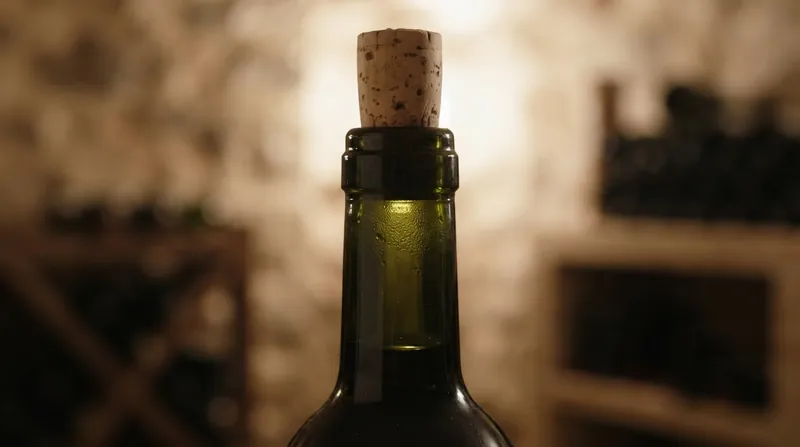
Saturated Headspace Humidity Prevents Cork Desiccation: Why Storing Wine Bottles Horizontally Offers No Sealing Advantage
Enological Researchers 45%Traditional Cellarers 30%Practical Collectors 25%
ExplainerWine Chemistry
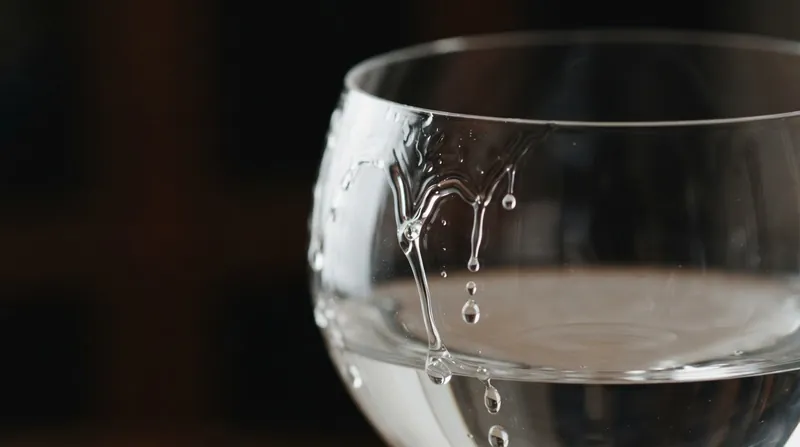
The Marangoni Effect: Why Wine Tears Reveal Alcohol Content, Not Vintage Quality
Fluid Dynamicists 40%Modern Wine Educators 40%Traditional Tasting Enthusiasts 20%
ExplainerHarvest Chemistry
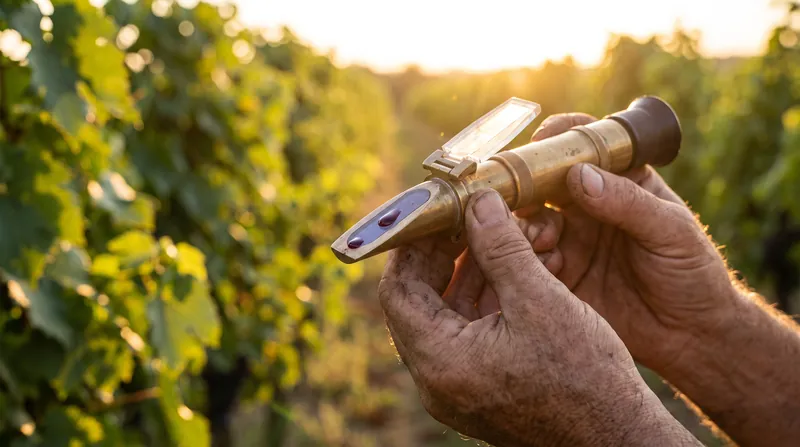
The 22 to 24 Brix Range: How Sugar Concentration Dictates Potential Alcohol and Harvest Timing
Precision Viticulturists 40%Phenolic Traditionalists 35%Cool-Climate Producers 25%
ExplainerWine Chemistry
The 350 ppm Maximum: How Sulfur Dioxide Prevents Oxidation and Microbial Spoilage in Wine
Conventional Winemakers 50%Natural Wine Advocates 25%Public Health Regulators 25%
ExplainerTannin Chemistry
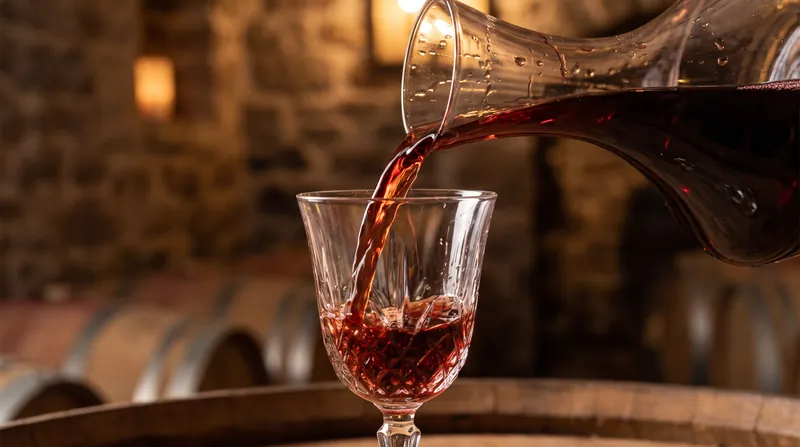
The Chemistry of Aging: How Tannin Polymerization Creates a Silkier Texture in Red Wine
Traditional Cellaring Advocates 35%Sensory Chemists 35%Modern Interventionists 30%
ExplainerWine Chemistry
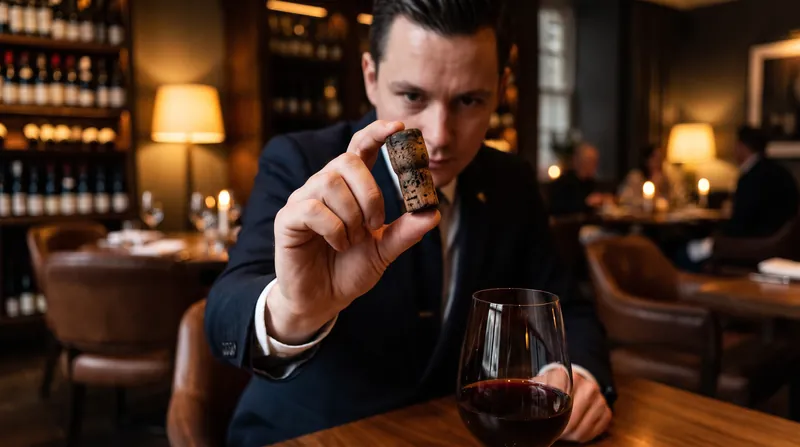
The 2,4,6-Trichloroanisole (TCA) Threshold: How 4 Parts Per Trillion Creates 'Cork Taint' in Wine
Natural Cork Producers 40%Sensory Analysts & Critics 35%Oenological Researchers 25%
ExplainerHealth Research
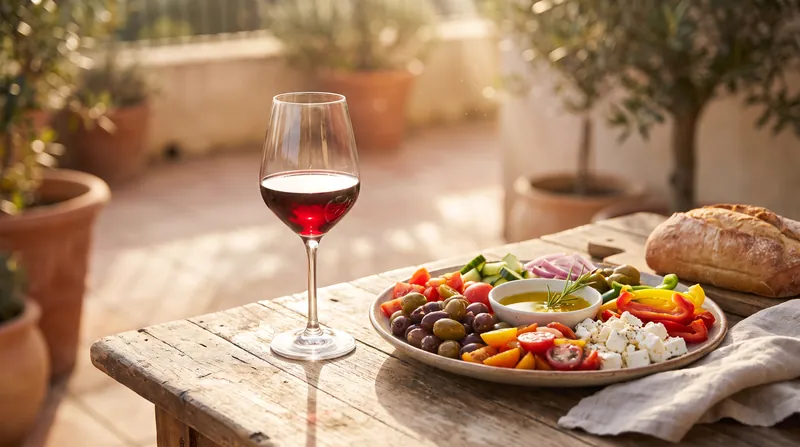
The Mediterranean Context: How Diet and Drinking Patterns Alter the Health Risks of Wine
Contextual Health Researchers 70%Zero-Tolerance Advocates 30%
ExplainerWine Labeling
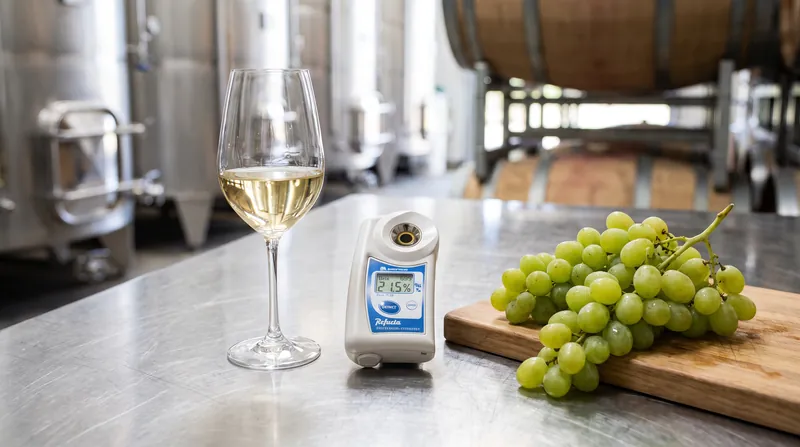
The 4 g/L Residual Sugar Threshold That Legally Defines a Dry Wine in the EU and US
European Regulators 40%US Federal Framework 35%Health-Conscious Consumers 25%
ExplainerWine Chemistry
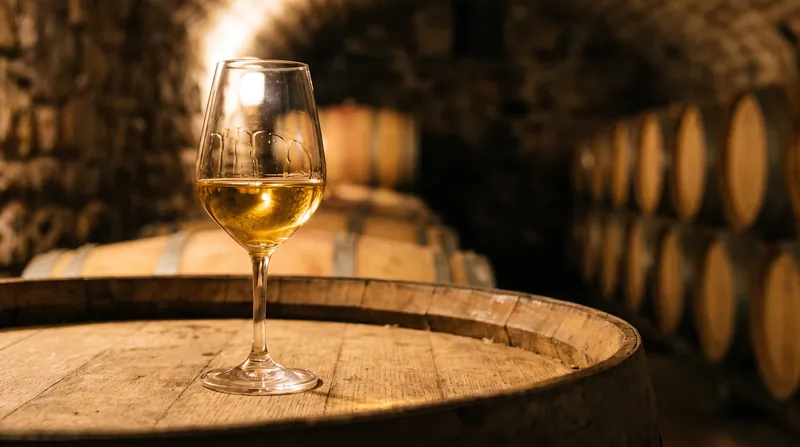
How Oenococcus oeni Bacteria Convert Tart Malic Acid into Buttery Diacetyl During Winemaking
Cool-Climate Winemakers 40%Aromatic White Producers 30%Red Wine Producers 30%
ExplainerEnology
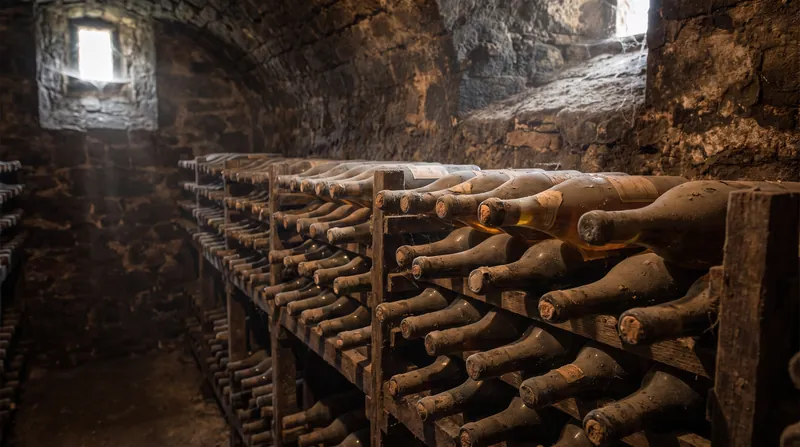
Chemical Reactions in Aging Wine: Oxidation, Polymerization, and Esters
Traditional Cellar Masters 40%Analytical Enologists 40%Experimental Agers 20%
ExplainerWine Regulation
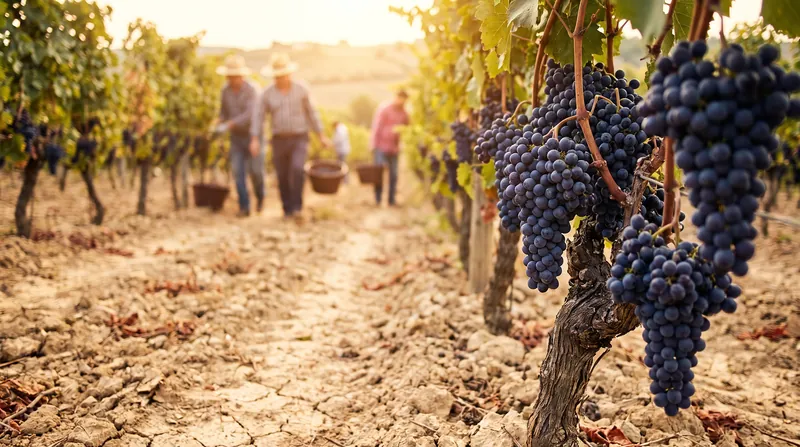
EU Amends Wine Product Specifications to Allow Higher Alcohol and Lower Acid to Combat Climate Change
Pragmatic Winemakers 45%Traditionalists & Purists 30%Climate Scientists 25%
Climate Adaptation
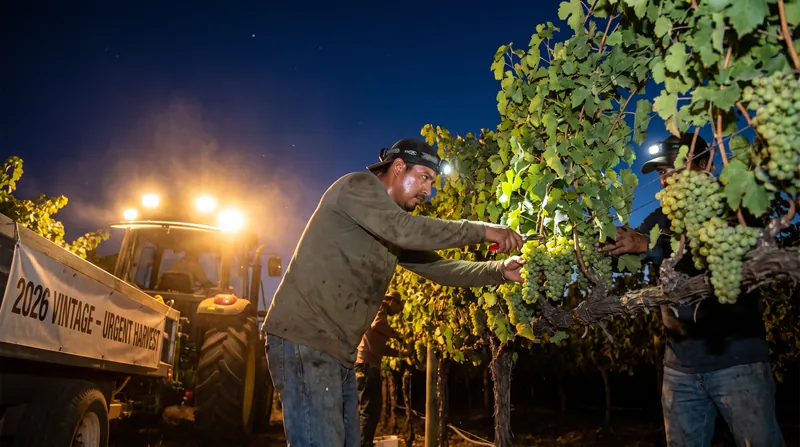
Record Early Harvests Across Northern Hemisphere Force Winemakers to Adapt to 'Sugar-Drunk' 2026 Vintage
Viticulturists & Producers 34%Climate Historians 33%Oenologists & Critics 33%
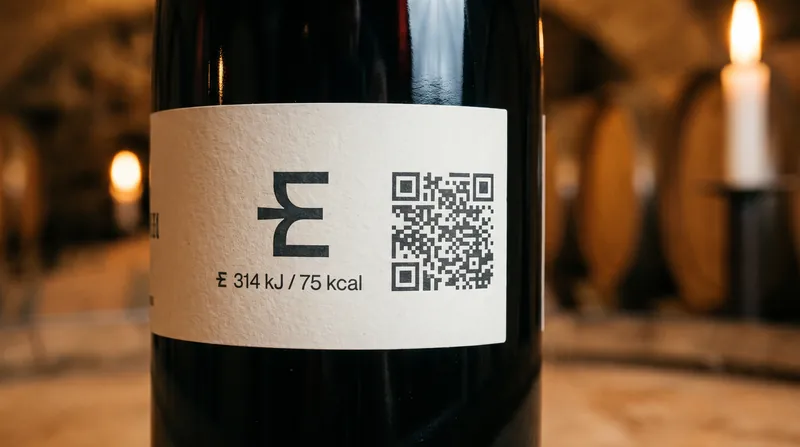
ExplainerLabeling Laws
EU Mandates Calorie Counts and Digital Ingredient Lists on All Wine Labels Effective March 2026
Health and Transparency Advocates 35%Boutique Winemakers 35%International Exporters 30%
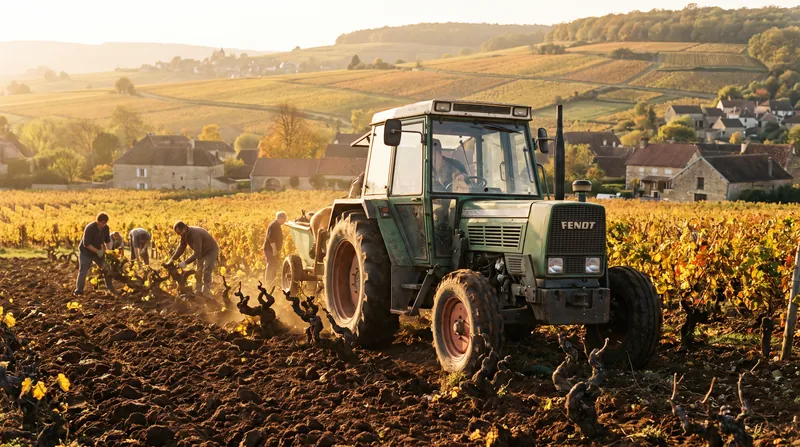
ExplainerWine Economics
Why France and California Are Uprooting Vineyards as Wine Demand Hits a 60-Year Low
Premium Estate Vintners 40%Transitioning Farmers 35%Agricultural Scientists 25%
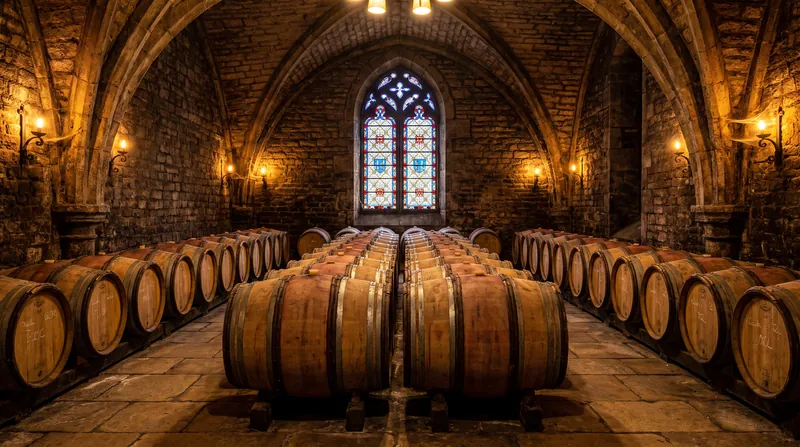
ExplainerWine Labeling
French Regulators Fine Louis Jadot and Albert Bichot for Deceptive 'Domaine' Wine Labeling
French Regulators 40%Large Wine Houses 35%Consumer Advocates 25%
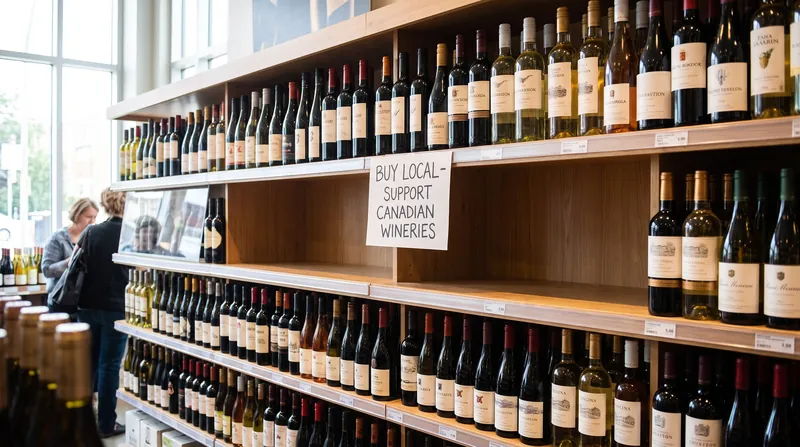
Trade DisputePolicy Explainer
Quebec's Offer to Lift Its U.S. Wine Ban in Exchange for Tariff Relief
Canadian Provincial Governments 40%U.S. Wine Exporters 30%Federal Trade Negotiators 30%
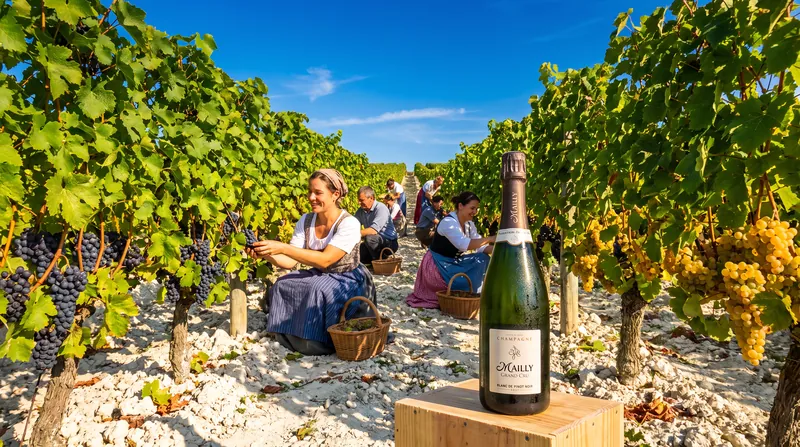
Climate Adaptation
Climate Crisis Forces Champagne to Begin Earliest Harvest on Record
Vineyard Managers 35%The Comité Champagne 35%Climate Scientists 30%
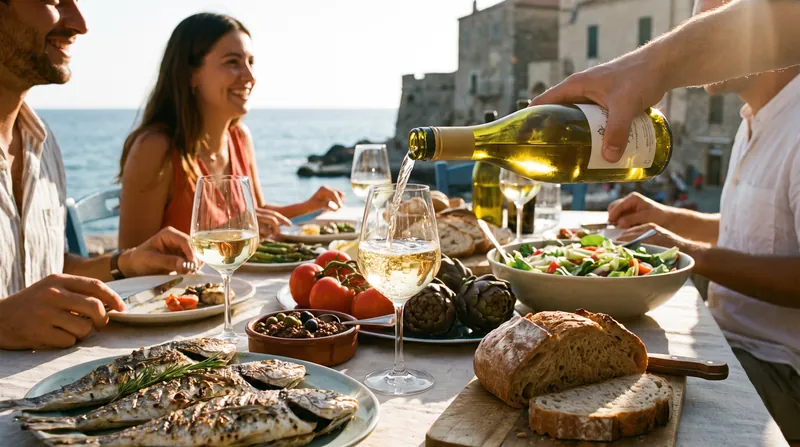
Wine Regulation
EU Finalizes Regulation Redefining 'Wine' to Include 'Alcohol-Free' Products
Traditional Winemakers 35%Low-ABV Innovators 35%Consumer Transparency Advocates 30%
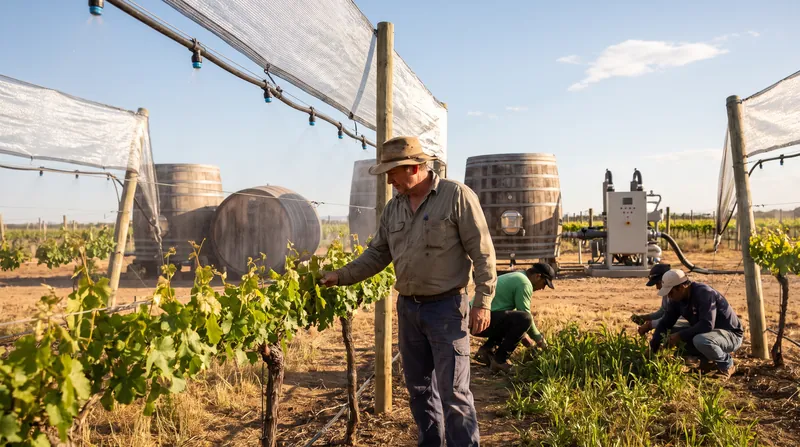
Viticulture EconomicsIndustry Shift
Global Wine Production Hits Historic Low for Third Straight Year Amid Climate Crisis and Consumption Decline
Market Analysts 35%Traditional Vintners 35%Next-Gen Consumers 30%
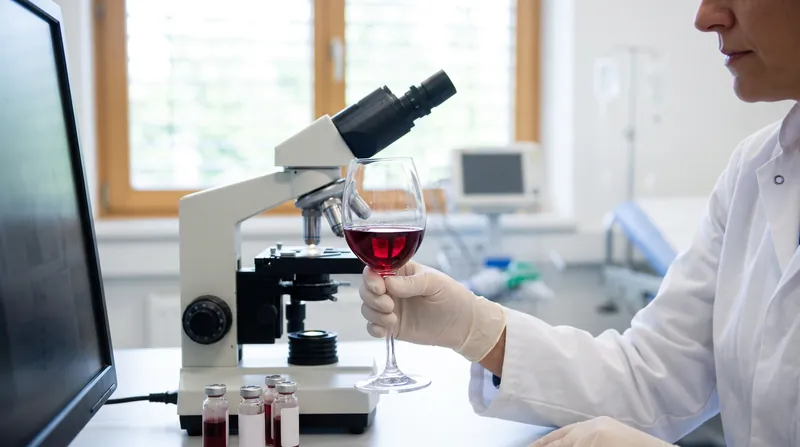
GLP-1 DisruptionIndustry Explainer
How GLP-1 Weight-Loss Drugs Are Rewriting the Science of Alcohol Cravings
Beverage Industry Analysts 40%Medical & Addiction Researchers 35%Wine Producers & Retailers 25%
Wine Economics
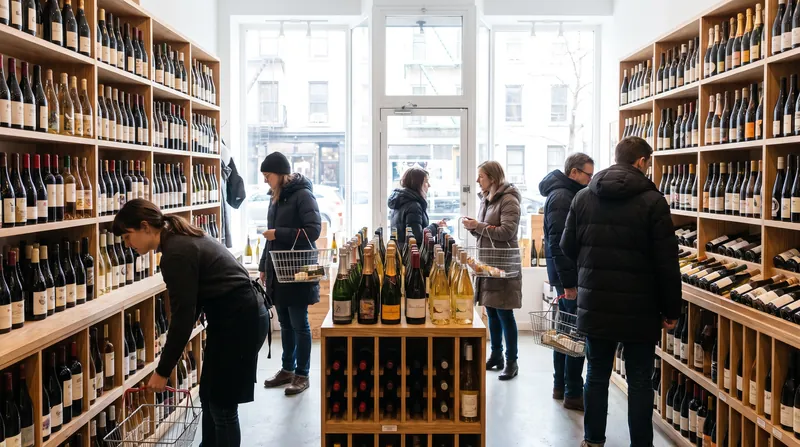
How the U.S. Three-Tier System is Multiplying the 2026 Wine Tariffs
Economic Researchers 38%Importers & Distributors 38%Independent Restaurateurs 25%

Wine Oversupply
How the EU is Turning 1.2 Million Hectolitres of Excess Wine Into Industrial Ethanol
European Policymakers 35%Wine Producers & Cooperatives 35%Global Market Analysts 30%
Viticulture ScienceClimate Adaptation
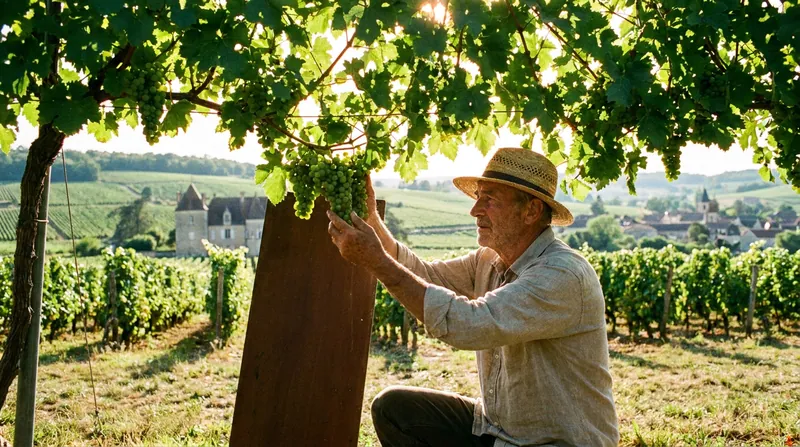
How the French Wine Industry is Adapting to a Historic 18% Harvest Drop
Agroecological Innovators 40%Traditionalist Winemakers 30%Climate Scientists 30%
ExplainerWine Transparency
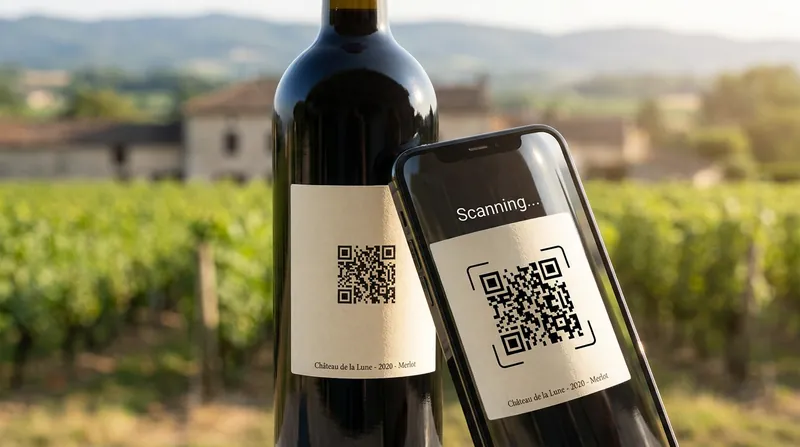
The End of the Black Box: How the EU's Digital Label Mandate is Exposing What's Really in Your Wine
Consumer Transparency Advocates 40%Industry Pragmatists 35%Natural Wine Purists 25%
Wine Labeling
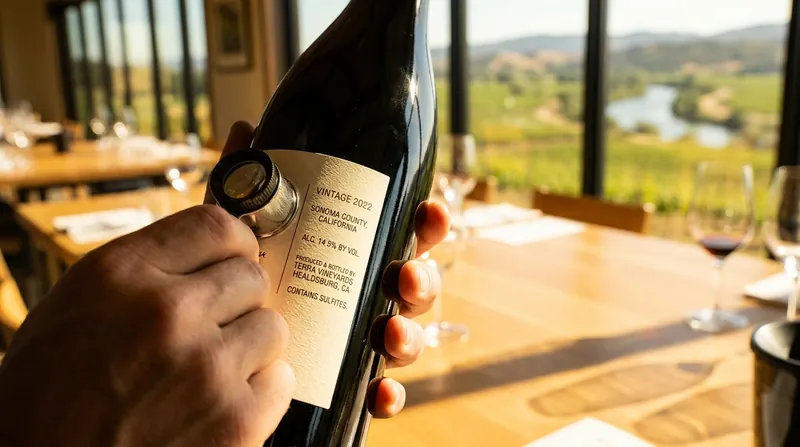
The 25% Loophole: Why 'American' Wine Doesn't Always Mean 100% US-Grown
Domestic Grape Growers 45%Large Commercial Wineries 45%Regulatory & Compliance Experts 10%
Wine IndustryMarket Correction
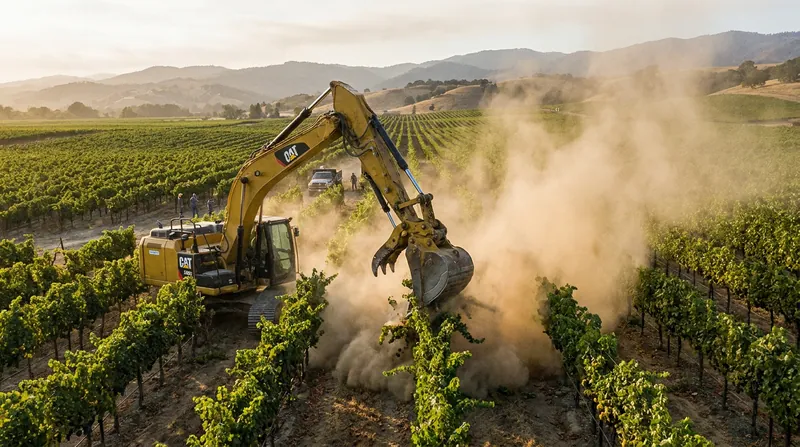
Global Wine Consumption Hits 65-Year Low, Forcing California Growers to Rip Out 40,000 Acres of Vines
Global Market Analysts 40%California Grape Growers 35%International Regulators 25%
EU Wine Law
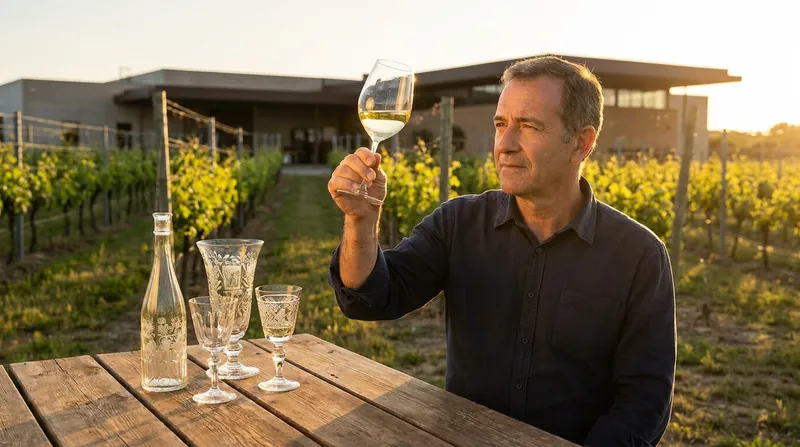
Landmark EU Regulation Allows Dealcoholized Wines to Retain PDO and PGI Status
Modernist Producers 40%Traditionalist Vintners 30%Market Analysts 30%
ExplainerWine Chemistry
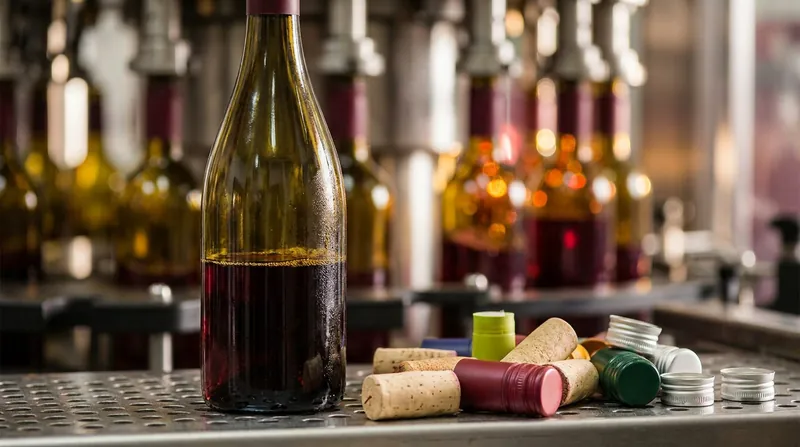
Engineered Wine Closures Use Oxygen Transmission Rates to Dictate Bottle Aging
Precision Enologists 40%Natural Cork Proponents 30%Material Science Innovators 30%
ExplainerBeverage Tech
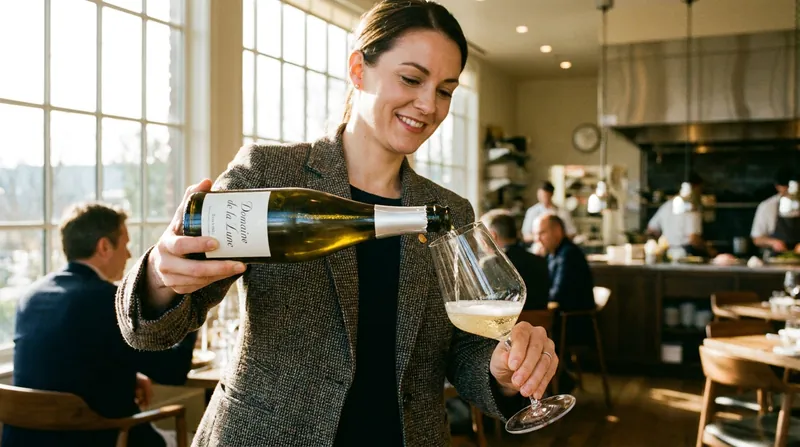
Modern Dealcoholization: Removing Alcohol Without Destroying Wine's Complex Flavor
Beverage Technologists 40%Health-Conscious Consumers 35%Traditional Vintners 25%
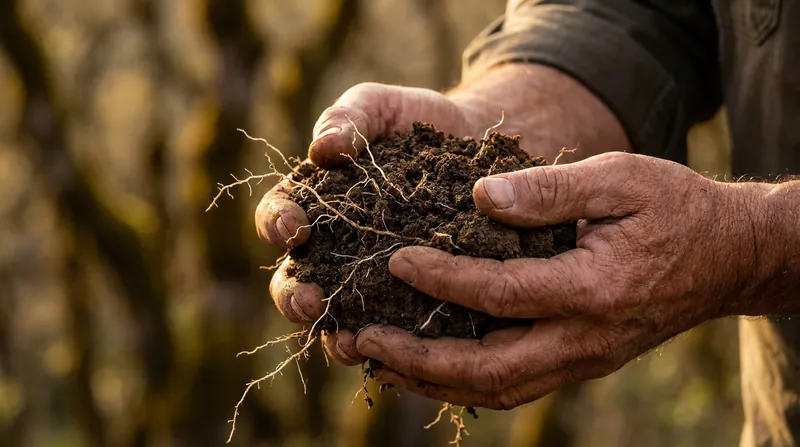
ExplainerMicrobial Terroir
The Microbiome of Wine: How Soil Bacteria and Fungi Shape Terroir
Microbiologists & Geneticists 40%Viticulturists & Winemakers 35%Climate Adaptation Advocates 25%

ExplainerBeverage Tech
How Winemakers Remove Alcohol From Wine Without Destroying Aroma and Mouthfeel
Beverage Technologists 40%The Moderation Movement 35%Traditional Oenophiles 25%
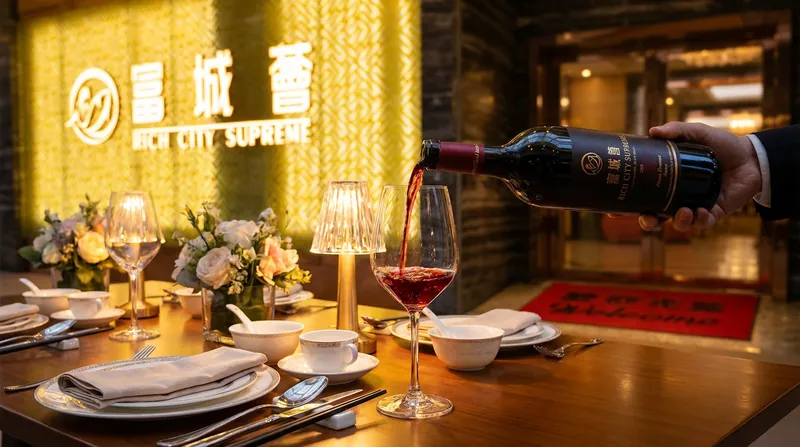
ExplainerZero-Proof Tech
Advanced Dealcoholization Is Turning Non-Alcoholic Wine Into a Luxury Market
Beverage Technologists 40%Wellness Advocates 35%Traditional Vintners 25%
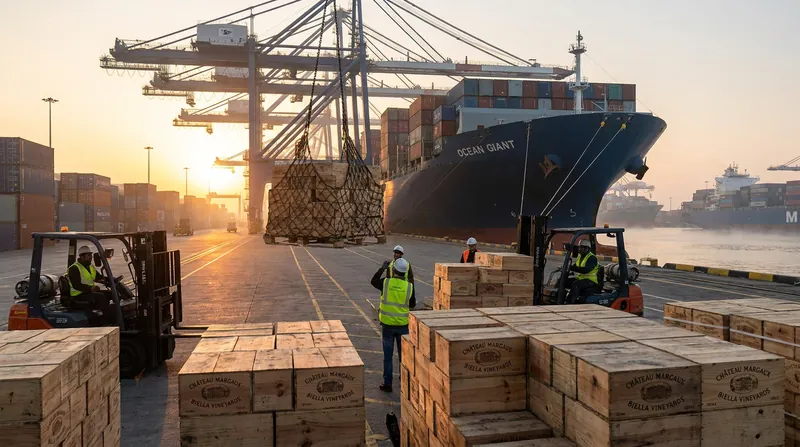
Wine Tariffs
How a 200% U.S. Tariff Threat is Rewiring the Global French Wine Trade
French Wine Producers 35%U.S. Hospitality & Importers 35%Trade Policy Analysts 30%
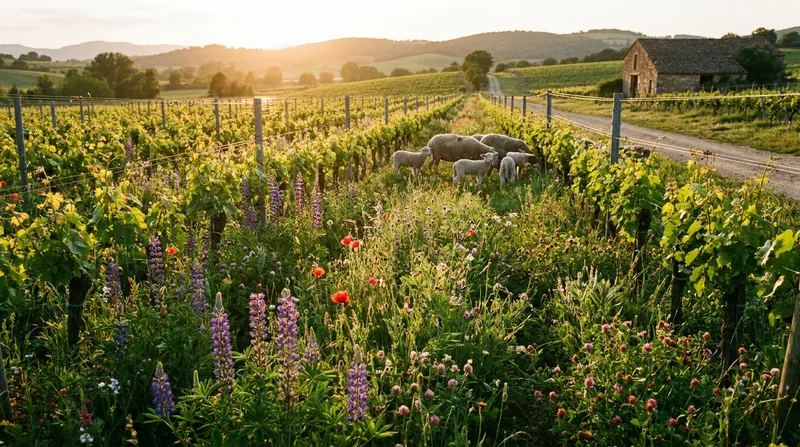
ExplainerRegenerative Viticulture
Regenerative Viticulture: Rebuilding Vineyard Soil to Sequester Carbon
Regenerative Pioneers 45%Scientific Community 35%Traditional & Organic Vintners 20%
ExplainerSkin-Contact Wine
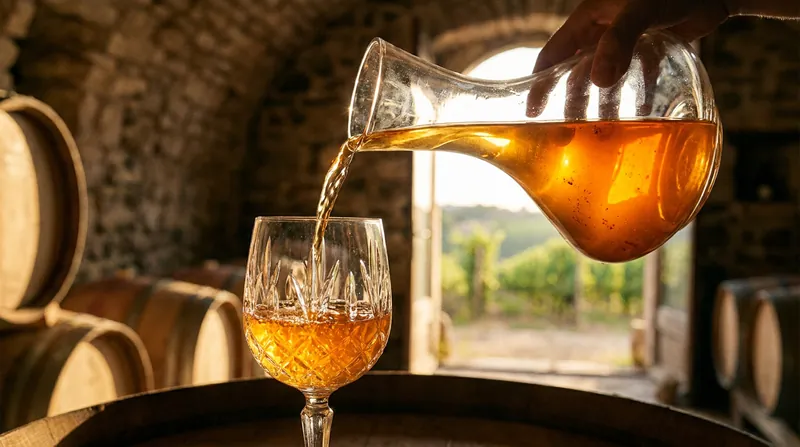
Extended Skin Contact Alters White Grape Chemistry to Create Orange Wine
Minimal Interventionists 40%Precision Enologists 35%Market Analysts 25%
Wine Science
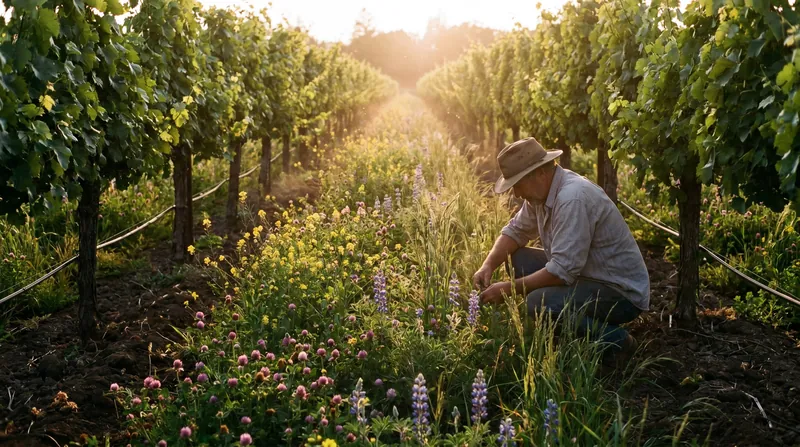
The Fungus-Resistant 'Super Grapes' Reshaping the Future of Wine
Ecological Agronomists 40%Heritage Appellations 30%Market Pragmatists 30%