
Kitchen Tips & Techniques
Follow Kitchen Tips & Techniques in the Factlen app and get an alert when there is news. Get the app
Grilling Science
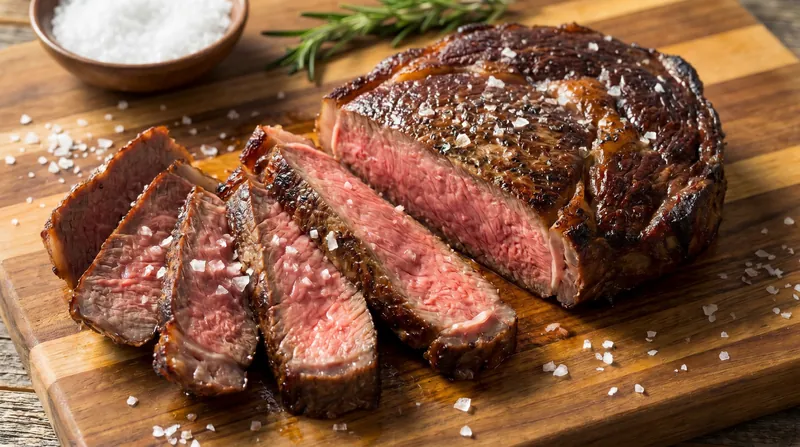
Why Reverse Searing Meat at Low Heat Eliminates Gray Bands and Retains Moisture
2 sources · 136d ago
Food Waste
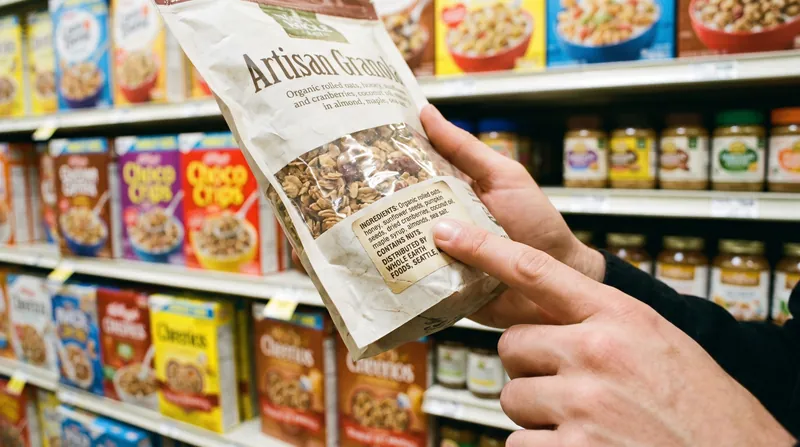
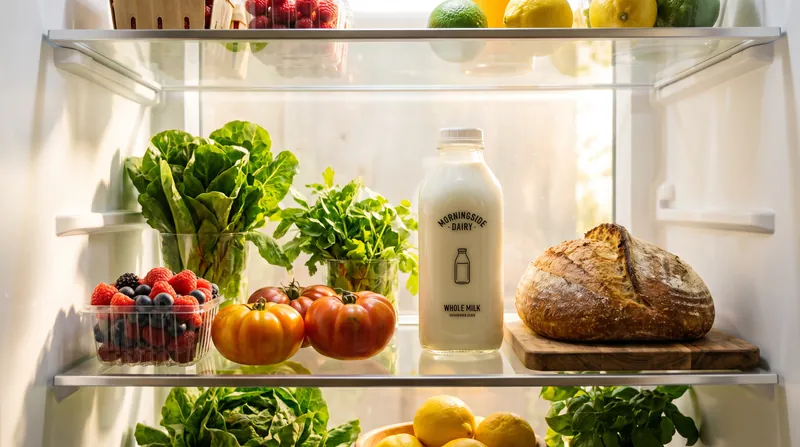
California Becomes First State to Ban 'Sell By' Dates, Mandating New 'Use By' and 'Best By' Labels
6 sources · 76d ago
Food Safety
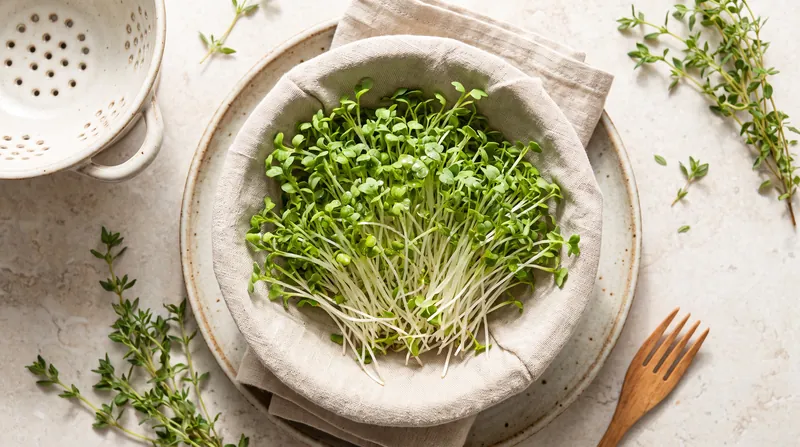
Why Seed Germination Makes Alfalfa Sprouts Vulnerable to Bacterial Outbreaks
7 sources · 61d ago
More in Kitchen Tips & Techniques
ExplainerFood Science
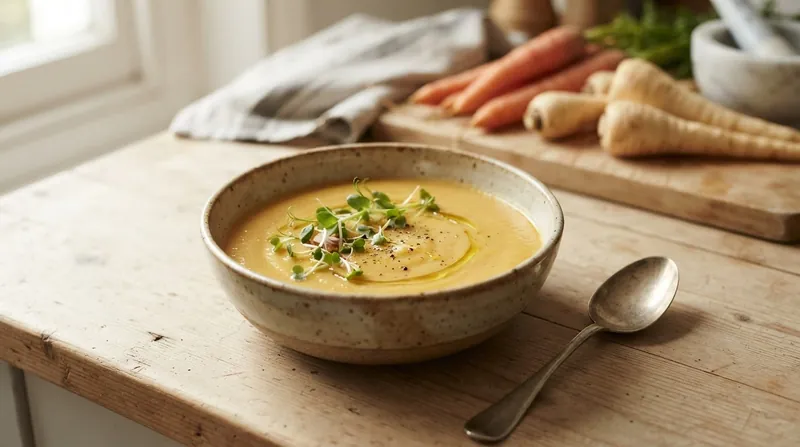
How Pectin Hydrolysis at 82°C Prevents Pureed Vegetable Soups From Curdling
Culinary Science Perspective 40%Traditional Culinary Arts 35%Nutritional Preservation Advocates 25%
ExplainerFood Science
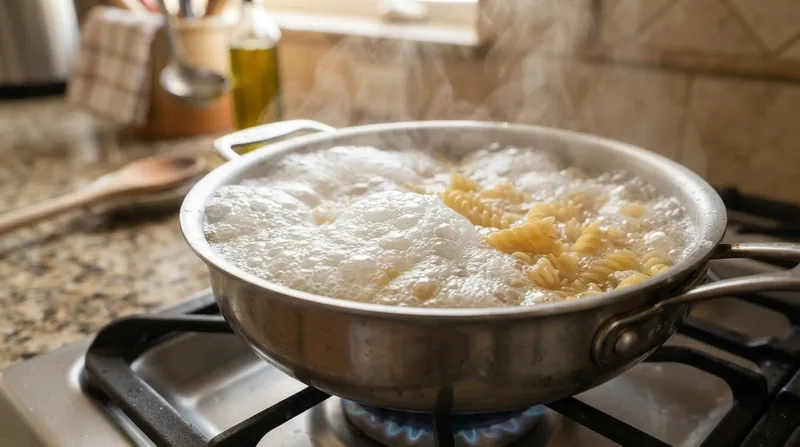
Ruptured Starch Granules Elasticize Steam Bubbles to Force Pasta Water Over the Rim
Culinary Scientists 40%Traditional Home Cooks 30%Professional Chefs 30%
ExplainerFood Chemistry
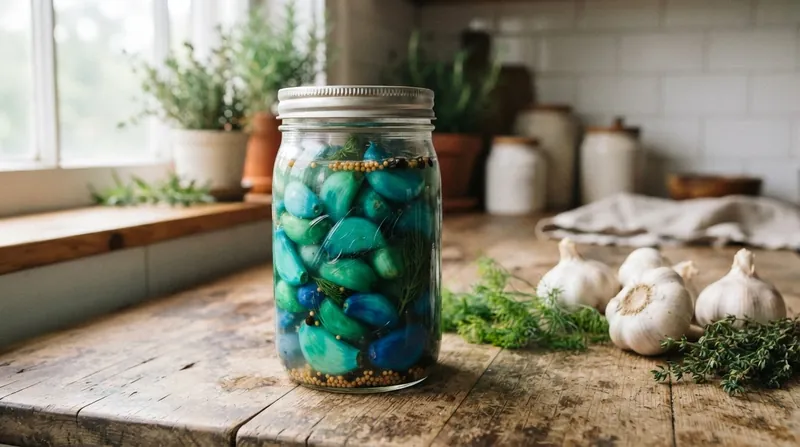
Isoalliin Condensation With Amino Acids Forms Polypyrroles: Why Garlic Turns Blue in Acidic Brines
Food Scientists 40%Home Preservers 30%Traditional Culinary Practitioners 30%
ExplainerFood Science
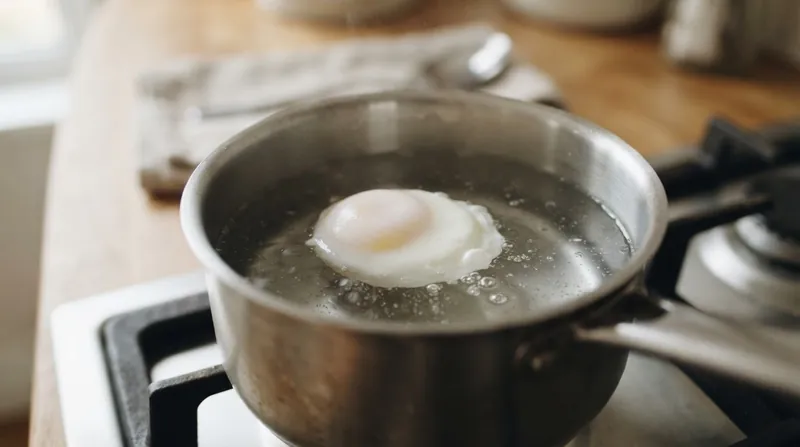
Why Adding Vinegar to Poaching Water Instantly Sets Egg Whites
Food Scientists 40%Culinary Traditionalists 30%Commercial Kitchens 30%
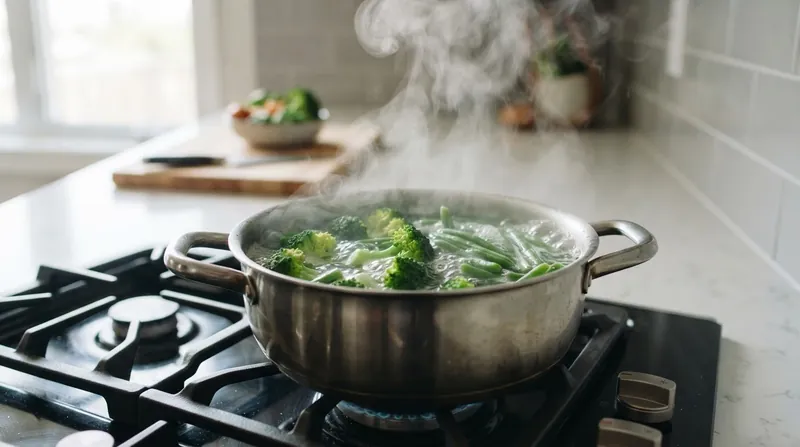
ExplainerChlorophyll Degradation
Covered Pots Trap Volatile Acids That Strip Magnesium From Chlorophyll, Dulling Green Vegetables
Food Scientists 40%Culinary Instructors 35%Commercial Food Manufacturers 25%
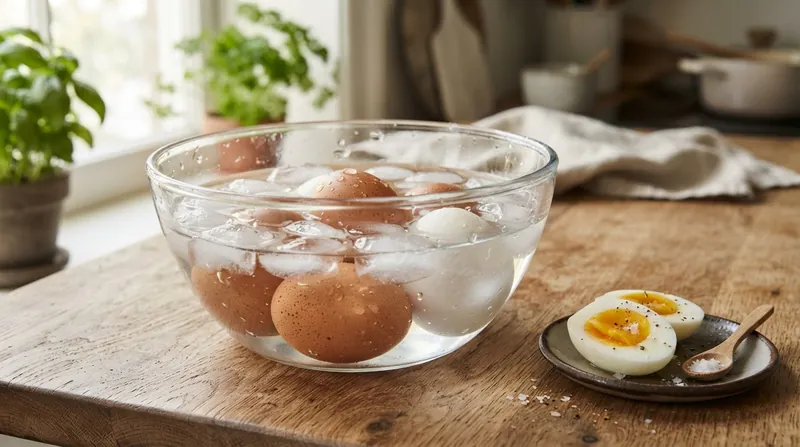
ExplainerFood Chemistry
The Physics of the Ice Bath: How Rapid Cooling Prevents the Green Ring on Boiled Eggs
Food Scientists 50%Culinary Instructors 30%Factlen Editorial 20%
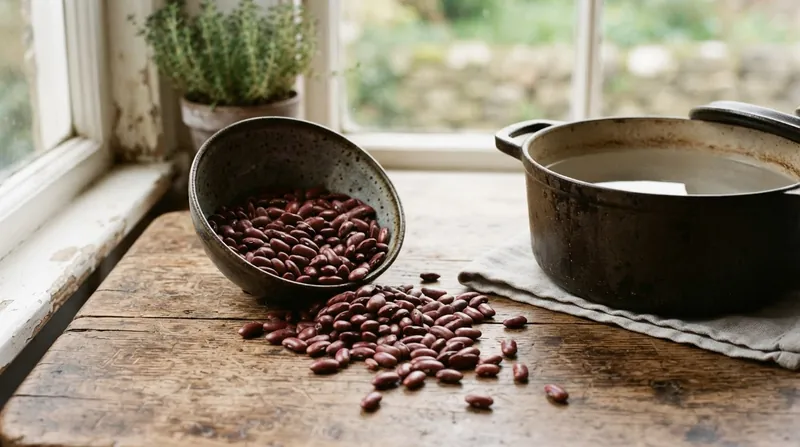
ExplainerFood Safety
The 80°C Danger Zone: How Slow-Cooking Kidney Beans Multiplies Their Toxicity Fivefold
Food Safety Regulators 50%Culinary Scientists 50%
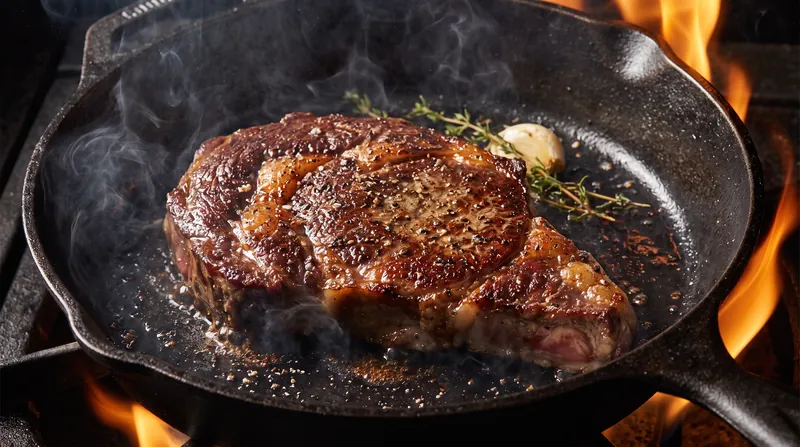
ExplainerFlavor Chemistry
The Strecker Degradation Pathway: How Amino Acids Decompose to Form Key Aromatics in Cooked Food
Molecular Gastronomy & Food Science 50%Applied Culinary Arts 50%
ExplainerKitchen Chemistry
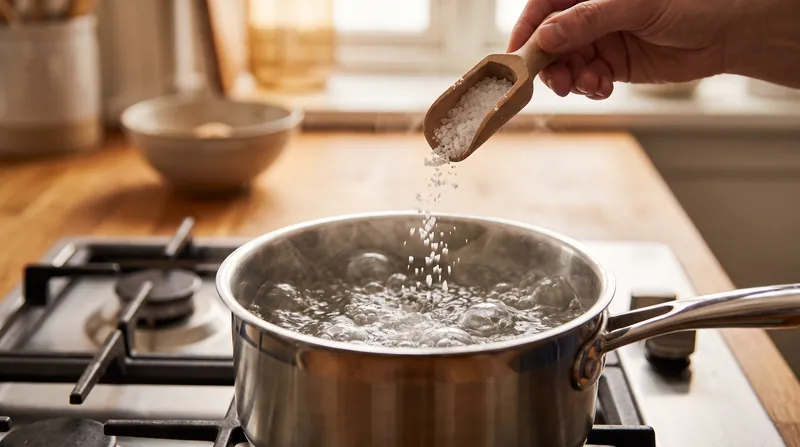
The 0.51°C Per Molal Elevation: How Salt Raises Water's Boiling Point and Why It Doesn't Matter for Pasta
Culinary Professionals 40%Physical Chemists 40%Home Economists 20%
ExplainerFood Safety
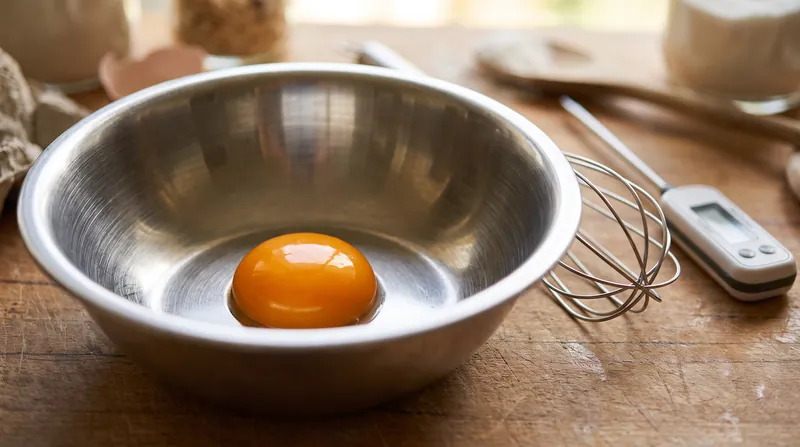
The 60°C for 3 Minutes Curve: How Time and Temperature Trade Off to Pasteurize Egg Yolks Without Coagulation
Food Safety Science 40%Culinary Application 40%Food Processing Technology 20%
ExplainerCulinary Science
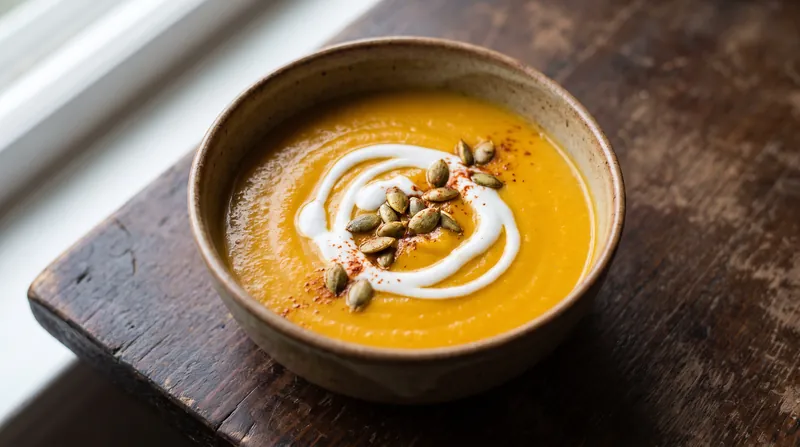
Why Pumpkin Starch and Coconut Cream Thicken Soup Without Roux or Dairy
Minimalist Cooks 40%Food Scientists 40%Editorial Synthesis 20%

ExplainerKitchen Science
Dairy Marinades and the pH 4.4 Sweet Spot: How Calcium and Lactic Acid Tenderize Poultry Without Denaturing the Surface
Meat Quality Researchers 40%Food Safety Microbiologists 30%Culinary Science Analysts 30%
ExplainerKitchen Chemistry
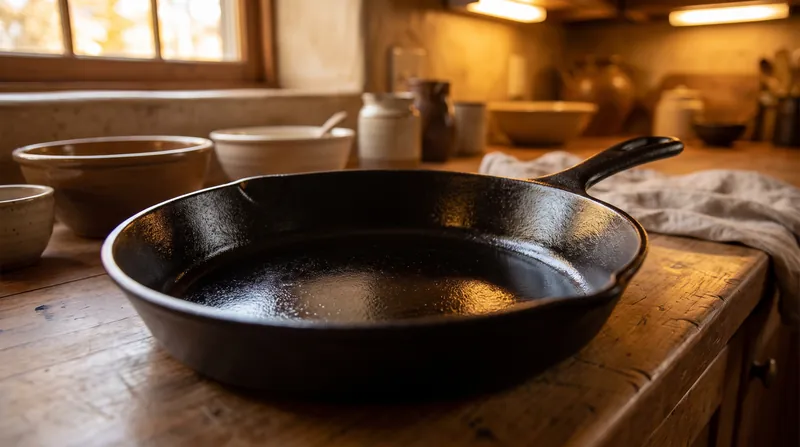
The Polymerization of Triglycerides: How Heat and Oxygen Create a Durable, Non-Stick Surface on Cast Iron
Material Scientists 60%Culinary Traditionalists 40%
ExplainerFood Chemistry
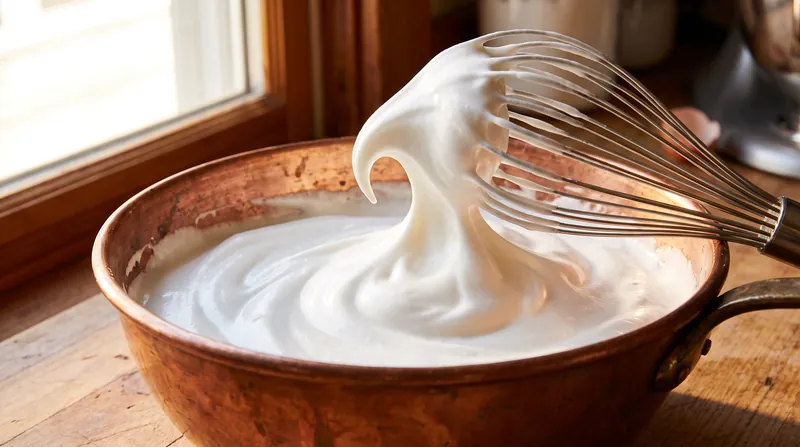
How Potassium Bitartrate Prevents Disulfide Bonds from Forming in Egg White Foam
Culinary Scientists 40%Food Technologists 35%Biochemists 25%
ExplainerThermal Dynamics
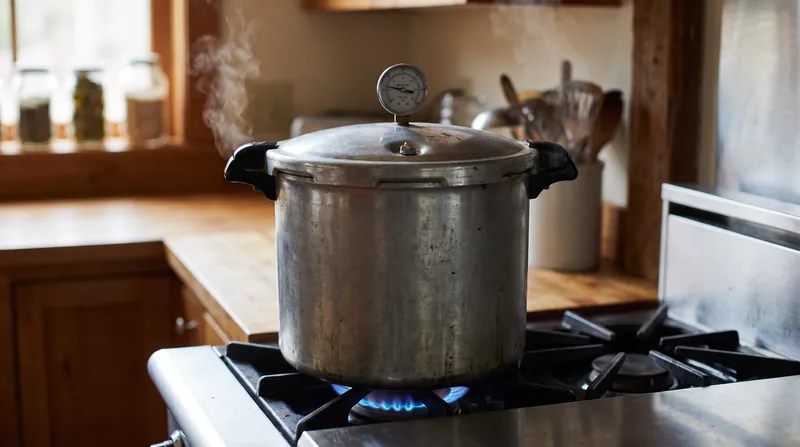
The 15-PSI Threshold: How Trapped Steam Pushes Water to 250°F and Rewrites Cooking Times
Food Safety Authorities 45%Culinary Modernists 35%Physical Chemists 20%
ExplainerFood Science
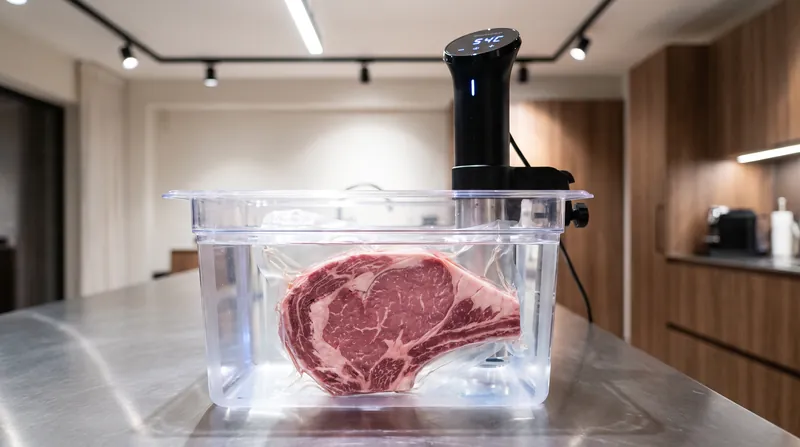
How Precision Temperature Control Defines Sous Vide Cooking
Culinary Scientists 40%Equipment Manufacturers 35%Traditional Chefs 25%
ExplainerFood Preservation
How Expanding Ice Crystals Damage Food Cells and Why Freezing Speed Preserves Texture
Food Scientists 40%Food Safety Regulators 40%Culinary Industry 20%
ExplainerFood Chemistry
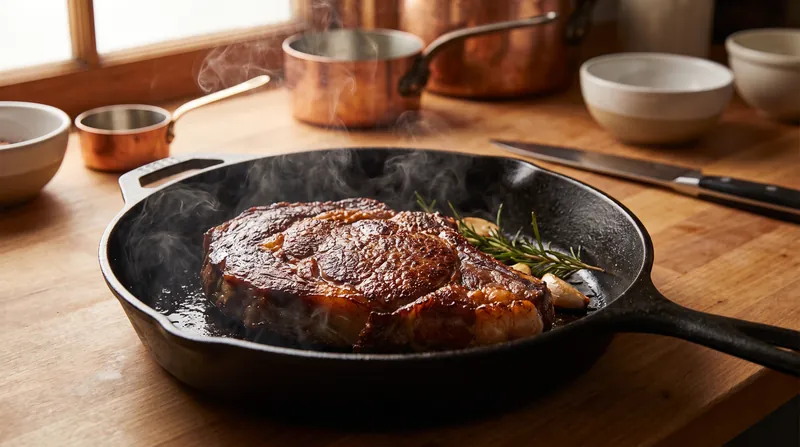
Distinct Chemical Triggers and Heat Thresholds of Maillard Browning and Caramelization
Food Chemists 40%Culinary Professionals 40%Health & Nutrition Researchers 20%
ExplainerKitchen Automation
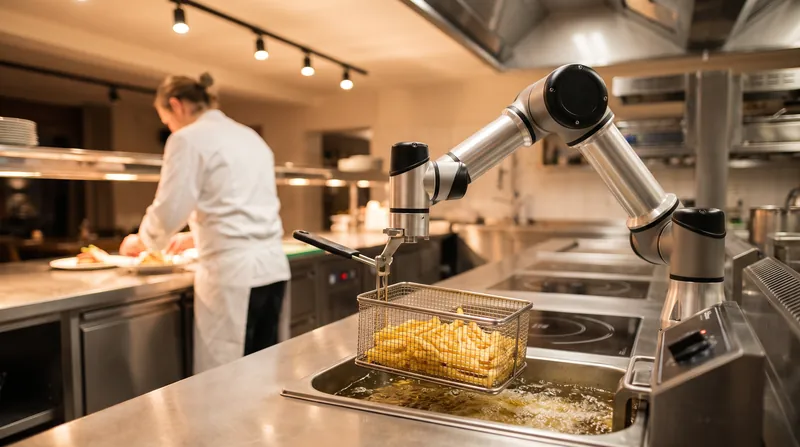
UL 3320 Standard Mandates Layered Safeguards for Commercial Kitchen Robots
Safety Certifiers 60%Industry Analysts 40%
ExplainerFood Safety Tech
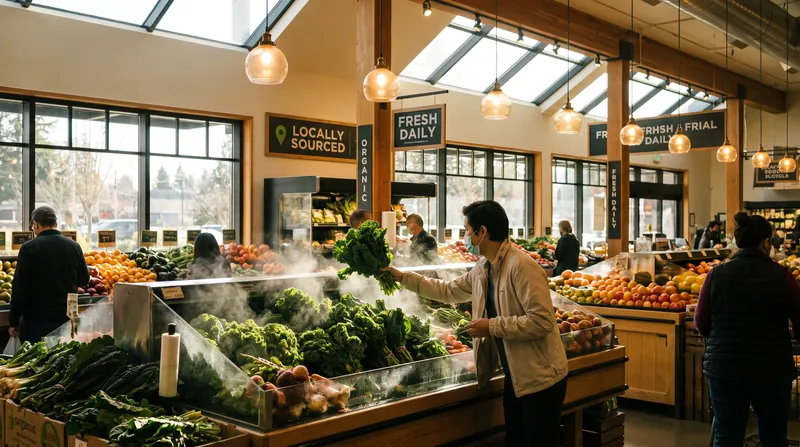
Why Whole-Genome Sequencing Is Driving a Record Surge in Food Recalls
Public Health Officials 40%Food Safety Advocates 35%Food Industry & Supply Chain 25%
ExplainerFood Safety Tech
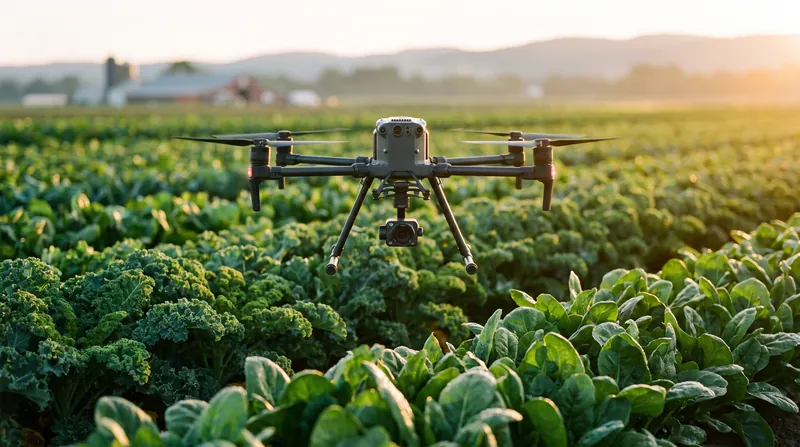
Agricultural Drones and AI Scan Fields to Detect Contamination Before Harvest
Agricultural Technologists 35%Public Health Advocates 35%Regulatory Authorities 30%
ExplainerCooking Science
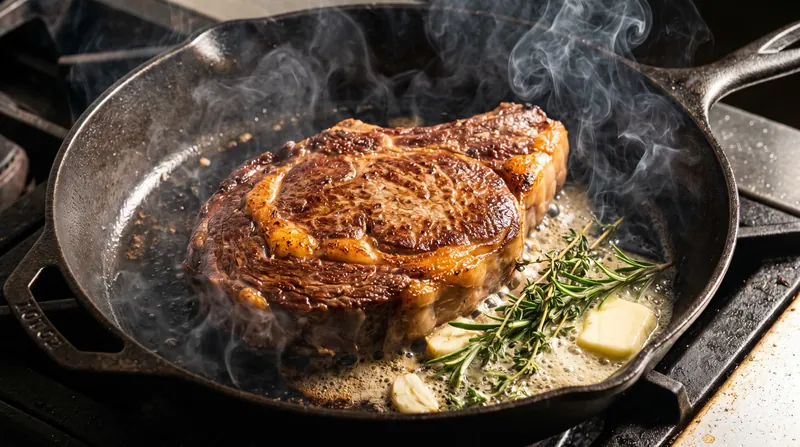
Searing Meat Increases Moisture Loss Instead of Sealing in Juices
Food Scientists 40%Modernist Cooks 40%Traditional Culinary Arts 20%
ExplainerFood Safety
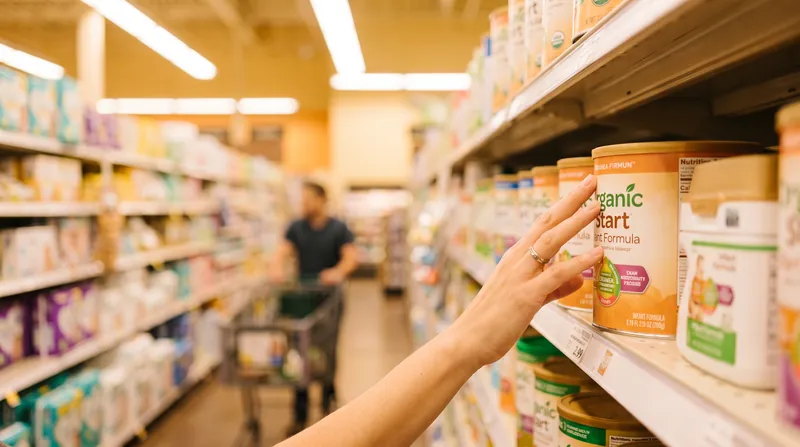
How New York's Pending Infant Formula Bill Aims to Mandate Heavy Metal Testing and QR Code Disclosures
Consumer Advocates 40%State Lawmakers 35%Food Industry Analysts 25%
Cooking Oils
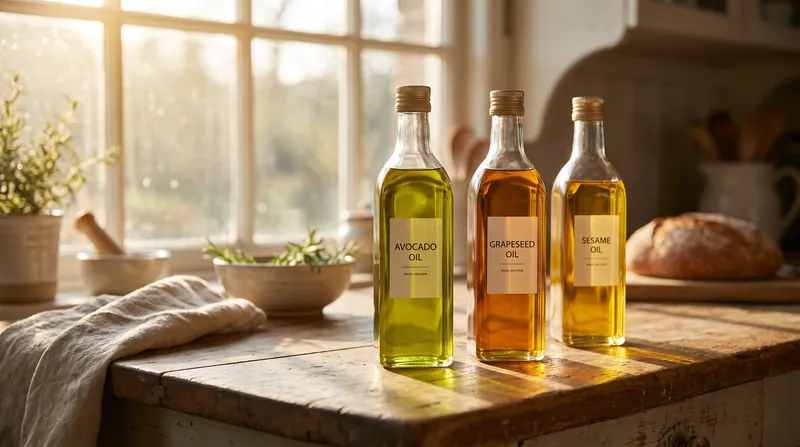
Mediterranean Drought Triggers Historic Olive Oil Price Spike: How to Substitute in Your Kitchen
Culinary Pragmatists 40%Agricultural Economists 30%Nutritional Advocates 30%

Appliance Safety
How to Check Your Kitchen After 2.8 Million Appliances Are Recalled for Fire Hazards
Consumer Safety Advocates 35%Appliance Manufacturers 35%Home Maintenance Experts 30%
Food WastePolicy Explainer
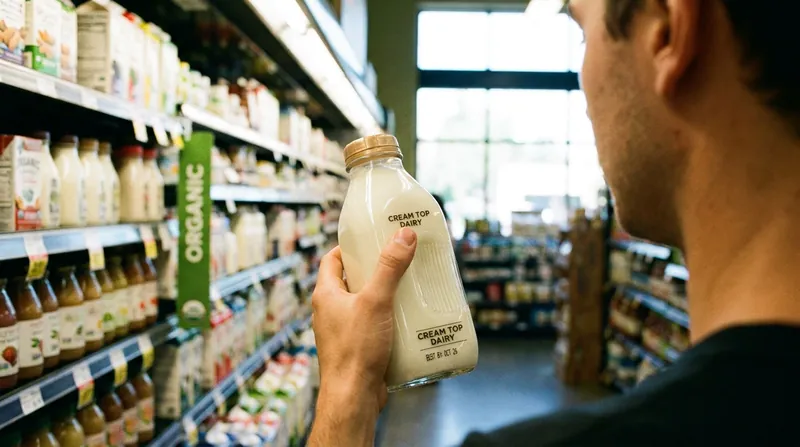
California's New Law Bans 'Sell By' Dates, Standardizing Food Labels to Cut Consumer Waste
Waste Reduction Advocates 40%Food Manufacturers & Retailers 30%Consumers & Household Economists 30%
ExplainerFood Safety
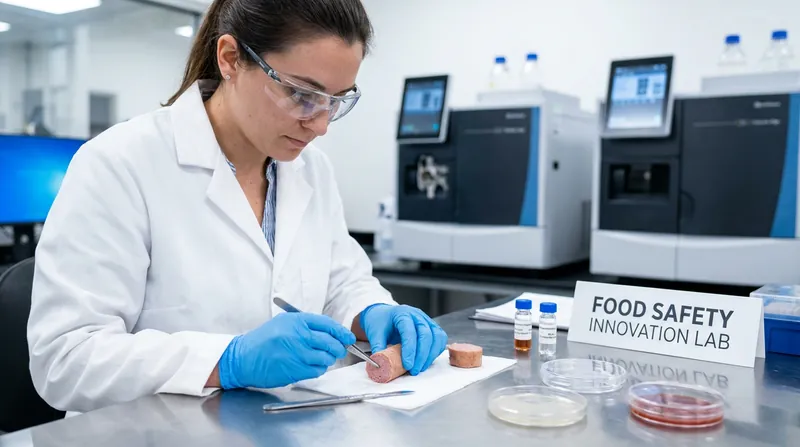
How the USDA's New Heavy Metal Testing Rules Will Change Processed Meats
Public Health Advocates 40%Regulatory Agencies 35%Meat Processors 25%

Food TraceabilitySupply Chain Explainer
How Border Monitors and FDA Traceback Caught Cesium-137 in Imported Shrimp
Regulatory Authorities 40%Food Safety Experts 30%Seafood Importers & Retailers 30%
Food Safety
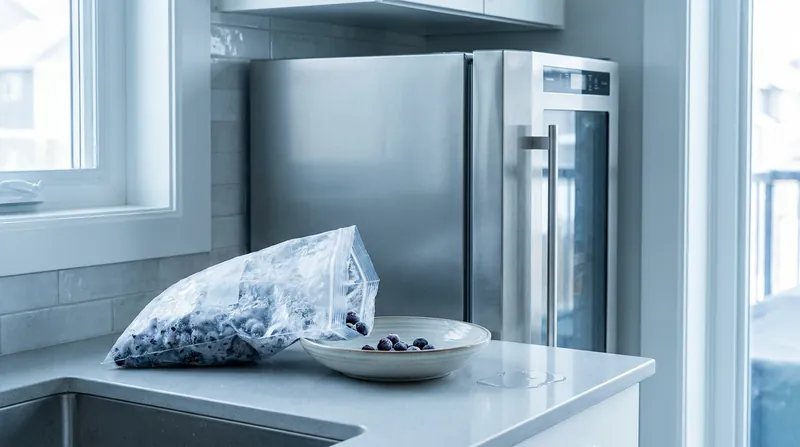
E. coli Outbreak Linked to Frozen Organic Blueberries Triggers Multi-State Recall and Freezer Safety Warning
Public Health Agencies 40%Consumer Safety Advocates 30%Food Microbiologists 30%
ExplainerCulinary Science
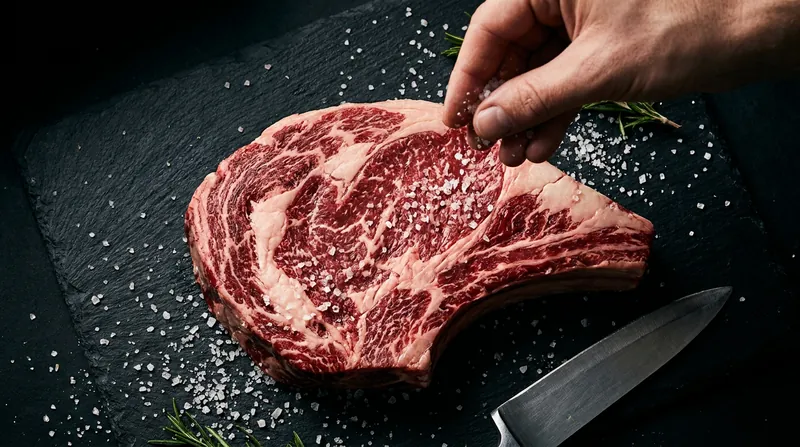
Why Salting Meat in Advance Uses Osmosis and Diffusion to Retain Moisture
Food Scientists 45%Culinary Instructors 40%Traditional Preservers 15%
ExplainerFood Science
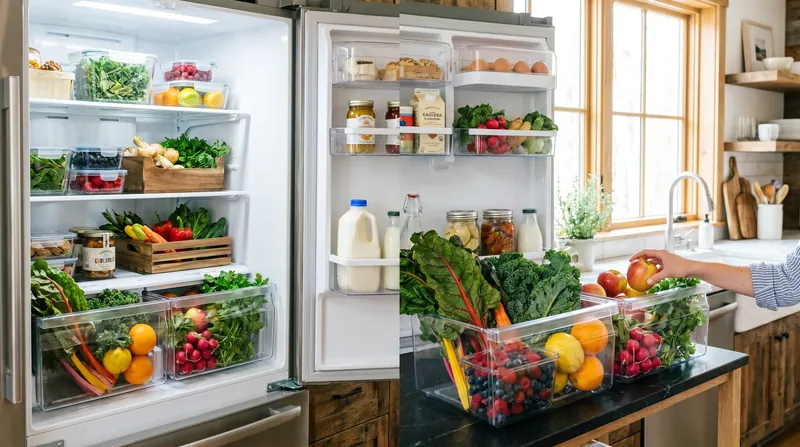
Managing Ethylene Gas and Refrigerator Humidity to Double Produce Shelf Life
Food Scientists 35%Sustainability Advocates 35%Home Economists 30%
ExplainerBaking Science
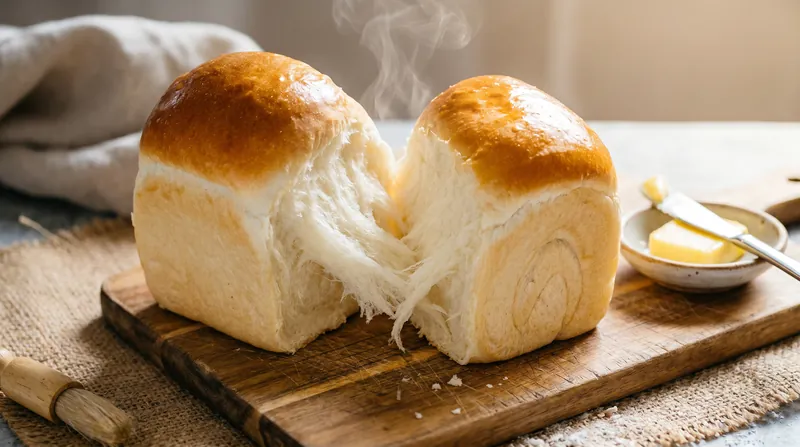
Pre-Gelatinizing Flour in Tangzhong and Yudane Keeps Bread Soft and Prevents Staling
Home Bakers & Enthusiasts 40%Commercial Bakeries 30%Food Scientists 30%

ExplainerMixology Science
Fat-Washing Uses Alcohol as a Chemical Solvent to Infuse Spirits With Savory Fats
Culinary Mixologists 40%Food Scientists 30%Home Enthusiasts 30%
ExplainerFood Science
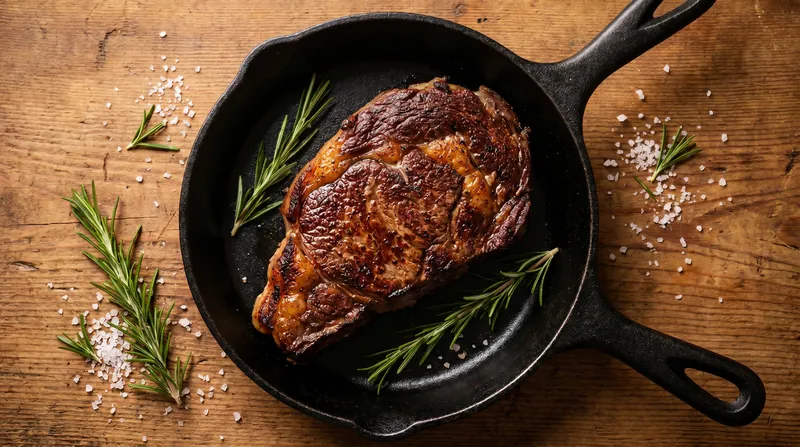
The Maillard Reaction: How Heat, Amino Acids, and Sugars Create Browned Flavors
Culinary Scientists 40%Practical Recipe Developers 40%Food Historians & Chemists 20%
ExplainerCulinary Science
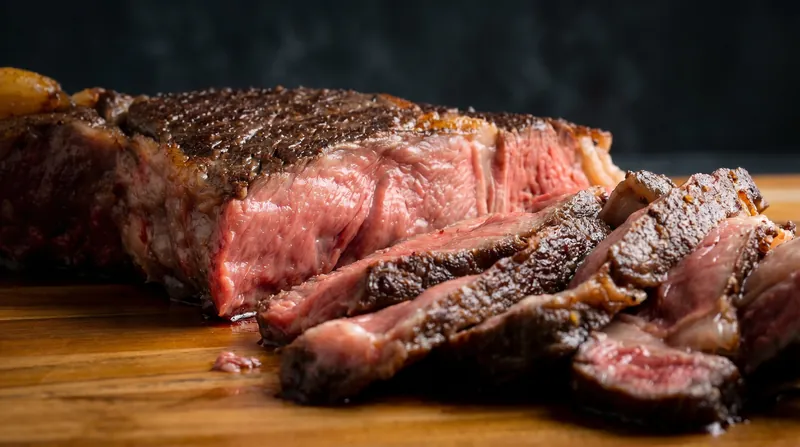
How Amino Acids and Reducing Sugars Produce Flavor Through the Maillard Reaction
Culinary Scientists 35%Professional Chefs 35%Health Researchers 30%
ExplainerCulinary Science
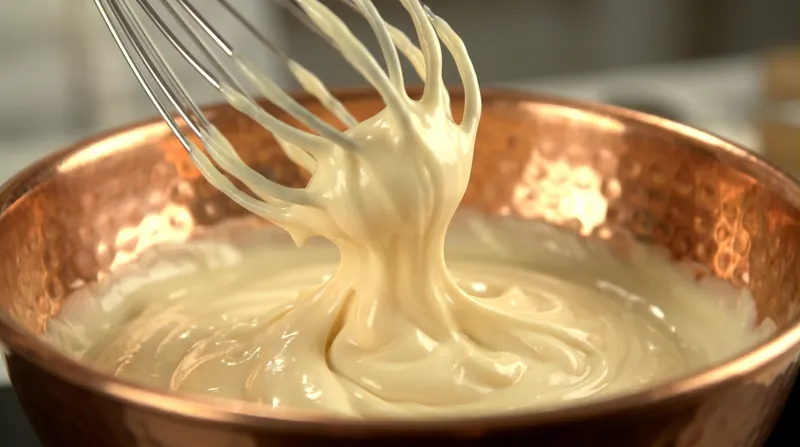
Chemical Emulsifiers and Mechanical Agitation: Binding Oil and Water in Sauces
Culinary Scientists 40%Practical Home Cooks 35%Professional Chefs 25%