
Soil, Climate, and Vineyard Aspect Shape Grape Composition and Wine Flavor
The concept of terroir explains how a vineyard's unique combination of soil, climate, and topography shapes the chemical composition of grapes. By regulating water access, nitrogen uptake, and sunlight exposure, these environmental factors dictate a wine's final aroma, flavor, and structure.

Share this story
Imagine standing in a wine shop, staring at two bottles of Pinot Noir. Both are made from the exact same grape, perhaps even by the same winemaker, yet one tastes of bright, tart cherries and wet stone, while the other is lush, dark, and velvety. The difference between those two glasses is not magic; it is geography. When you understand the mechanics of terroir—the French term for the total natural environment of a viticultural site—you stop buying wine by the grape and start buying it by the ground.[4]
Terroir is often romanticized as a mystical connection between the earth and the glass, but at its core, it is a rigorous intersection of botany, geology, and meteorology. It encompasses three primary pillars: soil, climate, and aspect, which is the topography and direction a vineyard faces. Together, these elements dictate how a grapevine struggles, how it feeds, and how it ripens its fruit, ultimately shaping the sensory experience of the final wine.[4][10]
To understand terroir, you must first understand that great wine rarely comes from comfortable vines. A grapevine planted in highly fertile, well-watered soil will focus its energy on growing lush canopies of leaves rather than complex fruit. The environmental stressors of a specific site force the vine to shift its metabolic energy toward reproduction—specifically, developing grapes with concentrated sugars, acids, and defensive compounds like tannins and anthocyanins.[2][5]
The soil component of terroir is perhaps the most debated and revered. While tasting "minerals" in wine is a common descriptor, vines do not actually transport recognizable flavor compounds directly from rocks to grapes. Instead, soil primarily influences wine through its physical texture and its ability to regulate water, acting as a natural rationing system for the plant.[1][3]
Gravelly soils, like those famous in Bordeaux, drain water rapidly. This forces the vine's roots to dig deep into the earth to find moisture, creating a mild, consistent water deficit. This stress signals the plant to stop growing shoots and start ripening berries, resulting in smaller grapes with a higher ratio of skin to juice, which translates to deeper color and firmer tannins in your glass.[7]
Soil texture also dictates vineyard temperature. Dark, rocky soils absorb heat during the day and radiate it back to the vines at night, aiding in the ripening of late-harvest varieties in cooler climates. Conversely, light-colored, clay-heavy soils stay cooler and retain more water, delaying ripening and preserving the bright, zesty acidity essential for crisp white wines.[8]
Beyond water and heat, the chemical composition of the soil—specifically its nitrogen status—plays a critical role in the vine-fruit-wine continuum. Nitrogen is essential for yeast health during fermentation. Grapes grown in nitrogen-poor soils often undergo slower, more stressful fermentations, which can produce completely different aromatic profiles than those grown in nitrogen-rich environments, fundamentally altering the wine's bouquet.[9]
If soil is the foundation, climate is the engine. The macroclimate of a region dictates which grape varieties can even survive there. But terroir is truly expressed in the microclimate—the specific temperature, sunlight, and wind conditions of a single vineyard block, which can vary wildly from one side of a hill to the other.[2]
Temperature directly controls the metabolic pathways that create flavor and color. Warm days accelerate sugar accumulation and drive off malic acid, leading to riper, softer wines. However, cool nights are equally crucial. A significant diurnal temperature shift preserves the grapes' natural acidity and slows the degradation of anthocyanins, the compounds responsible for the red and purple colors in wine.[5]
Recent advancements in viticultural science have mapped exactly how climate impacts aroma. Sunlight exposure increases the concentration of certain aromatic precursors, such as terpenes, which give Riesling its floral notes, and thiols, which provide Sauvignon Blanc with its characteristic grapefruit and passionfruit aromas. Too much heat, however, can bake these delicate compounds away, leaving the wine tasting flat and jammy.[6]
The final pillar of terroir is aspect—the slope and orientation of the vineyard. A hillside facing the morning sun will warm up faster and dry out morning dew, reducing disease pressure. The angle of the slope also dictates how directly the sun's rays hit the canopy, acting as a natural solar panel for the vines.[4]
In cooler regions, planting on a steep, south-facing slope in the Northern Hemisphere maximizes solar radiation, ensuring grapes ripen fully even in marginal climates. Elevation also plays a role; vineyards planted higher up a mountain experience cooler temperatures and more intense ultraviolet light, which thickens grape skins and increases tannin structure.[4][10]
The magic of terroir is that none of these factors operate in isolation. A warm climate might be mitigated by a high-elevation aspect, or a heavy clay soil might be balanced by a steep, well-draining slope. The interplay of soil water capacity, nitrogen availability, and climatic temperature creates a unique matrix of stressors that cannot be replicated anywhere else on Earth.[1][3]
Yet, the concept of terroir remains somewhat controversial because it is impossible to separate the natural environment from the human hand. The choice of rootstock, the method of pruning, the decision of when to harvest, and the techniques used in the cellar all filter the expression of the site. A heavy-handed winemaker can easily erase the delicate nuances of a vineyard with excessive oak aging or chemical additions.[3]
Ultimately, terroir is the scientific explanation for a wine's sense of place. It is the reason why a glass of Chablis tastes fundamentally different from a California Chardonnay, even though they share the same DNA. By learning to taste the impact of soil, climate, and aspect, you unlock a deeper, more sensory connection to the agricultural reality of what is in your glass.[10]
How we did this
- Method
- A cross-study synthesis of environmental stressors, comparing how soil nitrogen availability and climatic temperature variations independently and jointly regulate anthocyanin (color) and aroma compound synthesis in grape berries.
- What we found
- While climate primarily dictates the baseline sugar-to-acid ratio and total anthocyanin potential through temperature and sunlight, soil acts as the ultimate fine-tuning mechanism by restricting water and nitrogen, which concentrates those compounds and shifts the final aromatic profile from generic fruit to site-specific complexity.
- What we worked from
- Limits of this analysis
- Terroir expression is heavily mediated by human intervention (viticultural practices, rootstock choices, and winemaking techniques), making it difficult to isolate pure environmental effects from human decisions in commercial wines.
Key points
- Terroir is the combined environmental impact of soil, climate, and topography on a grapevine's growth and fruit composition.
- Soil influences wine primarily through water regulation and temperature retention, not by transferring literal minerals into the grapes.
- Mild environmental stress, such as restricted water or nitrogen, forces vines to concentrate flavors, colors, and tannins in their berries.
- Climate and diurnal temperature shifts dictate sugar accumulation, acid retention, and the development of delicate aromatic compounds.
What we don’t know
- The exact biochemical pathways by which specific soil microbiomes influence the aromatic precursors in grape berries.
- How rapidly accelerating climate change will permanently alter the established terroir of historic wine regions.
- The precise boundary where human viticultural practices end and pure environmental terroir expression begins.
- Environmental Determinists
- Argue that the natural site (soil and climate) is the supreme factor in wine quality and character.
- Scientific Reductionists
- View terroir purely as a set of measurable, manipulable inputs like water deficit, nitrogen status, and solar radiation.
- Human Interventionists
- Emphasize that terroir is meaningless without the viticultural and winemaking choices that guide the grapes to the glass.
Perspectives this story doesn't cover
- Commercial wine consumers
- Climate adaptation strategists
Sources
Source coverage
10 outlets
3 viewpoints surfaced





- [1]OENO OneScientific Reductionists
Soil-related terroir factors: a review
Read on OENO One → - [2]OENO OneScientific Reductionists
How soil and climate variability within a vineyard can affect the heterogeneity of grapevine vigour and production
Read on OENO One → - [3]IVES Technical ReviewsHuman Interventionists
Deconstructing the soil component of terroir: from controversy to consensus
Read on IVES Technical Reviews → - [4]Journal of Wine ResearchEnvironmental Determinists
The concept of terroir in viticulture
Read on Journal of Wine Research → - [5]MoleculesScientific Reductionists
Effects of Climatic Conditions and Soil Properties on Cabernet Sauvignon Berry Growth and Anthocyanin Profiles
Read on Molecules → - [6]OENO OneScientific Reductionists
Recent advancements in understanding the terroir effect on aromas in grapes and wines
Read on OENO One → - [7]OENO OneScientific Reductionists
THE SOIL COMPONENT OF TERROIR
Read on OENO One → - [8]OENO OneScientific Reductionists
THE IMPACT OF DIFFERENCES IN SOIL TEXTURE WITHIN A VINEYARD ON VINE VIGOUR, VINE EARLINESS AND JUICE COMPOSITION
Read on OENO One → - [9]OENO OneScientific Reductionists
SOIL PARAMETERS IMPACT THE VINE-FRUIT-WINE CONTINUUM BY ALTERING VINE NITROGEN STATUS
Read on OENO One → - [10]Factlen Editorial Team
Synthesis by Factlen editorial team
Read on Factlen Editorial Team →
More in Food & Drink
See all →Harvest Yields
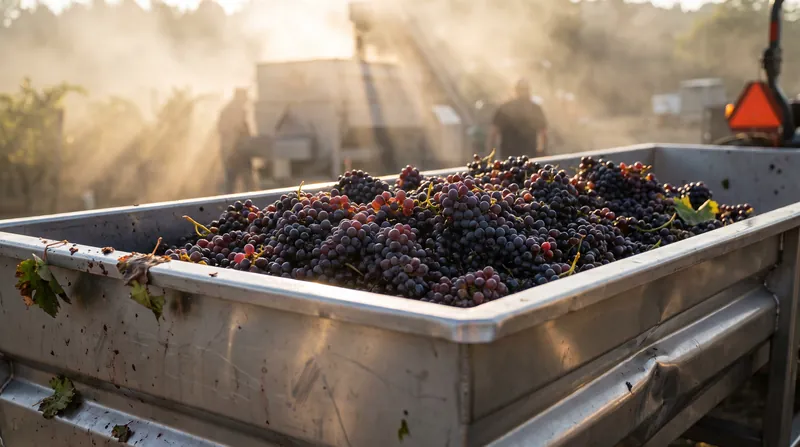
France's 2026 Wine Output Projected to Hit 70-Year Low Amid Climate-Driven Harvest Extremes
4 sources
Harvest Chemistry
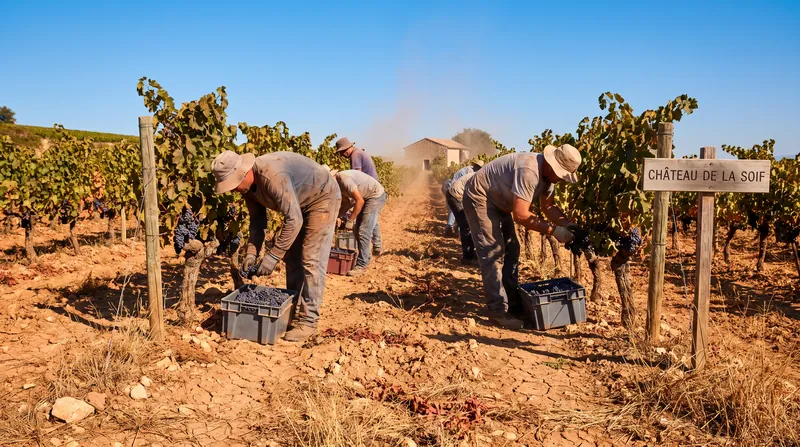
The 22 to 24 Brix Range: How Sugar Concentration Dictates Potential Alcohol and Harvest Timing
9 sources
Wine Chemistry
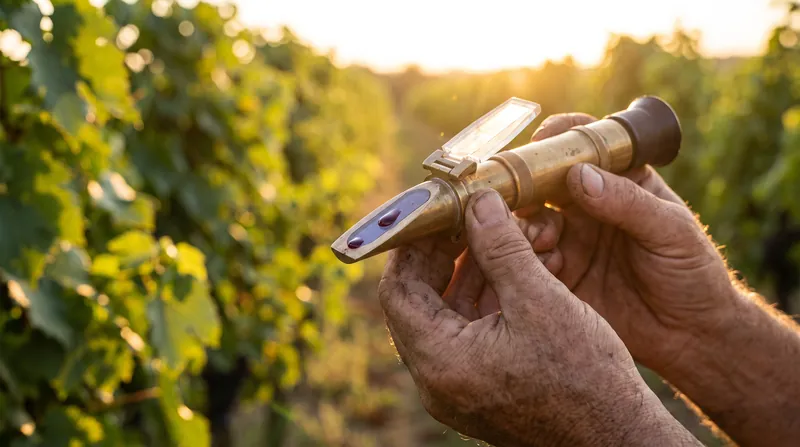
The 350 ppm Maximum: How Sulfur Dioxide Prevents Oxidation and Microbial Spoilage in Wine
4 sources
Tannin Chemistry
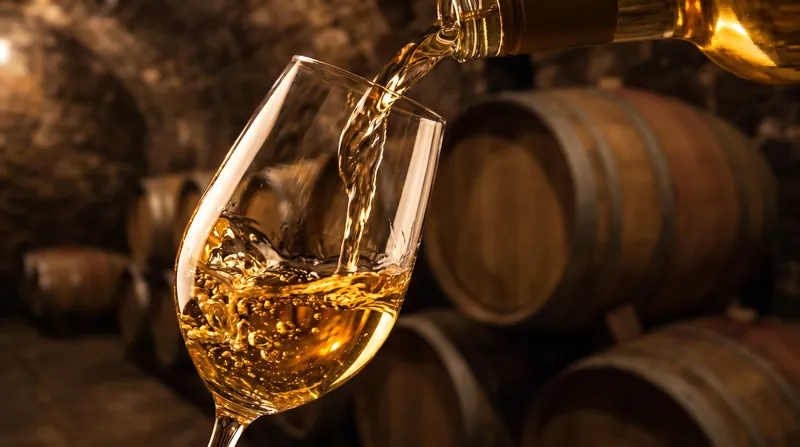
The Chemistry of Aging: How Tannin Polymerization Creates a Silkier Texture in Red Wine
6 sources
Comments
Every angle. Every day.
Get Food & Drink stories with full source coverage and perspective breakdowns, free every day.