
How the French Wine Industry is Adapting to a Historic 18% Harvest Drop
Following extreme weather that caused France's sixth-smallest wine harvest in a century, vineyards are rapidly deploying new grape varieties, canopy shading, and soil science to build climate resilience.

Share this story
The French Ministry of Agriculture has confirmed a catastrophic 18% drop in the national wine harvest, reducing total output to 39.3 million hectoliters. The steep decline marks the sixth-smallest vintage in the past century, stripping France of its title as the world's largest wine producer. The shortfall was driven by a brutal combination of extreme weather events that battered nearly every major growing region.
Mildew and poor fruit set plagued the early summer, followed by intense, prolonged heatwaves that saw peak temperatures spike to 44 degrees Celsius (111 degrees Fahrenheit). While the immediate economic impact is severe, the historic drop is serving as a powerful catalyst for the industry. Rather than simply accepting lower yields as an inevitable consequence of a warming planet, French vintners are treating the crisis as an accelerant for sweeping agricultural reform, rewriting the rules of viticulture to build resilient, drought-tolerant ecosystems.[1][2]
To understand the industry's pivot, it is essential to understand the physiological mechanism of heat stress on grapevines. When temperatures soar into the extreme upper registers, vines enter a state of survival mode. Dr. Alistair Nesbitt, CEO of Vinescapes, explains that extreme heat causes the vines to literally shut down. To prevent fatal water loss, the plant closes its stomata—the microscopic pores on its leaves.
This defensive mechanism halts photosynthesis, stopping the grapes from developing and leaving the fruit vulnerable to severe sunburn. If the soil is already depleted of moisture from prolonged drought, the vine cannot pull up the water necessary to cool itself, creating a highly unsuitable growing environment that can desiccate entire clusters before they ever reach maturity.[2][6]
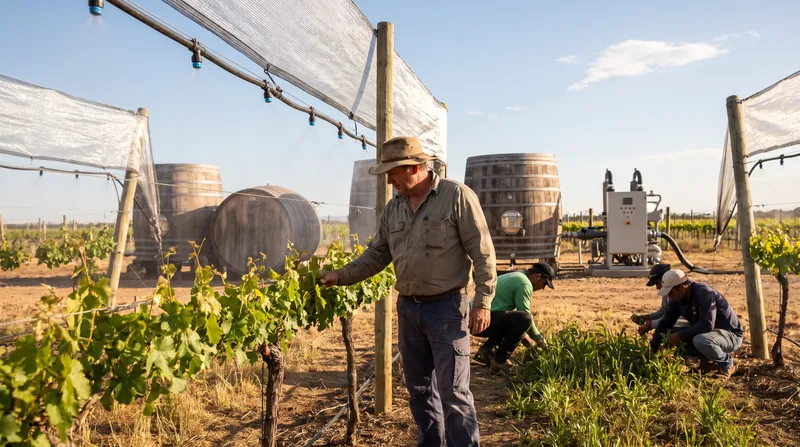
In response, the central pillar of French viticulture has shifted from maximizing sun exposure to mastering water retention and temperature control. Historically, growers aggressively pruned leaves to expose grapes to the direct sun, ensuring maximum ripeness in cooler climates. Today, that practice is being rapidly reversed.
Winemakers across Burgundy and Bordeaux are now practicing careful canopy management, maintaining a "light shade" with functional foliage to protect clusters from thermal excess. By leaving a protective umbrella of leaves over the fruit, growers can shield the berries from the afternoon sun while still allowing enough air circulation to prevent the humidity that breeds downy mildew.[3][7]
Beneath the vines, a quiet revolution in soil science is taking root. Estates are moving away from the traditional practice of maintaining bare, tilled earth between the rows, which accelerates evaporation and degrades the soil structure. Instead, viticulturists are planting diverse cover crops and native grasses. This agroecological approach transforms the vineyard floor into a living sponge.
A well-structured soil, rich in organic matter and traversed by deep root systems, absorbs heavy rainfall far more effectively during violent summer storms, preventing runoff. During subsequent heatwaves, this retained subterranean moisture provides a vital lifeline to the vines, allowing them to endure prolonged dry spells without shutting down.[3][5][7]
Beyond farming techniques, the actual genetic composition of French wine is undergoing a historic evolution. The Institut National de l'Origine et de la Qualité (INAO)—the notoriously strict regulatory body governing French appellations—has authorized the experimental use of new, climate-resistant grape varieties in historically rigid regions like Bordeaux.
Winemakers are now permitted to plant a curated selection of hybrid and foreign grapes designed specifically to withstand the rigors of a hotter, drier climate. This marks a profound shift for an industry that has built its global reputation on centuries-old, hyper-specific varietal blends.[8]
The newly approved varieties, such as Touriga Nacional (the heat-loving grape native to Portugal's Douro Valley) and Marselan (a robust crossbreed of Cabernet Sauvignon and Grenache), offer distinct physiological advantages. These grapes naturally resist drought and mildew, but more importantly, they operate on a delayed phenological timeline.
They bud and ripen later in the season, which allows them to avoid the devastating late-spring frosts that frequently decimate early-budding varieties like Merlot. By blending these resilient newcomers into their traditional vats, producers can maintain the structural integrity and volume of their wines even when extreme weather severely diminishes the primary crop.[8]
For the traditional varieties that remain, the harvest timeline is being radically compressed. To combat the rising sugar levels and plummeting acidity caused by intense heat, picking is beginning earlier than ever before. In regions like Champagne and the Loire Valley, harvests that historically took place in late September are now routinely commencing in mid-August.
Warmer conditions accelerate grape ripening, and while higher alcohol can make young wines feel richer, excessive ripeness leads to wines that lose their balance and signature freshness. By harvesting weeks ahead of the historical average, winemakers can lock in the grapes' natural acidity before the late-summer heat spikes the sugar content to unmanageable levels.[4][6]
Paradoxically, while extreme weather is driving down overall yields, the stress on the vines can occasionally concentrate flavors, leading to exceptional, highly rated vintages. However, climate scientists and viticulture experts warn that there is a hard physiological limit to this adaptation. Sustained extreme heat will eventually outpace the benefits of canopy shading and drought-resistant rootstocks, degrading the wine's delicate balance and turning fresh, complex aromas into flat, jammy profiles.
The 18% harvest drop serves as a stark reminder of agriculture's vulnerability, but the proactive, science-driven response from French vintners offers a hopeful roadmap. By blending centuries-old terroir knowledge with modern agroecology, the industry is proving that tradition can evolve to meet the climate challenge.[4][5][6]
The stakes of this agricultural pivot extend far beyond the borders of France. As the world's premier wine-growing regions face identical climate pressures—from the wildfires of California to the droughts of Australia—the adaptation strategies being pioneered in Bordeaux, Burgundy, and Champagne are serving as a global blueprint.
The successful integration of regenerative soil practices, precision canopy management, and climate-resilient grape hybrids demonstrates that high-value agriculture can survive a warming planet without sacrificing quality. For the global agricultural sector, the French wine industry's response to its catastrophic harvest is a powerful testament to human ingenuity, proving that the most effective way to preserve a legacy is to actively reinvent it.[3][5]
Key points
- France's wine harvest dropped 18% to 39.3 million hectoliters due to mildew, hail, and extreme heatwaves.
- Extreme temperatures cause vines to close their stomata, halting photosynthesis and grape development.
- Winemakers are adapting by maintaining leaf canopies to shade grapes rather than exposing them to the sun.
- Vineyards are planting cover crops between rows to transform the soil into a sponge that retains water.
What we don’t know
- Whether the newly approved grape varieties will be fully embraced by consumers accustomed to traditional French flavor profiles.
- How long canopy management and soil adaptations can successfully mitigate the effects of consistently rising global temperatures.
How we got here
Early Summer
Unusually wet and humid conditions trigger widespread downy mildew and poor fruit set across major vineyards.
Late June
A record-breaking heatwave strikes France, with temperatures peaking at 44°C, causing vines to shut down.
Mid-August
Harvesting begins weeks ahead of historical averages in regions like Champagne to preserve grape acidity.
September
The French Ministry of Agriculture confirms an 18% drop in the national wine harvest, reducing output to 39.3 million hectoliters.
- Agroecological Innovators
- Advocate for treating vineyards as holistic ecosystems rather than monocultures.
- Traditionalist Winemakers
- Focus on preserving the historic identity and terroir of specific appellations.
- Climate Scientists
- Warn that agricultural adaptation has hard physiological limits.
Perspectives this story doesn't cover
- Global Wine Consumers
- Vineyard Laborers
Sources
Source coverage
8 outlets
3 viewpoints surfaced








- [1]DecanterTraditionalist Winemakers
France expects one of smallest wine harvests in a century
- [2]The Drinks BusinessClimate Scientists
French wine producers face another difficult growing season
- [3]ForbesAgroecological Innovators
Why Fine Wine Has Entered A New Era Of Climate Competition
- [4]National GeographicClimate Scientists
Climate change could make French wine taste better—for now
- [5]Magma MagazineAgroecological Innovators
Adapting to a future where global warming does not exceed 2 degrees
- [6]Vino Joy NewsClimate Scientists
France's prolonged heatwave is set to significantly reduce this year's wine harvest
- [7]Domaine Pascal RenaudTraditionalist Winemakers
The question of water has become central in all French vineyards
- [8]Big Hammer WinesAgroecological Innovators
Changing Vineyard Practices and New Grapes
More in Food & Drink
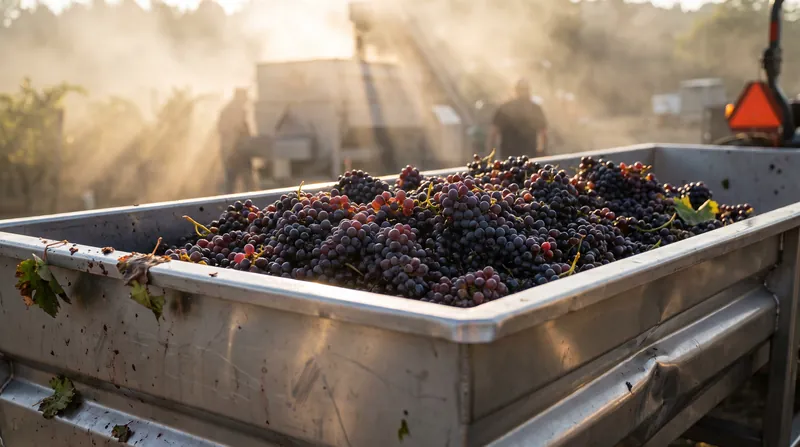
See all →Viticulture Science
Soil, Climate, and Vineyard Aspect Shape Grape Composition and Wine Flavor
10 sources
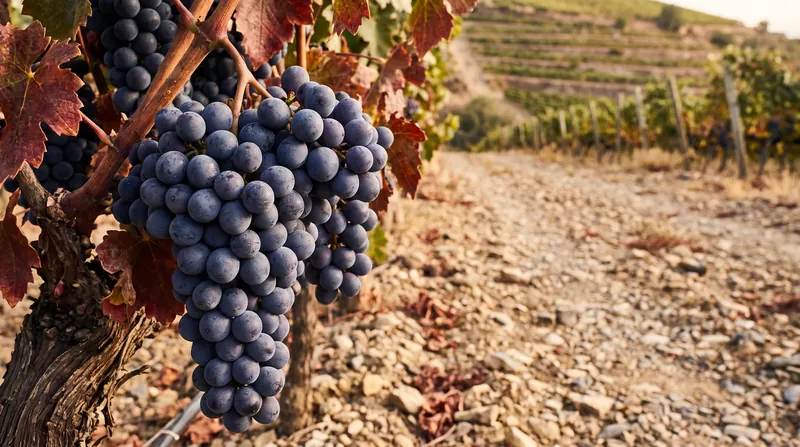
Climate Adaptation
Record Early Harvests Across Northern Hemisphere Force Winemakers to Adapt to 'Sugar-Drunk' 2026 Vintage
3 sources
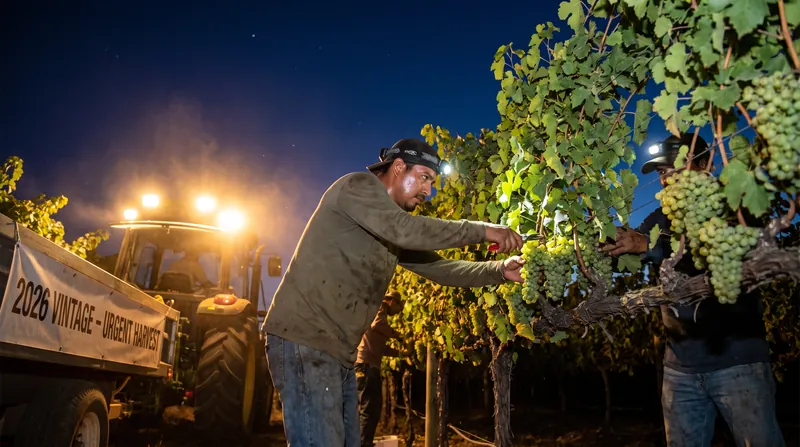
Wine Regulation
EU Finalizes Regulation Redefining 'Wine' to Include 'Alcohol-Free' Products
6 sources
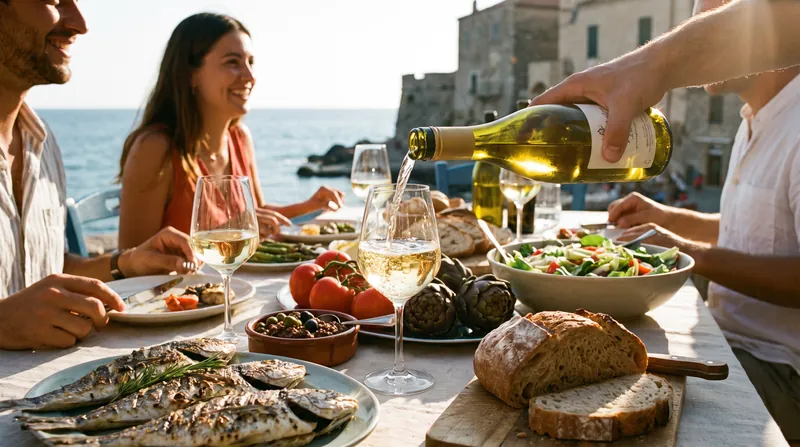
Viticulture Economics
Global Wine Production Hits Historic Low for Third Straight Year Amid Climate Crisis and Consumption Decline
4 sources
Comments
Every angle. Every day.
Get Food & Drink stories with full source coverage and perspective breakdowns, free every day.