
How Oenococcus oeni Bacteria Convert Tart Malic Acid into Buttery Diacetyl During Winemaking
Malolactic fermentation uses specific bacteria to deacidify wine, transforming sharp green-apple notes into a creamy, buttery texture.
By Kabir Mehra

Share this story
In short
- Malolactic fermentation uses Oenococcus oeni bacteria to convert tart malic acid into softer lactic acid.
- The process drops a wine's titratable acidity by 1 to 3 g/L and raises its pH by roughly 0.3 units.
- The bacteria also metabolize citric acid, producing diacetyl—the compound responsible for buttery aromas.
When a winemaker inoculates a barrel of Chardonnay with Oenococcus oeni bacteria, they are initiating a microscopic transformation that fundamentally alters how the wine feels in the mouth. This secondary process, known as malolactic fermentation (MLF), does not rely on yeast or produce alcohol. Instead, it targets malic acid—the sharp, tart compound responsible for the bite in a green apple. Over the course of several weeks, the bacteria consume this diprotic acid and excrete lactic acid, the softer, richer compound found in milk and cultured dairy products.[3]
The result is a profound textural shift. The harsh edges of the wine soften, and the mid-palate takes on a creamy, almost oily weight that defines many classic white wines. During the late 20th century, this buttery profile became the hallmark of highly sought-after California Chardonnays, though the style has seen shifting consumer preferences in recent years. Yet, beyond the trends, the biological mechanism remains a critical tool for managing a wine's structure and longevity.[3]
The sensory change is driven by a measurable chemical shift. As the bacteria convert the "harsher" diprotic malic acid into the softer monoprotic lactic acid, the wine loses a significant portion of its titratable acidity—typically dropping by 1 to 3 grams per liter. Simultaneously, the pH of the wine increases by roughly 0.3 units. Because lactic acid only has one acidic proton to donate compared to malic acid's two, the wine becomes measurably less sour.[1][2]
For grapes grown in cooler climates, this deacidification is often essential. Vines in cooler regions naturally retain higher levels of malic acid at harvest, and without bacterial intervention, the resulting wine can be aggressively tart. By encouraging malolactic conversion, winemakers can round out the mouthfeel. As wine writer Rémy Charest notes in SevenFifty Daily, the process "takes the edge off a wine's acidity by converting the sharper malic acid into the softer lactic acid... which rounds out the mouthfeel and makes a wine more accessible."[1][3]
But the bacteria do not stop at malic acid. Oenococcus oeni also metabolizes the small amounts of citric acid naturally present in the grape must. One of the intermediary byproducts of this citric acid degradation is a volatile compound called diacetyl. Diacetyl is the exact chemical responsible for the aroma of melted butter and toasted popcorn. When a Chardonnay smells heavily of butter, it is not because of the oak barrel itself, but because the malolactic conversion has left behind a high concentration of diacetyl.[3][4]
The maximum concentration of this buttery compound typically peaks just as the malic acid is fully exhausted. Winemakers can manipulate the intensity of this butter note by controlling the environment in the cellar. The final concentration of diacetyl is highly sensitive to oxygen exposure, redox potential, and the addition of sulfur dioxide (SO2).[4]
Diacetyl binds strongly with SO2; if a winemaker adds sulfur immediately after the fermentation completes, the buttery aroma is masked. However, this reaction is reversible. If the free SO2 levels drop during the wine's time in the bottle, the diacetyl is released, and the buttery aroma can suddenly re-emerge months or years later. Furthermore, the temperature of the fermentation plays a critical role: studies from Oregon State University demonstrate that conducting MLF at 15 °C versus 21 °C produces significantly different aromatic profiles and mouthfeel perceptions.[2][4]
While malolactic fermentation is famous for its role in white wines, it is actually far more common in reds. Winemakers routinely block the process in crisp whites like Riesling or Sauvignon Blanc to preserve their zesty, refreshing bite, usually by chilling the tanks and adding sulfites. In contrast, almost all red wines undergo full malolactic conversion.[3]
In a Cabernet Sauvignon or a Pinot Noir, the reduction in acidity and the slight bump in pH make the tannins feel rounder and more approachable. Without this bacterial intervention, many red wines would remain harsh, astringent, and microbiologically unstable in the bottle. By removing the malic acid, the winemaker eliminates a potential food source for spoilage organisms later on.[2][3]
The timing of the inoculation also dictates the final style. Before the mid-1900s, malolactic fermentation was a spontaneous, unpredictable event that occurred when the cellar warmed up in the spring. Today, commercial cultures of Oenococcus oeni, which became widely available in the 1980s, allow winemakers to trigger the process precisely.
Some choose to co-inoculate the bacteria alongside the yeast during the primary alcoholic fermentation, while others wait until the yeast has finished its work. This decision, combined with the specific strain of bacteria used, gives the winemaker extraordinary control over the wine's final texture, stability, and flavor profile, turning a sharp, acidic grape into a seamless, velvety pour.[2]
Key terms
- Malic Acid
- A sharp, tart organic acid naturally found in high concentrations in grapes and green apples.
- Lactic Acid
- A softer, milder acid produced by bacterial fermentation, commonly found in milk and yogurt.
- Diacetyl
- An organic compound produced as a byproduct during malolactic fermentation that smells and tastes like butter.
- Titratable Acidity (TA)
- A measure of the total available hydrogen ions in a wine, which correlates directly with how sour the wine tastes.
- Diprotic Acid
- An acid molecule that can donate two hydrogen ions (protons) per molecule, making it generally more acidic than a monoprotic acid.
Reader questions
Does malolactic fermentation produce alcohol?
No. Unlike primary fermentation, which uses yeast to turn sugar into alcohol, malolactic fermentation uses bacteria to convert one type of acid into another.
Why do some Chardonnays taste like butter?
The buttery flavor comes from diacetyl, a volatile compound produced by the bacteria when they metabolize the small amounts of citric acid in the grape juice.
Do all wines go through this process?
Almost all red wines undergo malolactic fermentation to soften their tannins and stabilize the wine. However, it is often intentionally blocked in crisp white wines like Riesling to preserve their tartness.
Where opinion splits
Cool-Climate Winemakers
Producers in cooler regions rely on malolactic conversion to make high-acid grapes palatable.
In regions like Burgundy or Oregon's Willamette Valley, grapes often struggle to ripen fully, leaving them with aggressive levels of malic acid at harvest. For these winemakers, Oenococcus oeni is not just a stylistic choice but a structural necessity. By converting the sharp diprotic acid into softer lactic acid, they drop the titratable acidity by up to 3 g/L, transforming a wine that would otherwise be unpleasantly tart into one with a rounded, creamy mid-palate. The resulting diacetyl production also adds aromatic complexity that complements oak aging.
Aromatic White Producers
Makers of crisp whites actively suppress the bacteria to preserve fresh fruit notes.
For producers of Sauvignon Blanc, Riesling, and Pinot Grigio, malolactic fermentation is often viewed as a flaw rather than a feature. The buttery diacetyl notes and the reduction in acidity can mask the delicate floral and citrus aromas that define these varieties. To prevent the conversion, these winemakers chill their tanks immediately after the primary yeast fermentation finishes and add sulfur dioxide to inhibit bacterial growth, ensuring the wine retains its zesty, green-apple bite.
Red Wine Producers
Red wine makers use the process universally for tannin softening and stability.
While consumers heavily associate MLF with buttery Chardonnay, the process is nearly universal in red winemaking. Beyond just lowering acidity, the slight increase in pH fundamentally alters how tannins interact with proteins in the mouth, making young, astringent reds feel significantly smoother. Furthermore, completing the malic-to-lactic conversion in the cellar removes the primary food source for spoilage bacteria. If a red wine were bottled with malic acid still present, ambient bacteria could trigger fermentation in the bottle, resulting in unwanted carbonation and off-flavors.
- Cool-Climate Winemakers
- Producers in cooler regions rely on malolactic conversion to make high-acid grapes palatable.
- Aromatic White Producers
- Makers of crisp whites actively suppress the bacteria to preserve fresh fruit notes.
- Red Wine Producers
- Red wine makers use the process universally for tannin softening and stability.
Perspectives this story doesn't cover
- Commercial yeast and bacteria laboratory scientists
- Sommeliers specializing in low-intervention wines
Sources
Source coverage
5 outlets
3 viewpoints surfaced




- [1]WikipediaRed Wine Producers
Malolactic fermentation
Read on Wikipedia → - [2]MDPIRed Wine Producers
Effect of Malolactic Fermentation Inoculation Timing and Temperature on Chardonnay Wine Aroma and Mouthfeel
Read on MDPI → - [3]SevenFifty DailyCool-Climate Winemakers
So You Think You Know Malo?
Read on SevenFifty Daily → - [4]Applied and Environmental MicrobiologyRed Wine Producers
Diacetyl in Wine: Role of Oenococcus oeni and Citric Acid
Read on Applied and Environmental Microbiology → - [5]Factlen Editorial TeamRed Wine Producers
Synthesis by Factlen editorial team
Read on Factlen Editorial Team →
More in Food & Drink
See all →Wine Chemistry
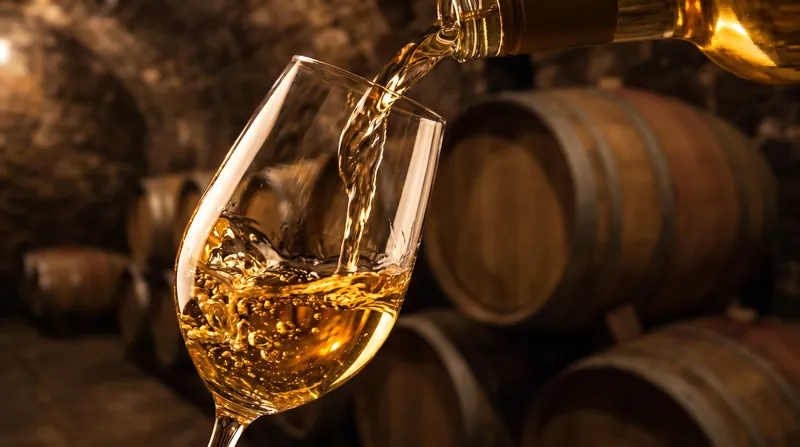
The 2,4,6-Trichloroanisole (TCA) Threshold: How 4 Parts Per Trillion Creates 'Cork Taint' in Wine
6 sources
Wine Chemistry
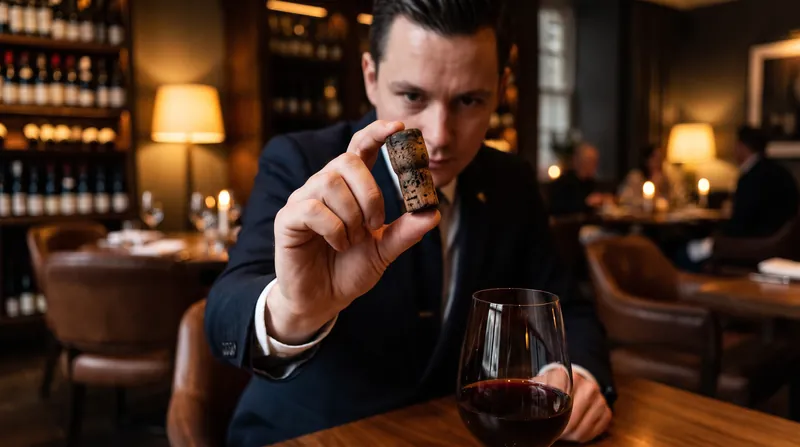
Why Sulfites in Wine Do Not Cause Headaches and How Winemakers Use Them
9 sources
Wine Chemistry
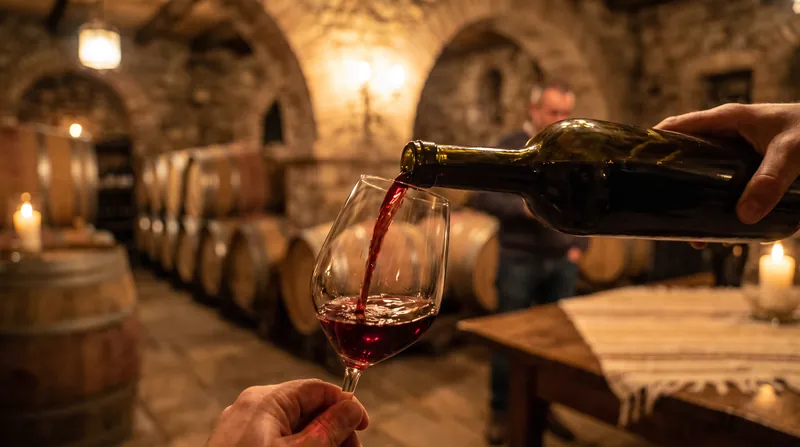
Why Uncorking a Wine Bottle to Let It Breathe Fails to Aerate the Wine Inside
4 sources
Wine Chemistry
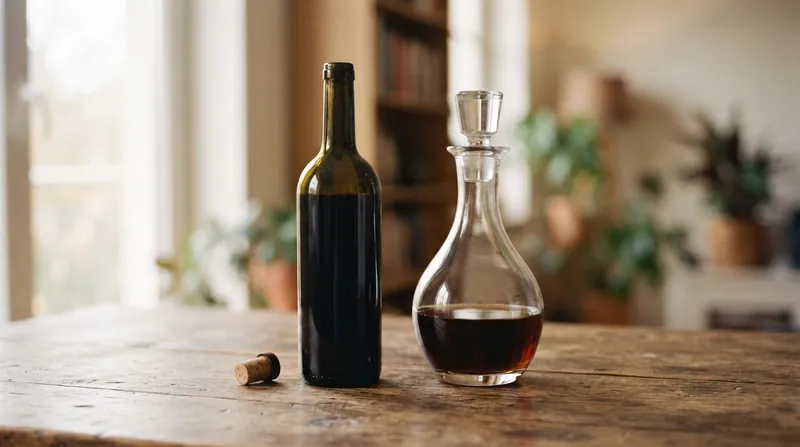
Why Chilling Wine Precipitates the Harmless Potassium Bitartrate Crystals Mistaken for Broken Glass
3 sources
Comments
Every angle. Every day.
Get Food & Drink stories with full source coverage and perspective breakdowns, free every day.