
National Security
Follow National Security in the Factlen app and get an alert when there is news. Get the app

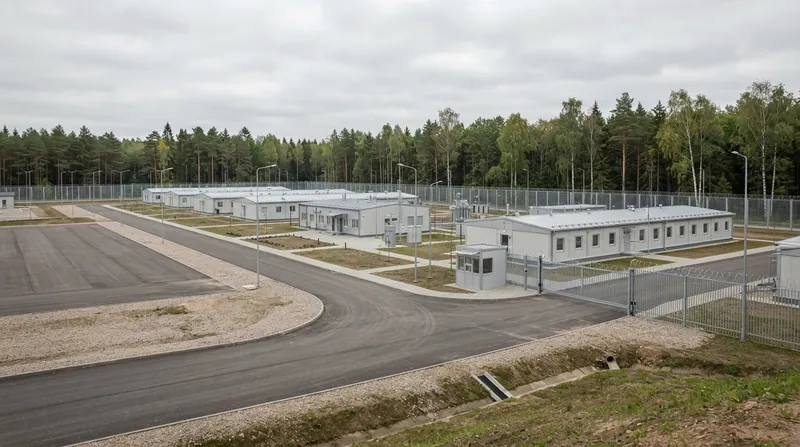
Military Basing
Pentagon Backs Permanent US Military Base in Poland Ahead of December Decision
6 sources · 5d ago

Defense Spending
UK Commits to 3 Percent GDP Defense Spending by 2030 in Major Budget Overhaul
7 sources · 19d ago

Nuclear Deterrence
North Korea Unveils Multiple-Warhead Hwasong-20 ICBM at New Defense Museum
7 sources · 34d ago
More in National Security
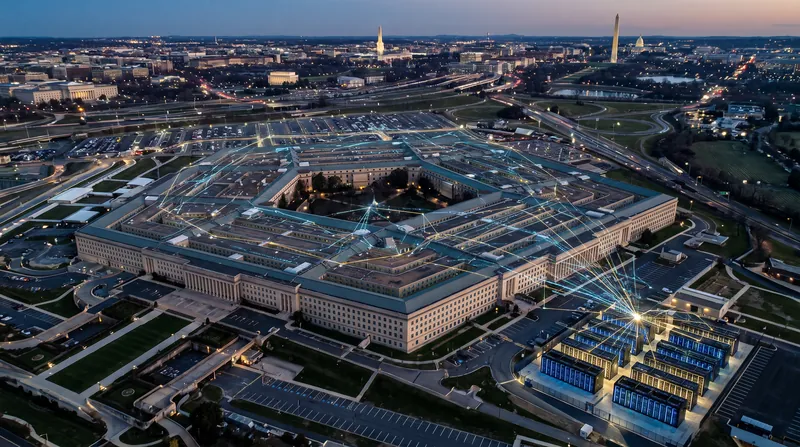
Deep DiveMilitary Modernization
The Architecture of National Security and Defense Strategy
Strategic Defense Planners 45%Security Analysts & Researchers 35%Oversight & Intelligence Community 20%

Naval PowerPeople's Liberation Army Navy
Chinese Carrier Liaoning Expands Pacific Deployments Amid US-Japan Military Drills
Chinese Strategic Planners 35%Japanese Defense Establishment 35%US Indo-Pacific Command 30%

ExplainerInertial Navigation
Why Inertial Navigation Systems Are Tuned to an 84.4-Minute Earth-Radius Pendulum
Inertial Systems Engineers 40%Aerospace Navigators 30%Theoretical Physicists 30%

ExplainerNuclear Physics
Why Plutonium-240 Spontaneous Fission Forces Nuclear Weapons to Use Symmetrical Implosion
Nuclear Physicists 40%Weapons Engineers 35%Non-Proliferation Analysts 25%
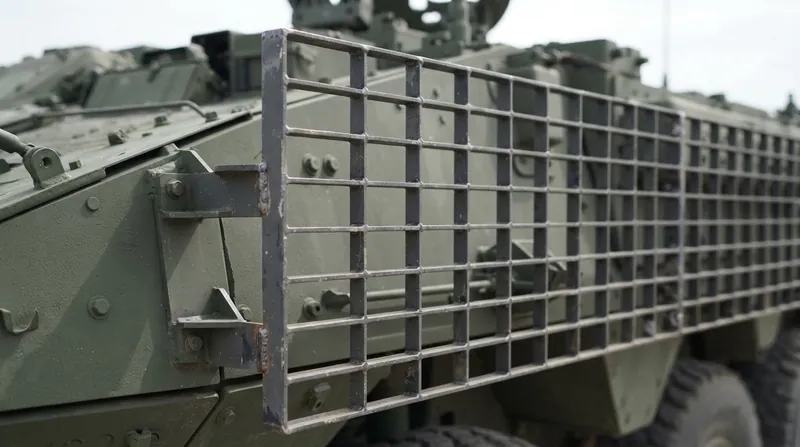
ExplainerArmor Defeat Mechanisms
Pinching the Double-Cone Ogive Between Steel Slats Short-Circuits RPG-7 Fuzes Before Detonation
Armor Engineers 40%Munitions Designers 35%Field Operators 25%

ExplainerEMP Physics
Geomagnetic Deflection: Why High-Altitude Nuclear Detonations Generate Nanosecond E1 Pulses
Grid Resilience Advocates 40%Threat Assessment Analysts 35%Theoretical Physicists 25%
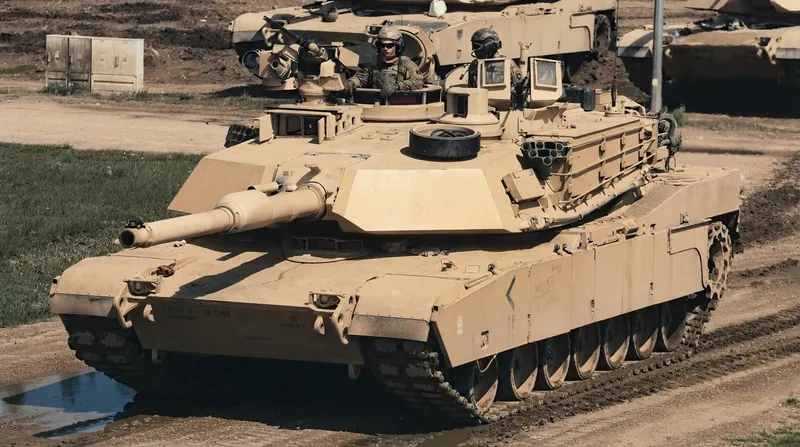
ExplainerMaterials Science
Adiabatic Shear Banding Sheds Deformed Shoulders on Impact, Allowing Depleted Uranium Penetrators to Self-Sharpen Through Heavy Armor
Metallurgical Consensus 45%Defense Planners 35%Environmental Advocates 20%

ExplainerNuclear Proliferation
Why Enriching Uranium to 20 Percent Completes 90 Percent of the Work for a Nuclear Weapon
Non-Proliferation Analysts 40%Nuclear Fuel Industry 30%Physics & Engineering Consensus 30%

Baltic SecurityKaliningrad
Moscow Issues Nuclear Threat to NATO Over Potential Kaliningrad Isolation
Baltic Defense Ministries 40%Russian Security Establishment 30%NATO Strategic Command 30%
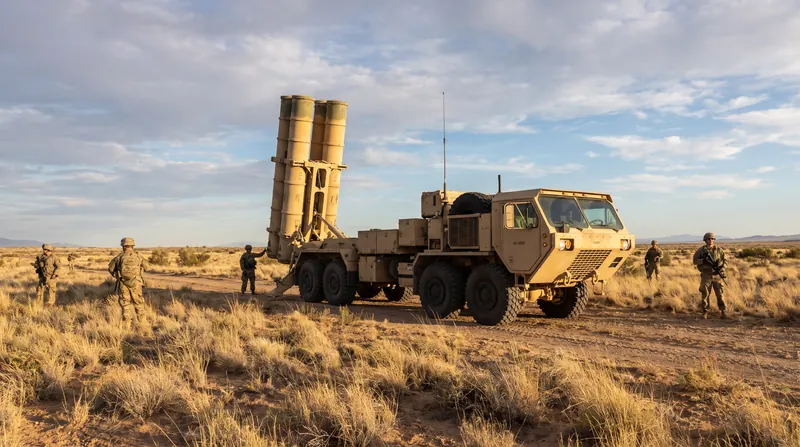
Indo-Pacific PostureStrategic Deployment
US Deploys Typhon Missile System to Okinawa as China and Russia Condemn Move
U.S. Defense Posture 40%Sino-Russian Opposition 40%Regional Observers 20%
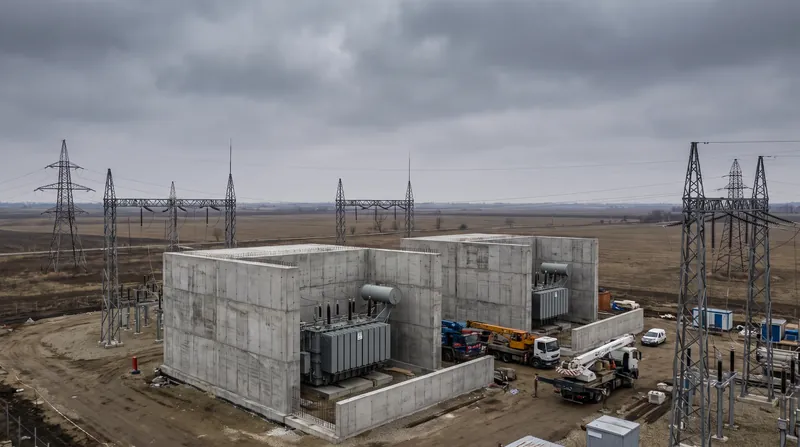
Grid DefenseInfrastructure Hardening
Lithuania Fortifies Key Power Substation Near Kaliningrad With Concrete 'Sarcophagi' Against Drone Attacks
Baltic Security Establishment 60%International Infrastructure Monitors 40%
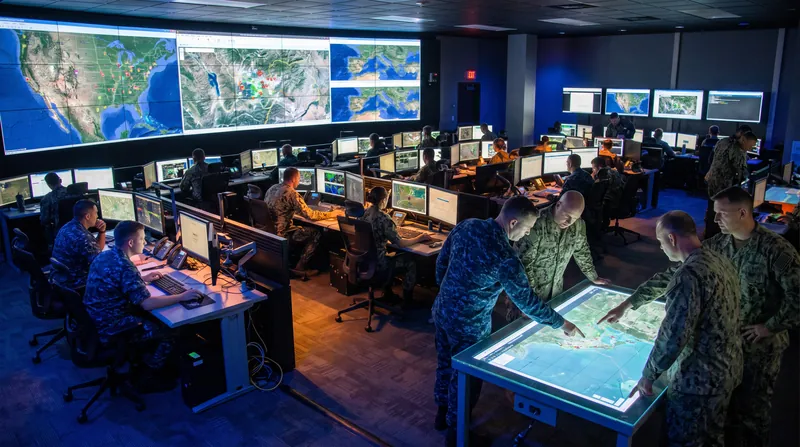
ExplainerMilitary Doctrine
The Find, Fix, Track, Target, Engage, and Assess Sequence: How the Military Executes the Joint Targeting Cycle
Traditional Airpower Advocates 40%Multi-Domain Modernizers 40%Non-Kinetic Strategists 20%

ExplainerNuclear Deterrence
The Bus, the Post-Boost Vehicle, and the Reentry Vehicles: How a MIRV System Delivers Multiple Warheads to Separate Targets
Strategic Deterrence Advocates 35%Arms Control Advocates 35%Homeland Defense Planners 30%

ExplainerInternational Law
The Two Exceptions to the UN Charter's Prohibition on the Use of Force: How Article 51 and Chapter VII Authorize Military Action
Modern Security Pragmatists 40%Strict Charter Originalists 30%Collective Enforcement Proponents 30%
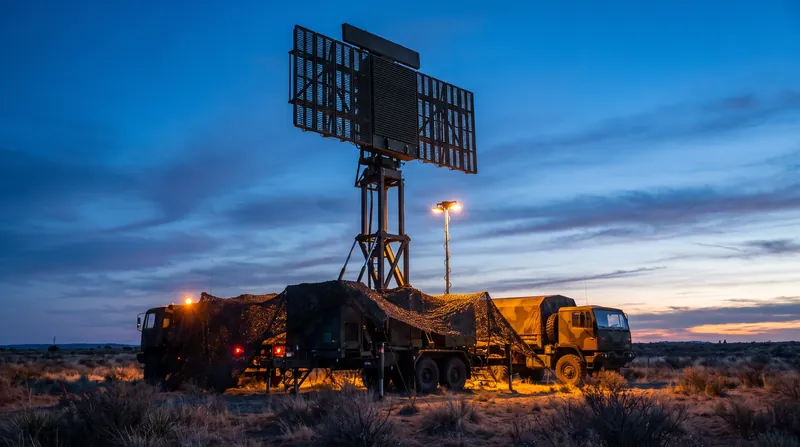
Air Defense ProcurementArms Package
U.S. Clears $2.68 Billion Air Defense Sale to Ukraine Featuring 'S-300 Clone' Missiles
U.S. Defense Planners 50%European Security Analysts 50%

ExplainerStrategic Planning
The Comparison of Capabilities, Concepts, and Context: How Net Assessment Defines Long-Term Military Competition
Strategic Diagnosticians 45%Allied Defense Planners 30%Empirical Intelligence Advocates 25%
ExplainerCyber Warfare Law
The Equivalent Kinetic Effect: How Physical Damage Defines a Cyber Operation as a Use of Force
Effects-Based Adherents 50%Loss of Functionality Proponents 30%Sovereignty Strict Constructionists 20%
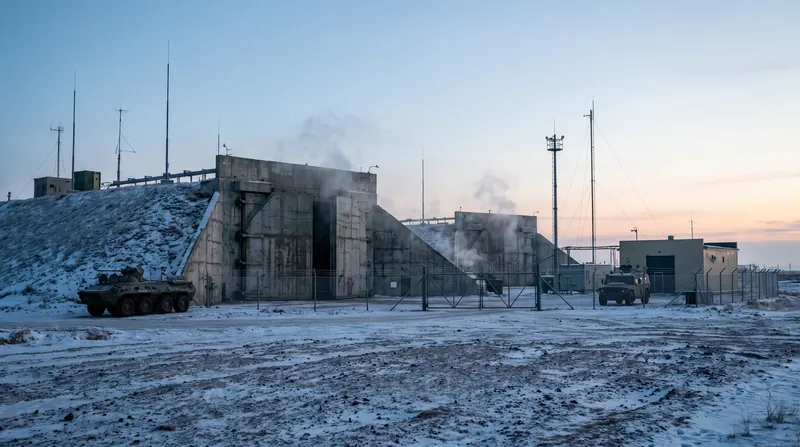
ExplainerNuclear Strategy
The Stability-Instability Paradox: How Nuclear Deterrence Enables Conventional Conflict
Paradox Proponents 50%Emerging Domain Analysts 30%Classical Deterrence Theorists 20%
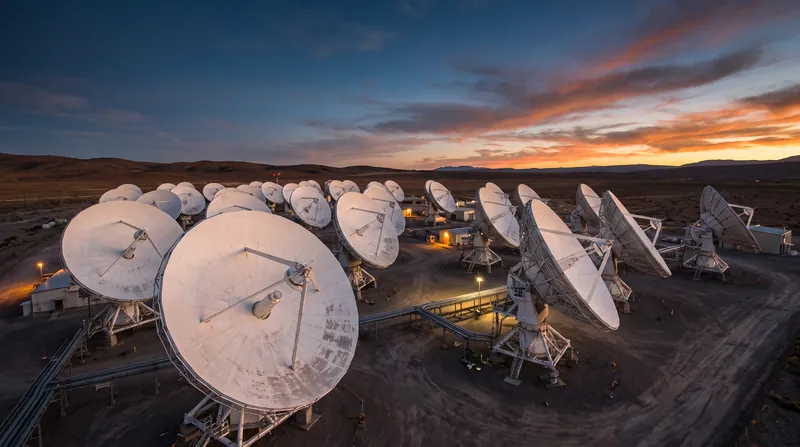
ExplainerSignals Intelligence
The Five Eyes Agreement: How the UKUSA Treaty Defines Intelligence Sharing and Collection Priorities
National Intelligence Apparatus 45%Civil Liberties Advocates 30%Strategic & Defense Analysts 25%
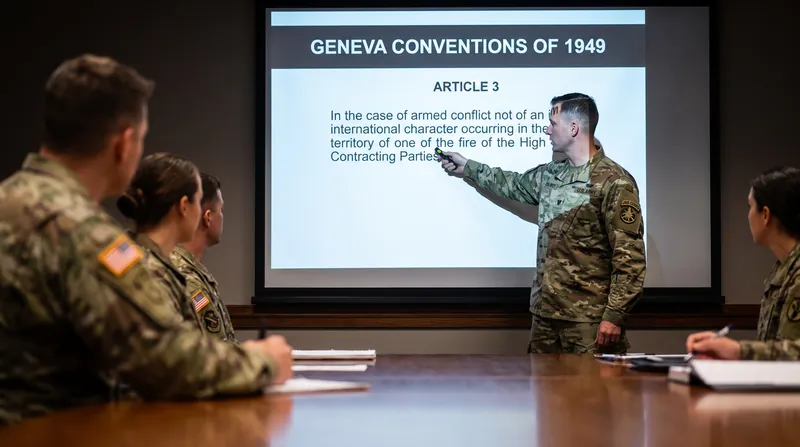
ExplainerLaw of Armed Conflict
The Four Conditions That Define a Lawful Combatant Under the Geneva Conventions
State Armed Forces 40%Humanitarian Legal Scholars 35%Non-State Armed Groups 25%

ExplainerIntelligence Architecture
The Statutory Roles and Responsibilities of the 18 Members of the U.S. Intelligence Community
Centralized Integration Advocates 40%Departmental Autonomy Defenders 40%Civil Liberties Watchdogs 20%
ExplainerDefense Procurement
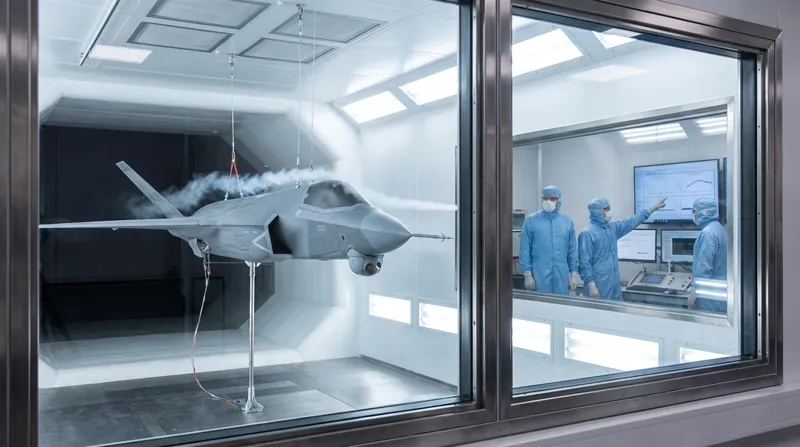
The Technology Readiness Level 6-7 Gap: How the 'Valley of Death' Separates Defense R&D from Program of Record
Defense Acquisition Community 35%S&T Developers 35%Commercial Venture Capital 30%
Missile ProliferationTactical Shift
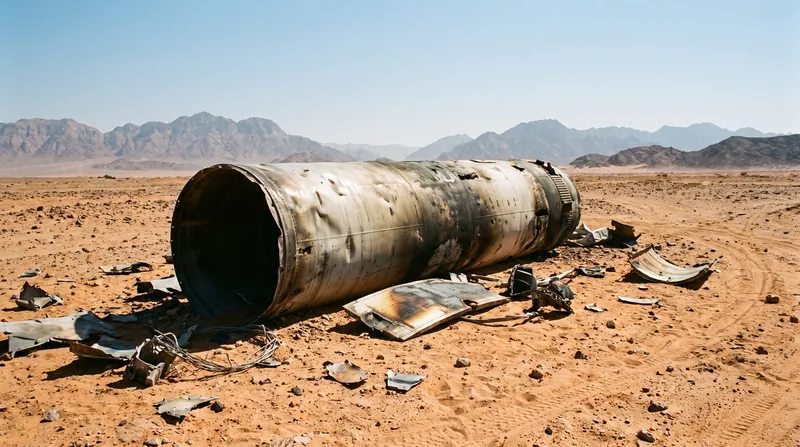
Saudi Arabia Appears to Deploy Secretive Chinese Ballistic Missile in Yemen
Open-Source Intelligence Analysts 40%Geopolitical Security Monitors 40%Skeptical Defense Observers 20%
ExplainerMilitary Doctrine
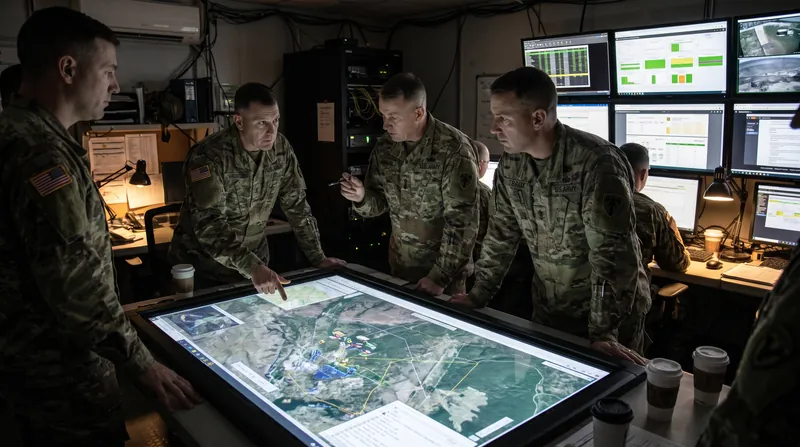
The Six Principles of Mission Command: How Unity of Effort, Competence, and Trust Dictate Decentralized Operations
Decentralized Operations Advocates 45%Technological Integration Skeptics 35%Doctrinal Synthesis Analysts 20%

Mobilization LawPolicy Decision
China Enacts Sweeping Revision to National Defense Mobilization Law
Western Defense Analysts 40%Economic & Supply Chain Observers 40%Chinese State Media 20%

ExplainerCFIUS Jurisdiction
The Three Categories of Covered Transactions: How CFIUS Reviews Foreign Investment in U.S. Technology, Infrastructure, and Data
National Security Regulators 40%Venture Capital & Private Equity 35%Legal & Compliance Practitioners 25%
Naval RoboticsTactical Shift
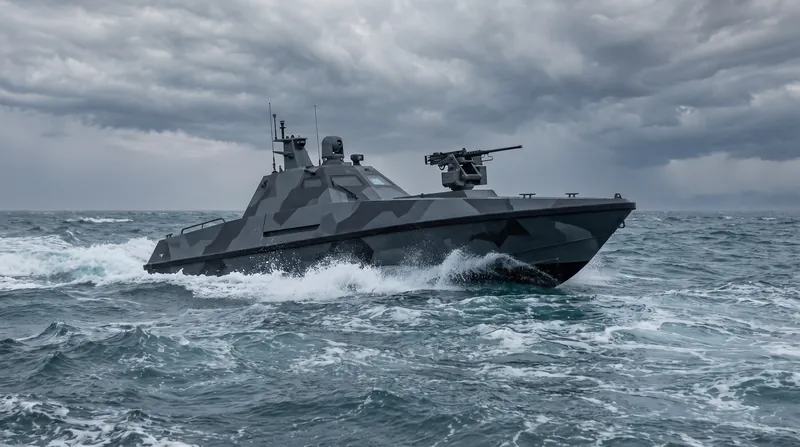
Ukraine Claims First-Ever Naval Battle Between Uncrewed Surface Vessels
Autonomous Systems Advocates 40%Naval Traditionalists 30%Commercial Maritime Insurers 30%
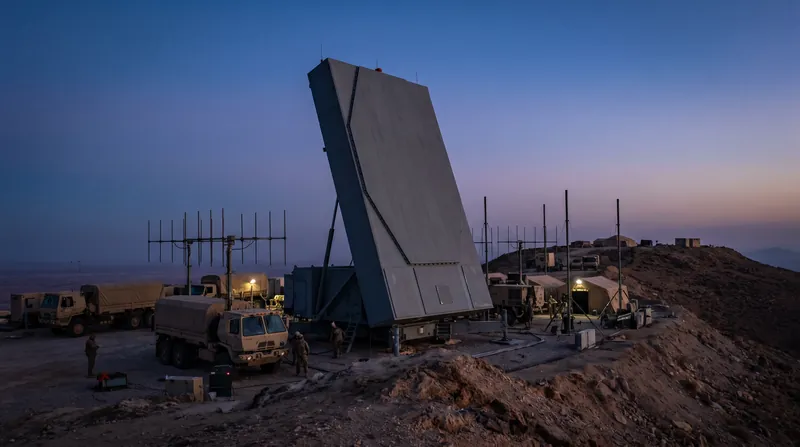
ExplainerAir Defense Architecture
How Concurrent Multi-Domain Attacks Are Forcing a Rethink of U.S. Air Defense Architecture
Defense Planners & Strategists 40%Defense Industrial Base 30%Frontline Commanders 30%
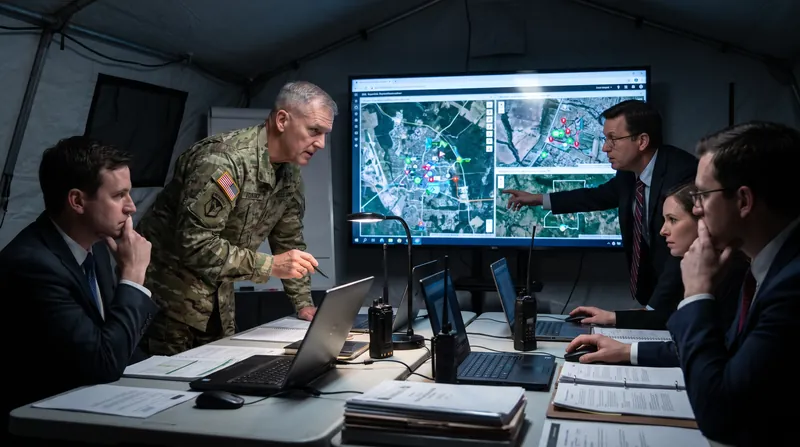
ExplainerLaw of Armed Conflict
Distinction, Proportionality, and Precaution: The Three Pillars of Lawful Military Targeting
Humanitarian Legal Scholars 40%Military Practitioners 35%International Accountability Bodies 25%
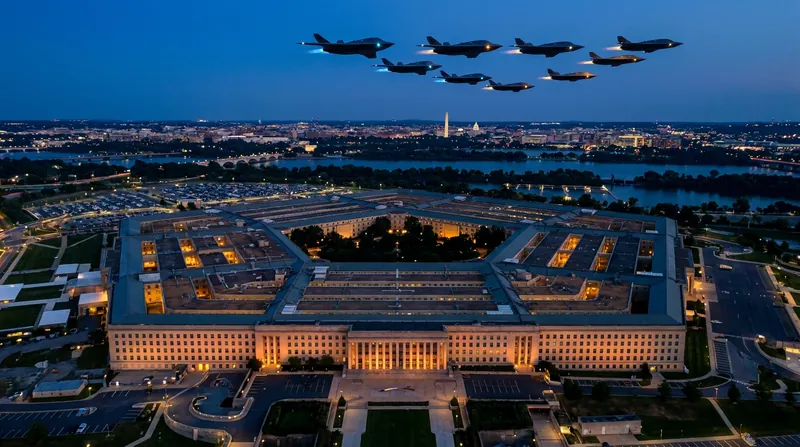
ExplainerDefense Budget
The Five Colors of Money: How RDT&E, Procurement, O&M, MILPERS, and MILCON Constrain Defense Spending
Defense Acquisition Officials 40%Congressional Oversight Advocates 35%Defense Industry Contractors 25%

AI SecurityDefense Tech
The AI Missile Race: Adversaries Weaponize Commercial Models as Pentagon Seeks AI Defenses
AI Developers 35%Defense Analysts 35%National Security Officials 30%

ExplainerAUMF Doctrine
Executive 'Associated Forces' Doctrine Extends the 2001 AUMF to Modern Militants
Executive Branch 40%Statutory Restrictivists 30%National Security Legal Scholars 30%

ExplainerTerminal Ballistics
The Cubic Root of Mass: How the Physics of High-Explosive Fragmentation Determines Lethality Radius
Munitions Engineers 40%Civilian Harm Analysts 30%Terminal Ballistics Researchers 30%

ExplainerNuclear Deterrence
Architecture of the US NC3 System Linking Presidential Authority to the Nuclear Triad
Strategic Deterrence Advocates 45%Cyber & Space Resilience Analysts 35%Arms Control & Risk Reduction Advocates 20%
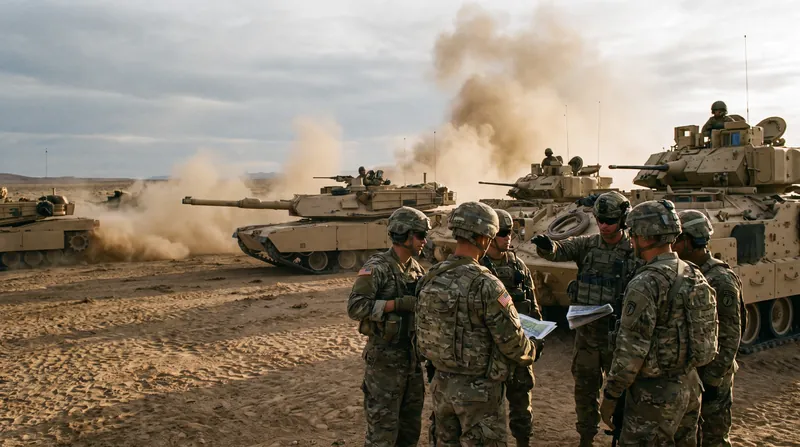
ExplainerCombat Readiness
Defining Military Readiness: How Manning, Training, Equipping, and Sustainment Dictate Combat Power
Readiness Advocates 35%Modernization Proponents 35%Systems Analysts 30%
ExplainerLogistics Architecture
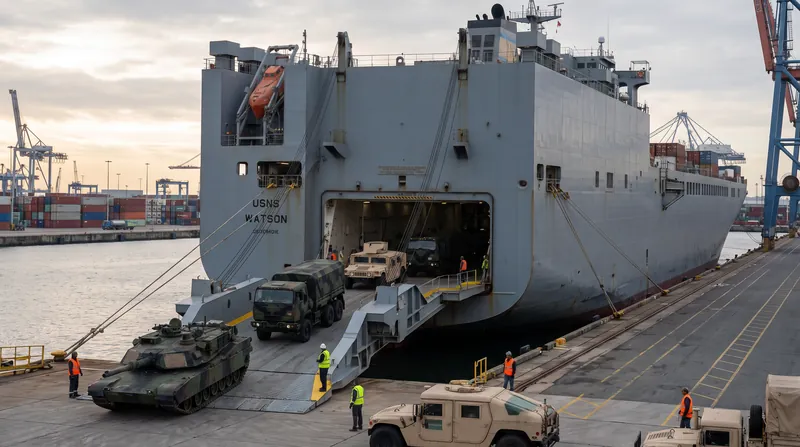
The 90-10 Rule: How Sealift Carries 90% of Military Cargo While Airlift Delivers the First 10% of Combat Power
Maritime Logistics Planners 45%Rapid Deployment Advocates 30%Strategic Resilience Analysts 25%
ExplainerIntelligence Budget
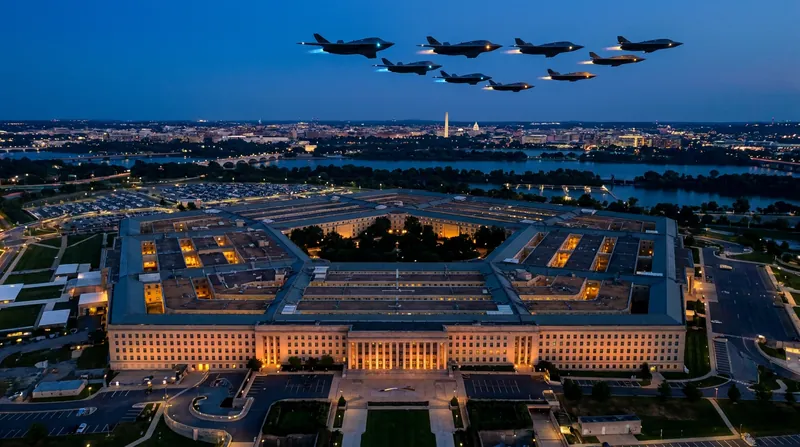
The National Intelligence Program and Military Intelligence Program: How the U.S. Intelligence Budget is Divided
Strategic Intelligence Advocates 41%Tactical Military Commanders 41%Transparency Advocates 18%
ExplainerConflict Escalation
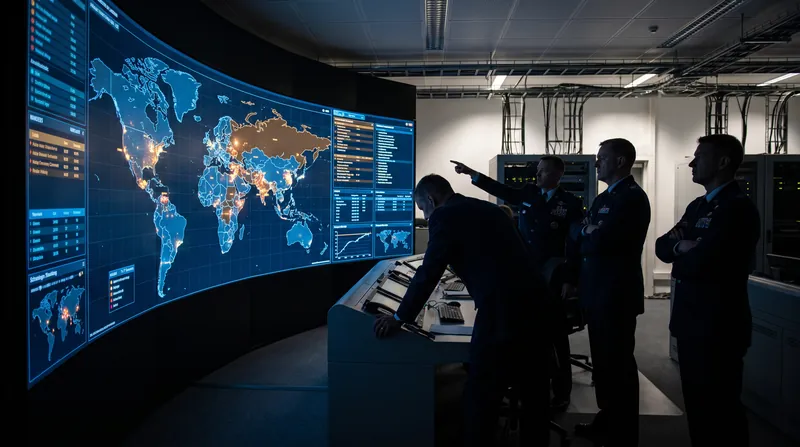
Herman Kahn's 44-Rung Escalation Ladder and the Structure of Modern Conflict Control
Classical Deterrence Theorists 35%Escalation Skeptics 35%Operational Planners 30%

ExplainerIntelligence Architecture
Defining the Intelligence Cycle: The Six Phases That Structure National Security Analysis
Strategic Intelligence Agencies 40%Law Enforcement Intelligence 30%Analytical Methodologists 30%

Covert Action LawStatutory Explainer
Statutory Boundaries of Covert Action: How Title 50 U.S.C. § 3093 Mandates Presidential Findings
Executive Branch Advocates 40%Congressional Oversight Proponents 40%Intelligence Practitioners 20%

ExplainerNuclear Command
Securing the U.S. Nuclear Arsenal: The Cryptographic Chain From Presidential Order to Warhead Unlock
Nuclear Surety Advocates 35%Deterrence Strategists 35%NC3 Modernization Proponents 30%

ExplainerIntelligence Tradecraft
Overcoming Confirmation Bias: How the Analysis of Competing Hypotheses Structures Intelligence Evaluation
Traditional Methodologists 45%Algorithmic Innovators 30%Cognitive Researchers 25%
ExplainerNuclear Strategy
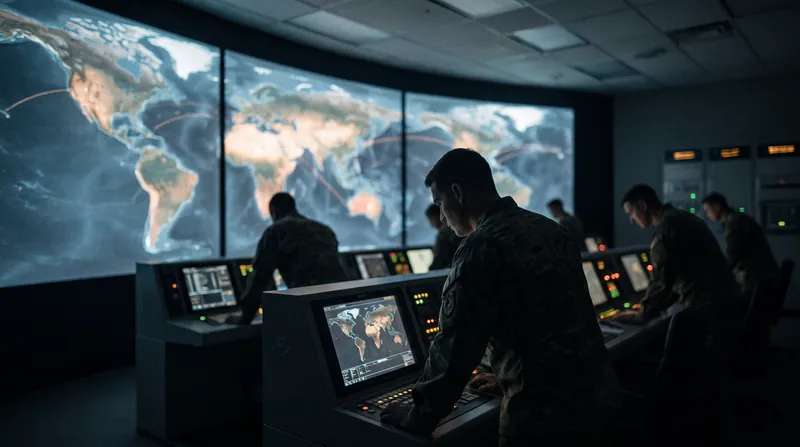
The Five Phases of OPLAN 8010: How the U.S. Nuclear War Plan Defines Target Categories and Execution Options
Strategic Deterrence Advocates 40%Arms Control Proponents 35%Cyber Integration Skeptics 25%

ExplainerCBRN Defense
Survival, Sustainment, and Reconstitution: The Three Phases of CBRN Decontamination
Doctrinal Planners 40%Field Operations Analysts 30%CBRN Defense Researchers 30%

Information Security
U.S. Information Classification: The Statutory Boundaries Between Top Secret, Secret, and Confidential
Intelligence Community 45%Transparency Advocates 30%Defense Contractors 25%

ExplainerDefense Procurement
Title 10 U.S.C. § 2500: The Statutory Definition and Economic Measurement of the U.S. Defense Industrial Base
Federal Policymakers and Primes 35%Commercial Tech Entrants 35%Allied Industrial Partners 30%
Per page