full timeline
UK Labour government leadership transition
Follow UK Labour government leadership transition in the Factlen app and get an alert when there is news. Get the app
Share this story
Latest
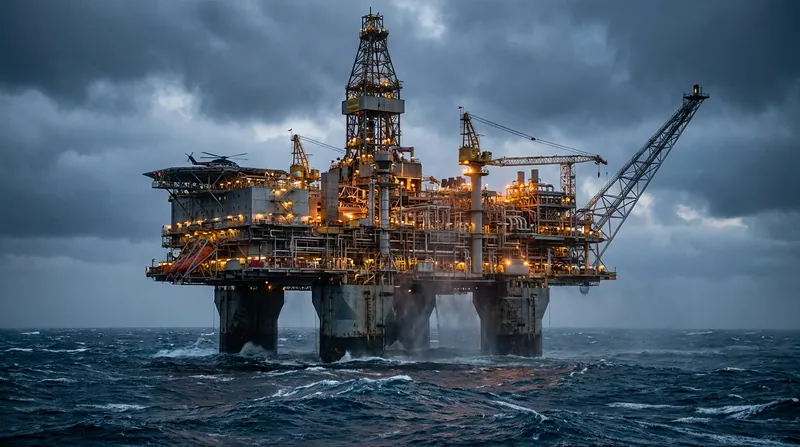
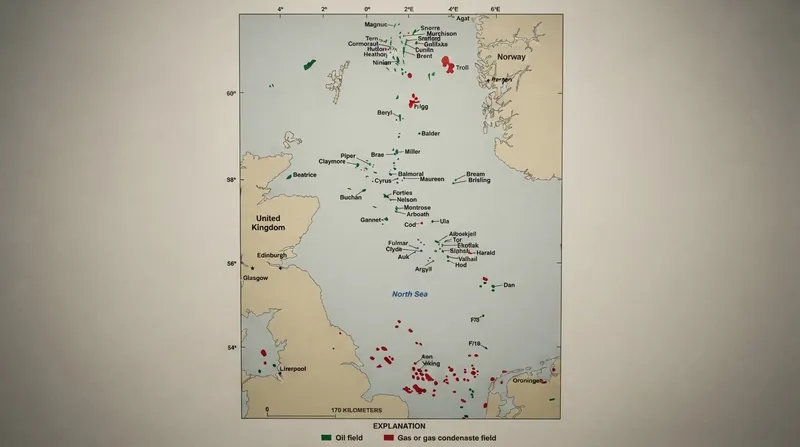
On October 21 at 14:03 UTC, the UK government authorized production at the Jackdaw North Sea gas field to bolster domestic energy security, ending a prolonged regulatory standoff. The approval is paired with a £2 billion Energy Wealth Fund designed to finance renewable infrastructure. The Jackdaw project is projected to boost domestic gas output by 6 percent and operate for up to 11 years. Environmental groups opposed the decision, stating that the authorization is a breach of climate commitments.
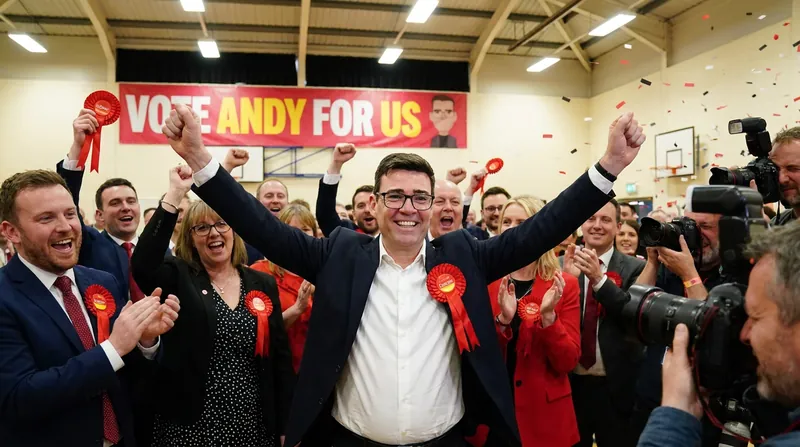
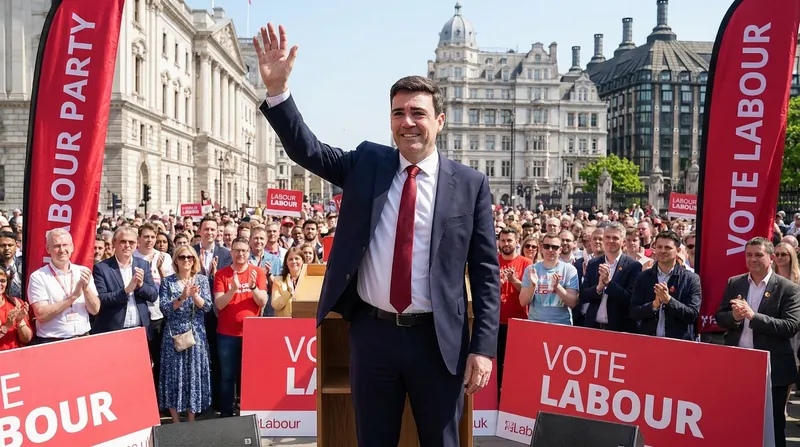
This energy policy decision follows the conclusion of the government transition. On July 17 at 16:18 UTC, Greater Manchester Mayor Andy Burnham won the Labour Party leadership contest with 58.4 percent of the vote. He officially became the UK Prime Minister the following Monday after meeting King Charles III, promising a major shift toward regional devolution and public ownership. Following his victory, the Conservative Party demanded an immediate general election, while financial markets reacted cautiously to the prospect of increased public spending.
How the story developed
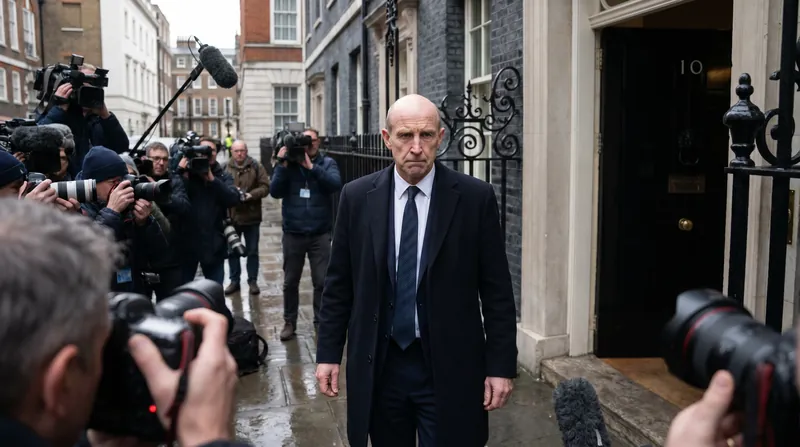
The leadership transition began following a deepening crisis for Prime Minister Keir Starmer. On June 11, U.K. Defense Secretary John Healey abruptly resigned over a military funding dispute after the Treasury refused his £18 billion funding request, offering only £12 billion. Healey warned that the current Defence Investment Plan left the country vulnerable to rising global threats, projecting defense spending to reach just 2.68 percent of GDP by 2030. Armed Forces Minister Al Carns and two ministerial aides also quit, marking six ministerial resignations in a month. Security Minister Dan Jarvis, a former Parachute Regiment officer, was immediately appointed as the new Defense Secretary.
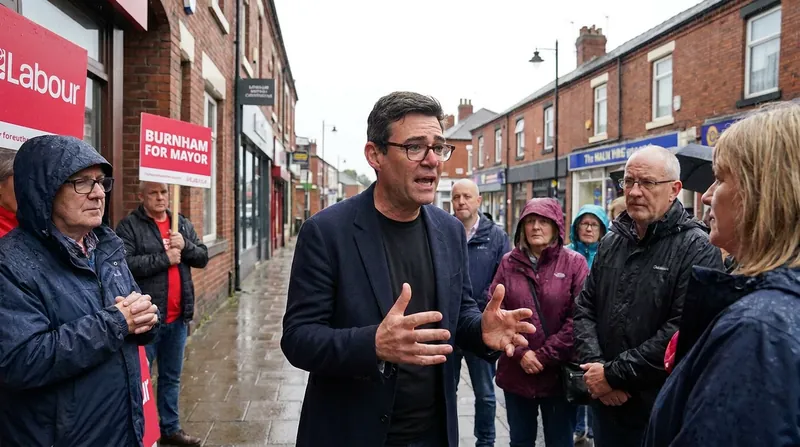
Concurrently, a parliamentary vacancy was deliberately created in Makerfield to allow Burnham to re-enter Parliament and challenge Starmer for the leadership. Polling showed Burnham with a narrow 5-point lead over Reform UK candidate Robert Kenyon, with Burnham's personal popularity adding an estimated 12-point premium to Labour's baseline support in the area. On June 19, Burnham secured a decisive victory in the by-election with 54 percent of the vote. The win allowed him to secure the 81 Member of Parliament nominations needed to formally trigger a leadership contest. Starmer initially stated he would fight any challenge and offered Burnham a cabinet role, which Burnham's allies rejected.
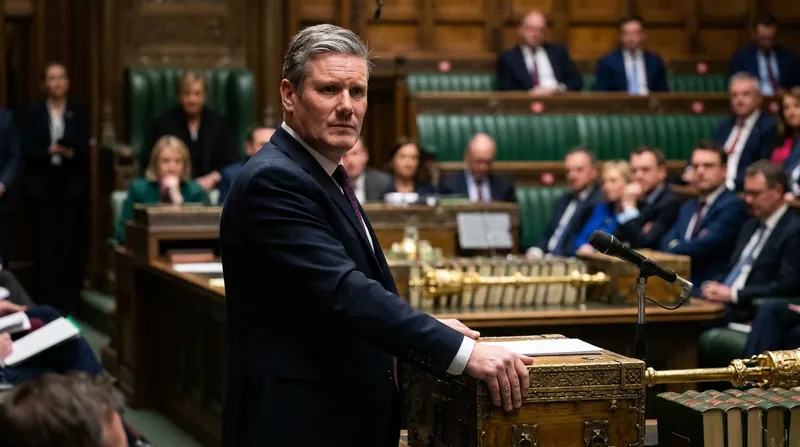
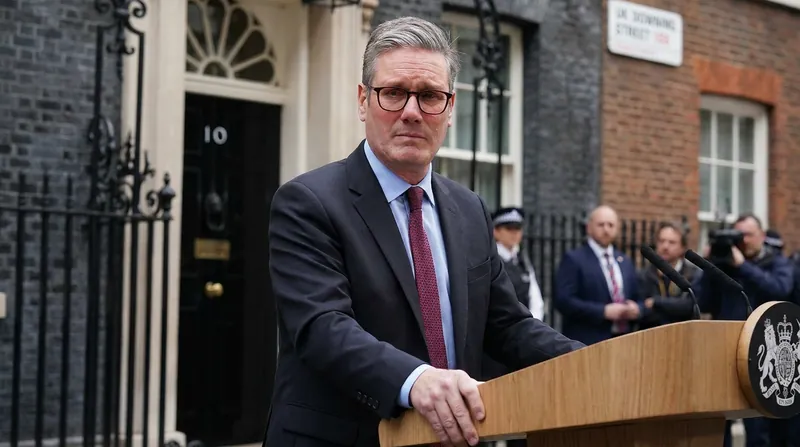
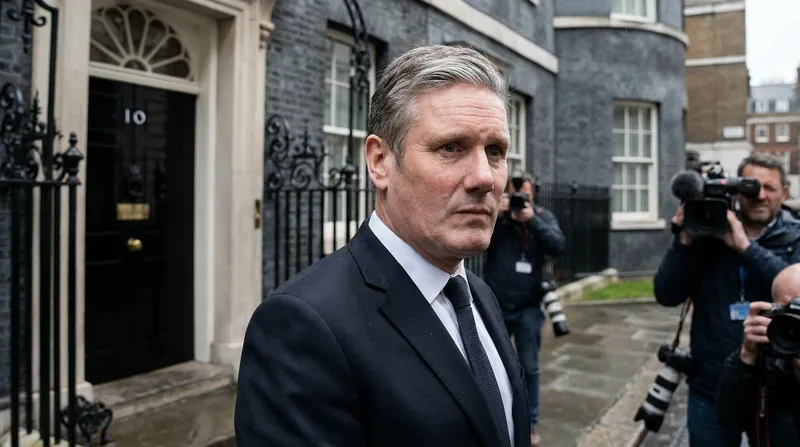
Starmer's position rapidly deteriorated amid a historic party revolt. Over 95 Labour MPs and multiple cabinet ministers publicly demanded his exit following disastrous local election results. His premiership was further damaged by the Mandelson-Epstein vetting scandal and intense criticism over his energy and migration policies. National polling indicated that 55 percent of the British public wanted Starmer to resign, with Reform UK leading national voting intentions. On June 22, Starmer announced his resignation as UK Prime Minister and Labour Party leader, agreeing to serve as a caretaker prime minister until a successor was chosen. The transition paved the way for the UK's seventh premier in a decade.
During the transition period, the outgoing administration and Burnham's camp clashed over policy timelines. On June 24, the two sides disputed whether to publish a £14 billion defense funding plan before the July NATO summit. Burnham also faced mounting pressure from industry leaders and major trade unions to reverse the UK's ban on new North Sea oil and gas exploration. Domestic crude production had plummeted to 583,000 barrels per day following the implementation of a 78 percent windfall tax. Industry advocates argued that utilizing domestic reserves was crucial for energy security and preserving supply chain jobs, while climate advisers warned that a policy reversal would damage the UK's economic credibility and deter investment in renewable infrastructure.
What to watch
- The UK government is legally required to finalize its Seventh Carbon Budget for the 2030s.
- A secondary mayoral by-election will be triggered to replace Andy Burnham as Mayor of Greater Manchester.
- The Jackdaw gas field is expected to deliver gas to the domestic grid by the end of October.
Key numbers
From: Andy Burnham Named Labour Leader, Set to Become UK Prime Minister
Charts, maps and images
Show 16 moreShow fewer
Timeline
October 2026
UK Approves Jackdaw North Sea Gas Field to Bolster Domestic Energy Security
July 2026
Andy Burnham Named Labour Leader, Set to Become UK Prime Minister
June 2026
Starmer Faces Parliament After Resignation as Clash with Burnham Looms Over Defense Plan
- Starmer Faces Parliament After Resignation as Clash with Burnham Looms Over Defense PlanUK Prime Minister Keir Starmer is navigating a tense transition period after announcing his resignation amid party mutiny and the fallout from the Mandelson-Epstein scandal.
- UK Faces Major Climate Policy Pivot as Burnham Weighs Reopening North Sea DrillingFollowing Prime Minister Keir Starmer's resignation, incoming leader Andy Burnham is facing mounting pressure from industry leaders and trade unions to reverse the UK's ban on new North Sea oil and gas exploration.
UK Prime Minister Keir Starmer Resigns After Less Than Two Years in Office
UK Prime Minister Keir Starmer Expected to Resign Amid Historic Labour Rebellion
Andy Burnham Wins Makerfield By-Election, Clearing Path to Challenge UK Prime Minister Keir Starmer
Andy Burnham Faces Tight Race in Makerfield By-Election That Could Reshape UK Government
U.K. Defense Secretary John Healey Resigns Over Military Funding Dispute, Deepening Crisis for Starmer