
Andy Burnham Named Labour Leader, Set to Become UK Prime Minister
Greater Manchester Mayor Andy Burnham has won the Labour Party leadership contest and will officially become the UK Prime Minister on Monday. His victory signals a shift toward regional devolution and increased public spending following Keir Starmer's sudden resignation.

Share this story
Andy Burnham, the prominent Mayor of Greater Manchester, has been elected leader of the UK Labour Party and will officially assume the office of Prime Minister on Monday. The announcement concludes a rapid two-week leadership contest triggered by the sudden resignation of Keir Starmer. Burnham secured 58.4% of the vote, comfortably defeating his closest rival, Chancellor Rachel Reeves, and completing a remarkable political comeback to the top of British politics.[2]
Burnham will travel to Buckingham Palace on Monday morning to be formally invited by King Charles III to form a government. He inherits a commanding parliamentary majority but faces immediate challenges, including unresolved public sector pay disputes and a sluggish economic growth forecast. In his victory speech in London, Burnham promised a "reset of the British state," emphasizing that his government would prioritize wealth generation outside the capital.
Long dubbed the "King of the North" for his advocacy of regional equality, Burnham's platform marks a distinct shift from Starmer's centrist fiscal caution. He has pledged to accelerate the devolution of taxation powers to regional mayors and bring key utilities, including failing regional water companies, back into public ownership. Financial markets reacted cautiously to the news, with the pound dipping slightly against the dollar as investors await clarity on how Burnham intends to fund his ambitious £12 billion northern infrastructure overhaul.
The Conservative Party immediately challenged the legitimacy of Burnham's mandate, demanding an early general election. Conservative leadership argued that the British public voted for Starmer's manifesto, not Burnham's more interventionist economic agenda. However, under the UK's parliamentary system, the governing party is entitled to change its leader without returning to the polls, and Burnham has firmly ruled out an election before 2028.[1][2]
Internationally, Burnham's premiership is expected to maintain the UK's steadfast support for Ukraine and its commitments to NATO. However, diplomatic observers note he may take a more protectionist stance on trade compared to his predecessor. U.S. officials are reportedly preparing to engage with the incoming Prime Minister's team next week, eager to gauge his approach to ongoing US-UK trade dialogues and technology regulation.[2][3]
Over the weekend, Burnham will finalize his Cabinet appointments. Political analysts expect a significant reshuffle, likely elevating several prominent northern MPs and left-leaning figures who were sidelined during the Starmer years. As the moving vans arrive at Downing Street, the new Prime Minister has exactly 48 hours to assemble the team that will attempt to unify a fractured party and deliver on his promise of a more decentralized Britain.
Burnham's victory represents a decisive shift in the internal balance of power within the Labour Party. While Starmer spent years marginalizing the party's left wing to secure the center ground, Burnham successfully built a coalition of northern MPs, trade unionists, and progressive urban voters. His campaign managed to bridge the divide between the traditional working-class base and younger, climate-conscious voters who had grown frustrated with the previous administration's cautious pace on green investment.[2]
Polling suggests the public is cautiously optimistic but deeply fatigued by the revolving door at Number 10. Burnham becomes the third Prime Minister in four years, a statistic that opposition parties are using to paint the government as unstable. Nevertheless, his straightforward communication style and track record of standing up to Westminster during the COVID-19 pandemic have earned him a degree of cross-party respect that he will need to leverage in the coming months.[1]
The incoming Chancellor, whose identity remains the subject of intense Westminster speculation, will face a daunting inbox. Inflation has stabilized, but the cost of living remains high, and local councils across the country are warning of imminent bankruptcy. Burnham's promise to end the era of "Whitehall dictates" will be immediately tested by the reality of a tight national budget and the legal complexities of transferring financial authority to regional governments.
Viewpoints in depth
Labour's Regional Base
Supporters view Burnham's win as a long-overdue victory for areas outside London.
Advocates for devolution argue that Burnham's experience as a regional mayor makes him uniquely qualified to address the UK's stark geographic inequalities. They believe his willingness to invest in northern infrastructure and public ownership will revitalize communities left behind by decades of London-centric policymaking.
Conservative Opposition
Rivals argue Burnham lacks a democratic mandate from the general public.
Conservative MPs and right-leaning commentators assert that Burnham is imposing a radical, high-spend agenda that voters never approved. They are aggressively pushing for a general election, arguing that changing Prime Ministers mid-term to enact a significantly different manifesto undermines democratic norms.
Financial Markets
Investors are expressing caution over potential increases in public borrowing.
City of London analysts and fiscal conservatives are wary of Burnham's economic plans. They warn that large-scale public ownership of utilities and massive infrastructure spending could strain the national debt, potentially leading to higher bond yields and a negative reaction from international credit rating agencies.
Key points
- Andy Burnham won the Labour leadership contest with 58.4% of the vote.
- He will officially become the UK Prime Minister on Monday after meeting King Charles III.
- Burnham promises a major shift toward regional devolution and public ownership.
- The Conservative Party is demanding an immediate general election.
What we don’t know
- Who Burnham will appoint as Chancellor of the Exchequer to manage his ambitious economic agenda.
- How the government plans to fund the proposed £12 billion northern infrastructure overhaul without raising major taxes.
- Whether Burnham can maintain party unity given the ideological shift from his predecessor.
How we got here
July 3, 2026
Keir Starmer announces his sudden resignation as Prime Minister.
July 6, 2026
Andy Burnham officially launches his leadership campaign, promising a 'reset of the British state'.
July 17, 2026
Burnham is announced as the winner of the Labour leadership contest.
July 20, 2026
Burnham scheduled to take office as Prime Minister.
- Pro-Devolution Advocates
- Support shifting power and investment away from London to regional governments.
- Fiscal Conservatives
- Warn that Burnham's public ownership and spending plans will damage the economy.
- International Observers
- Focused on how the leadership change affects UK trade and foreign policy.
Perspectives this story doesn't cover
- Trade union leaders
- Scottish and Welsh nationalist parties
Sources
Source coverage
3 outlets
3 viewpoints surfaced



- [1]The TelegraphFiscal Conservatives
Conservatives demand general election as Burnham takes the keys to Number 10
Read on The Telegraph → - [2]ReutersInternational Observers
UK's Labour Party elects Andy Burnham as leader, next prime minister
Read on Reuters → - [3]The New York TimesInternational Observers
The 'King of the North' Heads to Downing Street: What Burnham's Win Means for the U.S.
Read on The New York Times →
More in News & Politics
See all →Sakharov Prize
European Parliament Awards 2026 Sakharov Prize to International Criminal Court Amid US Sanctions
8 sources

Abortion Rights
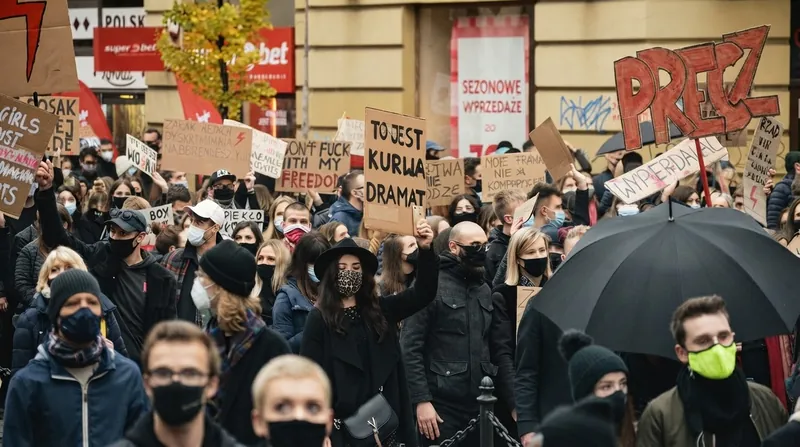
Thousands Rally Across Polish Cities Demanding Restoration of Legal Abortion Access
7 sources
Tibet Earthquake
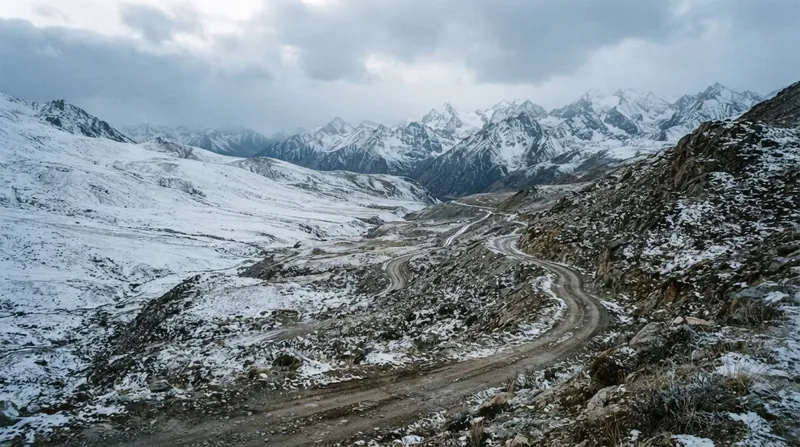
Magnitude 7.0 Earthquake Strikes Tibet, Leaving at Least 16 Dead and Dozens Injured
5 sources
Sahel Security
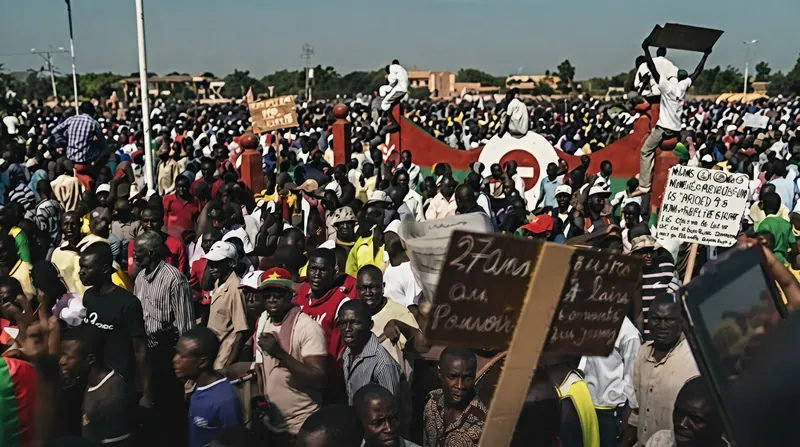
Burkina Faso Reinstates Death Penalty for Terrorism and Treason Six Years After Abolition
7 sources
Comments
Every angle. Every day.
Get News & Politics stories with full source coverage and perspective breakdowns, free every day.