
Sleep
Follow Sleep in the Factlen app and get an alert when there is news. Get the app
- All Health
- Nutrition & Diet
- Supplements
- Mental Health
- Sleep
- Longevity
- Medicine
- Medications & Treatments
- Conditions & Diseases
- Hormones & Endocrinology
- Skincare
- Dental Health
- Family Health
- Children's Health
- Men's Health
- Women's Health
- Aging & Geroscience
- Biohacking
- Alternative Medicine
- Public Health
- Medical Research
- Preventive Wellness
- Healthy Habits
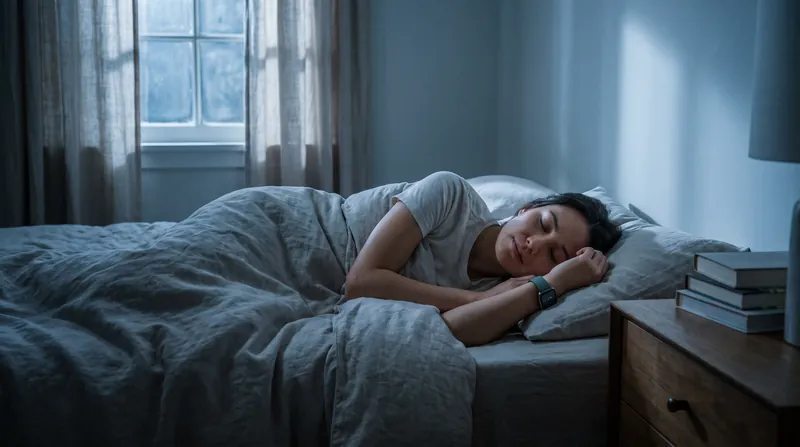
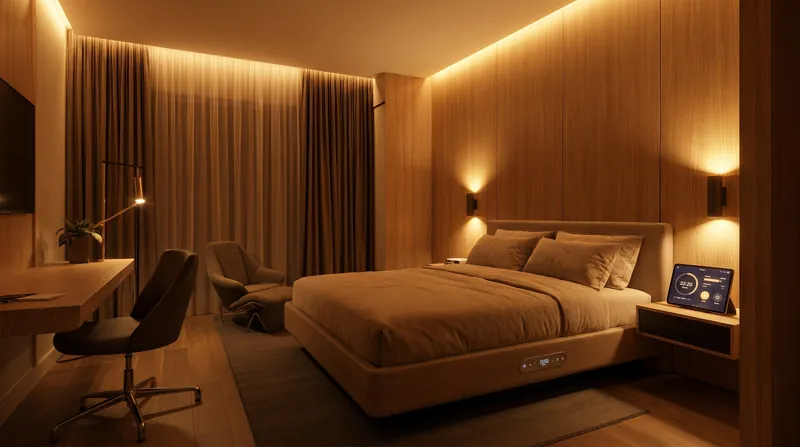
Sleep Tourism
Inside the $75 Billion 'Sleep Tourism' Boom Redesigning the Hotel Room
2 sources · 137d ago
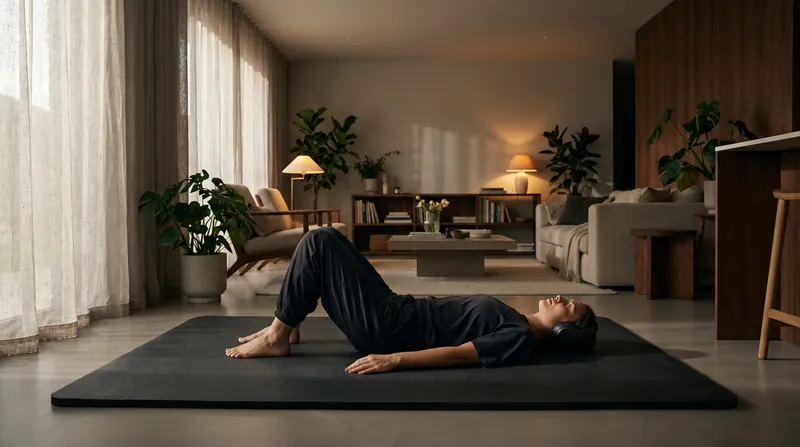
Nervous System
How Yoga Nidra and Non-Sleep Deep Rest Reset the Autonomic Nervous System
4 sources · 137d ago

Circadian Health
Permanent Standard Time Could Prevent 300,000 Strokes and 2.6 Million Obesity Cases, Landmark Study Finds
6 sources · 78d ago
More in Sleep
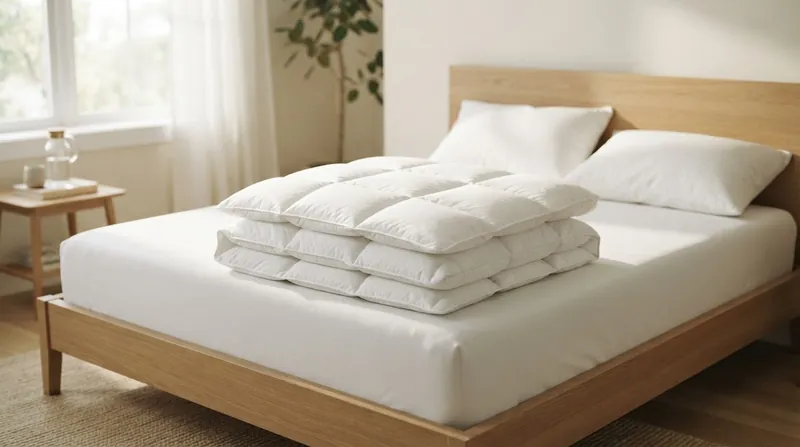
ExplainerMoisture Management
Why Solid Polyester Filaments in Down-Alternative Bedding Trap Evaporative Sweat
Sleep Physiologists 35%Natural Bedding Advocates 35%Textile Engineers 30%
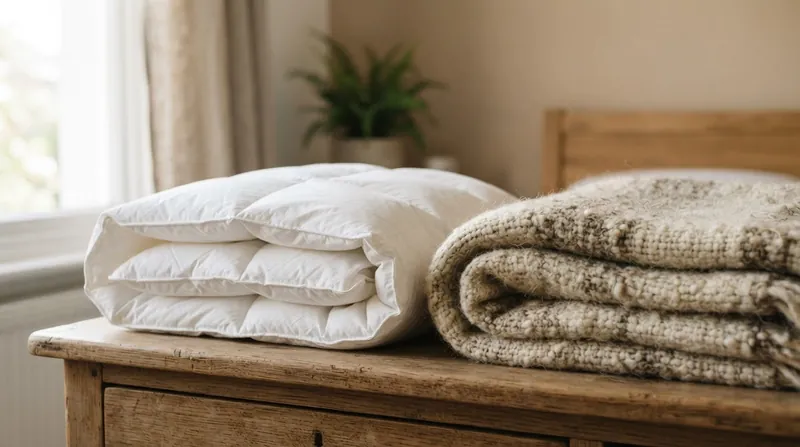
ExplainerBedding Materials
High-Tog Down Duvets Collapse Under Sweat While Wool Fills Buffer Nocturnal Humidity
Material & Textile Scientists 40%Sleep Physiologists 40%Editorial Synthesis 20%
ExplainerSleep Science
Anticipated Wake Times Prompt a Pre-Dawn Adrenocorticotropin Surge That Rouses the Brain Minutes Before an Alarm
Sleep Physiologists 40%Chronobiologists 35%Behavioral Sleep Specialists 25%
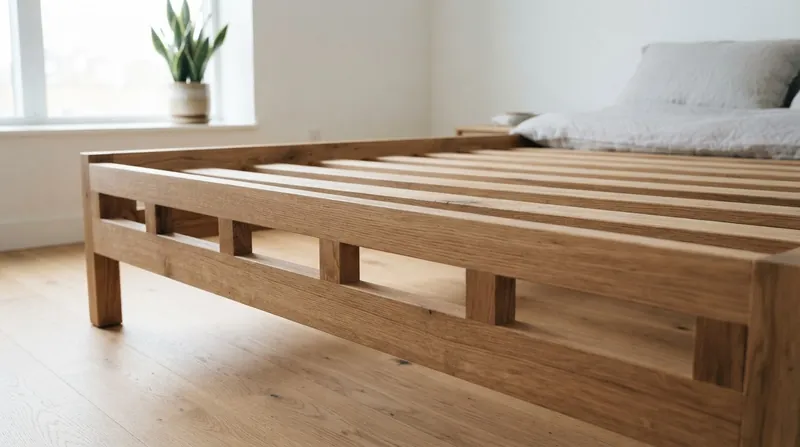
ExplainerMattress Durability
Why Slat Spacing Over 7.5 Centimeters Causes Irreversible Pocket-Coil Mattress Sagging
Mattress Manufacturers 40%Bed Frame Designers 30%Ergonomic Researchers 30%

ExplainerSleep Science
Weekend Recovery Sleep Clears Fatigue but Fails to Reverse Weekday Insulin Resistance
Circadian Biologists 40%Metabolic Researchers 35%Clinical Sleep Specialists 25%
ExplainerSleep Thermoregulation
How a Warm Evening Bath Accelerates Sleep Onset by Cooling the Body's Core
Sleep Researchers 40%Clinical Practitioners 35%Thermoregulation Physiologists 25%
Sleep ScienceRisk Assessment
Chronic Insomnia Linked to 26% Higher Stroke Risk in Review of 1.3 Million Patients
Neurological Researchers 40%Clinical Practitioners 40%Public Health Advocates 20%

ExplainerSleep Architecture
The Biological Mechanisms That Reduce Human Sleep Needs From 17 Hours to Seven
Pediatric Sleep Specialists 35%Adult Sleep Medicine Physicians 35%Chronobiologists 30%
ExplainerNeurobiology
The Biological Switch: How Adenosine, Orexin, and GABA Control the Sleep-Wake Cycle
Chronobiologists 35%Neuropharmacologists 35%Sleep Medicine Clinicians 30%
ExplainerCircadian Lighting
The 460-480 Nanometer Peak: How Blue Light Wavelengths Actually Suppress Melatonin and Govern Circadian Rhythm
Medical Researchers 40%Lighting Industry 30%Wellness-Focused Designers 30%
ExplainerSleep Science
How Sleep Restriction and Stimulus Control Break the Learned Association of Insomnia
Behavioral Sleep Medicine Specialists 40%Clinical Psychologists 35%Sleep Physicians 25%
ExplainerSleep Science
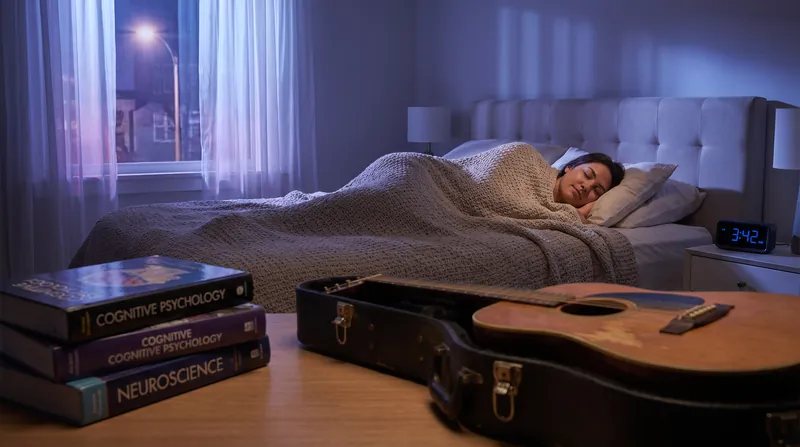
NREM for Declarative Memory and REM for Procedural Memory: How Sleep Stages Consolidate Different Types of Learning
Sleep Neuroscientists 50%Clinical Sleep Specialists 30%Cognitive Psychologists 20%
ExplainerCircadian Science
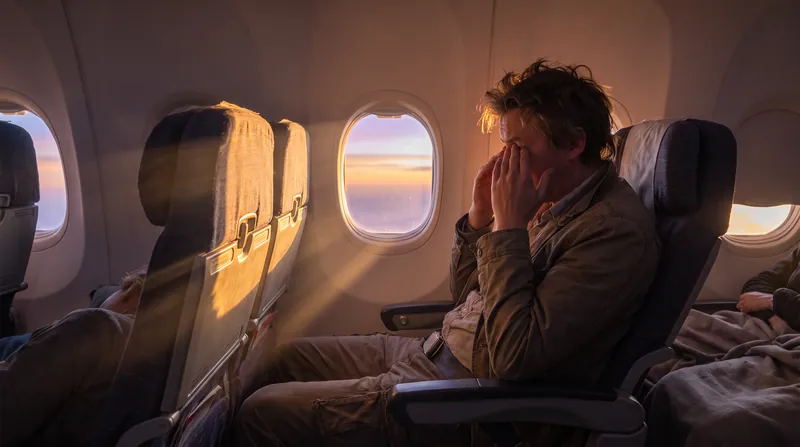
The Circadian Asymmetry: Why Eastward Travel Takes 60% Longer to Recover From Than Westward Flights
Chronobiologists 40%Travel Medicine Specialists 40%Factlen Analysis 20%

ExplainerGlymphatic System
The Biological Mechanism of the Glymphatic System: How Slow-Wave Sleep Expands the Interstitial Space to Clear Amyloid Beta
Neuroscience Researchers 35%Clinical Sleep Specialists 35%Neurodegenerative Disease Experts 30%

ExplainerCaffeine Metabolism
The 5-Hour Half-Life: How Adenosine Receptor Antagonism and CYP1A2 Metabolism Dictate Caffeine's Effect
Pharmacologists 40%Neurologists 40%Public Health Educators 20%

ExplainerCircadian Rhythms
What Actually Causes the Afternoon Energy Crash, and How to Shift the Circadian Dip
Chronobiologists 40%Nutritional Biochemists 30%Sleep Clinicians 30%
Deep DiveSleep Pressure
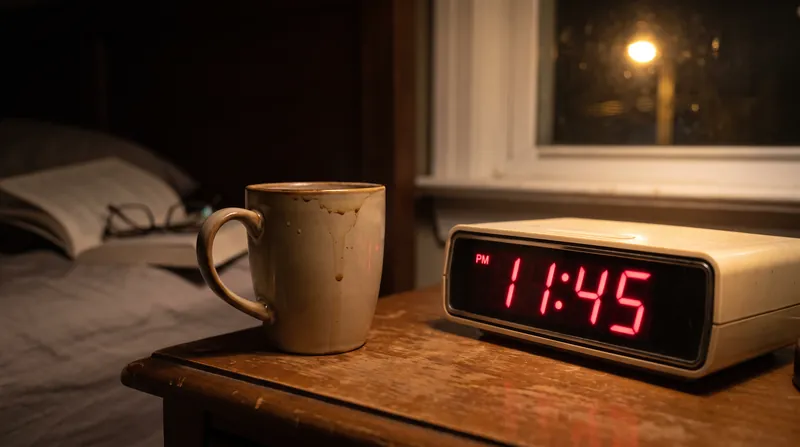
The Biological Mechanism of Sleep Pressure: How Adenosine Accumulation and Caffeine Clearance Dictate Recovery
Clinical Sleep Specialists 40%Chronobiologists 35%Metabolic Researchers 25%
ExplainerMelatonin Dosing
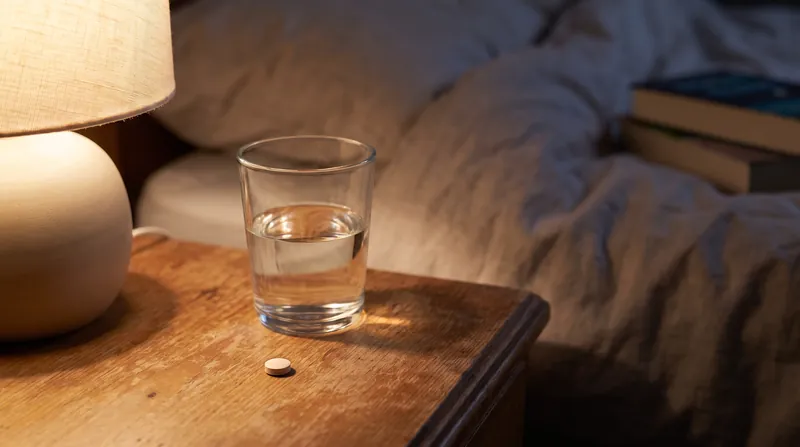
Why Commercial Melatonin Doses Overwhelm the Brain's Sleep Receptors
Chronobiologists 45%Public Health Authorities 35%Clinical Practitioners 20%
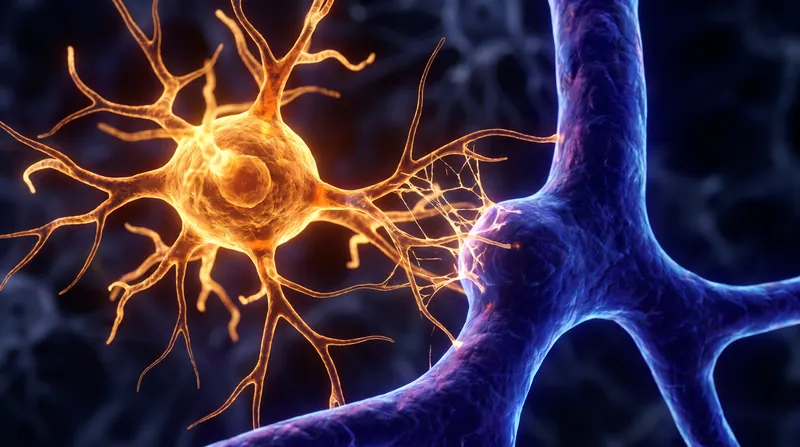
ExplainerBrain Plasticity
Synaptic Homeostasis: How Microglia Physically Dismantle Neural Connections During Sleep
Systems Neurobiologists 40%Neuroimmunologists 35%Clinical Psychiatrists 25%
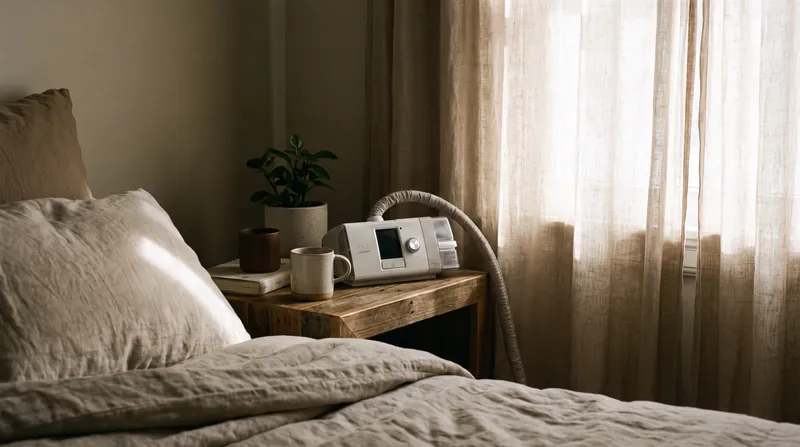
ExplainerSleep Science
Oral Appliances Rival CPAP for Sleep Apnea Due to Higher Patient Adherence
Adherence Advocates 40%Clinical Purists 35%Metabolic Specialists 25%

Sleep Medicine
FDA Approves First-in-Class Orexin Agonist to Treat Root Cause of Narcolepsy Type 1
Medical Consensus 45%Industry Developers 30%Patient Advocates 25%
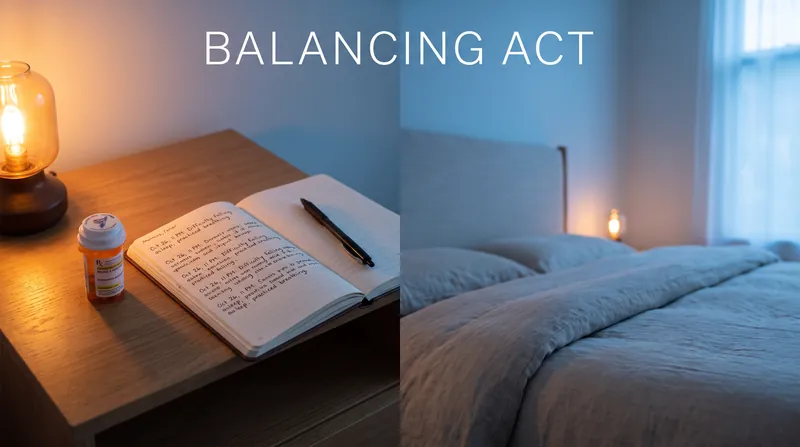
ExplainerInsomnia Treatment
New AASM Guideline Endorses Combination Therapy for Chronic Insomnia, Reframing Role of Sleep Medications
Behavioral Sleep Specialists 40%Clinical Pragmatists 35%Patient Advocates 25%

ExplainerRelationship Science
Subjective Sleep Quality, Not Duration, Predicts Lower Partner Support and Higher Conflict, Study Finds
Clinical Psychology 40%Relationship Science 40%Editorial Synthesis 20%
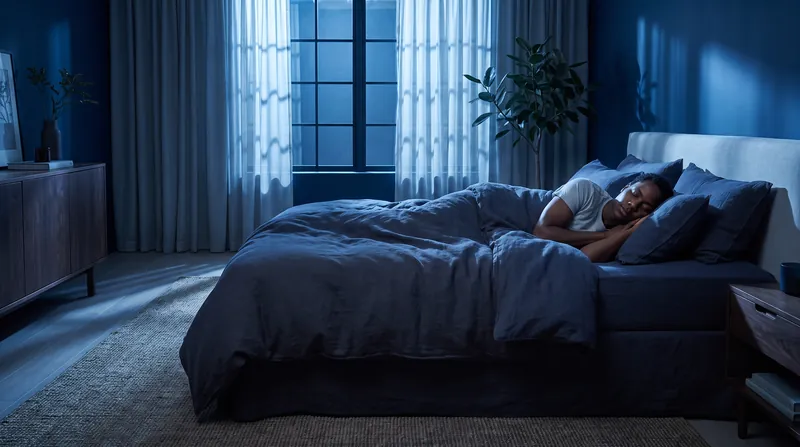
ExplainerSleep Science
How Deep Sleep Physically Washes Toxic Proteins From the Brain
Translational Neuroscientists 35%Sleep Medicine Specialists 35%Preventative Health Advocates 30%

Sleep Apnea
Nightly Pill for Sleep Apnea Awaits FDA Approval After Phase 3 Success
Sleep Medicine Specialists 40%Pharmaceutical Innovators 35%Patient Care Advocates 25%
Alzheimer's Research
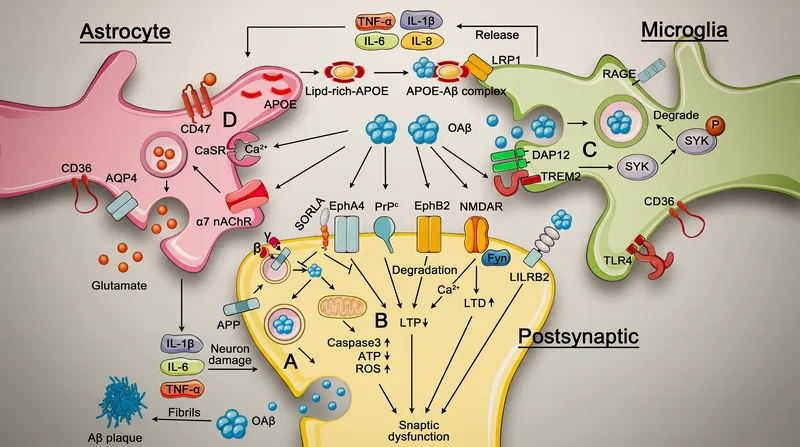
Scientists Restore Sleep in Alzheimer's Models by Targeting Brain's Immune Cells
Neuroinflammation Researchers 40%Network Stability Cautious 30%Clinical Biomarker Advocates 30%

Orexin Agonists
New Class of Orexin Agonist Drugs Targets Root Biological Cause of Narcolepsy in Late-Stage Trials
Biological Mechanism Advocates 40%Clinical Development Teams 40%Industry Analysts 20%
Sleep Apnea
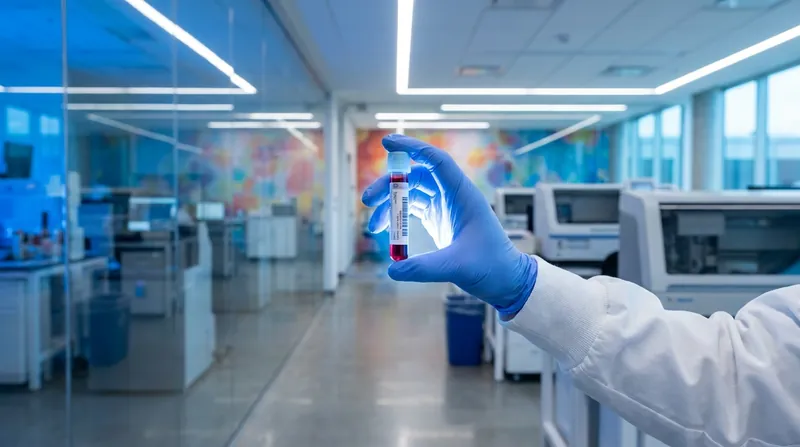
FDA Accepts NDA for AD109, Potential First Oral Drug to Treat Neuromuscular Cause of Sleep Apnea
Clinical Researchers 40%Industry Analysts 30%Patient Care Advocates 30%
Sleep Apnea
FDA Approves First-Ever Drug Treatment for Obstructive Sleep Apnea
Sleep Medicine Specialists 40%Patient Advocacy Groups 35%Medical Device Industry 25%
Heart Health
Landmark 10-Year Study Finds Irregular Bedtimes Double Risk of Heart Attack and Stroke
Chronobiologists & Sleep Researchers 40%Cardiologists & Clinical Practitioners 40%Public Health Advocates 20%
Sleep Apnea
Phase 3 Trial Shows AD109 Pill Targets Neuromuscular Cause of Sleep Apnea
Sleep Medicine Physicians 40%Pharmaceutical Developers 35%Patient Advocates 25%

ExplainerRespiratory Health
How Nasal Breathing Delivers Nitric Oxide to Expand Blood Vessels
Pulmonology & Cardiovascular Researchers 40%Sleep Medicine Specialists 40%Dental & Preventative Health Advocates 20%

ExplainerNervous System
Non-Sleep Deep Rest: Stimulating the Parasympathetic Nervous System to Relieve Stress
Neuroscience & Clinical Medicine 40%Sleep Science 30%Holistic Health & Synthesis 30%
ExplainerSleep Science
How Temperature and Light Optimize Deep Sleep and Brain Health
Sleep Scientists & Neurologists 40%Circadian Biologists 35%Clinical Practitioners 25%
Research BriefSleep Science
Sleep Regularity Emerges as Stronger Mortality Predictor Than Duration Amid Debate Over Weekend Catch-Up Rest
Chronobiology Researchers 45%Compensatory Sleep Advocates 35%Public Health Officials 20%

ExplainerCircadian Science
Chronoworking: The Science of Aligning Your Schedule With Your Circadian Rhythm
Biological Alignment Advocates 45%Corporate Pragmatists 35%Boundary Defenders 20%
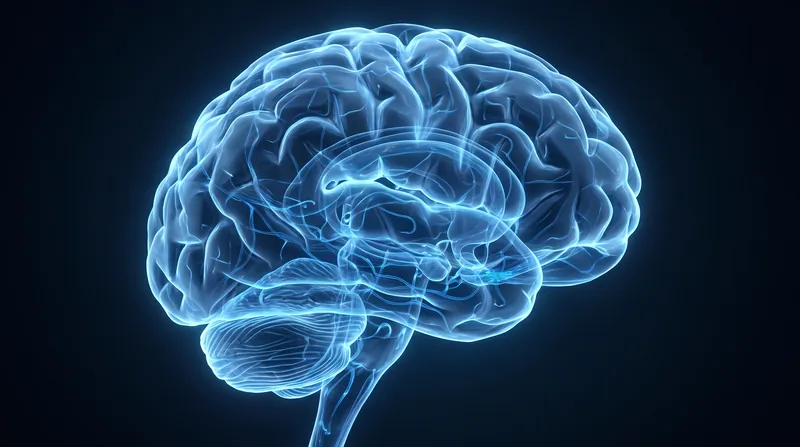
ExplainerBrain Clearance
The Brain's Nightly Wash: How Sleep Clears Toxic Waste and Preserves Memory
Neuroscience Researchers 40%Clinical Neurologists 35%Public Health Educators 25%
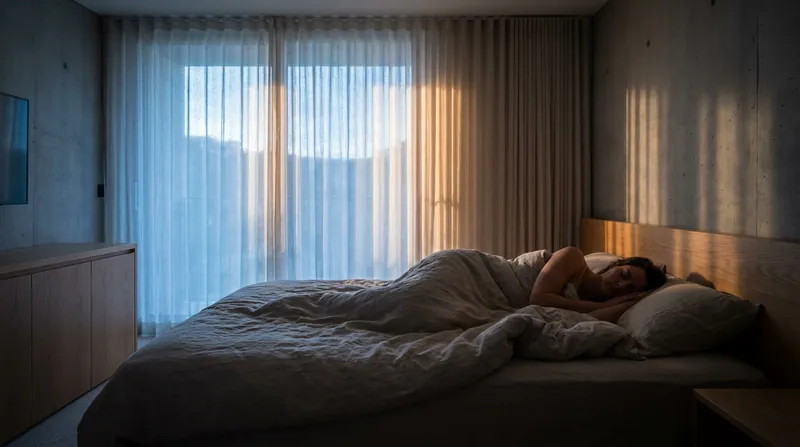
Sleep Science
Landmark Study Finds Optimal Sleep Window (6.4-7.8 Hours) for Lowest Biological Aging Signals
Chronobiology Researchers 45%Clinical Geriatricians 35%Longevity Advocates 20%