
Chronic Insomnia Linked to 26% Higher Stroke Risk in Review of 1.3 Million Patients
A comprehensive analysis funded by the European Academy of Neurology reveals that persistent sleep disruption is a significant warning sign for cardiovascular and brain health. Researchers emphasize that treating insomnia could be a crucial, modifiable step in preventing strokes and hospital admissions.

- Neurological Researchers
- Focus on sleep as a primary biomarker for brain health and neurodegeneration.
- Clinical Practitioners
- View the findings as an actionable opportunity to reduce patient risk profiles.
- Public Health Advocates
- Highlight the systemic burden of untreated sleep disorders on healthcare infrastructure.
Why this matters
Sleep is often dismissed as a lifestyle luxury or a secondary symptom of stress, but this data reclassifies it as a primary pillar of neurological health. Recognizing insomnia as a direct risk factor means patients and doctors can intervene early with targeted sleep therapies to protect long-term brain function and prevent severe cardiovascular events.
Across a pooled population of more than 1.3 million adults, those who chronically struggle to fall or stay asleep face a 26% higher risk of suffering a stroke than those who sleep soundly. That magnitude, drawn from a comprehensive new review published in Sleep Medicine Reviews, reframes poor sleep from a daily inconvenience into a measurable, modifiable neurological risk factor.[1][2][3]
The analysis, funded by the European Academy of Neurology, aggregated data from existing systematic reviews and three new primary reviews covering literature published up through August 2025. By examining the health trajectories of patients meeting international diagnostic criteria for insomnia, researchers quantified the long-term toll of sleep deprivation on the cardiovascular system and the brain.[1][3]
Beyond the 26% increase in stroke risk, which carried a hazard ratio of 1.26, the data revealed that individuals with insomnia experience 28% higher odds of being admitted to a hospital for any medical reason. The review evaluated nine eligible studies specifically focused on stroke, incorporating six of them into the final meta-analysis to ensure statistical rigor.[1][2][3]
For the estimated 22% of the general population who experience clinical insomnia, these figures might initially sound alarming. However, sleep medicine specialists view the findings as a highly practical opportunity for intervention. Because insomnia is a treatable condition, addressing it early offers a tangible pathway to lower a patient's overall risk profile before an acute emergency occurs.[1][2]
For the estimated 22% of the general population who experience clinical insomnia, these figures might initially sound alarming.
“Insomnia deserves attention as a warning sign of the status of brain and mental health,” said lead author Luca Vignatelli, a senior researcher at the IRCCS Istituto delle Scienze Neurologiche di Bologna in Italy. “These findings show that someone with insomnia has an increased risk for dementia or stroke. Insomnia should be recognized and addressed as part of a wider approach to health to reduce the risk of developing such disorders.”[1][3]
The research team evaluated evidence across seven distinct health outcomes. In addition to stroke and general hospitalization, the review identified consistent associations between chronic sleep disruption and severe mental health challenges, including depression and suicidal behaviors.[1][3][4]
The data also pointed to a connection between insomnia and cognitive decline. While the evidence regarding vascular dementia remained mixed across the reviewed literature, the association with Alzheimer's disease proved far more consistent. Sleep is known to play a critical biological role in clearing metabolic waste from brain tissue, providing a plausible mechanism for why chronic disruption might accelerate neurodegeneration.[2][3]
Crucially, the researchers noted that epidemiological studies of this scale identify correlations rather than proving a direct, isolated causal chain. The size of the association between insomnia and stroke varied substantially among the individual studies analyzed, reflecting differences in how sleep disorders were measured and how long patients were tracked.[1][2][3]
Despite that inherent uncertainty, the clinical takeaway shifts the burden of action to primary care. The remaining question for neurologists is whether successfully treating insomnia with cognitive behavioral therapy or medication directly reverses the 26% elevated stroke risk, or if the damage from prolonged sleep loss is cumulative. Until longitudinal trials track cardiovascular outcomes in patients who have recovered from insomnia, clinicians are proceeding on the assumption that restoring sleep is a necessary protective measure.[4][5]
Viewpoints in depth
Neurological Researchers
Focus on sleep as a primary biomarker for brain health and neurodegeneration.
For neurologists and sleep scientists, the 1.3 million-patient dataset confirms that sleep is not merely a period of rest, but an active state of neurological maintenance. They point to the consistent link with Alzheimer's disease as evidence that failing to clear metabolic waste during sleep accelerates cognitive decline. This camp argues that insomnia should trigger immediate neurological screening rather than just a prescription for sedatives.
Clinical Practitioners
View the findings as an actionable opportunity to reduce patient risk profiles.
Primary care doctors and sleep specialists emphasize the modifiable nature of the risk. While a 26% increase in stroke risk sounds daunting, practitioners highlight that insomnia is highly treatable through cognitive behavioral therapy (CBT-I) and sleep hygiene protocols. They advocate for treating sleep quality as a standard vital sign, arguing that early intervention can prevent the costly hospital admissions identified in the review.
Public Health Advocates
Highlight the systemic burden of untreated sleep disorders on healthcare infrastructure.
With an estimated 22% of the general population meeting the diagnostic criteria for clinical insomnia, public health experts focus on the macro-level impact. A 28% increase in all-cause hospital admissions among this demographic represents a massive strain on medical resources. This perspective pushes for broader insurance coverage for sleep therapies and public awareness campaigns to destigmatize sleep disorders.
What we don’t know
- Whether successfully treating insomnia with cognitive behavioral therapy or medication directly reverses the 26% elevated stroke risk, or if the damage from prolonged sleep loss is cumulative.
- The exact biological mechanism linking sleep deprivation to vascular events like stroke, distinct from its known role in clearing metabolic waste related to Alzheimer's.
Sources
Source coverage
5 outlets
3 viewpoints surfaced





- [1]EurekAlert!Neurological Researchers
Insomnia linked to higher risk of stroke in new review
Read on EurekAlert! → - [2]NR TimesClinical Practitioners
Insomnia may increase stroke risk, study suggests
Read on NR Times → - [3]News-MedicalNeurological Researchers
Insomnia linked to increased risk of stroke and hospital admissions
Read on News-Medical → - [4]Vienna.atPublic Health Advocates
Insomnia Linked to Higher Stroke Risk
Read on Vienna.at → - [5]Medical XpressClinical Practitioners
Insomnia linked to higher risk of stroke
Read on Medical Xpress →
Comments

More in Health
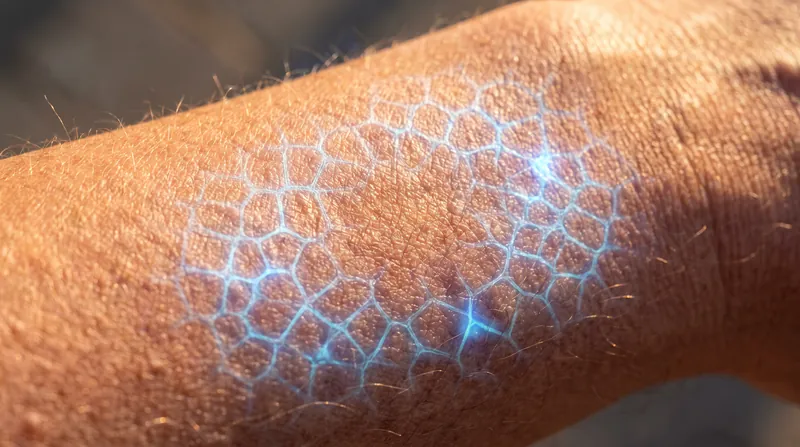
See all →Vitamin D Synthesis
The Mechanism: How UV-B Radiation, Latitude, and Skin Pigmentation Control Vitamin D Synthesis
7 sources
Cardiovascular Health
FDA Approves First Oral PCSK9 Inhibitor to Treat High Cholesterol
6 sources

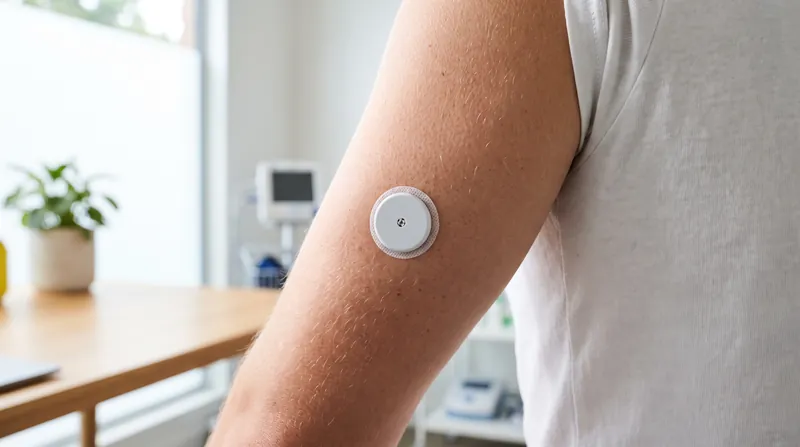
Diabetes Tech
Large Study Links Continuous Glucose Monitoring to 45% Lower Mortality in Type 2 Diabetes Patients on Insulin
4 sources
Circadian Biology
How Melatonin Signals Darkness to the Suprachiasmatic Nucleus and Why Its Legal Status Varies Globally
8 sources

Every angle. Every day.
Get Health stories with full source coverage and perspective breakdowns delivered to your inbox.