
US-Iran Crisis and Peace Push: Strait of Hormuz Tolls, Nuclear Inspections, and the Senate Vote Explained
As the UN evacuates stranded sailors from the Strait of Hormuz, the US and Iran are navigating a fragile peace process complicated by disputes over nuclear inspectors, maritime tolls, and a bipartisan Senate vote limiting presidential war powers.
By Anaya Sharma

How this story has developed
This report is part of a developing story — read the earlier chapters below.
- The End of Global Oil Security: How the Strait of Hormuz Conflict Rewrites the Rules of Energy Geopolitics
- U.S. and Iran Weigh Potential Peace Deal to Reopen Strait of Hormuz Amid Conflicting Claims
- US-Iran Ceasefire Falters as Regional Strikes Resume and US House Weighs War Powers Resolution
- One Dead, Dozens Injured After Drone Strike Hits Kuwait International Airport Amid US-Iran Escalation
- US and Iran Exchange Direct Strikes in the Gulf, Shattering Ceasefire Hopes
- U.S. Launches Strikes on Iranian Military Targets Following Downing of Army Helicopter
- Military Strikes Destroy Iranian Water Facilities Near Strait of Hormuz, Prompting War Crime Warnings
- The Stakes of Kharg Island: Why the U.S. is Threatening Iran's Oil Fortress
- Trump Halts Planned Strikes on Iran, Claims Peace Deal is Imminent Despite Tehran's Caution
- Risk the Strait or Wait: The Costly Dilemma Trapping 500 Ships in the Persian Gulf
- Trump Rejects Leaked Iran Ceasefire Terms as 'Fake News' Amid Fragile Negotiations
- US and Iran Reach Final Text for Peace Agreement Following Pakistani Mediation
- Israel Strikes Beirut Suburbs Following Ceasefire Violation as U.S.-Iran Peace Deal Hangs in Balance
- Hegseth Clashes With CBS Over U.S. Munitions Crisis as Iran War Drains Stockpiles
- US and Iran Reach Deal to Reopen Strait of Hormuz, Ending Four-Month Global Trade Blockade
- Economic Rebound in Focus as U.S.-Iran Conflict Winds Down
- US and Iran Sign Preliminary Deal to End 109-Day War: What the MoU Actually Says
- US and Iran Reach Historic Truce to End 2026 War, but Regional Tensions Persist
- Senate Blocks Bid to Limit Trump's War Powers as US-Iran Peace Deal Nears
- Trump Rebukes Netanyahu Over Lebanon Offensive as US-Iran Peace Deal Advances
- From Supply Shock to Oil Glut: How the Iran War is Destroying Global Energy Demand
- U.S. and Iran Agree to 60-Day Ceasefire MOU Featuring Immediate Oil Waivers and $300 Billion Investment Framework
- Vance Rebukes Israeli Critics of U.S.-Iran Peace Agreement, Warning Against Alienating 'Only Powerful Ally'
- Vance Postpones Switzerland Trip for Iran Nuclear Talks Amid Friction with Israel and EU Sanctions Stance
- Vance Delays Switzerland Trip for Iran Talks, Rebukes Israeli Critics of Peace Deal
- Public Support Wanes as Congress Questions the Mounting Costs of the US-Iran Conflict
- Trump's $1.5 Trillion Military Budget Stalls as Congress Balks at Iran War Costs
- U.S. and Iran Postpone High-Stakes Nuclear Talks in Switzerland Amid Regional Tensions
- Iran Closes Strait of Hormuz, Shattering Three-Day-Old Ceasefire Over Lebanon Strikes
- Iran Halts Strait of Hormuz Traffic as Regional Tensions Escalate Over US-Brokered Deal
- Iran Declares Strait of Hormuz Closed Over Lebanon Strikes; U.S. Military Denies Blockade
- US and Iran Open Nuclear Talks in Switzerland Amid Dispute Over Strait of Hormuz
- U.S. and Iran Launch 60-Day Push for New Nuclear and Security Agreement in Switzerland
- US and Iran Claim Progress in Peace Talks as Trump Threats Complicate Vance's Diplomacy
- US Eases Iran Oil Sanctions as Tehran Agrees to Resume Nuclear Inspections
- US and Iran Agree to Lebanon 'De-Confliction Cell' to Salvage Regional Peace Talks
- US Waives Iranian Oil Sanctions and Releases $12 Billion in Exchange for Nuclear Inspections
- US Issues Sweeping Iran Oil Sanctions Waivers, Reshaping Global Energy Markets
- Iran and Oman Advance Plans to Toll the Strait of Hormuz: What It Means for Global Trade
- US-Iran Crisis and Peace Push: Strait of Hormuz Tolls, Nuclear Inspections, and the Senate Vote Explained (this article)
- Senate Passes Historic War Powers Resolution on Iran as NATO Praises Ceasefire Deal
- US-Iran Ceasefire Reopens Strait of Hormuz, Easing Global Shipping and Oil Prices
- UN Nuclear Chief Says Inspectors Will Visit Iran Sites Under Fragile War Deal
- Trump Rebukes NATO Over Iran War as White House Seeks $87.6 Billion to Replenish Military
- Iran Strikes Commercial Ship in Strait of Hormuz, Halting UN Evacuation Route
- US Strikes Iranian Missile Sites Following Drone Attack on Cargo Ship, Testing Fragile Ceasefire
- Iran Launches Drone Attack on Bahrain Targeting US Military After Retaliatory US Strikes
- FACT CHECK: Did Iran Request a Meeting With the U.S. in Doha?
- US Warned Iran of Alleged Israeli Plot to Assassinate Negotiators During Ceasefire Talks
- Trump Signs New Iran Executive Orders, Threatens to Decimate Infrastructure by Tomorrow Night
- U.S. Launches Retaliatory Strikes on Iran and Revokes Oil Waivers Following Strait of Hormuz Attacks
- The New Middle East Order: How China Brokered a Ceasefire After U.S. and Israeli Strikes on Iran
- The Collapse of the Islamabad Memorandum: Analyzing the Return to US-Iran Hostilities and the Global Economic Fallout
- Trump Suggests Standing Order to Attack Iran if Assassinated, Leaving Execution to VP Vance
- U.S. Imposes 20% Tariff on Strait of Hormuz Cargo, Reinstates Naval Blockade on Iran
- Senate Democrats Block Must-Pass Defense Bill Over Iran War and Israel Integration
- The Evidence Pack: Analyzing the Resumption of US-Iran Strikes and Competing Radar Claims
- Global Real Estate Investment Volumes Slip as Iran Conflict Triggers 'State-Altering Shock' and Capital Pullback
- Iran Rejects U.S. Ceasefire Proposal and Threatens Tel Aviv as Trump Weighs 'Massive Attack'
- U.S. General Warns Pentagon of Insufficient Naval Forces to Protect Israel from Iranian Missiles
- Is the Strait of Hormuz Closure a Supply Shock That Has Rendered Central Bank Policy Obsolete?
- US-Iran War Escalates to Second Maritime Front as Houthis Blockade Bab el-Mandeb Strait
- How the Strait of Hormuz Crisis Turned Global Food Security into a Geopolitical Weapon
- $75M Esports World Cup Relocates to Paris Amid Middle East Security Concerns
- Esports Nations Cup Postponed to 2027 Citing 'Regional Uncertainty,' Following EWC Relocation
- AG.AL Wins $7 Million Esports World Cup Club Championship, Denying Team Falcons Third Title
- Esports World Cup 2026 Viewership Jumps 37%, Driven by Kick and 300% Growth in Hindi Broadcasts
- US Executive Branch
- Prioritizes securing a comprehensive peace deal while maintaining strict deterrence against Iranian maritime and nuclear overreach.
- Iranian Leadership
- Seeks to leverage its control over the Strait of Hormuz and its nuclear facilities to force sanctions relief and secure regional dominance.
- US Congressional Skeptics
- Expresses deep, bipartisan concern over the president's unilateral military authority and demands a congressionally approved strategy.
- Global Shipping & Energy Sector
- Views the imposition of tolls and the stranding of sailors as an existential threat to international commerce and freedom of navigation.
Perspectives this story doesn't cover
- Commercial sailors and shipping crews
- Oman (co-manager of the Strait of Hormuz)
The geopolitical landscape of the Middle East is currently defined by a high-wire act of simultaneous escalation and diplomacy between the United States and Iran. As diplomatic envoys crisscross the region in an attempt to salvage a fragile peace framework, the physical realities on the water and inside nuclear facilities tell a story of acute, ongoing friction.[4][6]
At the center of the immediate crisis is the Strait of Hormuz, a narrow maritime chokepoint through which roughly a fifth of the world's daily oil supply flows. The United Nations has announced an emergency operation to evacuate commercial sailors who have been stranded in the strait amid escalating tensions and ambiguous maritime enforcement by Iranian naval forces.[3][7]
The stranding of these crews coincides with a controversial new posture from Tehran, which has floated the implementation of transit tolls for commercial vessels navigating the waterway. This unprecedented move threatens to upend decades of established international maritime law and freedom of navigation protocols, sending shockwaves through the global shipping insurance market.[3][8]
In response, U.S. Secretary of State Marco Rubio issued a stark warning to Tehran, declaring that no nation possesses the legal authority to charge fees for ships transiting the internationally recognized strait. Rubio's ultimatum underscores the red lines Washington is attempting to draw even as it pursues broader diplomatic engagement.[3][4]
Rubio delivered these remarks upon arriving in the United Arab Emirates, the first stop on a Gulf tour explicitly designed to advance a comprehensive U.S.-Iran peace deal. The Secretary of State is working to align regional partners—many of whom view Iranian regional ambitions with deep suspicion—behind a unified negotiating framework.[4]
Parallel to Rubio's efforts in the Gulf, Iranian diplomatic outreach is also in high gear. Iran's president has arrived in neighboring Pakistan for high-level peace talks, signaling Tehran's intent to secure its eastern flank and build regional leverage as it negotiates with Western powers.[6]
Parallel to Rubio's efforts in the Gulf, Iranian diplomatic outreach is also in high gear.
Yet, the foundation of any potential peace deal—nuclear non-proliferation—remains fiercely contested. A significant public dispute has erupted over the access granted to the International Atomic Energy Agency (IAEA), the UN's nuclear watchdog responsible for verifying that Iran's nuclear program remains strictly civilian.[5]
Iran's foreign ministry recently claimed that there are no current plans to allow IAEA nuclear inspectors back into the country's sensitive facilities. If maintained, this stance would effectively blind international monitors and severely complicate any sanctions-relief negotiations.[5]
President Donald Trump forcefully disputed this characterization, pushing back against the Iranian foreign ministry's claims and insisting that the inspection regime remains a non-negotiable pillar of ongoing discussions. This public contradiction highlights the precarious nature of the back-channel communications between Washington and Tehran.[5]
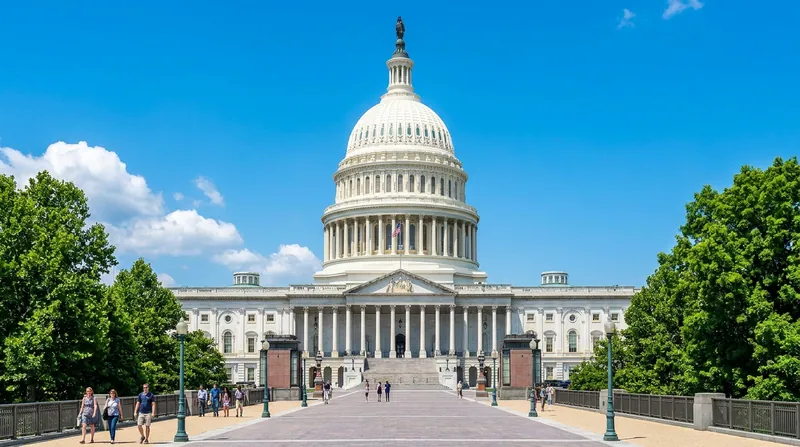
The turbulence of these international negotiations is being mirrored by significant political pushback within the United States. On Capitol Hill, the U.S. Senate passed a war powers resolution explicitly designed to prevent the president from continuing hostilities with Iran without congressional authorization.[1][2]
The resolution, which saw four Republican senators break ranks to join Democrats, serves as a potent, albeit symbolic, rebuke of the executive branch's unilateral military authority. While the measure does not require the president's signature and lacks the force of binding law, it reflects deep-seated, bipartisan frustration over the lack of a coherent, congressionally approved strategy.[1][2][9]
The convergence of these events—the Senate vote, the crisis in the Strait, the dispute over nuclear inspectors, and the simultaneous peace tours—creates a highly volatile environment. Energy markets are watching the Strait of Hormuz closely, knowing that any kinetic enforcement of Iranian tolls could trigger an immediate spike in global inflation.[7][8]
Ultimately, the coming weeks will test whether the dual-track approach of maximum pressure and diplomatic outreach can yield a sustainable security architecture. If the peace deal framework collapses under the weight of maritime disputes and nuclear opacity, the region risks sliding back toward open conflict, with profound implications for global stability.[4][5][7]
Key points
- The UN is evacuating commercial sailors stranded in the Strait of Hormuz amid rising tensions.
- Secretary of State Marco Rubio warned Iran against imposing illegal transit tolls on international shipping.
- Rubio is touring the Gulf to advance a U.S.-Iran peace deal, while Iran's president holds parallel talks in Pakistan.
- A factual dispute has emerged over whether Iran will allow UN nuclear inspectors back into its facilities.
- The U.S. Senate passed a bipartisan, symbolic resolution aimed at limiting the president's war powers regarding Iran.
Why this matters
The Strait of Hormuz is a critical chokepoint for global energy supplies; any disruption or toll implementation threatens to spike global oil prices and inflation. Meanwhile, the parallel nuclear negotiations will determine the long-term security architecture of the Middle East and the likelihood of a regional arms race.
Viewpoints in depth
US Administration's View
Focuses on securing a comprehensive peace deal while maintaining strict deterrence in maritime and nuclear domains.
The executive branch is attempting a complex dual-track strategy. On one hand, diplomats like Marco Rubio are actively touring the Gulf to build a coalition for a historic peace framework. On the other hand, the administration is drawing hard red lines, warning that any attempt to charge tolls in the Strait of Hormuz or permanently bar IAEA inspectors will be met with severe consequences. The administration views these pressure tactics as necessary leverage to force Tehran into a binding, long-term agreement.
Iranian Government's View
Seeks to leverage its geographic control and nuclear capabilities to force sanctions relief.
Tehran is utilizing its control over the Strait of Hormuz and the opacity of its nuclear program as primary negotiating chips. By threatening to impose tolls and publicly rejecting IAEA inspectors, the Iranian government aims to demonstrate the economic and security costs of the status quo to the international community. Simultaneously, diplomatic missions to neighbors like Pakistan show an effort to build a regional bloc that can withstand Western economic pressure during negotiations.
Global Shipping & Energy Sector
Alarmed by the erosion of maritime law and the immediate threat to commercial crews.
For the international shipping industry and global energy markets, the political maneuvering takes a backseat to the immediate physical risks. The stranding of sailors and the threat of transit tolls represent an existential threat to the principle of freedom of navigation. Industry advocates argue that if Iran is permitted to charge tolls or harass commercial vessels in an international strait, it will set a dangerous precedent that could permanently inflate global shipping insurance premiums and destabilize energy supply chains.
US Congressional Critics
Deeply concerned by the lack of a coherent strategy and the potential for unchecked military escalation.
A bipartisan coalition in the U.S. Senate views the current situation with profound unease, fearing that the administration's mix of aggressive rhetoric and back-channel diplomacy could accidentally trigger a wider conflict. The passage of the war powers resolution is a direct attempt by the legislative branch to reassert its constitutional authority over war-making. These lawmakers argue that any sustained military engagement with Iran, including the protection of the Strait of Hormuz, requires explicit congressional debate and authorization.
How we got here
Recent Weeks
Commercial sailors become stranded in the Strait of Hormuz amid ambiguous Iranian naval enforcement.
June 2026
Iran floats the idea of charging transit tolls for vessels navigating the Strait.
June 22, 2026
Iran's foreign ministry claims it will not allow IAEA nuclear inspectors into the country.
June 23, 2026
Secretary of State Marco Rubio arrives in the UAE to advance peace talks and warns against maritime tolls.
June 23, 2026
The U.S. Senate passes a bipartisan war powers resolution challenging the president's military authority over Iran.
Sources
Source coverage
9 outlets
4 viewpoints surfaced







- [1]NPRUS Congressional Skeptics
In symbolic vote, Congress directs Trump to remove forces from Iran war
Read on NPR → - [2]The GuardianUS Congressional Skeptics
US Senate approves war powers resolution challenging Trump’s Iran war authority
Read on The Guardian → - [3]BBCGlobal Shipping & Energy Sector
UN says it will evacuate sailors stranded in Strait of Hormuz, as Rubio warns against tolls
Read on BBC → - [4]Al JazeeraIranian Leadership
Rubio begins Gulf visit in the UAE to advance US-Iran peace deal
Read on Al Jazeera → - [5]Al JazeeraIranian Leadership
Trump disputes Iran’s rejection of nuclear inspectors
Read on Al Jazeera → - [6]Al JazeeraIranian Leadership
Iran’s president arrives in Pakistan for peace talks
Read on Al Jazeera → - [7]ReutersGlobal Shipping & Energy Sector
Oil markets brace for volatility as Strait of Hormuz tensions escalate
Read on Reuters → - [8]BloombergGlobal Shipping & Energy Sector
Shipping Insurers Hike Premiums Amid UN Evacuation in Hormuz
Read on Bloomberg → - [9]PoliticoUS Congressional Skeptics
Bipartisan Senate majority signals unease with Trump's Iran strategy
Read on Politico →
Comments
More in News & Politics
See all →9/11 Health Records
New York City Releases 170,000 Pages of Withheld 9/11 Air Quality Records
5 sources

Election Integrity
Justice Department Deploys Monitors to New Hampshire Primary Polling Sites
3 sources
Visa Regulations
DHS Proposal to End H-1B 60-Day Grace Period Clears White House Review
7 sources

Treaty Law
The Judicial Threshold That Determines a Treaty's Direct Effect in US Courts
10 sources
Every angle. Every day.
Get News & Politics stories with full source coverage and perspective breakdowns delivered to your inbox.