
EU and Taliban Hold First Closed-Door Talks on Afghan Deportations
European Union officials have initiated unprecedented closed-door discussions with the Afghan Taliban regarding the deportation of Afghan nationals, signaling a pragmatic but highly controversial shift in European migration policy.
By Anaya Sharma

Share this story
In a significant departure from five years of diplomatic isolation, European Union officials have held unannounced, closed-door talks with representatives of the Afghan Taliban in Doha, Qatar. The primary agenda of these unprecedented meetings is the establishment of a technical framework to deport Afghan nationals whose asylum claims have been rejected by European states.[1][2]
Since the Taliban regained control of Kabul in August 2021, European nations have maintained a strict moratorium on deportations to Afghanistan. The lack of formal diplomatic recognition, combined with severe human rights concerns, made returning migrants legally and practically impossible. However, surging domestic political pressure across the EU has forced a reevaluation of this stance.[3]
The mechanism being discussed is complex. Because the EU does not officially recognize the Taliban as the legitimate government of Afghanistan, traditional bilateral repatriation agreements cannot be signed. Instead, negotiators are exploring "technical coordination"—a workaround that would allow European charter flights to land in Kabul and transfer custody of deportees without formal diplomatic protocols.[3]
European nations, particularly Germany and France, are driving this initiative. Facing immense pressure from voters over strained municipal resources and rising anti-immigration sentiment, these governments are seeking ways to demonstrate control over their borders. Afghan nationals currently represent one of the largest demographics of asylum seekers in the bloc, with over 114,000 applications filed in 2025 alone.
For the Taliban administration, the talks represent a highly coveted diplomatic opening. The regime has spent the last five years economically isolated, with billions in state assets frozen in Western banks. By cooperating on migration—a critical vulnerability for European leaders—the Taliban hopes to leverage the situation into de facto recognition and the eventual reopening of European consular services in Kabul.[2]
Reports indicate the Taliban is demanding financial assistance for the reintegration of deportees as a condition for accepting them. This poses a severe legal and ethical dilemma for the EU: providing funds directly to the Taliban violates current international sanctions, meaning any financial arrangement would likely have to be routed through third-party international NGOs operating on the ground.[1][3]
The revelation of these talks has triggered fierce backlash from human rights organizations. Advocates argue that returning anyone to Taliban-controlled Afghanistan violates the international legal principle of non-refoulement, which forbids returning asylum seekers to a country where they face likely persecution.[4]
Rights groups point to the Taliban's severe restrictions on women, targeted killings of former government workers, and persecution of ethnic minorities. They warn that European governments cannot guarantee the safety of deportees once they are handed over to Taliban authorities at the Kabul airport.[4]
To circumvent these human rights hurdles, European legal experts are reportedly exploring the designation of specific "safe zones" within Afghanistan. This legal maneuver would argue that while certain demographics (like women or former military personnel) face persecution, adult men from specific regions could be returned safely. This interpretation remains highly contested and is expected to face immediate challenges in the European Court of Human Rights.
The United States is monitoring the Doha discussions closely but maintains a strict non-engagement policy regarding deportations. State Department officials reiterated that Washington does not support any actions that could be construed as normalizing the Taliban regime, highlighting a growing transatlantic divergence on how to handle the reality of Taliban rule.
Regionally, the EU's move follows aggressive deportation campaigns by Afghanistan's neighbors. Both Pakistan and Iran, which host millions of Afghan refugees, have forcibly returned hundreds of thousands of individuals over the past two years, citing economic strain and security concerns. The EU's willingness to engage the Taliban suggests a reluctant acceptance that the regime is firmly entrenched.[2]
If the EU successfully establishes a deportation corridor, it could pave the way for broader normalization of relations. While full diplomatic recognition remains a distant prospect, "pragmatic engagement" on issues like migration, counter-terrorism, and climate change is increasingly viewed by European strategists as unavoidable.[3]
For now, the talks remain in an exploratory phase. No formal agreements have been signed, and the logistical hurdles of verifying identities, securing flight clearances, and ensuring post-return monitoring remain massive. However, the fact that European envoys are sitting across the table from Taliban officials marks a definitive end to the era of absolute isolation.[1][2]
Viewpoints in depth
European Policymakers
Driven by domestic electoral pressure, they view pragmatic engagement as a necessary evil to maintain border integrity.
For European leaders, particularly in Germany and France, the inability to deport rejected asylum seekers has become a severe domestic political liability. Anti-immigration sentiment is rising, and municipal resources are strained. Policymakers argue that a functioning asylum system requires the ability to return those who do not qualify for protection. They view 'technical coordination' with the Taliban not as an endorsement of the regime, but as a grim, pragmatic necessity to prevent the collapse of public support for the broader European asylum framework.
Human Rights Organizations
They argue that any deportation to Taliban-controlled Afghanistan is a fundamental violation of international human rights law.
Rights advocates assert that the Taliban's governance relies on systemic violence, arbitrary detention, and the severe subjugation of women and minorities. They argue that the concept of 'safe zones' within Afghanistan is a legal fiction designed to bypass the principle of non-refoulement. Furthermore, these organizations warn that engaging with the Taliban on migration effectively hands the regime a powerful geopolitical weapon, allowing them to extort financial concessions and legitimacy from the West while continuing their domestic abuses.
The Taliban Administration
They see migration cooperation as a strategic tool to break their international isolation and access frozen state funds.
From Kabul's perspective, the European desperation to manage migration is a rare point of leverage. The Taliban government remains unrecognized globally, severely restricting its ability to engage in international trade or access billions in frozen central bank assets. By offering to take back deportees, the Taliban aims to force European states into direct, normalized communication. Their demands for reintegration funding are not just about economics; they are a mechanism to force Western nations to establish functional, quasi-diplomatic channels with their administration.
Key points
- EU officials held unannounced talks with the Taliban in Doha to discuss deporting rejected Afghan asylum seekers.
- The talks represent a major shift from Europe's five-year moratorium on deportations to Afghanistan.
- European governments are seeking a 'technical coordination' workaround to avoid formally recognizing the Taliban regime.
- Human rights groups strongly condemn the move, warning it violates international protections against returning people to danger.
What we don’t know
- Whether the European Court of Human Rights will issue injunctions blocking the first attempted deportation flights.
- How the EU plans to route reintegration funds to Afghanistan without violating its own sanctions against the Taliban.
- If the Taliban will demand the reopening of European embassies in Kabul as a strict precondition for accepting flights.
How we got here
Aug 2021
The Taliban retakes control of Kabul; European nations immediately suspend all deportations to Afghanistan.
Oct 2023
Pakistan initiates a mass deportation campaign, forcing hundreds of thousands of Afghans back across the border.
Early 2025
Afghan nationals become one of the largest demographics seeking asylum in the EU, intensifying domestic political pressure.
Jun 2026
EU and Taliban representatives hold their first closed-door talks in Doha to discuss a deportation framework.
- Pragmatic Border Enforcement
- Argues that Europe must find functional ways to deport rejected asylum seekers to maintain the integrity of its borders, even if it requires distasteful compromises.
- Human Rights & Asylum Protection
- Maintains that returning anyone to Taliban rule is a violation of international law and that engaging the regime legitimizes its abuses.
- Taliban Diplomatic Strategy
- Views migration cooperation as a necessary lever to force Western engagement, secure financial aid, and achieve de facto international recognition.
Perspectives this story doesn't cover
- Afghan asylum seekers currently in Europe
- Afghan women's rights activists inside Afghanistan
Sources
Source coverage
4 outlets
3 viewpoints surfaced




- [1]NPRHuman Rights & Asylum Protection
Afghan Taliban hold first, closed-door talks with EU on deportations
Read on NPR → - [2]Al JazeeraTaliban Diplomatic Strategy
EU to hold migration meeting with Taliban officials in Brussels
Read on Al Jazeera → - [3]ReutersPragmatic Border Enforcement
European Union initiates quiet dialogue with Taliban on Afghan deportations
Read on Reuters → - [4]BBC NewsHuman Rights & Asylum Protection
Indian journalists condemn 'denial' of voting and passport rights of prominent editor
Read on BBC News →
More in News & Politics
See all →Hostage Diplomacy
Russia Frees Detained American Stephen Hubbard During US Envoy's Visit to St. Petersburg
7 sources

Airspace Security
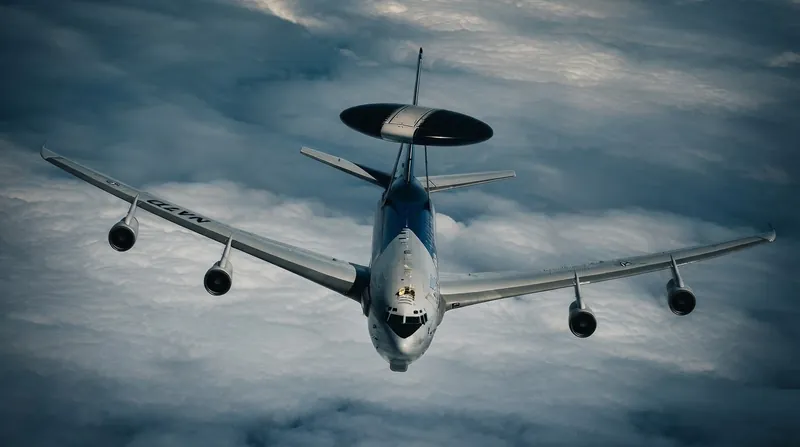
NATO Deploys Surveillance Aircraft and Radars to Black Sea Following Deadly Drone Incidents
5 sources
Nuclear Standoff
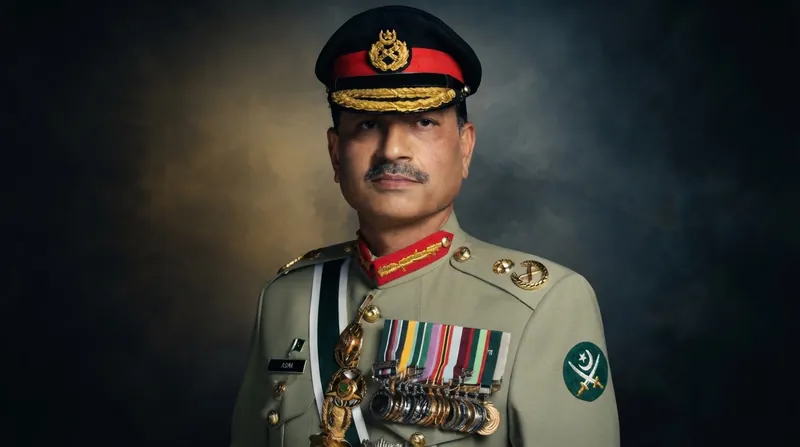
Pakistan Military Chief Concludes Tehran Crisis Talks as Iran Refuses to Export Nuclear Material
8 sources
Mediterranean Disputes
Eastern Libya Approves Maritime Deal With Turkey Over Greek Objections
4 sources

Comments
Every angle. Every day.
Get News & Politics stories with full source coverage and perspective breakdowns, free every day.