
Iran Proposes 7-Day Deal to Reopen Strait of Hormuz in Exchange for US Sanctions Lift
Iranian officials have presented a phased proposal to reopen the Strait of Hormuz within seven days if the United States lifts its naval blockade and waives oil sanctions.

How this story has developed
This report is part of a developing story — read the earlier chapters below.
- The US Military Escort and the Bilateral Corridor: Two Ways to Reopen the Strait of Hormuz
- Iran Proposes 7-Day Deal to Reopen Strait of Hormuz in Exchange for US Sanctions Lift (this article)
- Phased Diplomacy Advocates
- Argue that a step-by-step de-escalation is the only viable path to reopening the strait.
- Comprehensive Deal Proponents
- Maintain that upfront sanctions relief should not be granted without a full nuclear agreement.
Perspectives this story doesn't cover
- Global shipping and logistics companies bearing the operational costs of the blockade.
- Energy importing nations heavily reliant on Middle Eastern crude.
Why it matters
The Strait of Hormuz is a critical chokepoint for global energy markets, handling roughly a fifth of the world's traded oil and gas. A resolution to the blockade would immediately ease supply constraints and stabilize international crude prices, which have fluctuated heavily during the seven-month conflict.
The global energy market is weighing a potential breakthrough in the seven-month conflict that has restricted roughly 20 percent of the world's traded oil and gas. Iranian Foreign Minister Abbas Araghchi, speaking on the sidelines of the United Nations General Assembly in New York, outlined a phased proposal to reopen the Strait of Hormuz within a seven-day window. The accelerated timeline is contingent on the United States lifting its naval blockade of Iranian ports and waiving sanctions on Tehran's oil exports. The diplomatic push represents the most concrete attempt to restore commercial navigation since the waterway became a militarized zone earlier this year.[1][3][2][5]
The proposal compresses the timeline of previous diplomatic efforts into a rapid sequence. "If certain conditions are met, the strait will be open within seven days and talks will start," Araghchi told reporters, outlining a framework that mirrors a 14-point memorandum of understanding signed in June. That earlier agreement, which established a 60-day interim period, produced a fragile ceasefire that collapsed by July. By shrinking the implementation window to a single week, the new terms attempt to bypass the protracted negotiations that previously allowed trust to erode before commitments were fulfilled.[1][5]
Under the accelerated terms presented to US mediators, Iran would restore freedom of navigation on the seventh day, provided Washington meets several immediate prerequisites. Beyond lifting the naval blockade, the US would need to unfreeze billions in Iranian assets and agree to a comprehensive ceasefire across all fronts, which Iranian state media indicated must include halting military operations in Lebanon. The sequencing demands that Washington deliver tangible economic relief before Tehran relinquishes its control over the maritime chokepoint.[5]
The Strait of Hormuz has served as the central bargaining chip in the standoff, with neither side willing to surrender its primary point of leverage. Iranian President Masoud Pezeshkian emphasized during his UN address that Tehran would not permit international shipping through the corridor while the US economic blockade remains in place. The Iranian administration views the waterway's closure not as an isolated military action, but as a reciprocal response to sanctions that have effectively cut off its own access to global markets.[2][4][5]
The Strait of Hormuz has served as the central bargaining chip in the standoff, with neither side willing to surrender its primary point of leverage.
Conversely, the US administration has maintained that its escalating sanctions campaign and naval presence place it in a strong negotiating position, reducing the urgency to accept immediate concessions. US officials characterized the ongoing discussions as constructive but stressed that Washington is not rushing to finalize the arrangement. To underscore this leverage, officials noted that military escorts have successfully moved nearly 40 million barrels of crude through the strait in the preceding 48 hours, matching prewar traffic levels despite the Iranian threats.[5][1]
The economic stakes of the standoff continue to ripple through global commodities markets. Following the announcement of the Iranian proposal, international benchmark Brent crude fell approximately 2.5 percent to trade near $103 per barrel. The price movement reflects the market's sensitivity to any development in the strait, which serves as the primary export route for crude originating in Saudi Arabia, Iraq, Kuwait, and the United Arab Emirates. A sustained reopening would immediately ease the risk premiums currently priced into global energy contracts.[1]
Qatari officials are currently mediating the indirect talks between the two delegations in New York, passing messages between the respective diplomatic teams. The physical proximity of the delegations at the UN General Assembly has facilitated a faster exchange of terms than previous back-channel efforts. However, the core obstacle remains the sequencing of the concessions, as Washington has historically preferred to address Iran's nuclear program as part of a single comprehensive package rather than granting upfront sanctions relief.[5][2]
The timing of the proposal tightly aligns with the upcoming US midterm elections in November, a political deadline both sides have acknowledged as a factor in the negotiations. Iranian officials have signaled a desire to secure an agreement before the US domestic political landscape potentially shifts, while the US administration weighs the electoral benefits of stabilizing gas prices against the optics of granting concessions. The immediate focus remains on whether the sequenced steps can build enough structural trust to prevent a repeat of the summer's diplomatic collapse.[1][2]
What to know
- Iran has proposed reopening the Strait of Hormuz within seven days if the US lifts its naval blockade and waives oil sanctions.
- The accelerated timeline mirrors a 14-point memorandum of understanding signed in June, which collapsed after a 60-day interim period.
- The proposal requires the US to unfreeze Iranian assets and agree to a ceasefire across all fronts, including Lebanon.
- Qatari officials are mediating the indirect talks on the sidelines of the UN General Assembly in New York.
Sources
Source coverage
5 outlets
2 viewpoints surfaced





- [1]CBS NewsPhased Diplomacy Advocates
Iran War Updates: Tehran proposes 7-day plan to reopen Strait of Hormuz as it seeks deal before U.S. midterms
Read on CBS News → - [2]The Times of IsraelPhased Diplomacy Advocates
US and Iran discussing phased deal to reopen Hormuz and end US blockade, sources say
Read on The Times of Israel → - [3]Saudi GazetteComprehensive Deal Proponents
Tehran proposes 7-day plan to reopen Strait of Hormuz
Read on Saudi Gazette → - [4]The Times of IndiaComprehensive Deal Proponents
Iran offers US 7-day plan to end war, reopen Strait of Hormuz
Read on The Times of India → - [5]The Japan TimesPhased Diplomacy Advocates
U.S., Iran said to be exploring phased deal to open Hormuz
Read on The Japan Times →
Comments

More in Energy
See all →Grid Infrastructure
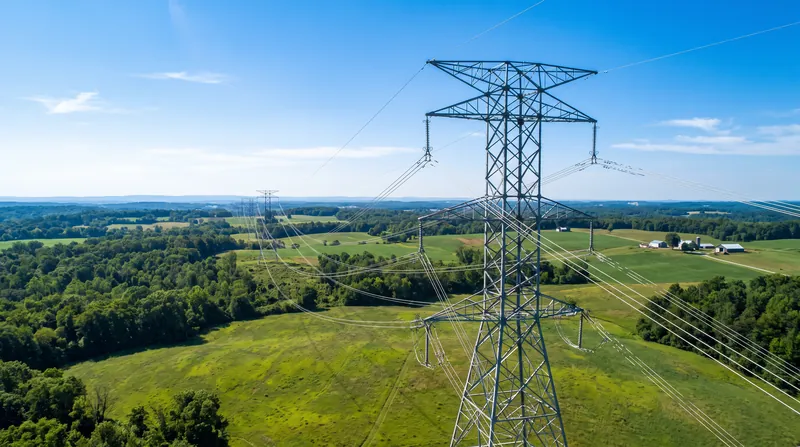
UN Launches Global Grids Accelerator to Address Clean Energy Bottleneck in Africa and Southeast Asia
6 sources
Nuclear Policy
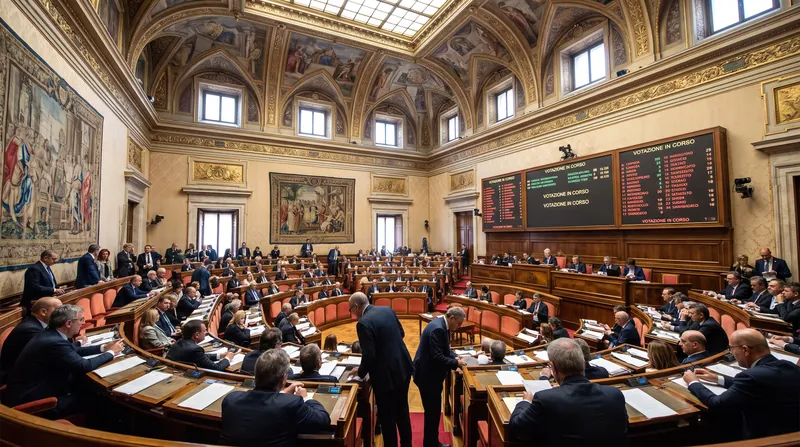
Italy's Senate Approves Framework Law for Return to Nuclear Power After 40-Year Ban
5 sources
LNG Pricing
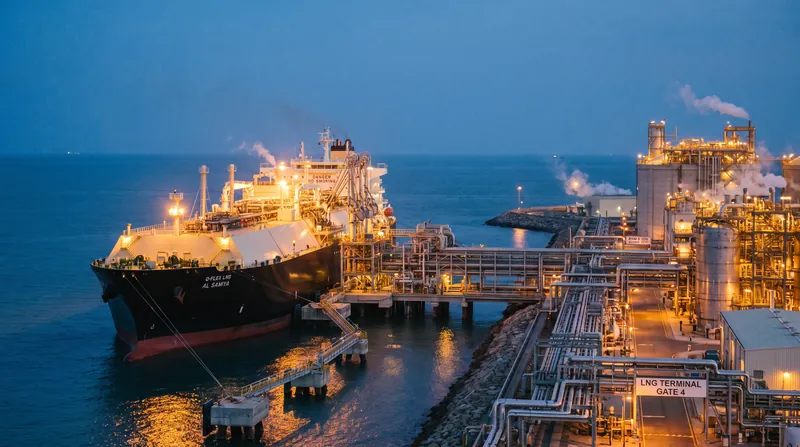
The S-Curve and J-Curve That Define the Price Relationship Between Oil-Indexed and Hub-Indexed LNG Contracts
6 sources
Virtual Power Plants
How Virtual Power Plants Are Rewiring the Electrical Grid
4 sources

Every angle. Every day.
Get Energy stories with full source coverage and perspective breakdowns delivered to your inbox.