
US and Iran on the Brink of Historic Interim Peace Agreement to End War
The United States and Iran are nearing a Memorandum of Understanding to extend a ceasefire, reopen the Strait of Hormuz, and establish a framework for nuclear negotiations.
By Factlen Editorial Team
- US Administration
- Views the deal as a strict, performance-based mechanism to permanently dismantle Iran's nuclear capabilities.
- Iranian Pragmatists
- Frames the agreement as a necessary diplomatic off-ramp to save the Iranian economy and end the US blockade.
- Iranian Hardliners
- Considers the MoU a capitulation that surrenders Iran's strategic leverage in the Persian Gulf.
- Regional Mediators
- Focuses on securing an immediate diplomatic pause to stabilize the Middle East and restore global trade.
What's not represented
- · Global shipping and logistics companies
- · European energy consumers
- · Lebanese civilians affected by the Hezbollah-Israel front
Why this matters
This interim agreement could end a devastating three-month war that has choked off 20% of the world's oil supply and driven up global inflation. If finalized, it would reopen the Strait of Hormuz, lift the US naval blockade on Iran, and set the stage for crucial negotiations over Tehran's nuclear program.
Key points
- The US and Iran are finalizing a Memorandum of Understanding to extend their ceasefire by 60 days.
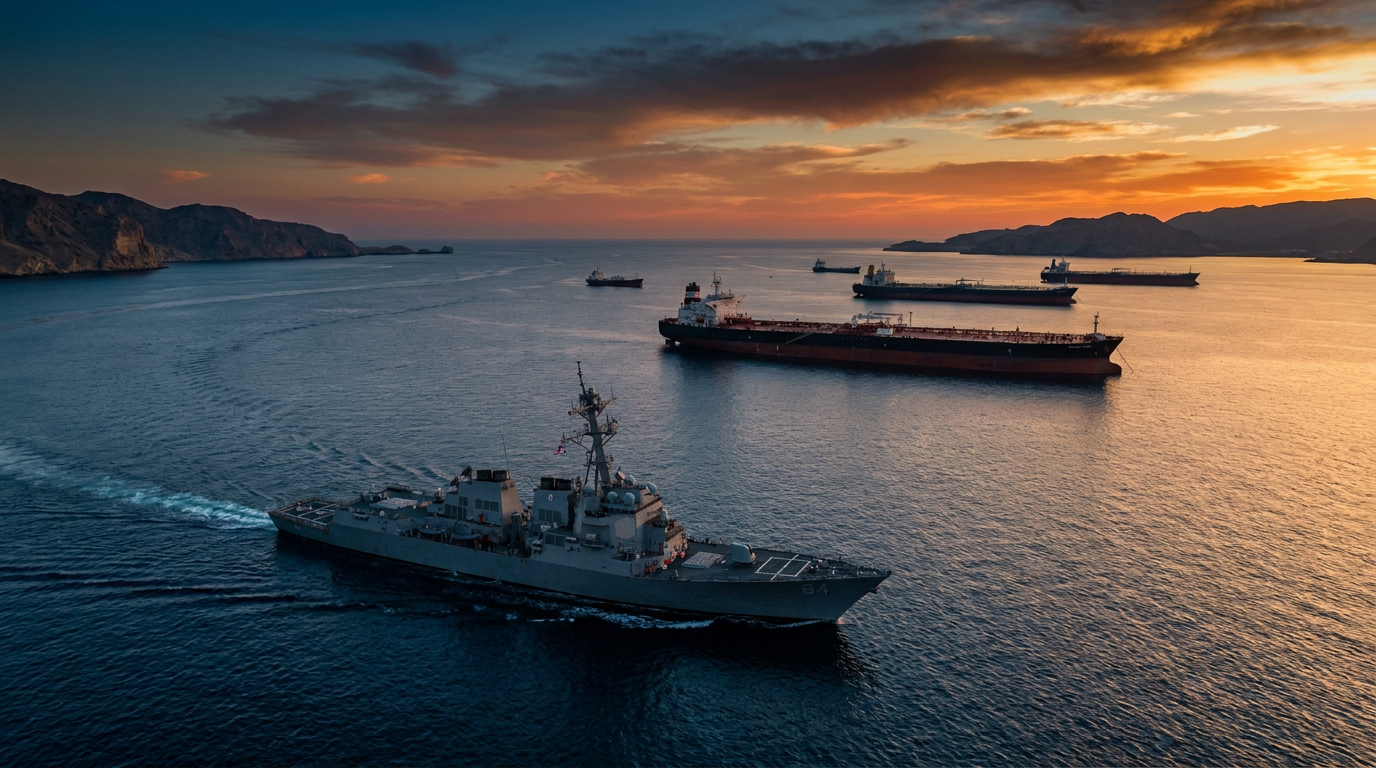
- The deal mandates the immediate reopening of the Strait of Hormuz and the lifting of the US naval blockade on Iran.
- Washington insists the agreement requires Iran to dismantle its nuclear program before receiving sanctions relief.
- Iranian negotiators frame the deal as an interim security pact, with nuclear talks deferred to a later stage.
- The agreement also reportedly calls for a halt to hostilities on the Israel-Hezbollah front in Lebanon.
After three and a half months of a devastating war that reshaped the Middle East, the United States and Iran are on the precipice of signing a historic Memorandum of Understanding (MoU) to halt hostilities. Mediators from Pakistan and Oman have signaled that an agreed-upon text is finalized, setting the stage for an electronic signing in the coming days.[1][3]
The conflict, which erupted in late February 2026 following US and Israeli strikes, has killed thousands, shuttered the critical Strait of Hormuz, and sent global energy markets into a tailspin. Now, the proposed interim agreement aims to extend the current fragile ceasefire by 60 days, providing a window to negotiate a permanent resolution to Iran's nuclear program and regional proxy network.[4][7]
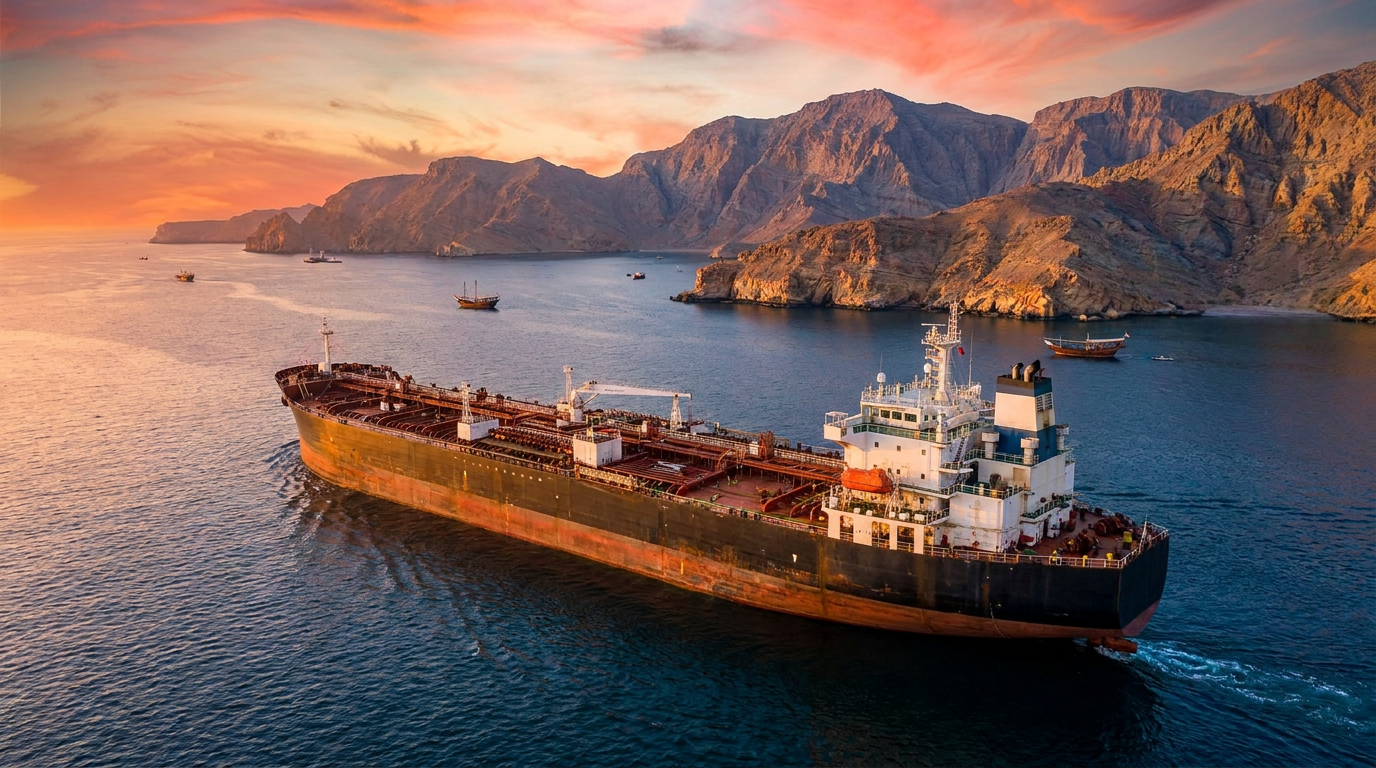
At the core of the immediate deal is the restoration of global maritime trade. The MoU reportedly mandates the immediate reopening of the Strait of Hormuz—a vital chokepoint that normally handles one-fifth of the world's oil and liquefied natural gas. In exchange, the United States would lift its naval blockade on Iranian ports.[5][8]

However, the two capitals are projecting starkly different narratives about what the agreement actually concedes. The Trump administration has framed the MoU as a strict, performance-based framework. According to senior US officials, Iran will only receive economic benefits—including the unfreezing of billions of dollars in foreign assets—after it takes concrete steps to dismantle its nuclear infrastructure.[3][4]
"The terms that Iran leaked out to the fake news have nothing to do with the terms that were agreed to, in writing," President Donald Trump stated, emphasizing that the US expects Iran to destroy its stockpile of highly enriched uranium and commit indefinitely to never developing a nuclear weapon.[4]
In Tehran, the narrative is entirely different. Iranian Foreign Minister Abbas Araghchi has presented the MoU as an interim political and security arrangement focused strictly on ending the immediate war and lifting the blockade. Iranian state media suggests that the nuclear issue will be deferred to the 60-day follow-on period, rather than being a prerequisite for the ceasefire.[6][8]
Araghchi also claimed that Iran would retain control over traffic through the Strait of Hormuz, a point fiercely contested by Washington, which insists on unconditional freedom of navigation. "Our sword will always hang over the Strait of Hormuz," Araghchi declared on state television, highlighting the domestic pressure Iranian negotiators face to project strength.[8]
That pressure is mounting from Iran's hardline factions, who view the emerging deal as a capitulation. Outlets like the hardline daily Kayhan have argued that the Strait of Hormuz was closed "with power" and must not be reopened until US forces completely withdraw from the region.[6]
That pressure is mounting from Iran's hardline factions, who view the emerging deal as a capitulation.
The internal fractures within Iran's complex political system remain the primary hurdle to finalization. While pragmatists seek relief from the crippling economic toll of the war and the US blockade, hardliners warn that diplomacy merely delays a final, inevitable confrontation with Washington. The ultimate decision rests with the new Supreme Leader, Mojtaba Khamenei, who has remained largely out of public view since the war began.[1][6]

Beyond the US-Iran bilateral dynamic, the MoU carries profound implications for the broader region, particularly Lebanon. The draft agreement reportedly stipulates that hostilities must cease on all fronts, including the ongoing conflict between Israel and the Iranian-allied militant group Hezbollah.[7]
While Israel is not a direct party to the US-Iran negotiations, the US administration has kept Israeli leadership briefed. US officials have clarified that the deal would not deprive Israel of its right to self-defense; if Hezbollah or Iran violates the ceasefire, Israel would retain the backing to respond.[4][7]
The mechanics of the signing reflect the deep mistrust between the two nations. Rather than a traditional summit, Pakistani Prime Minister Shehbaz Sharif announced that Islamabad is preparing for an "electronic signing" of the document.[3][7]
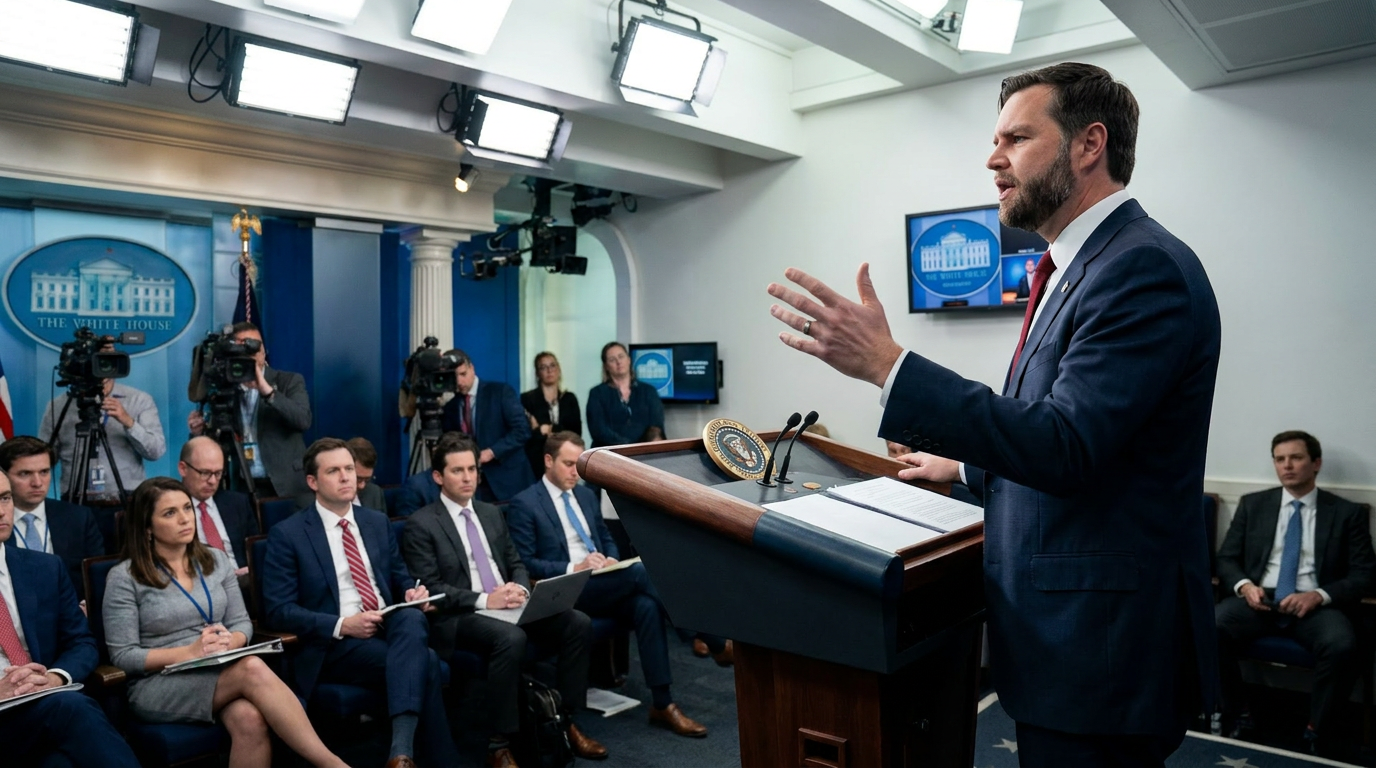
Diplomatic sources have also floated the possibility of a signing on the sidelines of the upcoming G7 summit in Evian, France, or nearby Geneva, Switzerland. US Vice President JD Vance has been tapped to potentially represent the United States if an in-person ceremony materializes.[8]

Even if the MoU is signed, experts warn that it represents only the beginning of a grueling diplomatic process. The 60-day window will test whether the two sides can bridge the chasm on nuclear enrichment, ballistic missiles, and the funding of proxy militias—issues that have defied resolution for decades.[7]
For now, the global economy and the people of the Middle East are watching closely. A successful interim deal would pull the region back from the brink of total war, lower global inflation driven by energy shocks, and establish a fragile baseline for future stability. A collapse in the final hours, however, could plunge the Persian Gulf back into devastating conflict.[2][4]
How we got here
Feb 28, 2026
US and Israeli strikes on Iran mark the beginning of the war, resulting in the death of Supreme Leader Ali Khamenei.
April 7, 2026
Iran and the United States announce a temporary two-week ceasefire to halt the immediate escalation.
May 24, 2026
Reports first emerge that the US and Iran are nearing a broader peace agreement to reopen maritime trade.
June 12, 2026
Pakistani mediators announce that a final text for an interim peace deal has been reached, pending signatures.
Viewpoints in depth
US Administration's view
The deal is a performance-based mechanism to permanently dismantle Iran's nuclear capabilities.
Washington views the MoU not as a concession, but as a structured pathway to neutralize Iran's nuclear threat and proxy network. US officials emphasize that sanctions relief and the unfreezing of assets will only occur after Iran takes verifiable steps to destroy its highly enriched uranium. The administration maintains that the military pressure applied since February has successfully forced Tehran to the table on American terms.
Iranian Pragmatists' view
The agreement is a necessary diplomatic off-ramp to save the Iranian economy and end the US blockade.
For Iran's negotiating team and moderate factions, the immediate priority is survival. The war and the subsequent US naval blockade have inflicted severe economic damage. Pragmatists frame the MoU as a victory because it secures the reopening of maritime trade and the potential release of $24 billion in frozen assets, while successfully deferring the most painful concessions regarding the nuclear program to a later, separate negotiation phase.
Iranian Hardliners' view
The MoU is a capitulation that surrenders Iran's strategic leverage in the Persian Gulf.
Hardline factions and media outlets, such as the Kayhan daily, vehemently oppose the emerging deal. They argue that Iran's closure of the Strait of Hormuz was a powerful point of leverage that is being traded away for vague promises of future sanctions relief. This camp insists that the waterway should remain closed until all US military forces are expelled from the region, warning that diplomacy merely gives Washington time to prepare for the next phase of the war.
What we don't know
- Whether Iran's new Supreme Leader, Mojtaba Khamenei, will give final approval to the negotiated text.
- The exact sequencing of when sanctions will be lifted versus when Iran must dilute its enriched uranium.
- How the agreement will be enforced if either side accuses the other of violating the 60-day ceasefire.
Key terms
- Memorandum of Understanding (MoU)
- A formal agreement between two or more parties that establishes a framework for cooperation, often serving as a stepping stone to a final treaty.
- Strait of Hormuz
- A narrow, strategically vital waterway between the Persian Gulf and the Gulf of Oman through which roughly 20% of the world's oil supply passes.
- Highly Enriched Uranium
- Uranium that has been processed to contain a high concentration of the U-235 isotope, making it capable of being used in nuclear weapons.
- Naval Blockade
- A military operation in which ships are used to cut off a country's ports, preventing the import and export of goods and supplies.
Frequently asked
Will the Strait of Hormuz reopen immediately?
Yes, the draft agreement reportedly calls for the immediate reopening of the Strait of Hormuz to commercial shipping, lifting the blockade that has disrupted global oil markets.
Does this deal permanently end Iran's nuclear program?
Not immediately. The US says the deal creates a framework for dismantling the program, but Iran views the next 60 days as a period to negotiate those specific nuclear terms.
How does this affect the conflict in Lebanon?
The draft MoU includes a provision for a cessation of hostilities on all fronts, which would theoretically pause the ongoing fighting between Israel and Hezbollah in southern Lebanon.
Sources
Source coverage
8 outlets
4 viewpoints surfaced








[1]The Washington PostRegional Mediators
U.S. and Iran close to signing ceasefire deal, officials say
Read on The Washington Post →[2]The GuardianIranian Pragmatists
US and Iran on verge of peace agreement, Trump says
Read on The Guardian →[3]CBS NewsUS Administration
New plan for U.S.-Iran peace deal to be digitally signed, Iran's foreign minister says
Read on CBS News →[4]TIMEUS Administration
The United States and Iran May Be Close to a Deal to Pause the War
Read on TIME →[5]AxiosUS Administration
U.S.-Iran memorandum of understanding calls for Strait of Hormuz to reopen
Read on Axios →[6]Iran InternationalIranian Hardliners
A deal still contested in Tehran
Read on Iran International →[7]Council on Foreign RelationsRegional Mediators
Is a U.S.-Iran Deal Within Reach? Six Key Issues That Could Shape a Ceasefire
Read on Council on Foreign Relations →[8]CBC NewsIranian Pragmatists
U.S. and Iran signal peace deal close as reports suggest terms appear to favour Tehran
Read on CBC News →
Every angle. Every day.
Get news politics stories with full source coverage and perspective breakdowns delivered to your inbox.