
US and Iran Near Interim Agreement to Halt Hostilities: What the Deal Contains
Negotiators from the United States and Iran are finalizing a six-month interim agreement to pause military hostilities. The framework involves mutual military stand-downs and targeted sanctions relief, though it faces fierce domestic opposition in both nations.
By Factlen Editorial Team
- De-escalation Advocates
- Believe the interim deal is essential to prevent a catastrophic regional war and stabilize the global economy.
- Deterrence Proponents
- Argue that unfreezing assets rewards aggression and that only sustained military pressure will change Tehran's behavior.
- Iranian Pragmatists
- View the agreement as a necessary compromise to secure vital economic relief while maintaining national sovereignty.
- Iranian Hardliners
- Remain deeply suspicious of US intentions and oppose any concessions that limit Iran's regional influence.
What's not represented
- · Civilians living in proxy-conflict zones whose daily lives are directly impacted by militia violence.
- · European energy importers who rely heavily on unimpeded transit through the Strait of Hormuz.
Why this matters
A formalized pause in US-Iran hostilities would immediately stabilize global energy markets and reduce the risk of a broader regional war in the Middle East. However, the exact terms of the agreement will dictate whether this is a lasting peace or merely a temporary ceasefire that allows both sides to rearm.
Key points
- US and Iran are finalizing a six-month interim agreement to halt military hostilities.
- The deal includes a mutual military stand-down and a freeze on proxy attacks.
- Iran would gain access to $4.5 billion in frozen assets restricted strictly to humanitarian use.
- Global oil prices dropped nearly 4% on the news of potential de-escalation.
- The framework faces strong opposition from US conservatives and Israeli leadership.
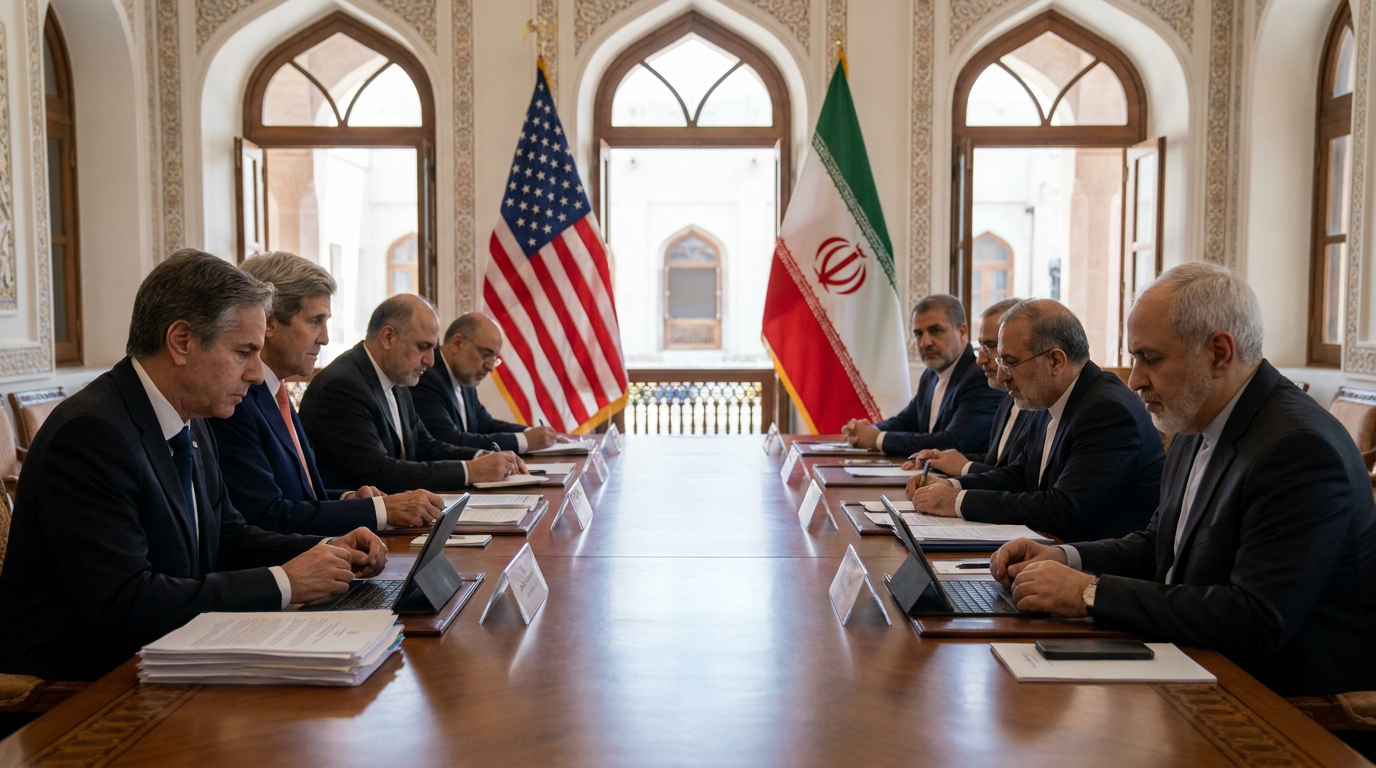
United States and Iranian officials are on the verge of announcing an interim agreement to halt direct hostilities, marking a critical diplomatic breakthrough after months of escalating military exchanges. The proposed framework, reportedly brokered with Omani mediation in Muscat, aims to freeze the current conflict in place and establish a foundation for long-term de-escalation.[3][5]
The core mechanism of the agreement requires both Washington and Tehran to cease offensive operations and proxy engagements for an initial period of six months. This pause is designed to provide diplomatic breathing room, preventing accidental escalations that could trigger a wider regional war while negotiators work toward a more comprehensive treaty.[3][6]
In exchange for a verifiable military stand-down, the United States is preparing to issue targeted sanctions waivers. These waivers would allow Iran to access approximately $4.5 billion in frozen assets currently held in international accounts. Crucially, these funds are strictly ring-fenced; they cannot be repatriated to Tehran and may only be used to pay approved third-party vendors for humanitarian goods such as food and medicine.[3][4]

Tehran, in turn, has agreed to halt ballistic missile testing and suspend its support for regional proxy militias that have actively targeted US military assets and commercial shipping in the Middle East. To ensure compliance, international monitors would be granted expanded access to verify the cessation of these activities, though the exact parameters of this oversight remain a sticking point.[1][5]
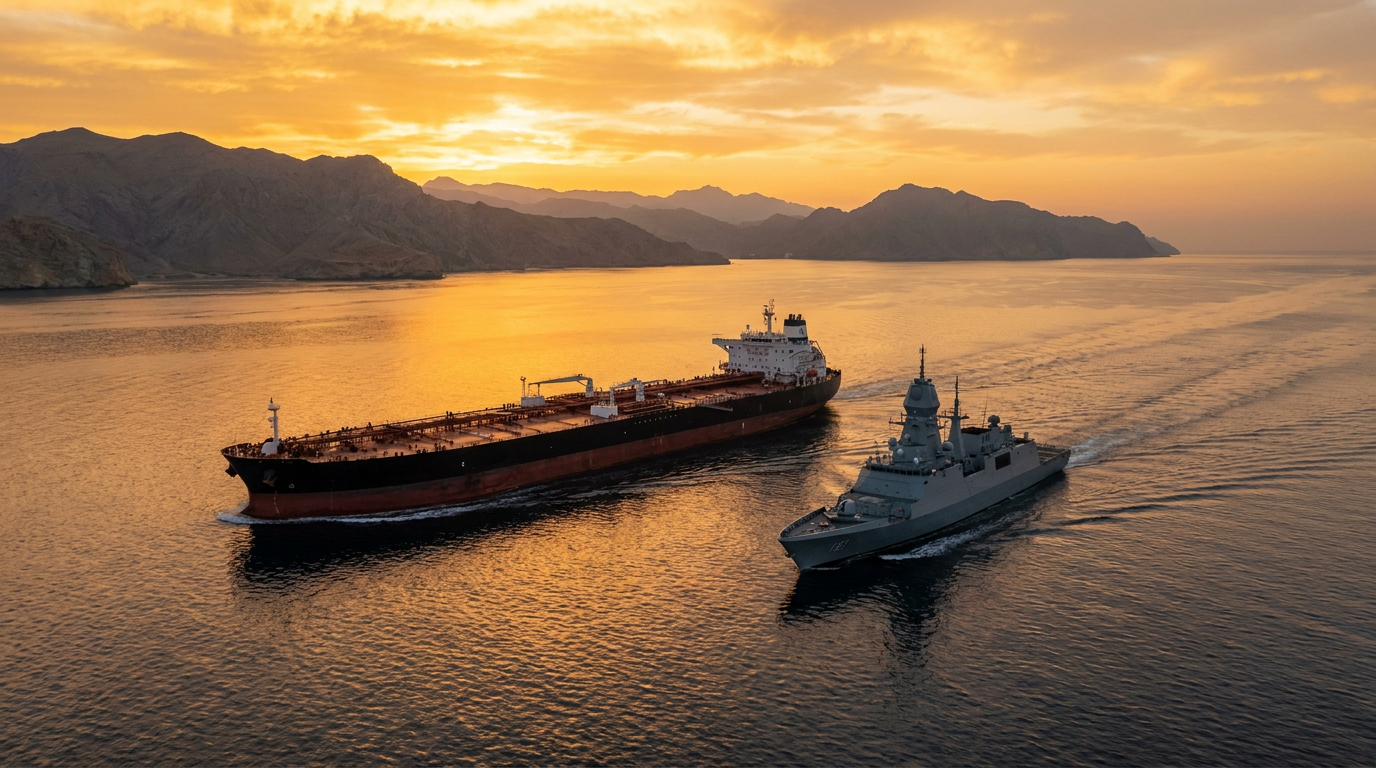
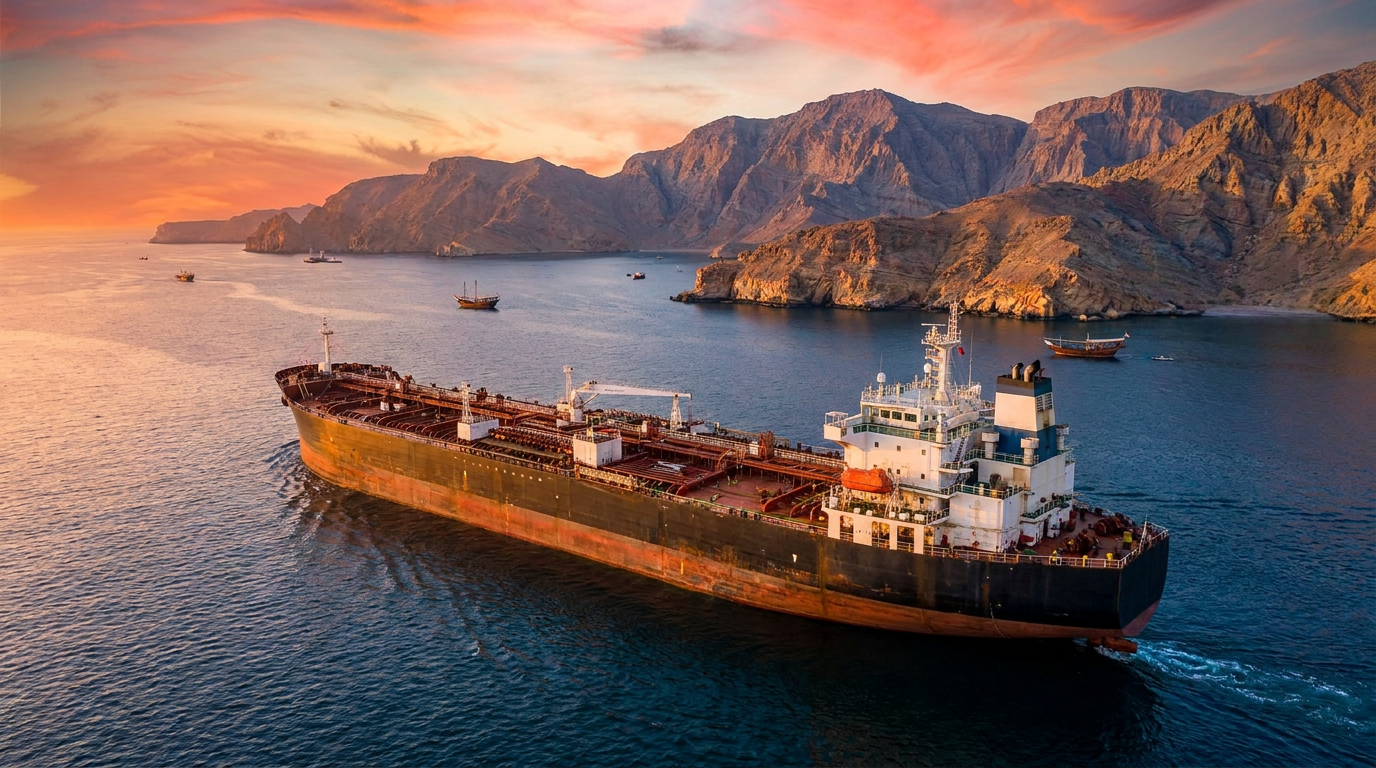
This diplomatic push follows a highly volatile year where the two nations engaged in direct, albeit limited, military strikes. The cycle of retaliation threatened to choke off the Strait of Hormuz, a critical maritime artery responsible for a significant portion of global oil supplies, prompting urgent intervention from international mediators.[1][6]
Global financial markets reacted immediately to the prospect of de-escalation. Brent crude oil prices dropped by nearly 4% to $82 per barrel as energy traders priced out the immediate risk of supply disruptions in the Persian Gulf. Analysts note that a formalized ceasefire would likely keep energy prices stable through the winter months.[3][6]

Global financial markets reacted immediately to the prospect of de-escalation.
Inside Iran, the public reaction is deeply fractured. While some citizens express profound relief at the prospect of economic stabilization and an end to the immediate threat of war, others remain highly skeptical. Many Iranians remember the collapse of previous international agreements and doubt that the United States will reliably honor its commitments to provide sanctions relief.[2]
Iranian state media and hardline political factions are carefully framing the narrative to emphasize that the nation has not compromised on its core defense capabilities. They portray the interim deal as a tactical pause rather than a strategic surrender, asserting that Iran's recent military actions successfully deterred broader US aggression and forced Washington to the negotiating table.[1][8]
In Washington, the administration faces intense scrutiny and fierce opposition from conservative lawmakers. Critics argue that releasing frozen funds, even if strictly earmarked for humanitarian purposes, effectively rewards Tehran's aggression. They contend that money is inherently fungible—by covering civilian needs with unfrozen assets, the Iranian government can redirect its domestic revenues toward military and proxy endeavors.[4]
Administration officials counter that the interim deal is a necessary, pragmatic mechanism to pull the region back from the brink of all-out war. They stress that the sanctions relief is highly conditional, heavily monitored, and can be snapped back immediately if intelligence indicates that Iran is violating the terms of the ceasefire or continuing to arm proxy groups.[3][5]
Regional allies, particularly Israel, have expressed profound concern over the emerging framework. Israeli officials warn that an interim agreement allows Iran to regroup, stabilize its economy, and advance its nuclear program under the cover of a diplomatic pause, all without addressing the root causes of regional instability or dismantling its proxy networks.[7]

Conversely, Gulf Arab states, which would find themselves on the front lines of any regional conflagration, have quietly supported the Omani-led mediation efforts. Leaders in these nations view a temporary freeze as a vital window to pursue broader regional economic integration and de-escalation, prioritizing stability over continued confrontation.[5][6]
The most significant hurdle remaining before the deal can be signed is the verification mechanism. Negotiators are still debating the exact parameters of how international observers will monitor the cessation of proxy activities. Tracking the flow of arms and attributing militia attacks in conflict zones like Iraq and Syria is notoriously difficult, leaving room for potential disputes over compliance.[3][8]
If finalized, the interim agreement will serve as a fragile bridge to comprehensive negotiations. However, diplomatic experts caution that transforming a six-month ceasefire into a permanent peace treaty will require navigating deeply entrenched mutual distrust, complex domestic politics in both capitals, and the competing interests of regional powers.[5][6]
How we got here
Early 2026
Direct military exchanges escalate between US forces and Iranian-aligned groups in the Middle East.
April 2026
Oman initiates back-channel mediation to prevent a broader regional war.
May 2026
Secret talks in Muscat produce a preliminary framework for a mutual ceasefire.
June 13, 2026
Negotiators signal an interim agreement is nearing finalization, pending domestic approvals.
Viewpoints in depth
US Administration & Allies
Argues the deal is a necessary step to prevent regional war and stabilize markets.
Proponents of the deal argue that a military confrontation with Iran would be catastrophic for global stability and the global economy. By securing a verifiable pause in hostilities and proxy attacks, the administration believes it is buying crucial time to negotiate a longer-term settlement. They emphasize that the financial relief offered is highly restricted, heavily monitored, and easily reversible if Tehran fails to comply with the terms of the stand-down.
US Conservatives & Israeli Officials
Argues the deal rewards aggression and provides fungible capital to a hostile state.
Critics view the interim agreement as a dangerous concession that rewards Iran for its recent military escalations. They argue that unfreezing $4.5 billion, even for humanitarian purposes, relieves domestic economic pressure on the Iranian government, allowing it to redirect other funds toward its military and proxy networks. Israeli officials further warn that a six-month pause gives Tehran the breathing room it needs to advance its nuclear program without the immediate threat of military strikes.
Iranian Leadership
Frames the deal as a tactical victory that provides economic relief without sacrificing core defense capabilities.
For the Iranian government, the interim agreement is presented domestically as a vindication of its deterrence strategy. Hardliners argue that their willingness to engage in direct military action forced the United States to offer sanctions relief. They maintain that the agreement does not permanently dismantle their regional influence or missile programs, framing the six-month pause as a necessary tactical maneuver to stabilize the domestic economy while preserving national sovereignty.
What we don't know
- The exact mechanisms for verifying the halt of proxy militia activities across multiple borders.
- Whether the six-month pause can successfully transition into a permanent peace treaty.
- How domestic political pressures in both the US and Iran might affect the deal's implementation.
Key terms
- Interim Agreement
- A temporary, short-term treaty designed to pause a conflict while a permanent resolution is negotiated.
- Sanctions Waiver
- A specific exemption granted by the US government allowing certain financial transactions that would otherwise be penalized under international law.
- Fungible Capital
- Money that, even if restricted to one specific use (like humanitarian aid), frees up other unrestricted domestic funds for different purposes (like military spending).
- Proxy Militias
- Armed groups that act on behalf of or are supported by a larger state power, allowing that state to exert influence without direct military involvement.
Frequently asked
Does this mean the US and Iran are at peace?
No. This is a temporary, six-month freeze on hostilities designed to prevent immediate conflict and allow time for broader diplomatic negotiations.
Will Iran receive direct cash payments?
No. The $4.5 billion in frozen assets will remain in restricted international accounts and can only be used to pay approved third-party vendors for humanitarian goods like food and medicine.
How does this affect global gas prices?
The prospect of peace reduces the risk of oil supply disruptions in the Middle East, which has already caused global crude oil prices to drop slightly.
Sources
Source coverage
8 outlets
4 viewpoints surfaced







[1]Al JazeeraDe-escalation Advocates
As Iran and US near a deal, Tehran remembers another recent bloody conflict
Read on Al Jazeera →Iranians divided on peace prospects after US-Iran say a deal is near
Read on Al Jazeera →[3]ReutersIranian Pragmatists
US, Iran reach framework for interim agreement to halt hostilities
Read on Reuters →[4]Fox NewsDeterrence Proponents
Conservatives blast Biden administration over 'dangerous' Iran interim deal
Read on Fox News →[5]The GuardianDe-escalation Advocates
Diplomatic breakthrough: US and Iran edge closer to historic ceasefire
Read on The Guardian →[6]BBCDe-escalation Advocates
What the US-Iran interim agreement means for Middle East stability
Read on BBC →[7]The Times of IsraelDeterrence Proponents
Israel expresses 'deep concern' as US-Iran interim deal nears completion
Read on The Times of Israel →[8]Tehran TimesIranian Hardliners
Iran stands firm on red lines as negotiations reach final stage
Read on Tehran Times →
Every angle. Every day.
Get news politics stories with full source coverage and perspective breakdowns delivered to your inbox.