
US and Iran Near Interim Peace Deal to Reopen Strait of Hormuz and Halt 3-Month War
Following a three-and-a-half-month conflict that disrupted global energy markets, the United States and Iran are reportedly days away from signing a mediated ceasefire. The tentative agreement would lift the U.S. naval blockade and reopen the Strait of Hormuz, while deferring negotiations on Tehran's nuclear program.
By Factlen Editorial Team
- U.S. Administration
- Argues the deal meets core American objectives by reopening the Strait and forcing Iran into a 60-day window to negotiate its nuclear program.
- Iranian Leadership
- Frames the ceasefire as a historic victory, emphasizing that Iran survived the war and secured the lifting of the blockade without upfront nuclear concessions.
- Regional Mediators
- Prioritizes immediate de-escalation, the resumption of global maritime trade, and the stabilization of the broader Middle East.
- Iranian Public & Hardliners
- Deeply divided between citizens desperate for economic relief and hardliners who fear the upcoming nuclear talks are an American trap.
What's not represented
- · Israeli Government
- · Global Shipping Companies
Why this matters
A formal ceasefire would end a devastating three-month war that has destabilized the Middle East and choked off 20% of the world's oil supply. Reopening the Strait of Hormuz is critical to lowering global energy costs and preventing a wider regional conflict.
Key points
- The U.S. and Iran are finalizing a Memorandum of Understanding to end their three-month war.
- The deal would lift the U.S. naval blockade and reopen the Strait of Hormuz to commercial shipping.
- Negotiations over Iran's nuclear program will be deferred to a 60-day follow-on period.
- Pakistan has served as the primary mediator, with an electronic signing expected in the coming days.
- Both sides are claiming victory, though hardliners in Washington and Tehran remain skeptical of the terms.
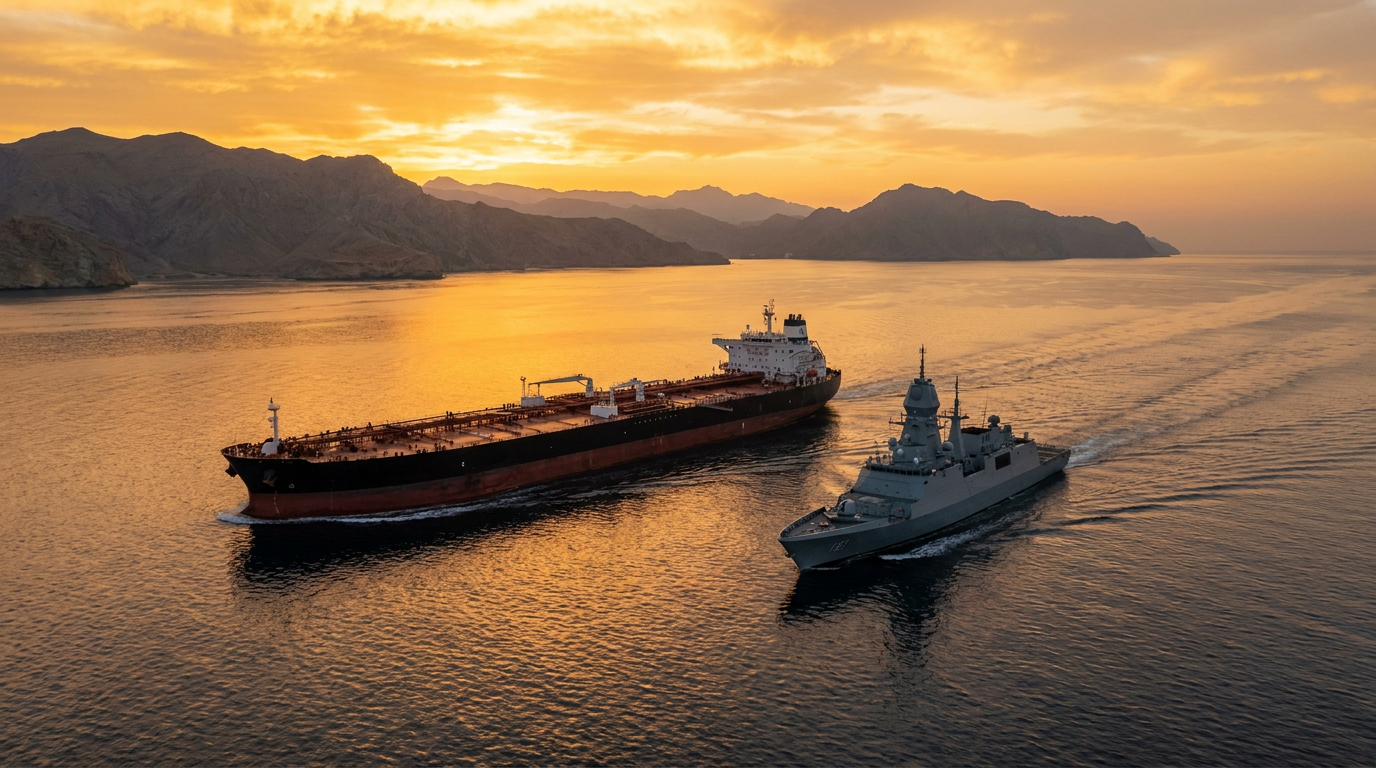
The United States and Iran are on the brink of signing an interim peace agreement that would halt a devastating three-and-a-half-month war, reopen the strategically vital Strait of Hormuz, and lift a crippling U.S. naval blockade. Mediated heavily by Pakistan, the tentative Memorandum of Understanding marks the most significant diplomatic breakthrough since the conflict erupted in late February. For weeks, the global economy has been held hostage by the closure of the maritime choke point, which normally processes roughly one-fifth of the world's daily oil and natural gas shipments. Now, after intense back-channel negotiations in Islamabad, officials from both Washington and Tehran are signaling that a formal cessation of hostilities is days, if not hours, away from an electronic signing.[3][4][7]
The war itself has fundamentally reshaped the geopolitical landscape of the Middle East. The conflict ignited on February 28 with a massive wave of coordinated U.S. and Israeli airstrikes, an assault that resulted in the death of Iranian Supreme Leader Ali Khamenei on the very first day. In retaliation, Tehran immediately mined and closed the Strait of Hormuz to all commercial shipping, prompting the United States to impose a strict naval blockade on Iranian ports. The resulting standoff sent shockwaves through global energy markets, spiking crude oil prices and forcing shipping conglomerates to reroute vessels across the globe. The proposed ceasefire aims to unwind this catastrophic escalation, prioritizing the resumption of global commerce over immediate political resolutions.[3][4]
Pakistani Prime Minister Shehbaz Sharif, whose government has served as the primary broker between the warring nations, announced over the weekend that a "final, agreed upon text" had finally been reached. Sharif indicated that Islamabad is currently preparing the technical infrastructure for an electronic signing of the pact, which would immediately be followed by technical-level talks to implement the truce. While Sharif initially suggested the deal could be finalized within twenty-four hours, Iranian Foreign Ministry spokesperson Esmaeil Baghaei urged caution, confirming the progress but explicitly stating that the signing would not occur as early as Sunday. Nevertheless, the diplomatic momentum appears irreversible, with both sides actively preparing their domestic audiences for an end to the active fighting.[3][7]

The core of the proposed Memorandum of Understanding focuses entirely on immediate military de-escalation and the unfreezing of global trade routes. Under the draft terms circulated among mediators, the United States would agree to lift its comprehensive naval blockade on Iranian ports and begin the phased release of billions of dollars in frozen Iranian assets. In exchange, Iran would commit to reopening the Strait of Hormuz to normal commercial traffic and ceasing all hostilities across the region, including standing down its network of proxy militias in Lebanon and Yemen. The agreement effectively trades economic relief for maritime security, addressing the most urgent pain points for both the Iranian populace and the global energy sector.[4][5]
Notably, the interim agreement deliberately defers the most contentious underlying issue—Iran's nuclear program—to a subsequent phase of high-stakes diplomacy. The Memorandum of Understanding establishes a strict 60-day window for follow-on negotiations specifically targeting Tehran's uranium enrichment capabilities and nuclear facilities. U.S. officials have stated on background that the ultimate American goal remains the complete, verifiable dismantlement of Iran's nuclear infrastructure, which President Donald Trump cited as the primary rationale for launching the war in February. By separating the maritime crisis from the nuclear standoff, negotiators have managed to secure a ceasefire that might otherwise have been impossible to achieve in a single comprehensive treaty.[2][4]
Notably, the interim agreement deliberately defers the most contentious underlying issue—Iran's nuclear program—to a subsequent phase of high-stakes diplomacy.
President Donald Trump confirmed the diplomatic progress during an address from the Oval Office, revealing that he had personally canceled a planned wave of retaliatory airstrikes against Iranian targets because the peace deal was in its "final throes." Trump had previously threatened to order the military to seize or destroy Kharg Island, Iran's most critical oil export terminal, a move that would have dramatically escalated the conflict and risked significant U.S. casualties. Instead, the president asserted that the negotiated agreement meets his administration's core strategic objectives and places the United States in a dominant negotiating position for the upcoming 60-day sprint regarding the nuclear program.[2]

Despite the optimistic framing emanating from Washington, Iranian officials are aggressively pitching the ceasefire as a historic strategic triumph for Tehran. Iranian Foreign Minister Abbas Araghchi declared on state television that "Iran is the winner of the war with the U.S.," arguing that the Islamic Republic had successfully withstood a massive, sustained military assault by the world's premier superpower and emerged with its sovereignty intact. For the Iranian leadership, the fact that the United States is agreeing to lift the naval blockade and unfreeze assets without securing upfront concessions on the nuclear program is being heralded as a vindication of their resistance strategy.[5][6]
Araghchi also pushed back fiercely on Western media reports regarding the future administration of the Strait of Hormuz. He insisted that Tehran makes absolutely no commitment in the draft text to cede management of the vital waterway to international forces or a Western coalition. Instead, Iranian state media maintains that Iran, in coordination with neighboring Oman, will retain joint control over maritime traffic, preserving the conditions that existed prior to the outbreak of the war. This point of pride is crucial for Tehran's domestic messaging, ensuring that the reopening of the strait is viewed as a sovereign Iranian decision rather than a capitulation to American military pressure.[3][6][7]
The domestic reaction within Iran remains deeply fractured as the reality of the impending deal sets in. On the streets of Tehran, many citizens are desperate for an end to the blockade, which has exacerbated inflation, triggered severe shortages of basic goods, and brought the national economy to the brink of collapse. However, hardline factions within the government and the Islamic Revolutionary Guard Corps remain deeply skeptical of any arrangement that requires negotiating the country's nuclear infrastructure with Washington. These factions fear that the 60-day follow-on talks are a trap designed to strip Iran of its ultimate deterrent after it has already surrendered its leverage in the Strait of Hormuz.[1][4]

The proposed ceasefire also leaves significant geopolitical questions unanswered, particularly regarding the role and reaction of Israel. The Israeli military launched the war alongside the United States in February and has been deeply involved in the military campaign against Iranian assets, yet Israel has not been a direct party to the mediated negotiations in Islamabad. It remains entirely unclear how the Israeli government will respond to an interim agreement that leaves Iran's nuclear program intact, even temporarily, and whether Israel will consider itself bound by a ceasefire negotiated exclusively between Washington and Tehran. Given that the complete destruction of Iran's nuclear capabilities has long been a non-negotiable security imperative for Jerusalem, the 60-day deferral may spark intense friction between the U.S. administration and its closest Middle Eastern ally.[4][5]
If the Memorandum of Understanding is successfully signed, the immediate logistical focus of the international community will shift to the physical reopening of the Strait of Hormuz. The waterway has been heavily mined and militarized over the past three months, making it impassable for standard commercial oil tankers. The U.S. administration has already indicated plans to discuss comprehensive demining operations with G7 allies, including Britain and France, during upcoming summits. These allied nations have expressed strong interest in assisting with the maritime cleanup to ensure the safe, rapid resumption of energy shipments and to stabilize a global economy that has been battered by the conflict.[3]
For now, the global economy and the international diplomatic corps watch closely as the final details are hammered out in Islamabad. A successful electronic signing would officially end a conflict that has roiled markets, cost thousands of lives, and threatened to spiral into a broader, uncontrollable regional conflagration. Yet, even as the guns prepare to fall silent and the naval blockades are lifted, the underlying tensions remain entirely unresolved. The interim deal is less a comprehensive peace treaty than a strategic pause, setting the stage for a tense, high-stakes 60-day diplomatic sprint to resolve a decades-old nuclear standoff. If those follow-on talks collapse, the world could rapidly find itself plunged right back into the very conflict it is currently celebrating the end of.[4][7]
How we got here
Feb 28, 2026
The war begins with U.S. and Israeli strikes; Iranian Supreme Leader Ali Khamenei is killed.
March 2026
Iran closes the Strait of Hormuz to commercial shipping; the U.S. imposes a strict naval blockade.
June 11, 2026
Pakistani Prime Minister Shehbaz Sharif announces a final text for a peace deal has been reached.
June 12, 2026
President Trump cancels planned strikes on Iran, stating an agreement is imminent.
June 13, 2026
Iran confirms a deal is close but cautions that the official signing will not happen immediately.
Viewpoints in depth
The U.S. Administration's View
Securing the Strait and setting the clock on nuclear talks.
For Washington, the interim agreement is a pragmatic victory that achieves the immediate goal of unfreezing global energy markets without surrendering the ultimate objective of denuclearizing Iran. By lifting the naval blockade in exchange for the reopening of the Strait of Hormuz, the U.S. relieves the immense economic pressure on its allies. More importantly, the administration views the 60-day follow-on period as a strict ticking clock. Officials believe that the devastating toll of the three-month war has sufficiently degraded Iran's military capabilities, leaving Tehran with no choice but to negotiate the dismantlement of its nuclear infrastructure from a position of profound weakness.
The Iranian Leadership's View
Claiming survival as a strategic triumph.
Tehran is aggressively projecting strength, framing the very survival of the Islamic Republic through a massive U.S. and Israeli military campaign as a historic victory. Iranian officials emphasize that the United States is agreeing to lift the crippling naval blockade and unfreeze billions in assets without securing a single upfront concession regarding the nuclear program. By retaining joint control over the Strait of Hormuz alongside Oman, the leadership can sell the reopening of the waterway to its domestic audience as a sovereign choice rather than a capitulation, setting a defiant tone ahead of the upcoming nuclear negotiations.
The Mediators' View
Prioritizing global trade and regional stability over ideological victories.
For Pakistan and the Gulf states that facilitated the back-channel talks, the ideological posturing of Washington and Tehran is secondary to the urgent need for regional stabilization. The closure of the Strait of Hormuz threatened to plunge the global economy into a severe recession, and the constant threat of a wider regional war terrified neighboring nations. The mediators view the Memorandum of Understanding as a necessary circuit breaker—a way to stop the immediate bleeding, resume the flow of 20% of the world's oil, and create a controlled diplomatic environment where the deeper, more intractable issues can be negotiated without the daily threat of airstrikes.
What we don't know
- Whether Iran will actually agree to dismantle its nuclear program during the 60-day follow-on talks.
- The exact mechanism for managing and securing the Strait of Hormuz once it reopens.
- How Israel, which fought alongside the U.S. but is not part of these negotiations, will respond to the ceasefire.
Key terms
- Strait of Hormuz
- A narrow, strategically vital waterway between the Persian Gulf and the Gulf of Oman through which roughly 20% of the world's oil supply passes.
- Naval Blockade
- A military operation by the United States to prevent commercial and military vessels from entering or leaving Iranian ports.
- Memorandum of Understanding (MoU)
- A formal, written agreement outlining the terms of the ceasefire and the framework for future negotiations, serving as an interim step before a final treaty.
- Kharg Island
- Iran's primary sea terminal for exporting crude oil, which President Trump had threatened to target if peace talks collapsed.
Frequently asked
What started the war between the US and Iran?
The conflict began on February 28, 2026, with coordinated U.S. and Israeli airstrikes aimed at degrading Iran's nuclear capabilities, which resulted in the death of Iranian Supreme Leader Ali Khamenei.
What is in the new peace deal?
The interim agreement lifts the U.S. naval blockade and unfreezes Iranian assets in exchange for Iran reopening the Strait of Hormuz and ceasing regional hostilities.
Does this deal end Iran's nuclear program?
No. The agreement defers the issue of Iran's nuclear program to a 60-day window of follow-on negotiations that will begin after the ceasefire is signed.
Who mediated the ceasefire?
Pakistan served as the primary mediator, with Pakistani Prime Minister Shehbaz Sharif facilitating the back-channel negotiations in Islamabad.
Sources
Source coverage
7 outlets
4 viewpoints surfaced







[1]Al JazeeraIranian Public & Hardliners
Iranians divided on peace prospects after US-Iran say a deal is near
Read on Al Jazeera →[2]The Washington PostU.S. Administration
Trump says he has canceled plans to strike Iran, claiming deal is near
Read on The Washington Post →[3]CBS NewsU.S. Administration
What to know about the Iran war today
Read on CBS News →[4]Council on Foreign RelationsRegional Mediators
US-Iran negotiations
Read on Council on Foreign Relations →[5]CBCRegional Mediators
U.S. and Iran signal peace deal close as reports suggest terms appear to favour Tehran
Read on CBC →[6]Arab NewsIranian Leadership
Tehran claims victory as US, Iran signal peace deal near
Read on Arab News →[7]Channel News AsiaIranian Leadership
Iran and US close on initial deal, Tehran says no signing on Sunday
Read on Channel News Asia →
More in news politics
See all 5 stories →US-Iran Truce
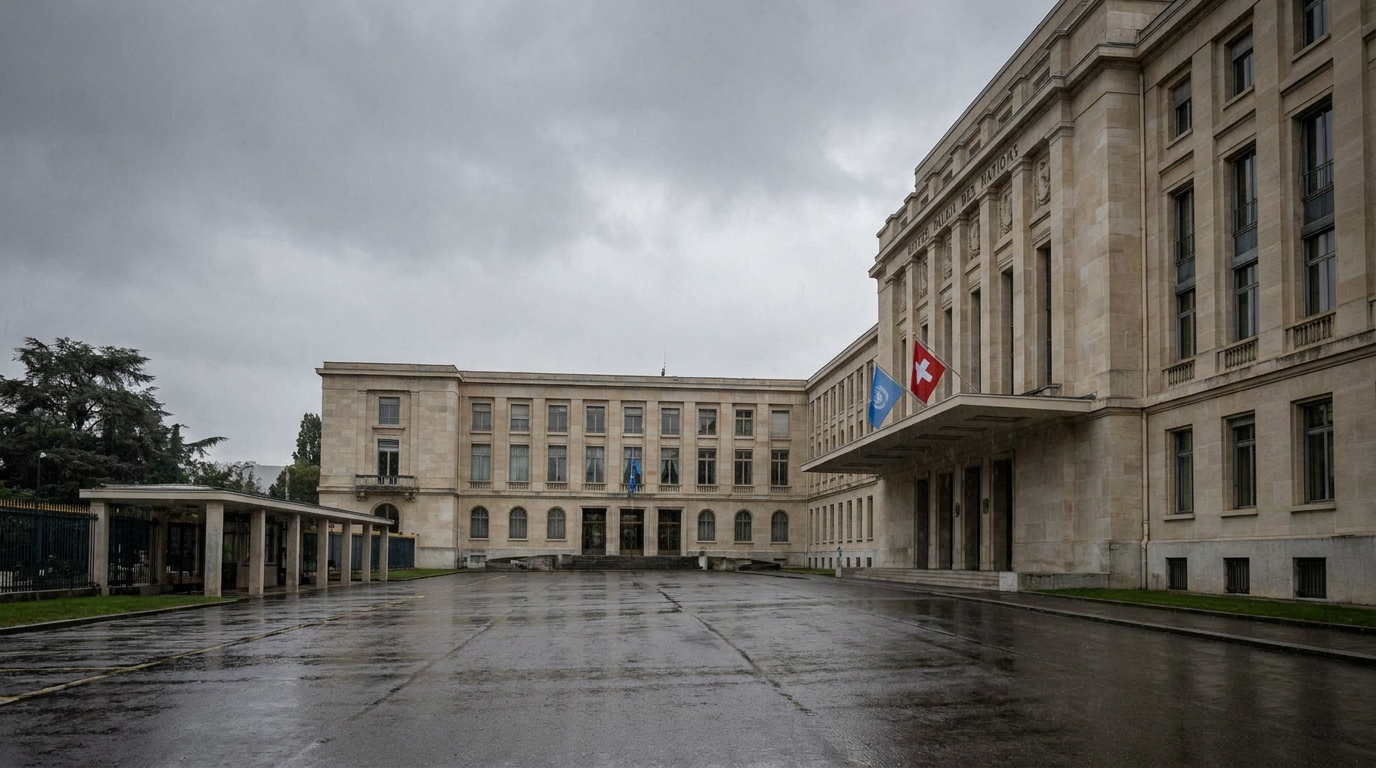
US-Iran Peace Talks in Switzerland Postponed Amid Renewed Lebanon Clashes
10 sources
US-Iran Deal
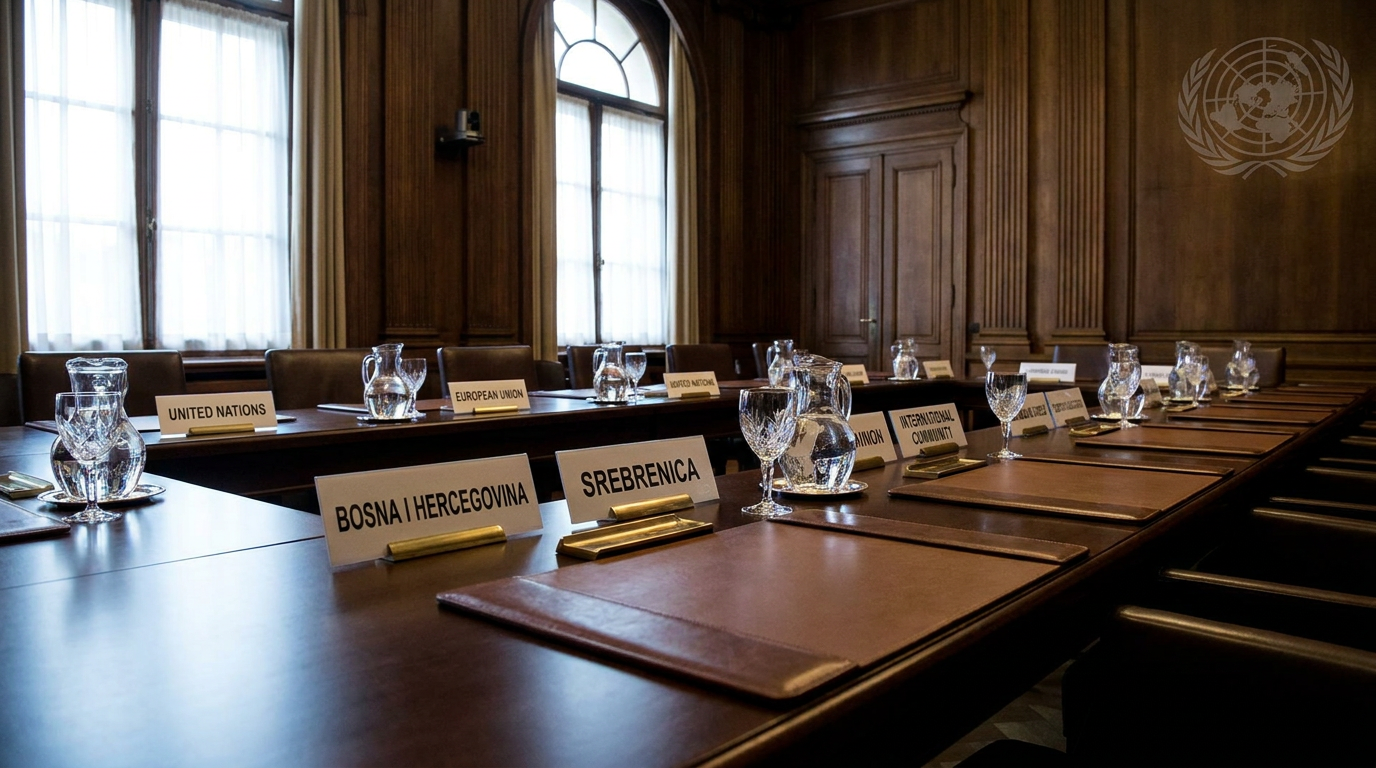
US-Iran Talks in Switzerland Postponed as Trump's Peace Deal Faces Domestic and Regional Backlash
8 sources
US-Iran Deal
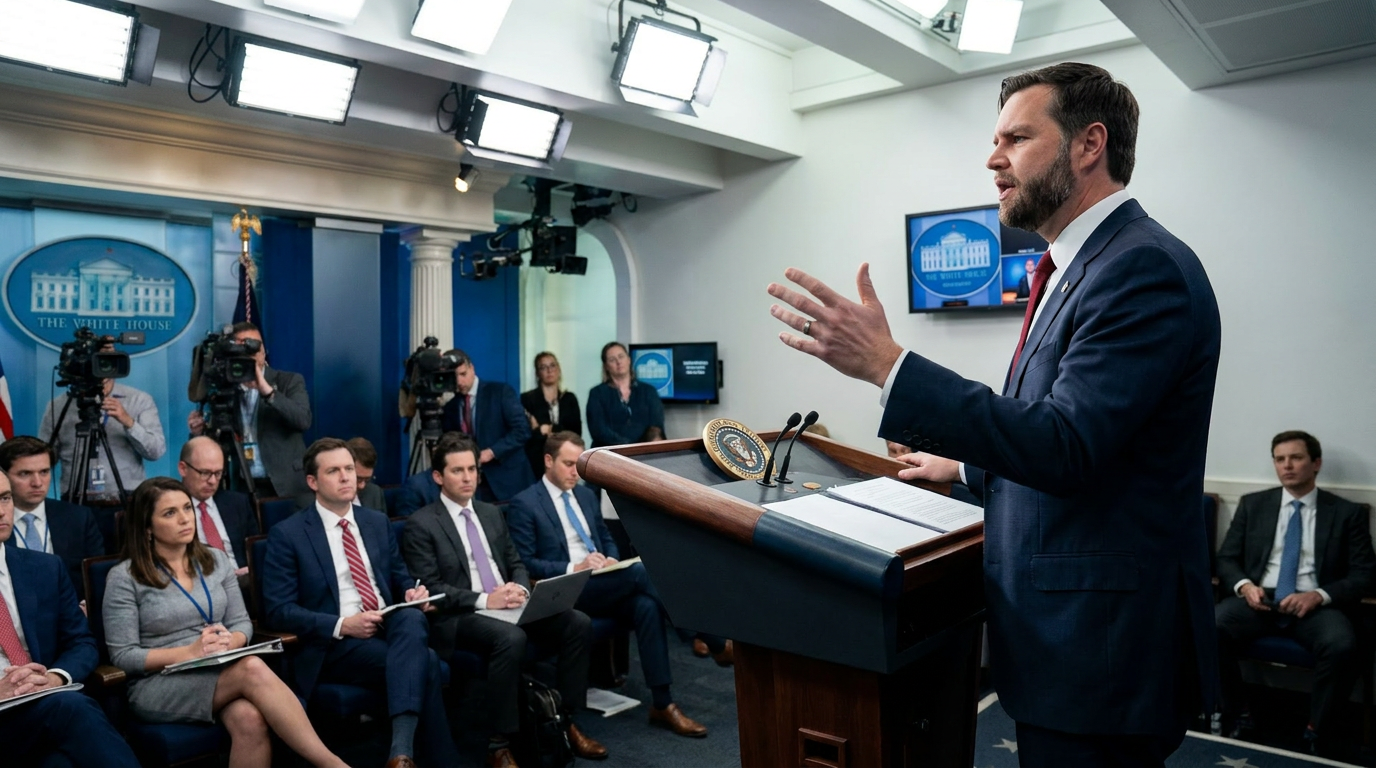
US-Iran Peace Talks Postponed as Regional Violence Flares and Hormuz Remains Mined
8 sources
Every angle. Every day.
Get news politics stories with full source coverage and perspective breakdowns delivered to your inbox.