
US and Iran Near Interim Peace Agreement to End War and Reopen Strait of Hormuz
The United States and Iran are reportedly on the verge of signing an interim peace agreement to end their ongoing war, though the two sides continue to publicly clash over the exact terms regarding sanctions relief and nuclear concessions.
By Factlen Editorial Team
- US Administration
- Views the deal as a successful pressure campaign that forces the dismantling of Iran's nuclear program.
- Iranian Pragmatists
- Frames the agreement as a diplomatic victory that lifts the blockade and unfreezes critical assets.
- Skeptics & Hardliners
- Warns that the memorandum is a fragile, temporary pause rather than a lasting peace.
What's not represented
- · Israeli military and political leadership
- · Lebanese civilians affected by the Hezbollah-Israel front
- · Global shipping and energy conglomerates
Why this matters
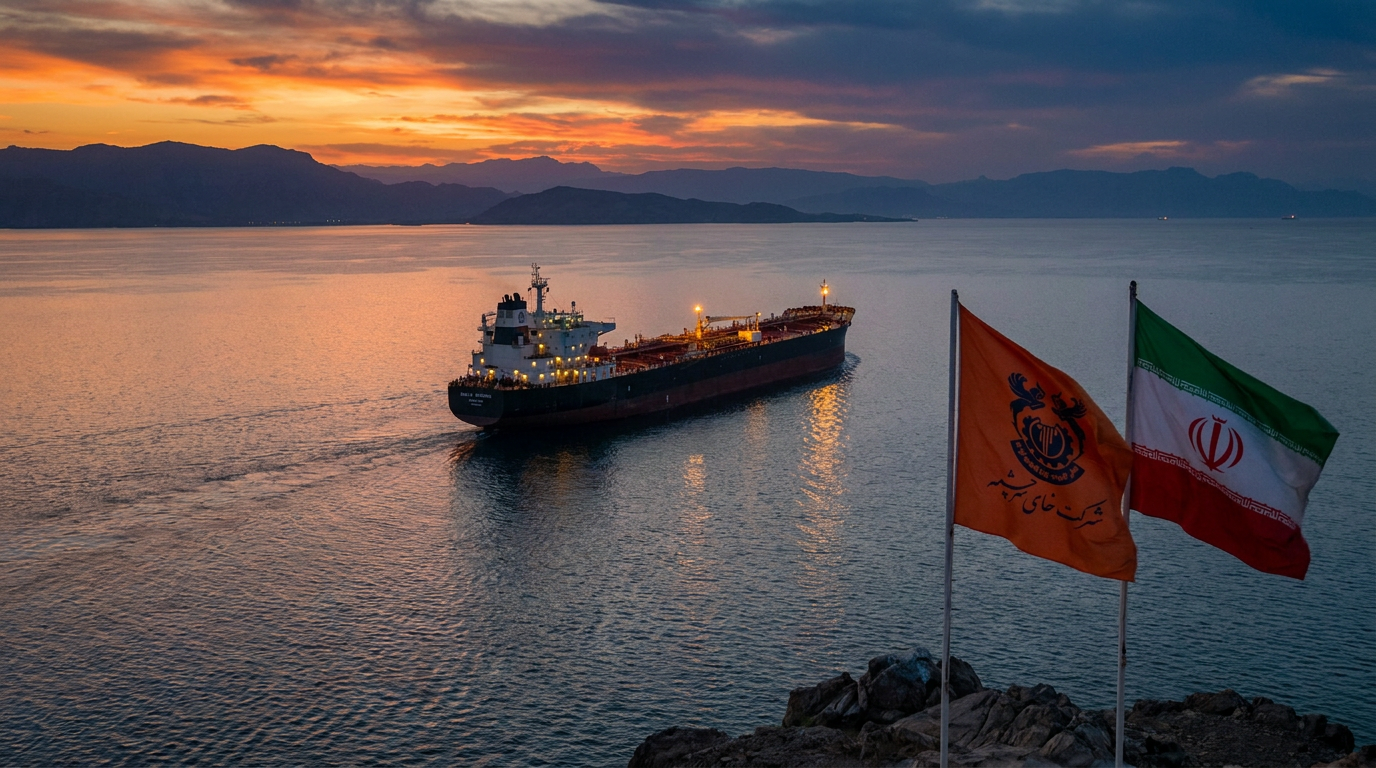
An interim peace agreement would halt a devastating three-and-a-half-month war, reopen the Strait of Hormuz to stabilize global energy prices, and set the stage for defining the future of Iran's nuclear program.
Key points
- The US and Iran are finalizing an interim peace agreement to halt their three-and-a-half-month war.
- The proposed deal would reopen the Strait of Hormuz and lift the US naval blockade on Iranian ports.
- US officials claim the deal forces Iran to dismantle its nuclear program, while Tehran says nuclear talks are deferred.
- Mediators in Pakistan and Qatar are preparing for an electronic signing in the coming days.
- Hardliners in both countries remain skeptical, warning the memorandum is a temporary pause rather than a lasting peace.
The United States and Iran are reportedly on the verge of signing an interim peace agreement to halt a three-and-a-half-month war that has destabilized the Middle East and choked global energy markets. Mediators in Pakistan and Qatar have spent the weekend finalizing the text of a memorandum of understanding, with Pakistani Prime Minister Shehbaz Sharif announcing that an electronic signing could occur within days.[1][9]
The proposed "Islamabad Memorandum" centers on an immediate ceasefire across all fronts, including the volatile border between Israel and Hezbollah in Lebanon. Crucially for the global economy, the deal would reopen the Strait of Hormuz and lift the US naval blockade on Iranian ports, allowing the resumption of maritime trade.[3][7]
Senior US administration officials have expressed 80 to 85 percent confidence that the deal will be finalized shortly. Washington maintains that the agreement meets President Donald Trump's core objectives by establishing a framework that will ultimately lead to the dismantling of Iran's nuclear program and the removal of its highly enriched uranium stockpile.[1][6]

However, the two sides are presenting sharply different versions of what the text actually requires. Iranian Foreign Minister Abbas Araghchi confirmed that a deal has "never been closer," but Tehran is framing the pact as a front-loaded security arrangement. Iranian state media reports that the deal will immediately unfreeze up to $24 billion in assets and lift the blockade, while deferring any binding nuclear concessions to a separate 60-day negotiation window.[3][5][8]
This gap in messaging has exposed the fragility of the diplomatic effort. On Friday, President Trump lashed out on social media, calling Iranian negotiators "dishonorable" after draft terms leaked in Tehran appeared to heavily favor the Islamic Republic. Despite the outburst, US officials quietly insist that the diplomatic track remains intact.[2][4]
This gap in messaging has exposed the fragility of the diplomatic effort.
Inside Iran, the path to a signature is complicated by fierce domestic politics. Pragmatists within the government argue the deal is a necessary victory that will relieve crushing economic pressure and prove Iran survived the conflict. Conversely, hardline factions view the memorandum as a dangerous retreat, warning that it merely delays a final confrontation while surrendering leverage.[3][5]
The sequencing of the nuclear issue remains the most explosive variable. The US insists that verifiable steps to curb enrichment must precede sanctions relief, while Iranian officials explicitly state that the current memorandum is strictly focused on ending the war, with the nuclear portfolio entirely excluded from this initial phase.[1][8]

Regional allies are watching the final hours of negotiation with intense scrutiny. Israel, which launched the war alongside the US in late February, has not been a direct participant in the Islamabad or Tehran talks. While Israeli Prime Minister Benjamin Netanyahu stated he is in "full agreement" with Washington on preventing a nuclear Iran, a ceasefire that leaves Hezbollah's arsenal intact could prove politically difficult for his government to accept.[2][6]
If the electronic signing proceeds as mediators expect, technical-level talks will immediately follow next week to establish enforcement mechanisms. Until the ink is dry, however, both US and Iranian armed forces remain on high alert, and the Strait of Hormuz remains a flashpoint capable of reigniting the conflict at any moment.[3][9]
The global economic stakes of the agreement are massive. The closure of the Strait of Hormuz—a maritime chokepoint that normally handles nearly one-fifth of the world's oil and natural gas supply—has sent energy markets into sustained turmoil over the past three months. A verifiable reopening of the strait would immediately ease pressure on global supply chains and lower inflation projections.[6][7]

Ultimately, the success of the "Islamabad Memorandum" will depend on whether both administrations can sell a compromise to their respective domestic audiences. For Washington, the deal must look like a definitive end to Iran's nuclear ambitions; for Tehran, it must look like a victorious end to a punishing siege. Bridging that rhetorical divide will be the true test of the coming days.[2][3]
How we got here
Late February 2026
The US and Israel launch military operations against Iran following the collapse of a 60-day nuclear ultimatum.
April 2026
A temporary two-week ceasefire is implemented, moving negotiations to Islamabad.
May 24, 2026
Reports first emerge that the US and Iran are nearing a broader peace agreement to reopen the Strait of Hormuz.
June 12, 2026
US and Iranian officials signal that a final text has been reached, though public disagreements over the terms immediately surface.
Viewpoints in depth
US Administration
Views the deal as a successful pressure campaign that forces the dismantling of Iran's nuclear program.
US officials argue that the naval blockade and military strikes have brought Tehran to the table on favorable terms. They emphasize that any sanctions relief is strictly performance-based, requiring Iran to destroy its highly enriched uranium and submit to long-term inspections.
Iranian Pragmatists
Frames the agreement as a diplomatic victory that lifts the blockade and unfreezes critical assets.
Iranian negotiators and moderate factions highlight the immediate economic relief the deal provides. By securing the reopening of ports and the release of up to $24 billion without immediately conceding their nuclear infrastructure, they argue Iran has successfully weathered the US-led war and preserved its core leverage for future talks.
Skeptics & Hardliners
Warns that the memorandum is a fragile, temporary pause rather than a lasting peace.
Hardliners in Tehran view the deal as a dangerous surrender of leverage, arguing it merely gives the US time to regroup. Simultaneously, skeptics in Washington and Israel worry that deferring the nuclear issue to a 60-day follow-on period allows Iran to escape the immediate military pressure without permanently dismantling its enrichment capabilities.
What we don't know
- Whether the Iranian National Security Council will achieve the consensus required to officially sign the deal.
- The exact sequencing of when the $24 billion in frozen Iranian assets will be released.
- How Israel will respond to a ceasefire that leaves Hezbollah's forces intact in Lebanon.
Key terms
- Strait of Hormuz
- A narrow maritime chokepoint between the Persian Gulf and the Gulf of Oman through which roughly 20% of the world's oil supply passes.
- Islamabad Memorandum
- The unofficial name for the draft interim peace agreement, named after the Pakistani capital where key mediation efforts took place.
- Highly Enriched Uranium
- Uranium that has been processed to a purity level close to what is required for a nuclear weapon, a central focus of US demands.
Frequently asked
What does the interim agreement actually do?
The proposed memorandum establishes a ceasefire, reopens the Strait of Hormuz, lifts the US naval blockade on Iran, and sets a 60-day window for further nuclear negotiations.
Will Iran's nuclear program be dismantled?
The US claims the deal will ultimately lead to the destruction of Iran's highly enriched uranium, but Iranian officials insist the current agreement only covers ending the war, leaving nuclear terms for later.
How does this affect the global economy?
By reopening the Strait of Hormuz, the deal would allow nearly one-fifth of the world's oil and natural gas supply to resume normal transit, easing global energy prices.
Is Israel part of this peace deal?
No. While the deal includes a ceasefire on the Lebanon front, Israel has not been a direct participant in the US-Iran negotiations mediated by Pakistan and Qatar.
Sources
Source coverage
9 outlets
3 viewpoints surfaced









[1]The Washington PostUS Administration
U.S. and Iran close to signing ceasefire deal, officials say
Read on The Washington Post →[2]The GuardianSkeptics & Hardliners
US-Iran peace deal remains elusive as Trump and Tehran trade conflicting claims
Read on The Guardian →[3]ReutersSkeptics & Hardliners
US-Iran deal appears close but Tehran is split and Hormuz remains tense
Read on Reuters →[4]CBC NewsSkeptics & Hardliners
U.S. and Iran signal peace deal close as reports suggest terms appear to favour Tehran
Read on CBC News →[5]Al JazeeraIranian Pragmatists
Iran war day 106: US and Iran say deal close but Lebanon fighting continues
Read on Al Jazeera →[6]Council on Foreign RelationsUS Administration
Is a U.S.-Iran Deal Within Reach? Six Key Issues That Could Shape a Ceasefire
Read on Council on Foreign Relations →[7]AxiosUS Administration
Exclusive: What's inside the Iran deal Trump is close to signing
Read on Axios →[8]CNAIranian Pragmatists
Iran and US close on initial deal, Tehran says no signing on Sunday
Read on CNA →[9]Anadolu AgencyIranian Pragmatists
Pakistan, Iran, Qatar 'finalizing' interim agreement with US to end Middle East war: Sources
Read on Anadolu Agency →
More in news politics
See all 5 stories →Cognitive Resilience
Evidence Pack: Does 'Pre-Bunking' Actually Stop Political Misinformation?
7 sources

Climate Finance
UN Agencies Launch Urgent $202 Million Appeal as El Niño Threatens 8.8 Million People
8 sources

Automated Verification
How AI is Quietly Saving Local Fact-Checking from the Misinformation Flood
7 sources

Every angle. Every day.
Get news politics stories with full source coverage and perspective breakdowns delivered to your inbox.