
US and Iran Near Framework Agreement to End War and Reopen Strait of Hormuz
The United States and Iran are reportedly finalizing a memorandum of understanding to halt hostilities, lift the US naval blockade, and initiate a 60-day negotiation period on nuclear issues.
By Factlen Editorial Team
- US Administration
- Views the deal as a performance-based framework requiring Iran to surrender highly enriched uranium for sanctions relief.
- Iranian Leadership
- Frames the agreement as a security victory that ends the naval blockade while maintaining control over the Strait of Hormuz.
- Regional Mediators
- Views the deal with cautious optimism as a necessary step to de-escalate the region, though warning that core disputes remain.
- Israeli Security Establishment
- Warns that the agreement may give Iran time to recover economically and militarily without permanently dismantling its nuclear capabilities.
What's not represented
- · Lebanese civilians affected by the border conflict
- · Commercial shipping companies navigating the Strait
Why this matters
A finalized peace agreement would end a major global conflict, stabilize volatile energy markets by reopening a chokepoint that handles 20% of the world's oil, and shift US foreign policy focus away from a costly Middle Eastern war.
Key points
- The US and Iran are finalizing a memorandum of understanding to end their months-long conflict, with a signing expected imminently.
- The agreement mandates an immediate ceasefire across all fronts, including the border in southern Lebanon.
- The US will lift its naval blockade on Iranian ports, allowing commercial shipping to resume through the Strait of Hormuz.
- Iran is expected to receive significant economic relief, including the unfreezing of overseas assets and the suspension of oil sanctions.
- A 60-day negotiation period will follow the signing to address the disposal of Iran's highly enriched uranium.
- Israeli officials and Iranian hardliners have both expressed strong opposition to the proposed framework.
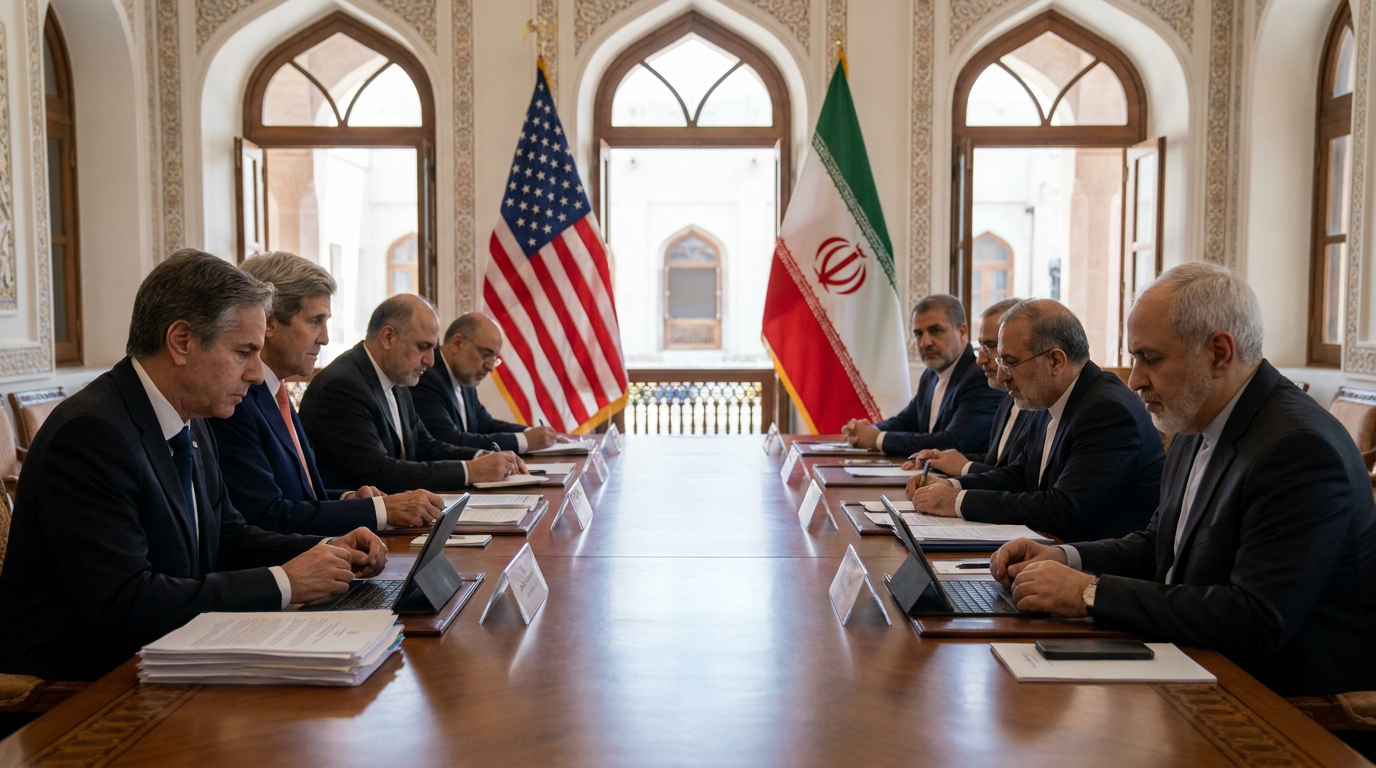
The United States and Iran are reportedly on the verge of signing a historic memorandum of understanding to end their months-long war, with officials from multiple nations indicating that a framework agreement is nearly complete. Brokered largely through intense Pakistani mediation in Islamabad, the proposed deal aims to halt hostilities across all fronts and establish a baseline for a broader peace treaty. Pakistan Prime Minister Shehbaz Sharif announced that the final text has been agreed upon by negotiators, suggesting an electronic signing could occur within twenty-four hours. If finalized, the agreement would mark a sudden diplomatic off-ramp to a devastating conflict that has disrupted global energy markets, drawn in regional proxies, and threatened to engulf the broader Middle East in a prolonged regional war.[3][7]
At the core of the proposed framework is a phased, synchronized de-escalation designed to stop the immediate bloodshed while deferring the most intractable political disputes. The first phase mandates a comprehensive ceasefire that extends beyond direct US-Iran engagements to include the heavily contested border in southern Lebanon, where Israeli forces and Hezbollah militants have been trading fire. By linking the Lebanese theater to the broader US-Iran agreement, negotiators are attempting to cool the entire region simultaneously. The memorandum dictates that once the ceasefire takes effect, both sides will commit to a strict non-interference policy, halting the daily barrage of drone strikes, missile attacks, and aerial bombardments that have characterized the conflict since it began.[1][5]
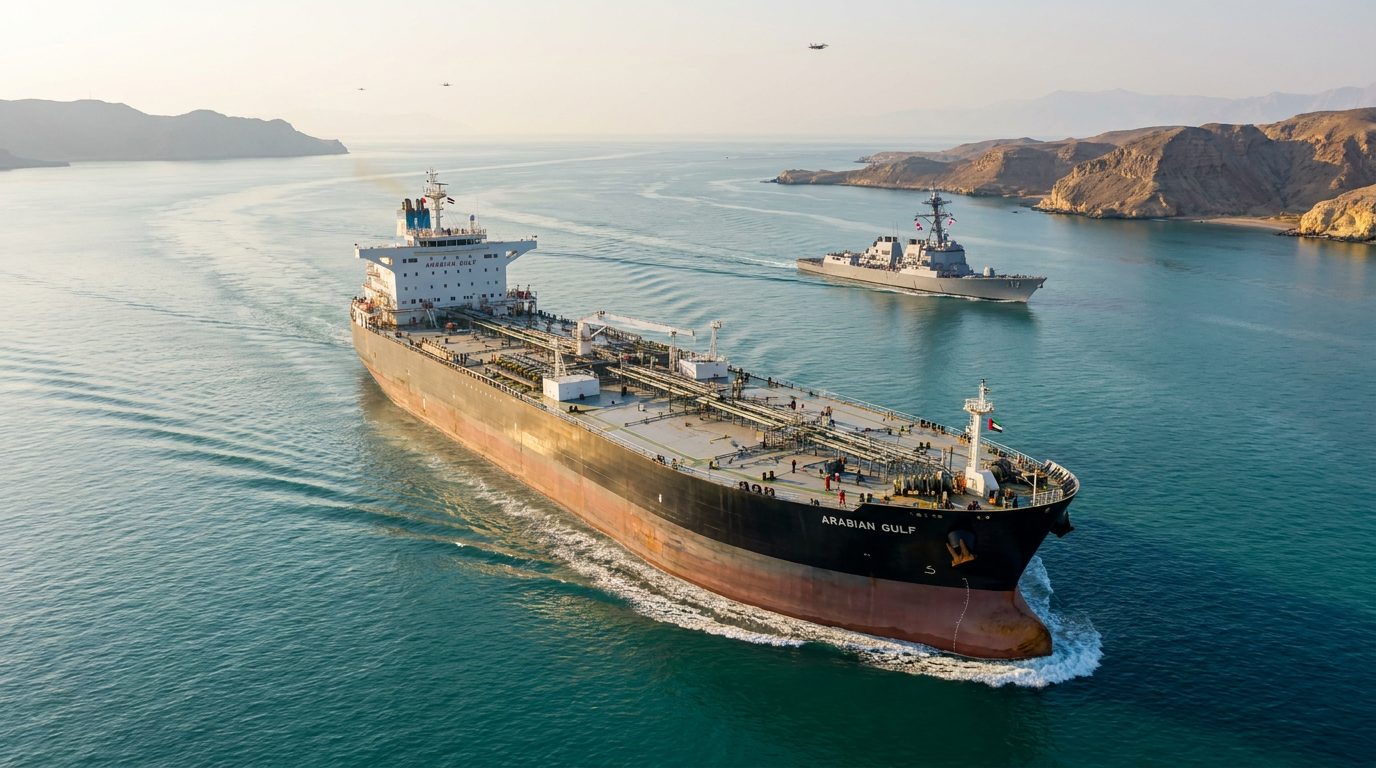
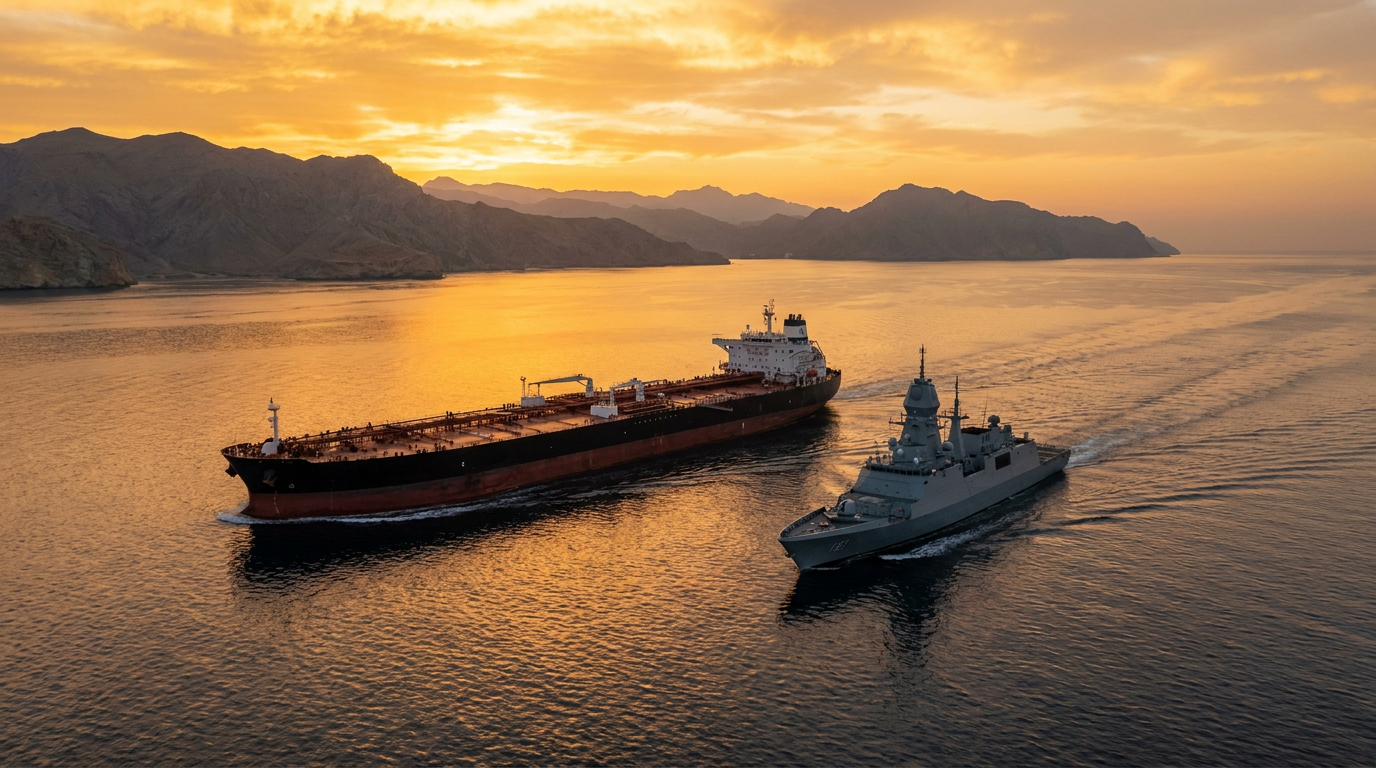
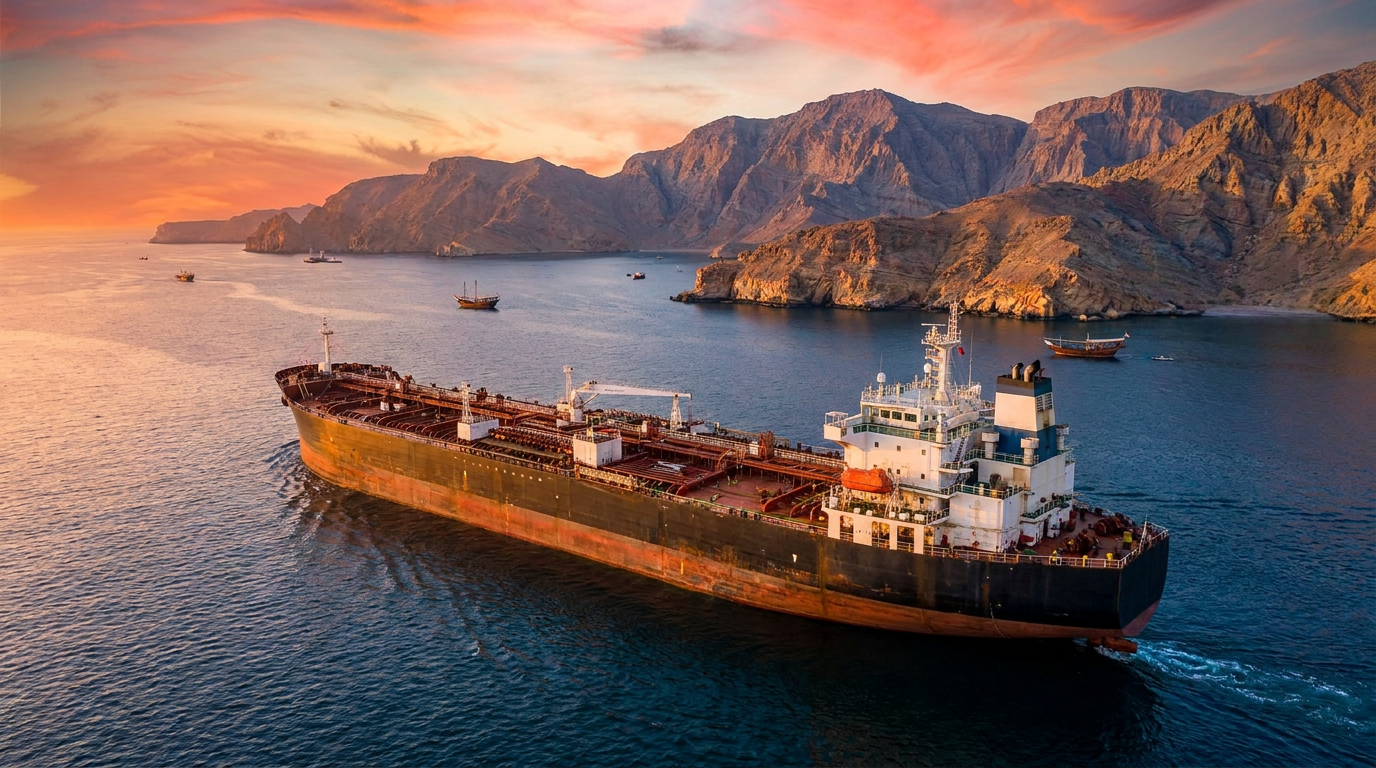
The most immediate and globally consequential component of the deal involves the strategic Strait of Hormuz. The agreement requires the United States to completely lift its unprecedented naval blockade on Iranian ports, a military operation that has severely restricted maritime traffic in the Persian Gulf. In exchange, Iran will guarantee the safe passage of all commercial marine traffic through the narrow shipping channel. The Strait of Hormuz is a vital global chokepoint, handling approximately a fifth of the world's seaborne crude oil supply and a significant portion of liquefied natural gas. Reopening the waterway is a top priority for Washington and its allies, as the blockade and subsequent Iranian retaliations had effectively paralyzed one of the most important arteries of the global economy.[5][6]
For Tehran, the primary incentive to halt the fighting is massive and immediate economic relief. The draft agreement reportedly includes a mechanism to unfreeze a substantial portion of Iran's overseas assets, with some regional reports suggesting that up to $24 billion could eventually be released into the country's central bank. Furthermore, the memorandum outlines the suspension of crippling US oil sanctions that have strangled the Iranian economy for years. This influx of capital and the ability to legally export crude oil would provide a critical lifeline to an Iranian government facing severe domestic economic pressure, soaring inflation, and the immense financial toll of sustaining a multi-front war effort.[1][5][8]

Despite the economic concessions, the Trump administration has framed the emerging agreement in strict, performance-based terms, emphasizing that permanent relief is entirely contingent on nuclear compliance. A senior US official summarized the administration's transactional stance as "no dust, no dollars," indicating that Iran must agree in principle to dispose of its highly enriched uranium stockpile before any sanctions relief is permanently codified. President Donald Trump, who recently stated that the US naval blockade "will now be lifted," has characterized the arrangement as a major settlement that forces Iran to abandon its nuclear ambitions. Vice President JD Vance echoed this optimism, stating that the finalized deal has the "potential to remake the region" while pushing back against rumors that the US was offering upfront cash without verifiable, ironclad nuclear concessions.[2][6]
Conversely, Iranian leadership is presenting the memorandum to its public primarily as a security triumph that preserves the nation's sovereignty and regional leverage. Foreign Minister Abbas Araghchi confirmed that the removal of the US naval blockade is the foundational point of the agreement, but he firmly pushed back on the notion that Tehran is surrendering its strategic assets. Araghchi insisted that Iran will maintain administrative control over the Strait of Hormuz and that its support for regional allies would not be abandoned. By separating the immediate ceasefire and maritime agreements from the more complex nuclear negotiations—which are slated to take place during a subsequent 60-day window—Iranian officials are attempting to sell the deal as a necessary step to end the war without crossing the supreme leader's established red lines.[2][4][5]
Conversely, Iranian leadership is presenting the memorandum to its public primarily as a security triumph that preserves the nation's sovereignty and regional leverage.
Despite the diplomatic momentum, the proposed agreement faces intense scrutiny and fierce opposition from hardliners within Iran's political establishment. Conservative outlets, such as the Kayhan daily, have heavily criticized the prospect of reopening the Strait of Hormuz through diplomacy with Washington. These factions argue that the waterway was closed "with power" and should remain shut until all US military forces completely withdraw from the region. Hardliners fear that the phased nature of the agreement is a strategic trap, designed to strip Iran of its most potent asymmetric weapon—the closure of the Strait—while leaving the US free to reimpose sanctions or launch future strikes if the subsequent nuclear negotiations inevitably break down.[4]

Simultaneously, the Israeli security establishment has expressed deep reservations about the long-term implications of the ceasefire. Officials in Jerusalem fear that an interim agreement will merely serve as a tactical pause, granting Iran the crucial time and financial resources needed to rebuild its military capabilities and stabilize its economy. Israeli Prime Minister Benjamin Netanyahu has reportedly held urgent calls with the White House to ensure that the dismantling of Iran's nuclear infrastructure remains a non-negotiable priority. The prevailing concern among Israeli defense analysts is that once the immediate threat of war is removed and Iranian assets are unfrozen, the international community will lose the leverage required to force Tehran into permanently dismantling its heavily fortified nuclear enrichment facilities.[8]
The mere prospect of a diplomatic breakthrough has already sent significant ripples through global financial markets, particularly in the energy sector. Oil prices fell sharply on the news, with the US benchmark West Texas Intermediate crude dropping below $85 a barrel and international Brent crude sliding under $87. Investors are reacting to the anticipated resumption of unimpeded energy shipments through the Persian Gulf, breathing a sigh of relief after months of supply chain anxiety and skyrocketing insurance premiums for commercial vessels. The shipping industry, which had seen over a hundred commercial ships redirected or stalled due to the blockade and drone attacks, is now preparing to resume normal transit operations through the vital corridor.[2][5]

While the immediate cessation of hostilities appears imminent, seasoned diplomats remain highly cautious about the deal's long-term viability. Former US diplomat Henry Ensher noted that while the agreement successfully initiates a de-escalation process, it leaves the fundamental, decades-old conflicts between Washington and Tehran entirely unresolved. The upcoming 60-day negotiation period regarding Iran's nuclear stockpile is expected to be fraught with technical disputes, verification challenges, and intense domestic political pressure on both sides. With the hardest negotiations over uranium enrichment and regional proxy forces still to come, Ensher warned that "lots of things can still go wrong" before a temporary ceasefire can be transformed into a lasting, comprehensive peace.[1][3]
How we got here
February 2026
The US and Israel launch strikes on Iranian military targets, initiating the multi-front war.
April 2026
A temporary two-week ceasefire fails to hold, prompting the US to impose a strict naval blockade on Iranian ports.
May 2026
Intense back-channel negotiations begin in Islamabad, mediated by the Pakistani government.
June 13, 2026
Pakistan announces that a final text for a memorandum of understanding has been agreed upon by the US and Iran.
Viewpoints in depth
US Administration's view
Focuses on 'no dust, no dollars,' demanding verifiable disposal of highly enriched uranium in exchange for sanctions relief.
The Trump administration is framing the proposed agreement as a strict, performance-based transaction rather than a concession. By insisting on the principle of 'no dust, no dollars,' US officials argue that they are forcing Iran to verifiablely dismantle its nuclear ambitions before any permanent economic relief is granted. The administration views the lifting of the naval blockade not as a retreat, but as a necessary step to stabilize global energy markets while keeping the ultimate leverage—the reimposition of sanctions—firmly in hand if the subsequent 60-day nuclear negotiations fail.
Iranian Leadership's view
Frames the deal as a victory that lifts the naval blockade and unfreezes assets while maintaining administrative control over the Strait of Hormuz.
For Tehran, the memorandum is being sold domestically as a triumph of endurance that preserves Iranian sovereignty. Foreign Minister Abbas Araghchi has emphasized that the complete lifting of the US naval blockade is the foundational requirement of the deal, ensuring that Iran retains its administrative authority over the Strait of Hormuz. By successfully separating the immediate ceasefire and economic relief from the more contentious nuclear negotiations, Iranian leaders argue they have secured vital breathing room for their economy without prematurely crossing the supreme leader's established red lines.
Israeli Security Establishment's view
Warns that the ceasefire is a tactical pause that will allow Iran to rebuild its military and economy without permanently dismantling its nuclear program.
Israeli defense officials and political leaders view the impending agreement with deep skepticism, fearing it repeats the mistakes of past diplomatic efforts. The prevailing concern in Jerusalem is that an interim ceasefire will merely serve as a tactical pause for Tehran. By unfreezing billions in assets and lifting oil sanctions, Israel argues the international community is providing Iran with the resources it needs to rebuild its military capabilities and fund regional proxies. They warn that once the immediate threat of war is removed, the leverage required to force Iran into permanently dismantling its heavily fortified nuclear enrichment facilities will evaporate.
What we don't know
- The exact mechanism and timeline for how Iran will dispose of its highly enriched uranium stockpile.
- Whether the estimated $24 billion in frozen Iranian assets will be released immediately upon signing or staggered based on compliance.
- How Israeli leadership will respond militarily if they believe the 60-day negotiation window is failing.
Key terms
- Strait of Hormuz
- A narrow waterway between the Persian Gulf and the Gulf of Oman, serving as the world's most important oil transit chokepoint.
- Highly Enriched Uranium
- Uranium that has been processed to a purity level capable of being used in nuclear weapons, a central focus of US-Iran negotiations.
- Naval Blockade
- A military operation by the United States to prevent commercial and military vessels from entering or leaving Iranian ports.
Frequently asked
Does this agreement mean the US-Iran war is completely over?
Not entirely. The memorandum establishes a ceasefire and lifts the naval blockade, but it serves as a precursor to a 60-day negotiation period to resolve the core nuclear disputes.
Will Iran be allowed to keep its nuclear program?
The US insists that Iran must dispose of its highly enriched uranium to receive permanent sanctions relief, though the exact mechanism for this disposal is still being negotiated.
How does this affect global gas and oil prices?
The prospect of reopening the Strait of Hormuz to unimpeded commercial shipping has already caused global oil prices to drop, which could eventually lead to lower energy costs for consumers.
Sources
Source coverage
8 outlets
4 viewpoints surfaced








[1]Al JazeeraRegional Mediators
‘Lots of things can still go wrong’ with US-Iran deal to end the war
Read on Al Jazeera →[2]Fox NewsUS Administration
Araghchi outlines proposed US-Iran deal, says nuclear talks would continue for 60 days
Read on Fox News →[3]CBS NewsUS Administration
U.S.-Iran memorandum of understanding likely to be signed next week
Read on CBS News →[4]Iran InternationalIranian Leadership
Hormuz remains the test as US, Iran describe possible deal in sharply different ways
Read on Iran International →[5]CNBCIranian Leadership
Proposed Iran-U.S. deal would reopen Hormuz strait and lift oil sanctions, Iran state media says
Read on CNBC →[6]Global NewsUS Administration
Trump says U.S. blockade on Strait of Hormuz 'will now be lifted'
Read on Global News →[7]India TodayRegional Mediators
US-Iran peace deal to be finalised in next 24 hours, claims Shehbaz Sharif
Read on India Today →[8]The Times of IsraelIsraeli Security Establishment
US, Iran still on track for deal after overnight talks despite clashes, sources say
Read on The Times of Israel →
More in news politics
See all 5 stories →Middle East Diplomacy
US and Iran Near Interim Agreement to Halt Hostilities: What the Deal Contains
0 sources
Union Contracts
House Passes Sweeping Labor Bill Mandating Strict Timelines for First Union Contracts
0 sources
US-Iran Deal
US and Iran on the Brink of Historic Interim Peace Agreement to End War
0 sources
Every angle. Every day.
Get news politics stories with full source coverage and perspective breakdowns delivered to your inbox.