
How Heat Pumps Conquered the Cold: The 2026 Guide to Home Heating
Advancements in cold-climate technology and new federal incentives have transformed heat pumps into the default choice for home heating and cooling. Here is how the technology works, what it costs, and why combustion furnaces are being phased out.
By Factlen Editorial Team
- Pragmatic Homeowners
- Prioritizing upfront costs, utility bill savings, and indoor comfort.
- Energy Transition Advocates
- Focusing on the environmental imperative of electrifying home heating.
- Cold-Climate Skeptics & Hybrid Adopters
- Cautious about grid reliability and extreme-weather performance.
What's not represented
- · Electrical Grid Operators
- · Traditional HVAC Installers
Why this matters
Heating and cooling account for the largest portion of a home's energy use. Understanding modern heat pump technology allows homeowners to drastically lower their utility bills, claim thousands in tax credits, and future-proof their homes against rising fossil fuel costs.
Key points
- Heat pumps are replacing traditional furnaces by transferring heat rather than generating it, achieving 300% to 400% efficiency.
- Modern cold-climate models can maintain reliable heating capacity in temperatures as low as -15°F.
- The industry is transitioning to low-GWP refrigerants like R-290 to further reduce environmental impact.
- Homeowners can claim up to $2,000 in federal tax credits for installing qualifying high-efficiency heat pumps.
- In moderate climates, replacing a gas furnace and AC with a heat pump can save roughly $8,500 over 10 years.
- Dual-fuel hybrid systems offer a compromise for extreme northern regions, pairing a heat pump with a backup gas furnace.
The era of burning fossil fuels in the basement is quietly drawing to a close. In 2026, the residential heating, ventilation, and air conditioning (HVAC) industry is undergoing a structural transition, driven by electrification, stricter efficiency standards, and a massive leap in cold-weather technology. Heat pumps have moved from a niche, mild-climate alternative to the undisputed gold standard for home climate control.[2][6]
The global heat pump market is projected to reach $130 billion this year, fueled by government incentives and a growing demand for sustainable, all-in-one heating and cooling solutions. For homeowners replacing aging equipment, the decision is no longer just about picking a brand; it is about fundamentally changing how a house manages thermal energy.[4]
To understand why this shift is happening, one must look at the mechanism. Traditional gas or oil furnaces generate heat through combustion—burning fuel to create flames that warm a heat exchanger. This process is inherently limited by physics; a system can never output more energy than it consumes in fuel. Even the most advanced high-efficiency gas furnaces top out at around 95% to 98% efficiency, meaning a small fraction of the energy is always lost as exhaust.[2][5]
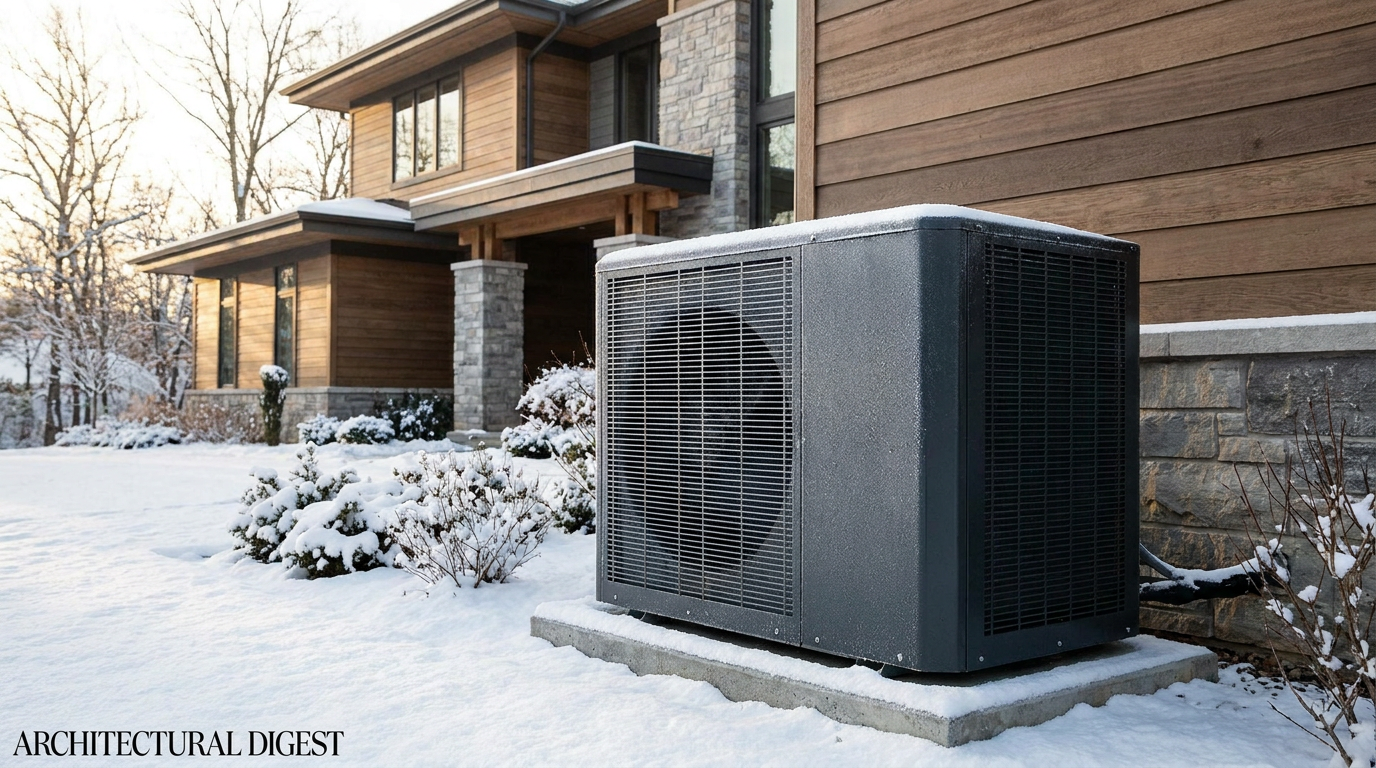
Heat pumps, conversely, do not create heat; they transfer it. Using a closed-loop refrigerant cycle, a heat pump extracts ambient thermal energy from the outside air and compresses it to raise its temperature before moving it indoors. In the summer, a reversing valve flips the flow, allowing the system to pull heat out of the house and dump it outside, functioning exactly like a standard air conditioner.[2][6]

Because moving heat requires significantly less energy than generating it from scratch, modern heat pumps routinely achieve efficiencies of 300% to 400%. For every single unit of electricity the system consumes, it delivers three to four units of heating energy into the living space. This metric, known as the Coefficient of Performance (COP), is the primary reason heat pumps drastically lower energy consumption compared to legacy systems.[3][5]
Historically, the fatal flaw of air-source heat pumps was their performance in freezing temperatures. As the thermometer dropped, there was less ambient heat available to extract, forcing older units to rely on expensive, inefficient electric resistance backup strips. This earned heat pumps a poor reputation in northern latitudes and restricted their adoption primarily to the Sun Belt.[3][6]
That limitation has been engineered out of existence. The U.S. Department of Energy’s Cold Climate Heat Pump Technology Challenge, which partnered with major manufacturers like Bosch, Carrier, and Trane, has yielded a new generation of systems capable of thriving in sub-zero winters.[1]
The breakthrough relies on two key technologies: variable-speed inverter compressors and enhanced vapor injection. Unlike traditional compressors that slam on at 100% capacity and shut off when the thermostat is satisfied, an inverter compressor modulates its speed continuously. It acts like a car's accelerator pedal, adjusting output in 1% increments to match the exact thermal load of the house.[2][3]
Enhanced vapor injection acts as a turbocharger for the refrigerant cycle. By injecting a secondary stream of refrigerant into the compressor, the system maintains high pressure and heat output even when the outdoor air is frigid. As a result, 2026’s cold-climate heat pumps can maintain 70% to 100% of their heating capacity at 5°F and continue operating reliably down to -15°F or even -22°F.[1][3]

Enhanced vapor injection acts as a turbocharger for the refrigerant cycle.
Beyond hardware improvements, 2026 marks a massive regulatory milestone for the refrigerants pumping through these systems. The industry is rapidly phasing out legacy hydrofluorocarbons (HFCs) like R-410A, which have a high Global Warming Potential (GWP), in favor of next-generation alternatives.[2]
Systems are now transitioning to A2L refrigerants like R-32 and R-454B, or natural refrigerants like R-290 (propane). R-290 is particularly notable for its near-zero GWP of 3 and its ability to produce much higher water temperatures. This makes air-to-water heat pumps utilizing R-290 ideal for retrofitting older homes that rely on traditional high-temperature hydronic radiators, bypassing the need for invasive ductwork installations.[2][4]
The financial calculus for homeowners has also shifted decisively. While a high-efficiency heat pump generally carries a higher upfront installation cost than a basic gas furnace, the gap is heavily subsidized by federal and local incentives. Under the Inflation Reduction Act, U.S. homeowners can claim a 25C tax credit of up to $2,000 annually for qualifying heat pump installations.[5]
When factoring in operating costs, the long-term savings become substantial. In a moderate climate, replacing an aging gas furnace and a separate air conditioning unit with a single heat pump can save a household roughly $8,500 over a 10-year period. Because the heat pump handles both heating and cooling, it eliminates the need to purchase and maintain two separate mechanical systems.[5]

However, the economic advantage is not absolute. The exact payback period depends heavily on local utility rates. In regions where electricity is exceptionally expensive and natural gas is heavily subsidized or locally abundant, the per-unit cost of heating with gas can still undercut a heat pump.[5][6]
For homeowners in these edge-case markets, or those living in extreme northern climates where temperatures regularly plunge below -20°F, the industry recommends a pragmatic compromise: the dual-fuel, or hybrid, system.[3]
A dual-fuel setup pairs a high-efficiency heat pump with a backup gas furnace. The heat pump handles the vast majority of the heating season, operating during the milder winter days when its efficiency is highest. When a severe cold snap hits and the temperature drops below a pre-set economic balance point, the smart thermostat automatically switches over to the gas furnace.[3][5]

This hybrid approach provides 80% to 90% of the carbon reduction and cost savings of a pure heat pump, while offering the absolute reliability of combustion heating during grid-straining blizzards. It represents a transitional step for infrastructure that is not yet ready for full electrification.[5][6]
Ultimately, the transition to heat pumps represents more than just a home improvement trend; it is a critical pillar of global energy modernization. By electrifying residential heating, homes can increasingly run on renewable energy sources as the broader power grid greens over time.[1][4]
For the consumer, the 2026 landscape offers a rare alignment of environmental benefit and personal financial gain. The technology has matured past its early limitations, the incentives are actively flowing, and the comfort delivered by variable-speed, continuous-circulation heating is objectively superior to the harsh on-and-off cycles of legacy furnaces.[2][6]
The era of the heat pump has definitively arrived. Whether driven by a desire to cut carbon emissions, a need to replace a failing air conditioner, or simply the pursuit of lower monthly utility bills, homeowners now have a proven, highly efficient mechanism to future-proof their living spaces.[1][5]
How we got here
2021
The U.S. Department of Energy launches the Cold Climate Heat Pump Technology Challenge to spur innovation.
2022–2023
Major manufacturers successfully test prototype heat pumps that maintain high efficiency in sub-zero laboratory conditions.
2024
The Inflation Reduction Act's 25C tax credit takes full effect, offering up to $2,000 annually for heat pump installations.
2025
Cold-climate heat pumps undergo extensive real-world field testing across the northern U.S. and Canada, proving their reliability.
Jan 2026
New environmental regulations mandate the transition to low-GWP refrigerants like R-32 and R-290 in new HVAC equipment.
Viewpoints in depth
Energy Transition Advocates
Focusing on the environmental imperative of electrifying home heating.
This camp views the widespread adoption of heat pumps as a non-negotiable step in combating climate change. Because space and water heating account for over 40% of residential energy use, transitioning away from on-site fossil fuel combustion is critical. They emphasize that even when powered by a fossil-heavy electrical grid, a heat pump's 300% efficiency results in lower net emissions than a high-efficiency gas furnace. Their primary focus for 2026 is accelerating the phase-out of high-GWP refrigerants and expanding subsidies to make the technology accessible to lower-income households.
Pragmatic Homeowners
Prioritizing upfront costs, utility bill savings, and indoor comfort.
For this group, the environmental benefits are a secondary bonus to the financial and practical advantages. They are driven by the math: leveraging the $2,000 federal tax credit and local utility rebates to offset the higher installation costs. This camp highly values the 'two-for-one' nature of heat pumps, replacing both an aging furnace and a failing air conditioner with a single unit. They also frequently cite the improved comfort of inverter-driven systems, which eliminate the loud, drafty on-and-off cycles of traditional single-stage furnaces.
Cold-Climate Skeptics & Hybrid Adopters
Cautious about grid reliability and extreme-weather performance.
Operating primarily in the upper Midwest, Canada, and high-altitude regions, this camp acknowledges the technological leaps but remains wary of full electrification. They point out that at -20°F, even the best heat pumps experience a drop in efficiency and capacity. Furthermore, they express concern about relying solely on the electrical grid during severe winter storms when power outages are common. As a result, they strongly advocate for dual-fuel hybrid systems, utilizing the heat pump for 90% of the winter but keeping a gas furnace as a fail-safe for the most extreme weather events.
What we don't know
- How quickly local electrical grids will need to be upgraded to handle the increased winter load as millions of homes electrify their heating.
- Whether the supply chain for low-GWP refrigerants and advanced inverter compressors can keep pace with surging global demand.
- How future fluctuations in natural gas versus electricity prices will alter the long-term payback period for hybrid systems.
Key terms
- Coefficient of Performance (COP)
- A metric of efficiency measuring how many units of heat a system delivers for every one unit of electricity it consumes.
- Inverter Compressor
- A variable-speed motor that adjusts its heating or cooling output continuously to match the home's exact needs, rather than just turning on and off.
- Low-GWP Refrigerant
- Cooling fluids, such as R-290 or R-32, that have a significantly lower Global Warming Potential than older chemicals if released into the atmosphere.
- Dual-Fuel (Hybrid) System
- An HVAC setup that uses an electric heat pump for most weather but automatically switches to a backup gas furnace during extreme cold snaps.
- Enhanced Vapor Injection
- A technology that injects extra refrigerant into the compressor, allowing the heat pump to maintain high heating capacity even in sub-zero temperatures.
Frequently asked
Do heat pumps really work in freezing weather?
Yes. Modern cold-climate heat pumps use variable-speed compressors and vapor injection to extract heat from the air even at -15°F, maintaining up to 100% of their capacity at 5°F.
Will a heat pump save me money?
In most moderate and cold-mixed climates, yes. Because they are 300% to 400% efficient, they drastically lower monthly utility bills, often saving thousands of dollars over a decade compared to a gas furnace and AC combo.
Do I still need a separate air conditioner?
No. A heat pump provides both heating and cooling. In the summer, it reverses its cycle to pull heat out of your home, functioning exactly like a high-efficiency central air conditioner.
What is a dual-fuel system?
It is a hybrid setup that pairs a heat pump with a backup gas furnace. The heat pump runs most of the time, but the system automatically switches to gas during extreme cold snaps when gas might be cheaper or more reliable.
Sources
Source coverage
6 outlets
3 viewpoints surfaced






[1]U.S. Department of EnergyEnergy Transition Advocates
Residential Cold Climate Heat Pump Technology Challenge
Read on U.S. Department of Energy →[2]EcoHomeEnergy Transition Advocates
Navigate the 2026 heat pump market: cold-climate performance and refrigerants
Read on EcoHome →[3]Acara InstituteCold-Climate Skeptics & Hybrid Adopters
Best Heat Pump Brands for Cold Climates 2026
Read on Acara Institute →[4]Coherent Market InsightsPragmatic Homeowners
Heat Pump Market Insights and Trends 2026
Read on Coherent Market Insights →[5]AC DirectPragmatic Homeowners
Gas Furnace vs Heat Pump Cost Savings in 2026
Read on AC Direct →[6]Factlen Editorial TeamCold-Climate Skeptics & Hybrid Adopters
Synthesis by Factlen editorial team
Read on Factlen Editorial Team →


Every angle. Every day.
Get home stories with full source coverage and perspective breakdowns delivered to your inbox.