
Inside the $75 Billion 'Sleep Tourism' Boom: How Hotels Are Engineering the Perfect Night's Rest
As burnout and digital fatigue drive a global 'sleep recession,' the hospitality industry is transforming hotel rooms into clinical-grade sanctuaries using AI mattresses, acoustic cocooning, and circadian lighting.
By Factlen Editorial Team
- Hospitality Innovators
- Hotels view sleep optimization as a highly profitable differentiator and the future of the guest experience.
- Wellness Advocates
- Health experts see sleep tourism as a necessary intervention to reset circadian rhythms in a burnt-out society.
- Cultural Critics
- Skeptics warn against the commodification of exhaustion and the anxiety caused by biometric sleep tracking.
What's not represented
- · Budget Travelers
- · Housekeeping Staff managing complex tech
Why this matters
Chronic sleep deprivation is a leading cause of physical and mental health issues globally. The innovations pioneered by sleep tourism are not only changing how we travel, but also providing a blueprint for how individuals can engineer better, more restorative sleep environments in their own homes.
Key points
- The global sleep tourism market has reached $75.7 billion as travelers prioritize rest over busy itineraries.
- Hotels are implementing 'Restoration Architecture,' which includes acoustic cocooning and circadian lighting.
- AI-powered smart beds adjust firmness and temperature in real-time to prevent sleepers from waking up.
- Critics warn that hyper-tracking sleep metrics can lead to 'orthosomnia,' an anxiety-driven insomnia.
- The ultimate goal of sleep retreats is to teach guests how to build better sleep environments at home.
For decades, the unwritten rule of travel was that vacations were exhausting. Travelers packed their itineraries from dawn until midnight, returning home needing a 'vacation from their vacation.' But a profound shift is reshaping the hospitality industry: the rise of 'sleep tourism.' Rather than treating a hotel room as a mere pit stop between sightseeing excursions, a growing demographic of travelers is making restorative rest the primary objective of their journey.[2][8]
This is no longer a niche wellness fad. The global sleep tourism market has surged to an estimated $75.7 billion, expanding at over 8 percent annually. Major hospitality brands have identified sleep optimization as their fastest-growing differentiator, with industry surveys revealing that over 90 percent of frequent travelers are willing to pay a premium for accommodations specifically engineered to enhance their slumber. From budget chains to ultra-luxury resorts, the industry is racing to transform the traditional hotel room into a clinical-grade sanctuary.[5][8]
The boom is driven by a broader cultural crisis that researchers call the 'sleep recession.' Amid rising digital fatigue, chronic stress, and the blurring of work-life boundaries, millions of people find themselves fundamentally burnt out. The Global Wellness Institute notes that as consumers struggle to achieve restorative rest in their daily lives, they are increasingly willing to travel—and pay handsomely—for environments that force them to disconnect and recalibrate.[4][5]
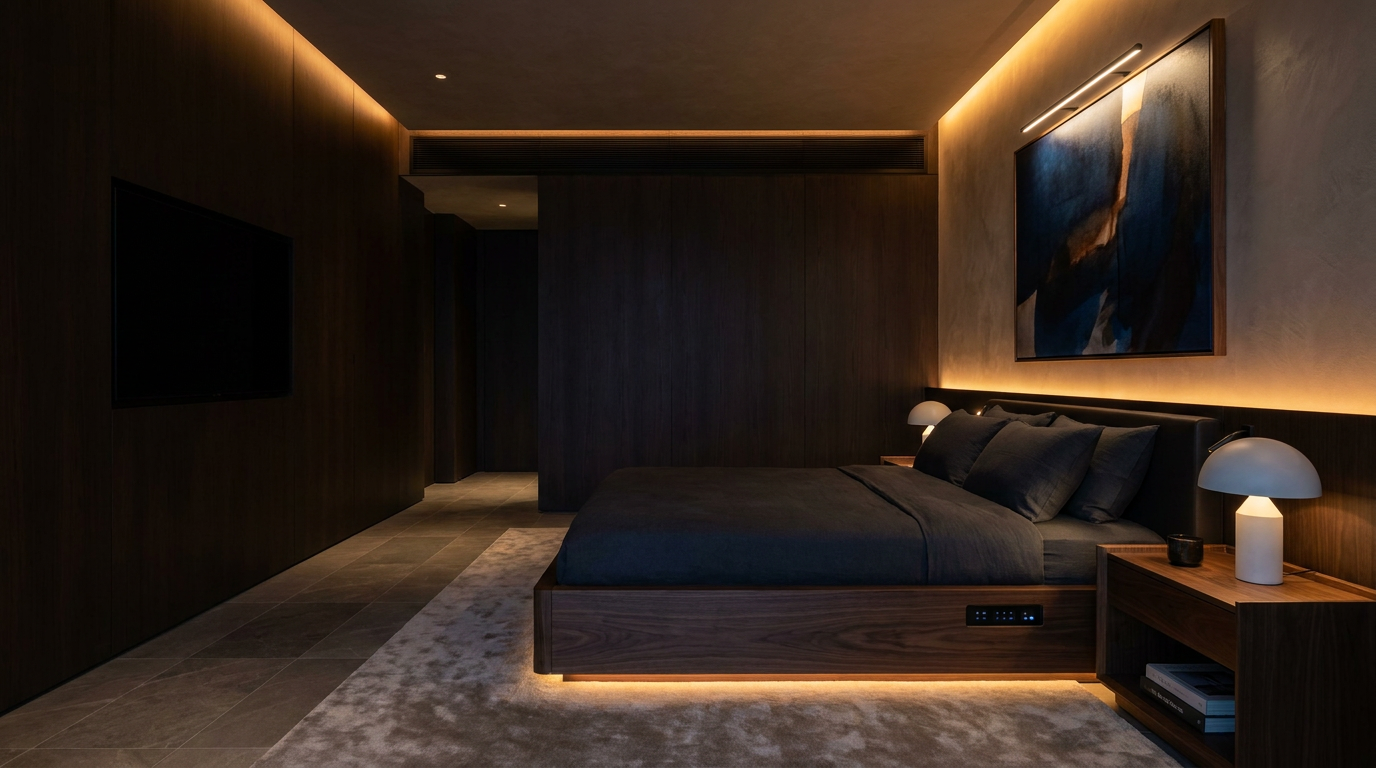
To meet this demand, hotels are moving far beyond the traditional offerings of blackout curtains and a pillow menu. The new standard is 'Restoration Architecture,' a design philosophy that treats the guest room as a cohesive, biologically optimized machine. Every variable—light, sound, temperature, and physical support—is precisely controlled to regulate the nervous system and align with human circadian rhythms.[7]

The foundation of this architecture is 'acoustic cocooning.' Rather than simply offering earplugs, properties are engineering silence into the bones of the building. This involves multi-layered soundproofing materials, bioacoustic panels, and heavily modified HVAC systems designed to eliminate the low-frequency hum of ventilation. The goal is to treat the walls, doors, and ducts as a single acoustic envelope that completely isolates the sleeper from the unpredictable noise of the outside world.[7]
Once the room is quiet, light becomes the primary tool for biological manipulation. Circadian lighting systems are rapidly becoming standard in premium sleep suites. These automated networks subtly shift the color temperature of the room throughout the day. In the morning, the lights emit crisp, cool tones (around 6500 Kelvin) to suppress melatonin and stimulate focus. As evening approaches, the spectrum transitions to warm, amber hues (around 2700 Kelvin), mimicking a sunset and cueing the brain that it is time to wind down.[5][7]
Once the room is quiet, light becomes the primary tool for biological manipulation.
The centerpiece of the modern sleep suite, however, is the bed itself. Artificial intelligence has fundamentally transformed the mattress from a passive cushion into an active participant in the sleep cycle. High-end properties, such as the Park Hyatt New York, have installed AI-powered beds developed by companies like Bryte and Sleep Number. These mattresses feature dozens of intelligent pneumatic cushions that constantly monitor the sleeper's position.[1][3][6]
As the guest moves during the night, the AI detects pressure spikes that would normally cause tossing and turning. Within seconds, the bed autonomously deflates specific zones to relieve the pressure, keeping the sleeper in a state of deep, uninterrupted rest. Some systems even feature 'Somnify' technology, which synchronizes sleep-inducing audio with gentle, rhythmic movements in the mattress to physically rock the guest to sleep.[1][3]
Temperature regulation is equally critical. Sleep scientists note that the human body needs to drop in core temperature to initiate and maintain deep sleep. To facilitate this, luxury sleep suites automatically drop the ambient room temperature to an optimal 66 degrees Fahrenheit (19 degrees Celsius) at bedtime. Advanced smart beds complement this by utilizing active thermal zones, cooling the mattress during the deepest phases of sleep and gently warming it in the morning to wake the guest naturally.[1][3][6]

For the hospitality industry, the business case is undeniable. Sleep-optimized rooms command higher nightly rates and generate fierce brand loyalty. Hotel operators report that the quality of the mattress and the resulting sleep experience are the most direct drivers of repeat bookings and positive guest reviews. By marketing sleep as a luxury service, hotels have unlocked a highly profitable new revenue stream.[6][8]
Yet, the trend is not without its critics. Some cultural analysts argue that the sleep tourism boom commodifies exhaustion, treating the symptoms of a burnt-out society as a commercial opportunity rather than addressing the root causes of modern stress. There is an inherent irony in a business model that requires consumers to spend thousands of dollars and travel hundreds of miles simply to achieve a basic biological necessity.[4]
Furthermore, the heavy reliance on biometric tracking can sometimes backfire. The cultural obsession with 'sleepmaxxing'—optimizing every variable of rest—has led to a rise in 'orthosomnia,' a condition where the anxiety of achieving a perfect sleep score actually keeps people awake. When a smart bed or wearable device reports a suboptimal night, it can trigger a cycle of performance anxiety that defeats the purpose of the retreat.[2][4]

There are also growing concerns about the 'sleep divide.' As the most advanced restorative environments become concentrated in ultra-luxury resorts charging over $1,000 a night, high-quality sleep risks becoming an exclusive commodity available only to the wealthy.[1][5]
Despite these critiques, the underlying science of sleep tourism is reshaping how we think about rest. The ultimate goal of these programs is not just to provide one perfect night of sleep, but to demonstrate what is biologically possible. By experiencing the profound impact of acoustic cocooning, circadian lighting, and thermal regulation, travelers are learning how to build better, more restorative environments in their own homes.[2][5]
How we got here
2018
Sleep tech startup Bryte launches its first AI-powered Restorative Bed for the hospitality industry.
2020
Zedwell opens in London as one of the first fully sleep-focused hotels, featuring windowless, soundproofed rooms.
2022
Park Hyatt New York debuts its dedicated Sleep Suites, integrating AI mattresses and circadian lighting.
2024
The global sleep tourism market reaches an estimated valuation of $75.7 billion.
2025
Hilton names 'Sleep Tourizzzm' a top global travel trend, noting massive demand for sleep-enhancing amenities.
Viewpoints in depth
Hospitality Innovators
Hotels view sleep optimization as a highly profitable differentiator.
For hotel operators and tech developers, the sleep tourism boom is a massive commercial opportunity. By integrating AI mattresses, acoustic engineering, and circadian lighting, properties can command premium nightly rates and foster intense brand loyalty. They argue that investing in 'Restoration Architecture' is the future of hospitality, transforming the hotel room from a passive space into an active wellness device.
Wellness Advocates
Health experts see sleep tourism as a necessary intervention for a burnt-out society.
Longevity researchers and wellness practitioners view the trend as a vital response to the modern 'sleep recession.' They emphasize that sleep is the foundational pillar of human health, affecting immunity, memory, and emotional regulation. In their view, immersive sleep retreats provide individuals with the tools, environment, and biometric feedback needed to reset their circadian rhythms and build lasting, healthy habits.
Cultural Critics
Skeptics warn against the commodification of exhaustion and the anxiety of tracking.
Critics point out the irony of a society that burns people out only to sell them $1,000-a-night sleep suites as the cure. They argue that the wellness industry is commodifying basic biological needs while ignoring the systemic causes of modern exhaustion. Furthermore, they warn that the hyper-fixation on biometric data can lead to 'orthosomnia'—where the pressure to achieve a perfect sleep score actually induces anxiety and insomnia.
What we don't know
- Whether the high costs of AI sleep technology will eventually drop enough to become standard in budget hotels.
- The long-term psychological effects of relying on biometric tracking to validate sleep quality.
Key terms
- Acoustic cocooning
- Advanced soundproofing techniques that treat a room's walls, doors, and ventilation as a single system to eliminate external noise.
- Circadian lighting
- Automated lighting systems that shift color temperature throughout the day to align with the body's natural sleep-wake cycles.
- Orthosomnia
- An unhealthy obsession with achieving perfect sleep, often triggered by anxiety over data from biometric sleep trackers.
- Sleepmaxxing
- A cultural trend focused on optimizing every possible variable of sleep through routines, supplements, and technology.
- Somnify technology
- A smart-bed feature that synchronizes sleep-inducing audio with gentle, rhythmic movements in the mattress to help users fall asleep.
Frequently asked
What makes a sleep tourism hotel different?
Sleep-optimized hotels treat rest as the primary amenity, utilizing acoustic cocooning, circadian lighting, and AI-powered mattresses to engineer the perfect sleep environment.
Do AI mattresses actually improve sleep?
Yes, smart mattresses can track biometric data like heart rate and adjust firmness and temperature in real-time to prevent pressure spikes and keep guests in deep sleep.
Is sleep tourism only for luxury travelers?
While ultra-luxury properties pioneered the trend with expensive AI beds, mid-tier hotels are increasingly adopting foundational elements like better soundproofing and premium bedding.
What is the optimal temperature for sleep?
Sleep scientists and luxury hotels target an ambient room temperature of around 66 degrees Fahrenheit (19 degrees Celsius) to facilitate the body's natural cooling process during deep sleep.
Sources
Source coverage
8 outlets
3 viewpoints surfaced








[1]Business InsiderCultural Critics
How Ultra-Luxury Hotels Are Catering to Wealthy Sleep Enthusiasts
Read on Business Insider →[2]L'OfficielWellness Advocates
Sleep Tourism is Travel's Hottest New Trend
Read on L'Officiel →[3]Hotel BusinessHospitality Innovators
Smart mattress provides a restorative sleep
Read on Hotel Business →[4]The BeiruterCultural Critics
The sleep recession and the business of exhaustion
Read on The Beiruter →[5]Global Wellness InstituteWellness Advocates
Sleep Initiative Trends for 2026
Read on Global Wellness Institute →[6]MarketScaleHospitality Innovators
For the Best Sleep, Will AI Mattresses Become More Common in Hotels?
Read on MarketScale →[7]IncredibleStayHospitality Innovators
Circadian Lighting, Acoustic Cocooning, and the Science Hotels Use to Make You Sleep Better
Read on IncredibleStay →[8]Hotel MagazineHospitality Innovators
The Rise of Sleep Tourism
Read on Hotel Magazine →
More in travel
See all 10 stories →Astrotourism
The Rise of Astrotourism: How the Search for Dark Skies is Reshaping Global Travel
0 sources

Sleep Tourism
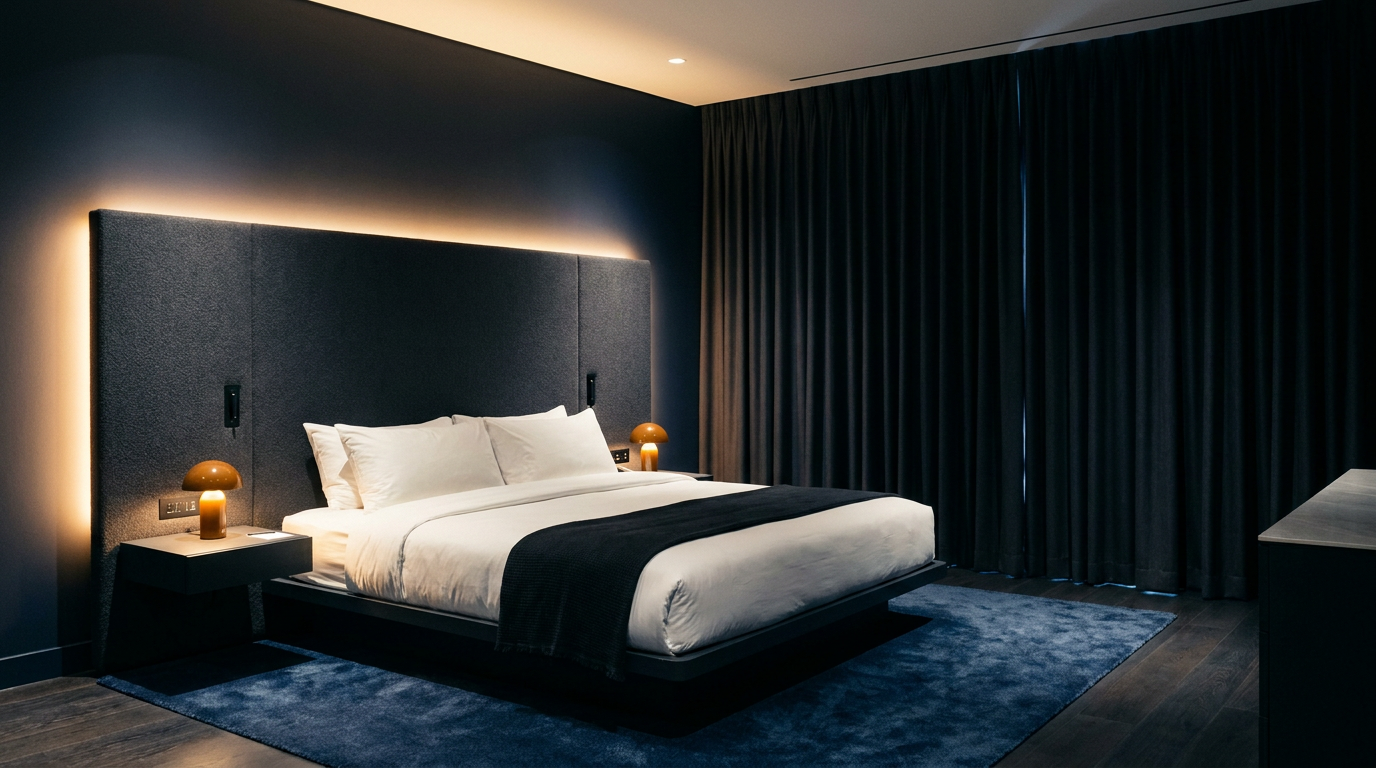
The Science of Sleep Tourism: How Hotels Are Engineering the Perfect Night of Rest
0 sources
Sustainable Tourism
How to Navigate Japan's 2026 Sustainable Tourism Rules: A Guide to Kyoto and Mount Fuji
0 sources
Stratospheric Tourism
How Stratospheric Balloons Are Redefining Luxury Space Tourism for 2026
0 sources

Every angle. Every day.
Get travel stories with full source coverage and perspective breakdowns delivered to your inbox.