
How to Navigate Japan's 2026 Sustainable Tourism Rules: A Guide to Kyoto and Mount Fuji
Japan is introducing strict new regulations in 2026, from a tenfold hotel tax increase in Kyoto to mandatory gear checks on Mount Fuji. Here is how travelers can adapt to the new era of regenerative tourism.
By Factlen Editorial Team
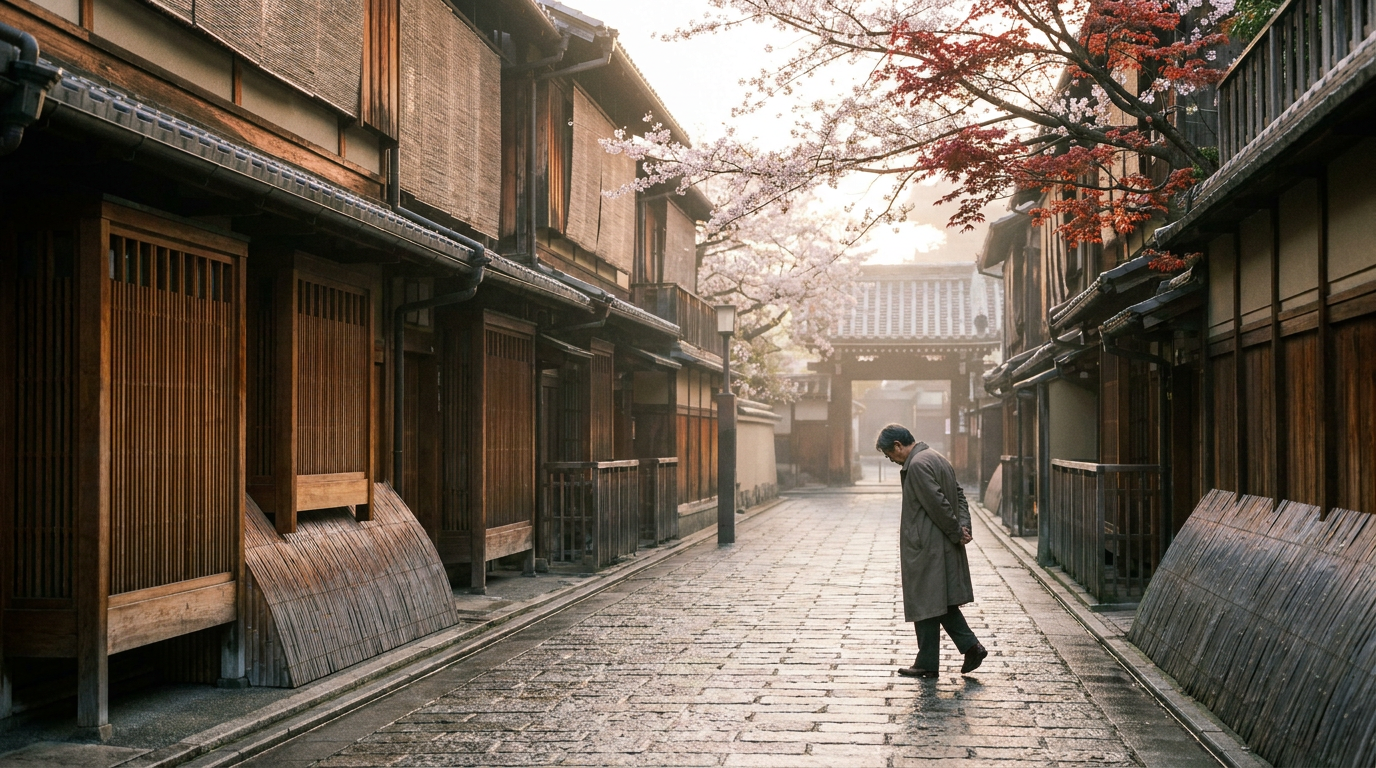
- Local Residents & Municipalities
- Advocating for strict rules to preserve daily life and fund the maintenance of historic infrastructure.
- Conservation & Safety Authorities
- Focused on preventing environmental degradation and reducing life-threatening rescues on natural landmarks.
- International Travelers & Industry
- Adapting to the increased costs and logistical hurdles while seeking authentic cultural experiences.
What's not represented
- · Budget backpackers priced out of certain experiences
- · Local business owners who rely exclusively on high-volume foot traffic
Why this matters
As Japan shifts from simply welcoming tourists to actively managing them, visitors who don't understand the new 2026 rules risk facing heavy fines, denied entry to landmarks, or unexpected luxury taxes. Understanding these changes ensures your trip is seamless while directly supporting the communities you visit.
Key points
- Kyoto is increasing its accommodation tax in March 2026, with luxury stays facing up to ¥10,000 per night.
- Mount Fuji now requires a ¥4,000 entry fee, mandatory online pre-registration, and strict gear checks for all climbers.
- Trailhead gates at Mount Fuji will physically close between 2:00 PM and 3:00 AM to prevent dangerous overnight 'bullet climbing.'
- Kyoto is cracking down on short-term rentals with surprise late-night inspections to curb noise and trash complaints.
- Japan will overhaul its tax-free shopping system in November 2026, requiring tourists to pay full price upfront and claim refunds at the airport.
Japan's post-pandemic tourism boom has brought millions of visitors to its ancient temples and volcanic peaks, creating unforgettable memories but also unprecedented strain. For years, the country focused on simply accommodating the massive influx of international guests. Now, the strategy has fundamentally shifted.
Entering 2026, Japan is fully embracing "regenerative tourism"—a model designed to ensure that visitors actively contribute to the preservation of the places they explore. Rather than closing its doors, the country is implementing a series of targeted rules, fees, and enforcement mechanisms to manage crowds, protect heritage sites, and fund local infrastructure.[7]
The most dramatic change is unfolding in the ancient capital of Kyoto. Starting March 1, 2026, the city is implementing a massive restructuring of its accommodation tax, marking the first major revision since the levy was introduced in 2018.[4]
Under the new five-tier system, the tax burden shifts significantly toward high-end stays. While budget travelers will see modest fees, those staying in luxury accommodations costing ¥100,000 or more per night will face a staggering tax of ¥10,000 per person, per night—a tenfold increase from the previous cap.[4][5]

City officials have been explicit about the rationale behind the hike. The projected ¥12.6 billion in annual revenue is earmarked directly for countermeasures against overtourism. This includes preserving traditional stone-paved streets, upgrading multilingual transit services, and easing the daily congestion that frustrates local residents.[4][5]
The push to protect local quality of life extends beyond hotel taxes. Kyoto is also cracking down on the friction caused by short-term private rentals, known as minpaku, nestled within quiet residential neighborhoods.[2]
Responding to hundreds of complaints about late-night noise and improper garbage disposal, city authorities are no longer waiting for residents to call in problems. In 2026, Kyoto is deploying surprise property inspections late at night and early in the morning to ensure rental owners and their guests are strictly adhering to local ordinances.[2][5]
Responding to hundreds of complaints about late-night noise and improper garbage disposal, city authorities are no longer waiting for residents to call in problems.
Street-level navigation is also getting stricter. Starting April 1, 2026, Kyoto is applying the national "Blue Ticket" traffic violation system to bicycles. Tourists over the age of 16 renting bikes to explore the city can now be hit with immediate fines ranging from several thousand to over ¥10,000 for minor infractions, a move designed to protect pedestrian safety in crowded historic districts.[5]

Two hundred miles to the east, Japan's most iconic natural landmark is facing its own regulatory overhaul. Mount Fuji, which draws hundreds of thousands of climbers each summer, has introduced sweeping reforms to protect both the environment and the hikers themselves.[3][6]
The primary target of these new rules is "bullet climbing"—the highly dangerous practice of starting a hike in the late evening and pushing through the night to the summit without resting at a mountain hut. Local authorities blame this exhausting sprint for a sharp rise in altitude sickness and rescue operations.[1][6]
To physically stop bullet climbers, all four official trailheads now feature hard gate closures between 2:00 PM and 3:00 AM. Unless a climber holds a confirmed, pre-booked mountain hut reservation, rangers will physically block their access to the trail during these hours.[1][6]
The financial cost of ascending the 3,776-meter volcano has also changed. A mandatory entry fee of ¥4,000 is now enforced uniformly across all routes, double the initial fee introduced on the Yoshida trail in 2024. Furthermore, walk-up climbing is effectively banned; all hikers must complete mandatory online pre-registration before arriving at the mountain.[3][6]

Even with a reservation and a paid fee, unprepared tourists will not make it past the base. Rangers at the trailheads now conduct mandatory gear inspections. Anyone attempting the climb in sneakers, sandals, or without proper cold-weather clothing and rainwear will be turned away at the gate.[1][6]
Beyond specific destinations, a nationwide change will affect how visitors shop. Beginning in November 2026, Japan is overhauling its tax-free shopping system for international tourists. Instead of receiving an immediate 10% discount at the cash register, travelers will pay the full price upfront and apply for a refund at designated airport counters before departure, a measure designed to prevent the illegal domestic resale of tax-free goods.[5]

While these new regulations may seem daunting, they are not designed to discourage travel. Instead, they provide a clear framework for how to be a responsible guest. By booking mountain huts months in advance, budgeting for the new accommodation taxes, and respecting neighborhood quiet hours, travelers can seamlessly integrate into the local rhythm.[7]
Ultimately, the 2026 rules represent a maturation of Japan's tourism industry. By asking visitors to invest a little more—whether in taxes, preparation, or mindful behavior—the country is ensuring that the pristine temples and majestic trails that captivate travelers today will remain vibrant and welcoming for generations to come.[7]
How we got here
October 2018
Kyoto introduces its first modest accommodation tax to help manage tourism.
Summer 2024
Mount Fuji implements its first ¥2,000 entry fee on the Yoshida trail to combat severe trail congestion.
March 2026
Kyoto's revised five-tier accommodation tax takes effect, dramatically increasing fees for luxury stays.
April 2026
Kyoto begins enforcing the 'Blue Ticket' system, issuing immediate fines for bicycle traffic violations.
July 2026
Mount Fuji opens its summer climbing season with uniform ¥4,000 fees and mandatory gear checks across all trails.
Viewpoints in depth
Local Residents & Municipalities
Advocating for strict rules to preserve daily life and fund the maintenance of historic infrastructure.
For years, residents in cities like Kyoto have voiced frustration over the side effects of unchecked tourism—from overflowing garbage bins and late-night noise in residential alleys to public transit systems too crowded for locals to use. Municipal leaders view the 2026 tax hikes and strict enforcement mechanisms not as a penalty on visitors, but as a necessary rebalancing. By capturing more revenue from luxury stays and actively policing short-term rentals, they aim to fund the preservation of their heritage while restoring peace to local neighborhoods.
Conservation & Safety Authorities
Focused on preventing environmental degradation and reducing life-threatening rescues on natural landmarks.
Park rangers and environmental authorities managing Mount Fuji have long warned that the volcano was being treated like a casual tourist attraction rather than a serious alpine environment. They champion the hard gate closures and mandatory gear checks as life-saving interventions. By eliminating 'bullet climbing' and turning away unprepared hikers in sneakers, authorities aim to drastically reduce the number of altitude sickness cases, hypothermia incidents, and costly helicopter evacuations that strain local emergency resources.
International Travelers & Industry
Adapting to the increased costs and logistical hurdles while seeking authentic cultural experiences.
The travel industry and international visitors generally support the concept of regenerative tourism, though the rapid implementation of new fees and mandatory pre-registrations requires a steep learning curve. Tour operators emphasize that spontaneity is no longer an option for major Japanese landmarks; travelers must now plan months in advance. However, many industry advocates argue that these rules ultimately improve the visitor experience by reducing dangerous trail congestion and ensuring that historic districts retain the serene atmosphere that tourists travel halfway across the world to see.
What we don't know
- Whether the tenfold increase in Kyoto's luxury accommodation tax will push high-end travelers to stay in neighboring cities like Osaka.
- How strictly the new bicycle fines will be enforced on foreign tourists who may not be able to read local traffic signage.
Key terms
- Bullet Climbing
- The dangerous practice of attempting to hike Mount Fuji through the night in a single push without resting at a mountain hut.
- Minpaku
- Private short-term residential lodgings in Japan, similar to Airbnb rentals, which are now subject to stricter local regulations.
- Regenerative Tourism
- A travel philosophy focused on leaving a destination better than it was found, often through fees that fund local conservation and infrastructure.
- Blue Ticket System
- A Japanese traffic enforcement protocol being applied to cyclists, allowing police to issue immediate fines for minor infractions.
Frequently asked
Do I need a reservation to climb Mount Fuji in 2026?
Yes, all four official trails now require mandatory online pre-registration and fee payment before arrival. Walk-up climbing is no longer permitted during peak periods.
How much is the new Kyoto hotel tax?
Starting March 2026, the tax ranges from ¥200 per night for budget stays to ¥10,000 per night for luxury rooms costing over ¥100,000.
Can I still rent an Airbnb in Kyoto?
Yes, but properties face stricter enforcement, including surprise late-night inspections by city officials to ensure guests are not violating noise or trash rules.
What gear is mandatory for Mount Fuji?
Rangers will physically check that you have trekking boots, cold-weather clothing, and rainwear. You will be turned away if you arrive in sneakers.
Sources
Source coverage
7 outlets
3 viewpoints surfaced







[1]Japan GuideConservation & Safety Authorities
Climbing Mount Fuji - Japan Guide
Read on Japan Guide →[2]Engoo Daily NewsLocal Residents & Municipalities
Kyoto Plans New Short-Term Stay Rules for Tourists
Read on Engoo Daily News →[3]Gripped MagazineConservation & Safety Authorities
Mount Fuji Season Starts With New Rules
Read on Gripped Magazine →[4]JapanspecialistLocal Residents & Municipalities
Kyoto Hotel Tax to Increase up to 900% in 2026
Read on Japanspecialist →[5]Arigato TravelInternational Travelers & Industry
10 NEW THINGS TO KNOW BEFORE VISITING KYOTO
Read on Arigato Travel →[6]Shikhar BlogInternational Travelers & Industry
Climbing Mount Fuji in 2026 | The Ultimate Guide
Read on Shikhar Blog →[7]Factlen Editorial TeamInternational Travelers & Industry
Synthesis by Factlen editorial team
Read on Factlen Editorial Team →
Every angle. Every day.
Get travel stories with full source coverage and perspective breakdowns delivered to your inbox.