
Down vs. Synthetic Insulation in 2026: The New Era of High-Tech Fill
As textile science advances, the gap between natural down and synthetic insulation is narrowing. Here is how to choose the right gear for your next backcountry adventure.
By Kavya Nair

In short
- Down insulation offers an unmatched warmth-to-weight ratio but loses up to 95% of its insulating power when wet.
- Synthetic insulation retains 60-70% of its warmth when soaked, making it safer for maritime climates.
- Hydrophobic down treatments bridge the gap for light moisture but still fail in sustained heavy rain.
The choice between down and synthetic insulation remains the most consequential decision an outdoor enthusiast will make when building their backcountry kit. In 2026, advances in textile science have blurred the lines, with synthetic fibers mimicking the structure of natural plumage and natural down receiving high-tech hydrophobic treatments.
Yet, the fundamental physics of how these materials trap heat and manage moisture remain unchanged. Choosing the right insulation is not about finding an objective winner, but rather matching the material's specific thermal properties to the environment, the activity level, and the user's budget.[1]
The argument for down insulation centers on its unmatched warmth-to-weight ratio and superior compressibility. Against it is its catastrophic failure in wet conditions. The evidence lies in the numbers: high-quality down is measured by fill power, with premium 800-fill down requiring only about three ounces of material to achieve a 20-degree Fahrenheit rating.
Because down clusters feature a complex, three-dimensional structure, they trap massive amounts of dead air and can be compressed into a fraction of their size. However, when untreated down becomes saturated with water, its structure collapses, and it retains a mere 5 to 10 percent of its insulating warmth.[1][2][1]
The argument for synthetic insulation is rooted in its reliable moisture performance and breathability. Against it is its heavier weight, bulkier packed size, and shorter lifespan. The evidence for its utility is stark: polyester fibers, such as those used in PrimaLoft, are inherently hydrophobic at the molecular level.
When a synthetic jacket is completely soaked, the water sits between the fibers rather than absorbing into them, allowing the garment to retain 60 to 70 percent of its dry warmth. However, to match the warmth of a 3-ounce down fill, a synthetic garment might require 8 to 10 ounces of material, representing a meaningful weight penalty for serious backpackers.[3][1][3][1][1]
Beyond immediate weather concerns, the trade-off extends to long-term durability and value. For down, the advantage is decades of reliable loft; against synthetic is the inevitability of packing out over time. The evidence shows that with proper care and storage, a high-quality down sleeping bag can maintain its thermal efficiency for 15 to 20 years.
Synthetic insulation, conversely, suffers from structural degradation under repeated compression. Every time a synthetic jacket is stuffed tightly into a backpack, the polyester fibers slowly break down, typically resulting in a noticeable loss of warmth within 5 to 10 years.[1][2]
To bridge this gap, the outdoor industry introduced hydrophobic down. For this innovation, the advantage is a wider margin of safety in damp conditions; against it is the reality that it still cannot survive a true downpour.
The evidence is nuanced: treatments ranging from durable water-repellent coatings to permanent gold-particle bonding allow down clusters to resist light rain, dry faster, and maintain loft in high humidity. Yet, in sustained heavy rain or full submersion, hydrophobic down will eventually wet out and clump, leaving pure synthetic insulation as the only reliable choice for extreme maritime environments.[1]
Cost and ethical considerations also heavily influence the comparison. For synthetic insulation, the primary advantages are a lower upfront cost and hypoallergenic properties. Against down are its high price premium and the animal welfare concerns associated with sourcing plumage, though the Responsible Down Standard and recycled down initiatives have mitigated some ethical impacts.
The evidence at the register is clear: synthetic sleeping bags and jackets typically cost 30 to 50 percent less than their down equivalents, making them highly attractive for budget-conscious buyers, even if down proves more economical over a 20-year horizon.[3][2][3]
Activity level dictates another critical divergence in performance. For synthetic insulation, the advantage is superior moisture vapor transmission during aerobic activities. For down, the advantage is instant, furnace-like static warmth.
The evidence is felt on the trail: synthetic materials breathe significantly better when a hiker or skier is actively sweating, preventing the dangerous 'boil in the bag' effect that leads to chilling once movement stops. Down, which traps heat so effectively that it can easily cause overheating during exertion, is best reserved for static moments—sitting around camp, belaying a climber, or sleeping.[3]
Ultimately, the decision requires strict conditional guidance. Down insulation fits well when the climate is reliably cold and dry, when weight and pack space are the primary constraints, and when the user is static. It is the definitive choice for high-altitude mountaineering, desert winter camping, and ultralight thru-hiking where every gram is counted. Down does not fit well when the environment is consistently wet, such as in coastal rainforests, or when the user expects to sweat heavily while wearing the garment.[2]
Conversely, synthetic insulation fits well when the forecast calls for sustained rain, when navigating humid maritime climates like the Pacific Northwest, or when budget is the primary concern. It is the superior choice for high-output winter sports, wet-weather backpacking, and scenarios where gear will be subjected to constant dampness without a chance to dry. Synthetic does not fit well when pack space is severely limited, or when embarking on a multi-week expedition where the cumulative weight penalty of synthetic gear would significantly slow the user down.[1][3]
Definitions
- Fill Power
- A measurement of down quality, indicating how many cubic inches one ounce of down will fill; higher numbers mean greater warmth for less weight.
- Hydrophobic Down
- Natural down plumage that has been treated with a durable water-repellent (DWR) coating to resist moisture and dry faster.
- Loft
- The fluffiness or thickness of an insulating material, which determines how much warm air it can trap.
- PrimaLoft
- A brand of synthetic microfiber thermal insulation originally developed for the US Army, known for retaining its warmth when wet.
Questions & answers
Can you wash a down jacket in a normal washing machine?
Yes, but it requires special care. You must use a down-specific detergent and dry it on low heat with tennis balls to break up the clumps and restore the loft.
Is hydrophobic down completely waterproof?
No. Hydrophobic down is treated with a water-repellent coating that helps it resist light moisture and dry faster, but it will still wet out and lose its loft in sustained heavy rain.
Why does synthetic insulation lose its warmth over time?
Synthetic fibers are prone to breaking down under repeated compression. Over several years of being stuffed into backpacks, the fibers lose their structural integrity and can no longer trap as much dead air.
Which insulation is better for high-intensity activities?
Synthetic insulation is generally better for aerobic activities like running or skiing because it breathes more effectively, allowing moisture vapor to escape rather than trapping it against your body.
Analysis by camp
Down Purists
Advocates who prioritize absolute warmth, minimal weight, and long-term durability.
For ultralight backpackers and high-altitude mountaineers, down remains the undisputed champion. This camp argues that the warmth-to-weight ratio of 800+ fill power down simply cannot be replicated by human engineering. They view the moisture vulnerability of down as a manageable risk, mitigated by waterproof stuff sacks, careful layering, and modern hydrophobic treatments. To a down purist, the 15-to-20-year lifespan of a well-cared-for down sleeping bag makes it a superior long-term investment, dismissing synthetic alternatives as heavy, bulky compromises that inevitably pack out and lose their loft after a few seasons of hard use.
Synthetic Pragmatists
Users who prioritize reliability in wet conditions, high-output breathability, and lower upfront costs.
This camp values peace of mind over absolute weight savings. In maritime climates like the Pacific Northwest or the Scottish Highlands, synthetic advocates point out that keeping gear perfectly dry is often impossible. They rely on the fact that polyester fibers like PrimaLoft will retain up to 70 percent of their insulating power even when completely soaked. Furthermore, they argue that synthetic insulation breathes significantly better during high-exertion activities like winter trail running or ski touring, preventing the wearer from sweating out from the inside. For these users, the extra ounces in their pack are a worthwhile insurance policy against hypothermia.
Hybrid Innovators
Gear designers and users who blend both materials to maximize their respective strengths.
Rather than choosing a side, this perspective advocates for strategic integration. Hybrid gear utilizes down in the core areas where maximum warmth is needed, while deploying synthetic insulation in moisture-prone zones like the cuffs, hem, and shoulders. They also champion the use of hydrophobic down—treated with durable water repellents or bonded with gold particles—to bridge the performance gap. This camp believes that the future of outdoor gear lies not in a binary choice, but in body-mapped designs that leverage the exact right material for each specific microclimate on the human body.
- Down Purists
- Prioritize absolute warmth, minimal weight, and long-term durability.
- Synthetic Pragmatists
- Prioritize reliability in wet conditions, breathability, and lower costs.
- Hybrid Innovators
- Advocate for blending materials and using hydrophobic treatments for versatility.
Perspectives this story doesn't cover
- Wool Insulation Advocates
- Vegan Gear Manufacturers
Sources
Source coverage
4 outlets
3 viewpoints surfaced




- [1]Pro Camp GearHybrid Innovators
Down vs Synthetic Insulation: Which Keeps You Warmer?
Read on Pro Camp Gear → - [2]Outdoor ActionSynthetic Pragmatists
Down vs. Synthetic Jackets: The Essential Comparison
Read on Outdoor Action → - [3]Outdoor LifeSynthetic Pragmatists
Primaloft vs Down: Here's What You Need to Know
Read on Outdoor Life → - [4]Factlen Editorial TeamHybrid Innovators
Synthesis by Factlen editorial team
Read on Factlen Editorial Team →
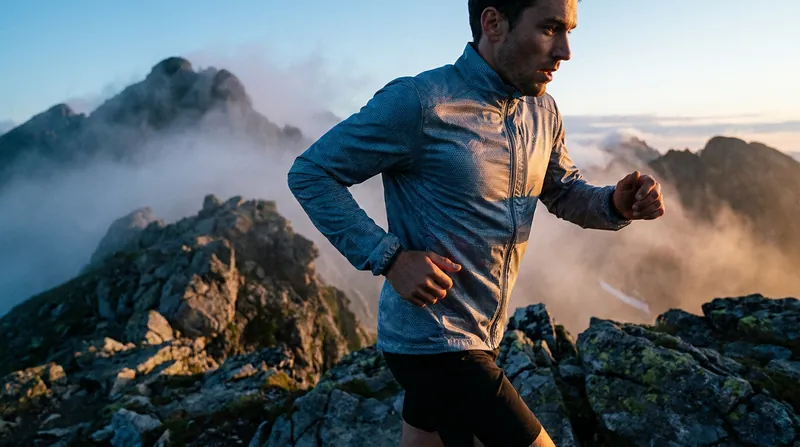
More in Shopping & Reviews
See all →PFAS Ban
PFAS vs. PFAS-Free Waterproofing: The 2026 Trade-Off Analysis for Outdoor Apparel
3 sources
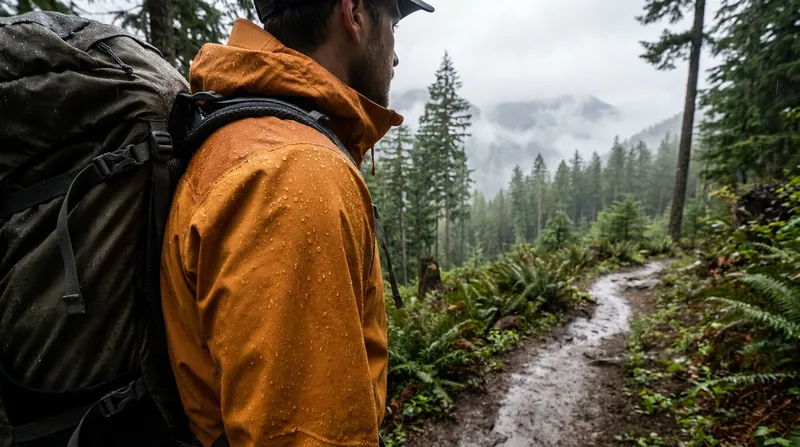
Waterproof Tech
The End of 'Forever Chemicals' in Rain Gear: ePE vs. ePTFE Waterproof Membranes
5 sources

Gear Showdown
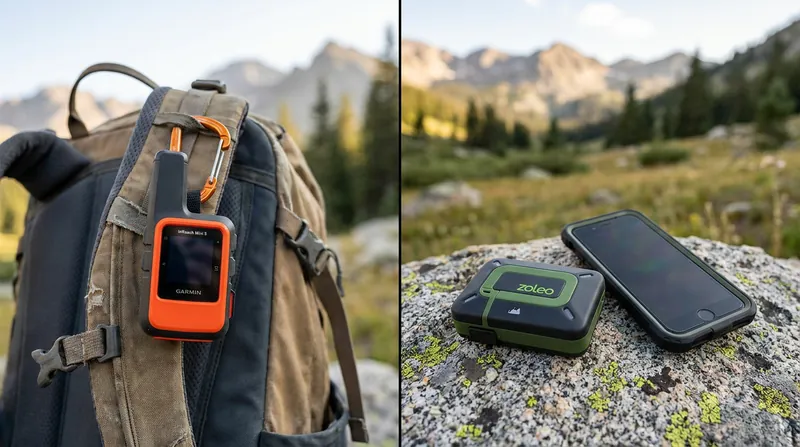
Garmin inReach Mini 2 vs. Zoleo: Which Satellite Communicator Belongs in Your Pack?
4 sources
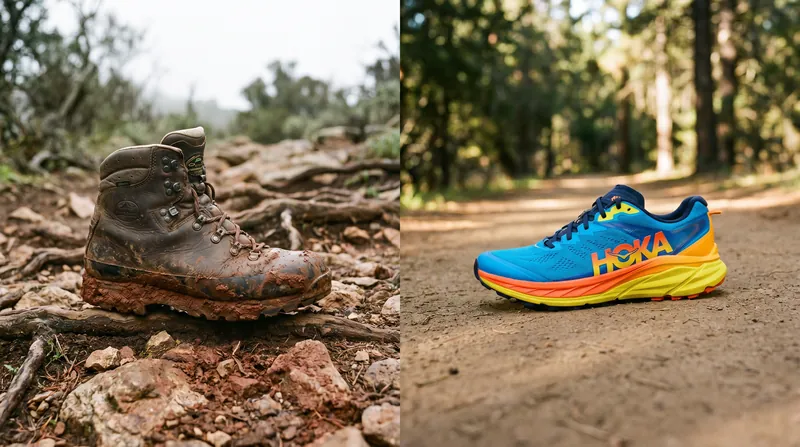
Backpacking Gear
Trail Running Shoes vs. Hiking Boots: The Biomechanics and Trade-Offs of Backcountry Footwear
4 sources
Comments
Every angle. Every day.
Get Shopping & Reviews stories with full source coverage and perspective breakdowns, free every day.