
How Solid-State Batteries Are Rewriting the Rules of Electric Vehicles
Long considered the 'holy grail' of energy storage, solid-state batteries are finally moving from laboratories to pilot production lines in 2026. By replacing flammable liquids with solid materials, the technology promises to double EV range, slash charging times, and virtually eliminate fire risks.
By Factlen Editorial Team

- Commercial Optimists
- Automakers and startups pushing aggressive timelines for mass production.
- Engineering Realists
- Materials scientists highlighting the persistent physics and manufacturing challenges.
- Supply Chain Strategists
- Analysts focused on the geopolitical implications of battery materials.
What's not represented
- · Lithium mining communities
- · Independent auto mechanics
Why this matters
For consumers, solid-state technology means the end of 'range anxiety' and charging delays, making EVs as convenient to refuel as gas cars. For the global economy, it represents a massive shift in supply chains, potentially breaking the current reliance on graphite.
Key points
- Solid-state batteries replace flammable liquid electrolytes with rigid materials, drastically reducing the risk of battery fires.
- The solid barrier allows the use of pure lithium metal anodes, which can double the energy density of current EV batteries.
- Automakers project the technology will enable EVs to travel over 600 miles on a single charge and recharge in 10 to 15 minutes.
- The primary remaining hurdle is 'contact mechanics'—keeping rigid internal materials touching as the battery expands and contracts.
- Pilot production is underway in 2026, with mass-market commercialization expected by 2030.
For nearly three decades, the lithium-ion battery has been the quiet, reliable workhorse of the digital age. Through thousands of incremental upgrades—new blends of materials, better manufacturing yields, and massive scaling—it made smartphones pocketable and electric vehicles a viable alternative to combustion engines. But traditional lithium-ion technology is rapidly approaching its physical and chemical limits. Now, in 2026, the global automotive industry is standing on the precipice of a generational leap: the commercialization of the solid-state battery. This is not just another incremental tweak, but a fundamental rewrite of how energy is stored and deployed.[2][6]
Long described by engineers as the "holy grail" of energy storage, solid-state batteries are no longer confined to university laboratories and speculative press releases. Major automakers and battery manufacturers are currently spinning up pilot production lines, transitioning from experimental prototypes to viable automotive components that can be manufactured at scale. The shift promises a rare triple-win for consumers and manufacturers alike: significantly more driving range in the same physical footprint, vastly faster charging times that rival the gas pump, and the near-elimination of catastrophic battery fire risks. It is a breakthrough that could finally push electric vehicle adoption past its remaining skeptics.[1][3][2][6]
To understand why solid-state technology is so revolutionary, one must first look at how current batteries function—and how they fail. In a standard lithium-ion cell, energy is stored and released as lithium ions shuttle back and forth between two electrodes: the anode and the cathode. To make this microscopic journey, the ions swim through a liquid electrolyte, which is typically a highly flammable organic solvent soaked into porous materials. While effective at conducting ions, this liquid is the inherent vulnerability of the entire system.[2][4]
That liquid electrolyte is the Achilles' heel of modern electric vehicles. Under extreme stress—such as a severe physical crash, an electrical overcharge, or a manufacturing defect—the liquid can rapidly overheat and ignite. This triggers a chain reaction known as thermal runaway, leading to the intense, hard-to-extinguish fires that occasionally make headlines and require thousands of gallons of water to put out. Furthermore, the liquid limits how fast the battery can be charged; push too much electrical current into the cell too quickly, and the liquid boils, degrading the battery permanently.[2][6]

A solid-state battery elegantly solves this vulnerability by replacing the flammable liquid sloshing between the electrodes with a rigid, solid material. Depending on the manufacturer's specific chemistry, this solid separator might be a specialized ceramic, a glass compound, a sulfide, or a polymer. This single substitution fundamentally alters the battery's thermal profile. Comparative testing shows that while conventional lithium-ion cells can begin experiencing dangerous thermal events at relatively low temperatures, solid-state systems remain remarkably stable even when exposed to extreme heat or physical puncturing.[2][3][6]
But safety is only half the story; the true prize of the solid-state architecture is energy density, which measures how much power can be packed into a given weight or volume. Current top-tier lithium-ion batteries max out between 200 and 300 watt-hours per kilogram (Wh/kg). Solid-state batteries currently rolling off pilot lines are targeting 400 to 500 Wh/kg, with theoretical limits stretching up to 800 Wh/kg. This represents a staggering leap in efficiency that fundamentally changes the math of vehicle design.[3][5]

Interestingly, this massive leap in density does not actually come from the solid electrolyte itself. Rather, the solid electrolyte acts as an impenetrable physical barrier that unlocks the use of a completely different material for the battery's negative terminal. In today's batteries, the anode is made of graphite, a bulky carbon structure that acts like a sponge to absorb lithium ions. Graphite is heavy, takes up valuable physical space inside the cell, and its global supply chain is heavily concentrated in a single country, creating geopolitical bottlenecks.[2][4][6]
Interestingly, this massive leap in density does not actually come from the solid electrolyte itself.
Because a solid electrolyte is incredibly strong and rigid, engineers can discard the graphite entirely and use an anode made of pure lithium metal. In a traditional liquid battery, a pure lithium anode is highly dangerous; it tends to grow microscopic, needle-like structures called dendrites that pierce the battery's internal separator and cause catastrophic short circuits. The rigid solid-state separator physically blocks these dendrites from growing, allowing the battery to safely harness the immense, unparalleled energy capacity of pure lithium metal.[3][4][6]
For the driver, this chemistry translates directly into freedom on the road. A vehicle equipped with a solid-state pack could travel over 1,000 kilometers (more than 600 miles) on a single charge, effectively rendering "range anxiety" a relic of the past. Alternatively, automakers could choose to keep the range at a standard 300 miles but shrink the battery pack by half, dramatically reducing the weight, cost, and environmental footprint of the vehicle while improving handling and efficiency.[3][5][6]
Charging speeds are also poised for a paradigm shift. Because the solid architecture is so thermally stable, it can accept massive amounts of electrical current without overheating or degrading the internal components. Manufacturers are targeting 0-to-80 percent charge times of just 10 to 15 minutes. At that speed, recharging an electric vehicle becomes virtually indistinguishable from a traditional stop at a gas station, removing one of the final barriers for consumers who lack access to home charging infrastructure.[1][2][6]
Despite these staggering benefits, the road to mass production has been fraught with immense engineering hurdles. As researchers often note, replacing a liquid with a solid does not remove complexity; it simply trades chemical problems for physical ones. The most stubborn of these physical challenges is the issue of contact mechanics, which has kept the technology trapped in laboratories for over a decade. When you remove the liquid that naturally coats the internal components, you are left with two dry, rigid surfaces that must maintain perfect microscopic contact to conduct electricity.[4][6]
When a battery charges and discharges, the movement of ions causes the internal materials to physically expand and contract. A liquid electrolyte easily flows and adapts to this "breathing" motion, maintaining perfect contact with the electrodes at all times. But keeping two rigid, solid materials in intimate microscopic contact while they swell and shrink thousands of times is a monumental physics challenge. If the solid electrolyte loses contact with the anode even slightly, electrical resistance spikes, performance plummets, and the battery effectively dies.[4]

To solve this, early solid-state designs required heavy external clamps to keep the cells under immense pressure, which negated the weight savings of the battery itself. However, recent breakthroughs in 2026, such as new organic-inorganic composite materials, are finally allowing these batteries to function at normal atmospheric pressures. Companies like China's Greater Bay Technology recently announced successful "A-sample" cells that passed rigorous thermal shock and penetration tests without requiring exotic compression systems, signaling that the physics problems are finally being solved.[1][4][6]
So, when will these revolutionary batteries arrive in consumer driveways? The industry is currently in a transitional phase, bridging the gap between the lab and the highway. In 2026, we are seeing the rollout of "semi-solid" batteries—a hybrid approach that uses mostly solid materials but retains a tiny amount of liquid or gel to help mitigate the stubborn contact issues. These semi-solid packs are already powering select premium vehicles and commercial fleets, serving as a vital stepping stone toward fully solid architectures while allowing manufacturers to scale up their supply chains.[3][4][6]
True, all-solid-state batteries are slated to debut in low-volume premium electric vehicles between 2027 and 2028. Major players across the globe have aligned their roadmaps around this specific window. Because the initial manufacturing costs will be high, the technology will first appear in luxury sedans and high-performance sports cars, where buyers are willing to pay a premium for cutting-edge range and charging speeds. As manufacturing yields improve, economies of scale will gradually bring the cost down.[3][5][6]

By 2030, industry analysts expect solid-state technology to reach widespread commercialization, trickling down from luxury flagships to affordable family cars and everyday commuter vehicles. When it does, it will do more than just improve the electric cars we drive today; it will enable entirely new categories of transportation that were previously impossible due to battery weight, from long-haul electric trucking to viable electric aviation and advanced robotics. The era of the liquid battery is slowly drawing to a close, and the solid-state future—safer, faster, and vastly more powerful—is finally coming into focus.[3][6]
How we got here
1990s
Lithium-ion batteries commercialized, using liquid electrolytes and graphite anodes.
2010s
Automakers begin heavily investing in solid-state R&D to overcome lithium-ion's theoretical energy limits.
2024
Early 'semi-solid' batteries begin appearing in niche commercial applications and select Chinese EVs.
Early 2026
Major battery manufacturers announce successful 'A-sample' all-solid-state cells passing rigorous safety tests.
2027–2028
Projected debut of true all-solid-state batteries in low-volume, premium electric vehicles.
2030
Anticipated inflection point for mass-market commercialization and scaled production.
Viewpoints in depth
Commercial Optimists
Automakers and battery startups pushing aggressive timelines for mass production.
Companies like Toyota, CATL, and Greater Bay Technology view solid-state batteries as an immediate competitive necessity. They point to successful A-sample tests and pilot production lines as proof that the core scientific hurdles have been cleared. For this camp, the remaining challenges are purely matters of manufacturing scale and yield optimization. They project that whoever controls the solid-state supply chain will dominate the automotive market of the 2030s, justifying billions in accelerated R&D.
Engineering Realists
Materials scientists highlighting the persistent physics and manufacturing challenges.
Independent battery researchers and materials scientists caution against overly optimistic press releases. They emphasize that while building a perfect solid-state cell in a laboratory is a solved problem, manufacturing millions of them flawlessly is not. This camp points to the 'contact mechanics' issue—the battery's tendency to physically expand and contract—as a stubborn physics problem that requires expensive manufacturing environments, such as ultra-dry rooms and high-pressure packaging, which could keep costs prohibitively high for years.
Supply Chain Strategists
Analysts focused on the geopolitical implications of battery materials.
For geopolitical analysts and supply chain experts, the excitement around solid-state batteries has less to do with range and more to do with graphite. Currently, the global supply of battery-grade graphite is heavily concentrated in China. Because solid-state architectures allow for 'anode-free' designs or pure lithium metal anodes, they offer Western automakers a technological pathway to bypass the graphite supply chain entirely, reshaping the geopolitics of the energy transition.
What we don't know
- Whether the manufacturing costs of solid-state batteries will drop fast enough to make them viable for entry-level vehicles before 2032.
- How the global supply chain for pure lithium metal will scale to meet the sudden surge in demand.
- Which specific solid electrolyte chemistry (sulfides, oxides, or polymers) will ultimately become the industry standard.
Key terms
- Electrolyte
- The medium inside a battery that allows ions to travel between the positive and negative ends during charging and discharging.
- Anode
- The negative electrode of a battery, traditionally made of graphite in lithium-ion cells, but transitioning to pure lithium metal in solid-state designs.
- Thermal Runaway
- A dangerous, unstoppable chain reaction where a battery overheats and catches fire, typically caused by the ignition of liquid electrolytes.
- Dendrites
- Microscopic, needle-like metallic structures that can grow inside a battery, potentially piercing the separator and causing a short circuit.
- Energy Density (Wh/kg)
- A measurement of how much electrical energy a battery can store relative to its physical weight.
Frequently asked
Will solid-state batteries make EVs cheaper?
Eventually, yes. While initial solid-state batteries will be expensive and reserved for luxury cars, their higher energy density means automakers can eventually use fewer materials to achieve the same range, driving down costs.
Can I upgrade my current EV to a solid-state battery?
No. Solid-state batteries require entirely different thermal management systems, software, and physical packaging, meaning they cannot be retrofitted into older vehicles designed for lithium-ion packs.
Are solid-state batteries completely fireproof?
While not entirely fireproof, they are vastly safer. They eliminate the highly flammable liquid that causes most EV fires, meaning they can withstand much higher temperatures and physical damage before failing.
Sources
Source coverage
6 outlets
3 viewpoints surfaced






[1]ElectrekCommercial Optimists
China ramps up solid-state EV battery production
Read on Electrek →[2]Car and DriverSupply Chain Strategists
What Are Solid-State Batteries, and Why Do They Matter for Electric Vehicles?
Read on Car and Driver →[3]MDPIEngineering Realists
Solid-State Batteries: Emerging Transformative Alternative to Conventional Lithium-Ion
Read on MDPI →[4]MediumEngineering Realists
The hard part isn't just chemistry — it's also physics
Read on Medium →[5]EcoFlowCommercial Optimists
Solid-State vs Lithium-Ion Batteries
Read on EcoFlow →[6]Factlen Editorial TeamSupply Chain Strategists
Synthesis by Factlen editorial team
Read on Factlen Editorial Team →

More in automotive
See all 12 stories →Battery Tech
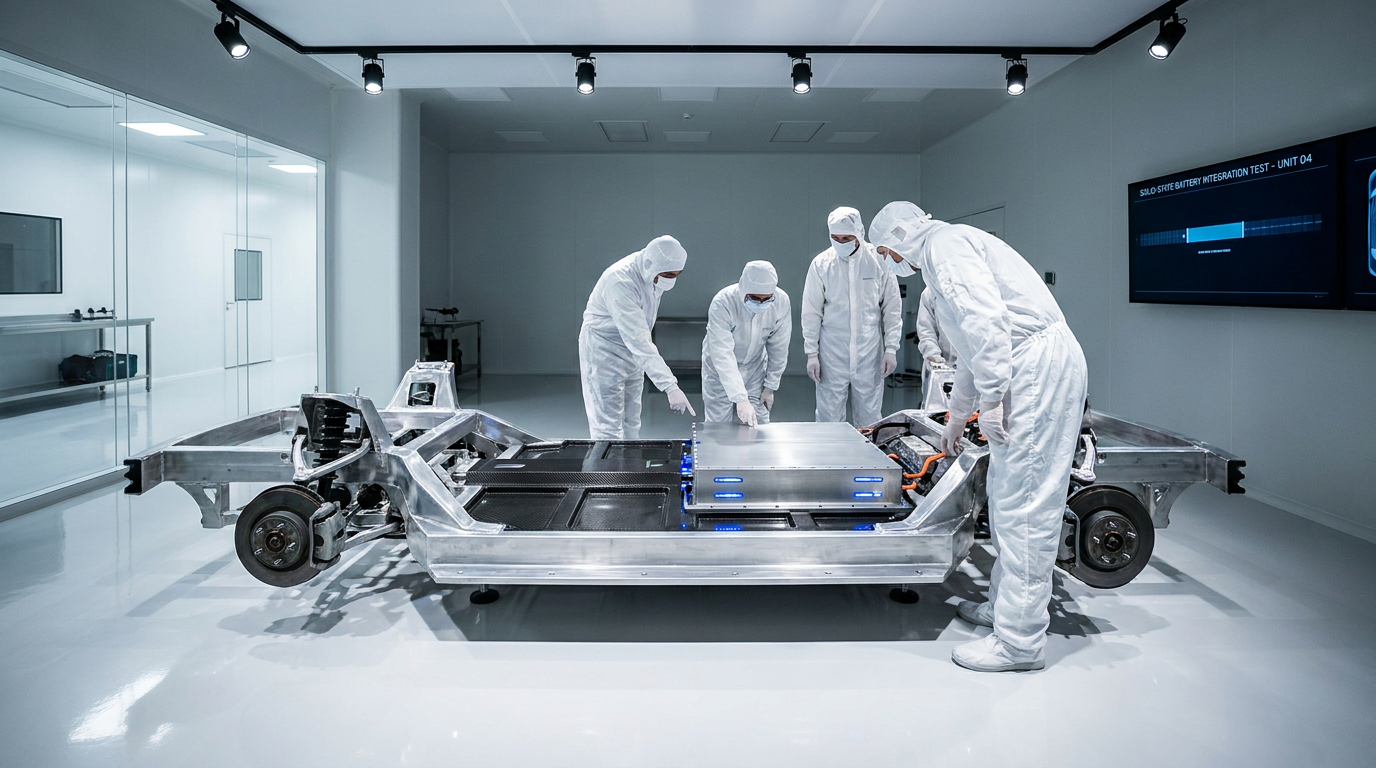
Solid-State Batteries Hit the Road: How the Next Generation of EVs Actually Works
0 sources
EV Market
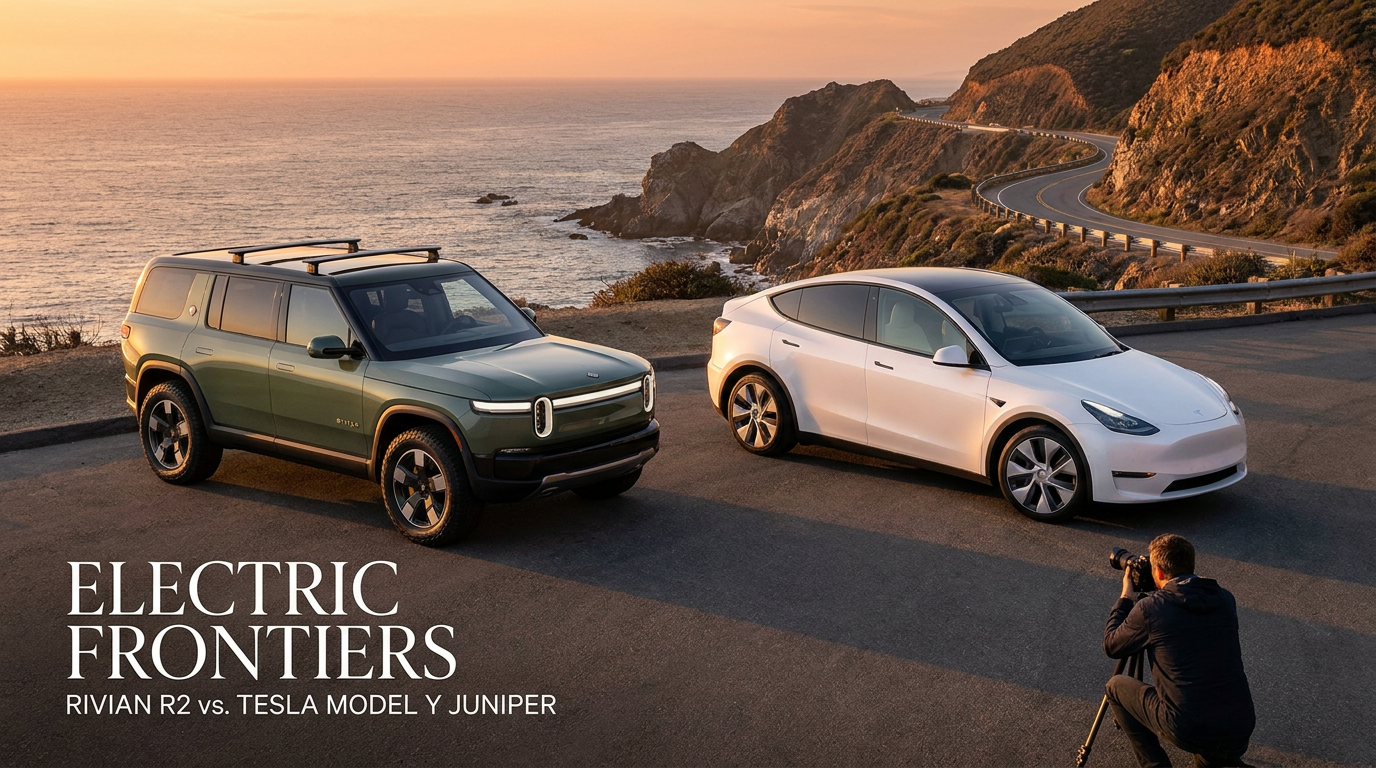
2026 Rivian R2 vs. Tesla Model Y: Choosing the Right Midsize Electric SUV
0 sources
Motorcycle Tech
How Radar and AI Are Making Motorcycles Safer Than Ever
0 sources

Transit Tech
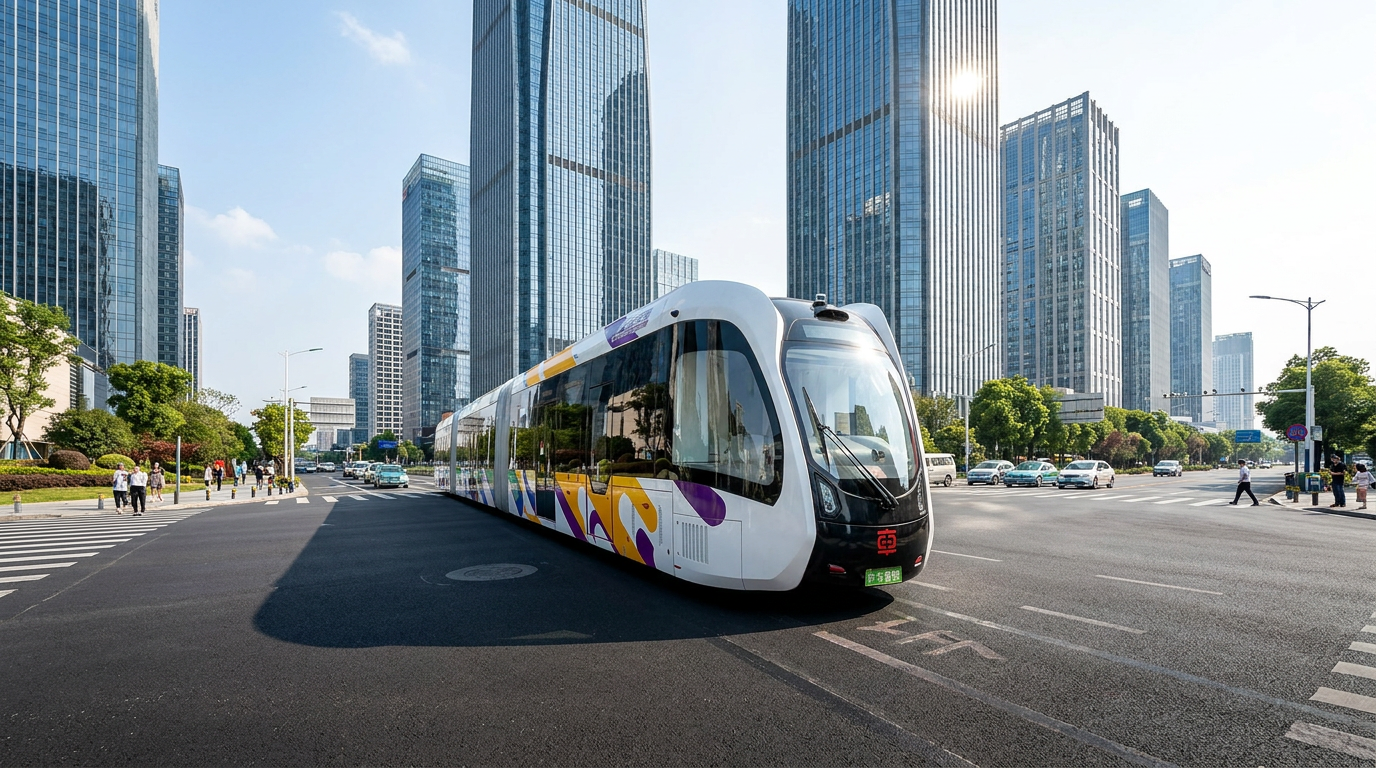
The Trackless Tram: Inside the Tech Promising to Revolutionize Public Transit
0 sources
Every angle. Every day.
Get automotive stories with full source coverage and perspective breakdowns delivered to your inbox.