
U.S. and Iran Near Peace Deal to End 106-Day War, but Lebanon Fighting Threatens Truce
The United States and Iran are reportedly close to signing a memorandum of understanding to halt their three-month conflict, though ongoing Israeli strikes in Lebanon and recent drone attacks in the Strait of Hormuz complicate the final agreement.
By Factlen Editorial Team
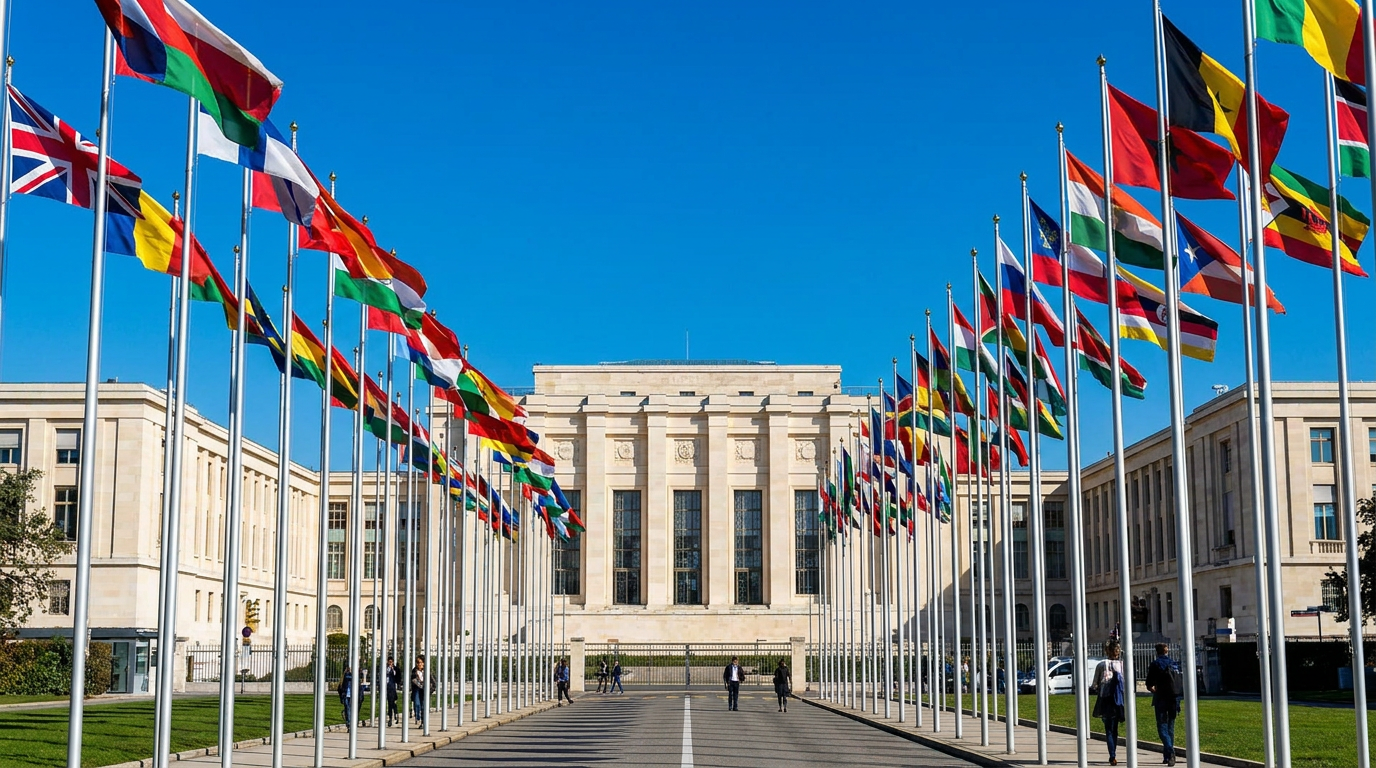
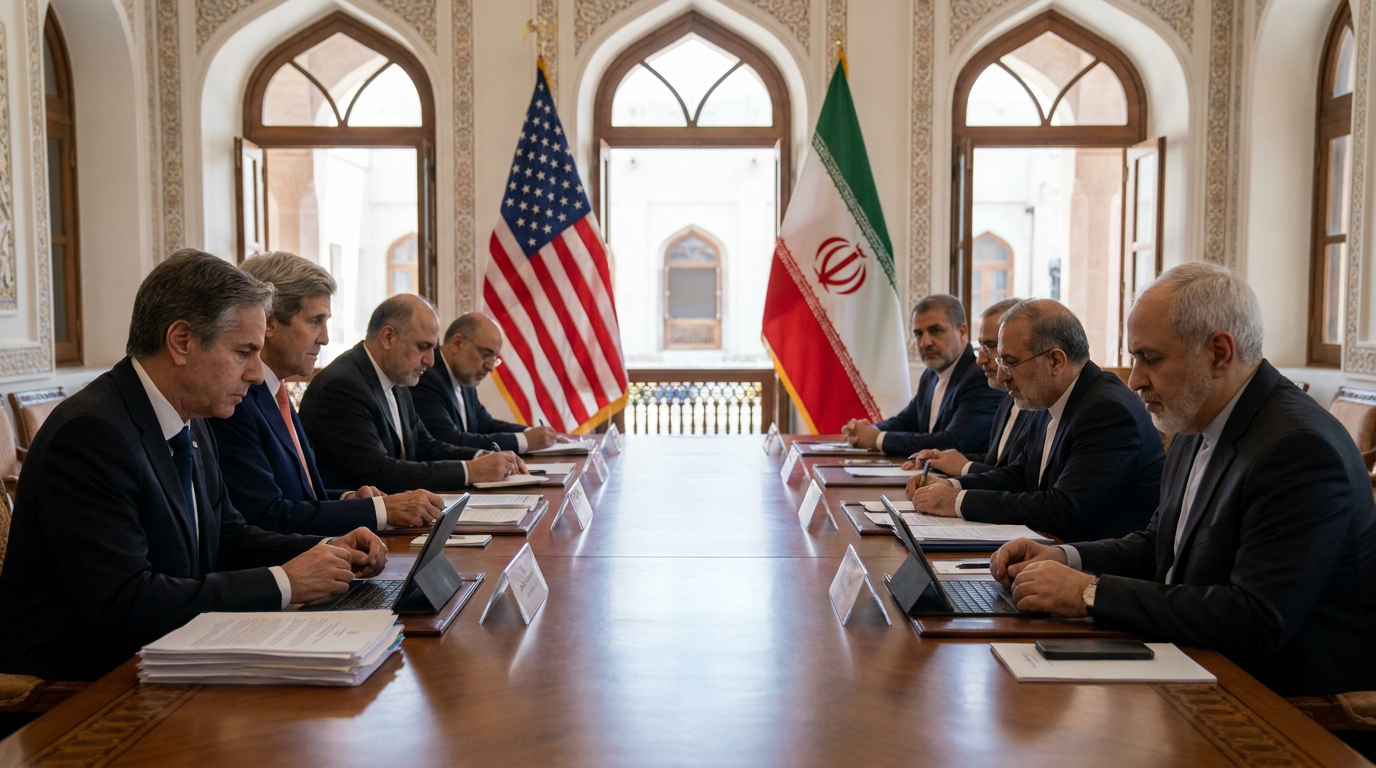
- U.S. Negotiators
- Seeking to end the costly war and secure global shipping lanes.
- Iranian Leadership
- Demanding economic relief and an end to Israeli military operations.
- Israeli Government
- Insisting on continuing its military campaign to neutralize Hezbollah.
What's not represented
- · Lebanese civilians affected by the ongoing Israeli strikes
- · Commercial shipping companies navigating the Strait of Hormuz
Why this matters
A formal ceasefire would reopen the Strait of Hormuz—a critical artery for global energy supplies—and stabilize oil markets that have been rocked by the 106-day conflict, while averting a broader regional war involving Israel and Lebanon.
Key points
- The U.S. and Iran are close to signing a memorandum of understanding to end their 106-day war.
- The deal would extend a ceasefire by 60 days and reopen the Strait of Hormuz.
- Iran stands to receive $24 billion in unfrozen assets and relief from oil sanctions.
- Ongoing Israeli military operations against Hezbollah in Lebanon threaten to derail the comprehensive truce.
- U.S. forces intercepted multiple Iranian drones in the Strait of Hormuz early Saturday.
The United States and Iran are on the precipice of signing a landmark memorandum of understanding to end their 106-day war, a conflict that has devastated regional stability and choked global energy markets. U.S. President Donald Trump announced that a settlement is "pretty much completed," with a signing ceremony potentially taking place this weekend in Geneva, Switzerland. The diplomatic breakthrough comes after months of intense military exchanges, back-channel negotiations, and a near-miss escalation earlier in the week when Washington threatened renewed strikes before abruptly pivoting to peace talks. If signed, the deal would mark the most significant de-escalation since the war began, offering a desperately needed reprieve for the global economy.[1][3][4]
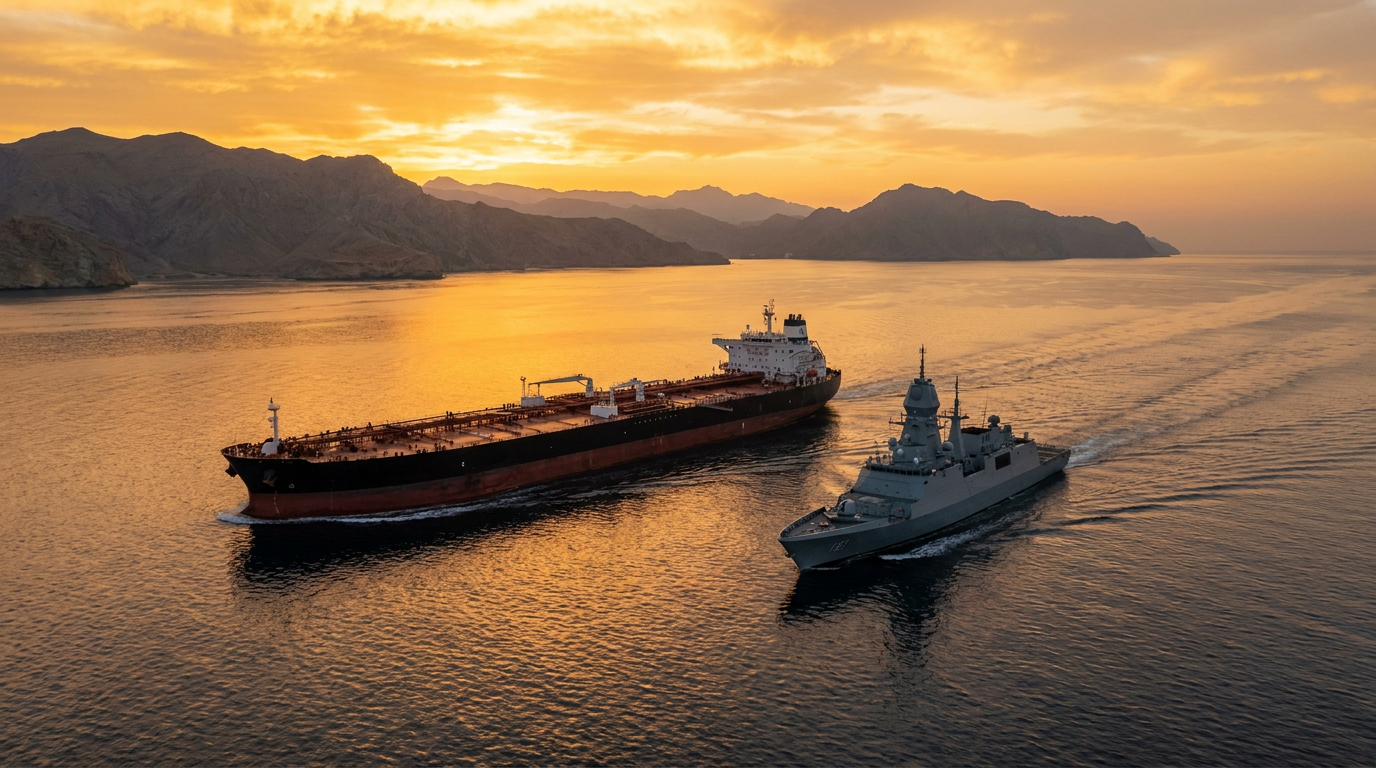
If finalized, the interim agreement would extend a fragile ceasefire by 60 days, lift U.S. naval blockades, and immediately reopen the Strait of Hormuz to commercial shipping without tolls. The strategic waterway, which handles a massive portion of the world's daily oil consumption, has been effectively closed by Iranian drones and missiles since the conflict escalated in early March. Reopening the strait is a primary objective for the U.S. administration, which has faced mounting domestic and international pressure over surging energy prices. The agreement also reportedly includes commitments from Tehran to halt any pursuit of a nuclear weapon, a core demand of the American negotiating team.[3][4]
In exchange for halting hostilities, Tehran is poised to receive significant economic relief. Draft terms reportedly include the unfreezing of $24 billion in Iranian assets held in foreign banks and the lifting of stringent international sanctions on its oil exports. Iranian officials indicate that Supreme Leader Ayatollah Mojtaba Khamenei has conceptually approved the framework, though final details remain under review by domestic decision-making bodies. The economic lifeline is crucial for an Iranian government that has absorbed intense U.S. and Israeli bombardments over the past three months, suffering severe damage to its military infrastructure and leadership ranks.[3][4][6]

Despite the optimism in Washington and Tehran, the reality on the ground remains highly volatile. Early Saturday morning, U.S. Central Command reported that American forces intercepted and destroyed multiple Iranian one-way attack drones targeting commercial vessels in the Strait of Hormuz. The incident underscores the fragility of the current truce, even as both nations insist a final deal has never been closer. U.S. officials described the drone launches as an attempt by hardline factions in Tehran to maintain leverage in the final hours of negotiation, while Iran's foreign ministry maintained that the draft agreement would not force them to surrender control over the strategic waterway.[1][5]
Despite the optimism in Washington and Tehran, the reality on the ground remains highly volatile.
The most significant hurdle to a lasting, region-wide peace is the parallel conflict in Lebanon. Israel, which is not a party to the U.S.-Iran memorandum, has intensified its military campaign against the Iran-backed Hezbollah militia. The Israeli military recently issued new evacuation orders for 20 towns and villages in southern Lebanon, warning of imminent strikes and instructing residents to move north of the Zahrani River. Israeli Prime Minister Benjamin Netanyahu has signaled a preference to continue degrading Hezbollah's military capabilities, complicating efforts to achieve a broader de-escalation and frustrating Iranian negotiators who demand a comprehensive ceasefire.[3][4][5]
Iran has publicly maintained that any comprehensive agreement must include a cessation of hostilities on all fronts, including Lebanon. However, the shifting geopolitical landscape has emboldened Iran's new leadership. Having survived the initial onslaught of the war, Tehran appears more willing to withstand pressure and take calculated risks, believing it has already absorbed the worst of the military campaign that America and Israel can deliver. This newfound resilience has made Iranian negotiators less willing to compromise on their core regional alliances, setting up a tense standoff over how the final text addresses the ongoing violence in the Levant.[2][6]

The proposed signing in Geneva is strategically timed to coincide with the G7 summit in nearby Evian, France. U.S. Vice President JD Vance and Steve Witkoff, a special envoy, are expected to represent the United States, while Iran's Parliament Speaker Mohammed Baqer Qalibaf is slated to sign on behalf of Tehran. The choice of high-level, but not head-of-state, signatories reflects the interim nature of the memorandum, which is designed to pause the violence while setting the stage for more complex, long-term negotiations over Iran's nuclear program and regional proxy networks.[4][6]
Global markets have reacted positively to the prospect of peace, signaling relief after months of geopolitical anxiety. Asian equities surged and Brent crude oil prices fell to two-month lows following Trump's announcement, reflecting investor confidence that the critical Strait of Hormuz may soon resume normal operations. As diplomats race to finalize the text, the coming days will test whether the U.S. and Iran can compartmentalize the violence in Lebanon and the lingering skirmishes in the Gulf to secure a historic pause in a war that has reshaped the Middle East.[1][3][4]
How we got here
Early March 2026
War breaks out between the U.S. and Iran, leading to intense bombardments and the closure of the Strait of Hormuz.
April 2026
A fragile initial ceasefire is announced but is quickly strained by sporadic military strikes.
June 11, 2026
U.S. President Donald Trump threatens to hit Iran 'very hard' before abruptly calling off strikes and announcing a deal is close.
June 13, 2026
U.S. forces down Iranian drones in the Strait of Hormuz even as both sides finalize the memorandum of understanding.
Viewpoints in depth
U.S. Administration
Focused on ending the war, securing global shipping lanes, and preventing nuclear development.
For Washington, the primary objective is to reopen the Strait of Hormuz and stabilize global energy markets, which have become a significant domestic vulnerability. U.S. negotiators are pushing for strict commitments that Iran will not pursue nuclear weapons, framing the deal as a diplomatic victory that ends a costly conflict without requiring a prolonged American military presence in the region.
Iranian Leadership
Demanding immediate economic relief and an end to Israeli military operations against its regional allies.
Tehran views the unfreezing of $24 billion in assets and the lifting of oil sanctions as non-negotiable prerequisites for peace. Having absorbed severe military damage, Iran's new leadership feels it has weathered the worst of the storm and is now negotiating from a position of resilience, insisting that any deal must also protect its regional proxy network, particularly Hezbollah in Lebanon.
Israeli Government
Operating outside the bilateral agreement and focused on degrading Hezbollah in Lebanon.
Israel is not a party to the U.S.-Iran memorandum and remains deeply skeptical of any agreement that provides Tehran with sanctions relief. The Israeli military is committed to continuing its campaign against Hezbollah in southern Lebanon, viewing the Iran-backed militia as an existential threat that must be neutralized regardless of the broader diplomatic thaw between Washington and Tehran.
What we don't know
- Whether Israel will agree to scale back its operations in Lebanon to accommodate the U.S.-Iran truce.
- How domestic political factions in both Washington and Tehran will react to the final terms of the deal.
- The exact timeline for the unfreezing of Iranian assets and the lifting of oil sanctions.
Key terms
- Strait of Hormuz
- A vital shipping chokepoint between the Persian Gulf and the Gulf of Oman, through which a significant portion of the world's oil passes.
- Memorandum of Understanding (MOU)
- A formal agreement between two or more parties that is not legally binding but signals a willingness to move forward with a treaty.
- Hezbollah
- A heavily armed, Iran-backed Shia political party and militant group based in Lebanon.
Frequently asked
What are the terms of the proposed deal?
The draft agreement includes a 60-day ceasefire extension, the reopening of the Strait of Hormuz, the release of $24 billion in frozen Iranian assets, and the lifting of oil sanctions.
Is the war completely over?
Not yet. While a memorandum of understanding is close to being signed, sporadic clashes have continued, and the parallel conflict between Israel and Hezbollah in Lebanon remains unresolved.
How will this affect oil prices?
Global oil prices have already begun to fall in anticipation of the deal, as reopening the Strait of Hormuz would restore the normal flow of commercial energy shipping.
Sources
Source coverage
6 outlets
3 viewpoints surfaced






[1]Al JazeeraIranian Leadership
Iran war day 106: US and Iran say deal close but Lebanon fighting continues
Read on Al Jazeera →[2]The New York TimesIranian Leadership
With a Deal Seemingly Close, the U.S. Faces an Iran More Willing to Withstand Pressure
Read on The New York Times →[3]ReutersU.S. Negotiators
Trump says Iran war deal close as Strait of Hormuz tensions linger
Read on Reuters →[4]BloombergU.S. Negotiators
US, Iran edging towards interim deal signing close to G7 next week
Read on Bloomberg →[5]AFPIsraeli Government
U.S. says downed multiple Iranian drones as both insist deal closer
Read on AFP →[6]The Business TimesIranian Leadership
US-Iran peace memorandum could be signed on Sunday in Geneva, source says
Read on The Business Times →
More in news politics
See all 39 stories →Middle East Diplomacy
US and Iran Near Interim Agreement to Halt Hostilities: What the Deal Contains
0 sources
Union Contracts
House Passes Sweeping Labor Bill Mandating Strict Timelines for First Union Contracts
0 sources
US-Iran Deal
US and Iran on the Brink of Historic Interim Peace Agreement to End War
0 sources
US-Iran Deal
US and Iran Near Interim Peace Deal to Reopen Strait of Hormuz
0 sources
Every angle. Every day.
Get news politics stories with full source coverage and perspective breakdowns delivered to your inbox.