
US and Iran Near Interim Peace Deal to Reopen Strait of Hormuz
The United States and Iran are reportedly close to signing an interim ceasefire agreement that would reopen the Strait of Hormuz and unfreeze Iranian assets. The deal, mediated by Pakistan, would pause the months-long conflict and set the stage for a 60-day negotiation period regarding Iran's nuclear program.
By Factlen Editorial Team
- US Administration
- Focuses on dismantling the nuclear program and securing global shipping lanes.
- Iranian Negotiators
- Prioritizes ending the naval blockade, unfreezing assets, and separating nuclear talks from the ceasefire.
- Iranian Hardliners
- Opposes reopening the Strait of Hormuz, viewing the deal as a surrender of military leverage.
- International Mediators
- Focuses on rapid de-escalation and finalizing the technical text of the ceasefire.
What's not represented
- · Lebanese civilians affected by the conflict
- · Global shipping companies
Why this matters
An agreement would reopen a critical chokepoint for one-fifth of the world's oil supply, stabilizing global energy markets after months of conflict. However, the fragile nature of the ceasefire means any breakdown could immediately reignite regional warfare and economic shocks.
Key points
- The US and Iran are finalizing an interim peace agreement mediated by Pakistan.
- The deal would reopen the Strait of Hormuz and lift the US naval blockade on Iranian ports.
- A 60-day ceasefire period would be established to negotiate the future of Iran's nuclear program.
- Up to $24 billion in frozen Iranian assets could be released or leveraged for credit.
- US and Iranian officials publicly disagree on whether the deal requires dismantling Iran's nuclear capabilities.
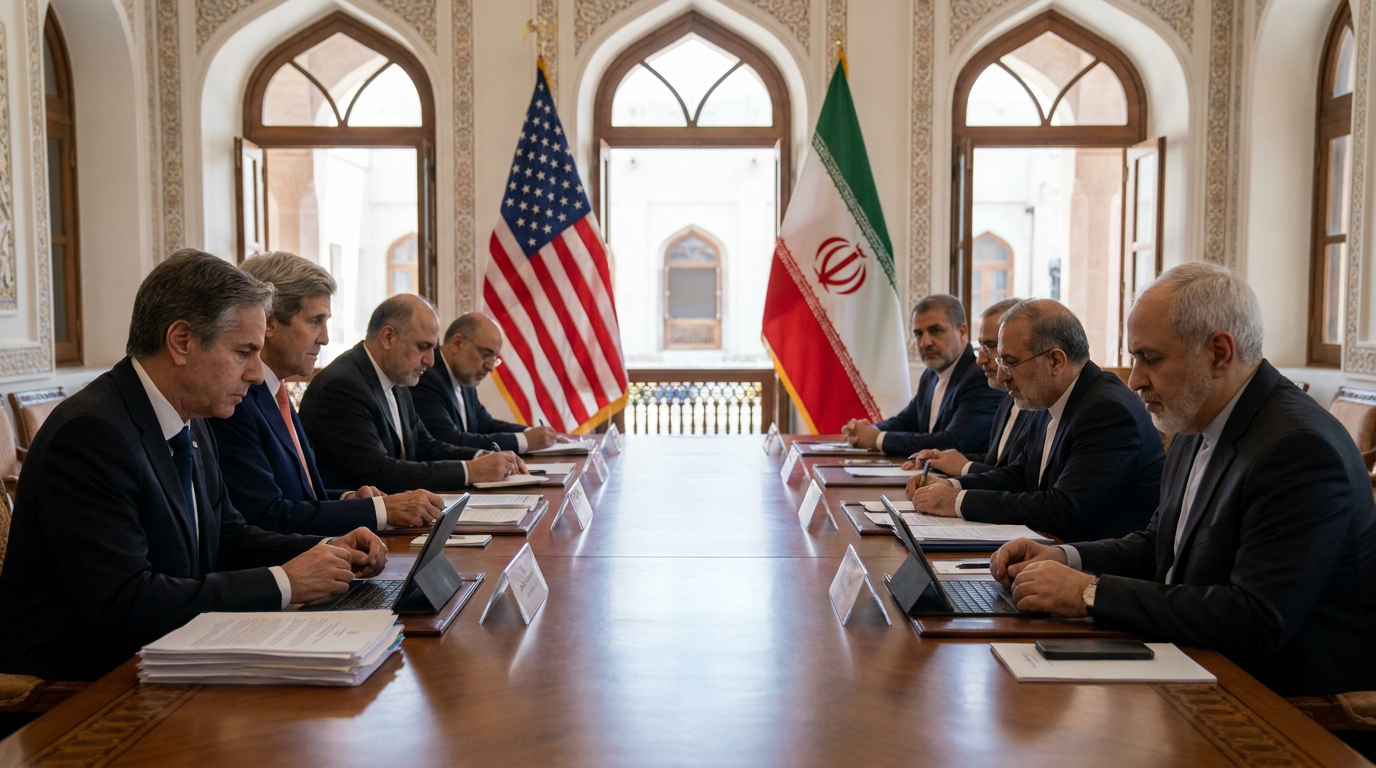
The United States and Iran are on the verge of signing an interim peace agreement that would halt their months-long military conflict and reopen the Strait of Hormuz. Mediated heavily by Pakistan, the proposed "Islamabad Memorandum of Understanding" aims to establish a 60-day ceasefire, lifting the US naval blockade on Iranian ports in exchange for immediate freedom of navigation in the vital waterway.[1][2]
Pakistani Prime Minister Shehbaz Sharif announced Saturday that a final text had been reached, with preparations underway for an electronic signing within 24 hours. A senior Trump administration official confirmed the progress, telling reporters that the US was "80 to 85 percent" confident that the deal would be finalized in the coming days, though cautioning that internal Iranian politics could still derail the process.[1][2][4][5]
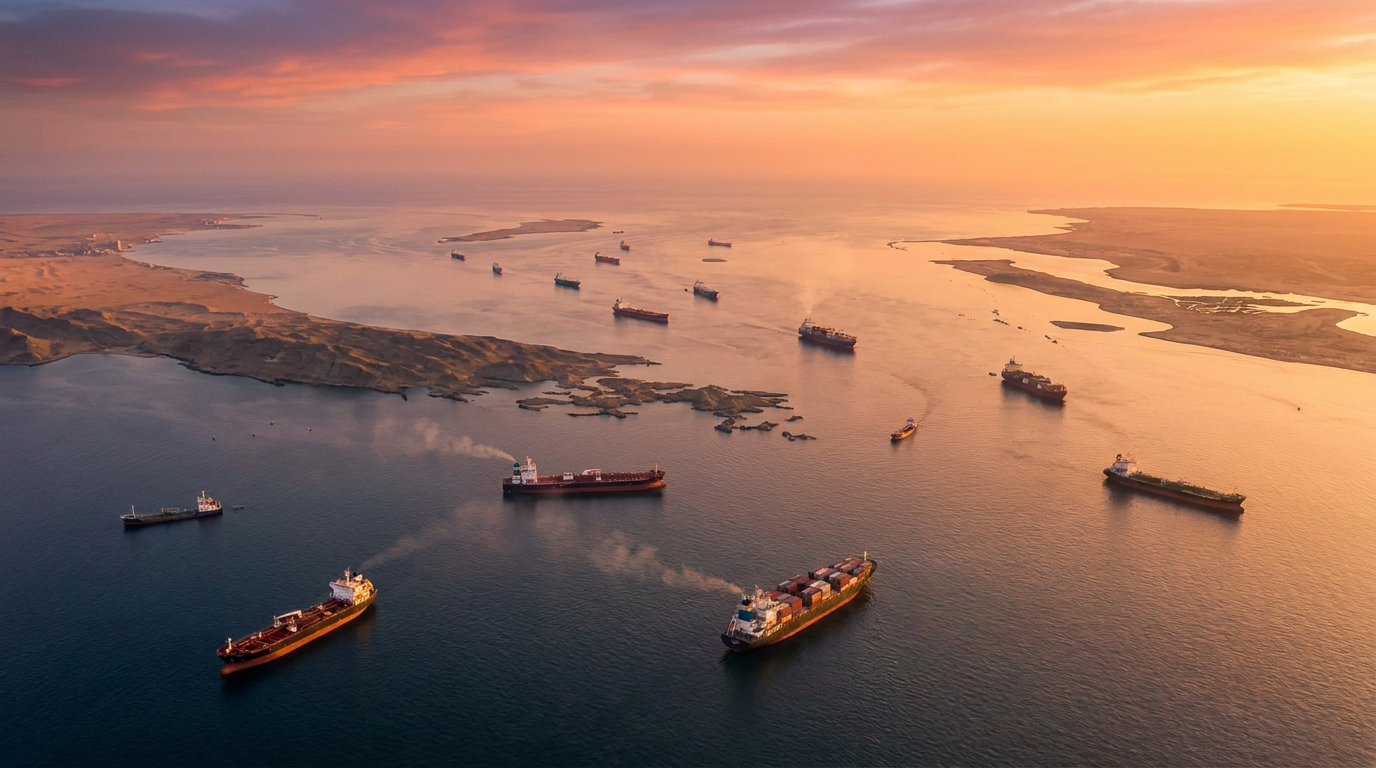
The core of the immediate agreement focuses on de-escalation and global trade. The Strait of Hormuz, which handles roughly one-fifth of global oil and gas shipments, has been effectively closed during the conflict. Under the terms discussed, the strait would reopen without tolls, and the US would unfreeze billions of dollars in Iranian assets—reportedly up to $24 billion—while suspending sanctions on Iranian oil and petrochemical sales.[3][6][7][8]

However, the two nations are presenting sharply different narratives about the deal's ultimate goals. The US administration insists the memorandum is a performance-based framework that will lead to the complete dismantlement of Iran's nuclear program. US officials state that during the 60-day ceasefire, negotiations will focus on destroying and removing Iran's highly enriched uranium stockpile.[2][3][5]
In Tehran, the framing is vastly different. Iranian Foreign Minister Abbas Araghchi declared on state television that "Iran is the winner of the war," presenting the memorandum as a political and security arrangement focused strictly on ending hostilities and lifting the blockade. Iranian state media has emphasized that the country intends to negotiate to retain its uranium enrichment capabilities, directly contradicting Washington's claims.[2][3][6][8]
Iranian state media has emphasized that the country intends to negotiate to retain its uranium enrichment capabilities, directly contradicting Washington's claims.
The prospect of an agreement has exposed deep fractures within Iran's political establishment. Hardline factions and media outlets, such as the Kayhan daily, have fiercely criticized the draft, arguing that the Strait of Hormuz was closed "with power" and should not be reopened until US forces completely withdraw from the region. These internal divisions are cited by US officials as the primary reason the deal is not yet "100 percent" guaranteed.[1][5][8]
Regional complications also threaten the fragile diplomatic progress. The draft agreement reportedly includes provisions to end conflict on all fronts, including in Lebanon. However, Israel, which is not a party to the US-Iran negotiations, has stated it will not withdraw from the "security zones" it has established in southern Lebanon during its ongoing offensive against Hezbollah.[2][5][7]

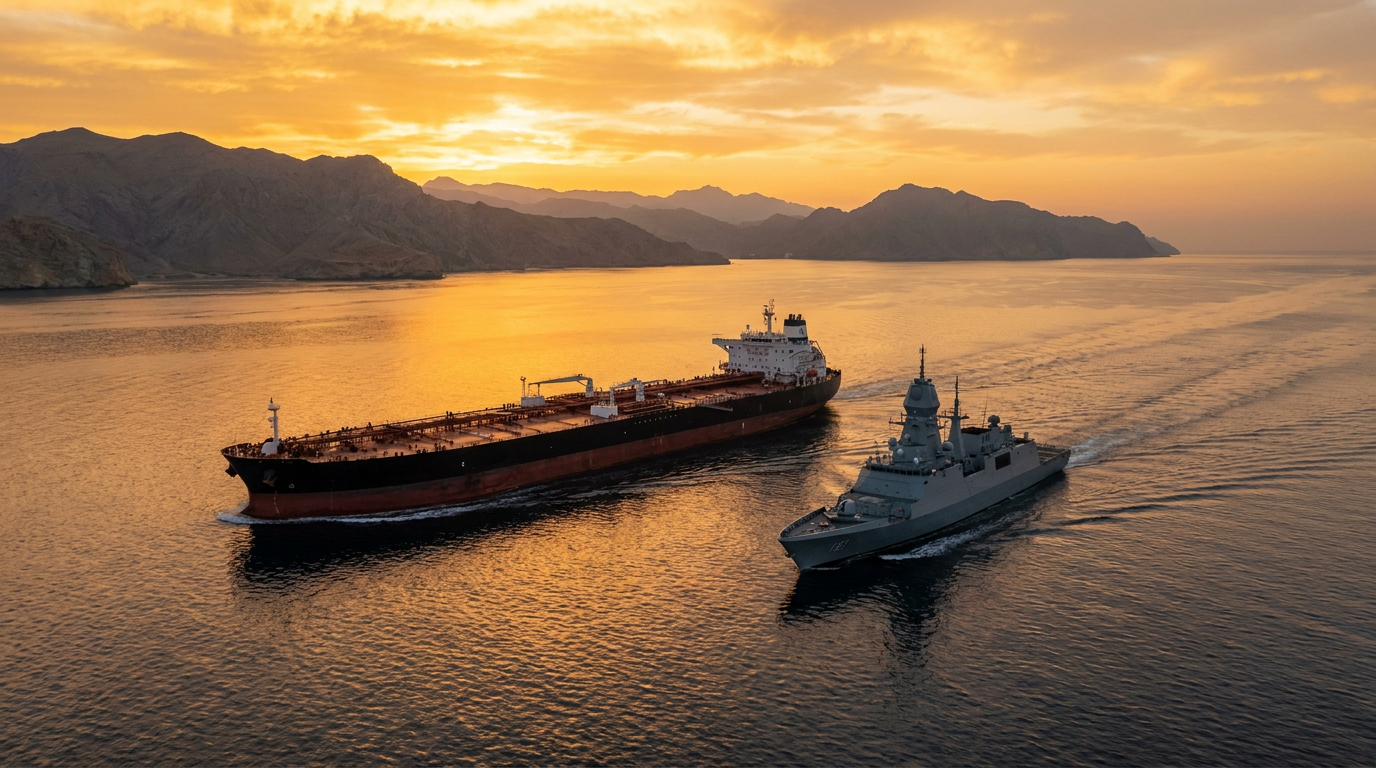
Trust between Washington and Tehran remains virtually nonexistent, underscored by continued military friction. Early Saturday, even as officials touted the imminent deal, US forces shot down multiple Iranian attack drones in the Strait of Hormuz that were reportedly targeting commercial shipping. President Donald Trump condemned the drone activity as "totally unacceptable," while simultaneously expressing optimism about the peace talks.[2][4][9]
The economic stakes of the agreement are massive. Global markets have been highly volatile, with oil prices surging on threats of escalation and dipping on news of diplomatic progress. The reopening of the Strait of Hormuz would alleviate severe supply chain bottlenecks that have impacted economies worldwide.[5][7]
The proposed line of credit and unfreezing of assets also remains a contentious point. Reports indicate that a bank in a Gulf state might issue a line of credit against Iran's frozen funds as collateral. This mechanism is designed to provide Tehran with immediate economic relief while maintaining some leverage for Washington to ensure compliance with the broader terms.[5][8]

If signed, the memorandum will shift the conflict from the battlefield to the negotiating table, but experts warn the hardest work lies ahead. The 60-day window will test whether the two adversaries can bridge massive gaps regarding nuclear verification, proxy funding, and regional security guarantees—issues that have eluded diplomats for decades.[7]
As the 24-hour window outlined by Pakistani mediators closes, the international community watches closely. Whether the "Islamabad Memorandum of Understanding" becomes a historic turning point or another failed diplomatic effort will depend entirely on the political will in both Washington and Tehran to enforce a deeply unpopular compromise.[1][2]
How we got here
February 2026
The US and Israel engage in a direct military conflict with Iran, leading to the closure of the Strait of Hormuz and a US naval blockade.
April 2026
A temporary two-week ceasefire is brokered by Pakistan, though it is frequently violated by both sides.
June 11, 2026
President Trump announces that a peace agreement is close, canceling planned military strikes against Iran.
June 12, 2026
Iranian Foreign Minister Abbas Araghchi states the two sides have 'never been closer' to a deal, claiming victory for Iran.
June 13, 2026
Pakistani Prime Minister Shehbaz Sharif announces the final text has been reached and an electronic signing is expected within 24 hours.
Viewpoints in depth
US Administration
Views the deal as a necessary step to secure the Strait of Hormuz and force the dismantling of Iran's nuclear program.
Washington frames the memorandum as a performance-based agreement. By offering phased sanctions relief and unfreezing assets, the US aims to secure immediate freedom of navigation while setting a strict 60-day clock for Iran to destroy its highly enriched uranium. Officials emphasize that military options remain on the table if Tehran fails to comply.
Iranian Negotiators
Frames the agreement as a victory that ends the blockade without conceding nuclear rights upfront.
For Iran's diplomatic corps, the deal is presented as a triumph of resilience. Foreign Minister Abbas Araghchi has publicly declared Iran the 'winner' of the war, pointing to the lifting of the US naval blockade and the release of frozen funds. They view the nuclear issue as a separate, future negotiation where they intend to fight to retain enrichment capabilities.
Iranian Hardliners
Opposes the deal entirely, viewing the reopening of the Strait of Hormuz as a surrender of leverage.
Conservative factions and hardline media outlets in Tehran are fiercely critical of the proposed memorandum. They argue that the closure of the Strait of Hormuz was Iran's primary leverage and that reopening it before a complete US withdrawal from the region is a strategic error. They warn that the agreement merely gives Washington time to regroup for a future confrontation.
What we don't know
- Whether hardline factions in Iran will successfully block the signing of the agreement.
- How Israel's ongoing military operations in Lebanon will impact the broader regional ceasefire.
- The exact verification mechanisms the US will demand for Iran's nuclear facilities during the 60-day window.
Key terms
- Strait of Hormuz
- A vital shipping chokepoint between the Persian Gulf and the Gulf of Oman, through which roughly one-fifth of the world's oil supply passes.
- Memorandum of Understanding (MoU)
- A formal agreement between two or more parties that outlines the terms and details of an understanding, often serving as the foundation for a legally binding contract.
- Highly Enriched Uranium
- Uranium that has been processed to contain a high concentration of the U-235 isotope, which can be used to create nuclear weapons.
- Naval Blockade
- The use of naval forces to cut off a specific area, preventing ships from entering or leaving ports, which the US applied to Iran during the conflict.
Frequently asked
What is the Islamabad Memorandum of Understanding?
It is the proposed interim peace agreement between the US and Iran, mediated by Pakistan, designed to end the 2026 war and establish a 60-day ceasefire.
Will the Strait of Hormuz reopen?
Yes, a central term of the draft agreement is the immediate reopening of the Strait of Hormuz to commercial shipping without tolls, alongside the lifting of the US naval blockade on Iran.
Does this deal end Iran's nuclear program?
That remains contested. The US claims the deal sets a framework to dismantle the program, while Iran insists nuclear talks are a separate phase and plans to negotiate to keep its enrichment capabilities.
How much money is being unfrozen?
Reports indicate that up to $24 billion in frozen Iranian assets could be released or leveraged as a line of credit as part of the sanctions relief.
Sources
Source coverage
9 outlets
4 viewpoints surfaced









[1]The Washington PostUS Administration
U.S. and Iran close to signing ceasefire deal, officials say
Read on The Washington Post →[2]CBS NewsInternational Mediators
Live Updates: U.S.-Iran peace deal could be finalized within 24 hours, Pakistan says
Read on CBS News →[3]AxiosUS Administration
What's in the Iran deal Trump says he's ready to sign
Read on Axios →[4]ForbesInternational Mediators
U.S.-Iran Peace Deal Likely Finalized Within '24 Hours,' Pakistan's Leader Says
Read on Forbes →[5]The GuardianInternational Mediators
US-Iran peace deal remains elusive as Trump and Tehran trade conflicting claims
Read on The Guardian →[6]Arab NewsIranian Negotiators
Tehran claims victory as US, Iran signal peace deal near
Read on Arab News →[7]TIMEUS Administration
Ceasefire Deal Within Reach, U.S. and Tehran Say
Read on TIME →[8]Iran InternationalIranian Hardliners
US-Iran deal appears close but Tehran is split and Hormuz remains tense
Read on Iran International →[9]The Straits TimesIranian Negotiators
US, Iran signal peace deal near as Tehran claims victory
Read on The Straits Times →
More in news politics
See all 39 stories →Middle East Diplomacy
US and Iran Near Interim Agreement to Halt Hostilities: What the Deal Contains
0 sources
Union Contracts
House Passes Sweeping Labor Bill Mandating Strict Timelines for First Union Contracts
0 sources
US-Iran Deal
US and Iran on the Brink of Historic Interim Peace Agreement to End War
0 sources
Digital Trust
Evidence Pack: Does Crowdsourced Fact-Checking Actually Work?
0 sources

Every angle. Every day.
Get news politics stories with full source coverage and perspective breakdowns delivered to your inbox.