
How Vehicle-to-Grid Technology is Turning EVs into Mobile Power Plants
Bidirectional charging is reaching commercial maturity in 2026, allowing electric vehicles to stabilize the electrical grid and power homes. By treating cars as decentralized batteries, V2G technology promises to reduce reliance on fossil fuels while paying drivers for their surplus energy.
By Factlen Editorial Team
- Grid Operators & Utilities
- Utility companies view V2G as a critical tool for stabilizing the grid and integrating volatile renewable energy.
- Consumer & EV Owner Advocates
- Drivers are focused on the financial incentives and home-resilience benefits, while remaining cautious about battery wear.
- Automakers & Infrastructure Providers
- Manufacturers are focused on standardizing hardware and software protocols to make bidirectional charging seamless.
What's not represented
- · Fossil Fuel Plant Operators
- · Independent Grid Regulators
Why this matters
As electric vehicle adoption scales, millions of massive batteries are sitting idle in driveways. Unlocking their ability to send power back to the grid could eliminate the need for polluting gas power plants, prevent blackouts, and pay EV owners for their unused energy.
Key points
- Vehicle-to-Grid (V2G) technology allows electric vehicles to send stored energy back to the electrical grid during peak demand.
- Recent regulatory changes in Germany and the U.S. have removed financial barriers, making V2G economically viable in 2026.
- Aggregating thousands of EVs creates a Virtual Power Plant capable of stabilizing the grid and replacing polluting gas peaker plants.
- EV owners can earn financial compensation or utility bill discounts by selling their surplus energy during expensive peak hours.
- Bidirectional capabilities also enable Vehicle-to-Home (V2H) technology, allowing cars to act as backup generators during blackouts.
For years, electric vehicles have been viewed primarily as a cleaner way to get from point A to point B. But as millions of EVs hit the roads, energy experts are increasingly viewing them through a different lens: as massive, mobile batteries. In 2026, the transition of the automobile from a mere transportation device to a foundational component of the electrical grid is accelerating rapidly, driven by a technology known as Vehicle-to-Grid, or V2G. By allowing cars to not just consume power, but to send it back to the grid when needed, V2G is poised to fundamentally alter how society manages energy.[1][2]
The shift from experimental pilot programs to commercial reality gained massive momentum recently following a landmark regulatory breakthrough in Europe. The German Parliament officially amended its Energy Industry Act to abolish the "double grid fee" that had long stifled bidirectional charging. Previously, EV owners were taxed once when drawing power from the grid, and penalized again when feeding it back. With this barrier removed, the previously untapped storage potential of over 1.65 million electric vehicles in Germany is being unlocked, making V2G economically viable at scale for the first time.[5]
Similar regulatory dominoes are falling in the United States. Maryland recently adopted the nation's first comprehensive V2G interconnection rules, paving the way for utility companies like Baltimore Gas & Electric to launch residential aggregation pilots. By linking dozens of households equipped with bidirectional-capable vehicles—such as the Ford F-150 Lightning—into a single dispatchable power resource, these programs are proving that individual homes can transition from passive energy consumers to active contributors to grid stability.[8]
At its core, Vehicle-to-Grid technology is a bidirectional energy exchange system. Traditional EV charging, sometimes referred to as V1G or "smart charging," only allows energy to flow in one direction: from the grid into the car's battery. While smart charging can pause or slow down during peak demand, V2G takes the concept a crucial step further. It enables the vehicle to actively discharge its stored energy back into the electrical network based on real-time signals, such as localized consumption spikes or drops in renewable energy production.[3][6]

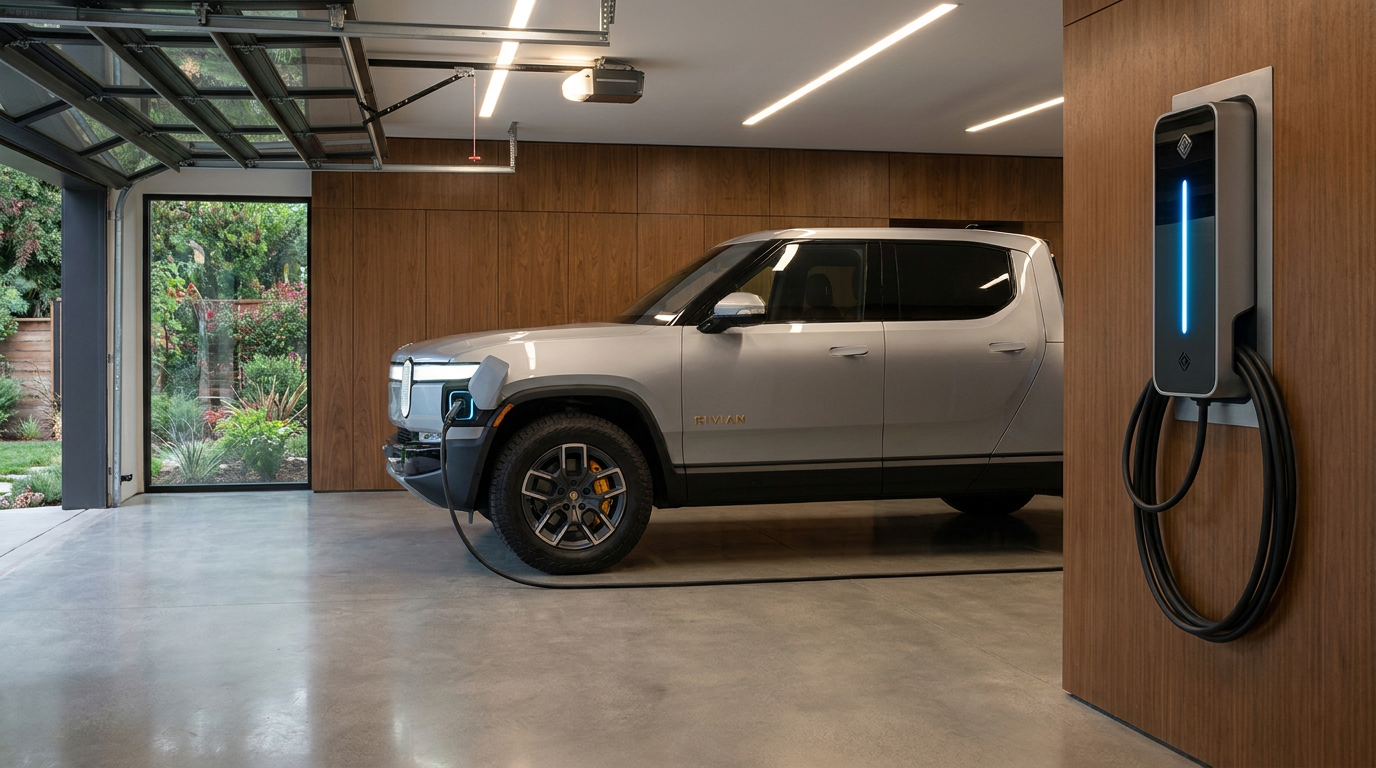
The physical mechanism that makes this possible is the bidirectional charger. The electrical grid distributes power using alternating current (AC), but electric vehicles store energy in their batteries as direct current (DC). During a standard charging session, a converter changes the grid's AC power into DC. A bidirectional charger contains a sophisticated internal inverter that can reverse this process, taking the DC power stored in the EV's battery and converting it back into AC power that is synchronized with the grid's specific voltage and frequency.[1][2]
Hardware alone is not enough; V2G requires a complex layer of software and communication protocols to function safely. Standards like ISO 15118 and the Open Charge Point Protocol (OCPP) act as the digital translators between the vehicle, the charging station, and the broader utility network. These systems continuously monitor grid conditions, allowing the charger to respond to frequency deviations or voltage drops within milliseconds, ensuring that the energy transfer is both seamless and secure.[1][7]
Hardware alone is not enough; V2G requires a complex layer of software and communication protocols to function safely.
The sheer scale of the energy resource locked inside modern EVs is staggering. An average electric vehicle features a battery capacity of roughly 60 kilowatt-hours (kWh). To put that in perspective, that is approximately six times larger than a standard 10 kWh home solar battery, and contains enough energy to power an average household for several days. When multiplied by millions of vehicles, the aggregate storage capacity dwarfs the world's largest stationary battery facilities.[2]

For grid operators, this distributed network of batteries is a game-changer. By enrolling participating EV owners into a Virtual Power Plant (VPP), utilities can remotely manage thousands of plugged-in vehicles as a single, massive energy reserve. When the frequency of the electrical network drops below safe levels, these aggregated fleets can instantly discharge power to provide "synthetic inertia," buffering the inherent volatility of renewable energy sources like wind and solar, which fluctuate with the weather.[3][6]
Crucially, widespread V2G adoption offers a viable pathway to retiring fossil-fuel infrastructure. Electricity demand typically peaks in the early evening, exactly when solar power generation drops off. To meet this surge, utility companies historically rely on "peaker plants"—inefficient, highly polluting gas facilities that are expensive to operate. By discharging energy from millions of EVs during these critical evening hours, grid operators can shave the peak off the demand curve, significantly reducing carbon emissions and overall energy costs.[1][6]

The financial model of V2G is designed to make participation highly attractive for consumers. Because electricity prices fluctuate based on demand, EV owners can program their vehicles to charge late at night when power is cheap and abundant. During peak evening hours, the system automatically sells a portion of that stored energy back to the grid at a premium rate. Through these arbitrage programs, drivers can earn direct monetary compensation or substantial discounts on their utility bills, effectively getting paid to park their cars.[4][7]
The underlying bidirectional technology also unlocks localized benefits that don't involve the broader grid. Vehicle-to-Home (V2H) allows an EV to act as an emergency backup generator, powering a house seamlessly during a blackout or severe weather event. Meanwhile, Vehicle-to-Load (V2L) enables drivers to plug standard 120-volt appliances directly into their cars, providing a mobile power source for camping equipment, power tools at a job site, or emergency medical devices.[3][4]
Despite the immense promise, the industry still faces hurdles, chief among them being consumer anxiety over battery degradation. EV batteries are expensive, and their lifespan is tied to the number of charge and discharge cycles they undergo. While automakers and software providers insist that smart energy management systems limit the depth of discharge to protect battery chemistry, some owners remain hesitant to subject their vehicles to extra wear unless the financial incentives clearly outweigh the potential risks to their warranties.[7]

Furthermore, the upfront cost of the necessary infrastructure remains a barrier to entry. Because bidirectional chargers require advanced power electronics to handle the complex DC-to-AC inversion safely, they are currently significantly more expensive than standard Level 2 home chargers. While economies of scale and government subsidies are expected to drive prices down over time, the initial investment can deter early adopters from outfitting their garages with V2G capabilities.[2][7]
Nevertheless, the trajectory for 2026 and beyond is clear. As major automakers standardize bidirectional hardware across their fleets, and as regulatory bodies continue to dismantle the bureaucratic hurdles that penalize energy sharing, the pieces are falling into place. Vehicle-to-Grid technology is maturing from an experimental novelty into a critical pillar of grid modernization, promising a future where our cars not only drive us forward but keep the lights on behind us.[5][8]
How we got here
2024
Automakers like Ford and Nissan begin rolling out early bidirectional-capable models, proving the hardware's viability at scale.
June 2025
Maryland adopts the first comprehensive V2G interconnection rules in the United States, launching residential aggregation pilots.
November 2025
The German Parliament officially amends its Energy Industry Act to abolish double grid fees for bidirectional charging.
January 2026
Germany's grid-fee relief takes effect, removing the primary financial barrier and making V2G economically viable for consumers.
April 2026
New technical frameworks roll out across European markets, allowing V2G integration without the need for complex secondary metering.
Viewpoints in depth
Grid Operators & Utilities
Utility companies view V2G as a critical tool for stabilizing the grid and integrating volatile renewable energy.
For those managing the electrical grid, the transition to renewable energy presents a massive storage problem. Wind and solar power are intermittent, requiring instant backup power when generation drops. Grid operators argue that building massive, stationary battery farms is expensive and slow. Instead, they view the millions of EVs already being manufactured as a ready-made, decentralized storage network. By tapping into these vehicles during peak demand, utilities can avoid firing up costly and polluting gas peaker plants, ultimately lowering the operational costs of the entire energy system.
Consumer & EV Owner Advocates
Drivers are focused on the financial incentives and home-resilience benefits, while remaining cautious about battery wear.
From the consumer perspective, V2G represents a shift from vehicle ownership as a sunk cost to a potential revenue stream. Advocates highlight the empowerment of Vehicle-to-Home (V2H) capabilities, which provide critical resilience during increasingly common extreme weather blackouts. However, consumer protection groups emphasize that participation must be financially worthwhile. They argue that utility compensation rates must be high enough to offset the premium cost of bidirectional chargers and the potential long-term degradation of the vehicle's battery from increased cycling.
Automakers & Infrastructure Providers
Manufacturers are focused on standardizing hardware and software protocols to make bidirectional charging seamless.
The companies building the cars and chargers are pushing for universal standards to ensure interoperability across the industry. Automakers emphasize that without standardized communication protocols like ISO 15118, the V2G ecosystem will remain fragmented. They are actively lobbying governments to remove regulatory barriers—such as double taxation on energy sharing—to create a viable business case for consumers. For manufacturers, integrating bidirectional hardware is becoming a key competitive differentiator, transforming their vehicles into holistic energy management hubs.
What we don't know
- How quickly the upfront costs of complex bidirectional chargers will fall to match standard home charging equipment.
- The exact long-term impact of daily V2G cycling on the degradation curves of next-generation solid-state EV batteries.
- Whether utility companies across all regions will offer compensation rates high enough to incentivize mass consumer participation.
Key terms
- Bidirectional Charging
- A technology that allows electrical energy to flow both into an electric vehicle's battery for charging and out of it to power external loads or the grid.
- Virtual Power Plant (VPP)
- A cloud-based network that aggregates thousands of decentralized energy resources, like EV batteries, to operate collectively as a single, massive power plant.
- Inverter
- A crucial hardware component within a bidirectional charger that converts the direct current (DC) stored in a battery into the alternating current (AC) used by the electrical grid.
- Synthetic Inertia
- The ability of fast-responding battery systems to instantly inject power into the grid to stabilize its frequency when there is a sudden drop in energy supply.
- Peaker Plant
- A power plant, typically fueled by natural gas, that only operates during times of peak electricity demand and is generally expensive and highly polluting.
Frequently asked
What is the difference between V2G and V2H?
Vehicle-to-Grid (V2G) sends stored energy from the car back to the broader electrical network to support the grid. Vehicle-to-Home (V2H) isolates the power flow, using the car's battery solely to power a single residence, typically during a blackout.
Will bidirectional charging ruin my EV battery?
While frequent charging and discharging cycles can increase wear, modern smart energy management systems strictly limit the depth of discharge. This ensures the battery remains within safe operating parameters to protect its long-term health and warranty.
Do I need a special charger to use V2G?
Yes. Standard Level 1 and Level 2 chargers only flow power in one direction. V2G requires a specialized bidirectional charger equipped with an internal inverter to convert the car's DC battery power back into AC power for the grid.
Can I make money using V2G technology?
Yes. By participating in a Virtual Power Plant (VPP) program, utility companies will compensate you for the energy your vehicle provides during peak demand hours, either through direct payments or discounts on your electricity bill.
Sources
Source coverage
8 outlets
3 viewpoints surfaced








[1]EV Infrastructure NewsAutomakers & Infrastructure Providers
Vehicle-to-Grid technology: How bidirectional charging works
Read on EV Infrastructure News →[2]Clean Energy ReviewsConsumer & EV Owner Advocates
V2G Explained - Benefits of Vehicle-to-grid Technology
Read on Clean Energy Reviews →[3]VirtaGrid Operators & Utilities
Vehicle-to-Grid (V2G): Everything you need to know
Read on Virta →[4]EdmundsConsumer & EV Owner Advocates
What Is Bidirectional Charging and How Does It Work?
Read on Edmunds →[5]The Mobility HouseAutomakers & Infrastructure Providers
German Parliament removes barrier to bidirectional charging
Read on The Mobility House →[6]MontaGrid Operators & Utilities
Vehicle-to-Grid (V2G)
Read on Monta →[7]ZENCARAutomakers & Infrastructure Providers
Vehicle To Grid - The Ultimate Guide to EV Energy Integration in 2026
Read on ZENCAR →[8]Nuvve Holding Corp.Grid Operators & Utilities
2026 Outlook on V2G Support for Energy Management Battery
Read on Nuvve Holding Corp. →

More in automotive
See all 12 stories →Battery Tech
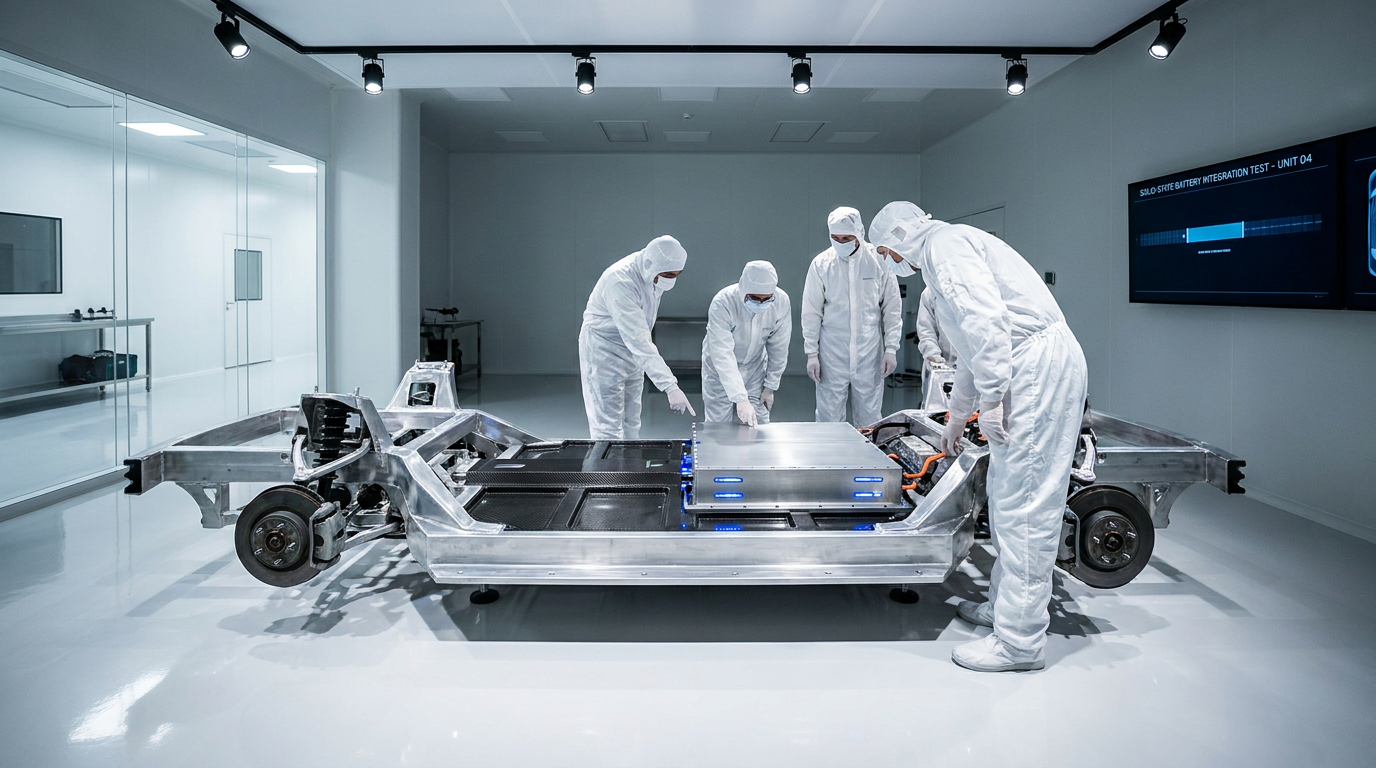
Solid-State Batteries Hit the Road: How the Next Generation of EVs Actually Works
0 sources
EV Market
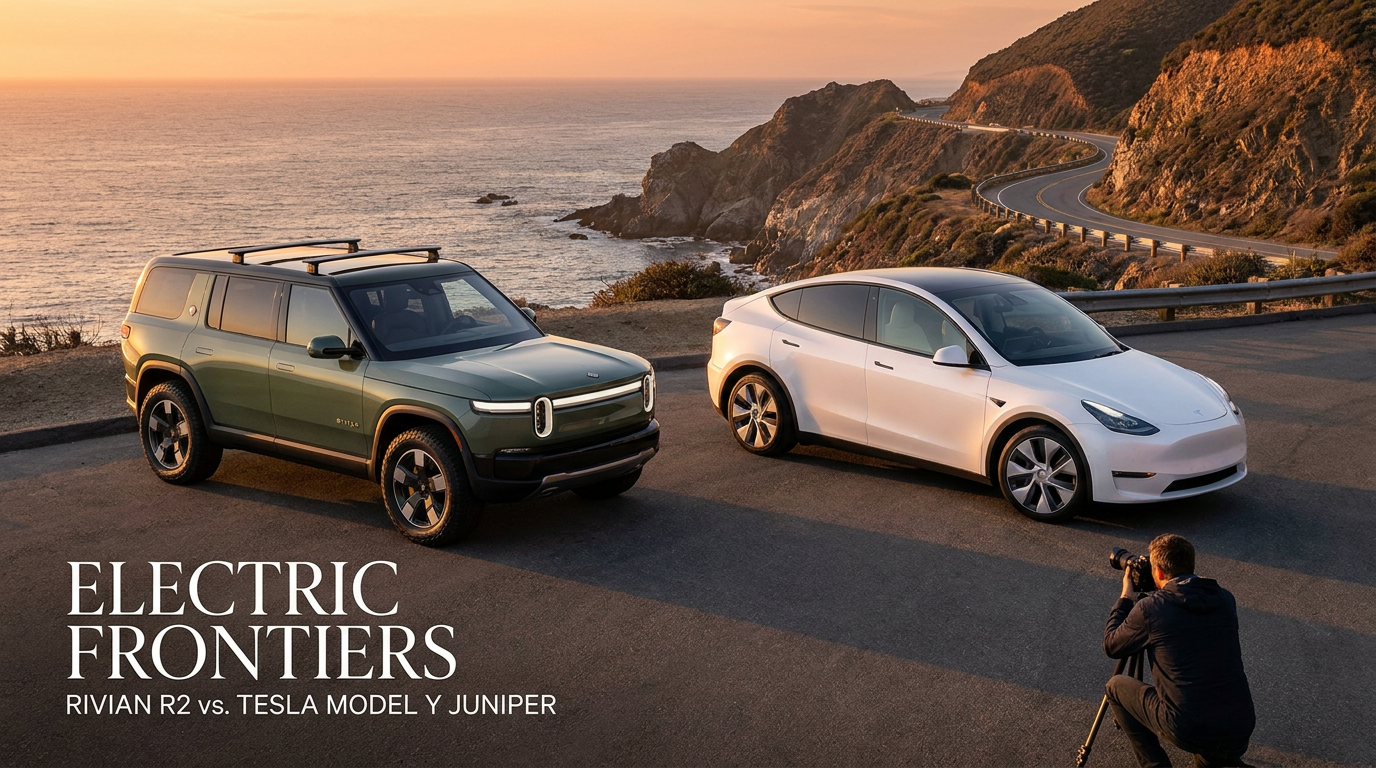
2026 Rivian R2 vs. Tesla Model Y: Choosing the Right Midsize Electric SUV
0 sources
Motorcycle Tech
How Radar and AI Are Making Motorcycles Safer Than Ever
0 sources

Battery Tech
How Solid-State Batteries Are Rewriting the Rules of Electric Vehicles
0 sources

Every angle. Every day.
Get automotive stories with full source coverage and perspective breakdowns delivered to your inbox.