
Understanding the Secret U.S.-Iran Accord and the Strait of Hormuz Dispute
A tentative short-term truce has paused U.S.-Iran hostilities, but skepticism over nuclear concessions and a looming dispute over commercial shipping tolls in the Strait of Hormuz threaten to complicate the global economic rebound.
By Factlen Editorial Team
- U.S. Administration & Intelligence
- Focuses on securing nuclear concessions and maintaining maximum pressure, highly skeptical of Iranian compliance.
- Global Energy & Trade Sector
- Prioritizes the immediate resumption of unimpeded oil flows and the stabilization of global markets over long-term geopolitical posturing.
- International Legal Community
- Concerned with upholding the UNCLOS framework and preventing the establishment of illegal maritime tolls that could be replicated globally.
What's not represented
- · Iranian Domestic Public
- · Oman Maritime Authorities
- · Independent Shipping Insurers
Why this matters
The Strait of Hormuz is the transit point for roughly 25% of the world's seaborne oil trade, meaning any disruption or new toll system directly impacts global energy prices. For American consumers, the resolution of this conflict will dictate whether gasoline prices and everyday goods stabilize ahead of the midterm elections.
Key points
- The U.S. and Iran have entered a short-term truce, but the terms of a permanent peace deal remain entirely secret.
- CIA Director John Ratcliffe has reportedly expressed intelligence-backed doubts regarding Iran's willingness to make structural nuclear concessions.
- Iran is considering charging service fees for commercial vessels transiting the Strait of Hormuz, a critical chokepoint for global oil.
- International maritime law prohibits transit tolls, setting up a legal clash that could sustain high global energy prices.
The United States and Iran have entered a fragile, short-term truce, pausing a period of intense military confrontation that has severely disrupted regional stability and sent shockwaves through global energy markets. Yet, the specific terms of this preliminary agreement remain entirely secret, leaving international observers, allied nations, and commodity traders in a state of anxious limbo. The transition from a temporary ceasefire to a permanent, formalized peace deal is fraught with diplomatic hurdles, as neither side has publicly committed to the binding frameworks required to ensure long-term de-escalation in the Middle East. Without public transparency, the durability of the pause remains an open question for global markets.[2]
The core of the current diplomatic uncertainty lies in the ambitious scope of the proposed long-term accord. The Trump administration is reportedly seeking sweeping and verifiable nuclear concessions from Tehran, aiming to permanently dismantle the infrastructure that could lead to weaponization. However, the exact parameters of these demands—and Iran's willingness to entertain them after months of hostilities—are unknown. Without a transparent roadmap, analysts warn that the truce may simply serve as a tactical pause rather than a genuine pivot toward lasting peace. The lack of a finalized text means that both nations are operating on a precarious foundation of mutual suspicion.[2]
Internal divisions within the United States government are already surfacing, complicating the administration's negotiating posture and casting a shadow over the diplomatic process. CIA Director John Ratcliffe has reportedly briefed President Trump and other senior national security officials, expressing serious, intelligence-backed doubts about Iran's genuine intentions. According to sources familiar with the classified discussions, the intelligence community remains highly skeptical that Tehran is actually prepared to make the structural, irreversible nuclear concessions that the U.S. is demanding as the baseline for any final, comprehensive deal. This intelligence assessment presents a major hurdle for diplomats attempting to finalize the treaty.[1]

Director Ratcliffe's skepticism is not an isolated perspective within the administration's upper echelons. Key cabinet members, including Secretary of State Marco Rubio, reportedly share deep concerns that the Iranian government may be utilizing the diplomatic pause to regroup and fortify its positions rather than negotiating in good faith. This internal friction highlights the immense difficulty of forging a diplomatic breakthrough when the foundational trust between the two adversaries—and even within the U.S. national security apparatus—is virtually nonexistent. The administration must now balance the desire for a historic peace agreement with the stark warnings emanating from its own intelligence agencies.[1]
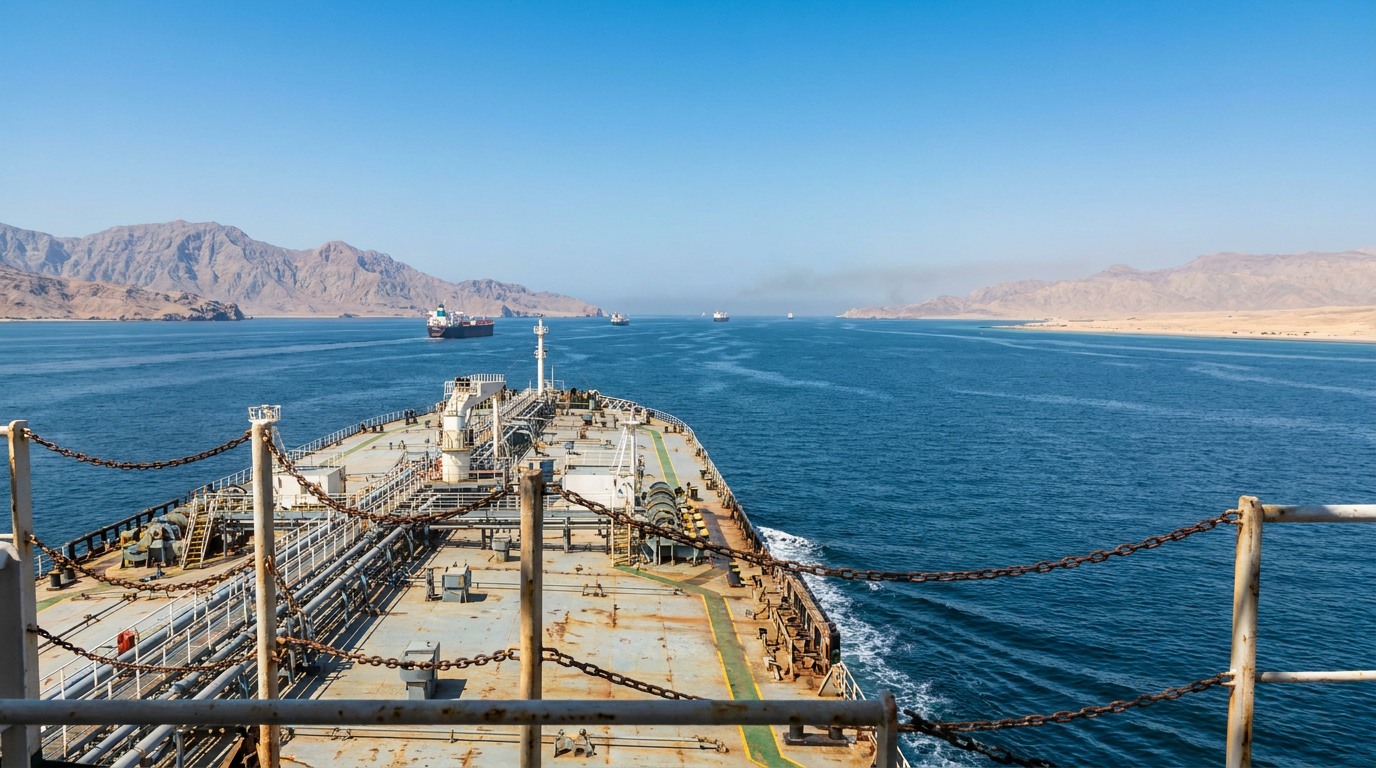
Beyond the highly publicized nuclear question, a massive economic and logistical sticking point threatens to unravel the fragile peace: the status of the Strait of Hormuz. This 21-mile-wide waterway, connecting the Persian Gulf to the Gulf of Oman and the open ocean, is universally recognized as the world's most critical energy chokepoint. The strait has long served as a maritime flashpoint, with Iran historically leveraging its geographic proximity to threaten closures or disruptions as an asymmetric response to Western sanctions and military pressure. Securing this waterway is considered just as vital to global stability as resolving the nuclear standoff.[7]
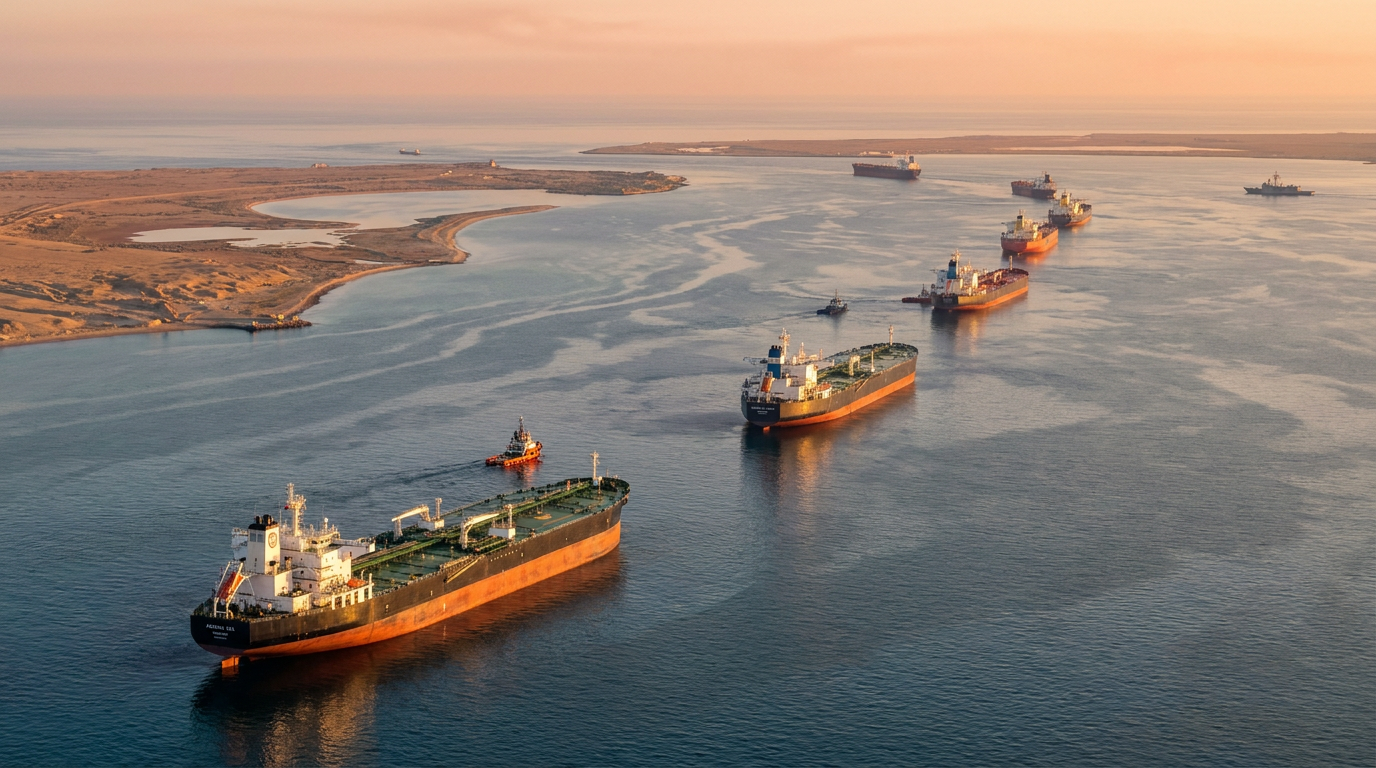
The sheer volume of trade dependent on this narrow channel underscores its global importance. According to the International Energy Agency, approximately 20 million barrels of crude oil and petroleum products flow through the Strait of Hormuz every single day. This staggering figure represents roughly 25 percent of all global seaborne oil trade. Because alternative pipeline routes are limited and cannot absorb the full capacity of the strait, the waterway acts as the undisputed jugular vein of the global energy economy. Any prolonged disruption to this flow has the immediate potential to trigger a worldwide energy crisis and severe economic contraction.[5]

The sheer volume of trade dependent on this narrow channel underscores its global importance.
During the recent peak of hostilities, commercial shipping traffic through the strait plummeted dramatically as insurers pulled coverage and shipping conglomerates rerouted their fleets to avoid the crossfire. This sudden contraction caused a severe supply shock, driving up global energy prices. Now, as the truce takes hold and commercial vessels tentatively prepare to resume normal operations, a new legal and economic battle is brewing over whether the Iranian government will attempt to monetize the passage by charging a toll. The resolution of this specific dispute will directly dictate the speed at which global supply chains can recover.[7]
Iran has recently floated the possibility of imposing mandatory fees on commercial ships navigating the strait, a move that would fundamentally alter the economics of global shipping. Under the United Nations Convention on the Law of the Sea (UNCLOS), straits used for international navigation are governed by the right of "transit passage." This legal doctrine mandates that all ships and aircraft enjoy the freedom of navigation solely for the purpose of continuous and expeditious transit, without being hampered or suspended by the coastal states bordering the strait. Upholding this principle is a cornerstone of international maritime law.[6]
The legal framework of UNCLOS strictly prohibits coastal states from levying tolls or taxes on foreign vessels simply for the act of navigating through the waters. However, international maritime law does contain a crucial caveat: states are permitted to charge fees as payment for specific services rendered to the ships. This could theoretically include provisions for search and rescue readiness, specialized navigational aids, or enhanced maritime security patrols, creating a complex legal gray area that Tehran appears eager to exploit. The interpretation of what constitutes a legitimate service versus an illegal toll is now a central diplomatic battleground.[3][6]
The ambiguity lies entirely in what specific "services" Iran might claim to provide to justify these new fees. Prior to the outbreak of the 2026 conflict, no such transit fees were charged to commercial vessels passing through the Strait of Hormuz. If Tehran successfully rebrands a mandatory toll as a required service fee, it would set a dangerous precedent that could upend established maritime law, artificially inflate shipping costs, and trigger immediate diplomatic and economic pushback from the United States and its allies. Shipping companies are currently awaiting clear guidance before committing their fleets to the route.[3]
The economic stakes of this maritime dispute are immense for the United States domestic economy. President Trump has repeatedly promised the American public a rapid and robust economic rebound following the cessation of overseas hostilities. However, this projected recovery is heavily predicated on the swift normalization of global energy markets and the unimpeded flow of petroleum products, which directly dictate the cost of manufacturing, transportation, and everyday consumer goods. A failure to secure free navigation through the strait would severely undermine the administration's domestic economic agenda and prolong the financial strain on American households.[4]

If the Strait of Hormuz remains a contested zone, or if new Iranian tolls artificially inflate the baseline cost of global shipping, gasoline prices could remain elevated for months to come. This sustained inflationary pressure poses a significant political challenge for the White House. With the midterm elections rapidly approaching, the administration faces immense pressure to deliver on its economic promises, making the resolution of the Hormuz dispute just as critical as the nuclear negotiations. Voters are closely watching the pump prices as a primary indicator of the administration's foreign policy success.[4]
Ultimately, the success and durability of the U.S.-Iran accord hinge on resolving these deeply intertwined crises. The administration must find a way to verify stringent nuclear compliance to satisfy a highly skeptical U.S. intelligence community, while simultaneously ensuring unimpeded, toll-free access through the Strait of Hormuz. Failure on either front threatens to collapse the truce, reignite regional conflict, and plunge the global economy back into a state of volatile uncertainty. As diplomats continue to negotiate in secret, the global economy waits to see if this pause in hostilities can be translated into a durable, enforceable peace.[8]
How we got here
Early 2026
Hostilities escalate between the U.S. and Iran, leading to severe disruptions in commercial shipping through the Strait of Hormuz.
May 2026
A short-term, secret truce is brokered, pausing direct military confrontation and allowing limited shipping to resume.
June 15, 2026
Reports emerge that CIA Director John Ratcliffe has briefed the President on intelligence doubting Iran's willingness to make nuclear concessions.
Mid-June 2026
Debates surface regarding Iran's potential plan to levy controversial service fees on commercial vessels transiting the strait.
Viewpoints in depth
U.S. Intelligence Assessment
Argues that Iran is using the truce to buy time and will not make genuine nuclear concessions.
Skeptics within the U.S. intelligence apparatus, led by CIA Director John Ratcliffe, view the current truce as a tactical maneuver by Tehran rather than a strategic shift. They point to historical patterns of Iranian diplomacy where pauses in conflict were utilized to fortify nuclear infrastructure and regroup military assets. From this perspective, any final deal that lacks highly intrusive, unrestricted verification mechanisms will ultimately fail to prevent weaponization, making the current negotiations a potentially dangerous delay.
Energy Market Perspective
Focuses on the immediate need to secure the Strait of Hormuz to prevent sustained global inflation.
For global commodity traders and shipping conglomerates, the geopolitical nuances of the nuclear deal are secondary to the physical security of the Strait of Hormuz. This camp argues that even the threat of illegal tolls or minor maritime harassment is enough to keep insurance premiums sky-high and energy markets volatile. They advocate for an immediate, ironclad guarantee of free navigation under UNCLOS, warning that without it, the promised economic rebound will be entirely derailed by sustained supply chain shocks.
Maritime Law Advocates
Emphasizes the necessity of upholding UNCLOS to prevent a cascade of illegal tolls in global chokepoints.
International legal experts warn that allowing Iran to levy 'service fees' for transit passage would create a disastrous precedent. If Tehran successfully exploits this loophole, other coastal states bordering critical chokepoints—such as the Strait of Malacca or the Bab el-Mandeb—could implement similar tolls. This camp argues that the U.S. and its allies must categorically reject any Iranian attempt to monetize the strait, as conceding on this point would fundamentally undermine the freedom of navigation that underpins the modern global economy.
What we don't know
- The specific nuclear concessions the Trump administration is demanding in exchange for a permanent peace treaty.
- Whether Iran will officially implement mandatory service fees for commercial vessels in the Strait of Hormuz.
- How shipping conglomerates and international insurers will respond if the waterway remains legally contested.
Key terms
- Transit Passage
- A principle of international maritime law that allows vessels the freedom of navigation through international straits without impediment or suspension by coastal states.
- UNCLOS
- The United Nations Convention on the Law of the Sea, an international treaty that establishes a comprehensive legal framework for all marine and maritime activities.
- Chokepoint
- A narrow geographical feature, such as a strait or canal, that is critical for global trade and can cause severe economic disruption if blocked.
- Supply Shock
- An unexpected event that suddenly changes the supply of a product or commodity, resulting in a rapid change in price.
Frequently asked
What is the Strait of Hormuz?
It is a 21-mile-wide waterway connecting the Persian Gulf to the open ocean, serving as the transit point for roughly 25 percent of the world's seaborne oil trade.
Can Iran legally charge a toll for ships passing through?
Under the UN Convention on the Law of the Sea, countries cannot charge tolls simply for passage, but they can charge fees for specific services rendered, creating a legal gray area that Iran may attempt to exploit.
Why is the U.S. intelligence community skeptical of the peace deal?
CIA Director John Ratcliffe has cited intelligence suggesting Iran is unwilling to make the structural nuclear concessions required by the U.S. for a final, comprehensive agreement.
How does the Hormuz dispute affect the U.S. economy?
Disruptions or new tolls in the strait increase global oil prices, which directly translates to higher gasoline prices and sustained inflation for American consumers.
Sources
Source coverage
8 outlets
3 viewpoints surfaced






[1]AxiosU.S. Administration & Intelligence
Scoop: CIA director doubts Iran's intentions on deal, sources say
Read on Axios →[2]The New York TimesGlobal Energy & Trade Sector
The (Mostly) Unanswered Questions at the Heart of a U.S.-Iran Accord
Read on The New York Times →Will Commercial Ships Have to Pay to Pass Through the Strait of Hormuz? Maybe.
Read on The New York Times →Potential End of War Tests Trump’s Promise of Quick Economic Rebound
Read on The New York Times →[5]International Energy AgencyGlobal Energy & Trade Sector
Strait of Hormuz - Assessing the threat to oil flows
Read on International Energy Agency →[6]United NationsInternational Legal Community
UNCLOS Part III: Straits Used for International Navigation
Read on United Nations →[7]Council on Foreign RelationsInternational Legal Community
The Strait of Hormuz: A U.S.-Iran Maritime Flash Point
Read on Council on Foreign Relations →[8]Factlen Editorial TeamU.S. Administration & Intelligence
Synthesis by Factlen editorial team
Read on Factlen Editorial Team →
Every angle. Every day.
Get news politics stories with full source coverage and perspective breakdowns delivered to your inbox.