
U.S. and Iran Reach Agreement to End Hostilities as Naval Blockade Lifts
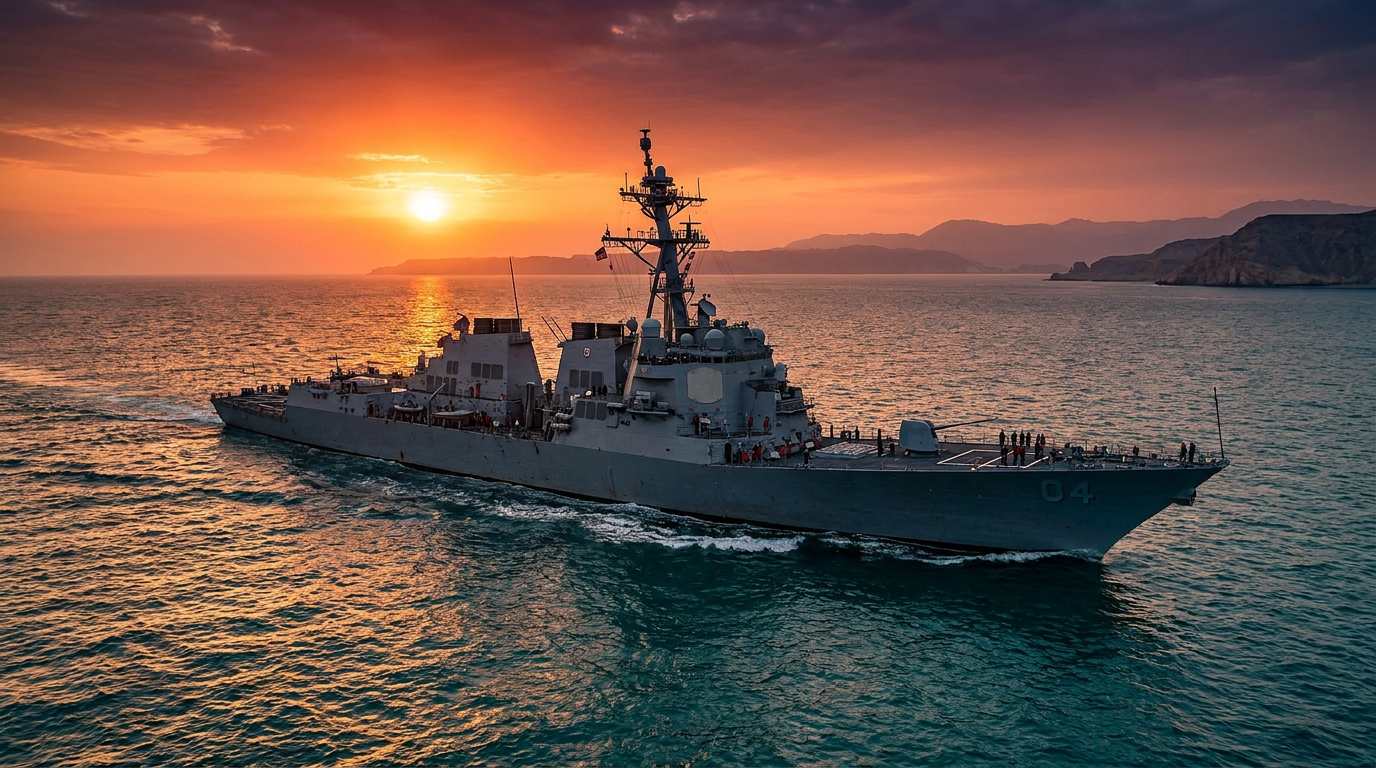
President Trump has electronically signed a Memorandum of Understanding with Tehran to halt the conflict, prompting the U.S. to lift its naval blockade in the Strait of Hormuz.
By Factlen Editorial Team
- U.S. Administration
- Views the MoU as a historic diplomatic victory that successfully halts a dangerous regional war and reopens critical global trade routes.
- Israeli Leadership
- Considers the U.S.-Iran deal a premature concession that fails to neutralize regional threats, necessitating continued independent military action.
- U.S. Lawmakers
- Expresses deep skepticism and frustration over the lack of transparency, demanding congressional oversight of the unreleased agreement.
- Energy Markets
- Reacts with cautious optimism to the unblocking of the Strait of Hormuz, while warning that supply chain damage will take months to repair.
What's not represented
- · Iranian domestic political factions
- · Lebanese civilian and government leadership
- · European and Asian oil importers
Why this matters
The end of direct hostilities between the U.S. and Iran removes an immediate threat of regional war and reopens the world's most critical oil chokepoint. However, Israel's refusal to withdraw from Lebanon and the delayed recovery of global energy supply chains mean the economic and geopolitical fallout will persist for months.
Key points
- President Trump and Tehran electronically signed an MoU to end direct military hostilities.
- The U.S. has lifted its naval blockade, allowing vessels to transit the Strait of Hormuz.
- U.S. lawmakers from both parties report being kept in the dark about the deal's specifics.
- Israel vows to keep its military forces in Lebanon, with Netanyahu stating the struggle continues.
- U.S. fuel prices are expected to take months to normalize due to port bottlenecks and production lags.
The United States and Iran have reached a sudden agreement to halt direct military hostilities, marked by an electronically signed Memorandum of Understanding between Washington and Tehran. The breakthrough has triggered the immediate lifting of the U.S. naval blockade in the Strait of Hormuz, allowing Iranian vessels to resume transit through the critical maritime chokepoint.[2][6]
The announcement, delivered by President Donald Trump, signals an abrupt de-escalation of a conflict that had severely disrupted global energy markets and threatened to engulf the broader Middle East. While the administration has touted the MoU as a historic step toward regional stability, the exact terms of the electronic agreement remain undisclosed to both the public and key legislative bodies.[2][3][6]
In Washington, the lack of transparency has left U.S. lawmakers scrambling for details. Senators from both parties have largely refrained from praising the deal, citing a complete lack of information regarding the concessions made by either side. Democrats have formally demanded an immediate briefing, while Republicans concede they are similarly in the dark about the administration's unreleased text.[3]

The geopolitical ripple effects of the agreement have been immediate and fiercely contested, particularly in Israel. Prime Minister Benjamin Netanyahu delivered a defiant address to Israelis, declaring that "the struggle has not ended" despite the Washington-Tehran pact.[4]
The geopolitical ripple effects of the agreement have been immediate and fiercely contested, particularly in Israel.
In direct contradiction to the de-escalation framework, Netanyahu confirmed that Israel will maintain its military forces in Lebanon. The decision underscores a widening rift between U.S. diplomatic efforts and Israeli security imperatives, raising the prospect that proxy conflicts will continue to burn even as direct U.S.-Iran engagements cease.[4]
On the economic front, the lifting of the U.S. naval blockade in the Strait of Hormuz—a waterway that handles roughly 20 percent of the world's oil supply—has provided psychological relief to energy markets. Iranian vessels were observed passing through the strait shortly after the blockade was lifted, marking the first normalized maritime traffic in the region since the conflict escalated.[2][5]

However, consumers hoping for immediate relief at the pump will face a prolonged wait. Energy analysts warn that U.S. fuel prices will take "months" to normalize despite the cessation of hostilities. The delay is driven by a combination of severe port bottlenecks, heightened post-conflict demand, and the logistical reality that producers require significant time to ramp up output to pre-war levels.[1][5]
The logistical backlog means that the economic damage of the conflict will outlast the military engagements. Refineries and shipping companies are currently untangling weeks of rerouted supply chains, while insurance premiums for vessels entering the Persian Gulf remain elevated pending sustained proof of safe passage.[1][5]
The durability of the MoU remains the central question for international observers. Because the agreement was signed as a memorandum rather than a formal treaty ratified by the Senate, its long-term binding power is limited. This structural fragility, combined with Israel's ongoing operations in Lebanon, leaves the region in a state of tense transition rather than permanent peace.[3][4]

How we got here
Prior to June 2026
Direct military conflict between the U.S. and Iran leads to a U.S. naval blockade of the Strait of Hormuz.
June 15, 2026
President Trump announces the electronic signing of a Memorandum of Understanding with Tehran.
June 16, 2026
The U.S. lifts its naval blockade, and Iranian vessels resume transit through the Strait of Hormuz.
June 16, 2026
Israeli Prime Minister Benjamin Netanyahu announces forces will remain in Lebanon despite the U.S.-Iran deal.
Viewpoints in depth
U.S. Administration
The executive branch frames the agreement as a historic diplomatic achievement that prevented a broader regional war.
Administration officials are pointing to the immediate reopening of the Strait of Hormuz as proof that their pressure campaign and subsequent electronic MoU have yielded tangible results. By halting direct military engagements, the White House argues it has protected American lives and stabilized a volatile global economy without committing to a protracted ground war.
Israeli Leadership
Israel views the cessation of U.S. hostilities as a premature move that leaves its northern border vulnerable.
Prime Minister Benjamin Netanyahu and his security cabinet argue that an MoU with Tehran does nothing to dismantle the network of proxy forces threatening Israel. By explicitly stating that Israeli forces will remain in Lebanon, the government is signaling that it will not be bound by Washington's de-escalation timeline and will continue preemptive military actions to secure its borders.
U.S. Lawmakers
Congress is unified in its frustration over being bypassed in the negotiation and signing process.
Senators from both sides of the aisle are raising constitutional and strategic concerns about the use of an electronic Memorandum of Understanding rather than a formal treaty. Lawmakers argue that without seeing the text, they cannot assess what concessions were made regarding sanctions relief, nuclear enrichment limits, or regional security guarantees.
Energy Markets
Commodity traders and analysts are balancing the relief of an open waterway against the reality of a damaged supply chain.
While the lifting of the naval blockade immediately lowered the risk premium on Brent crude, industry experts warn that the physical logistics of moving oil remain severely compromised. Port bottlenecks, a backlog of rerouted tankers, and sky-high maritime insurance rates mean that the transition from a wartime energy market to a peacetime one will be slow and expensive.
What we don't know
- The specific terms, concessions, and enforcement mechanisms detailed in the electronically signed MoU.
- How Israel's continued military presence in Lebanon will impact the broader U.S.-Iran de-escalation.
- The exact timeline for when global shipping insurance premiums in the Persian Gulf will return to pre-conflict levels.
Key terms
- Memorandum of Understanding (MoU)
- A formal agreement between two or more parties that establishes a framework for cooperation, though it is often not legally binding like a formal treaty.
- Strait of Hormuz
- A narrow, strategically critical waterway between the Persian Gulf and the Gulf of Oman through which roughly a fifth of the world's oil supply passes.
- Naval Blockade
- An act of war wherein a country uses its naval forces to prevent vessels from entering or leaving another country's ports or coastal waters.
Frequently asked
Has the war between the U.S. and Iran officially ended?
The two nations have signed a Memorandum of Understanding to halt hostilities and the U.S. has lifted its naval blockade, but a formal, permanent peace treaty has not been ratified.
Will gas prices go down immediately?
No. Energy analysts expect it will take months for U.S. fuel prices to normalize due to port bottlenecks and the time required to ramp up oil production.
How is Israel reacting to the agreement?
Israel has strongly opposed the deal, with Prime Minister Netanyahu declaring that the struggle is not over and confirming Israeli forces will remain in Lebanon.
Sources
Source coverage
6 outlets
4 viewpoints surfaced






[1]Al JazeeraEnergy Markets
US fuel prices to take ‘months’ to normalise after US-Iran deal to end war
Read on Al Jazeera →[2]BBCEnergy Markets
Iran war live: Trump says MoU with Tehran signed electronically
Read on BBC →[3]The Washington PostU.S. Lawmakers
In the Dark on U.S.-Iran Deal, Senators Refrain From Praising It
Read on The Washington Post →[4]NYTIsraeli Leadership
Netanyahu Says Israel Will Keep Forces in Lebanon, Despite U.S.-Iran Deal
Read on NYT →[5]ReutersEnergy Markets
Oil markets react cautiously as US lifts naval blockade in Strait of Hormuz
Read on Reuters →[6]Fox NewsU.S. Administration
Trump administration announces historic MoU with Tehran to end conflict
Read on Fox News →
More in news politics
See all 6 stories →Strait of Hormuz
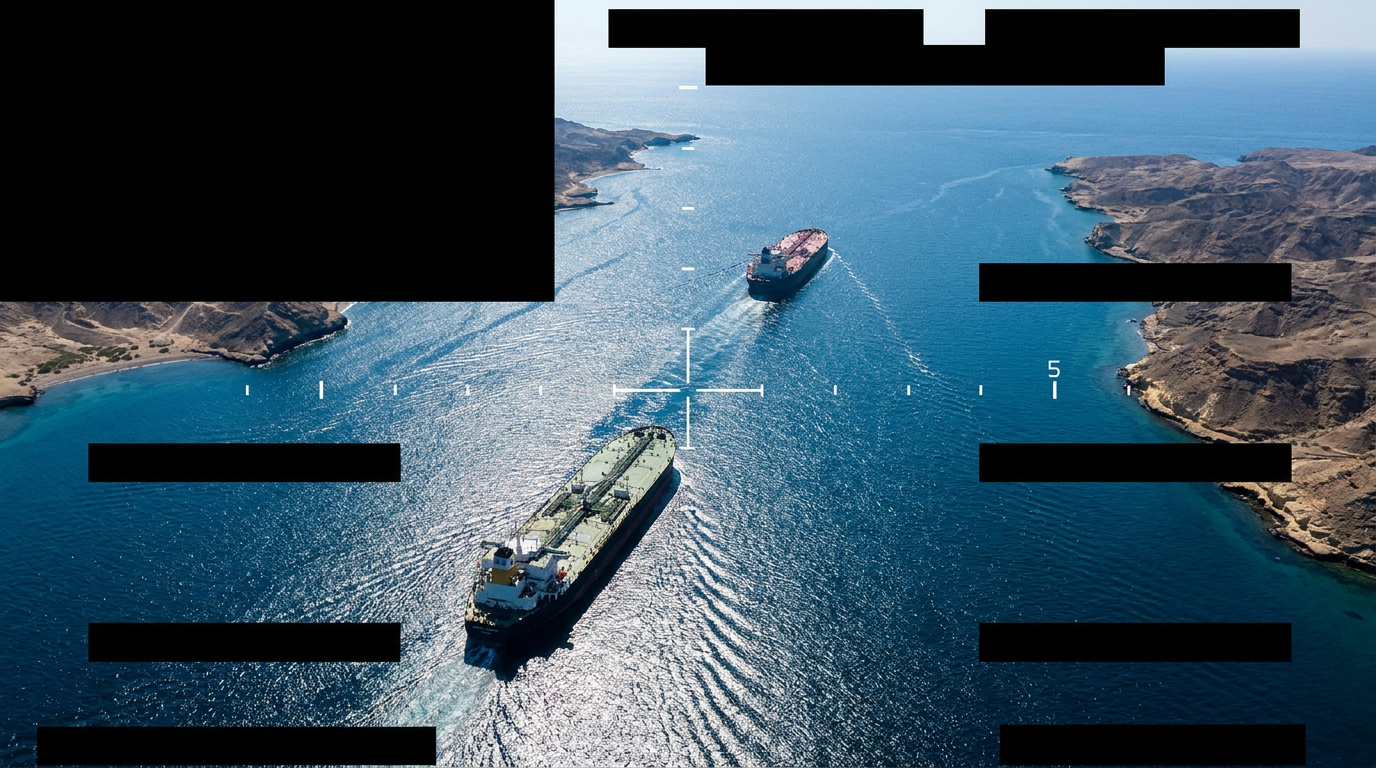
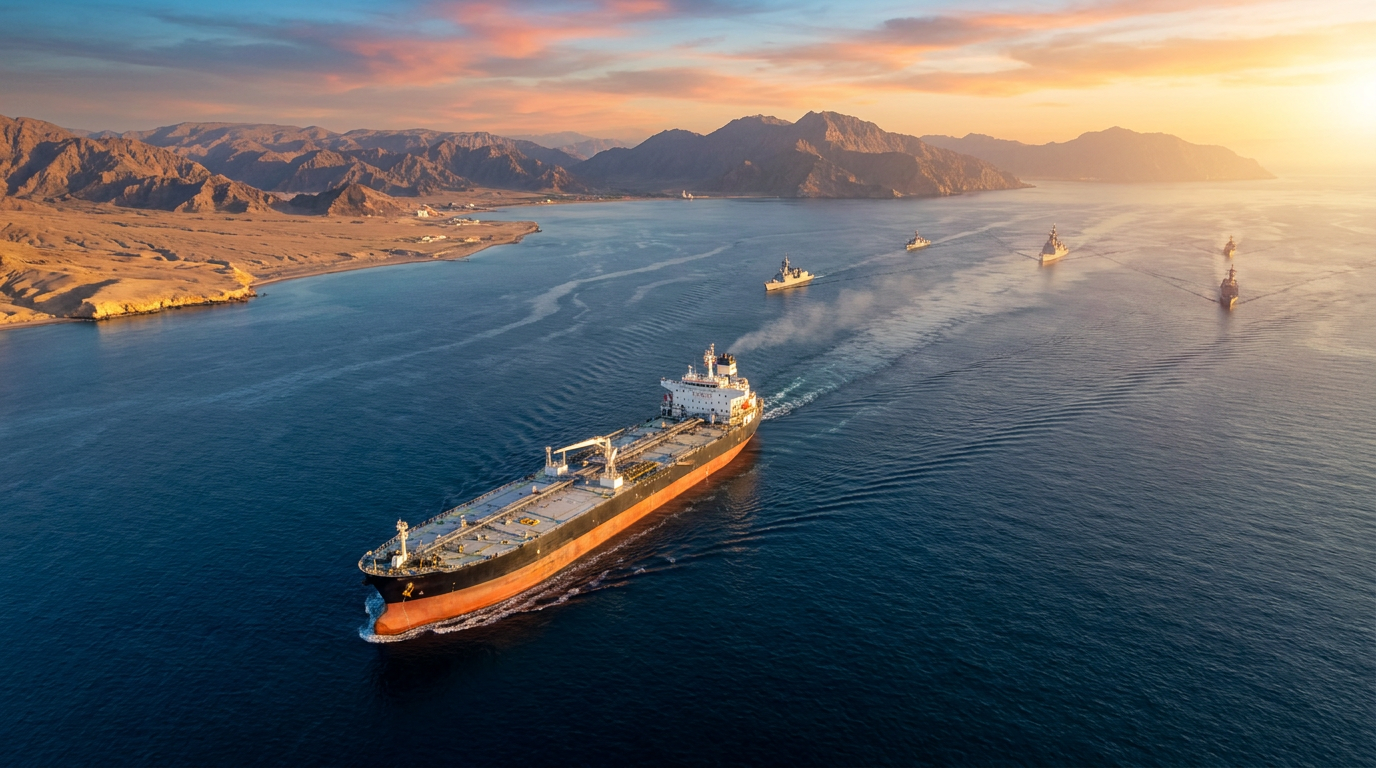
US and Iran Sign Memorandum of Understanding to End War, Reopening Strait of Hormuz
0 sources
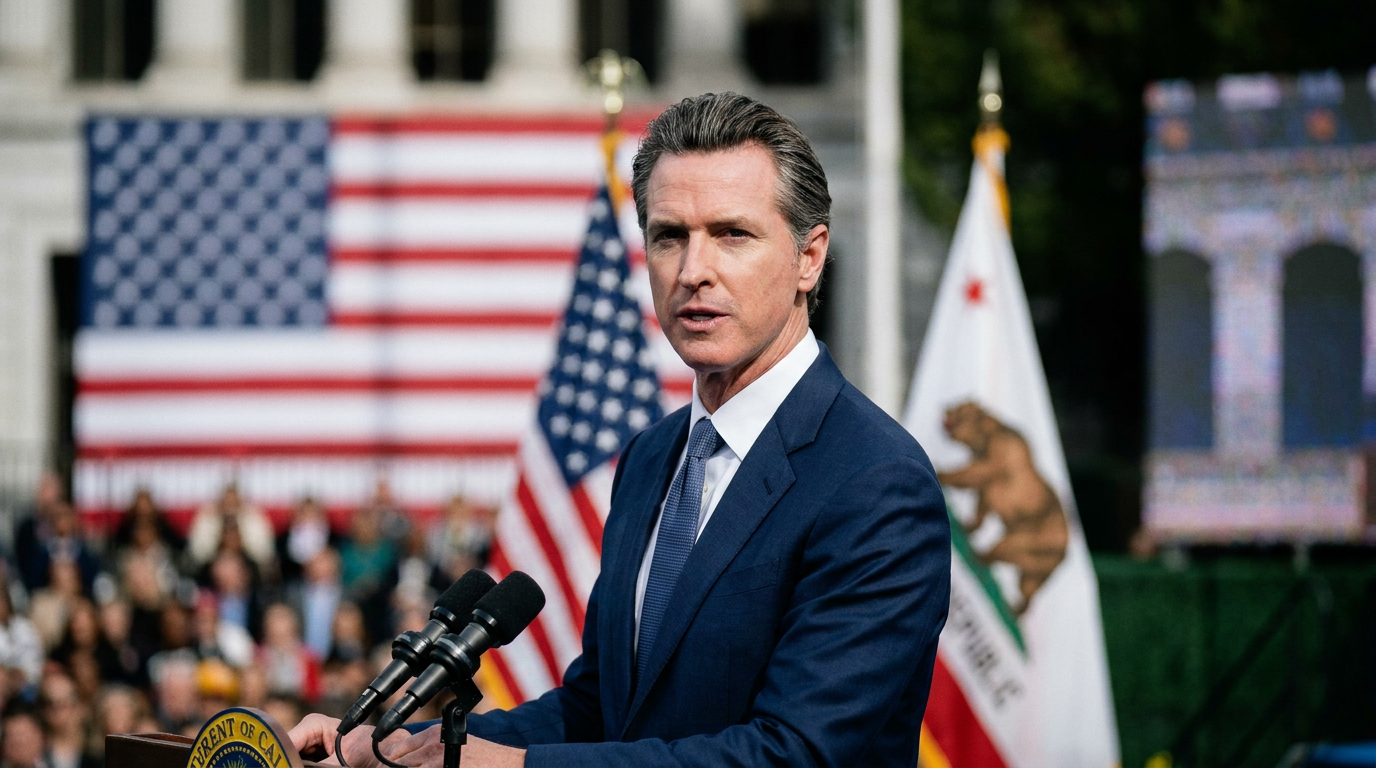
Newsom Probe
California Gov. Gavin Newsom Announces DOJ Investigation Into His Family, Accuses Trump of Political Retribution
0 sources
Mandatory Detention
Supreme Court to Decide if Immigrants Can Be Held Indefinitely Without Bond Hearings
0 sources
Student Loans
Major Federal Student Loan Overhaul Takes Effect July 1: What Borrowers Need to Know
0 sources
Every angle. Every day.
Get news politics stories with full source coverage and perspective breakdowns delivered to your inbox.