
US and Iran Sign Electronic MoU to End Conflict and Reopen Strait of Hormuz
President Trump and Iranian officials have electronically signed a Memorandum of Understanding to halt hostilities, lifting the US naval blockade and reopening the critical Strait of Hormuz to global shipping. The agreement has triggered a global market rally, though regional allies express security concerns over the sudden diplomatic shift.
By Factlen Editorial Team
- US Administration
- Frames the agreement as a pragmatic victory that stabilizes the global economy and ends a costly military engagement.
- Iranian Establishment
- Views the lifting of the naval blockade as a necessary step for economic survival while maintaining internal narratives of resistance.
- Israeli Security Establishment
- Argues the deal prematurely relieves pressure on Tehran without dismantling the proxy networks threatening Israel's borders.
- Global Energy Markets
- Focuses strictly on the uninterrupted flow of hydrocarbons and the logistical realities of reducing maritime risk premiums.
What's not represented
- · Civilians in Lebanon, Syria, and Gaza affected by ongoing regional operations
- · Environmental organizations concerned about the rapid resumption of heavy fossil fuel shipping
Why this matters
The reopening of the Strait of Hormuz directly impacts the cost of global energy, manufacturing, and transportation. For consumers, this agreement signals an eventual drop in inflation and fuel prices, while fundamentally reshaping the security architecture of the Middle East.
Key points
- The US and Iran electronically signed an MoU to halt hostilities and lift the US naval blockade.
- The agreement reopens the Strait of Hormuz, a critical chokepoint for 20% of global oil.
- Global stock markets surged and crude oil prices dropped immediately following the announcement.
- Retail fuel prices will take months to fully normalize due to supply chain bottlenecks.
- Israel rejected the framework, vowing to maintain its military presence in Lebanon, Syria, and Gaza.
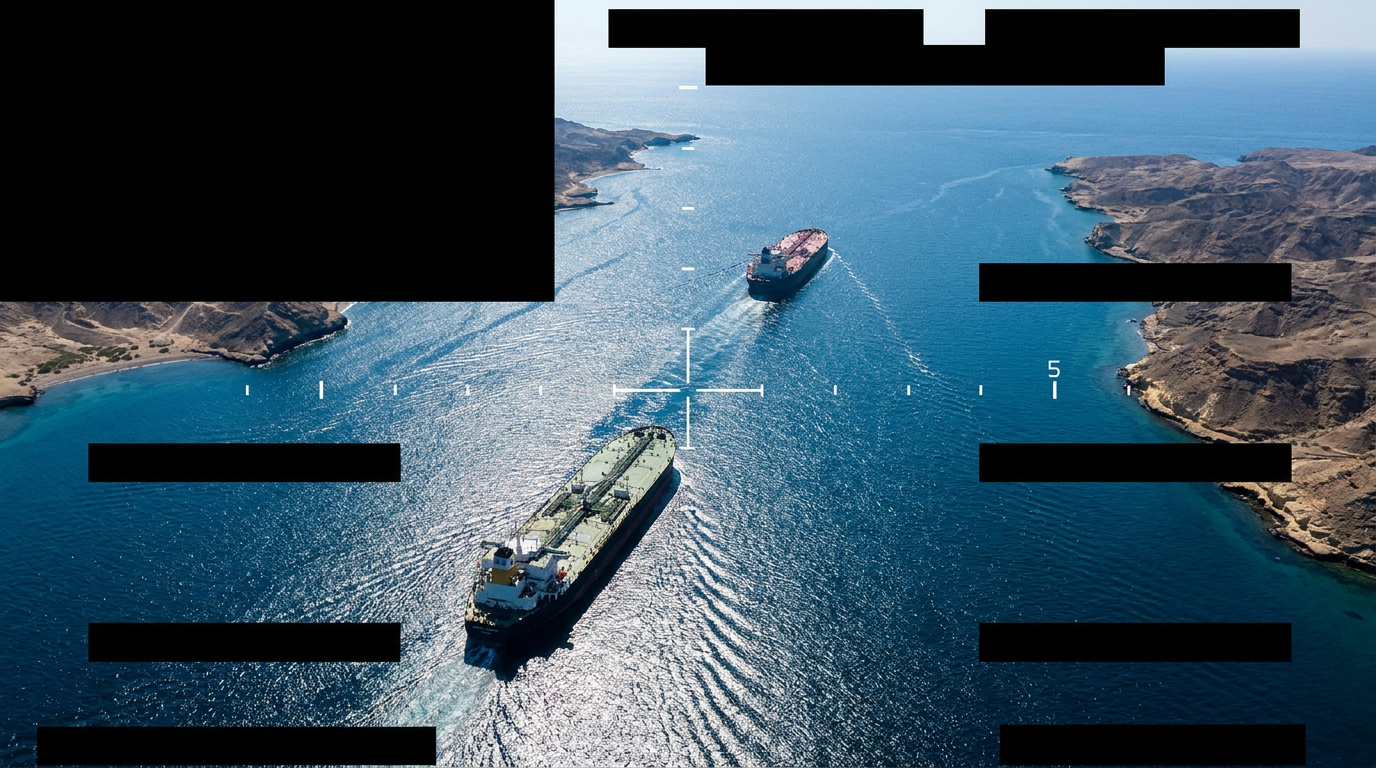
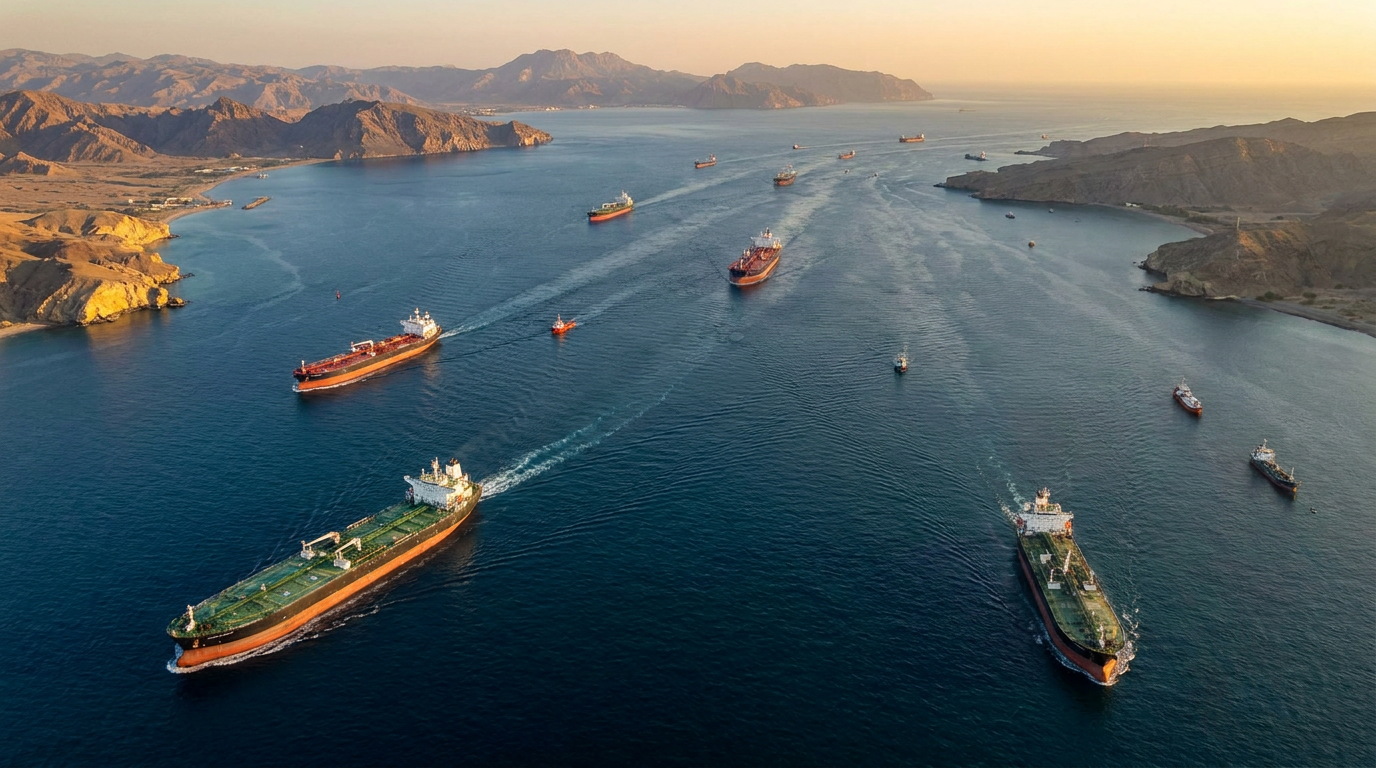
In a sudden diplomatic breakthrough, the United States and Iran have electronically signed a Memorandum of Understanding (MoU) aimed at ending their recent military conflict. President Donald Trump announced the electronic signing, framing it as a historic step to stabilize global markets and end hostilities. The immediate operational result of the MoU is the lifting of the US naval blockade and the reopening of the Strait of Hormuz, a critical maritime chokepoint that Iran had closed to most shipping during the early days of the war.[1][2][7]
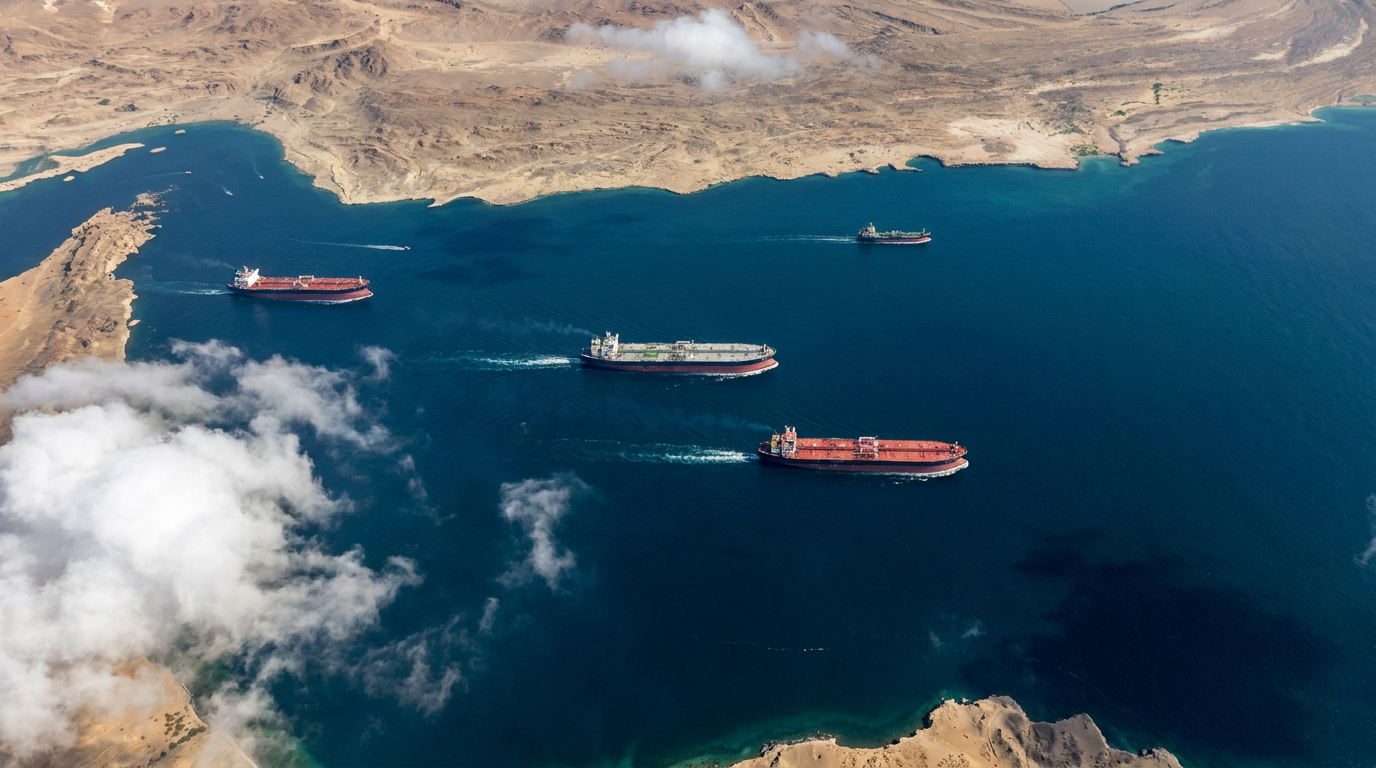
The Strait of Hormuz is arguably the world's most important oil transit chokepoint. Located between Oman and Iran, it connects the Persian Gulf to the Gulf of Oman and the Arabian Sea. Roughly one-fifth of the world's total oil and liquid natural gas consumption passes through this narrow waterway. Its closure had sent shockwaves through the global economy, driving up energy costs and threatening widespread industrial slowdowns.[2]

Financial markets reacted instantly to the news of the waterway's reopening. The benchmark S&P 500 index rose by 1.7 percent, while the tech-heavy Nasdaq jumped 3.1 percent as investors priced in the end of the energy chaos that had gripped the global economy. The prospect of uninterrupted hydrocarbon flows provided immediate relief to sectors heavily dependent on stable energy prices, from logistics to manufacturing.[3]
In the commodities sector, the reaction was equally swift. Brent crude prices tumbled as the geopolitical risk premium that had been baked into oil contracts evaporated. Traders who had been bracing for a protracted closure of the Strait rapidly unwound their positions, leading to a sharp correction in global oil benchmarks. The resumption of commercial shipping through the Strait is viewed as the primary catalyst for this price stabilization.[4][5]

However, the immediate drop in crude oil prices will not translate to instant relief at the gas pump for everyday consumers. Energy analysts caution that US retail fuel prices will likely take months to fully normalize. Producers require significant lead time to ramp up output that was curtailed during the conflict, and existing port bottlenecks will complicate the rapid distribution of newly available supplies.[8]
The diplomatic mechanism used to achieve this ceasefire—an electronically signed MoU—bypassed the traditional, protracted summitry often required for such agreements. By utilizing a digital framework, both Washington and Tehran were able to implement immediate de-escalation measures, specifically the lifting of the naval blockade, before finalizing the granular details of a comprehensive peace treaty. A formal, in-person signing ceremony is reportedly being planned for later in the week.[1][2][7]
The diplomatic mechanism used to achieve this ceasefire—an electronically signed MoU—bypassed the traditional, protracted summitry often required for such agreements.
Inside Iran, the government is framing the agreement as a necessary step for national stability. The secretariat of Iran's Supreme National Security Council issued a statement indicating that war and military operations on all fronts would be halted. This internal messaging is crucial for the Iranian leadership, which must balance the economic necessity of reopening the Strait with the optics of negotiating with the United States.[2]
While the US and Iran move toward de-escalation, the agreement has exposed deep strategic rifts with regional allies, most notably Israel. The Israeli government has expressed profound skepticism regarding the MoU. Prime Minister Benjamin Netanyahu publicly rejected the framework, stating that Israeli forces will maintain their established security zones in occupied Lebanon, Syria, and Gaza, regardless of the agreement between Washington and Tehran.[1][6]

This divergence highlights the limitations of the MoU. While it successfully halts direct US-Iran naval and military engagements, it does not resolve the broader proxy conflicts that have defined the region for decades. Israel's commitment to maintaining its military posture indicates that while the Persian Gulf may see a return to commercial normalcy, the Levant remains highly volatile.[6]
Logistically, reopening the Strait of Hormuz is not as simple as declaring the waterway open. Commercial shipping companies and international maritime insurers must now assess the residual risks of operating in a recently militarized zone. The threat of unmapped naval mines and the general unpredictability of the region mean that insurance premiums for vessels transiting the Strait will likely remain elevated in the short term.[4][5]
Lloyd's of London and other major maritime insurance syndicates are currently evaluating the security guarantees provided by the MoU. Until these organizations are satisfied that the waterway is entirely secure, the cost of shipping—and by extension, the cost of the goods being shipped—will carry a lingering conflict premium, further explaining why consumer prices will not drop overnight.[5][8]
Furthermore, the MoU is a preliminary framework, leaving several critical issues unresolved. It remains unclear how the agreement addresses Iran's nuclear enrichment program or its funding of regional proxy groups. Critics of the deal argue that by lifting the naval blockade and allowing Iran to resume oil exports, the US has relinquished its primary economic leverage without securing binding concessions on these broader security concerns.[2][6][7]

Supporters of the agreement, however, emphasize the immediate economic benefits and the avoidance of a catastrophic regional war. The Trump administration has touted the MoU as a victory for pragmatic diplomacy, arguing that stabilizing global energy markets and bringing US naval assets out of immediate danger takes precedence over an elusive, all-encompassing grand bargain.[7]
As Iranian vessels begin to pass through the Strait of Hormuz following the lifting of the US blockade, the focus now shifts to verification. The international community will be watching closely to see how the terms of the MoU are monitored and enforced, and whether this electronic handshake can hold long enough to be codified into a lasting treaty.[1][2]
How we got here
Early 2026
Military operations escalate between the US, Israel, and Iran; Iran closes the Strait of Hormuz to most shipping.
June 14, 2026
Rumors of a diplomatic breakthrough in backchannel negotiations begin to circulate.
June 15, 2026
President Trump announces the electronic signing of an MoU with Tehran.
June 16, 2026
The US naval blockade is lifted, Iranian vessels pass through the Strait, and global markets rally.
Viewpoints in depth
US Administration
Frames the agreement as a pragmatic victory that stabilizes the global economy.
For the US administration, the MoU represents a successful deployment of maximum pressure followed by pragmatic diplomacy. By securing the reopening of the Strait of Hormuz, the administration can claim credit for averting a global energy crisis and stabilizing domestic inflation. The use of an electronic MoU allowed the White House to bypass protracted negotiations and deliver immediate economic relief, framing the halt in hostilities as a fulfillment of promises to avoid endless foreign entanglements.
Iranian Leadership
Views the lifting of the naval blockade as a necessary step for economic survival.
Tehran is presenting the agreement domestically as a victory of endurance. By framing the lifting of the US naval blockade as a concession won through resistance, the Iranian establishment can justify the halt in military operations to its hardline factions. The reopening of the Strait is an existential economic necessity for Iran, allowing it to resume the oil exports that fund its government, even as it leaves the broader ideological conflict with the West unresolved.
Israeli Government
Argues the deal prematurely relieves pressure on Tehran without dismantling its proxy networks.
Israel views the US-Iran MoU with deep concern, seeing it as an agreement that prioritizes global economic stability over regional security. The Israeli security establishment argues that lifting the blockade provides Iran with the financial resources to continue funding proxy groups across the Levant. Consequently, Prime Minister Netanyahu has made it clear that Israel does not consider itself bound by the de-escalation framework and will continue its military operations in Lebanon, Syria, and Gaza to secure its borders.
Global Energy Markets
Focuses strictly on the uninterrupted flow of hydrocarbons and reducing maritime risk.
Market analysts and shipping insurers are largely agnostic to the political rhetoric, focusing instead on the logistical realities of the waterway. While the MoU triggered an immediate drop in crude prices, the maritime industry remains cautious. The primary concern for this camp is the physical security of the Strait—specifically the clearing of any naval mines and the reduction of insurance premiums—which will dictate how quickly the global supply chain can actually return to pre-conflict efficiency.
What we don't know
- The exact verification mechanisms for ensuring the Strait remains demilitarized.
- How the MoU addresses Iran's nuclear enrichment program and proxy funding.
- Whether maritime insurance premiums will drop fast enough to accelerate economic relief for consumers.
Key terms
- Memorandum of Understanding (MoU)
- A formal agreement between two or more parties that outlines a framework for cooperation but is generally not legally binding like a ratified treaty.
- Strait of Hormuz
- A narrow waterway between the Persian Gulf and the Gulf of Oman, serving as the only sea passage from the Persian Gulf to the open ocean.
- Naval Blockade
- The use of military ships to prevent commercial or military vessels from entering or leaving a specific port or region.
- Brent Crude
- A major trading classification of sweet light crude oil that serves as a primary benchmark price for purchases of oil worldwide.
Frequently asked
Will gas prices drop immediately?
No. While crude oil prices have dropped, port bottlenecks and the time required to ramp up production mean retail fuel prices will take months to fully normalize.
Is the war officially over?
The MoU halts direct military operations and lifts the naval blockade, but it is a preliminary framework rather than a finalized, legally binding peace treaty.
How does this affect Israel?
Israel is not a party to the MoU. Prime Minister Netanyahu has stated that Israeli forces will maintain their security zones in Lebanon, Syria, and Gaza regardless of the US-Iran agreement.
Sources
Source coverage
8 outlets
4 viewpoints surfaced






[1]Al JazeeraIranian Establishment
Iran war live: Trump says MoU with Tehran signed electronically
Read on Al Jazeera →[2]The GuardianIranian Establishment
Trump news at a glance: Long way to Friday and Iran peace deal signing
Read on The Guardian →US stock market climbs as US-Iran deal stirs hopes for end to energy chaos
Read on Al Jazeera →[4]ReutersGlobal Energy Markets
Oil prices tumble as US lifts naval blockade on Iran, Strait of Hormuz reopens
Read on Reuters →[5]BloombergGlobal Energy Markets
Brent crude drops as US-Iran MoU promises relief for global energy markets
Read on Bloomberg →[6]Times of IsraelIsraeli Security Establishment
Netanyahu rejects US-Iran framework, vows to maintain security zones in Lebanon and Gaza
Read on Times of Israel →[7]Fox NewsUS Administration
Trump touts historic electronic MoU with Iran, promising economic boom and lower gas prices
Read on Fox News →US fuel prices to take ‘months’ to normalise after US-Iran deal to end war
Read on Al Jazeera →
More in news politics
See all 6 stories →Electoral Reform
Evidence Pack: Does Ranked-Choice Voting Actually Reduce Political Polarization?
0 sources
US-Iran Deal
US and Iran Reach Historic Deal to End War and Reopen Strait of Hormuz
0 sources
US-Iran Relations
US and Iran Sign Peace Agreement to End War and Reopen Strait of Hormuz
0 sources
US-Iran Deal
US and Iran Reach Deal to End War and Reopen Strait of Hormuz as Israel Vows to Maintain Buffer Zones
0 sources
Every angle. Every day.
Get news politics stories with full source coverage and perspective breakdowns delivered to your inbox.