
US and Iran Sign Peace Agreement to End War and Reopen Strait of Hormuz
The United States and Iran have digitally signed a memorandum of understanding to end their three-month conflict, paving the way to reopen the Strait of Hormuz and begin nuclear negotiations. While global markets rallied on the news, shipping experts warn it will take months for energy flows to fully normalize.
By Factlen Editorial Team
- US Administration
- Argues the deal secures global energy markets and forces Iran to dismantle its nuclear stockpile without relying on US taxpayer funds.
- Iranian Leadership
- Frames the agreement as a victory that breaks the US naval blockade, ends military strikes, and secures the release of billions in frozen assets.
- Israeli Security Establishment
- Views the MOU as a dangerous concession that prematurely lifts pressure on Tehran while failing to neutralize Iran's proxy network.
- Global Shipping Industry
- Welcomes the diplomatic resolution but emphasizes that the physical realities of naval mines and trapped vessels mean the crisis is far from over.
- International Observers
- Monitors the fragile ceasefire and the broader implications for global markets and Middle Eastern stability.
What's not represented
- · Lebanese Civilians
- · European Energy Consumers
Why this matters
The reopening of the Strait of Hormuz restores passage for 20% of the world's crude oil, directly lowering global energy costs and easing inflation fears. However, the fragile nature of the agreement and the months required to clear naval mines mean consumers will not see immediate relief at the gas pump.
Key points
- The US and Iran digitally signed an MOU to end their 3.5-month military conflict.
- The agreement authorizes the immediate reopening of the Strait of Hormuz and lifts the US naval blockade.
- Global stock markets rallied and oil prices dropped, though experts warn physical shipping will take months to normalize.
- A 60-day negotiation period will follow to address Iran's nuclear program and potential sanctions relief.
The United States and Iran have reached a breakthrough agreement to end their three-and-a-half-month military conflict, digitally signing a memorandum of understanding (MOU) that immediately halts hostilities and authorizes the reopening of the Strait of Hormuz. The pact, mediated by Pakistani Prime Minister Shehbaz Sharif, marks a sudden de-escalation of a war that began with US and Israeli strikes in late February.[4][7][8]
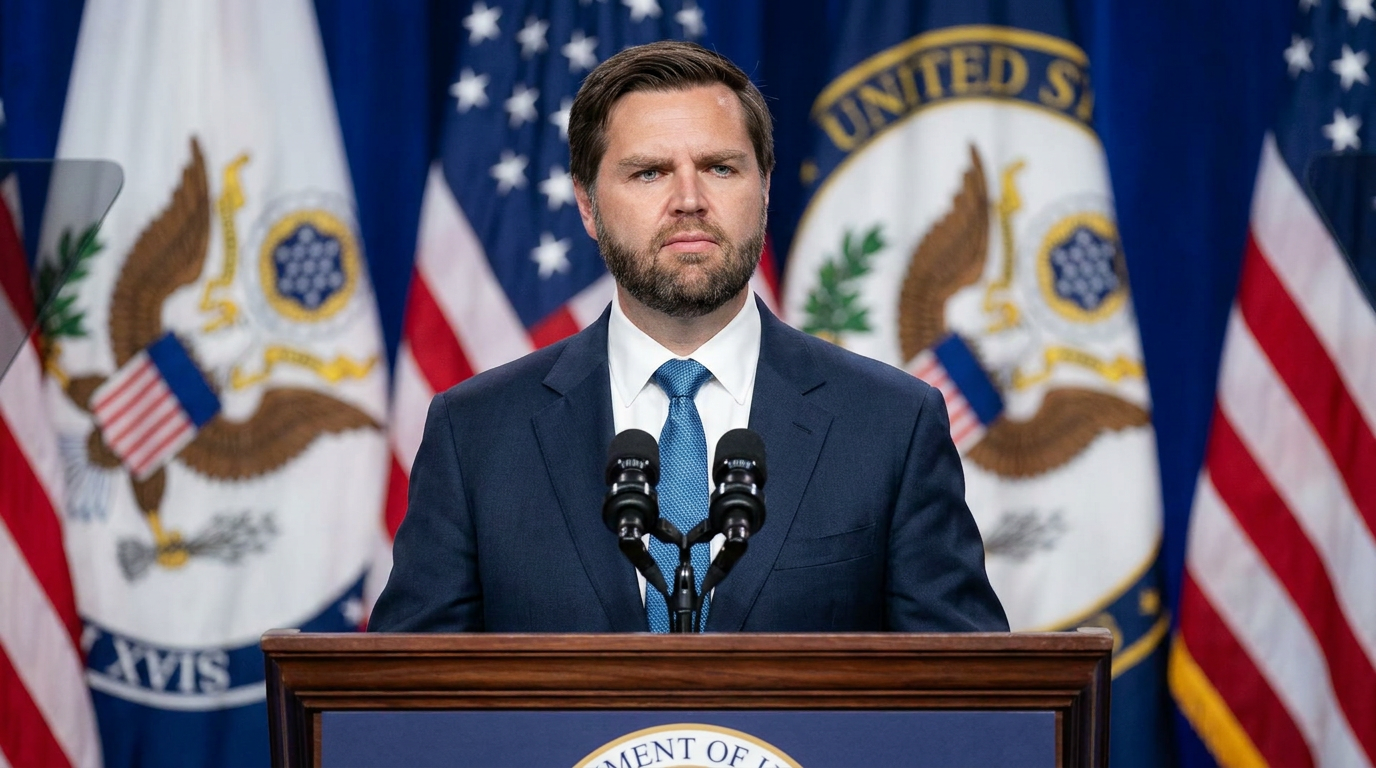
US President Donald Trump, Vice President JD Vance, and Iranian Parliament Speaker Mohammad Bagher Ghalibaf signed the initial document electronically on Sunday. An official, public signing ceremony is scheduled for Friday in Geneva, Switzerland.[4][7]
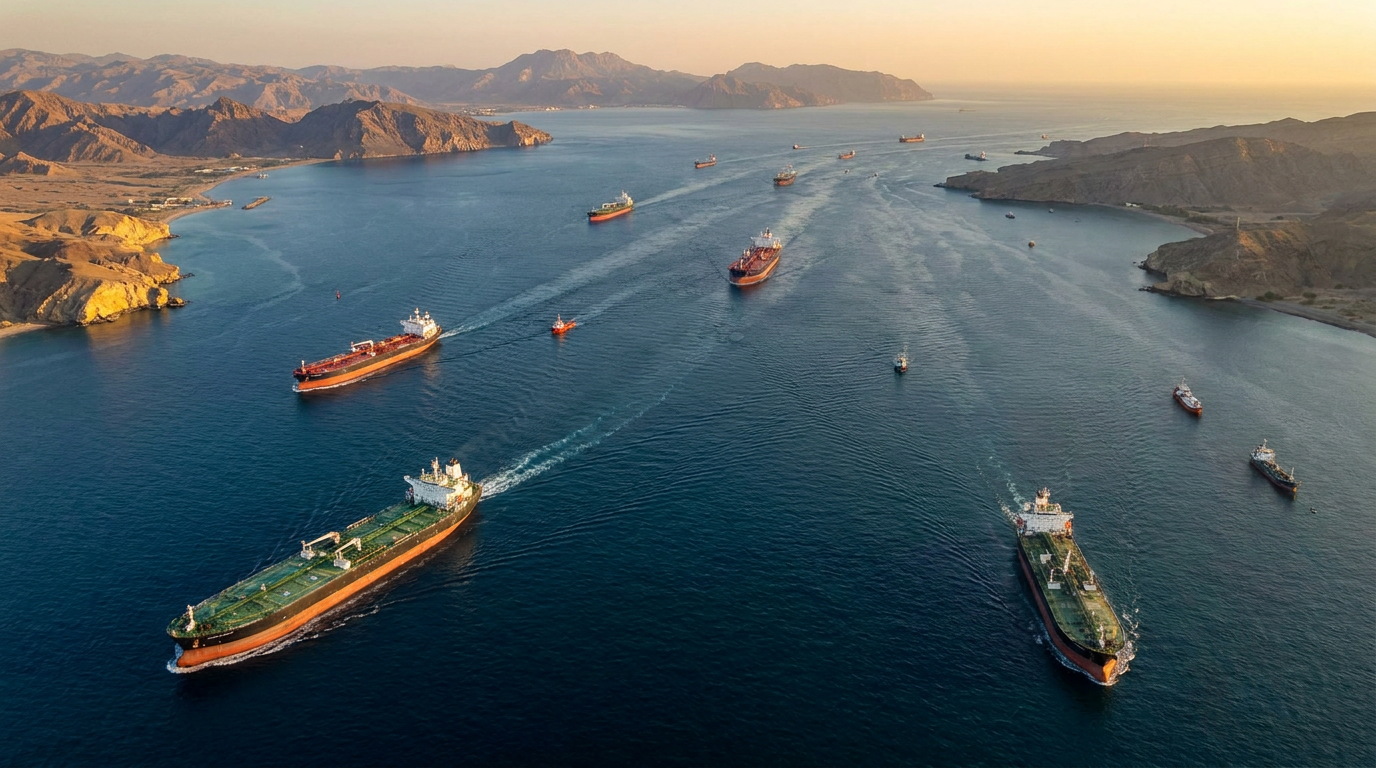
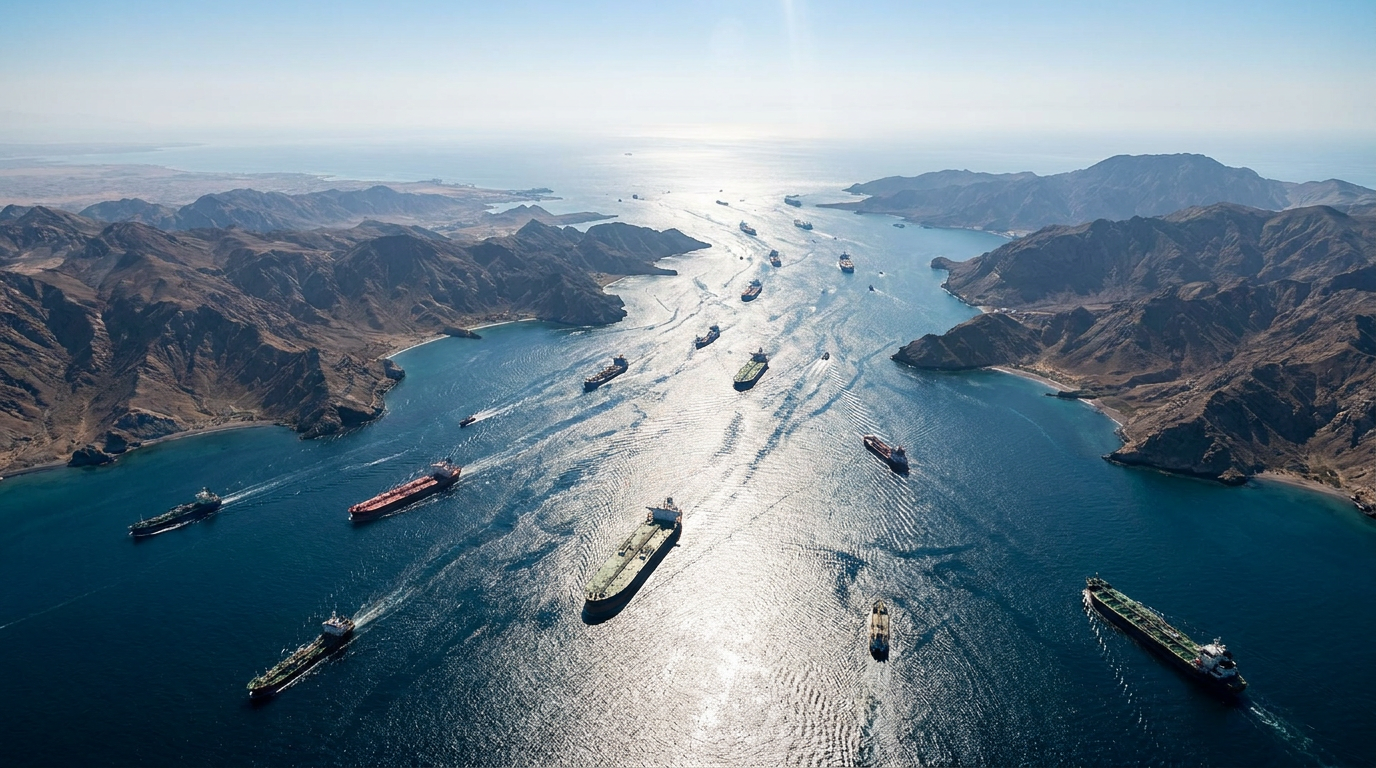
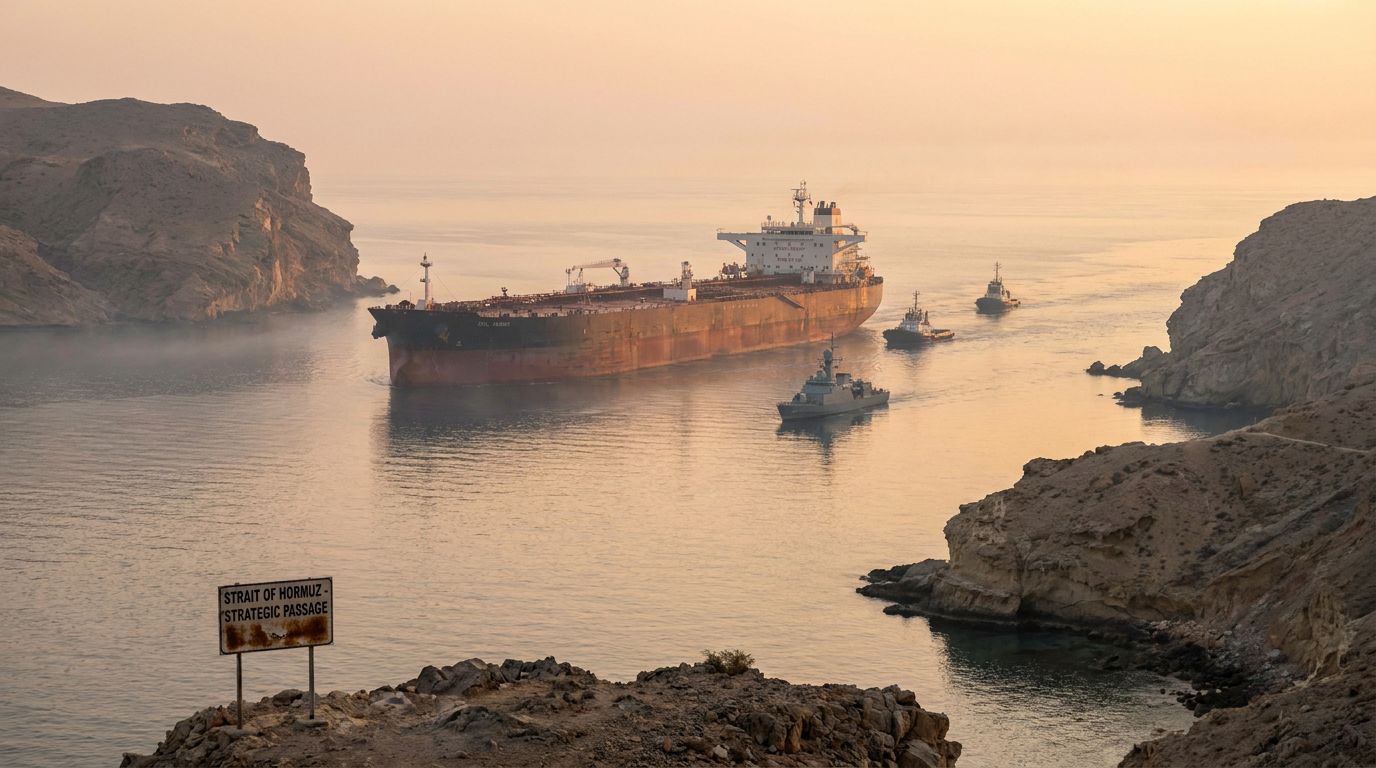
The immediate geopolitical focus is the Strait of Hormuz, a critical maritime chokepoint that handles roughly one-fifth of the world's traded oil and liquefied natural gas. Iran had blockaded the strait at the onset of the conflict, prompting a retaliatory US naval blockade of Iranian ports that severely disrupted global energy markets.[5][6]

Following the digital signing, President Trump announced the "toll-free opening" of the waterway and the immediate removal of the US naval blockade. Iranian Deputy Foreign Minister Kazem Gharibabadi concurrently declared a "permanent and immediate end to the war on all fronts."[6][8]
Financial markets reacted swiftly to the prospect of restored energy flows. The S&P 500 rose 1.7 percent, the tech-heavy Nasdaq jumped 3.1 percent, and global crude oil prices dropped by $4 per barrel in early trading.[2][6]
Despite the market optimism, energy and maritime experts caution that a return to pre-war shipping volumes will be a protracted process. The Joint Maritime Information Center maintained a "severe" threat level for the strait on Monday, advising mariners not to attempt crossings until explicit security directives are issued.[6]
Despite the market optimism, energy and maritime experts caution that a return to pre-war shipping volumes will be a protracted process.
Clearing the waterway presents immense logistical hurdles. Analysts at maritime intelligence firm Kpler estimate that sweeping the strait for naval mines could take up to six months. Furthermore, approximately 500 commercial vessels currently trapped in the Persian Gulf must be safely navigated out before inbound traffic can normalize.[5]
As a result, consumers are unlikely to see immediate relief at the gas pump. Economists project that it will take months for global oil supplies and US fuel prices to fully stabilize, as Gulf producers require time to ramp up output and logistics networks untangle the backlog.[3][5]

Beyond maritime security, the MOU establishes a 60-day framework for negotiations regarding Iran's nuclear program and the potential lifting of international sanctions. However, the exact terms of these upcoming talks remain a subject of intense dispute between Washington and Tehran.[1][7][8]
Vice President Vance stated that the agreement mandates a rigorous inspection regime, asserting that International Atomic Energy Agency (IAEA) inspectors will return to Iran to help dismantle its highly enriched uranium stockpile. President Trump further declared on social media that Iran has committed to "never have a Nuclear Weapon."[1][7]
Conversely, Iranian state media outlets have broadcast a different interpretation of the concessions. Reports from Tehran claim the agreement stipulates the release of between $12 billion and $24 billion in frozen Iranian assets during the 60-day negotiation window—a claim the US administration has vehemently denied as "fake news."[1][7][8]

The diplomatic breakthrough has also exposed deep rifts between the US and its closest Middle Eastern ally. Israeli officials, including Prime Minister Benjamin Netanyahu, have reportedly criticized the MOU, arguing that it prematurely relieves economic pressure on Tehran without adequately addressing Iran's ballistic missile program or its support for regional proxy groups.[7]
The ceasefire's application to the broader region remains precarious. While Iranian officials stated the truce extends to Lebanon, the Israeli military has maintained its operations against Hezbollah, with Defense Minister Israel Katz indicating that IDF forces will not withdraw from southern Lebanon.[7][8]
As diplomats prepare for Friday's formal ceremony in Geneva, the durability of the peace pact faces immediate tests. The international community now watches to see if the initial cessation of hostilities can translate into a verifiable nuclear accord and the safe, sustained reopening of the world's most vital energy artery.[4][6][8]
How we got here
Late Feb 2026
US and Israeli military strikes trigger a broader conflict with Iran.
March 2026
Iran blockades the Strait of Hormuz; the US responds with a naval counter-blockade.
June 14, 2026
US and Iranian officials digitally sign a memorandum of understanding to end the war.
June 19, 2026
Official public signing ceremony scheduled to take place in Geneva, Switzerland.
Viewpoints in depth
US Administration
Argues the deal secures global energy markets and forces Iran to dismantle its nuclear stockpile without relying on US taxpayer funds.
President Trump and Vice President Vance have framed the MOU as a decisive victory that ends a costly conflict while achieving core security objectives. They emphasize that the agreement will reopen the Strait of Hormuz without financial concessions, explicitly denying reports of a $300 billion investment fund or the release of frozen assets. The administration insists that the upcoming 60-day negotiation period will feature strict IAEA oversight to dismantle Iran's highly enriched uranium.
Iranian Leadership
Frames the agreement as a victory that breaks the US naval blockade, ends military strikes, and secures the release of billions in frozen assets.
Iranian officials, including Deputy Foreign Minister Kazem Gharibabadi, have celebrated the immediate lifting of the US naval blockade and the cessation of military operations. State-aligned media outlets have heavily promoted the narrative that the US has agreed to release between $12 billion and $24 billion in frozen assets prior to the finalization of a nuclear accord, presenting the MOU as a successful resistance against Western economic and military pressure.
Israeli Security Establishment
Views the MOU as a dangerous concession that prematurely lifts pressure on Tehran while failing to neutralize Iran's proxy network.
Israeli leadership has reacted to the US-brokered deal with profound skepticism. Officials argue that ending the war and lifting the blockade surrenders critical leverage over Tehran. They express concern that the MOU focuses too narrowly on the Strait of Hormuz and nuclear enrichment, leaving Iran's ballistic missile program and its funding of proxy groups like Hezbollah and the Houthis unaddressed. Consequently, Israel has indicated it will not halt its military operations in southern Lebanon.
Global Shipping Industry
Welcomes the diplomatic resolution but emphasizes that the physical realities of naval mines and trapped vessels mean the crisis is far from over.
Maritime organizations and energy analysts have tempered the market's optimism with operational realities. While the political blockade may be lifted, the physical threat of naval mines remains severe. Industry groups warn that it could take up to six months to fully sweep the strait and safely extract the 500 commercial vessels currently trapped in the Persian Gulf, meaning global supply chains will experience continued friction.
What we don't know
- Whether the US and Iran can successfully negotiate a final nuclear accord within the 60-day window.
- The exact timeline for when the Strait of Hormuz will be fully cleared of naval mines.
- How Israel's refusal to halt operations in Lebanon will impact the broader regional ceasefire.
Key terms
- Strait of Hormuz
- A narrow, strategically vital waterway between the Persian Gulf and the Gulf of Oman, through which roughly 20% of the world's traded oil passes.
- Memorandum of Understanding (MOU)
- A formal agreement between two or more parties that establishes a framework for future negotiations, though it is often not legally binding.
- IAEA
- The International Atomic Energy Agency, the United Nations watchdog responsible for monitoring and verifying nuclear programs.
Frequently asked
When will gas prices go down?
Experts warn it will take months for fuel prices to normalize, as it will take time to clear naval mines and untangle the backlog of 500 trapped ships.
Is the US paying Iran in this deal?
The US administration strongly denies paying Iran or releasing frozen assets, though Iranian state media claims up to $24 billion will be released.
Does this end the fighting in Lebanon?
While Iran claims the ceasefire applies to all fronts, Israel has stated it will not withdraw its forces from southern Lebanon and continues operations against Hezbollah.
What happens after the 60-day negotiation period?
The US and Iran aim to reach a final, comprehensive agreement regarding Iran's nuclear program and the permanent lifting of international sanctions.
Sources
Source coverage
8 outlets
5 viewpoints surfaced







[1]Fox NewsUS Administration
JD Vance reveals details of US-Iran deal, addresses whether taxpayer money will go to Tehran
Read on Fox News →[2]Al JazeeraIranian Leadership
US stock market climbs as US-Iran deal stirs hopes for end to energy chaos
Read on Al Jazeera →US fuel prices to take ‘months’ to normalise after US-Iran deal to end war
Read on Al Jazeera →[4]The GuardianInternational Observers
Trump news at a glance: Long way to Friday and Iran peace deal signing
Read on The Guardian →[5]PBSGlobal Shipping Industry
Even with a deal to reopen the Strait of Hormuz, it could take weeks or months for oil to fully flow
Read on PBS →[6]Seatrade Maritime NewsGlobal Shipping Industry
Strait of Hormuz set to reopen under US – Iran peace deal
Read on Seatrade Maritime News →[7]The Times of IsraelIsraeli Security Establishment
US says Trump, Vance and Iran's Ghalibaf 'digitally' signed Iran deal on Sunday
Read on The Times of Israel →[8]ABS-CBN NewsIranian Leadership
US-Iran peace deal announced with 'permanent' end to military action
Read on ABS-CBN News →
More in news politics
See all 5 stories →Information Ecosystem
The Evidence Behind Crowdsourced Fact-Checking: Why Community Notes Actually Work
0 sources

US-Iran Relations
US and Iran to Sign Peace Deal Ending War, Reopening Strait of Hormuz
0 sources
US-Iran Relations
US and Iran Reach Peace Deal to End Conflict and Reopen Strait of Hormuz
0 sources
Every angle. Every day.
Get news politics stories with full source coverage and perspective breakdowns delivered to your inbox.