
US and Iran Reach Tentative Deal to Restore Gulf Shipping and Stabilize Energy Markets
Vice President JD Vance has outlined a new US-Iran agreement aimed at ending recent energy market chaos and securing maritime routes in the Persian Gulf. The framework, which Vance emphasized includes no US taxpayer funds, has sparked a rally in global markets despite lingering military and enforcement challenges.
By Factlen Editorial Team
- US Administration
- Focuses on the diplomatic achievement of securing shipping lanes without utilizing taxpayer funds, heavily emphasizing the strict inspection regime.
- Market & Energy Analysts
- Views the agreement primarily through an economic lens, celebrating the stabilization of crude prices and the end of supply chain disruptions.
- Regional Security Observers
- Maintains a cautious stance, warning that physical threats like naval mines remain and questioning the long-term enforceability of the pact.
- Congressional Skeptics
- Demands rigorous oversight and continuous verification to ensure Tehran complies with the terms of the de-escalation framework.
What's not represented
- · Commercial shipping conglomerates
- · Maritime insurance underwriters
- · Iranian domestic media
Why this matters
A stabilization of US-Iran relations directly impacts global energy prices, potentially lowering fuel and shipping costs for consumers worldwide. It also reduces the immediate threat of a broader Middle Eastern conflict that could entangle US forces and disrupt international supply chains.
Key points
- The US and Iran have agreed to a tentative framework to de-escalate tensions and secure Persian Gulf shipping lanes.
- Vice President JD Vance confirmed the deal includes a strict inspection regime and zero US taxpayer funding.
- Global markets rallied significantly, with the S&P 500 and Nasdaq posting strong gains on hopes of energy stability.
- The US Navy is deploying drone technology to clear remaining naval mines that still pose a threat to commercial tankers.
- Gulf states and US lawmakers are demanding rigorous oversight to ensure Iran complies with the agreement.
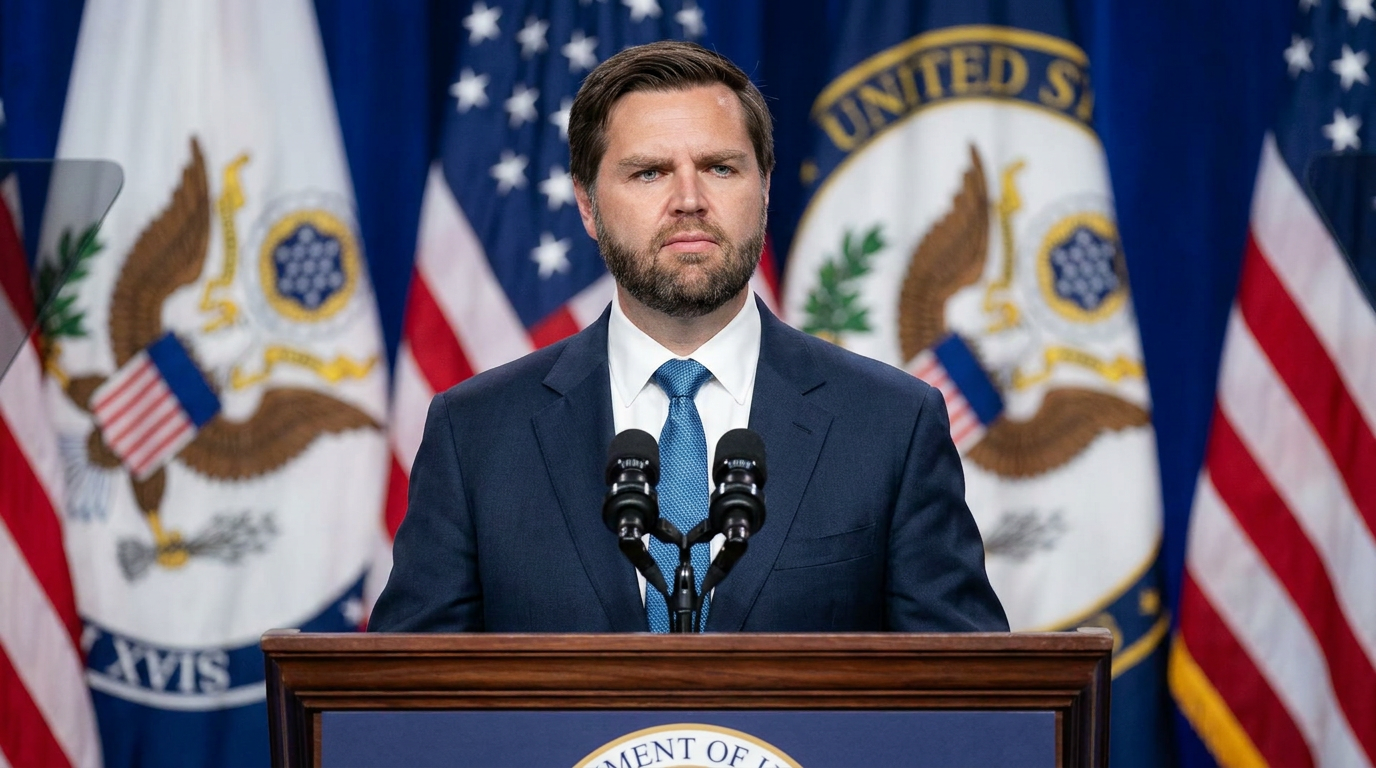
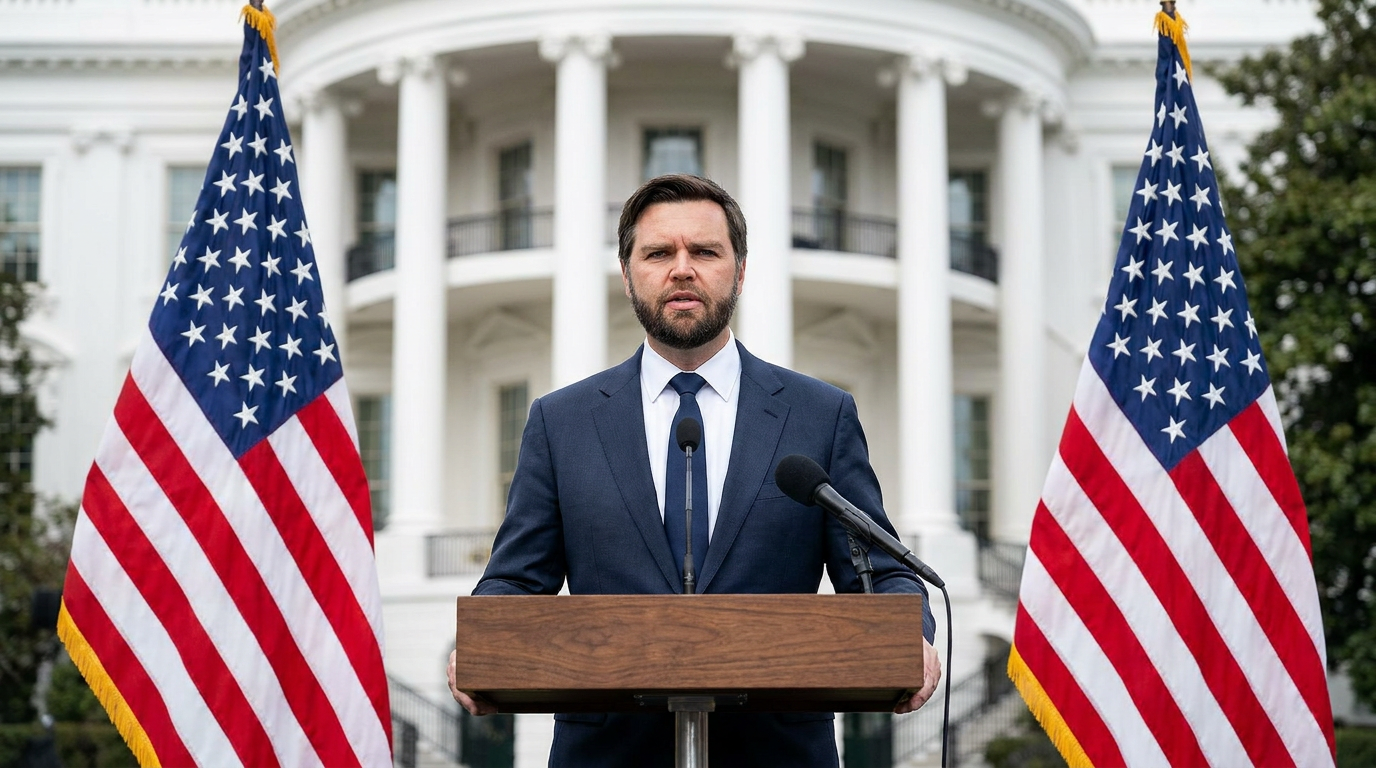
The United States and Iran have reached a tentative de-escalation agreement designed to restore the flow of commercial shipping through the Persian Gulf and end months of crippling volatility in global energy markets. Vice President JD Vance detailed the contours of the framework late Monday, emphasizing that the diplomatic breakthrough was achieved without the transfer of American taxpayer funds to Tehran. The announcement marks a significant pivot in US foreign policy, aiming to freeze hostilities that have severely constrained one of the world's most vital economic chokepoints.[1][4]
According to the framework released by the State Department, the agreement centers on a mutual commitment to maritime security in the Strait of Hormuz and the broader Gulf region. In exchange for the lifting of specific, targeted maritime sanctions, Iran has agreed to a "real inspections regime" and a cessation of harassment against commercial vessels. Vice President Vance stressed that the administration's red lines were maintained throughout the negotiations, specifically highlighting the rigorous verification mechanisms embedded in the final text to ensure Iranian compliance.[1][8]
Financial markets reacted with immediate and overwhelming optimism to the prospect of an end to the recent energy chaos. On Wall Street, the benchmark S&P 500 rose 1.7 percent, while the tech-heavy Nasdaq jumped 3.1 percent as investors priced in the reduced geopolitical risk. The rally reflects a broad consensus among institutional investors that securing the Gulf shipping lanes will alleviate the severe supply chain bottlenecks that have plagued the manufacturing and retail sectors over the past several quarters.[2]

The most direct impact of the diplomatic breakthrough was felt in the global energy sector. Oil prices, which had been subjected to wild fluctuations amid fears of a prolonged blockade or outright military conflict, began to stabilize. Brent crude futures adjusted downward as traders anticipated the resumption of normal tanker traffic through the Strait of Hormuz, a waterway that typically facilitates the transit of roughly a fifth of the world's daily oil consumption. Industry analysts noted that the mere announcement of the framework removed a significant "fear premium" from the market.[5]
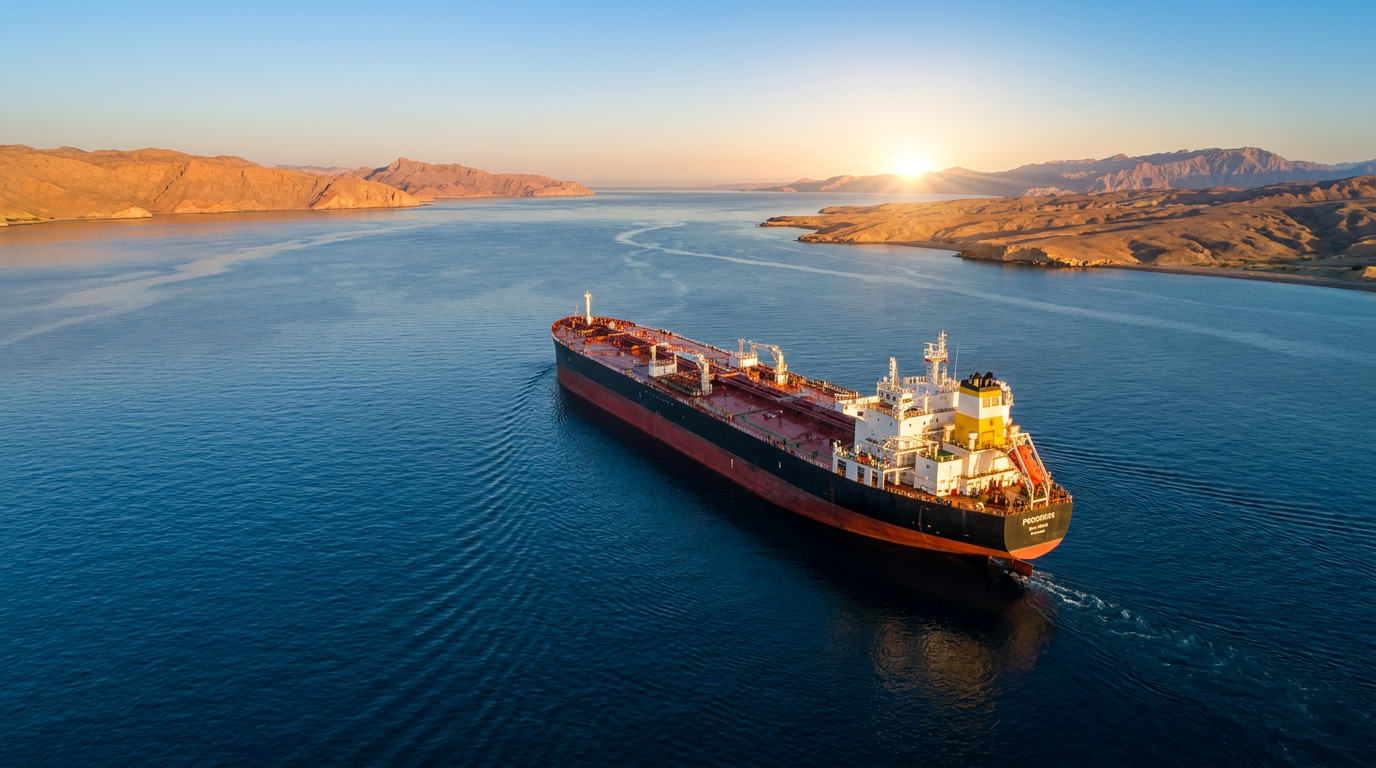
Despite the diplomatic progress and market euphoria, the physical reality on the water remains highly dangerous. Military officials warn that naval mines previously laid by Iranian forces could still stymie Gulf shipping for months to come. The cessation of active hostilities does not immediately render the waters safe for the massive, slow-moving commercial tankers that form the backbone of the global energy trade. Clearing these explosive hazards is a complex, time-consuming process that requires specialized equipment and international coordination.[3]

Despite the diplomatic progress and market euphoria, the physical reality on the water remains highly dangerous.
To address the lingering threat, the US Navy is preparing to deploy a new generation of drone-based countermeasures to the region. These unmanned surface and underwater vessels are tasked with autonomously searching the sea floor and surface for any remaining mines. The deployment of these advanced systems highlights the ongoing military commitment required to enforce the peace, as the Navy transitions from a posture of active deterrence to one of hazardous environmental remediation and maritime policing.[3][4]
Domestically, the agreement has been met with a mixture of relief and intense scrutiny. While the stabilization of energy prices is a clear political and economic win, congressional Democrats and foreign policy skeptics are demanding strict oversight of the deal's implementation. Lawmakers have expressed cautious optimism regarding the framework but are insisting on regular briefings to verify that the "real inspections regime" touted by the Vice President is functioning as promised, and that Iran is not utilizing the pause in tensions to advance other illicit programs.[1][6]
Regionally, the response from US allies in the Middle East has been similarly measured. Gulf states, whose economies are intrinsically tied to the safe passage of vessels through the Strait of Hormuz, have publicly welcomed the de-escalation. However, diplomatic backchannels indicate that these nations remain deeply wary of enforcement gaps. Regional leaders have historically expressed frustration with agreements that rely on Iranian self-reporting, urging the US to maintain a robust naval presence to guarantee the terms of the pact.[7]

The success of the agreement will ultimately hinge on the execution of the inspection and verification protocols. The framework mandates unprecedented access for international maritime observers to ensure that commercial lanes remain unmolested and that mine-laying operations have permanently ceased. If these mechanisms hold, the deal could serve as a foundational blueprint for broader regional stability. If they fail, the US and its allies will be forced to rapidly pivot back to a posture of economic and military containment.[4][8]
In the immediate term, the focus shifts to the logistical challenge of reopening the Strait of Hormuz at full capacity. Shipping conglomerates and insurance underwriters are currently evaluating the US Navy's mine-clearing progress before authorizing a return to pre-crisis transit volumes. While the diplomatic ink is dry and the stock market has rendered its positive verdict, the true test of the US-Iran deal will be measured in the safe, uninterrupted passage of the first wave of supertankers through the Gulf.[3][5]
How we got here
Early 2026
Tensions escalate in the Persian Gulf, leading to severe disruptions in commercial shipping and spiking global energy prices.
Spring 2026
Reports emerge of naval mines being deployed in the Strait of Hormuz, further paralyzing maritime trade.
June 15, 2026
Vice President JD Vance announces the details of a tentative de-escalation framework between the US and Iran.
June 16, 2026
Global financial markets rally as the US Navy begins deploying drone countermeasures to clear remaining mines.
Viewpoints in depth
The US Administration's View
Focuses on the diplomatic win of securing vital waterways without financial concessions.
For the White House, this framework represents a major foreign policy victory achieved through leverage rather than financial concession. Vice President Vance's emphasis on the lack of taxpayer funding is a direct counter to domestic critics who have historically attacked diplomatic engagements with Tehran as 'ransom' payments. The administration argues that by establishing a strict, internationally observed inspection regime, they have successfully frozen a volatile conflict and protected American economic interests without compromising national security red lines.
Energy Markets' View
Prioritizes the immediate relief from supply chain disruptions and the stabilization of crude oil prices.
Institutional investors and energy traders view the agreement as a critical pressure release valve for a global economy that was bracing for an energy shock. The immediate surge in the S&P 500 and Nasdaq reflects a collective sigh of relief that the worst-case scenario—a prolonged closure of the Strait of Hormuz—has been averted. For this camp, the geopolitical nuances of the deal are secondary to the practical reality that tankers can soon resume normal operations, thereby removing the 'fear premium' that had artificially inflated fuel costs.
Regional Security Analysts' View
Highlights the physical dangers that remain and questions the long-term reliability of Iranian compliance.
Military strategists and regional allies remain highly cautious, noting that a signed piece of paper does not instantly neutralize the physical threats in the water. The presence of naval mines means that the Strait of Hormuz remains a hazardous zone requiring extensive, months-long remediation by the US Navy. Furthermore, analysts in this camp point to Tehran's history of testing the boundaries of international agreements, warning that the 'real inspections regime' will only be effective if backed by a continuous, overwhelming naval deterrent in the region.
What we don't know
- Exactly how long it will take the US Navy to fully clear the Strait of Hormuz of naval mines.
- Whether maritime insurance companies will immediately lower premiums for commercial vessels transiting the Gulf.
- How Iran's domestic political factions will react to the concessions made in the framework.
Key terms
- Strait of Hormuz
- A narrow, strategically vital waterway between the Persian Gulf and the Gulf of Oman through which roughly 20% of the world's oil passes.
- Naval Mines
- Self-contained explosive devices placed in water to damage or destroy surface ships or submarines.
- De-escalation Framework
- A structured diplomatic agreement designed to reduce military tensions and prevent the outbreak of active conflict.
- Fear Premium
- The extra cost added to the price of a commodity, like oil, due to market anxiety over potential future disruptions.
Frequently asked
Does the new US-Iran deal involve US taxpayer money?
No. Vice President JD Vance explicitly stated that the framework does not include any American taxpayer funds going to Tehran.
Why did the stock market go up after the announcement?
Markets rallied because the agreement aims to secure the Strait of Hormuz, easing fears of prolonged energy shortages and global supply chain disruptions.
Is it safe for commercial ships to travel through the Gulf now?
Not entirely. While hostilities have paused, the US Navy is still working to clear naval mines previously laid in the water, a process that will take time.
How will the US ensure Iran follows the rules?
The agreement relies on a 'real inspections regime' and international maritime observers to verify that Iran is not harassing ships or laying new mines.
Sources
Source coverage
8 outlets
4 viewpoints surfaced








[1]Fox NewsUS Administration
JD Vance reveals details of US-Iran deal, addresses whether taxpayer money will go to Tehran
Read on Fox News →[2]Al JazeeraMarket & Energy Analysts
US stock market climbs as US-Iran deal stirs hopes for end to energy chaos
Read on Al Jazeera →[3]NYTRegional Security Observers
Naval Mines Could Still Stymie Gulf Shipping After War
Read on NYT →[4]ReutersCongressional Skeptics
US and Iran reach tentative agreement to restore Gulf shipping lanes
Read on Reuters →[5]BloombergMarket & Energy Analysts
Oil prices stabilize as US-Iran pact promises relief for Strait of Hormuz traffic
Read on Bloomberg →[6]CNNCongressional Skeptics
Democrats express cautious optimism over Vance's Iran framework, demand strict oversight
Read on CNN →[7]Al ArabiyaRegional Security Observers
Gulf states welcome US-Iran de-escalation but warn of enforcement gaps
Read on Al Arabiya →[8]US Department of StateUS Administration
Framework for De-escalation and Maritime Security in the Persian Gulf
Read on US Department of State →
Every angle. Every day.
Get news politics stories with full source coverage and perspective breakdowns delivered to your inbox.