
Evidence Pack: Does Zone 2 Training Actually Transform Metabolic Health and Longevity?
Low-intensity steady-state cardio has become the cornerstone of modern longevity protocols. We examine the clinical evidence behind its metabolic benefits, its impact on lifespan, and the scientific debate over whether it truly outperforms high-intensity exercise.
By Factlen Editorial Team
- Longevity & Metabolic Experts
- Argue that Zone 2 is the foundational key to metabolic flexibility and cellular health.
- Exercise Physiologists
- Emphasize that higher intensities are actually required to maximize mitochondrial adaptations.
- Public Health Advocates
- Focus on the accessibility and sustainability of moderate-intensity exercise for the general population.
What's not represented
- · Cardiologists treating advanced heart failure
- · High-intensity interval training (HIIT) advocates
Why this matters
Cardiorespiratory fitness is one of the strongest known predictors of human lifespan. Understanding how to efficiently build an aerobic base without overtraining can dramatically reduce your risk of chronic disease and extend your healthspan.
Key points
- Zone 2 cardio is low-intensity, steady-state exercise where the body primarily burns fat for fuel.
- Consistent training in this zone improves metabolic flexibility and increases capillary density.
- A robust aerobic base supports a higher VO2 max, which is strongly correlated with a reduced risk of all-cause mortality.
- Recent reviews challenge the idea that Zone 2 is optimal for mitochondrial growth, suggesting higher intensities are more potent.
- Experts recommend a polarized 80/20 approach: 80 percent low-intensity Zone 2 work, paired with 20 percent high-intensity intervals.
Over the past few years, fitness culture has undergone a quiet revolution. The punishing, breathless ethos of high-intensity interval training (HIIT) that dominated the previous decade has increasingly shared the stage with a much gentler approach: Zone 2 training. Championed by longevity physicians and elite cycling coaches alike, this low-intensity, steady-state cardiovascular exercise has been positioned as the ultimate metabolic intervention. Proponents argue that spending hours at a conversational pace is the secret to extending healthspan, burning fat, and staving off chronic disease.[1][8]
But what exactly is Zone 2? In exercise physiology, training intensity is typically divided into five to seven zones based on heart rate and metabolic demand. Zone 2 sits near the bottom of this spectrum. It is generally defined as exercising at roughly 60 to 70 percent of your maximum heart rate. At this intensity, the body relies primarily on fat oxidation for fuel, rather than tapping into its limited carbohydrate stores.[3][5]
The most practical way to identify this state without laboratory equipment is the "talk test." If you are in Zone 2, you should be working hard enough that you are slightly breathless, but you can still comfortably hold a conversation in full sentences without needing to gasp for air. If you can sing effortlessly, you are likely in Zone 1; if you have to pause mid-sentence to catch your breath, you have crossed the threshold into Zone 3.[5][8]

The scientific enthusiasm for this specific intensity is rooted in cellular biology—specifically, the mitochondria. Often called the powerhouses of the cell, mitochondria are responsible for converting fuel and oxygen into usable energy in the form of ATP. According to Dr. Iñigo San Millán, a leading applied exercise physiologist at the University of Colorado School of Medicine, Zone 2 is the precise intensity that places the maximum demand on mitochondrial function without overwhelming the system with metabolic byproducts.[1][4]
When you exercise in Zone 2, your body recruits Type I, or "slow-twitch," muscle fibers. These fibers are densely packed with mitochondria and are highly efficient at burning fat. As the exercise intensity increases into Zone 3 and beyond, the body begins to recruit Type II "fast-twitch" fibers, which rely more heavily on glucose and produce lactate as a byproduct of energy creation.[1][4]
San Millán's clinical work with both elite Tour de France cyclists and patients with metabolic syndrome has shown that regular Zone 2 training improves "metabolic flexibility"—the body's ability to efficiently switch between burning fat and carbohydrates. In metabolically unhealthy individuals, such as those with type 2 diabetes, mitochondrial function is often severely impaired, forcing the body to rely on glucose even at rest. Consistent low-intensity training helps restore this function, effectively rehabilitating the cellular engine.[1][4][8]
Beyond cellular health, the downstream effects of a robust aerobic base are profound. One of the primary adaptations to consistent Zone 2 training is an increase in capillary density—the network of tiny blood vessels that deliver oxygen to muscle tissues. This improved vascular infrastructure lowers resting heart rate, reduces blood pressure, and decreases the overall workload on the heart during daily activities.[3][5]

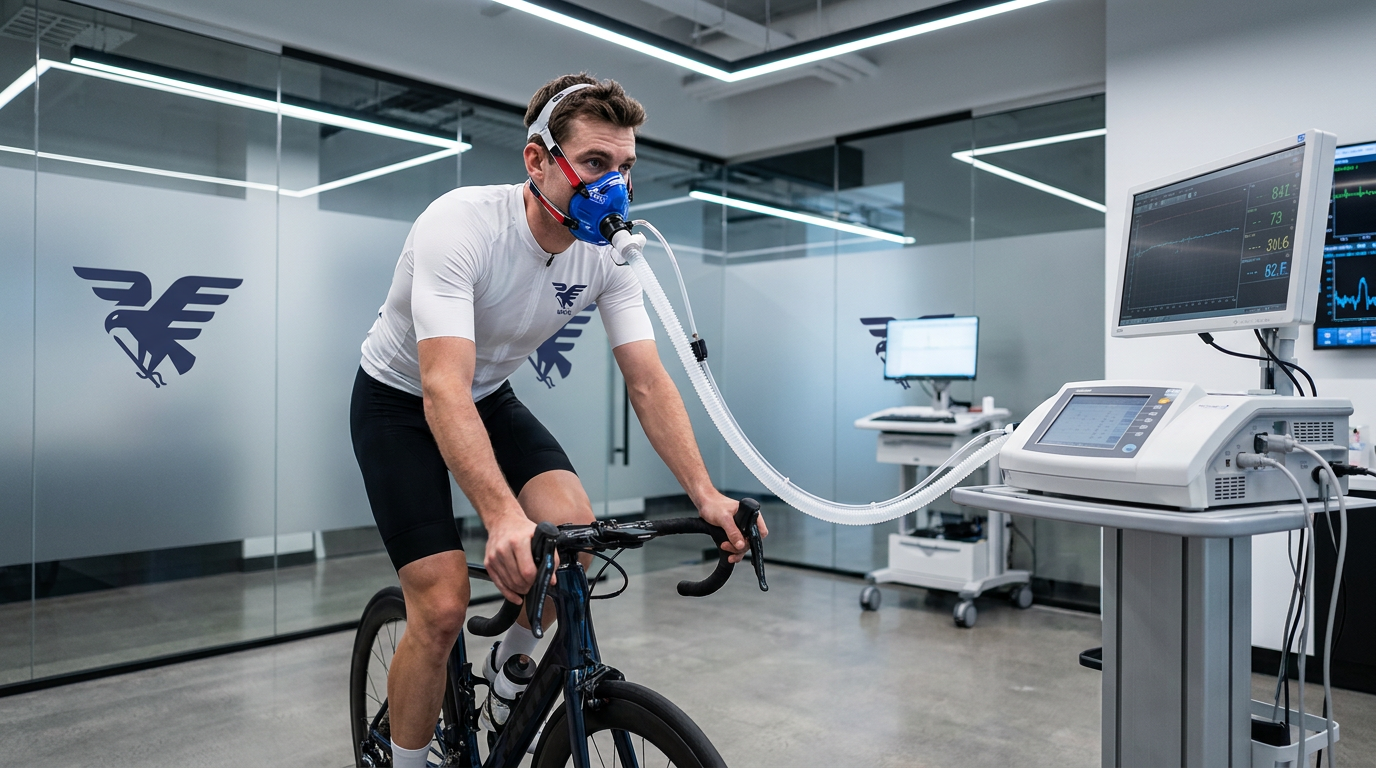
These cardiovascular adaptations ultimately support a higher VO2 max, which is the maximum rate at which your body can consume and utilize oxygen during intense exertion. While VO2 max is often viewed purely as a performance metric for elite athletes, longevity researchers and cardiologists increasingly view it as a critical vital sign for the general public.[3][7][8]
These cardiovascular adaptations ultimately support a higher VO2 max, which is the maximum rate at which your body can consume and utilize oxygen during intense exertion.
The epidemiological data linking VO2 max to lifespan is staggering. A landmark meta-analysis published in the Journal of the American Medical Association (JAMA) found that cardiorespiratory fitness is one of the strongest predictors of all-cause mortality—stronger than smoking, hypertension, or diabetes. Moving from the lowest fitness category to even a below-average category can reduce an individual's mortality risk by approximately 50 percent.[3][7]
Every one-point increase in metabolic equivalents (METs)—a measure directly tied to VO2 max—is associated with a 13 to 15 percent reduction in the risk of death. While high-intensity intervals are the most efficient way to push the absolute ceiling of your VO2 max, Zone 2 training builds the foundational aerobic engine that makes those higher intensities possible and sustainable over the long term.[3][6][7]

However, the narrative that Zone 2 is the undisputed king of mitochondrial development is not universally accepted. As the protocol has exploded in popularity, some exercise physiologists have pushed back against the idea that low-intensity work is the single optimal way to drive cellular adaptation.[2][8]
A comprehensive narrative review published in the journal Sports Medicine critically examined the claims surrounding Zone 2. Researchers from McMaster and Queen's Universities concluded that the broad endorsement of Zone 2 as the optimal intensity for improving mitochondrial capacity contradicts substantial clinical evidence.[2]
The review found that while Zone 2 does improve fat oxidation in untrained populations, higher-intensity exercise actually creates the metabolic stress necessary to trigger greater mitochondrial biogenesis—the creation of new mitochondria. The authors suggested that the massive mitochondrial capacity seen in elite endurance athletes is likely due to their sheer volume of training and their time spent above Zone 2, rather than the low-intensity work alone.[2][6]
This scientific debate highlights a crucial distinction between what is physiologically optimal in a vacuum and what is practically sustainable for the average person. High-intensity interval training may provide a more potent stimulus for mitochondrial growth per minute of exercise, but it is highly fatiguing, requires significant recovery time, and carries a higher risk of musculoskeletal injury.[5][8]

Zone 2, by contrast, creates very little systemic fatigue. Because it does not deplete glycogen stores or generate high levels of muscular damage, individuals can accumulate hours of this training each week without burning out or feeling exhausted the next day. This sustainability is arguably its greatest feature for broad public health application.[5][8]
For this reason, most elite coaches and longevity experts advocate for a "polarized" training model, often referred to as the 80/20 rule. In this framework, roughly 80 percent of cardiovascular training volume is spent in the easy, conversational pace of Zone 2, while the remaining 20 percent is dedicated to high-intensity, lung-burning intervals.[3][7]
This combination allows individuals to build a massive aerobic base, improve fat oxidation, and clear lactate efficiently, while still providing the high-end stimulus necessary to maximize VO2 max and mitochondrial density. It offers the best of both worlds, balancing deep physiological adaptation with adequate recovery.[6][7][8]

For those looking to implement this evidence into their own lives, the prescription is straightforward but requires patience. Current guidelines suggest aiming for 150 to 300 minutes of Zone 2 cardio per week, broken up into sessions of 45 to 90 minutes. Whether achieved through brisk walking, cycling, or light jogging, the key is consistency. By investing time in the slow, steady work of Zone 2, you are quite literally building the cellular infrastructure for a longer, healthier life.[3][5][8]
How we got here
2018
JAMA publishes a landmark study linking VO2 max to massive reductions in all-cause mortality.
2019
Dr. Iñigo San Millán popularizes the specific mitochondrial benefits of Zone 2 on mainstream health podcasts.
2023
The "80/20" polarized training model gains widespread adoption among recreational athletes.
June 2025
A major review in Sports Medicine challenges the claim that Zone 2 is the optimal intensity for mitochondrial biogenesis.
Viewpoints in depth
Longevity & Metabolic Experts
Argue that Zone 2 is the foundational key to metabolic flexibility and cellular health.
Physicians and researchers in this camp emphasize that modern chronic diseases are fundamentally rooted in mitochondrial dysfunction. By training the body to efficiently burn fat at rest and clear lactate during exertion, Zone 2 acts as a metabolic rehabilitator. They argue that while high-intensity work is important, it cannot replace the specific cellular adaptations that occur during prolonged, low-intensity steady-state exercise.
Exercise Physiologists
Emphasize that higher intensities are required to maximize mitochondrial adaptations.
Researchers focused on pure physiological adaptation point to clinical data showing that high-intensity interval training (HIIT) creates the metabolic stress necessary to trigger greater mitochondrial biogenesis. They caution against the popular media narrative that Zone 2 is a magic bullet, arguing that the massive aerobic engines of elite athletes are built through a combination of high volume and significant time spent above the lactate threshold.
Public Health Advocates
Focus on the accessibility and sustainability of moderate-intensity exercise.
For public health officials, the exact cellular mechanism is less important than behavioral compliance. Because Zone 2 exercise is relatively comfortable and does not induce severe muscle soreness or central nervous system fatigue, it is much easier for the general public to maintain long-term. They highlight that simply moving from a sedentary lifestyle to a moderate level of fitness cuts all-cause mortality risk in half.
What we don't know
- Whether the mitochondrial adaptations from Zone 2 training differ significantly between men and women, particularly post-menopause.
- The exact threshold at which the volume of Zone 2 training yields diminishing returns for longevity.
- How genetic baseline differences in muscle fiber type influence an individual's response to low-intensity training.
Key terms
- VO2 max
- The maximum rate at which your body can consume and utilize oxygen during intense exercise; a strong predictor of longevity.
- Mitochondrial biogenesis
- The cellular process of creating new mitochondria, which improves the body's ability to produce energy.
- Metabolic flexibility
- The body's ability to efficiently switch between burning fat and burning carbohydrates depending on the intensity of the activity.
- Lactate
- A metabolic byproduct produced when the body burns carbohydrates for fuel; highly efficient mitochondria can clear and reuse it as energy.
- Type I muscle fibers
- Also known as slow-twitch fibers, these are endurance-focused muscle cells that are dense with mitochondria and rely primarily on oxygen and fat for fuel.
Frequently asked
What is the easiest way to know if I am in Zone 2?
The "talk test" is the most accessible method. You should be working hard enough to breathe slightly heavier, but still able to speak in full, continuous sentences without gasping.
Can I achieve Zone 2 just by walking?
Yes, for many beginners or untrained individuals, a brisk walk is enough to elevate the heart rate into Zone 2. Highly trained athletes may need to jog or cycle to reach the same cardiovascular demand.
Do I still need to do high-intensity intervals?
While Zone 2 builds the aerobic base, evidence suggests that dedicating about 20 percent of your cardio to high-intensity intervals (the 80/20 rule) is the most effective way to maximize your VO2 max.
How many hours a week do I need to do?
Current evidence suggests that 150 to 300 minutes per week, broken into sessions of 45 to 90 minutes, provides the maximum mortality and metabolic benefits.
Sources
Source coverage
8 outlets
3 viewpoints surfaced








[1]Peter Attia MDLongevity & Metabolic Experts
Iñigo San Millán, Ph.D.: Mitochondria, exercise, and metabolic health
Read on Peter Attia MD →[2]Sports MedicineExercise Physiologists
Zone 2 Training for Mitochondrial and Fatty Acid Oxidative Capacity: A Narrative Review
Read on Sports Medicine →[3]SuperpowerLongevity & Metabolic Experts
Zone 2 cardio, VO2 max, and longevity
Read on Superpower →[4]The ProofLongevity & Metabolic Experts
The Science of Zone 2 Cardiovascular Exercise
Read on The Proof →[5]Houston MethodistPublic Health Advocates
Why Zone 2 Cardio Might Be the Best Workout Intensity
Read on Houston Methodist →[6]High North PerformanceExercise Physiologists
Zone 2 Training: Science and Application
Read on High North Performance →[7]VO2 MasterPublic Health Advocates
VO2 Max as a Predictor of Longevity
Read on VO2 Master →[8]Factlen Editorial TeamPublic Health Advocates
Synthesis by Factlen editorial team
Read on Factlen Editorial Team →
Every angle. Every day.
Get data analysis stories with full source coverage and perspective breakdowns delivered to your inbox.