
US and Iran Reach Preliminary Peace Deal to End War and Reopen Strait of Hormuz
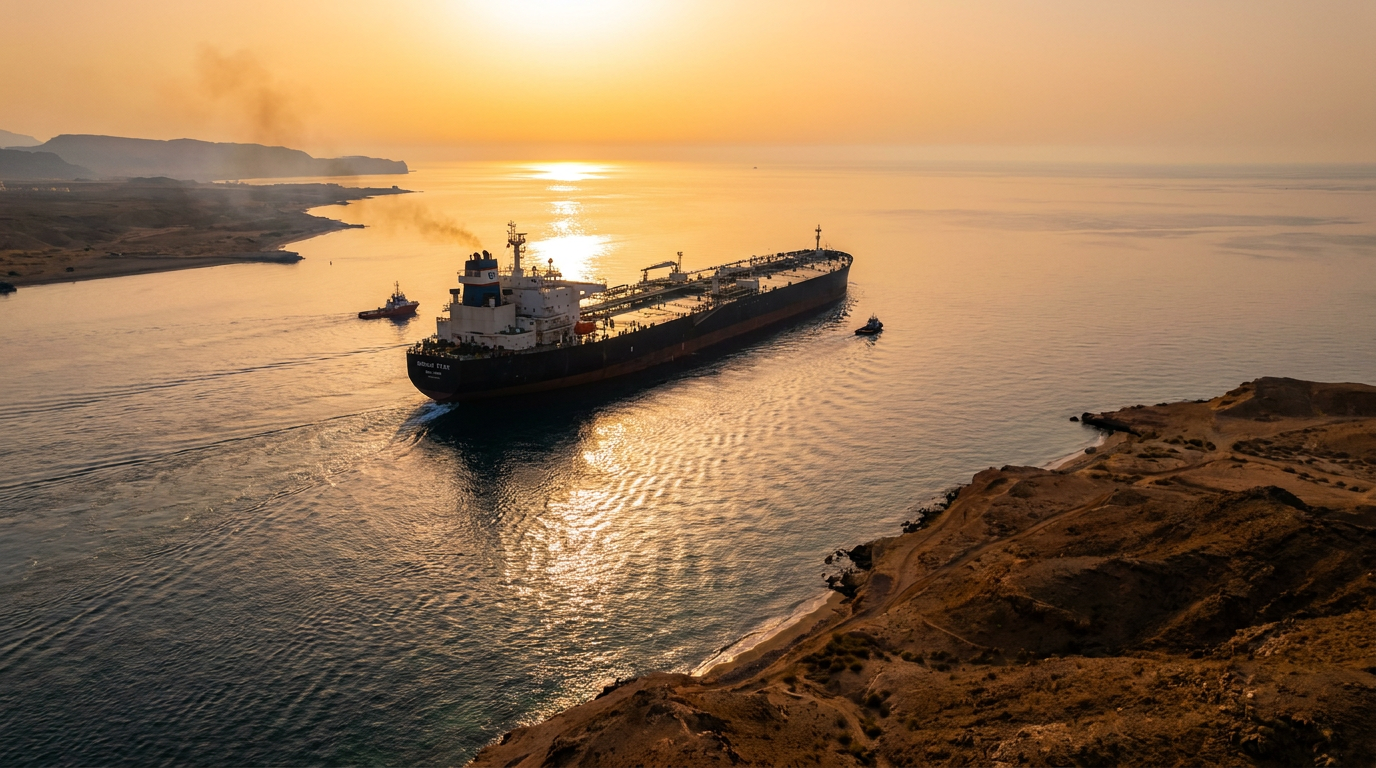
President Donald Trump and Iranian officials have agreed to a 60-day ceasefire and a memorandum of understanding to end the four-month conflict. The deal aims to reopen the Strait of Hormuz and lift the US naval blockade, though key details regarding Iran's nuclear program and waterway tolls remain contested.
By Factlen Editorial Team
- US Administration
- Views the deal as a victory for 'maximum pressure' that secures the Strait and forces nuclear concessions.
- Iranian Leadership
- Frames the agreement as a successful defense of sovereignty that breaks the US blockade and secures economic relief.
- Global Markets & Allies
- Welcomes the economic relief of reopened shipping lanes but remains anxious about unresolved transit fees and long-term stability.
- Regional Security Skeptics
- Fears the interim deal leaves Iran's proxy networks intact and fails to guarantee long-term disarmament.
What's not represented
- · Lebanese and Syrian civilians affected by the overlapping regional conflicts
- · Commercial shipping companies tasked with navigating the newly reopened Strait
Why this matters
The four-month conflict disrupted 20% of the world's oil shipments and triggered a spike in global energy prices. A successful ceasefire and the reopening of the Strait of Hormuz would stabilize global markets, lower fuel costs for consumers, and reshape the geopolitical balance of the Middle East.
Key points
- The US and Iran have electronically signed a memorandum of understanding to end the four-month conflict.
- The agreement establishes a 60-day ceasefire to negotiate a comprehensive peace treaty.
- The US will lift its naval blockade on Iranian ports, while Iran will reopen the Strait of Hormuz to global shipping.
- Oil prices fell by nearly 5% following the announcement, bringing WTI crude down to roughly $81 per barrel.
- A formal signing ceremony is scheduled for Friday in Geneva, Switzerland, mediated by Pakistan.
- Significant disagreements remain over whether Iran will charge transit fees in the Strait and the timeline for releasing frozen assets.
After nearly four months of a conflict that disrupted global trade and energy markets, the United States and Iran have reached a preliminary peace agreement. President Donald Trump and Iranian parliamentary speaker Mohammad Bagher Ghalibaf electronically signed a memorandum of understanding on Sunday, establishing a 60-day ceasefire. The breakthrough aims to halt all military operations across multiple fronts and sets the stage for a formal signing ceremony in Geneva, Switzerland, on Friday.[1][6]
The core of the interim deal focuses on immediately de-escalating the most economically damaging aspects of the war. Under the framework, the United States will lift its naval blockade on Iranian ports, a measure imposed in April following the outbreak of hostilities. In exchange, Iran has agreed to reopen the Strait of Hormuz, a critical maritime chokepoint that handles roughly one-fifth of the world's oil supply.[2][5]
The conflict, which began in late February 2026 with a massive US and Israeli military offensive dubbed Operation Epic Fury, had sent shockwaves through the global economy. The initial strikes resulted in the death of Iran's Supreme Leader Ayatollah Ali Khamenei and triggered a protracted exchange of missile and drone attacks across the Middle East. As the war escalated, the closure of the Strait of Hormuz subsequently stranded commercial vessels, disrupted international supply chains, and drove up energy prices worldwide, creating a sense of urgency among global leaders to find a diplomatic off-ramp.[3][4]

Financial markets reacted instantly to the news of the ceasefire. Global crude oil prices tumbled by nearly 5% on Monday, with West Texas Intermediate (WTI) crude dropping to roughly $81 per barrel and Brent crude falling to $83. Meanwhile, US equity markets surged, with the Dow Jones Industrial Average hitting a new record high as investors cheered the prospect of stabilized supply chains and reduced geopolitical risk. Analysts noted that while the immediate threat of a wider regional war had subsided, the long-term economic recovery would depend heavily on the successful implementation of the maritime agreements.[5][8]
Despite the market optimism, the exact terms of the 14-point memorandum remain unpublished, leading to sharply contested narratives between Washington and Tehran. President Trump took to social media to declare that the Strait of Hormuz would be 'completely open' and 'toll-free' for unrestricted shipping in both directions. However, Iranian state media and officials have insisted that the waterway will be managed under 'Iranian arrangements,' explicitly stating their intention to charge what they describe as 'maritime service fees' rather than tolls, setting up an immediate diplomatic clash over the freedom of navigation.[3][4]
Despite the market optimism, the exact terms of the 14-point memorandum remain unpublished, leading to sharply contested narratives between Washington and Tehran.
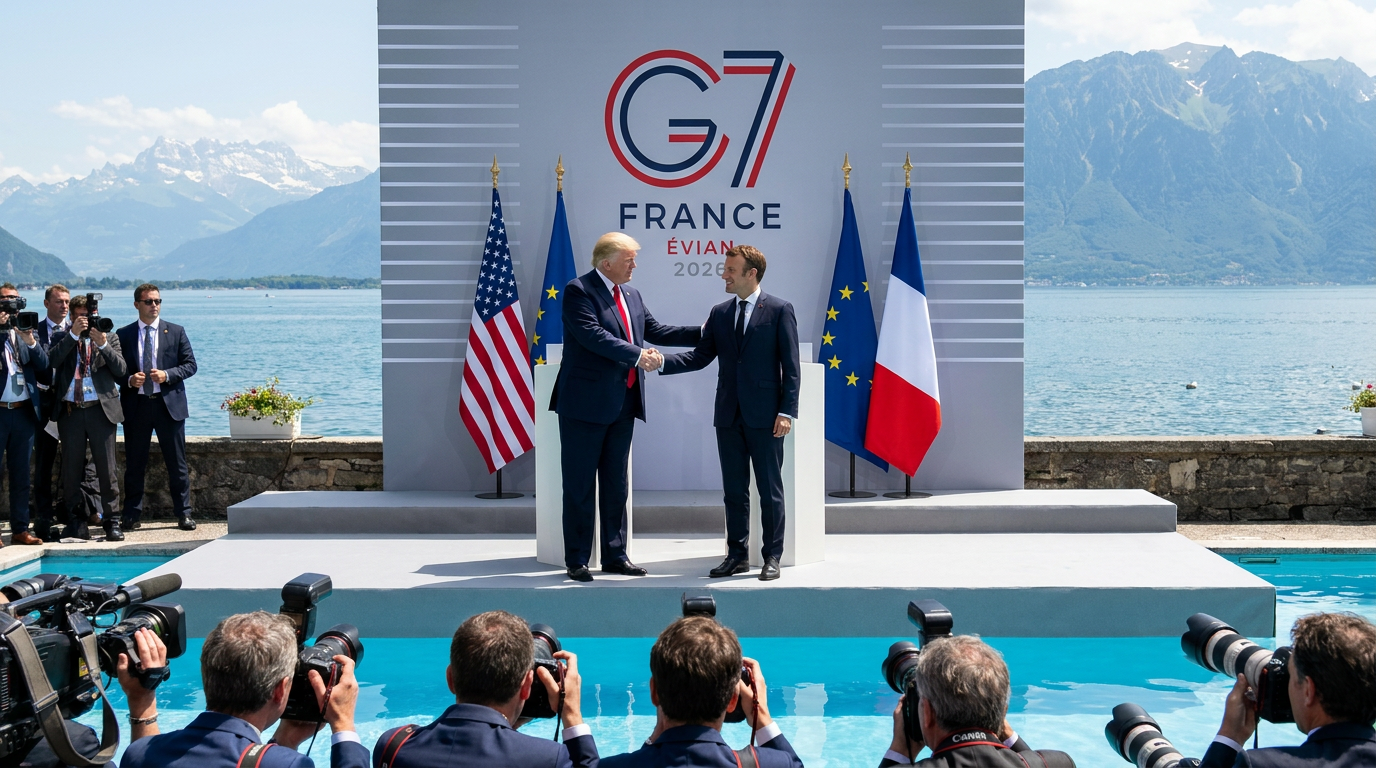
This discrepancy over transit fees has already caused friction among US allies and international stakeholders. Speaking ahead of the G7 summit in France, French President Emmanuel Macron emphasized that the international community would 'do everything in our power to ensure there is no toll.' Commercial shipping companies have also expressed caution, noting that a political agreement must translate into secure, verifiable conditions on the water before major fleets resume normal operations, as insurers remain wary of the lingering risks in the Persian Gulf.[3][8]

The most complex issue—Iran's nuclear program—has been largely deferred to the upcoming 60-day negotiation window. President Trump claimed on Monday that Iran has 'agreed to never have a Nuclear Weapon' and suggested that nuclear material would be 'unearthed' and removed by the US. Conversely, Iranian sources indicate that Tehran has only agreed to maintain the current nuclear status quo, halting further uranium enrichment while a final, comprehensive treaty is hammered out. International observers, including the UN nuclear watchdog, have floated proposals such as transferring enriched uranium to Kazakhstan to bridge the gap.[6][8]
Economic relief for Iran is another major flashpoint in the preliminary framework. Iranian state-linked outlets, including the Mehr News Agency, reported that the deal includes the suspension of US sanctions on Iranian oil and the phased release of up to $24 billion in frozen assets. US officials have pushed back on this characterization, insisting that any sanctions relief or unfreezing of funds will be strictly conditional. The administration maintains that economic benefits will be implemented only after Tehran demonstrates verifiable compliance with the agreement, ensuring the US retains leverage during the 60-day talks.[1][7]

The diplomatic breakthrough was heavily mediated by Pakistan, with Prime Minister Shehbaz Sharif confirming his country's role in brokering the talks and hosting the initial back-channel communications. Vice President JD Vance is expected to lead the US delegation at the formal signing ceremony in Geneva, representing the administration as the final details are codified. While the guns are falling silent between US and Iranian forces, the broader regional implications remain highly volatile, with neighboring countries watching closely to see how the shifting power dynamics will affect their own security.[1][6]
Notably, the ceasefire's impact on allied military operations is already being tested on the ground. While Iranian officials stated the truce applies to all fronts, including Lebanon, Israeli Defense Minister Israel Katz announced that the Israel Defense Forces will not withdraw from Lebanese territory seized during the conflict. As diplomats prepare for the Geneva summit, the next 60 days will determine whether this fragile memorandum can evolve into a lasting peace treaty or if the deliberate ambiguities embedded in the compromise will cause the entire framework to unravel.[3][5]
How we got here
Feb 28, 2026
The US and Israel launch Operation Epic Fury, initiating the conflict and killing Ayatollah Ali Khamenei.
April 2026
The US military imposes a naval blockade on Iranian ports in retaliation for Iran's closure of the Strait of Hormuz.
June 14, 2026
President Trump and Iranian officials electronically sign a preliminary memorandum of understanding.
June 15, 2026
Global oil prices drop sharply as the ceasefire and impending reopening of the Strait are announced.
June 19, 2026
A formal signing ceremony is scheduled to take place in Geneva, Switzerland.
Viewpoints in depth
The US Administration's View
The White House frames the agreement as a decisive victory that secures global trade and forces Iranian nuclear concessions.
President Trump and his allies argue that the 'maximum pressure' military campaign successfully brought Tehran to the table. The administration insists the deal guarantees a toll-free Strait of Hormuz and permanently blocks Iran from obtaining a nuclear weapon, framing the 60-day window as a period for Iran to prove compliance before receiving any substantial economic relief.
Iran's View
Iranian officials and state media portray the deal as a successful defense of their sovereignty that forces the US to lift its blockade.
Tehran emphasizes that the agreement requires the US to end its naval blockade and suspend sanctions on Iranian oil exports. Iranian state media, such as Mehr, report that the deal includes the release of up to $24 billion in frozen assets and allows Iran to manage the Strait of Hormuz under its own arrangements, including the collection of 'maritime service fees'.
Allied and Regional Skeptics
European allies and Israel express cautious relief over the ceasefire but worry about unresolved security loopholes.
While European leaders at the G7 welcomed the drop in oil prices, they remain concerned about Iran's insistence on charging transit fees in the Strait. Meanwhile, Israeli officials have criticized the framework as a 'compromise packed with fudges' that fails to adequately address Iran's proxy networks, with Israel explicitly refusing to withdraw its forces from Lebanon despite the broader ceasefire.
What we don't know
- The exact text of the 14-point memorandum of understanding has not been publicly released.
- It remains unclear how the two sides will resolve the dispute over Iran's nuclear enrichment program during the 60-day window.
- Whether Iran will actually attempt to levy 'maritime service fees' on international shipping, and how the US Navy would respond.
Key terms
- Strait of Hormuz
- A narrow, strategically vital waterway between the Persian Gulf and the Gulf of Oman through which roughly 20% of the world's oil supply passes.
- Memorandum of Understanding (MOU)
- A preliminary formal agreement between two or more parties that outlines the framework for a future, more detailed treaty.
- Naval Blockade
- A military operation in which ships are used to prevent vessels, goods, and personnel from entering or leaving a country's ports.
- Sanctions Relief
- The reduction or removal of economic penalties, allowing a country to resume international trade and access frozen financial assets.
Frequently asked
Is the war between the US and Iran completely over?
The current agreement is a 60-day ceasefire and a preliminary framework. A permanent end to the conflict depends on the success of further negotiations during this window.
Will gas prices go down?
Global crude oil prices dropped by roughly 5% immediately after the announcement. If the Strait of Hormuz fully reopens without disruption, consumer fuel prices are expected to stabilize and potentially decrease.
What happens to Iran's nuclear program?
The preliminary deal defers the specifics of Iran's nuclear program to the 60-day negotiation period, though the US insists the final treaty must permanently prevent Iran from obtaining a nuclear weapon.
Sources
Source coverage
8 outlets
4 viewpoints surfaced








[1]TIMEUS Administration
U.S. and Iran Sign Agreement to Stop Fighting, Reopen Strait
Read on TIME →[2]PBSRegional Security Skeptics
Deal is reached to end Iran war and Trump orders stop to U.S. naval blockade
Read on PBS →[3]The GuardianGlobal Markets & Allies
Monday briefing: Trump's late-night deal with Iran
Read on The Guardian →[4]Fox NewsUS Administration
Trump says peace pact reached with Iran, oil set to flow through Strait of Hormuz
Read on Fox News →[5]The Wall Street JournalGlobal Markets & Allies
U.S. and Iran have reached a deal to stop fighting, reopen shipping
Read on The Wall Street Journal →[6]Radio Free EuropeRegional Security Skeptics
Trump, Iran Say Framework Agreement Reached To End War
Read on Radio Free Europe →[7]Mehr News AgencyIranian Leadership
Iran media publish purported details of Iran-US draft agreement
Read on Mehr News Agency →[8]The HinduGlobal Markets & Allies
West Asia LIVE: U.S. says Hormuz to be toll-free under Iran deal
Read on The Hindu →
More in news politics
See all 6 stories →Strait of Hormuz
US and Iran Reach Framework Peace Deal to End War and Reopen Strait of Hormuz
0 sources
Digital Literacy
Fact Check: Can 'Prebunking' Actually Inoculate Voters Against Political Misinformation?
0 sources

US-Iran Deal
US and Iran Reach Framework Peace Deal to End 15-Week War, Reopen Strait of Hormuz
0 sources
Title IX
Supreme Court strikes down federal Title IX gender identity mandate in 5-4 ruling
0 sources
Every angle. Every day.
Get news politics stories with full source coverage and perspective breakdowns delivered to your inbox.