
US and Iran Sign Preliminary Peace Framework to End 15-Week War
The US and Iran have agreed to a 60-day ceasefire and the reopening of the Strait of Hormuz, though complex negotiations over nuclear limits and regional security remain unresolved.
By Factlen Editorial Team
- US Administration
- Argues the deal is a historic breakthrough that reopens global trade and neutralizes Iran's nuclear threat.
- Congressional Skeptics
- Demands strict verification and opposes any financial relief for Iran before nuclear dismantlement is proven.
- Israeli Leadership
- Maintains that Israel is not bound by the US-Iran framework and will continue military operations in Lebanon.
- Global Markets & Allies
- Welcomes the de-escalation primarily for its stabilization of the global economy and energy supply chains.
- Iranian Hardliners
- Views the preliminary agreement as a diplomatic capitulation that surrenders Iran's strategic leverage.
What's not represented
- · Lebanese civilians caught in the ongoing crossfire
- · Commercial shipping operators navigating the newly reopened strait
- · Gulf state leaders reportedly expected to fund the reconstruction
Why this matters
The preliminary agreement halts a devastating 15-week war that choked global energy supplies, instantly lowering oil prices and stabilizing markets. However, with the core disputes over nuclear development and regional security deferred to future talks, the ultimate success of the deal will dictate whether the Middle East achieves lasting peace or plunges back into conflict.
Key points
- The US and Iran have electronically signed a Memorandum of Understanding to end their 15-week war.
- The agreement immediately lifts the US naval blockade on the Strait of Hormuz, sending oil prices down by 5%.
- Vice President JD Vance clarified the MOU is a 'very general' 1.5-page document that extends the ceasefire for 60 days.
- Complex issues like Iran's nuclear program and sanctions relief are deferred to upcoming technical negotiations.
- Israel maintains it is not bound by the agreement and will continue its military operations against Hezbollah in Lebanon.
- A formal in-person signing ceremony is scheduled for Friday, June 19, in Geneva, Switzerland.
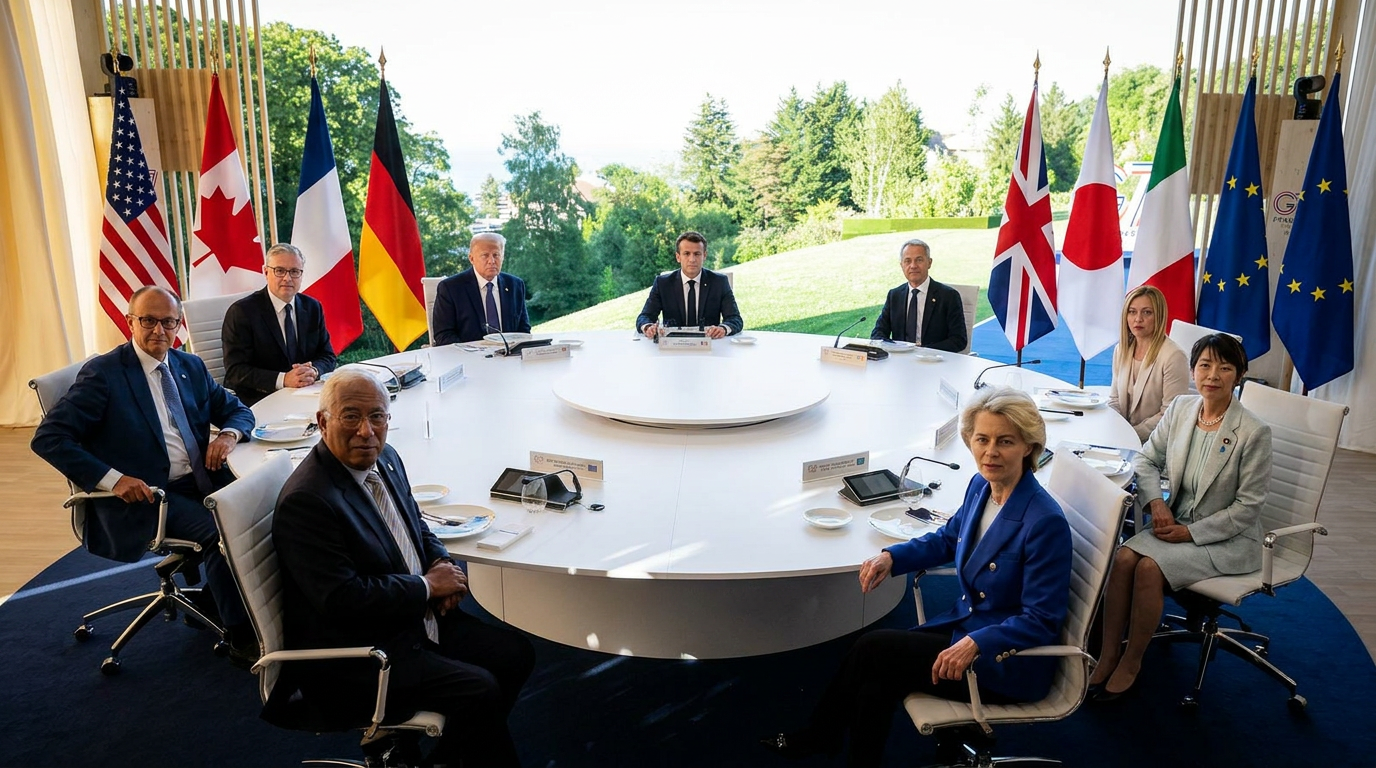
The 15-week war that has convulsed the Middle East and choked global energy markets may be approaching a fragile conclusion. Speaking from the G7 summit in Évian-les-Bains, France, US President Donald Trump declared that a peace agreement with Iran is "all signed." The announcement signals a potential end to a conflict that began with US and Israeli strikes in late February, offering a sudden reprieve to a global economy battered by maritime blockades.[2][5]
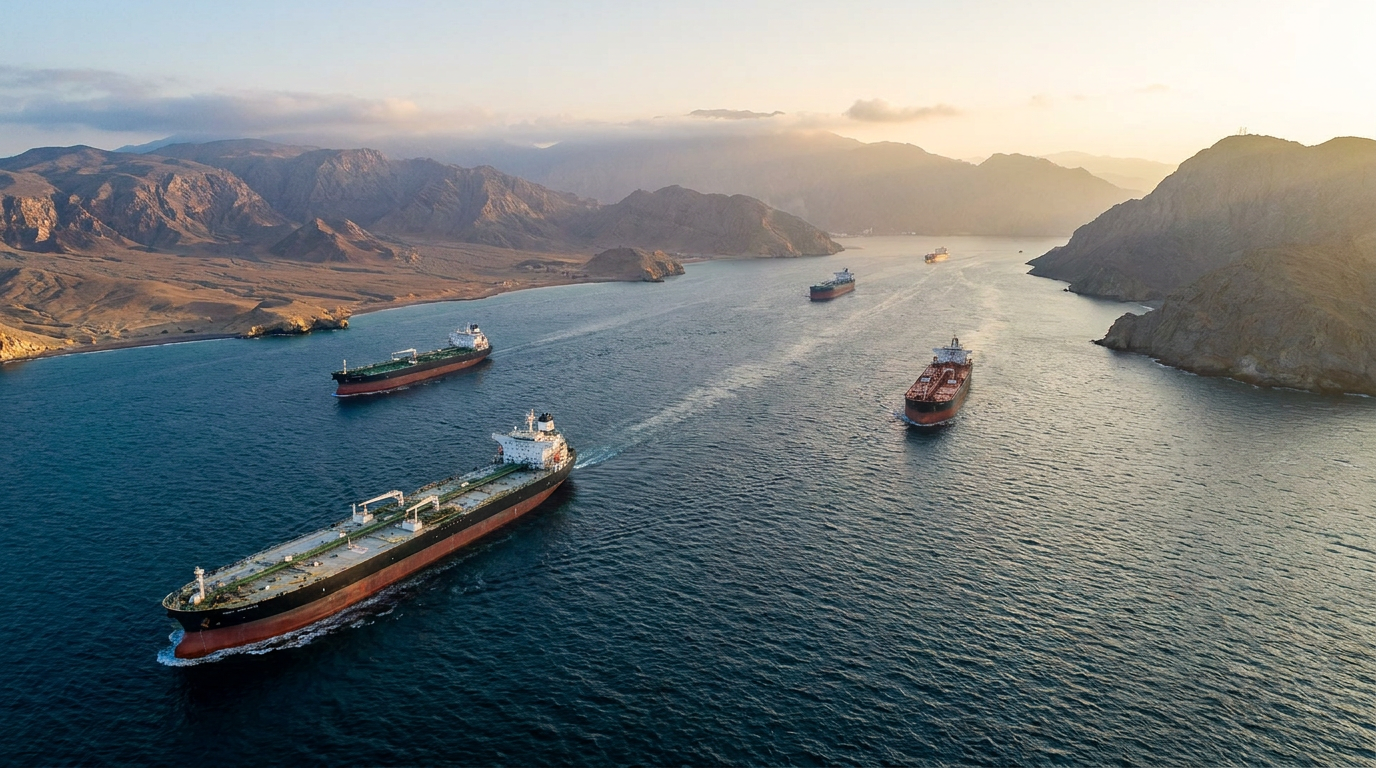
The immediate stakes of the agreement center on the Strait of Hormuz, a critical maritime chokepoint through which a fifth of the world's oil flows. Trump announced the immediate lifting of the US naval blockade, declaring that the strait would be "completely open" by Friday. In exchange, Iran is expected to halt its retaliatory military operations and lift its own restrictions on the waterway.[3][5]
Global markets reacted instantly to the prospect of restored energy supply chains. Oil prices plummeted by nearly 5 percent to their lowest close since early March, while the S&P 500 rallied by 1.9 percent. For European and Asian allies gathered at the G7, the economic stabilization provided a moment of profound relief, even as diplomats scrambled to understand the specifics of the sudden truce.[3][6]

Despite the definitive rhetoric from the US president, the actual mechanism of the peace deal is far more preliminary. The agreement is a Memorandum of Understanding (MOU), electronically signed on Sunday following months of intensive back-channel mediation led by Pakistani Prime Minister Shehbaz Sharif.[3][6]
A formal, in-person signing ceremony is scheduled to take place on Friday, June 19, in Geneva, Switzerland. US Vice President JD Vance and Iranian Parliament Speaker Mohammad-Bagher Ghalibaf are expected to lead their respective delegations. The ceremony will transition the conflict from active warfare into a highly complex diplomatic phase.[2][5]
The reality of the text contrasts sharply with the perception of a finalized treaty. In an interview with CNN, Vice President Vance clarified that the MOU is a "very general document," spanning only about a page and a half. Rather than resolving the core disputes, the document establishes a broad framework for how those disputes will be negotiated.[1][4]
At its core, the MOU functions as a 60-day extension of the current, shaky ceasefire. This two-month window is designed to facilitate intensive technical negotiations. Negotiators will be tasked with translating the broad principles of the MOU into binding, verifiable commitments regarding military posture, maritime security, and nuclear infrastructure.[1][3]

The most intractable issue remains Iran's nuclear program, which was the stated catalyst for the war's outbreak in February. Trump asserted that Iran has "fully agreed" to never possess a nuclear weapon and will be subject to "strong policing powers." However, the MOU defers the complex technicalities—such as the dilution of highly enriched uranium stockpiles and the exact parameters of international inspections—to the upcoming talks.[1][2]
The most intractable issue remains Iran's nuclear program, which was the stated catalyst for the war's outbreak in February.
On the critical question of financial incentives, the US administration insists that no concessions have been made upfront. Vance emphasized that not a single dollar of frozen assets or sanctions relief has been released. Any economic relief, he stated, will be strictly tied to verifiable Iranian compliance, specifically regarding the dismantling of its nuclear material.[1][4]
Reports have circulated regarding a massive $300 billion reconstruction fund for Iran, allegedly to be financed by neighboring Gulf states rather than the US. While Vance appeared to acknowledge the concept of Gulf-backed funding, the mechanics of such a fund—and the political willingness of Gulf nations to underwrite it—remain highly uncertain and contingent on the final treaty.[1]
Back in Washington, the preliminary nature of the deal has sparked intense skepticism among congressional Republicans. Senate Majority Leader John Thune noted that lawmakers have not been briefed on the specifics of the MOU, expressing deep reservations about any financial incentives that might echo the unfreezing of assets under previous administrations.[1]

The geopolitical landscape is further complicated by the ongoing conflict in Lebanon. While the MOU reportedly includes provisions for a permanent termination of military operations on all fronts, including Lebanon, the reality on the ground tells a different story. Israel has continued its military strikes against Hezbollah positions in southern Lebanon, highlighting a critical disconnect in the peace framework.[1][3]
Israeli Prime Minister Benjamin Netanyahu has drawn a hard line, stating that Israel will not withdraw its forces from Lebanon and does not consider itself bound by the bilateral US-Iran agreement. This defiance underscores the limitations of the MOU; while Washington and Tehran may agree to halt direct hostilities, Israel's localized security imperatives threaten to drag the region back into conflict.[1][4]
Inside Iran, the MOU has ignited a fierce domestic battle over the country's strategic direction. While reformist factions have defended the diplomatic off-ramp, hardline conservative outlets like Kayhan have portrayed the agreement as a capitulation. They argue that abandoning the military leverage of the Strait of Hormuz under Western pressure breaks with the state's narrative of resistance.[7]
For the G7 leaders in France, the immediate priority is ensuring the fragile truce holds long enough for the technical talks to begin. French President Emmanuel Macron welcomed the agreement as a vital step for regional stability, but European diplomats are acutely aware that the MOU is merely the starting line, not the finish line.[2][5]

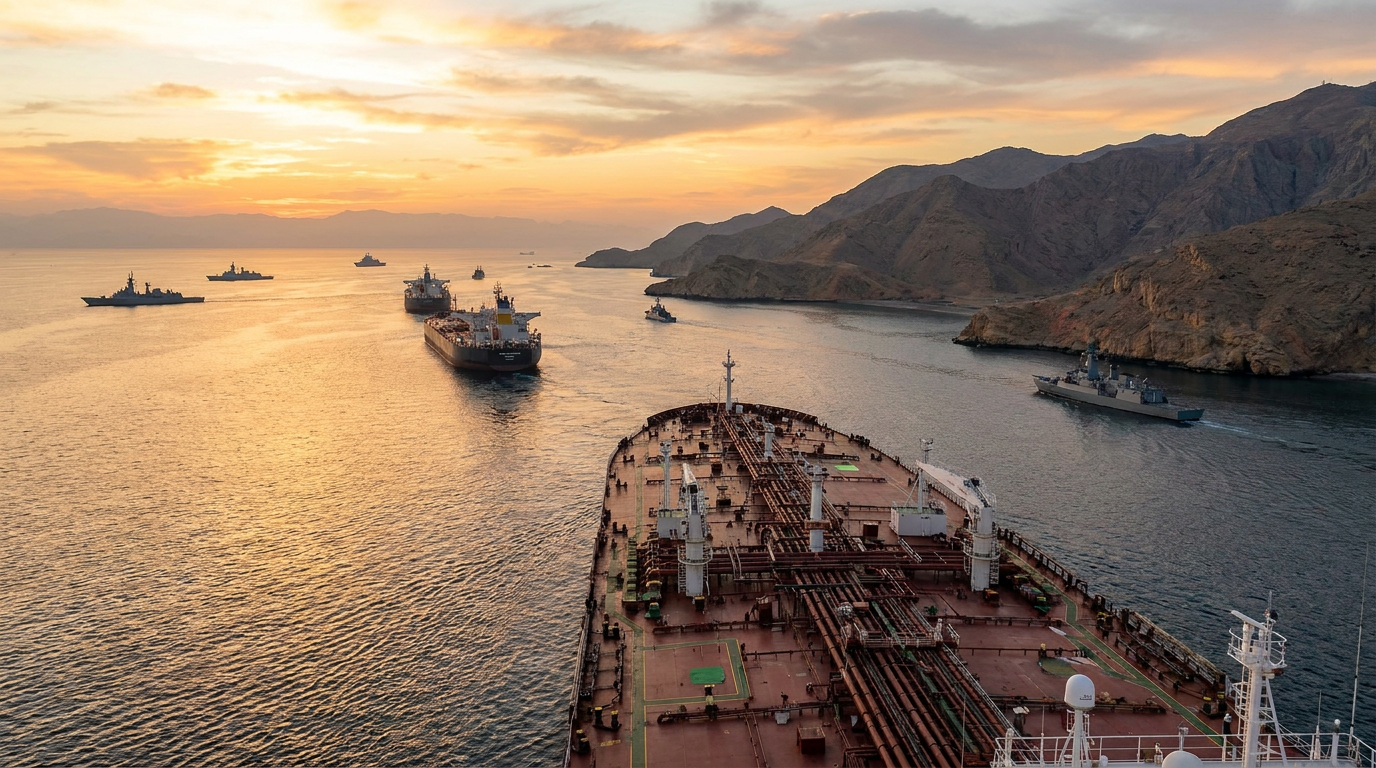
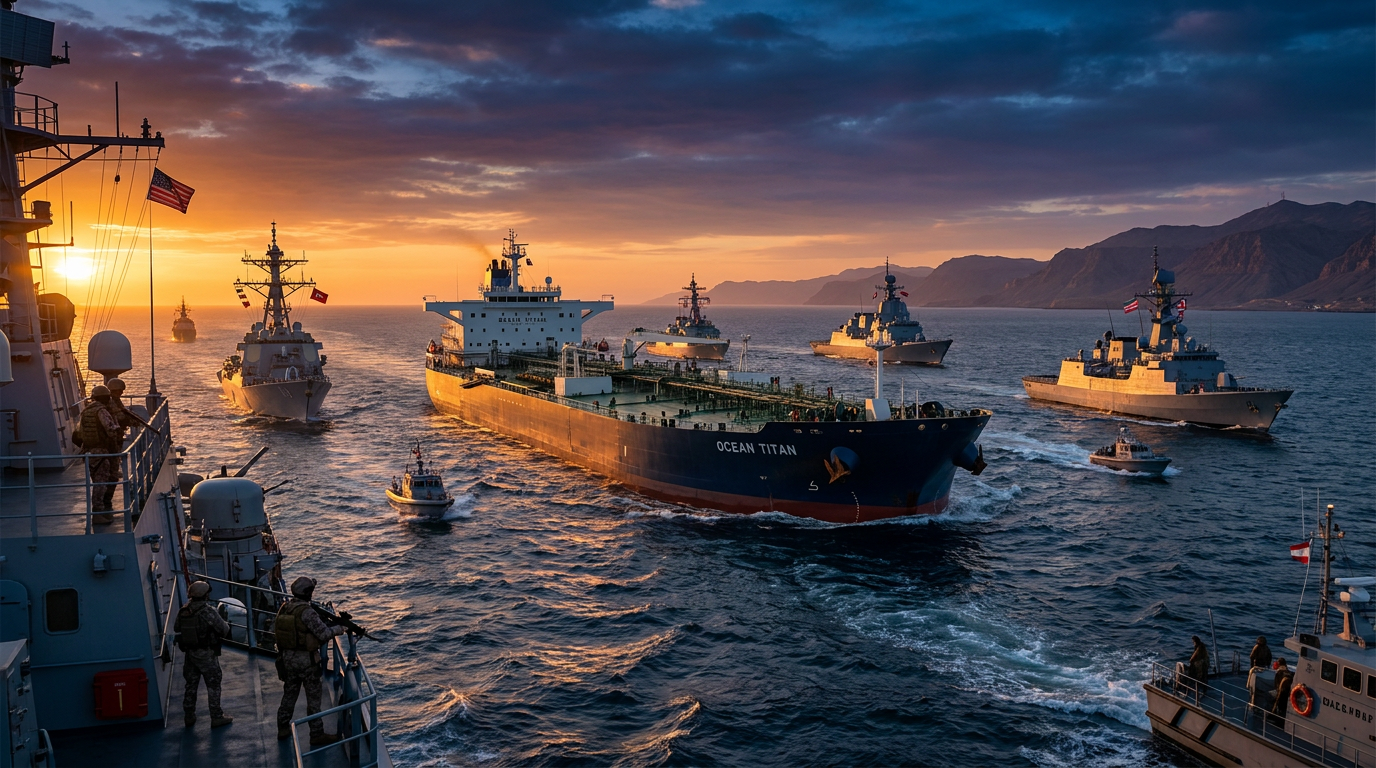
The logistical challenge of reopening the Strait of Hormuz also looms large. The waterway has been heavily militarized over the past 15 weeks, and clearing it for safe commercial transit will require extensive mine-sweeping operations. The US and its allies are currently coordinating naval assets to secure the shipping lanes before Friday's deadline.[2][3]
Much of the global anxiety stems from what remains unknown. The exact text of the one-and-a-half-page MOU has not been publicly released, with Trump suggesting it will be published "sometime after Friday." Until the specific wording is scrutinized, analysts are left to parse the conflicting interpretations offered by Washington, Tehran, and Jerusalem.[2][5]
The next 60 days will serve as a high-stakes stress test for Middle Eastern diplomacy. Negotiators must now attempt to resolve decades of entrenched enmity and the immediate, bloody fallout of a 15-week war, armed with little more than a brief framework and a shared, desperate need to keep the oil flowing.[3][6]
How we got here
Feb 28, 2026
The US and Israel launch military strikes in Iran, initiating a 15-week conflict.
April 2026
A temporary ceasefire is brokered, though sporadic hostilities and maritime blockades continue.
June 14, 2026
The US and Iran electronically sign a Memorandum of Understanding to end the war.
June 15, 2026
President Trump announces the deal at the G7 summit, triggering a drop in global oil prices.
June 19, 2026
A formal signing ceremony is scheduled to take place in Geneva, Switzerland.
Viewpoints in depth
The US Administration's View
Framing the deal as a historic victory that reopens global trade and neutralizes the nuclear threat.
President Trump and Vice President JD Vance are presenting the MOU as a decisive win that achieves the primary objective of the 15-week war: preventing a nuclear-armed Iran. By securing an immediate reopening of the Strait of Hormuz, the administration can point to tangible economic relief, evidenced by the immediate drop in global oil prices. The administration insists that it has not surrendered any leverage, maintaining that sanctions relief and unfreezing of assets will only occur after Iran takes verifiable, concrete steps to dismantle its highly enriched uranium stockpiles.
Congressional Skeptics
Demanding strict verification and opposing any financial relief before nuclear dismantlement is proven.
Lawmakers in Washington, particularly Senate Republicans, are expressing deep reservations about the preliminary nature of the agreement. Figures like Senate Majority Leader John Thune have highlighted the lack of congressional briefings and the ambiguity surrounding the financial incentives offered to Tehran. Skeptics fear that the 60-day negotiation window could allow Iran to regroup militarily while extracting economic concessions, warning against repeating the perceived mistakes of previous nuclear accords.
Israeli Leadership
Refusing to be bound by the bilateral framework and prioritizing the neutralization of Hezbollah.
For the Israeli government, the US-Iran MOU is viewed as dangerously incomplete because it fails to address the immediate security threat on Israel's northern border. Prime Minister Benjamin Netanyahu has explicitly stated that Israel will not withdraw from Lebanon and does not consider itself obligated to honor the ceasefire provisions negotiated by Washington. Israeli officials argue that any peace deal that leaves Hezbollah's military infrastructure intact is unacceptable, prompting Israel to continue its strikes in defiance of the broader diplomatic framework.
Iranian Hardliners
Viewing the preliminary agreement as a diplomatic capitulation that surrenders strategic leverage.
Inside Iran, the agreement has exposed deep political fractures. While government negotiators and reformists defend the deal as a necessary step to end a devastating war and secure sanctions relief, hardline conservative factions are fiercely opposed. Outlets like Kayhan have characterized the MOU as a retreat under Western pressure, arguing that by agreeing to reopen the Strait of Hormuz upfront, Tehran has surrendered its most potent asymmetric weapon before securing ironclad guarantees on its nuclear program and economy.
What we don't know
- The exact text of the Memorandum of Understanding, which remains classified until after the Geneva signing.
- How the US and Iran will resolve the highly technical parameters of dismantling Iran's nuclear program.
- Whether Israel will eventually agree to a ceasefire in Lebanon, or if continued strikes will collapse the broader US-Iran framework.
- Which Gulf nations, if any, have formally committed to financing the rumored $300 billion reconstruction fund.
Key terms
- Memorandum of Understanding (MOU)
- A formal agreement between two or more parties that establishes a framework for future negotiations, though it is typically not a finalized, legally binding treaty.
- Strait of Hormuz
- A crucial maritime chokepoint between the Persian Gulf and the Gulf of Oman, through which approximately a fifth of the world's oil supply passes.
- Highly Enriched Uranium
- Uranium that has been processed to increase the concentration of the U-235 isotope, a necessary step for producing nuclear weapons.
- Naval Blockade
- The use of military ships to cut off a specific maritime area, preventing the passage of commercial traffic and enemy vessels.
Frequently asked
Is the war between the US and Iran completely over?
Not definitively. The current agreement is a preliminary Memorandum of Understanding that extends a ceasefire for 60 days while a final, comprehensive peace treaty is negotiated.
Will Iran receive immediate sanctions relief?
No. US officials have stated that no funds or sanctions relief will be released until Iran takes verifiable steps to dismantle its highly enriched uranium stockpiles.
How does this deal affect Israel and Lebanon?
While the US-Iran deal reportedly calls for an end to hostilities in Lebanon, Israel has stated it is not bound by the agreement and has continued military operations against Hezbollah.
When will the Strait of Hormuz reopen?
President Trump announced the US naval blockade is lifted and the strait will be 'completely open' by Friday, June 19, though mine-clearing operations may be required first.
Sources
Source coverage
7 outlets
5 viewpoints surfaced






[1]The GuardianCongressional Skeptics
JD Vance says US-Iran deal 'very general' with many details yet to be negotiated
Read on The Guardian →[2]CBS NewsUS Administration
Trump projects confidence about Iran deal as he meets global leaders for G7 summit
Read on CBS News →[3]NPRGlobal Markets & Allies
U.S. and Iran announce an initial deal to end the war and reopen the Strait of Hormuz
Read on NPR →[4]The Times of IsraelIsraeli Leadership
Vance says US-Iran MOU is a 'very general document'
Read on The Times of Israel →[5]Arab NewsUS Administration
Trump says Iran deal has been signed, text to come soon
Read on Arab News →[6]The HinduGlobal Markets & Allies
West Asia LIVE: Talks on final agreement with U.S. 'likely' to start on June 19
Read on The Hindu →[7]KayhanIranian Hardliners
Hardliners warn of retreat as Iran media split over US MoU
Read on Kayhan →
Every angle. Every day.
Get news politics stories with full source coverage and perspective breakdowns delivered to your inbox.