
The Evidence Pack: How Nutritional Psychiatry is Treating Depression via the Gut-Brain Axis
Clinical trials demonstrate that dietary interventions can significantly reduce symptoms of major depressive disorder by modulating the gut microbiome. The emerging field of nutritional psychiatry is shifting mental health treatment from a brain-only approach to a whole-body metabolic strategy.
By Factlen Editorial Team
- Nutritional Psychiatrists
- Advocating for diet as a core pillar of mental health treatment.
- Neurogastroenterologists
- Focusing on the biological mechanisms of the microbiome.
- Standard Psychiatric Care
- Viewing diet as a helpful but secondary adjunctive measure.
What's not represented
- · Health Insurance Providers
- · Agricultural Policy Makers
- · Low-Income Patient Advocates
Why this matters
For decades, mental health treatment has focused almost exclusively on the brain. The clinical validation of the gut-brain axis gives patients a powerful, modifiable tool—their daily diet—to actively reduce neuroinflammation and support their own psychological recovery.
Key points
- The SMILES trial demonstrated that a modified Mediterranean diet can lead to clinical remission of depression in nearly a third of patients.
- The gut microbiome produces the vast majority of the body's serotonin precursors and other critical neurotransmitters.
- Dietary fiber ferments into short-chain fatty acids like butyrate, which help reduce neuroinflammation and protect brain tissue.
- Ultra-processed foods can increase intestinal permeability, triggering systemic immune responses that negatively alter brain chemistry.
- Nutritional psychiatry is designed to be an adjunctive treatment, working alongside standard pharmacotherapy and psychotherapy.
For decades, the treatment of mental health disorders has been confined to the brain. Psychiatry has relied heavily on modulating neurotransmitters through pharmacotherapy and rewiring thought patterns through cognitive behavioral therapy. But a quiet revolution is moving the focus two feet lower: to the digestive tract.[3][4]
The emerging field of nutritional psychiatry operates on a simple but profound premise: the brain is an organ, and like any other organ, its function is dictated by the fuel it receives. While the idea that 'you are what you eat' is an ancient adage, modern cognitive neuroscience and biological psychiatry are now mapping the exact molecular pathways that link dietary intake to emotional regulation.[4][7]
The stakes for this research are immense. While traditional treatments like selective serotonin reuptake inhibitors (SSRIs) and talk therapy are lifesaving for many, a significant percentage of patients experience treatment-resistant depression or residual symptoms. The medical community has urgently needed new, modifiable targets to complement standard care, leading researchers to investigate the systemic inflammation and metabolic dysfunction often found in psychiatric patients.[1][3][7]
The watershed moment for nutritional psychiatry arrived with the publication of the SMILES (Supporting the Modification of lifestyle In Lowered Emotional States) trial. Prior to this study, research had established that a poor diet was a risk factor for developing depression, but no one had rigorously tested whether improving diet could actually treat an existing clinical diagnosis.[1][3][6]
Conducted in Australia, the SMILES trial enrolled adults with moderate to severe major depressive disorder. Participants were randomized into two groups: one received a standard social support protocol, while the other underwent a 12-week clinical dietary intervention led by a dietitian. Both groups continued their existing antidepressant medications or psychotherapy.[1][6]
The results were unprecedented in the field of lifestyle medicine. At the end of the 12 weeks, the dietary intervention group saw an average reduction of 7.1 points on the Montgomery–Åsberg Depression Rating Scale (MADRS), compared to just 3.9 points in the control group. More strikingly, 32% of the patients in the diet group achieved full clinical remission of their depression, compared to only 8% in the social support group.[1][6]

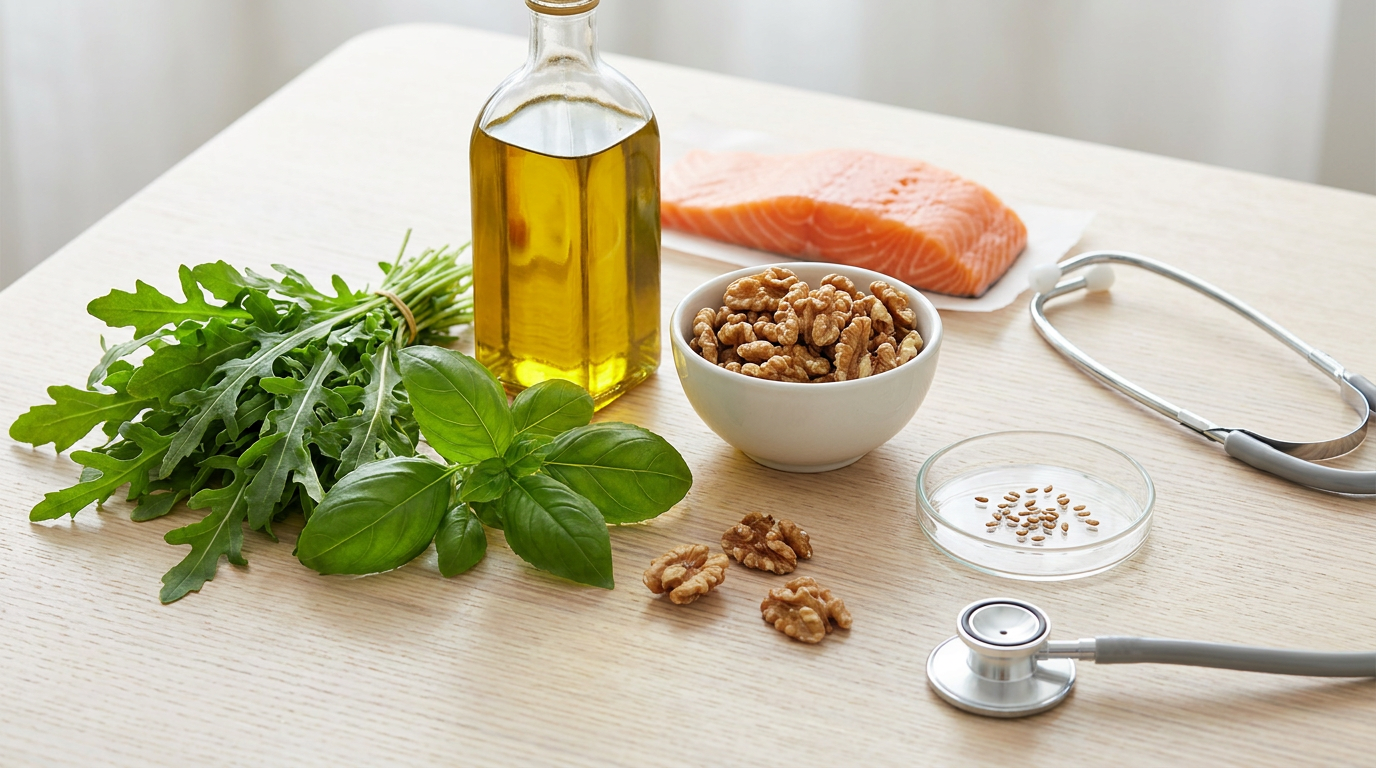
The protocol used in the SMILES trial was a modified Mediterranean diet. It heavily prioritized nutrient-dense whole foods: vegetables, fruits, whole grains, legumes, nuts, extra virgin olive oil, and moderate amounts of fish and lean meats. Crucially, the intervention also required a drastic reduction in ultra-processed foods, refined sugars, and unhealthy fats, which are staples of the standard Western diet.[2][6]
To understand why a Mediterranean-style diet exerts such a powerful antidepressant effect, researchers point to the gut-brain axis. This bidirectional communication network links the enteric nervous system of the gastrointestinal tract with the central nervous system of the brain. The primary physical conduit for this connection is the vagus nerve, a biological superhighway that transmits signals from the gut directly to the brainstem.[2][3][5]
To understand why a Mediterranean-style diet exerts such a powerful antidepressant effect, researchers point to the gut-brain axis.
The gut-brain axis is heavily mediated by the microbiome—the trillions of bacteria residing in the digestive tract. These microbes are not passive passengers; they are active chemical factories. In fact, the gut microbiome is responsible for producing the vast majority of the body's serotonin precursors, as well as other critical neurotransmitters like dopamine and gamma-aminobutyric acid (GABA), which regulate mood and anxiety.[2][5]
When a person consumes a diet rich in dietary fiber—found abundantly in the legumes, whole grains, and vegetables of the Mediterranean diet—specific beneficial gut bacteria ferment that fiber into short-chain fatty acids (SCFAs), most notably butyrate. Preclinical studies have shown that butyrate possesses potent anti-inflammatory properties and can cross the blood-brain barrier to promote neuroplasticity and reduce neuroinflammation.[2]

Conversely, diets high in ultra-processed foods and refined sugars actively degrade the microbiome. This dietary pattern promotes gut dysbiosis, an imbalance of microbial communities that can compromise the integrity of the intestinal lining. This increased intestinal permeability, often referred to as 'leaky gut,' allows bacterial toxins to enter the bloodstream, triggering a systemic immune response.[2][5][7]
This immune response results in chronic, low-grade inflammation, characterized by the release of inflammatory cytokines. When these cytokines reach the brain, they can alter neurotransmitter metabolism and neural circuit function, particularly in the salience and default mode networks, which are heavily implicated in mood and anxiety disorders. By shifting to an anti-inflammatory diet, patients effectively lower the biological stress on their brain tissue.[2][4][7]
The success of whole-diet interventions has also highlighted the limitations of reductionist nutrition. For years, researchers attempted to treat depression by isolating single nutrients—such as prescribing high-dose omega-3 fatty acid or vitamin D supplements. However, these single-nutrient trials have frequently yielded mixed or null results.[7]
Nutritional psychiatrists now emphasize that food operates synergistically. The brain does not absorb nutrients in isolation; it relies on the complex matrix of vitamins, minerals, antioxidants, and fiber found in whole foods to facilitate proper absorption and metabolic function. A fish oil pill cannot out-compete the inflammatory cascade driven by a diet composed entirely of highly processed convenience foods.[2][4][7]

Despite the promising data, the field of nutritional psychiatry acknowledges significant methodological challenges. The most prominent is the impossibility of double-blinding a dietary trial. In pharmaceutical trials, neither the patient nor the doctor knows who is receiving the active drug versus a placebo. In nutrition trials, patients are acutely aware that they are eating a healthy diet, which introduces a strong expectation bias that can inflate the perceived benefits.[1][8]
Furthermore, the microbiome is highly individualized, shaped by genetics, environment, and early life exposures. A dietary intervention that successfully cultivates beneficial, butyrate-producing bacteria in one patient might be less effective in another due to their baseline microbial composition. This variability underscores the need for personalized nutrition strategies rather than a one-size-fits-all approach.[2][5]
Looking forward, researchers are exploring the frontier of 'psychobiotics'—targeted prebiotics and probiotics designed to explicitly modulate the gut-brain axis for mental health benefits. By identifying the specific bacterial strains that are depleted in patients with major depressive disorder, scientists hope to develop precision supplements that can effectively seed the gut with mood-regulating microbes.[2][5]
The ultimate goal of nutritional psychiatry is not to replace traditional psychiatric care, but to integrate with it. Clinical frameworks are increasingly advocating for the inclusion of specialized dietitians within multidisciplinary mental health care teams. This holistic approach treats the patient's biology and psychology simultaneously, recognizing that mental resilience requires a strong metabolic foundation.[3][6][8]
For patients, the emergence of the gut-brain axis as a therapeutic target is profoundly empowering. While genetics and trauma are often beyond an individual's control, diet is a modifiable risk factor that can be adjusted three times a day. By choosing foods that nourish the microbiome and reduce systemic inflammation, individuals are given a tangible, daily tool to actively participate in their own mental health recovery.[4][6][8]
How we got here
2017
The landmark SMILES trial is published, becoming the first randomized controlled trial to demonstrate that dietary improvement can treat clinical depression.
2019
The International Society for Nutritional Psychiatry Research (ISNPR) establishes formal clinical guidelines for the field.
2022
Large-scale epidemiological studies confirm that ultra-processed Western diets correlate strongly with increased risks of anxiety and mood disorders.
2025
Clinical frameworks increasingly advocate for the formal integration of dietitians into multidisciplinary psychiatric care teams.
Viewpoints in depth
Nutritional Psychiatrists
Advocating for diet as a core pillar of mental health treatment.
This camp argues that the brain is an organ highly sensitive to metabolic and inflammatory stress. They point to trials like SMILES as proof that dietary intervention is not merely a 'lifestyle factor' but a potent, evidence-based medical treatment. They advocate for integrating clinical dietitians into standard psychiatric care teams, arguing that trying to treat depression without addressing a highly processed diet is like trying to heal a burn while the patient is still touching the stove.
Neurogastroenterologists
Focusing on the biological mechanisms of the microbiome.
Researchers in this camp are less focused on the food itself and more on what the food feeds: the gut microbiome. They emphasize that gut bacteria produce the vast majority of the body's serotonin precursors and short-chain fatty acids like butyrate. Their goal is to map the specific microbial profiles associated with psychiatric disorders, paving the way for targeted 'psychobiotics'—precision probiotic treatments designed to alter brain chemistry by modulating the gut flora.
Standard Psychiatric Care
Viewing diet as a helpful but secondary adjunctive measure.
Mainstream psychiatric and psychological practitioners welcome the data on nutrition but caution against overstating its efficacy. They highlight the methodological limitations of dietary trials, particularly the impossibility of double-blinding (patients know they are eating a healthy diet, which introduces expectation bias). This camp maintains that while diet is a valuable adjunctive tool, severe major depressive disorder and acute anxiety still primarily require established pharmacotherapy and cognitive behavioral therapy.
What we don't know
- How to effectively blind dietary intervention trials to eliminate expectation bias from patients.
- Which specific microbial profiles are most predictive of an individual's response to dietary changes.
- The exact clinical efficacy of targeted 'psychobiotics' compared to broad, whole-diet interventions.
Key terms
- Nutritional Psychiatry
- A field of medical research and clinical practice that uses dietary interventions to prevent and treat mental health disorders.
- Gut-Brain Axis
- The bidirectional communication network linking the enteric nervous system of the gut with the central nervous system of the brain.
- Microbiome
- The trillions of bacteria, viruses, and fungi that live in the digestive tract and play a crucial role in immunity, digestion, and neurotransmitter production.
- Vagus Nerve
- A major cranial nerve that serves as the primary physical connection transmitting signals between the gut and the brain.
- Butyrate
- A short-chain fatty acid produced when gut bacteria ferment dietary fiber, known for its powerful anti-inflammatory and neuroprotective properties.
- Psychobiotics
- Live bacteria (probiotics) or fiber (prebiotics) that, when ingested, confer mental health benefits by interacting with the gut microbiome.
Frequently asked
Can changing my diet replace my antidepressant medication?
No. Nutritional psychiatry is designed to be an adjunctive treatment, working alongside standard pharmacotherapy and psychotherapy, not as a standalone replacement.
What specific diet is proven to help with depression?
The strongest clinical evidence supports a modified Mediterranean diet, which is high in vegetables, legumes, whole grains, nuts, olive oil, and fish, while minimizing ultra-processed foods.
How long does it take for dietary changes to affect mood?
In clinical trials like the SMILES study, significant improvements in depressive symptoms were observed after 12 weeks of sustained dietary intervention.
Do single-nutrient supplements work as well as whole foods?
Current evidence suggests that whole-diet interventions are far more effective than single-nutrient supplements (like isolated omega-3 or vitamin D pills) due to the synergistic effects of food.
Sources
Source coverage
8 outlets
3 viewpoints surfaced








[1]BMC MedicineStandard Psychiatric Care
A randomised, controlled trial of a dietary intervention for adults with major depression (the 'SMILES' trial)
Read on BMC Medicine →[2]NutrientsNeurogastroenterologists
Diet-Microbiome-Brain Axis and Mental Health: Biological Mechanisms and Nutritional Implications
Read on Nutrients →[3]Psychiatric TimesNutritional Psychiatrists
Nutritional Psychiatry: The Gut-Brain Connection
Read on Psychiatric Times →[4]Harvard HealthStandard Psychiatric Care
Nutritional psychiatry: Your brain on food
Read on Harvard Health →[5]Stanford MedicineNeurogastroenterologists
The gut-brain connection: What the science says
Read on Stanford Medicine →[6]Food and Mood CentreNutritional Psychiatrists
The SMILEs Trial
Read on Food and Mood Centre →[7]Annual Review of NutritionNeurogastroenterologists
Nutrition and Mental Health: Advances in Nutritional Cognitive Neuroscience
Read on Annual Review of Nutrition →[8]Factlen Editorial Team
Synthesis by Factlen editorial team
Read on Factlen Editorial Team →

More in health
See all 9 stories →Nutritional Psychiatry
The Evidence for Nutritional Psychiatry: How Food is Becoming a Mainstream Mental Health Intervention
0 sources
Sleep Science
The Brain's Nightly Wash Cycle: How Deep Sleep Clears Cellular Waste
0 sources
Bilingual Brain
How the Bilingual Brain Uses a Single 'Grammar Engine' for Multiple Languages
0 sources

Nutritional Psychiatry
The Emerging Science of Nutritional Psychiatry: How the Gut Microbiome Shapes Mental Health
0 sources

Every angle. Every day.
Get health stories with full source coverage and perspective breakdowns delivered to your inbox.